REVIEW · ISTANBUL FOOD TOURS
Istanbul: Turkish Cuisine Walking Food Tour with Guide
Book on GetYourGuide →Operated by Essor · Bookable on GetYourGuide
Food tours here move fast and taste better. This one walks you through Kadıköy on Istanbul’s Asian side, piling up Ottoman and Turkish classics with a guide who knows the local rhythm. I love that it keeps the group small and the stops feel like real neighborhoods, not a checklist.
What stood out most for me were the first bites—Lahmacun and a top-notch döner made with products from a family farm. I also really liked meeting the people behind the food, since guides like Melis (sometimes spelled Meliss) bring you to spots locals actually use. That matters on a food tour, because you taste more than food—you learn why it’s made that way.
One thing to consider: this is a walking tour, and the info about mobility support is contradictory. It’s listed as wheelchair accessible, but it also says it is not suitable for wheelchair users—so I’d confirm directly before booking if that’s relevant to you.
In This Review
- Key highlights worth planning around
- Kadıköy start point: the orange umbrella moment
- The first bites: Lahmacun and döner right off the walk
- Coffee stop and the cooking stories that make it stick
- Menemen, muhlama, and the sheep’s cheese tasting
- Wine break in a historic setting: slow down, then sprint again
- Handmade pide stop: watching the dough work
- Dessert finish and the local-food satisfaction factor
- The price question: is $93 worth it for four hours?
- Who this tour fits best (and who might want a different plan)
- Booking advice: how to get the most out of your day
- Should you book this Istanbul Turkish cuisine walking food tour?
- FAQ
- What is the duration of the Istanbul Turkish cuisine walking food tour?
- How much does the tour cost, and what’s included?
- Where do I meet the guide?
- Is hotel pickup included?
- What language is the tour guide?
- How big is the group?
- Is the tour suitable for wheelchair users?
- What food and drinks do we try?
Key highlights worth planning around
- Kadıköy meeting point by Atatürk and the orange-umbrella guide so you can start without stress
- Lahmacun into döner as your first two “let’s do this” bites
- Multiple warm dishes like menemen and muhlama plus a sheep’s cheese tasting
- Wine break in a historic setting for a slower pause mid-walk
- Handmade pide stop where you see how it’s made, not just what it tastes like
- Learn about the cats as part of the local Kadıköy story
Kadıköy start point: the orange umbrella moment
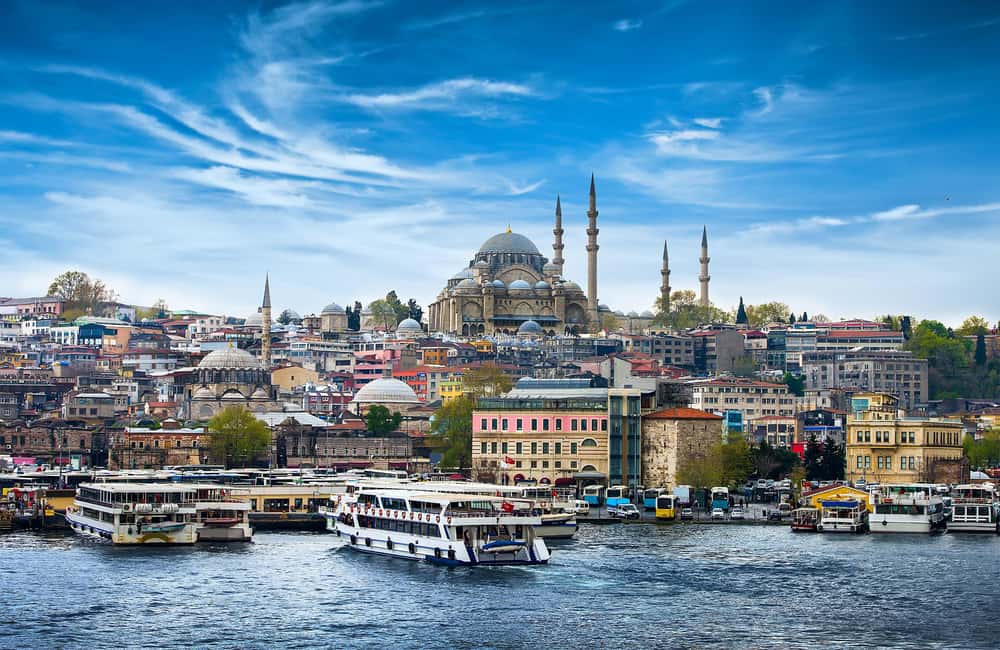
The tour begins in Kadıköy Square, right by the Atatürk statue. You’ll spot the white ferry building to your left, and to your right there’s a large open area with a huge Turkish flag and a statue with stairs. Look for your guide standing on the stairs holding an orange umbrella—easy to spot even if you arrive with jet-lag brain.
If you’re coming by metro, follow signs to Exit 4 at Kadıköy station. As you exit, the meeting spot is to your right. This kind of clear landmark setup is a big deal, because a food tour is only fun if you spend less time hunting and more time eating.
It’s a small group experience, limited to 10 participants. That’s the sweet spot for a walking tour: enough people to create energy, not so many that you lose the guide’s attention.
You can also read our reviews of more walking tours in Istanbul


The first bites: Lahmacun and döner right off the walk
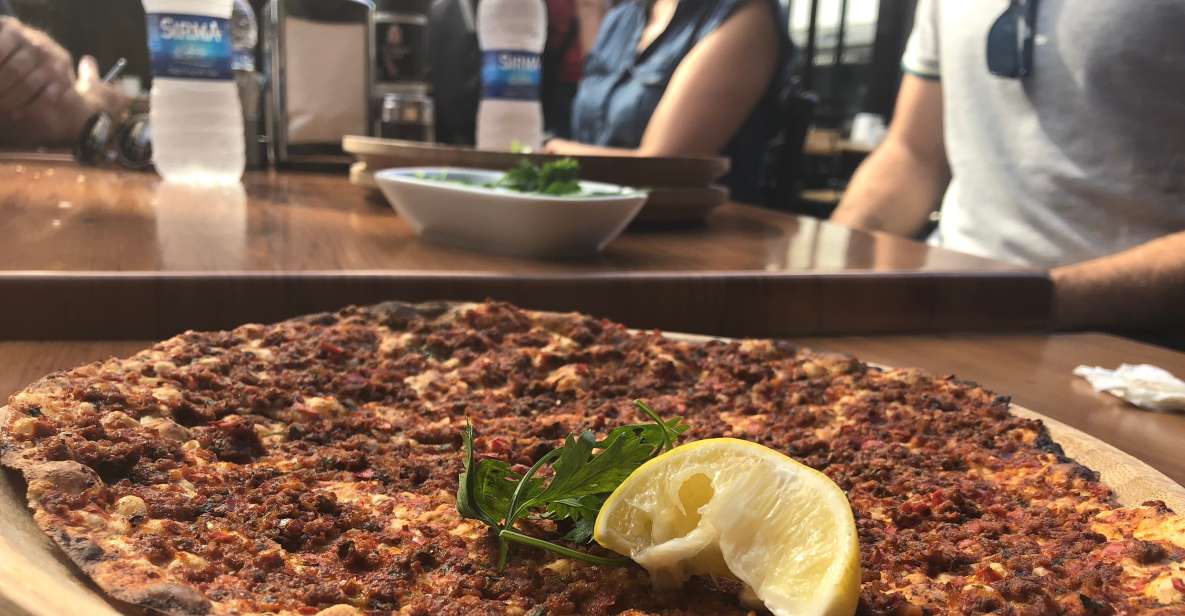
You start with lahmacun, one of those Turkish foods that hits fast and clean. Think crisp, thin, and fragrant—light enough that you can keep going, but satisfying enough to set the tone. This is the kind of first stop that makes you stop checking your watch.
Then comes what they describe as the best döner in Istanbul. The key detail here is the ingredient sourcing: the döner is created using products from a family farm. That matters more than it sounds. When the tour highlights sourcing, it usually means you’re less likely to get average meat from a place that’s built for tourists. The payoff is flavor that tastes intentional, not just convenient.
Between these two stops, you’ll also get the basic tour flow: you eat, you walk, you eat again. And because you’re not stuck at one giant restaurant meal, you keep your appetite alive for the next wave of dishes.
Coffee stop and the cooking stories that make it stick
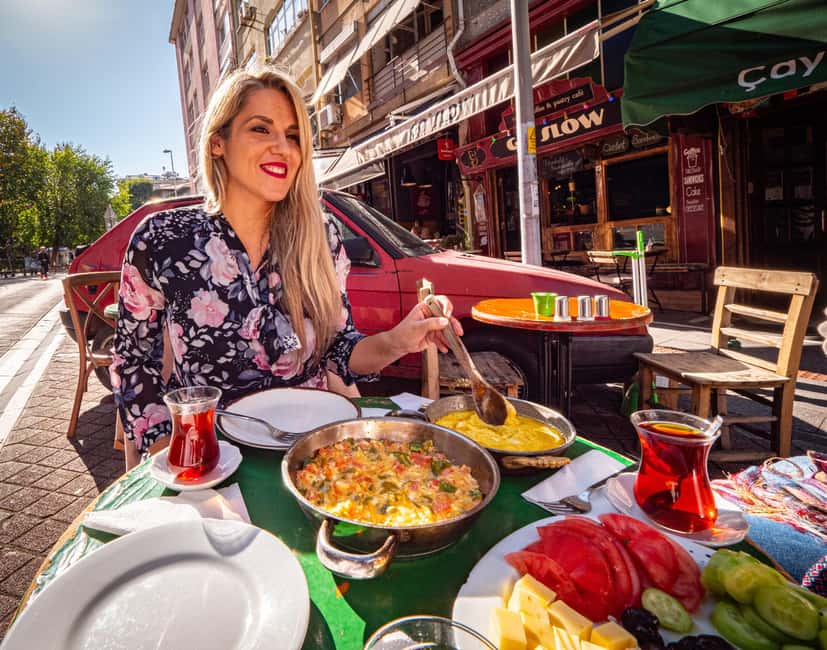
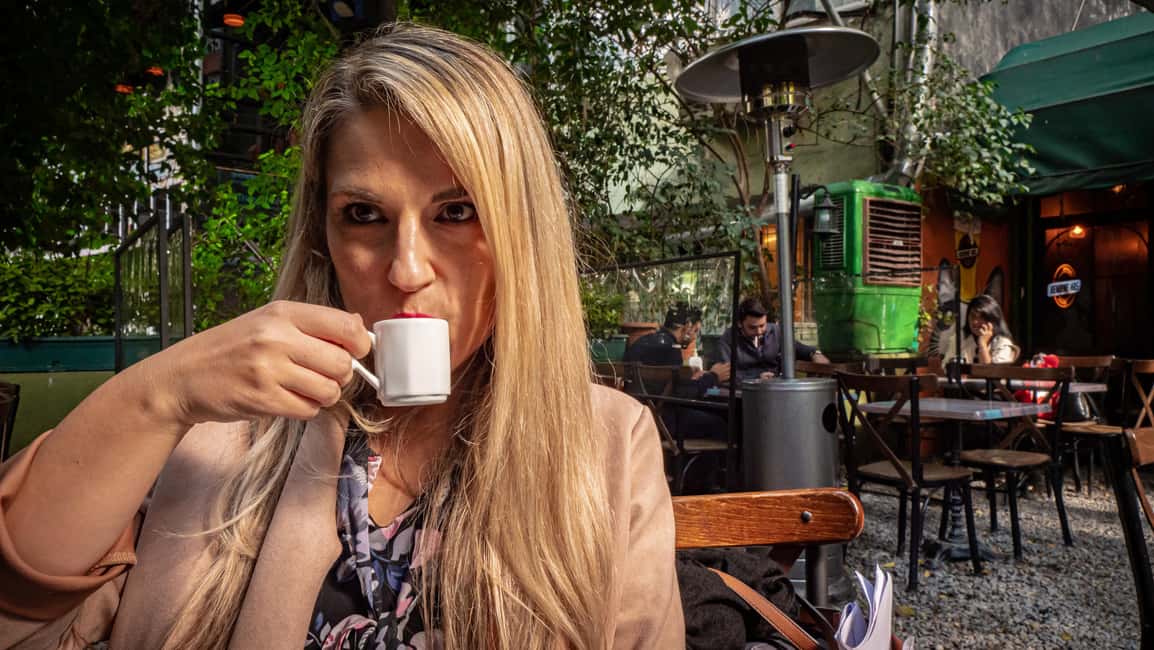
After döner, you’ll have a local coffee break. The point isn’t only caffeine—it’s the explanation that goes with the pause. Your guide tells you why you stopped here and what to pay attention to in Turkish food culture.
This is one of those “small” moments that becomes the glue of the whole tour. If you walk into Istanbul food with only your tongue, you’ll remember flavors. If you also walk in with context—how ingredients are chosen, how dishes are prepared—you remember them with more precision. The guide’s commentary turns each bite into something you can repeat later, back at home.
Menemen, muhlama, and the sheep’s cheese tasting
Next up are classic Turkish dishes, including menemen and muhlama. Menemen is a comforting egg-and-tomato style dish (often with peppers), usually served hot and homey. Muhlama is different: it leans into the cozy comfort zone with melted cheese, letting bread and dairy do the heavy lifting.
You’ll also try sheep’s cheese. Cheese tastings can go two ways on tours: either you get a token bite, or you get enough context to understand what you’re tasting. Here, because the tour is designed around multiple dishes and a guide-led food narrative, the cheese fits as part of the bigger story of regional flavors and dairy use.
If you’re the type who likes to ask questions—what makes it taste different, why this ingredient matters—you’ll probably have fun here. That’s where the guide’s knowledge becomes useful in real time, not just background facts.
Wine break in a historic setting: slow down, then sprint again
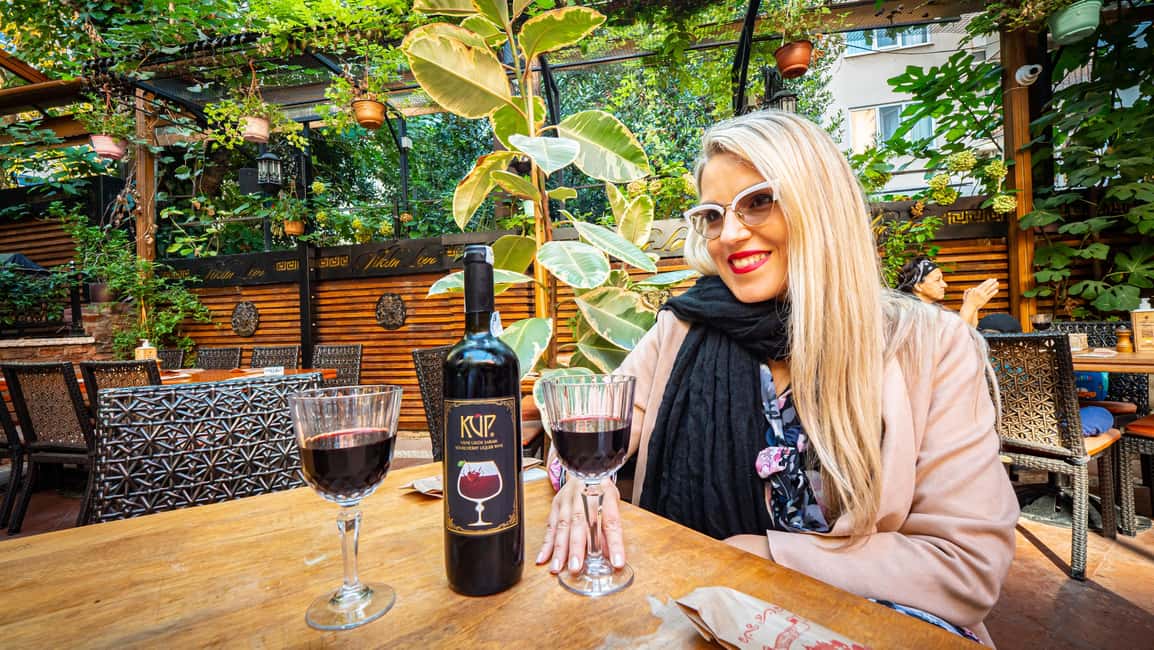
At some point you’ll take a wine break in a lovely and historic setting. This is where the tour stops feeling like pure calorie collection and starts feeling like pacing. Wine breaks on food tours work best when they reset your appetite and give you a chance to breathe—literally and mentally.
Historically framed stops also help you understand why certain food traditions have stuck around. Even if you don’t have every detail memorized, you’ll feel the difference between eating in a generic strip-mall vibe and eating in a place with a sense of continuity.
This is also the moment where your guide can connect dishes back to broader Turkish food patterns—how flavor profiles repeat across the meal. You’ll still be walking after this, but you’ll do it with a happier stomach and clearer head.
You can also read our reviews of more food & drink experiences in Istanbul

Handmade pide stop: watching the dough work
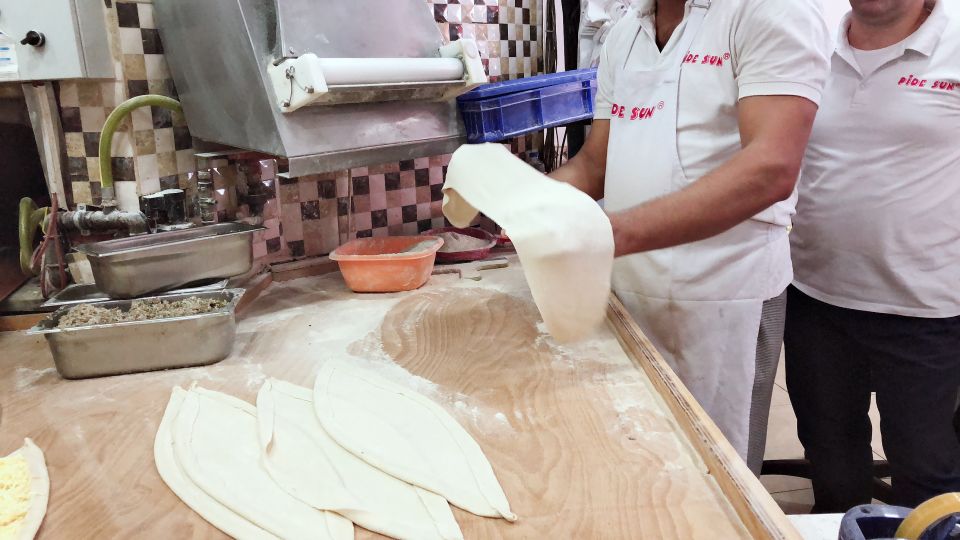
Then you’ll head to a handmade pide stop, where you can see how the breads are made. Pide is a Turkish staple—think boat-shaped flatbread, often topped with savory ingredients. Watching the process gives you a better sense of why it tastes the way it does: dough texture, heat, and the way toppings behave when baked.
This kind of stop is valuable even if you already know pide. Most people only experience it in final form. Here, you get the middle step: the craft. That’s why it tends to stick better than a quick sit-down meal where you only see the finished product.
Potential drawback: handmade stops can take a little time, and the tour is still built around walking and eating. If you’re someone who gets impatient or needs lots of rest between bites, pace yourself early. Take small sips, don’t rush your chewing, and you’ll be fine.
Dessert finish and the local-food satisfaction factor
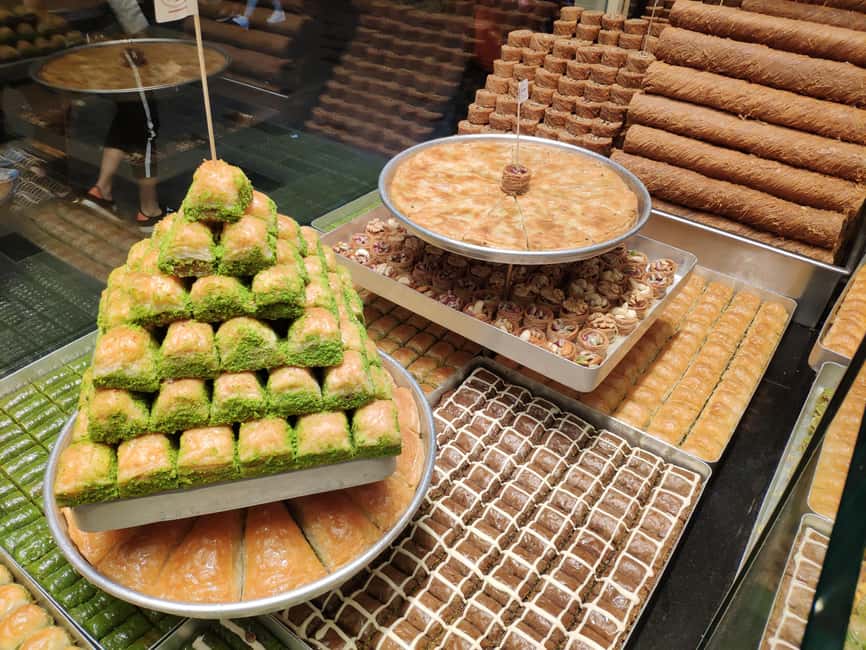
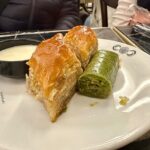
At the end, you’ll enjoy a delicious dessert. The final course is more than sweet closure—it’s part of how you judge the value of a food tour. A good ending means the dessert doesn’t feel like an afterthought. Instead, it feels like the final chapter of the flavors you’ve been chasing.
One of the best parts of this tour, at least from how the experience feels, is how the eating spots land in the local category. You’re not walking into a place that exists solely for tourists. You’re more likely to feel like you’re in the same lanes locals use—especially on the Kadıköy side.
And yes, there’s also a playful angle: you’ll learn about the cats. That’s a very Kadıköy kind of detail, and it gives the walk a lighter, more human feel. It breaks up the food intensity and makes the city feel personal.
The price question: is $93 worth it for four hours?
At $93 per person for a 4-hour walking tour, the value depends on one thing: the inclusions. This tour includes all the food and drinks. That’s the big lever. If you tried to copy this on your own, even a few separate meals plus drinks in Istanbul would climb quickly, especially in neighborhoods where you’re aiming for quality rather than convenience.
Because you’re sampling multiple dishes—lahmacun, döner, menemen, muhlama, sheep’s cheese, wine, handmade pide, and dessert—the price is basically paying for guided selection and timing. You’re not just paying for calories. You’re paying to avoid guesswork and to eat at places that fit the tour’s food-focused route.
Also, small group size matters here. With a limit of 10, you’re more likely to get real interaction instead of being shuffled through like a group photo.
Who this tour fits best (and who might want a different plan)
This is a strong fit if you want:
- A guided food route on Istanbul’s Asian side, especially Kadıköy
- A mix of hot dishes and tastings, not just one big sit-down meal
- A guide who can explain cooking techniques and food origins as you go
- A first food tour experience that doesn’t feel overwhelming
It may not be the best match if:
- You need lots of downtime between stops and walking is hard for you
- You want a strictly indoor, no-walking itinerary
- You have strict dietary needs that require careful menu coordination (the tour does mention multiple dishes, but it doesn’t list special accommodation details in the info you provided)
Booking advice: how to get the most out of your day
If you’re considering this tour, do it with a food-mindset. Come hungry, but not empty-stomach hungry. You’ll be trying multiple dishes across several stops, so your best strategy is slow, consistent eating—small bites, water in between, and letting the guide set the pace.
Wear comfortable shoes. You’re walking, and you’re also likely to pause often for explanations, photos, and the occasional sit-down break. Also, bring a light layer. Istanbul weather can change fast, and this tour notes that the itinerary can shift based on locations and weather.
Finally, take advantage of the human side. Reviews and the tour’s design point to guides like Melis/Meliss who connect you with restaurant owners and share the story behind the food. Ask questions. If you want to know what makes the döner special or what to look for in the pide crust, this is the moment to do it.
Should you book this Istanbul Turkish cuisine walking food tour?
I’d book it if you want an efficient, guided way to eat your way through Kadıköy’s Turkish and Ottoman flavors. The best argument is simple: all food and drinks are included, and the stops are varied enough that you get a real sense of the cuisine rather than one meal repeated at different locations.
Skip it only if walking won’t work for you, or if you’re relying on mobility accommodations and need clarity—because the info about wheelchair suitability is mixed. If that applies, confirm directly before you pay.
If you’re a foodie who likes local spots, learns while you eat, and wants a small-group experience that doesn’t feel like a tourist conveyor belt, this tour is a strong choice.
FAQ
What is the duration of the Istanbul Turkish cuisine walking food tour?
The tour lasts 4 hours.
How much does the tour cost, and what’s included?
The price is $93 per person, and all food and drinks are included during the tour.
Where do I meet the guide?
Meet at Kadıköy Square next to the Atatürk statue. The guide will be on the stairs holding an orange umbrella.
Is hotel pickup included?
No, hotel pickup is not included.
What language is the tour guide?
The tour offers a live English-speaking guide.
How big is the group?
The group is limited to 10 participants.
Is the tour suitable for wheelchair users?
The information provided includes both wheelchair accessibility and a note that it is not suitable for wheelchair users, so you should confirm with the provider before booking.
What food and drinks do we try?
You’ll start with lahmacun, then have döner, coffee, dishes including menemen and muhlama, sheep’s cheese tasting, a wine break, handmade pide, and dessert. The exact order can change depending on availability and weather.