REVIEW · ISTANBUL
10 Days – Turkish Breeze
Book on Viator →Operated by Tour Altinkum Travel · Bookable on Viator
Ten days, four regions, zero guesswork. This Turkey route is interesting because it strings together the big-ticket sights—without making you spend all day stuck on the road. You also get pickup and air-conditioned rides, plus a cap of just 12 people to keep the day from feeling like a human conveyor belt.
What I love is how smoothly the trip runs thanks to strong guides (I heard names like Okan and Ali in Istanbul, Hussien in Cappadocia, and Riza at Ephesus). The second thing I like is the real-time support: you’ll get daily schedules and updates via WhatsApp from the Tour Altinkum Travel team, and they even helped coordinate when flights got delayed.
One thing to consider before you book: the package price doesn’t include history-site entry tickets (budget about €285 per person). Also, some hotel rooms have been described as smaller or less polished than U.S.-style expectations, even when the location is convenient.
In This Review
- Key things to know before you go
- The Turkey Route That Saves You Days: Istanbul, Cappadocia, Pamukkale, Ephesus
- Small-Group Days and the Support That Keeps You on Track
- Istanbul in One Tight Sweep: Hagia Sophia, Topkapi, Blue Mosque, and Grand Bazaar
- Bosphorus Cruise to Kayseri Flight: The Transition Day That Works
- Cappadocia Valleys and Rock Churches: Rose Color, Hidden Rooms, and Crazy Geology
- From Antalya to Ancient Ruins: Perge, Aspendos, and Kursunlu Waterfalls
- Pamukkale: The “Pools of Heaven” and Hierapolis Beyond the Terraces
- Kusadasi and Ephesus: Mary’s House and Ancient Streets You’ll Remember
- Price and Logistics: What You Pay, What You Still Need to Budget
- Who This Tour Fits Best (and Who Might Want a Different Style)
- Should You Book Turkish Breeze?
- FAQ
- Is airport pickup included?
- Are entry tickets included in the tour price?
- How many travelers are in the group?
- Are domestic flights included?
- What is the luggage allowance?
- Is a hot air balloon flight included?
- What happens if Topkapı Palace is closed?
- What happens if the Grand Bazaar is closed?
- How does cancellation work?
Key things to know before you go
- Max 12 travelers: enough space for questions, not enough people for chaos
- Tour Altinkum communication: daily schedules and WhatsApp updates help your timing
- Site entry is separate: your guide uses pre-paid skip-the-line tickets, but you still pay the ticket cost
- Domestic flights save time: you fly between regions instead of suffering long overland transfers
- Big sights in smart order: Istanbul classics, Cappadocia valleys, Pamukkale spa terraces, then Ephesus
The Turkey Route That Saves You Days: Istanbul, Cappadocia, Pamukkale, Ephesus
This tour feels built for people who want variety without living out of a suitcase for weeks. In 10 days you’ll cover four separate “Turkey moods”: the Ottoman-Byzantine core of Istanbul, the otherworld rock towns of Cappadocia, the calcium terraces of Pamukkale, and the classical streets of Ephesus.
The biggest value is how they handle transportation. Instead of grinding through long distances by bus, the plan uses domestic flights between regions. That matters because sightseeing days have tight schedules, and when you remove the travel drag, you actually have time to enjoy the monuments, the views from viewpoints, and the slower moments like strolling through the bazaar.
If you care about efficiency but still want a human-sized tour, the small-group cap is a real plus. With up to 12 people, you’re more likely to get direct answers, faster movement through busy areas, and less waiting around for someone who’s stuck arguing with their phone map at street level.
You can also read our reviews of more tours and experiences in Istanbul.

Small-Group Days and the Support That Keeps You on Track
The tone of this trip is practical: you’re not left figuring it out. You’ll have land transportation by an air-conditioned, non-smoking vehicle, plus airport and hotel transfers. Arrival day in Istanbul is simple—driver greets you at the airport, you go straight to check-in, and the rest of the day is yours.
During the trip, the best part isn’t just “a guide.” It’s the consistency. I like that you get daily schedules and that Tour Altinkum Travel stays in touch through WhatsApp. In real life, flights change, pick-up times shift, and tours run differently than you expect. Having named team support—people like Kerem, Seda, and Seder/Seda (as mentioned in trip feedback)—is the kind of detail that can turn a stressful moment into a non-event.
Also, guides help with logistics at the attractions. Your guide has pre-paid skip-the-line tickets to avoid long queues, which means you spend more time inside the sites and less time in that special kind of impatience that forms when everyone lines up the same way.
Istanbul in One Tight Sweep: Hagia Sophia, Topkapi, Blue Mosque, and Grand Bazaar
Your Istanbul experience starts the right way: you arrive, you check in, and you get breathing room. Then comes a full old-city day packed with the Ottoman and Byzantine heavyweights.
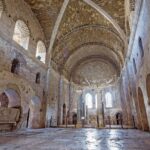
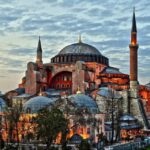
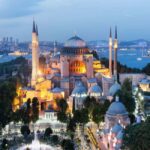
Hagia Sophia Grand Mosque is first on the list. You’ll see why it was once the religious and cultural gravity of the city during Byzantine times. Even if you’ve seen photos, seeing it in person hits differently—the scale is hard to wrap your head around until you’re standing there.
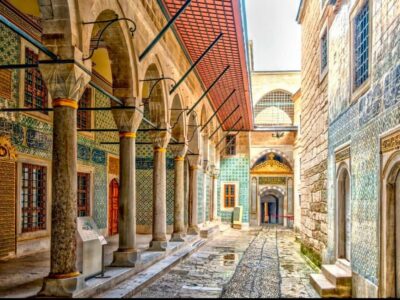
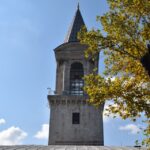
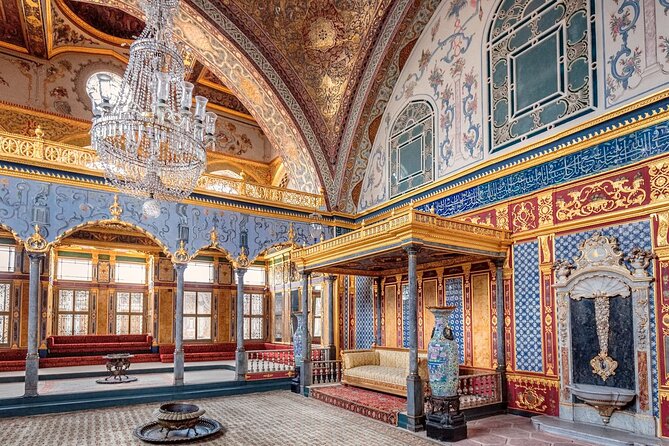
Next is Topkapi Palace, the Ottoman imperial residence and also the seat of government. It’s not just a pretty palace stop; it’s where you can feel how power and daily life were organized under the empire. Then you move into the Hippodrome, a Roman-era public center that once held enormous crowds.
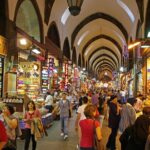
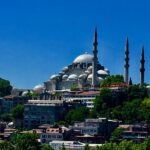
The day continues with the Blue Mosque (six minarets, grand dome) and then a break from monumental stone with the fun chaos of the Grand Bazaar. The bazaar time is valuable because you can actually use it the way locals do: wander with a plan, compare prices, and pick up small Turkish crafts without it feeling like a chore.
Two practical notes for Istanbul:
- Entry tickets to these sites are not included, so plan to handle ticket costs separately.
- The tour uses a schedule format that can move fast. Wear shoes that don’t punish you after 2–3 hours of walking and standing.
Bosphorus Cruise to Kayseri Flight: The Transition Day That Works
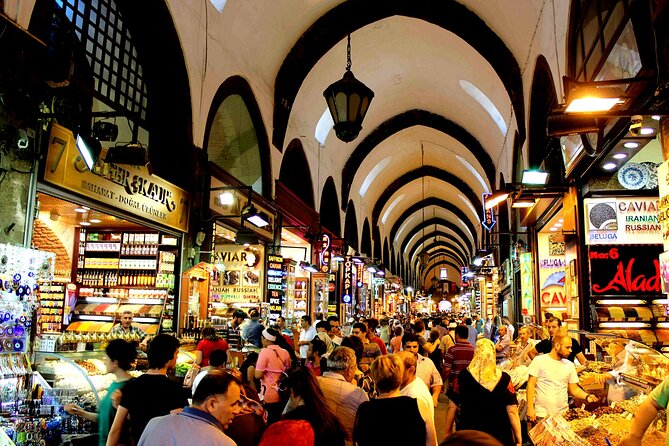
Day 3 is a smart bridge between cities. You start with the Spice Bazaar (Egyptian Bazaar), where the air is packed with the smell of cinnamon, caraway, saffron, mint, thyme, and other spices. This is one of those stops where your senses do half the work. It’s also where you can buy gifts that feel specific to Turkey—especially if you’re picky about what’s actually inside the jars.
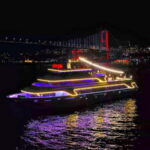
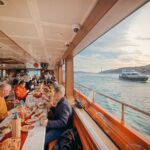
Then you switch to water with a Bosphorus Strait cruise. This is more than a scenic boat ride. You’ll pass palaces, forts, and waterfront landmarks on the Europe-Asia divide, including views of Dolmabahce Palace, Rustem Pasa Mosque, Rumeli Fortress, and more.
After the cruise, you head to the airport and fly to Kayseri, then continue to Cappadocia. This is one of the reasons the itinerary feels “doable”: you’re not trying to cross the country by road in a single day. You get the Istanbul highlight (Bosphorus) and still arrive in Cappadocia ready for sightseeing.
Cappadocia Valleys and Rock Churches: Rose Color, Hidden Rooms, and Crazy Geology
Cappadocia is where the tour really turns into a “how is this even real?” week. The itinerary balances walking spots, viewpoints, and cave history, so you don’t only see fairy-chimney scenery from a bus window.
In the first Cappadocia day, you’ll hit:
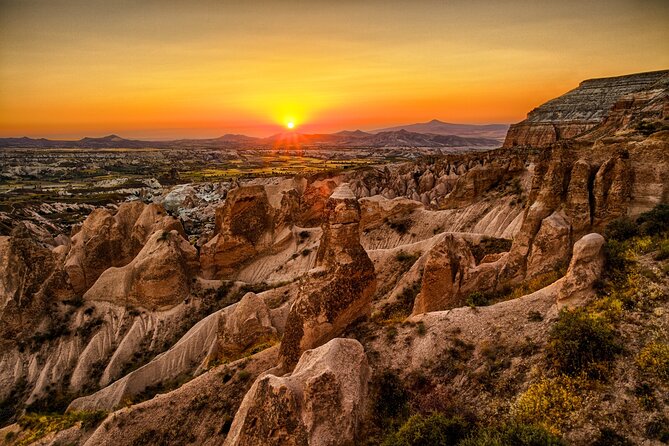
- Rose Valley and Red Valley, where pink tones show up especially when the sun angle changes (sunset is the big payoff, even if your timing varies).
- Cavusin, a village shaped by rock-cut architecture and known for rock churches.
- Pigeon Valley, famous for carved dovecotes and a good walking stretch over soft volcanic tuff.
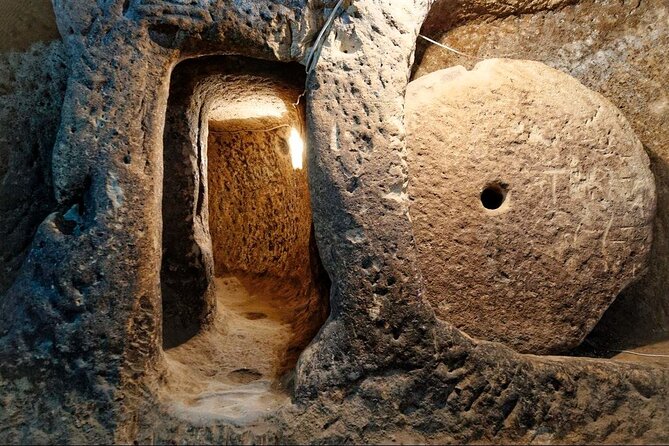
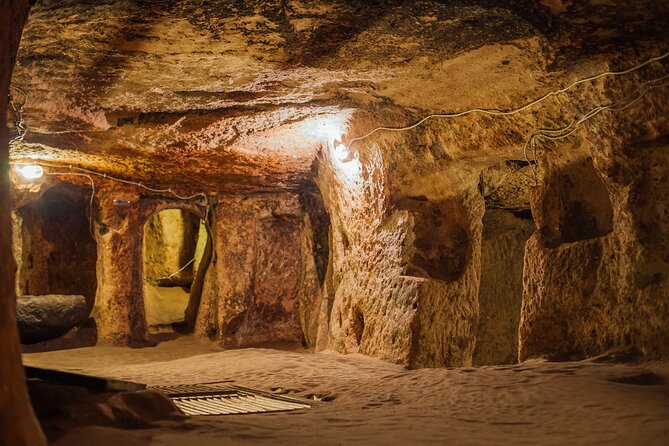
- Kaymakli Underground City, a refuge settlement once used by Christians for shelter and worship—an eight-storey network with corridors and passageways.
- Ortahisar, with narrow streets and the castle-like rock formation that gives the town its character.
The “why this works” is variety. You’re not only inside caves. You’re also outside, moving through valleys and getting the terrain perspective that makes the rock formations click.
The next day shifts into major icon stops:
- Göreme Open Air Museum with rock-cut churches and colorful frescoes.
- Devrent Valley, where the rock shapes look like a sculpture zoo. People often go looking for specific animal forms.
- Pasabag (Monks Valley), including those famous mushroom-shaped fairy chimneys.
- Avanos, with Turkish lunch and a hands-on pottery session with local experts.
- Göreme Panorama, a viewpoint designed for the “wow, this really is the whole fairy-chimney world” moment.
- Uçhisar, another high viewpoint where the rock castle dominates the skyline.
If you like hands-on travel, the pottery in Avanos is a smart break from sightseeing. It turns the trip from only looking into doing.
Two practical expectations for Cappadocia:
- Cave and valley sites mean uneven ground. Comfortable, grippy shoes matter.
- Some entry tickets are not included, so you’ll likely handle a chunk of ticket payments during the week. Your guide’s skip-the-line prep helps, though.
From Antalya to Ancient Ruins: Perge, Aspendos, and Kursunlu Waterfalls
After Cappadocia, you fly from Kayseri to Antalya. That flight leg is one more time-saver that keeps the tour from turning into a series of long bus hours.
Once in Antalya, you have a rest-of-the-day buffer. That’s not a random luxury—it helps you recover from early starts and lots of walking.
The following day is the ancient-city combo:
- Perge Antik Kenti, a major city in the Pamphylia region. You’ll see highlights like the agora, Roman baths, colonnaded street, nympharium, and a grand amphitheater.
- Aspendos Ruins, home to a theater that holds over 20,000 and still hosts festivals and concerts.
- Kursunlu Waterfalls, where after lunch you get fresh air and a cooler change of pace with pine scent and waterfall views.
This day is valuable because it connects the Roman scale you saw in earlier Istanbul sites with the living-in-ruins feeling of Anatolia. You’re not just seeing temples; you’re seeing entertainment and civic spaces—places people actually used.
Pamukkale: The “Pools of Heaven” and Hierapolis Beyond the Terraces
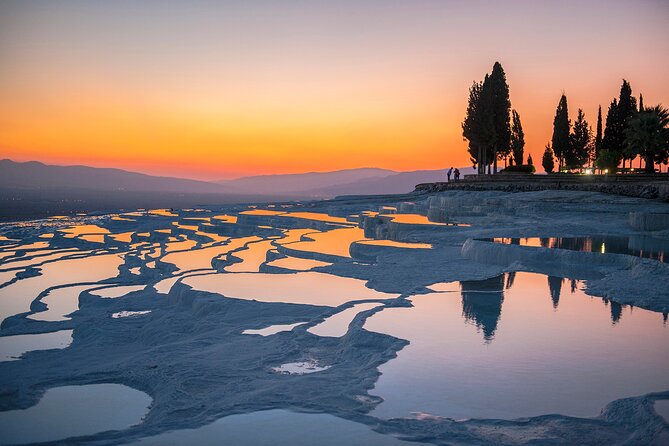
Pamukkale Thermal Pools are the centerpiece here. The terraces are formed by running warm spring water (around 35°C) rich in calcium bicarbonate, which leaves that famous white travertine look. It’s also a UNESCO World Heritage Site, which you feel immediately once you’re there.
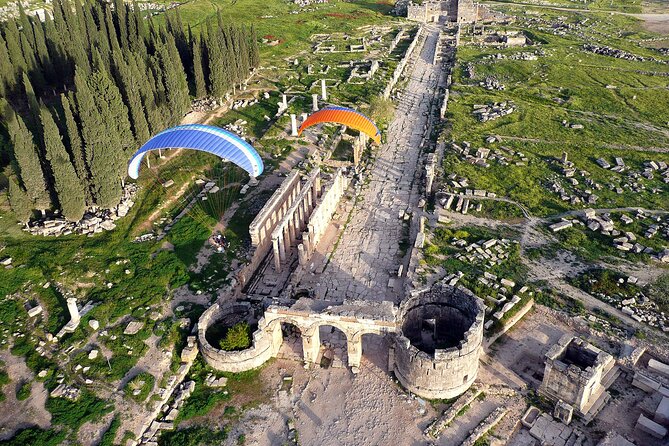
Then the tour connects Pamukkale to its ancient neighbor with Hierapolis. You’ll visit the ancient city and see the necropolis area, plus the Sacred Pool with shallow thermal waters rippling over Roman ruins.
This pairing is smart. Pamukkale alone is a photo magnet. Hierapolis adds the context of why people traveled there and how the area worked as a health and pilgrimage destination.
Practical tip: plan time for walking on uneven travertine surfaces and keep an eye on your footing. It’s worth it, but you’ll want stable shoes.
After Hierapolis, you head to Kuşadası, check in, and the day ends with you in a better base for Ephesus.
Kusadasi and Ephesus: Mary’s House and Ancient Streets You’ll Remember
Your Ephesus day starts with the House of the Virgin Mary, described as a church built from the 6th century AD on top of a house from the 1st century AD. It’s treated as the final house where Mary spent her last days.
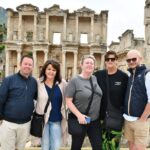
Then you get to Ephesus Ancient City, widely known for being one of the best-preserved classical cities in the Eastern Mediterranean. The feeling here is time-travel scale: ancient streets, monumental remains, and the sense of walking through a place that once held over 250,000 people in Roman-era peak.
You’ll also see the Temple of Artemis, a dedication site tied to one of the Seven Wonders of the Ancient World.
Kuşadası is the smart landing point for this. It keeps your base organized, and the itinerary doesn’t demand you sleep in a different town every night.
Price and Logistics: What You Pay, What You Still Need to Budget
The price is listed at $1,640.00 per person. For a 10-day, multi-region route with domestic flights (if you choose the included flight option), airport/hotel transfers, air-conditioned transport, and mid-tour hotels in four locations, it’s a lot of logistics bundled together.
But the “true cost” has moving parts:
- Entry tickets aren’t included. The listed total for historical site entry is €285 per person. Your guide has pre-paid skip-the-line tickets, and you can pay the ticket costs to your guide in cash in Lira, USD, or Euro.
- Domestic flights depend on what option you pick. There’s an included-flight option and an excluded-flight option.
- Meals are partially included: you get breakfasts (9) and lunches (6). Other meals and drinks aren’t included.
Hotel reality check: the tour operator describes hotels as “special class” and centrally located, often in region-appropriate structures rather than huge chain properties. That said, trip feedback includes complaints about room size or maintenance in a few places (for example, a small room in Istanbul, a dreary-feeling Antalya stay, and an elevator/bathroom issue at one Ephesus-area hotel). The good news from the same feedback is that other accommodations can be truly charming, like the Cappadocia cave-style option people highlighted.
If you want the smoothest trip, come with the right expectations:
- You’re paying for transportation, planning, and timing.
- You’re paying extra for tickets on top.
- You’ll be walking. A lot.
Who This Tour Fits Best (and Who Might Want a Different Style)
This works best if you want big icons across Turkey but still like a guided plan. It’s ideal for history lovers who want both Ottoman-era masterpieces in Istanbul and Roman/Greek ruins near the Aegean. It’s also a solid choice for first-time Turkey visits because the route includes clear “greatest hits” without leaving you stuck alone.
It’s less ideal if:
- You hate managing ticket payments separately.
- You expect every hotel room to match U.S. or Western Europe standards in size and upkeep.
- You want zero schedule days. Here, days are structured.
The small-group cap helps a lot if you like asking questions. Names that came up in feedback—like Barboros (Barb) for parts of the middle and late itinerary—hint that the guide experience is a major part of why the tour gets strong marks.
Should You Book Turkish Breeze?
If your travel goal is a concentrated Turkey sampler—Istanbul classics + Cappadocia valleys + Pamukkale spa terraces + Ephesus streets—this is a strong option. The best reasons to book are the built-in pacing (domestic flights), the small-group limit, and the hands-on support that helps with day-to-day timing.
Before you commit, do three quick checks:
- Confirm whether you’re selecting included domestic flights or planning to buy them yourself.
- Budget the €285 per person entry tickets, and plan to carry payment flexibility for your guide.
- If you’re sensitive about hotel room size, mentally prepare for possible variation. Some stays sound excellent, but not every review matched the same level of comfort.
FAQ
Is airport pickup included?
Yes. You get transfer services from/to airports, and pickup is also offered from your hotel in Istanbul.
Are entry tickets included in the tour price?
No. Entry tickets to historical sites are excluded (listed as €285 per person). Your guide has pre-paid skip-the-line tickets, and you pay the used entry ticket cost to your guide in cash (Lira, USD, or Euro).
How many travelers are in the group?
This tour is capped at a maximum of 12 travelers.
Are domestic flights included?
Domestic flights are included if you select the INCLUDED flight tickets option. There is also an EXCLUDED option where you purchase the required domestic flights yourself.
What is the luggage allowance?
If you select the INCLUDED flight tickets option, the baggage allowance is 15 kg checked plus 8 kg hand luggage.
Is a hot air balloon flight included?
No. The hot air balloon flight is not included in the package.
What happens if Topkapı Palace is closed?
Topkapi Palace is closed on Tuesdays. On those days, Basilica Cistern is visited instead.
What happens if the Grand Bazaar is closed?
Grand bazaar is closed on Sundays.
How does cancellation work?
Free cancellation is available up to 24 hours in advance of the experience start time for a full refund. If you cancel less than 24 hours before, the amount paid is not refunded.