REVIEW · 3-DAY EXPERIENCES
3 Days Private Istanbul Tour Including Ottoman and Byzantine Sites
Book on Viator →Operated by Pupa Travel · Bookable on Viator
Three days, two empires, zero wasted time. This private tour strings together Blue Mosque and Topkapi Palace with smooth transfers, so you spend your hours looking at monuments instead of figuring things out. I also like the arrival intro, which helps you get bearings fast in Sultanahmet.
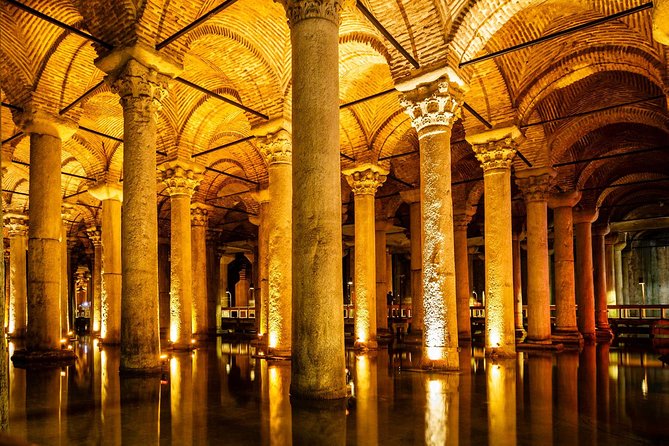
My second favorite stop is Chora Museum, where the mosaics and frescoes feel personal, not postcard-flat. You’ll also see the Basilica Cistern Medusa heads, and the guide helps you make sense of what you’re looking at.
The only trade-off is the schedule is busy. You’ll get a great sweep of major sites, but you won’t have much slack time for long detours.
In This Review
- Key highlights at a glance
- Ottoman meets Byzantine: why this 3-day flow makes sense
- Arrival in Istanbul: airport pickup, hotel base, and orientation
- Day 2: Blue Mosque and Topkapi in the Ottoman spotlight
- Watch for the real drawback: standing and transitions
- Spice Market and Rustem Pasha Mosque: where old trade routes show up
- Practical note for the Spice Market stop
- Grand Bazaar jewelers: a famous maze, managed
- Day 3: Hippodrome monuments and the Byzantine swing
- Basilica Cistern: underground cool air and Medusa symbolism
- A small comfort tip
- Hagia Sophia (Ayasofya): the centerpiece of Byzantine Istanbul
- Chora Museum: mosaics and frescoes that slow you down
- Who this stop is for
- The last leg: airport transfer and how to time your departure
- What you’re really paying for: value at $701 per person
- My practical take
- Who this tour suits best, and what to think about first
- Small booking mindset tweak
- Should you book this private 3-day Istanbul tour?
- FAQ
- How long is the private Istanbul tour?
- Is airport pickup and drop-off included?
- What kind of transportation is provided during the tour?
- Are admission tickets included for major sites?
- Which major sites are visited across the three days?
- Are lunches included?
- Is accommodation included in the price?
- What if my plans change after booking?
Key highlights at a glance
- Private airport transfers to start and end smoothly
- Blue Mosque (1616) plus Topkapi Palace with the Harem section
- Hagia Sophia and the Basilica Cistern for the Byzantine wow-factor
- Hippodrome monuments you can’t really place without a guide
- Spice Market + Rustem Pasha Mosque on the old cobbled streets
- Grand Bazaar shopping time that doesn’t feel rushed or confusing
Ottoman meets Byzantine: why this 3-day flow makes sense
Istanbul has a way of throwing too much at you at once. This plan avoids that problem by pairing sites that naturally “explain” each other across time. You start with the Ottoman core in Sultanahmet, then you shift through Roman and Byzantine layers, and you end with the lively market streets where trade and everyday life took center stage.
I also like that it’s a private setup. That means you’re not stuck doing the same slow stop-start rhythm with strangers, and you can ask your guide to clarify what you’re seeing right then. It helps a lot when you’re bouncing between mosques, churches, palaces, and underground cisterns.
There’s another practical point: you’re mostly moving within the historical center. That’s where the magic is, and it also makes timing easier when you’re trying to see a lot over a short trip.
You can also read our reviews of more private tours in Istanbul

Arrival in Istanbul: airport pickup, hotel base, and orientation
On the first day, the tour handles the hard part: getting you from Istanbul Airport to your hotel with a private transfer. After that, you check in, rest, and then meet your guide for a quick orientation.
That orientation matters more than people think. Even if you’ve read about Sultanahmet, the neighborhoods can still feel confusing at night: where you are relative to the main monuments, how the pedestrian areas work, and when to plan for crowds. A short briefing helps you spend your next day looking, not wandering.
One note on the “overnight” detail: the plan is built around staying in Sultanahmet, but the tour pricing doesn’t list accommodation as included. So you’ll want your own hotel booked in that area to match the flow.
Day 2: Blue Mosque and Topkapi in the Ottoman spotlight
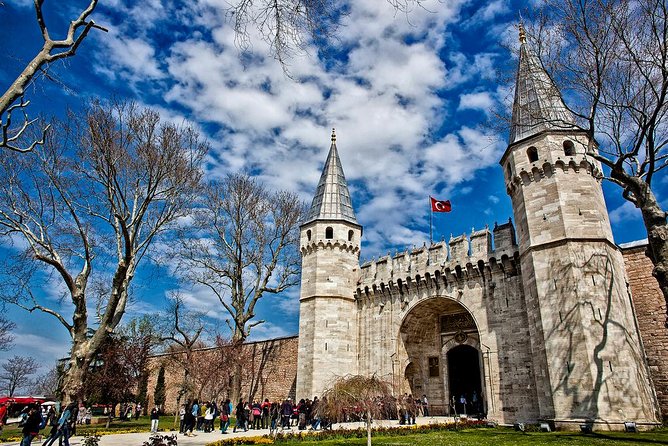
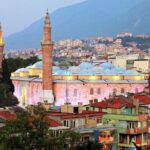
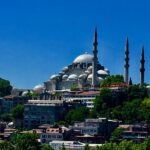
The Ottoman story starts with the Blue Mosque (built in 1616 under Sultan Ahmet I). It’s famous, yes. But what makes the visit worthwhile is not just the look from the outside. Inside, you’ll want your guide to point out the design choices that create the mosque’s signature feel—space, light, and decoration working together.
Then you move to Topkapi Palace, the home base of sultans for about five centuries. This isn’t a quick “see one room and go” stop. You’re allotted enough time (about three hours) to get beyond the first impression and start understanding how the palace functioned—both as a residence and a power center.
A special inclusion here is the Harem section. In many palace visits, that area becomes an afterthought because it’s tucked away. Having it on the program keeps the experience balanced: you get court life, administration, and the private world inside the palace walls.
Watch for the real drawback: standing and transitions
The Ottoman day is impressive, but it’s also a “big sites in a row” day. That means more standing in lines, more walking between sections, and more listening. If you’re someone who likes long breaks, plan to pace yourself during lunch and keep water handy.
Spice Market and Rustem Pasha Mosque: where old trade routes show up
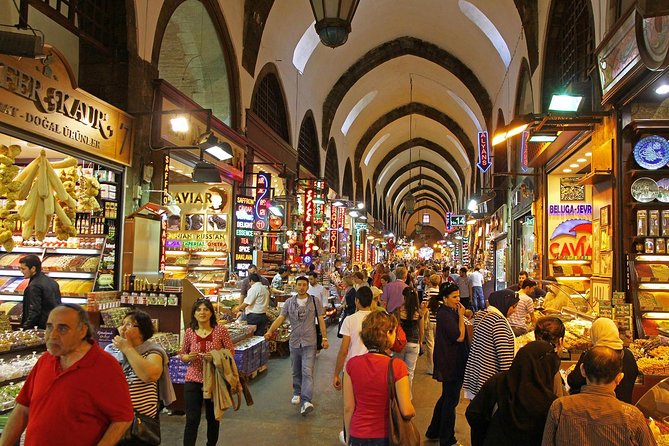
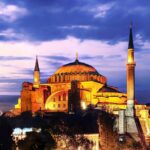
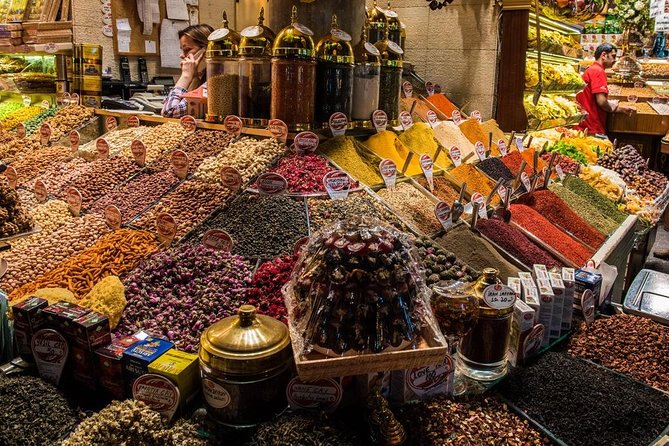
After lunch, the tour heads toward the market quarter for a very different Istanbul rhythm. You’ll walk down the old cobbled streets to Rustem Pasha Mosque, then continue to the Spice Market (Misir Carsisi).
I love this sequence because it changes the mood. Mosques are about reverence and detail. Markets are about motion and exchange. Put together, you understand Istanbul as a working city, not just a museum.
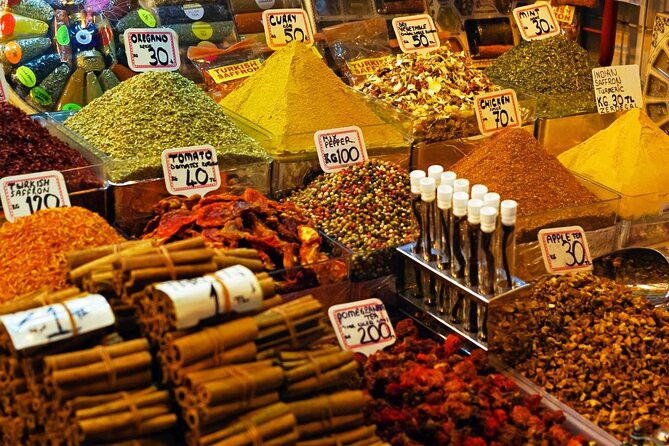
At the Spice Market, you get a look at the kind of trading that shaped the city. The story your guide shares connects the goods to the long ocean routes of the era, when travel was slower and logistics were everything. You’ll hear how Genoese and Venetian merchants sold goods here and how spices from the East were brought to this area after being loaded on vessels in Egypt. It’s the kind of explanation that turns shopping into context.
You can also read our reviews of more tours and experiences in Istanbul


Practical note for the Spice Market stop
This is a great time to buy souvenirs—but set expectations. Markets like this can be intense if you’re not ready for bargaining and crowd flow. The visit is about an hour, so you’ll likely do a focused pass rather than leisurely browsing for everything.
Grand Bazaar jewelers: a famous maze, managed
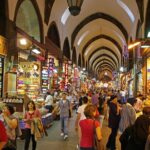
The day finishes back at the Grand Bazaar, one of the oldest shopping complexes around, with origins in the 16th century. Here’s the value of having a guide: the bazaar can feel like a maze, and without context, you lose time choosing where to go.
You’ll stop with enough structure to see the atmosphere and target key areas such as jewelers. It’s still shopping, but it feels more like exploring intentionally than aimlessly following people.
If you go in with a “purpose,” you’ll enjoy it more. Pick a category (ceramics, lamps, jewelry, spices) and decide what you’re willing to pay before you hit the densest streets.
Day 3: Hippodrome monuments and the Byzantine swing
Day three is where the plan becomes cinematic. You start at the Hippodrome, a Roman-era stadium-like space dating to the 2nd century A.D. What you’ll actually see there isn’t just general “old stuff.” It’s a lineup of major monuments: the Obelisk of Tuthmosis the Third, the German Fountain, the Serpent Column, and the Obelisk of Constantine.
This stop is one of the best examples of why private guiding matters. Without a walkthrough, it’s easy to stand in front of obelisks and think you’re missing the point. With a guide, you learn what each piece represents and how the Hippodrome functioned as a stage for public life.
Next comes something completely different: the Basilica Cistern.
Basilica Cistern: underground cool air and Medusa symbolism
The Basilica Cistern is a sixth-century underground structure built around the same period as Hagia Sophia. The visit lasts about 30 minutes, which is enough time to get the main layout without feeling rushed into the next stop.
The standout detail is the Medusa heads, visible at the cistern. Your guide can explain why they’re there and what the symbolism means in context. Even if you’ve seen photos before, seeing it in person makes a difference. The scale, the columns, and the dim water reflections change how you feel about the space.
A small comfort tip
This is a “keep your head down and look up” site. You’ll likely walk on uneven surfaces and stand to view the cistern’s central features. Comfortable shoes help more than you’d think.
Hagia Sophia (Ayasofya): the centerpiece of Byzantine Istanbul
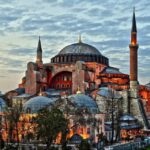
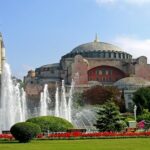
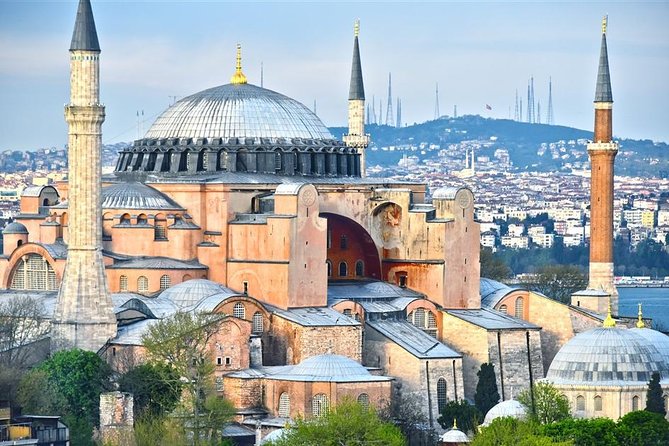
After the cistern, you go to Ayasofya (Hagia Sophia), built in 537 under Justinianus. The allotted time is about two hours, which is right for a meaningful visit: enough time to take in the big elements and still step back to understand them.
Hagia Sophia is the kind of place where you can’t fully process it in 30 minutes. You need a rhythm: look first, then learn what you’re seeing, then look again with better context. With a guide, you get that learning layer built in.
Even if you’ve admired Hagia Sophia from afar in pictures, this is one of those monuments where your brain keeps adjusting as you move through the space. Two hours gives you room for that.
Chora Museum: mosaics and frescoes that slow you down
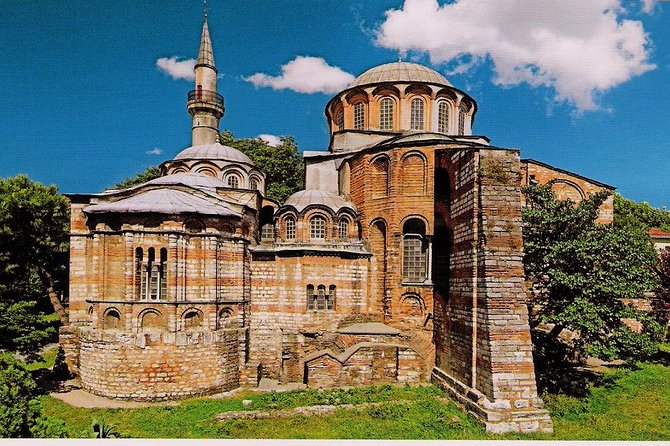
The final major monument on the Byzantine side is the Chora Museum (Chora Church). You’ll visit for about one hour, and that’s the right length for this particular kind of experience.
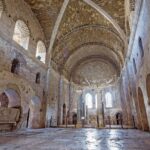
This is where the tour shifts from “great landmarks” to “crafted artistry.” You’re there for the mosaics and some frescoes. The key point is that the art isn’t just decoration. It tells stories and gives you emotional cues. In an hour, you can absorb enough to feel the difference between seeing mosaics as background and seeing them as the main event.
Who this stop is for
If you love details, symbols, and visual storytelling, you’ll leave Chora feeling satisfied rather than “I saw it, now what.” If you’re short on patience for indoor stops, try to focus on the best sequences your guide points out so you don’t feel lost.
The last leg: airport transfer and how to time your departure
On the final day, if you’re departing, the tour includes a private transfer back to Istanbul Airport. It lists about three hours for this final step, which is helpful because it reduces stress. You’re not trying to coordinate public transit while your day is still packed with monuments.
This is especially valuable if your flight timing is tight. The tour approach keeps your schedule predictable, and that’s a big part of the appeal.
What you’re really paying for: value at $701 per person
At $701 per person, this isn’t the cheapest way to see Istanbul. But it’s also not priced like a “minimum effort” tour. You’re paying for several things that add up fast if you do them on your own:
- Private guiding throughout the key sites
- Private A/C minivan for tours and transfers
- Return airport transfers (not just one way)
- Lunch (2) included
- Local taxes and 18% VAT included in the price
It also includes admission for several major sites (Blue Mosque, Topkapi Palace, Hippodrome, Basilica Cistern, Hagia Sophia, Chora Museum). Other parts like portions of the market and bazaar time are listed without admission tickets, which helps keep the overall structure clean.
What’s not included is also clear: accommodation, personal expenses, and drinks at lunches. So your best value comes when you already have your hotel sorted and you plan to keep spending focused during the meals.
My practical take
If you’re traveling as a couple or small group, the private transport and guiding can feel like a bargain compared to piecing together tickets, directions, and timed entrances. If you’re solo and you love self-guided wandering, this may feel pricey. But if you want clarity fast and hate logistical guesswork, the price starts to make sense.
Who this tour suits best, and what to think about first
This tour fits you well if you want a structured, high-impact overview with Ottoman and Byzantine highlights in one sweep. It’s also strong if you’re the type who benefits from a guide explaining what you’re seeing in places like the Hippodrome monuments or the Basilica Cistern Medusa heads.
It may not be ideal if you:
- Want long free time at one site to go slow
- Prefer deep niche interests over a curated mix of major landmarks
- Don’t like shopping stops, since you’ll spend time around the Spice Market and the Grand Bazaar
Small booking mindset tweak
Treat it like a guided “best-of” that covers the heavy hitters. If you want maximum leisure, pair it with an extra day where you can slow down afterward.
Should you book this private 3-day Istanbul tour?
Yes, if your priority is efficiency plus context. You’ll cover Blue Mosque, Topkapi Palace, Hagia Sophia, Basilica Cistern, Chora Museum, and the Hippodrome, and you’ll do it with private transfers and a guide who can turn monuments into a story.
Book it especially if:
- you want a plan that handles logistics (airport in, airport out)
- you care about understanding more than just taking photos
- you’d rather pay for structure than spend time figuring out routes and timing
Skip it or consider adding extra days if you know you’ll want to linger in markets or one of the major sites for much longer than the set time blocks.
FAQ
How long is the private Istanbul tour?
The experience runs for about 3 days.
Is airport pickup and drop-off included?
Yes. Return private airport transfers are included.
What kind of transportation is provided during the tour?
The tour includes a private A/C minivan for tours and transfers.
Are admission tickets included for major sites?
Admission tickets are included for several stops, including the Blue Mosque, Topkapi Palace, Hippodrome, Basilica Cistern, Ayasofya (Hagia Sophia), and Chora Museum. Some market and bazaar stops list admission as free.
Which major sites are visited across the three days?
You visit Blue Mosque, Topkapi Palace (including the Harem section), Spice Market (Misir Carsisi), Grand Bazaar, the Hippodrome, Basilica Cistern, Ayasofya (Hagia Sophia), and Chora Museum. Rustem Pasha Mosque is also included on the way to the Spice Market.
Are lunches included?
Yes. Lunch is included twice during the tour. Drinks at lunch are not included.
Is accommodation included in the price?
No. Accommodation is not included. The plan is set up for an overnight in Sultanahmet.
What if my plans change after booking?
This experience is non-refundable and cannot be changed for any reason. If it’s canceled due to the minimum traveler requirement not being met, you’ll be offered a different date/experience or a full refund.