One city. Two empires. Endless staircases.
This private Istanbul City tour is interesting because it’s customizable to your pace and interests while still knocking out the big classics. I especially like that it’s built around a clear, efficient route through Sultanahmet highlights, then expands outward to neighborhoods like Kadıköy and historic areas like Balat. I also like that you get real guidance on timing and priorities, not just a checklist. The one drawback to plan for: entrance fees are extra for key sights, so your final cost will depend on which days you choose.
If you want a first taste of Istanbul that feels organized (and not like you’re sprinting between crowds), this is a smart way to do it. The itinerary can run 6 to 18 hours depending on whether you book 1, 2, or 3 days, and it stays private for your group of up to 8.
In This Review
- Key reasons this tour works well
- What a 1 to 3 day private Istanbul plan really means
- Sultanahmet power trio: Topkapi Palace, Hagia Sophia, Blue Mosque
- Old City landmarks for fast context: Hippodrome and the surrounding story
- Grand Bazaar strategy and the Spice Market swap on Sundays
- Dolmabahçe and the Bosphorus cruise: seeing why the water matters
- Kadıköy and Rustem Pasha: the afternoon shift to real neighborhoods
- Basilica Cistern and Süleymaniye: the underworld and the skyline
- Chora Museum, Balat, and the iron church: Byzantine art plus oddball charm
- How guides like Emel, Emre, and Özge shape the day
- Price and what you really pay once entry fees kick in
- Day planning tips: timing, transport, and closures you should check
- Should you book this Istanbul City tour?
- FAQ
- What’s included in the tour price?
- Are museum and palace entrance fees included?
- What if my tour day is Tuesday?
- What if my tour day is Sunday?
- Is the Bosphorus cruise included, and what does it cost?
- How much walking is involved and who is it suited for?
- Where do we meet, and where does the tour end?
- Is the itinerary customizable?
- Can I cancel and get a full refund?
Key reasons this tour works well
- Private and customizable: you set the priorities, and your guide adjusts the day
- Crowd-smart pacing: morning timing helps you get into major sights with less line pain
- Big sights plus local texture: you see palaces and mosques, then add neighborhoods like Balat and Kadıköy
- A clear mix of paid and free stops: you get value even when some entries are free
- Backup plans for closures: Topkapi on Tuesdays and Grand Bazaar on Sundays swap to other stops
- Strong guide track record: guides like Emel, Emre, Özge, and Selçuk have a reputation for flexibility and comfort
What a 1 to 3 day private Istanbul plan really means
This tour is designed for people who want structure, but not a rigid factory line. It’s private for only your travel party (up to 8), and you get a professional English-speaking guide plus local taxes included. The route is mostly centered on the European side, but the day plan can stretch from Sultanahmet to Dolmabahçe and the Bosphorus, then out to Kadıköy and beyond.
You should expect a walking-heavy day in the Old City. The tour description is honest about it: it’s a walking tour, and you use public transport when needed. If your hotel is centrally located, your guide may meet you on foot. If you’re farther out, meeting point is set for the tour, and you can request a private van for extra cost. That matters because Istanbul’s traffic is real, and the Old City is made for feet.
The big practical benefit is that the itinerary doesn’t feel random. It clusters related sights, then adds variety. For example, you do Ottoman-era power (Topkapi, Blue Mosque, Süleymaniye, Dolmabahçe), Byzantine-era masterpieces (Hagia Sophia, Chora), and then Istanbul street life (Grand Bazaar area, Kadıköy, Balat).
You can also read our reviews of more guided tours in Istanbul


Sultanahmet power trio: Topkapi Palace, Hagia Sophia, Blue Mosque
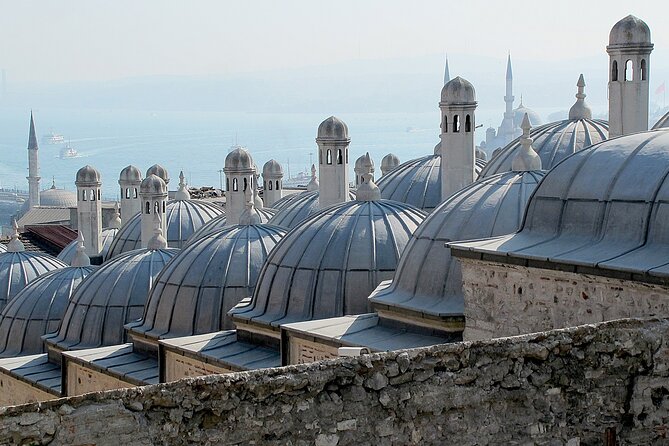
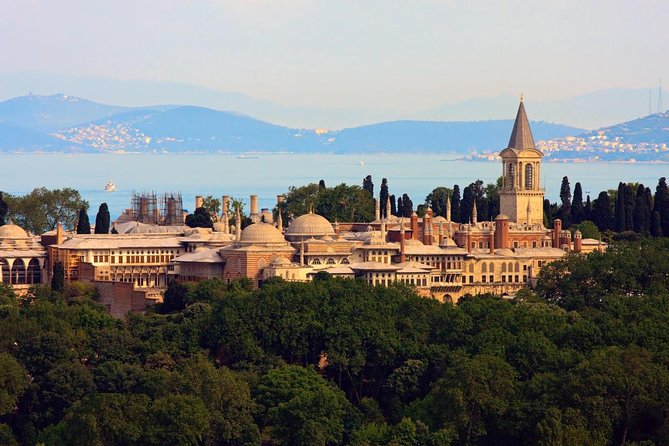
This is the part of Istanbul where your guide earns their keep. Topkapi Palace is the former imperial residence, the place where the Ottoman Empire was run for nearly 400 years. Your stop is listed as about 2 hours, and you’ll focus on the museum side of the story: treasury collections tied to the Ottoman royal family. One practical tip here: Topkapi is ticketed, so you’ll want to budget for it (the tour lists a fee paid in cash to the guide).
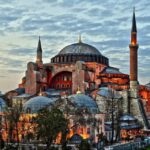
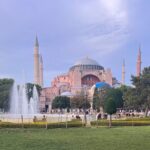
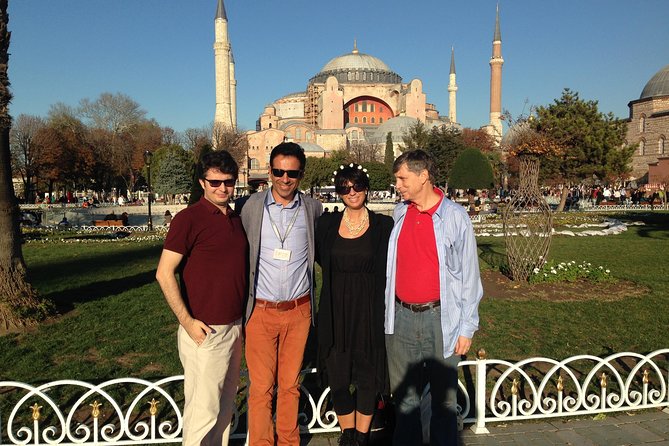
Then comes Hagia Sophia Grand Mosque. Think 6th-century Byzantine church first, then the legendary transformation into a mosque. Your time here is about 1 hour. This is a “how did they build this” kind of site, with mosaics and the sheer scale doing most of the work before your guide even starts talking. You’ll pay the entrance fee on the day (cash to the guide), so the best value comes from using that hour well.
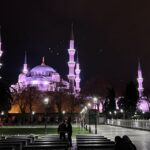
Finally, the Blue Mosque. This one is shorter (about 45 minutes), and the good news is the mosque entry is listed as free in the tour stops. Inside, you focus on the famous blue Iznik tiles and stained glass. The key drawback is timing: it’s a working mosque, so you’ll follow rules and may experience some visitor flow limits. Your guide’s job is to time your entry so you don’t waste your minutes waiting.
One more essential day-planning note: Topkapi Palace is closed on Tuesdays. When that happens, the tour swaps in Basilica Cistern instead.
Old City landmarks for fast context: Hippodrome and the surrounding story
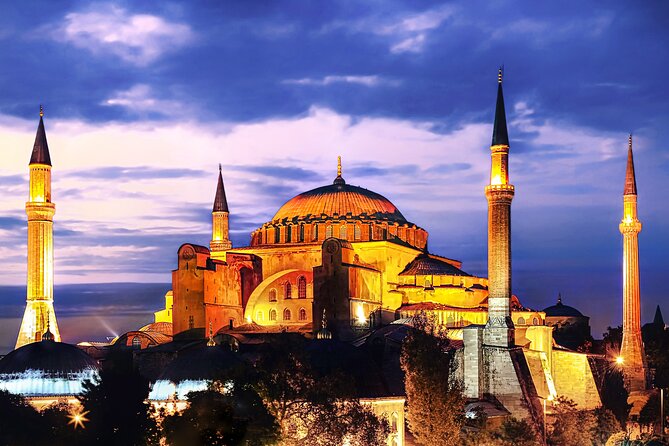
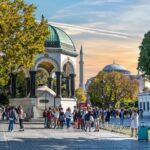
After the big-ticket monuments, the tour adds “you’ll feel smart later” stops that connect everything. The Hippodrome is the former center of sport and politics in Constantinople, and your listed visit is about 15 minutes. You’ll see the Obelisk from Egypt, the Serpentine Column from Delphi, and the fountain of Wilhelm II. These aren’t just objects; they’re clues that help you read the city like a map.
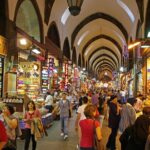
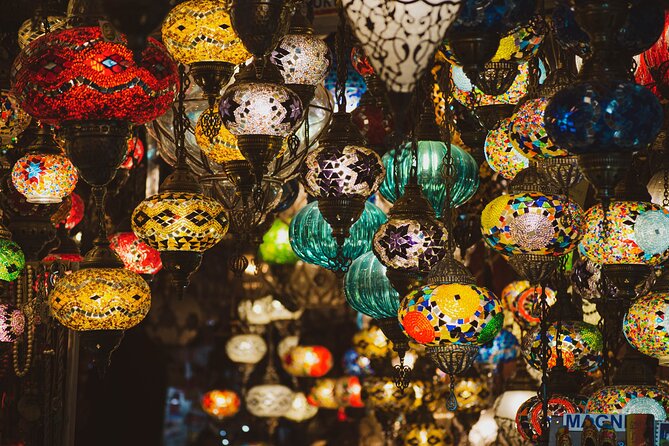
Next, you’ll move into the market zone with Grand Bazaar. Your time is about 30 minutes, and while entry is listed as free, the real value is how your guide helps you navigate. The Grand Bazaar has more than 4,000 shops, which means you can easily lose time. Guides in this program are known for steering you away from the most crushed areas and toward shopping streets that match what you’re looking for, without turning the day into a sales pitch.
A good sign from past tours: guides like Emre and Emel are specifically praised for reducing time wasted in lines and for choosing shopping spots that aren’t only the most obvious tourist traps.
Grand Bazaar strategy and the Spice Market swap on Sundays
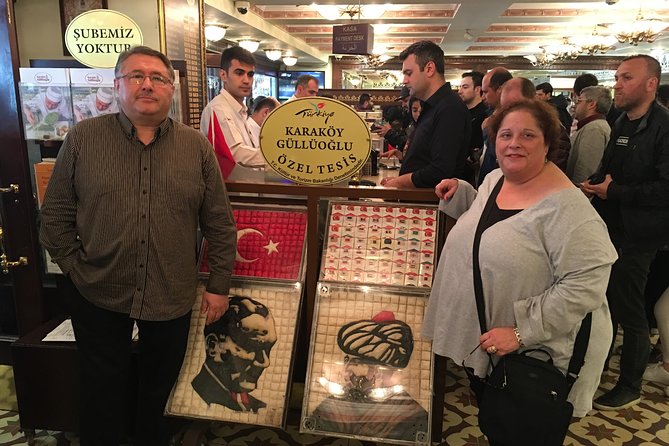
The tour builds in a smart contingency plan. Grand Bazaar is listed as closed on Sundays. When it’s closed, the tour switches the market focus to Misir Çarşısı, the Spice Market.
Misir Çarşısı is about 30 minutes on the plan and is free to enter. Expect Turkish delights, spices, and the kind of sensory chaos that makes you glad you’re there on a guided schedule. If you’ve been to markets elsewhere, you know the trap: you walk in, you wander, you come out with a bag of souvenirs and zero understanding. A guide turns that into something more fun and less random.
If you’re doing this during a holiday-heavy period, also note the 2026 seasonal closures mentioned in the tour info: during Ramadan celebrations (March 20–22) and Eid celebrations (May 27–30), plus Republic Day (Oct 29), both Grand Bazaar and Spice Market are listed as closed on those dates. That’s a detail worth checking before you lock in your day.
Dolmabahçe and the Bosphorus cruise: seeing why the water matters
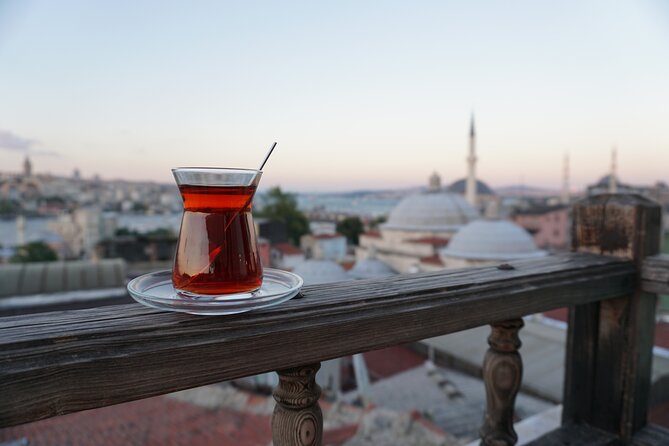
To understand Istanbul, you need the Bosphorus. The itinerary includes a Bosphorus cruise listed as 1.5 hours, with the fee shown as public boat: $7 per person (paid as part of the day). This is the best “big picture” segment because it shows the city’s two-sided identity: palaces and old waterfront houses on both banks, plus historical mosques and neighborhoods along the water.
Dolmabahçe Palace is included as well, listed for 1 hour 30 minutes. This is another ticketed stop (listed as $55 per person, paid in cash to the guide). The payoff is that Dolmabahçe feels like a turning point: eclectic elements from Baroque, Rococo, and Neoclassical styles blended with traditional Ottoman architecture. Translation: it’s not just about Ottoman power, it’s about how the empire saw itself on the world stage.
If you’re worried about timing, don’t. This tour is built to help you keep moving. Past guides like Özge have been praised for getting earlier access where possible, and for planning schedules that help you avoid long line waits.
You can also read our reviews of more city tours in Istanbul



Kadıköy and Rustem Pasha: the afternoon shift to real neighborhoods
The itinerary shifts after the main monuments into areas with more daily Istanbul energy. Kadıköy is listed as a stop around 1 hour 30 minutes, and it’s described as one of the most local-feeling districts in Istanbul. Your goal here is to trade postcard Istanbul for street-level Istanbul. You’ll also see Rustem Paşa Mosque for about 20 minutes.
Rustem Paşa Mosque is one of those places where the details are the point. The tour notes it’s famous for Ottoman tile art inside. It’s free entry, so the value is all in your guide pointing out what to look for before you’re tempted to rush through.
Then you may pair this area with the Spice Market time (depending on day and what the route is prioritizing). Misir Çarşısı is about shopping, snacks, and the smells that follow you like a good memory.
Basilica Cistern and Süleymaniye: the underworld and the skyline
Basilica Cistern is one of the most atmospheric stops on the tour. It’s listed as 20 minutes. It’s also ticketed and paid by credit card at entry (fee listed as $35 per person, and it may change before your tour date). The standout detail is the Medusa heads in one corner. Even if you’ve seen photos, being down there in the dim light feels different. Your guide helps you connect this water reservoir to the Byzantine city that needed it.
The tour also includes Süleymaniye Mosque for about 30 minutes. Entry is listed as free here. This is built by the Ottoman architect Sinan (the tour notes him specifically), and it’s presented as one of the most beautiful imperial mosques. In practice, it’s a great balancing act: Basilica Cistern is hidden and cool, while Süleymaniye puts you back into sky-and-city scale.
Chora Museum, Balat, and the iron church: Byzantine art plus oddball charm
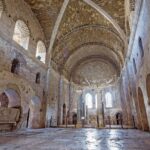
If you want Istanbul beyond the headline sites, Chora Museum is a big reason to book this. The itinerary lists it for about 1 hour, with admission noted as not included (paid by credit card at entry, fee listed as $25 per person and it may change). Chora (also known for Kariye) is known for its mosaics and fresco decoration, and it’s framed as one of the oldest and most important Byzantine religious foundations.
Then comes Balat, listed for about 30 minutes. Balat is where you get the “quiet but not boring” side of Istanbul: authentic houses and older streets. It’s not just a photo stop. It helps you understand that Istanbul is not only monuments; it’s also where people live, work, pray, and shop.
The itinerary adds two niche but memorable religious stops: the Bulgarian Orthodox Church made of iron (about 15 minutes) and Fener Rum Patrikhanesi, the Orthodox patriarchate (about 15 minutes). These short visits are free and feel like the “wait, that’s really there” moments you’d never plan on your own.
If you’re the type who likes details, this section is where your tour becomes more than sightseeing. You come away with a better sense of religious communities and architectural weirdness across centuries.
How guides like Emel, Emre, and Özge shape the day
The strongest praise across the experience is about guide quality and flexibility. Emel is repeatedly mentioned as someone who customizes in advance and adjusts to changing interests. She’s also described as considerate about physical limitations and uses shortcuts to cut down walking where possible. Emre is praised for adapting the afternoon portion based on interests and for scheduling visits to reduce time lost in lines.
Özge shows up in feedback as a guide who gets people into major sites before the biggest crowd surge, including Hagia Sophia. Other names you’ll see in this program include Mehmet, Selçuk, Ugur, Bayram, Rumeysa, Rose, Gul, and Serdar. The common thread: guides use local knowledge to help you move efficiently and to answer real questions about culture, not just dates and dynasties.
One practical tip for you: when you book, be clear about your must-sees and your no-go’s. If you say you prefer mosaics over courtyards, or you want more local food streets than palaces, the itinerary can shift. That’s the difference between a standard loop and a tour that feels like it’s built for your day.
Price and what you really pay once entry fees kick in
The tour price is listed at $250 per group (up to 8). That’s good value if you split it with friends or family. The catch is that many entrances are not included, so your total cost depends on which paid sites are on your days.
Here are the listed paid entries from the tour info:
- Topkapi Palace: $63 per person (cash to guide)
- Hagia Sophia: $30 per person (cash to guide)
- Dolmabahçe Palace: $55 per person (cash to guide)
- Basilica Cistern: $35 per person (credit card at entry)
- Chora Museum: $25 per person (credit card at entry)
- Bosphorus cruise by public boat: $7 per person
If you do a multi-day plan that includes all listed paid stops above, the entrance portion alone could be around $205 per person, before any optional extras you might buy on your own. The good news is that several big sights are free entry (Blue Mosque, Hippodrome, Grand Bazaar, Rustem Paşa Mosque, Süleymaniye Mosque, and others listed as free).
So is it worth it? Usually, yes, if you care about seeing the highlights without spending hours figuring out ticket timing, closures, and best routes. For small groups, paying one guide fee and splitting it often beats doing a patchwork of audio guides and last-minute ticket lines.
Day planning tips: timing, transport, and closures you should check
Istanbul can eat your time if you don’t plan around crowd flow and opening hours. This tour helps, but you still need to think like a local: mornings matter.
Two closure swaps are built into the plan:
- Topkapi Palace is closed on Tuesdays, replaced by Basilica Cistern
- Grand Bazaar is closed on Sundays, replaced by Spice Market
And there are date-specific 2026 closures for Grand Bazaar and Spice Market during Ramadan and Eid (listed in the tour info) plus Republic Day (Oct 29). If your dates fall there, you should expect the route to adjust.
Transport-wise, the tour is walking-first in the Old City. For cruise passengers, the info is blunt: tram is strongly recommended because of heavy traffic around Sultanahmet. The reason is simple: by tram the Old City takes only about 10 minutes. That can save your day.
The tour ends near Grand Bazaar (the end point is listed in the Sultanahmet/Fatih area, and the tour ends in/near Grand Bazaar). That’s helpful if you want to keep browsing after the guided portion, but it also means your last hour may be spent in market zones rather than returning to your hotel immediately.
Should you book this Istanbul City tour?
Book it if you want a high-value private introduction to Istanbul that doesn’t just list sites, but also helps you navigate them. It’s especially good for first-timers who feel overwhelmed by Ottoman vs. Byzantine vs. modern neighborhoods, and for groups that want to move with confidence while still having flexibility.
Skip it or adjust your expectations if you’re trying to do Istanbul on a shoestring and hate added entrance fees. Also, if you expect a mostly sit-down, low-walking tour, the walking-first structure in the Old City may not match your style.
If your goal is to see Topkapi, Hagia Sophia, the Blue Mosque, then add Bosphorus and a couple of neighborhoods like Kadıköy or Balat, this format hits the right balance of landmarks and real streets.
FAQ
What’s included in the tour price?
The tour includes a private tour, a professional guide, and local taxes. Pickup is offered, and a mobile ticket is provided.
Are museum and palace entrance fees included?
No. Entrance fees for several key stops are not included, including Topkapi Palace, Hagia Sophia, Dolmabahçe Palace, Basilica Cistern, and Chora Museum. The tour info lists how each fee is paid (cash to the guide or credit card at entry) and notes fees may change.
What if my tour day is Tuesday?
Topkapi Palace is closed on Tuesdays, and the itinerary swaps in Basilica Cistern instead.
What if my tour day is Sunday?
Grand Bazaar is closed on Sundays. The itinerary swaps in Misir Çarşısı, the Spice Market.
Is the Bosphorus cruise included, and what does it cost?
The Bosphorus cruise is listed as included in the itinerary, but the cost is shown as the public boat fee. The listed fee is $7 per person.
How much walking is involved and who is it suited for?
It’s a walking tour, and it uses public transport when necessary. The tour info says moderate physical fitness is required.
Where do we meet, and where does the tour end?
Meet at Adamar Hotel Sultanahmet Istanbul (listed address in Fatih). The tour ends in the Grand Bazaar area, with an end point listed near Molla Fenari / Nuruosmaniye.
Is the itinerary customizable?
Yes. The tour is described as private and customizable, with a tailor-made itinerary adapted to your interests.
Can I cancel and get a full refund?
Yes. You can cancel up to 24 hours in advance for a full refund, and cancellations less than 24 hours before the start time are not refunded.