REVIEW · ISTANBUL
Authentic Turkish Antioch Breakfast with Local Sisters
Book on Viator →Operated by Lokal Bond · Bookable on Viator
A Turkish breakfast feels bigger in a real home. This small-group class brings you into an Istanbul kitchen for a hands-on traditional spread made the way local sisters do it. You’ll cook, taste, and learn why these dishes belong together every morning.
I love two things most: the cooking practice (you’re not just watching) and the warm, natural conversation that turns breakfast into a cultural exchange. One possible drawback: you need to be comfortable with a classic breakfast lineup that includes eggs, cheese, and sucuk, so it may not fit every dietary preference.
With a maximum of 6 people and a 10:00 am start, it’s a focused experience. If you’re hoping for an all-day tour with big sightseeing stops, this is more about the kitchen, not the streets.
In This Review
- Key things you’ll notice right away
- Why a Turkish Breakfast Class in a Home Kitchen Hits Different
- Starting in Sarıyer: Your 10:00 Meeting and How the Class Flows
- Cooking Menemen: The Egg-and-Vegetable Breakfast You’ll Remember
- Muhlama (Kuymak): Cheese and Corn Meal Comfort Food
- Eggs with Sucuk: The Spicy Sausage Lesson
- Cheese, Kaymak, and Honey: The Cold Side of Turkish Breakfast
- Simit: Start Smart With the Sesame Ring
- How You Get Personalized Help in a 6-Person Class
- Conversation, Transport Help, and the Moment You Meet Cat Petra
- Price and Value: Is $65 Worth It for This Breakfast Class?
- Who This Breakfast Experience Is Perfect For
- Who Might Want to Skip It
- Should You Book This Turkish Antioch Breakfast Class?
- FAQ
- What is the duration of the Turkish breakfast experience?
- What time does the experience start in Istanbul?
- Where is the meeting point?
- What dishes are included or cooked?
- Is the class offered in English?
- What is the maximum group size?
- Do I get a mobile ticket?
- Is there free cancellation?
- Are service animals allowed?
Key things you’ll notice right away
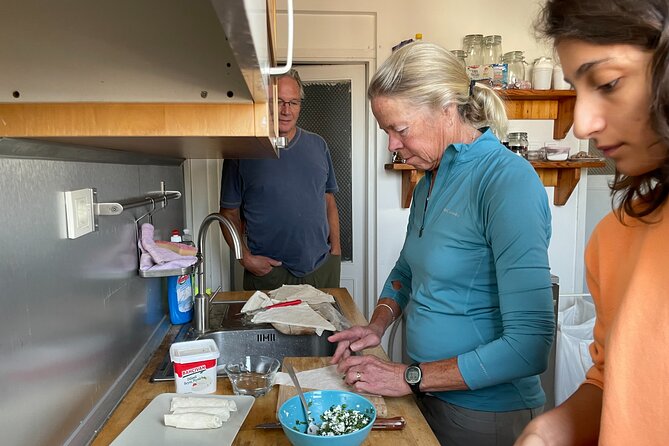
- Small group of 6 for real attention, not a quick demo
- Hot Turkish breakfast stars like Menemen and Muhlama (Kuymak)
- Cold classics included: cheese, plus Kaymak and honey
- Simit as a starter so you build the meal from the first bite
- Genuine host conversation, including friendly moments like cat Petra
- English-speaking instruction in a home setting
Why a Turkish Breakfast Class in a Home Kitchen Hits Different
Turkish breakfast is not just toast and jam. It’s a whole morning spread where hot dishes sit next to cheeses, olives, spreads, honey, and creamy items like Kaymak. The experience here is built around that idea: you learn the dishes as a system, so you understand what makes the combination work.
What makes this class feel practical is that it’s designed around how a home actually eats. You’re invited as a friend, which changes the vibe. Instead of a formal classroom tone, you get back-and-forth help as you cook, and you leave with recipes you can reasonably repeat at home.
The location is in Istanbul’s Sarıyer area, so you’re not bouncing between tourist stops. You’re spending your time where the real skill lives: the stove, the flavors, and the small decisions that make breakfast taste right.
You can also read our reviews of more tours and experiences in Istanbul.



Starting in Sarıyer: Your 10:00 Meeting and How the Class Flows
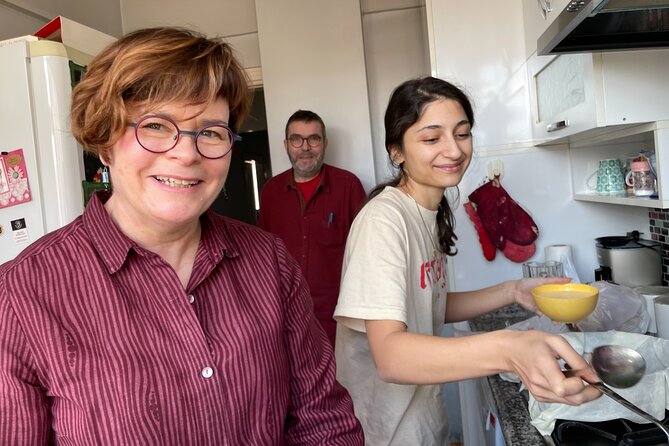
You meet at Huzur, Oyak Sitesi No:21, 34475 Sarıyer/İstanbul, Türkiye. The class starts at 10:00 am and runs about 2 hours 30 minutes, with the activity ending back at the starting point.
Because this is a home experience, the schedule matters. You’ll want to arrive a few minutes early so you can settle in before cooking begins. It’s also near public transportation, which helps if you want an easy link from the rest of your day in Istanbul.
You’ll receive a mobile ticket, and the class is offered in English. The group limit is 6 travelers, which is a big deal for how much individual attention you get while cooking.
Cooking Menemen: The Egg-and-Vegetable Breakfast You’ll Remember
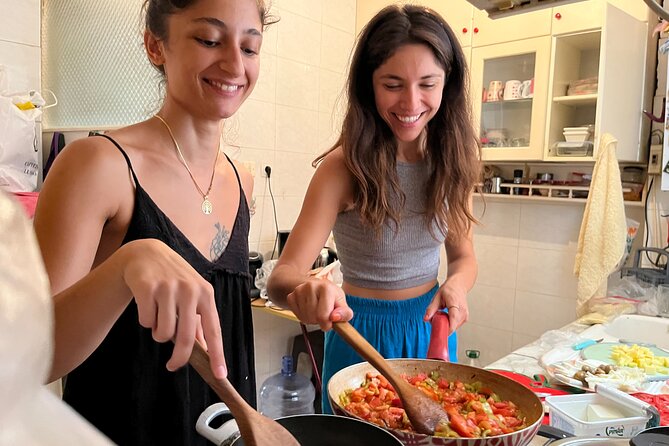
Menemen is one of Turkey’s best-known breakfast dishes for a reason. It’s eggs cooked with vegetables, often with a warm spice feel, so it tastes comforting but not boring. In a classroom setting, the main value is the method: how the pan heat, timing, and texture create that creamy, spoonable consistency.
In this class, Menemen serves as a main anchor. You don’t just learn what it tastes like; you learn how the dish comes together. That means you can later adapt it to what you can find at home, while still keeping the heart of the flavor.
A practical tip for your own cooking: Menemen is best when you treat it like breakfast, not like dinner. Move with the pan, watch the egg set, and keep the vegetables lively. If you let everything overcook, the dish loses that fresh morning feel.
Muhlama (Kuymak): Cheese and Corn Meal Comfort Food
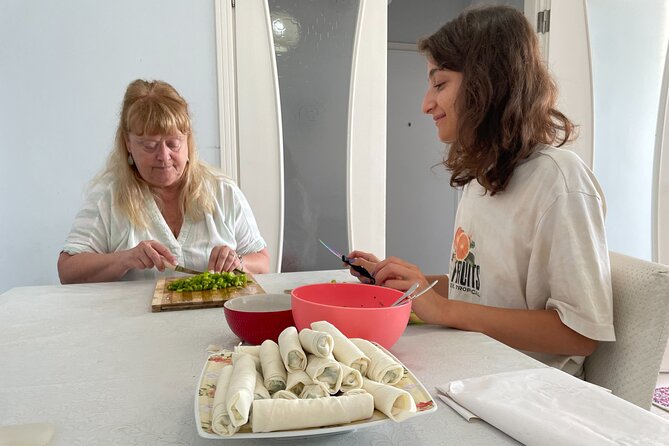
Next comes Muhlama, also known as Kuymak. This dish is built from corn meal and cheese cooked together until it turns thick, gooey, and deeply satisfying. It’s the kind of food that makes you understand why Turkish breakfast includes hot dishes as a daily ritual.
What I like about learning Muhlama in a home class is how it teaches you “feel,” not just measurements. You’ll see how the texture should shift as the corn meal softens and the cheese blends in. Even if you’re an okay home cook, this is the sort of skill that sticks because you can actually taste your way to the right consistency.
Cheese plays the lead role here, so it’s also a good dish to pay attention to. Ask questions while it’s cooking, because the way it stretches and thickens tells you a lot. If you’re trying to recreate it later, that texture is the whole point.
Eggs with Sucuk: The Spicy Sausage Lesson
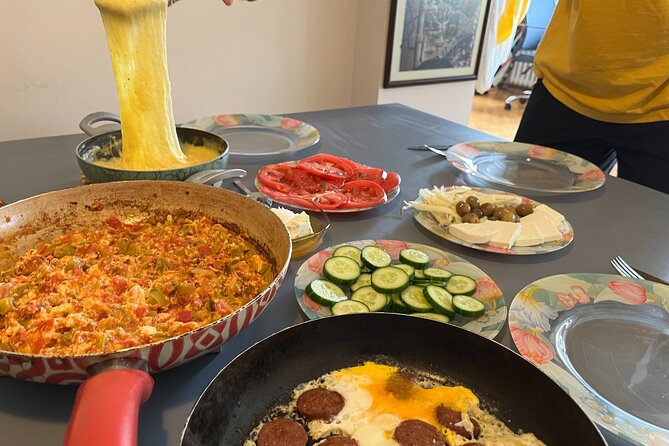
A true Turkish breakfast usually includes something savory, and in this class that job goes to eggs with sucuk. Sucuk is a Turkish sausage with a peppery kick, and when it meets eggs, you get a bold, satisfying bite.
This part of the meal is where you’ll likely notice how Turkish breakfast balances heat and comfort. The sausage brings intensity, while the eggs add softness and body. Cooking it together also shows you how to time savory elements so they stay flavorful instead of turning tough.
If you’re sensitive to spice or you don’t like cured meats, you might want to think ahead. But if you enjoy sausage-forward breakfasts, this is a highlight because it shows a classic pairing, not an invented fusion idea.


Cheese, Kaymak, and Honey: The Cold Side of Turkish Breakfast
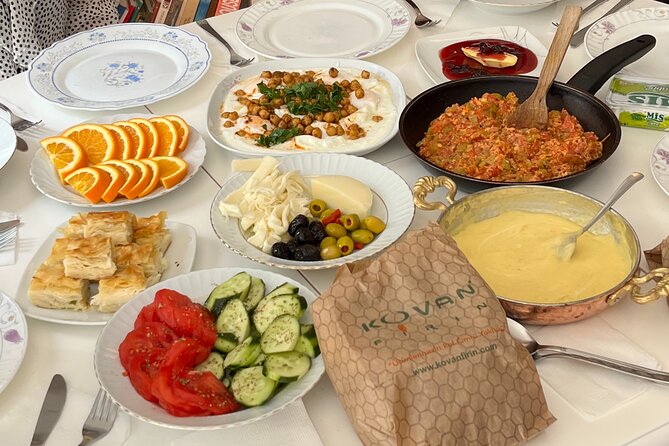
Turkish breakfast doesn’t only run on hot plates. The cold components are part of the rhythm, and this class includes a variety of cheese plus Kaymak and honey.
Kaymak is the creamy, rich dairy element that people talk about for good reason. It’s softer and more indulgent than what many people expect from “breakfast dairy.” Pairing it with honey adds contrast: sweet against creamy, with a gentle floral note depending on the honey.
The practical value here is learning how to build bites. This isn’t about eating items separately. It’s about combining them so each bite feels complete. Even if you don’t make Kaymak at home (it can be harder to find), the idea of cream + sweet + cheese balance is easy to repeat with what you can source.
Simit: Start Smart With the Sesame Ring
Before or alongside the mains, you’ll have Simit, the classic sesame-coated Turkish bread ring. It’s a simple starter, but it does a lot of work for the overall meal. It brings crunch, saltiness, and that toasted sesame aroma that makes everything else feel even more appetizing.
In a cooking class like this, Simit also helps you reset. You’re not only sweating over the stove. You get a bread element early, which helps you taste and compare as dishes come out.
If you’re used to breakfasts that move straight from sweet to coffee, Simit is a nice cultural shift. It’s a reminder that Turkish breakfast often starts savory and stays flexible.
How You Get Personalized Help in a 6-Person Class
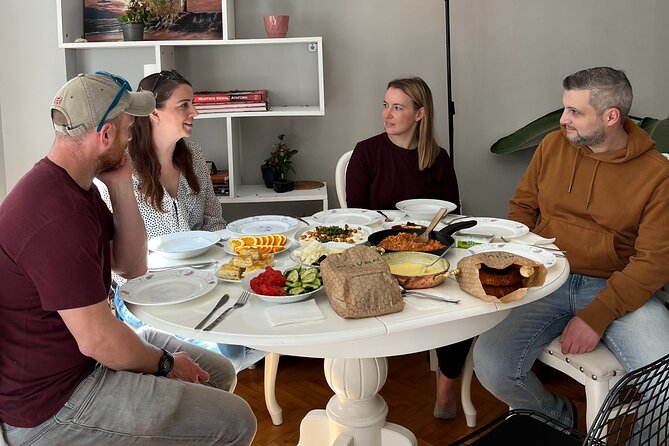
With a maximum group size of 6, the host can actually focus on your questions. This matters most during cooking steps where timing is tight. Egg dishes and cheese-based dishes can go from perfect to overdone quickly, so having someone there to guide you in the moment is a real advantage.
The class is in English, so you should feel comfortable asking basic cooking questions or clarifying steps. And since the vibe is home-based, the instruction doesn’t feel like a scripted performance.
One detail I really value from the experience description is the emphasis on learning and leaving with recipes. That’s where the class becomes more than a meal. You get tools you can take back and use, instead of only getting full on food.
Conversation, Transport Help, and the Moment You Meet Cat Petra
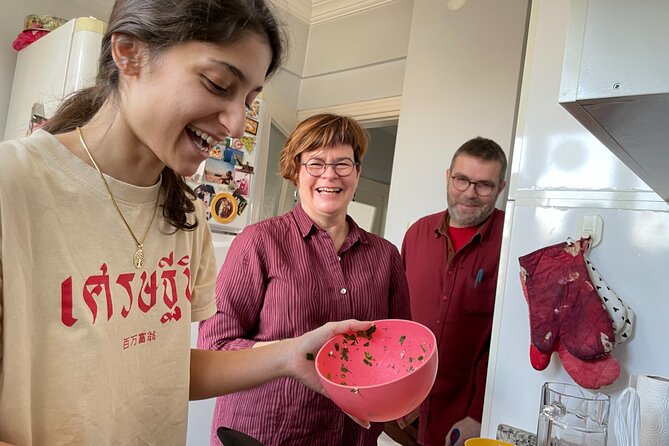
Food classes can be fun, but the best ones add human texture. This one leans hard into that. The hosts create a welcoming atmosphere where you can chat easily with the sisters and with other people in the group. That social side makes the time pass fast and makes it easier to ask questions without worrying about sounding awkward.
A standout friendly detail is that there’s cat Petra. Small moments like that are more than cute distractions. They signal a true home environment where you’re not treated like a ticket number.
Also, one of the most useful parts you can’t get from a restaurant is help getting around. You’ll get practical support with transportation needs, which is especially handy if you’re trying to plan the rest of your day in Istanbul without adding stress.
Price and Value: Is $65 Worth It for This Breakfast Class?
At $65 per person for about 2.5 hours, the value comes from what you actually do, not just what you eat. You’re getting:
- multiple cooked dishes (not a single-item tastings-only approach)
- cold breakfast components like cheeses and Kaymak with honey
- a bread starter (Simit)
- small-group instruction with English-speaking guidance
- recipe takeaways so you can recreate the experience at home
If you compare it to a typical paid meal at a restaurant, this is usually a better deal because it includes skill-building time. You’re paying for participation: stove time, technique, and a real understanding of how Turkish breakfast pieces fit together.
The other “value” is psychological. Many food experiences end when the plate is cleared. Here, your learning continues because you leave with a framework for cooking the dishes again.
Who This Breakfast Experience Is Perfect For
This is a great fit if you:
- want an authentic Turkish morning beyond what you can grab casually
- enjoy hands-on cooking more than watching
- like breakfast flavors such as eggs, cheese, and sausage
- want to connect with local hosts in a small setting
- appreciate home-style culture more than formal tours
It’s also ideal if you’re traveling with a flexible schedule and you want something that anchors your Istanbul day in food rather than in checklists.
Who Might Want to Skip It
You might want to choose something else if:
- you want major sightseeing stops as the main goal
- you don’t eat eggs, cheese, or sucuk
- you’re not comfortable with a home setting (it’s not a large commercial venue)
- you need more than a cooking-focused experience
This class is about breakfast culture and cooking technique. If you’re expecting a themed show or a long walking tour, the pacing may feel different than you hoped.
Should You Book This Turkish Antioch Breakfast Class?
Yes, if you’re the kind of traveler who remembers meals because they taught you something. This class pairs a classic Turkish breakfast spread with real kitchen help, and the small group size makes it feel personal.
I’d book it especially if you’re curious about the contrast between hot dishes (Menemen, Muhlama, sucuk eggs) and the cold richness (cheese, Kaymak, honey). That balance is where Turkish breakfast becomes more than food—it becomes a morning ritual you can understand, and later recreate.
If you’re unsure, ask yourself a simple question: do you want to leave with cooking confidence, or only full plates? This experience is built for the first option.
FAQ
What is the duration of the Turkish breakfast experience?
It lasts about 2 hours 30 minutes.
What time does the experience start in Istanbul?
The start time is 10:00 am.
Where is the meeting point?
The meeting point is Huzur, Oyak Sitesi No:21, 34475 Sarıyer/İstanbul, Türkiye.
What dishes are included or cooked?
You’ll focus on Menemen, Muhlama (Kuymak), eggs with sucuk, a variety of cheese, and Kaymak with honey, and you’ll also have Simit.
Is the class offered in English?
Yes, the experience is offered in English.
What is the maximum group size?
The class has a maximum of 6 people.
Do I get a mobile ticket?
Yes, it includes a mobile ticket.
Is there free cancellation?
Yes. You can cancel for a full refund up to 24 hours in advance of the start time.
Are service animals allowed?
Yes, service animals are allowed.