REVIEW · GUIDED
Turkey Boutique 14-Day Private & Small-Group Guided Tour
Book on Viator →Operated by Small Group (Max. 10 Pax) & Private Tours in Turkey · Bookable on Viator
Turkey feels easier with a plan. This small-group tour does the hard parts for you, while keeping the days flexible enough to breathe. I like the max-10 group size for calmer conversations and faster problem-solving, and I like that the guide uses pre-paid skip-the-line entrance tickets for major sights. One possible drawback: if the guide is a dud, the experience can feel less personal, and I’ve seen a case involving a guide named Tan that didn’t match the small-group promise.
What makes the routing especially smart is the back-and-forth logic: you start with Istanbul’s monuments, fly into Cappadocia, connect Konya to Antalya, then swing along the Mediterranean coast before finishing with Pamukkale and the Ephesus area. You also get real time to wander on your own in each region instead of being glued to a schedule.
You should still plan for a moderate pace. There’s lots of walking on uneven stone, plus stairs in places like underground sites and large historical complexes. If you want a totally effortless vacation, this might feel active.
In This Review
- Key points before you commit
- Boutique Turkey without the spreadsheet
- Day 1 to Day 3: Istanbul’s classics, paced for sanity
- Day 2’s walking loop: Hippodrome, Hagia Sophia, Blue Mosque, Topkapi
- Day 3’s bonus mix: Basilica Cistern and Spice Bazaar
- Istanbul to Cappadocia: the “fly to save time” move
- Cappadocia days 5–6: valleys, churches, caves, and underground rooms
- Day 5: Devrent, Pasabag fairy chimneys, Göreme Open-Air Museum
- Day 6: Pigeon Valley, Kaymaklı Underground City, and Mustafapaşa
- Konya and Sultanhan: caravanserai + Sufi learning
- Antalya and the Roman belt: Perge, Aspendos, Kursunlu
- Perge Antik Kenti and the museum layer
- Aspendos: the best-preserved theatre stop
- Kursunlu Waterfalls: a breather day
- Kekova to Kalkan and beyond: islands and beaches
- Oludeniz swim and Pamukkale thermal time
- Pamukkale day 11: Hierapolis plus the famous white terraces
- Ephesus and Sirince day 12: big walking, then a charming detour
- Day 13–14: Izmir flight home and a clean finish
- Hotel and meal reality: what included coverage feels like
- Price and logistics: is $4,849 good value?
- What could go wrong, and how to protect your trip
- Should you book this 14-day Turkey boutique tour?
- FAQ
- How many people are in the group?
- Are airport transfers included in Istanbul?
- Are entrance tickets included for the major sights?
- Do I need headphones for Hagia Sophia?
- Are domestic flights included?
- What meals come with the tour?
- What hotel style can I expect in Cappadocia?
- Are thermal pools included in Pamukkale?
- What is the cancellation window?
Key points before you commit
- Max-10 group size keeps the tour from turning into a long bus conga line.
- Skip-the-line tickets reduce the most annoying waiting at big-name sights.
- Boutique hotel variety includes cave lodging in Cappadocia and thermal pools in Pamukkale.
- Domestic flights are built in to cut down on long overland travel.
- Free time at multiple stops lets you replay your favorite moments without asking permission.
- Hagia Sophia has an audio-phone system (smartphone + headphones), which you’ll want to prepare for.
Boutique Turkey without the spreadsheet
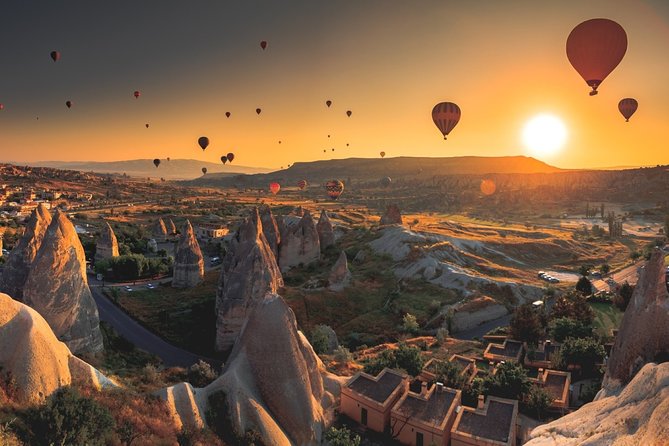
This is the kind of trip you book when you want Turkey to happen to you, not when you want to build a plan from scratch. The promise is simple: transportation, 5-star/boutique stays, and most meals are handled, and you show up for guided sightseeing with a licensed guide. With a maximum of 10 people, the guide can actually keep track of questions and small timing issues.
The itinerary is also organized so you don’t constantly re-pack every day. You change hotels by region, and each area gets a few focused days rather than one frantic hit-and-run stop.
The biggest value isn’t one single sight. It’s the pattern: guided history that you can understand, followed by time to breathe and decide what you care about.
You can also read our reviews of more guided tours in Istanbul

Day 1 to Day 3: Istanbul’s classics, paced for sanity
Istanbul can flatten your energy fast. This itinerary helps by stacking the key monuments together early, then giving you a classic waterways day and a slow-building finale.
Day 2’s walking loop: Hippodrome, Hagia Sophia, Blue Mosque, Topkapi
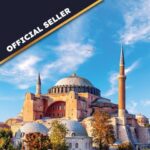
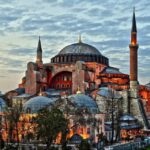
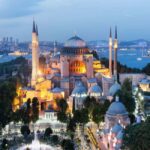
You start at Hippodrome Square, a Byzantine-and-Ottoman-era reminder that this city has been rewriting itself for centuries. Then you walk to Hagia Sophia Grand Mosque, built in 532 AD by Roman Emperor Justinian I.
Here’s an important practical detail: live guiding is not allowed inside Hagia Sophia after 15 January 2024. You’re expected to have your smartphone and headphones during your visit. If you don’t have headphones, you can buy them at the entrance for 3.50 USD. If you want the smoothest experience, bring your own wired or wireless headphones and make sure your phone battery is healthy.
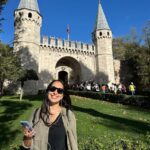
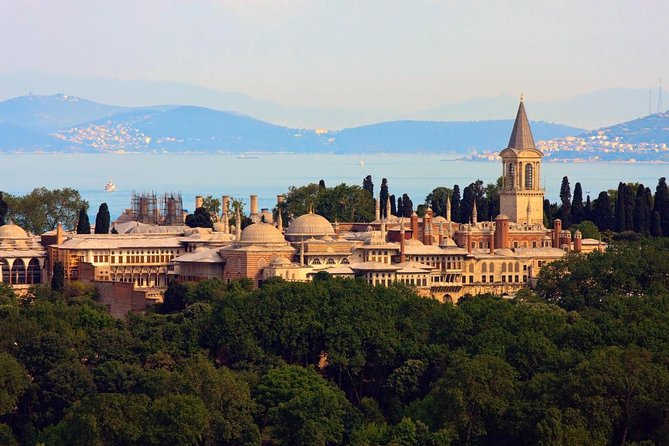
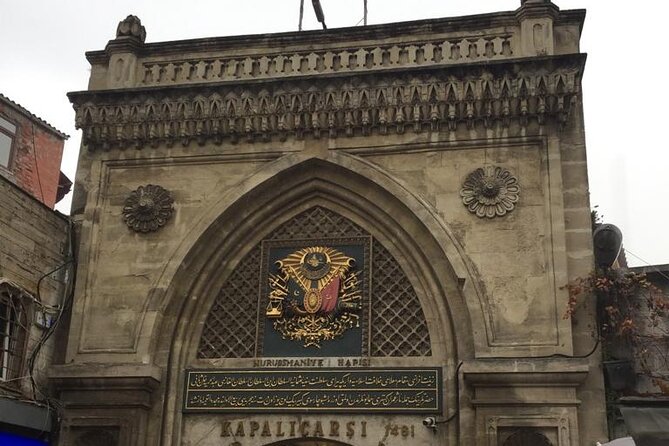
From there, you move to the Blue Mosque for its famous Iznik tiles, then continue to Topkapi Palace, including the weapons section. The day ends with a walk through the Grand Bazaar, a huge covered market with more than 58 streets and 1,200+ shops.
Day 3’s bonus mix: Basilica Cistern and Spice Bazaar
The Basilica Cistern is next, a Byzantine underground space known for the marble columns rising from the water. It’s a great contrast to the big churches and mosques above ground, and it’s the kind of site that feels better when your brain isn’t overloaded.
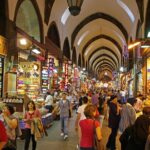
Then comes Spice Bazaar (Misir Carsisi / Egyptian Bazaar). You get time to browse domed shops selling spices and herbs, which is one of the easiest places to pick up small gifts without turning it into a long mission.
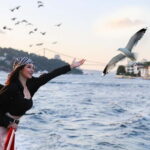
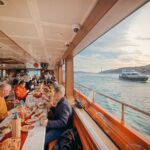
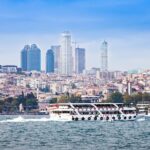
After that, you take a public ferry cruise through the Bosphorus. You sail between Europe and Asia, and you can spot marble palaces and Ottoman-style villas along the way. On land in the Sariyer area, you visit Ortakoy, a neighborhood locals frequent now known for trendy cafes and a lively artsy vibe.
Istanbul to Cappadocia: the “fly to save time” move
On Day 4, you catch an early transfer to Istanbul airport for your flight to Kayseri, then transfer into Cappadocia (Kayseri or Nevsehir airport is handled). This is a smart tradeoff. You gain time for actual sightseeing, and you arrive in Cappadocia before your legs fully give up.
Once you’re there, you get panoramic views from Uchisar Rock-Castle. It’s not just a photo stop. It’s your mental map for what you’ll spend the next days exploring.
You can also read our reviews of more private tours in Istanbul

Cappadocia days 5–6: valleys, churches, caves, and underground rooms
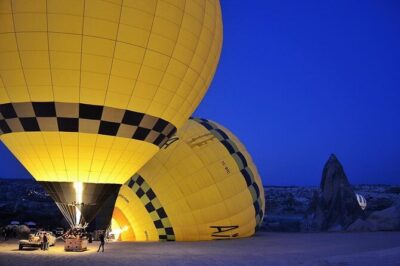
Cappadocia is one of those places where you want variety in the same week, not repetition. This itinerary gives you multiple ways to see the region: open-air churches, rock formations, pottery culture, viewpoints, and underground living.
Day 5: Devrent, Pasabag fairy chimneys, Göreme Open-Air Museum
You begin at Devrent Valley for its lunar rock formations and troglodyte houses. Then you move to Pasabag (fairy chimneys), with stops near Zelve where wind and stone seem made for dramatic photos.
Lunch happens in Avanos, known for terra cotta crafts dating back to 3000 BC. You’ll also see a traditional pottery workshop demonstration, which is the kind of add-on that makes the region feel lived-in rather than just scenic.
Afternoon is reserved for the Göreme Open-Air Museum, where you see rock-cut churches with frescoes from the 10th to 13th centuries. It’s one of the best places in the area for Byzantine art without needing extra planning.
The day closes again at Uchisar Castle for more valley views. Yes, it repeats a viewpoint, but it also makes the views hit harder once you’ve already learned what you’re looking at.
Day 6: Pigeon Valley, Kaymaklı Underground City, and Mustafapaşa
Day 6 starts at Pigeon Valley and the Three Sisters fairy chimneys in Ürgüp, including the pigeon house history that helped shape local architecture. You then descend into Kaymaklı Underground City, one of the larger and deeper underground cities.
This part is fascinating, but it’s also where you’ll feel your fitness level. Expect stairs and tight spaces, even though the time there is kept to about an hour.
You wrap the day in Mustafapaşa, going through villages and stopping at Ayvali Village. Mustafapaşa (Sinasos) is known for old Greek town architecture and houses, giving you a sense of how many layers Cappadocia has.
Konya and Sultanhan: caravanserai + Sufi learning
Not every Turkey itinerary includes Konya, so it’s a nice shift from rocks and coast. This is a day where history feels human and everyday, not just monumental.
You visit Sultanhan Caravanserai, a Seljuk masterpiece from the 13th century, then arrive in Konya. The next stop is the Mevlana Muzesi, the mausoleum of Mevlana (the mystic), plus Karatay Theological School, where you see beautiful tile work.
If you like museums, architecture, and cultural context, this is one of the most satisfying days. If you only want beaches and ancient ruins, you might feel it’s more about understanding than seeing a single massive site.
Antalya and the Roman belt: Perge, Aspendos, Kursunlu
Getting to the Mediterranean means swapping fairy chimneys for Roman stones and sea-air breaks. Day 8 is a long but logical run: Perge, Aspendos, and Kursunlu Waterfalls.
Perge Antik Kenti and the museum layer
You start at Perge, a UNESCO World Heritage Temporary List site. The ruins are the big story, but the tour also includes the Antalya Museum where excavated statues are shown. That museum stop matters because it explains what Perge used to look like and how important sculpture production was there.
Aspendos: the best-preserved theatre stop
Then it’s Aspendos Ruins, famous for the theatre’s preservation. You get time to appreciate how well the auditorium and stage building were balanced—and how the structure fits into the landscape.
Kursunlu Waterfalls: a breather day
The day ends at Kursunlu Waterfalls, with a canyon setting and multiple small lakes connected by falls. It’s also set up for visitors with picnic and rest areas, so it’s a good place to reset before coast driving.
Kekova to Kalkan and beyond: islands and beaches
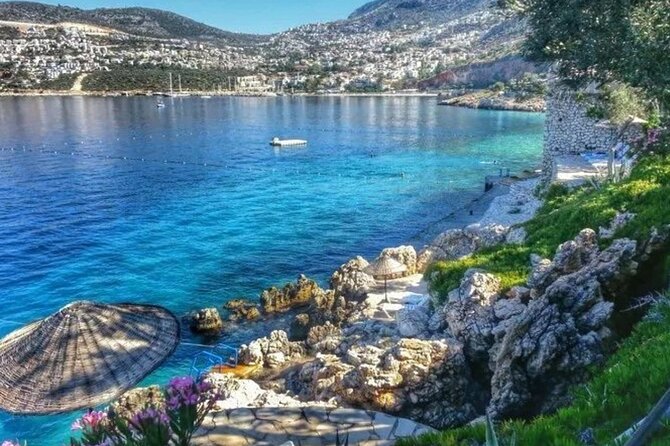
Day 9 goes coastal fast, which is exactly what you want after inland days.
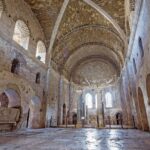
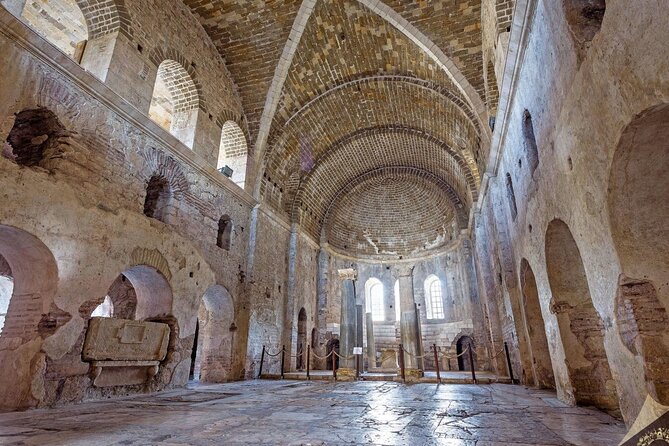
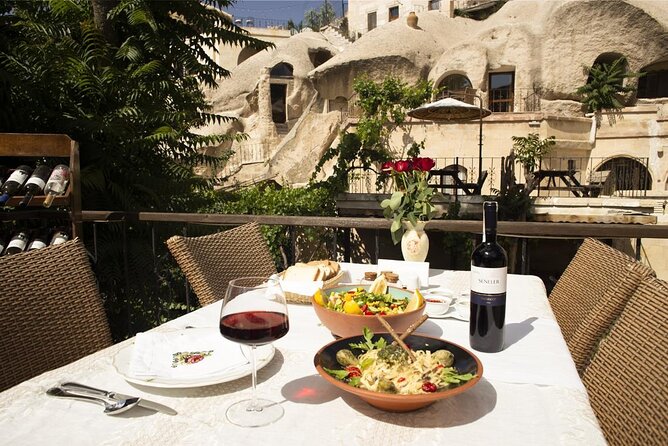
You drive south to the Kekova Island area and visit St. Nicholas, then stop in Kekove for a private boat ride to the Sunken City and Simena. This is one of those experiences where guided context helps, because the scenery makes more sense once you understand what you’re seeing.
Lunch is built in via a fish lunch in a village, then you drive toward Kas and Kaputas Beach before reaching Kalkan. Even though the overnight is in Fethiye, the route is set up so you still get a proper chunk of coast time rather than just a photo pull-over.
Oludeniz swim and Pamukkale thermal time
Day 10 is a two-part move: sea in the morning, mineral terraces at night.
First you head to Oludeniz for swimming and/or optional paragliding. The optional activity is listed, but the tour data doesn’t say if it’s included, so you should budget separately if you plan to do it.
Then you continue to Pamukkale and check into a thermal hotel. The key practical win here is that you can use the thermal pools until 21:30. That makes the evening feel like a reward, not just a check-in chore.
Pamukkale day 11: Hierapolis plus the famous white terraces
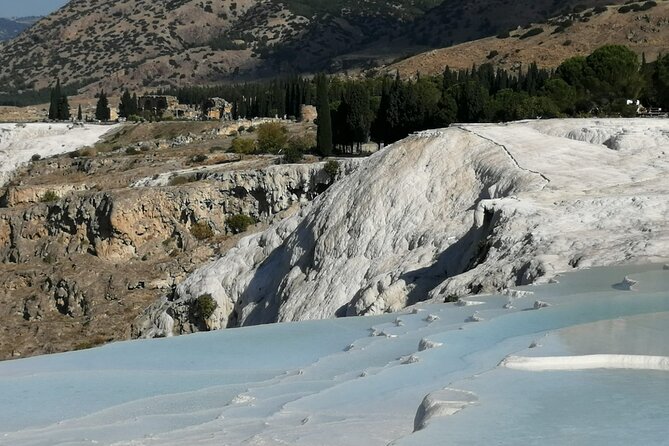
You visit Hierapolis with the theatre, Apollo Temple, and the necropolis (graveyard). The day then includes the travertine terraces at Pamukkale, described as mineral springs forming white cliffs that look like cotton or snow.
This is one of the most memorable scenery moments in the entire itinerary. It’s also one of the places where you’ll appreciate having time managed for you, because it can be easy to overrun your energy in the sun.
Afterward, you continue to Kuşadası and check into your hotel.
Ephesus and Sirince day 12: big walking, then a charming detour
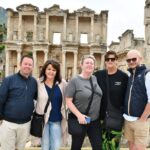
Day 12 is one of those days you plan for mentally. You spend several hours in Ephesus, moving through spaces associated with famous names and early Christianity references. You’re not stuck in a quick drive-by; you actually walk.
You also visit Ephesus Terrace Houses (recently opened slope houses) for mosaics and frescoes. The stop at Meryemana (The Virgin Mary’s House) adds a pilgrimage layer and a quiet moment on an isolated mountaintop with a chapel.
The day ends in Şirince Village, then back to Kusadası for the night. Şirince is the kind of stop where you can slow down, try small bites, and pick up souvenirs at an easier pace than the big city markets.
Day 13–14: Izmir flight home and a clean finish
Day 13 starts with a transfer from your Kusadası hotel area to Izmir airport for your flight back to Istanbul. Then you’re welcomed back in Istanbul and transferred to your hotel.
Day 14 is a straightforward airport transfer based on your departure time, with services ending after you’re dropped off.
This kind of finish matters. You don’t want your last day to turn into hours of traffic stress.
Hotel and meal reality: what included coverage feels like
You get 13 breakfasts and 3 dinners. That’s helpful because you can spend more time exploring instead of hunting every meal, but you still have flexibility for lunch and evenings where the tour doesn’t include food.
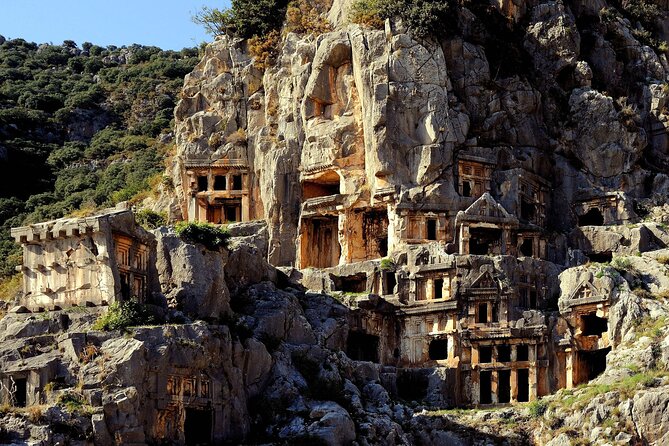
Accommodation is handled at a boutique level across regions. In Istanbul, stays are listed as options like Sultania, Sura Hagia Sophia, Sultanhan, or similar. In Cappadocia, you’ll be in a cave hotel such as Yunak Evleri or Gamirasu Cave Hotel. In Konya, the tour lists Dedeman Hotel (5-star) or similar. Antalya options include Alp Pasha Hotel or Tuvana Hotel. Fethiye is Yacht Boheme or similar, Kusadası is La Vista Boutique Hotel or similar, and Pamukkale is Colossae Thermal or Pam Thermal Hotel or similar.
If you care about comfort, the value here is you’re not shopping for hotels mid-trip. If you care about strict hotel brand loyalty, you might need to accept the “similar” language.
Price and logistics: is $4,849 good value?
At $4,849 per person, the price is high by budget travel standards. But it’s not just “a guide plus hotels.” You’re also paying for domestic flights, pre-paid major entrance fees, and a transportation setup using brand new air-conditioned minivan/minibus.
That cost structure can make sense if you compare it against the real time sinks you’d face solo. The biggest savings is not money alone. It’s the mental load. You don’t have to coordinate airport transfers, intercity timing, and ticket logistics for the heavy hitters like Hagia Sophia, Topkapi, Göreme, Hierapolis, and Ephesus.
One thing to consider: the tour includes entrance fees, but it does not include every meal, and it does not include drinks. Personal expenses are also on you, so build a realistic daily spend for water, snacks, and any shopping.
If you’re traveling as a couple or family, the small-group structure can still feel like a sweet spot, especially with group discounts listed as a feature.
What could go wrong, and how to protect your trip
This is where I keep it real. The tour promises small-group intimacy, which depends on the guide quality and how well your day is handled. In at least one case tied to this concept, a guide named Tan was reported as the problem behind an otherwise great Turkey experience.
You can protect yourself without being paranoid. Before departure, make sure you understand what your tour staff will do when it comes to pacing, especially on high-demand days like Hagia Sophia and major market stops. Also, if you rely on phone audio or headphones, pack for it so you’re not stuck improvising at the door.
Should you book this 14-day Turkey boutique tour?
Book it if you want Turkey’s headline sights with less planning stress, a maximum group size of 10, and a hotel mix that includes real character like a Cappadocia cave stay and Pamukkale thermal pools. This itinerary also suits you if you like history and religion in context, from Byzantine Istanbul to Byzantine-to-Roman Ephesus, with Konya adding a different spiritual flavor.
Skip it or at least ask harder questions first if you’re highly sensitive to guide style. Since the small-group feel hinges on the guide, you’ll want clarity on who will be leading you and how flexibility is handled.
If you do book, I’d pack smart for the practical parts: headphones for Hagia Sophia, comfortable shoes for long walking days, and a charge-ready smartphone for the audio-phone system.
FAQ
How many people are in the group?
The group size is a maximum of 10 travelers.
Are airport transfers included in Istanbul?
Yes. You meet a representative at the airport with a name sign, and you get private transfer to your hotel for the first night in Istanbul.
Are entrance tickets included for the major sights?
Yes. Entrance fees are included, and the guide has pre-paid tickets intended to help you skip the line.
Do I need headphones for Hagia Sophia?
For Hagia Sophia after 15 January 2024, live guiding is not allowed inside. You need a smartphone and headphones during your visit. If you don’t have headphones, you can buy them at the entrance for 3.50 USD.
Are domestic flights included?
Yes. The tour includes domestic flights from Istanbul to Cappadocia and from Izmir to Istanbul, with baggage allowances of 15 kilos check-in and 8 kilos cabin.
What meals come with the tour?
You get 13 breakfasts and 3 dinners. Drinks and any other meals not listed are not included.
What hotel style can I expect in Cappadocia?
You stay in a cave hotel in Cappadocia, with options listed such as Yunak Evleri or Gamirasu Cave Hotel.
Are thermal pools included in Pamukkale?
Yes. You can use the thermal pools until 21:30.
What is the cancellation window?
You can cancel up to 6 days in advance of the experience start time for a full refund, and the policy changes depending on how close you are to departure.
If you want, tell me your travel month and your tolerance for early starts, and I’ll help you sanity-check whether this pace fits your style.