REVIEW · HOP-ON HOP-OFF BUS TOURS
Istanbul Hop-on Hop-off Sightseeing Red Bus
Book on Viator →Operated by Tourmania · Bookable on Viator
Istanbul is a street-mapped puzzle, and this bus gives you the first picture. The Red Bus is a classic hop-on hop-off setup with 12 stops from Sultanahmet across the European side and over to the Asian shoreline, plus onboard multilingual audio and Wi-Fi.
What I like most is the way it turns major landmarks into a simple day plan: you can get off for Hagia Sophia area views, then swing back for Galata-adjacent neighborhoods and the Golden Horn docks without booking multiple separate rides. I also like that it is built for flexibility, with the hop-on hop-off format letting you repeat stops as your energy and timing change.
The big drawback to plan around is Istanbul traffic. If you get caught in gridlock, you may spend time on the bus instead of hopping, and some riders report overcrowding and stop times that feel short.
In This Review
- Key things to know before you buy
- Why this route is a smart Istanbul starter
- Getting your bearings fast: what each stop really gives you
- Stop 1: Sultanahmet (your historic launch pad)
- Stop 2: Eminönü (spice-and-waterfront energy)
- Stop 3: Karaköy (cafés, art, and Ottoman-era corners)
- Stop 4: Galataport Istanbul (a cruise-ship port turned public space)
- Stop 5: Dolmabahçe (Ottoman power, right on the water)
- Stop 6: Naval Museum (for the ship-and-weapon-minded)
- Stop 7: Beylerbeyi Palace (Asian-side Bosporus elegance)
- Stop 8: Büyük Beşiktaş Çarşısı (a Sunday market vibe)
- Stop 9: Taksim Square (city energy, night-life base)
- Stop 10: Şişhane Sokak (now easier to reach)
- Stop 11: Egyptian Bazaar (Spice Bazaar, round two)
- Stop 12: Sultanahmet (return to your starting world)
- The tech onboard: audio guide and Wi-Fi that actually help
- Traffic and timing: the part you can’t wish away
- Price and value: when $70 feels right
- Where it shines most (and who should book)
- Booking timing: plan it like a local
- Should you book the Istanbul Hop-on Hop-off Red Bus?
- FAQ
- FAQ
- How long is the Red Bus experience?
- Where does the tour start and end?
- What stops are included?
- Is there an audio guide and what language is it in?
- Do I need paper tickets?
- Is there onboard Wi-Fi?
- How much does it cost?
- Can I cancel for a refund?
- Is the tour suitable for most people?
Key things to know before you buy
- 12 stops across both continents so you can see a lot without juggling routes
- Multilingual audio + onboard Wi-Fi to keep the trip informative and practical
- Easy start in Sultanahmet in a convenient, walk-and-transit-heavy zone
- A day that can stretch when traffic slows buses and makes hopping less efficient
- Crowd management can be hit or miss on busy stretches
Why this route is a smart Istanbul starter
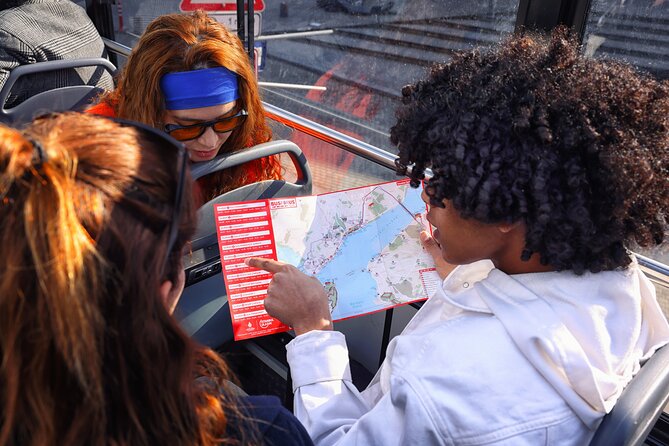
If you have only one day to get oriented, the value is in the big sweep. This itinerary hits the historic Sultanahmet pocket, then pushes you toward the waterfront bazaar area around Eminönü, before moving into modern Galata and the Bosporus palaces. By the time you reach Taksim, you’ve got two key Istanbul “modes” in your head: the old-stone monuments side and the nightlife-and-shopping side.
The hop-on hop-off format matters because it reduces decision fatigue. You can treat it like a rolling city map. If you want a quick look, you stay on. If a stop feels right, you jump off and spend a focused chunk of time nearby, then hop back on later.
You can also read our reviews of more tours and experiences in Istanbul.



Getting your bearings fast: what each stop really gives you
Here’s how the stops line up, and what you’ll likely want to do at each one.
Stop 1: Sultanahmet (your historic launch pad)
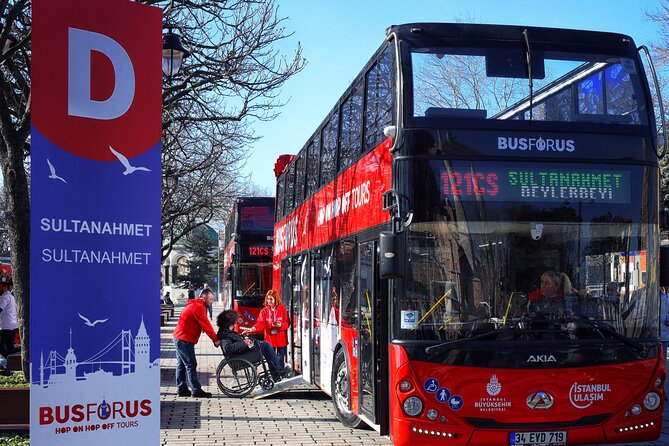
Sultanahmet is where you start for a reason. You’re in the Hagia Sophia zone and close to the Blue Mosque, both of which are mosaic-filled and instantly recognizable from the outside before you even step in. The square area also has the Egyptian Obelisk of Theodosius and the nearby Stone of Million ruin, plus gardens and fountains for breaks.
Practical move: If you’re going to do one “real sightseeing” block, make it here. This is the day’s anchor area, and it’s easier to organize walking routes from Sultanahmet than from farther out.
Stop 2: Eminönü (spice-and-waterfront energy)
Eminönü is the ferry-docks bustle zone, and it’s a strong contrast from Sultanahmet. You’re close to the Egyptian Bazaar, also called the Spice Bazaar, with stalls full of spices and packaged treats, and the broader Grand Bazaar area nearby. You’ll also pass the Süleymaniye Mosque area and the Rustem Pasha Mosque, known for Iznik tiles.
Practical move: If you like shopping and snacks, this is a good stop for browsing with a time limit. The bazaar streets can pull you in, so hop off with a plan: buy one thing you’ll actually use, then move on.
Possible drawback: Crowds around bazaars can slow you down. If you’re aiming to hop quickly, this is one of the stops where you might lose time just walking to the lanes.
Stop 3: Karaköy (cafés, art, and Ottoman-era corners)
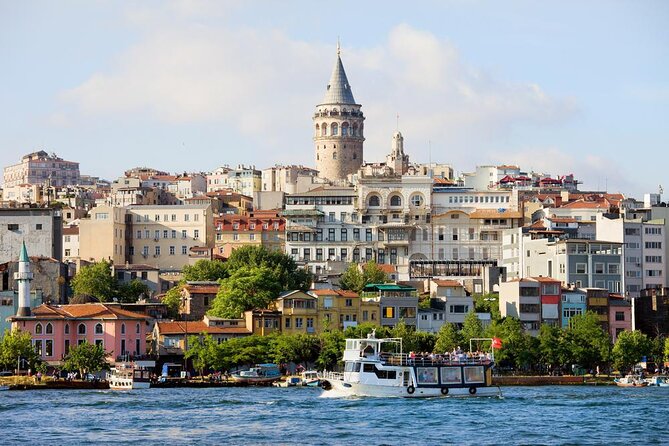
Karaköy is the in-between neighborhood: harbor views, street art, and a mix of older Ottoman structures with modern creative life. You also get access to the 16th-century Kılıç Ali Paşa complex, which includes a mosque and therapeutic baths.
Practical move: This is a nice stop for a short stroll and photos. If you want atmosphere more than a checklist, get off for 20 to 45 minutes and just wander.
Watch for: The feel here can be very “hang out” compared to the monument stops. Don’t plan a rushed sprint unless you like stressful walking.


Stop 4: Galataport Istanbul (a cruise-ship port turned public space)
Galataport is a cruise port and a mixed-use development in Galata. It sits at the Bosporus edge where the strait meets the Golden Horn, so you get water views and a more contemporary, open-feeling waterfront.
Practical move: Use this as your “break stop.” If you’ve been in dense streets all morning, step into the wider walking areas and reset.
Stop 5: Dolmabahçe (Ottoman power, right on the water)
Dolmabahçe Palace was a major Ottoman administrative center for long stretches, so this stop is about scale and presence. It’s located in Beşiktaş along the European coast of the Bosporus.
Practical move: Even if you only look from outside, this area is one of the best “photo anchors” because the palace sits where the Bosporus traffic and skyline frame it. If you want the full palace visit, you’ll need extra time beyond a quick hop.
Consideration: Palace experiences usually mean lines and pacing. If you have just one day, be ready to choose: palace time or hopping to more neighborhoods.
Stop 6: Naval Museum (for the ship-and-weapon-minded)
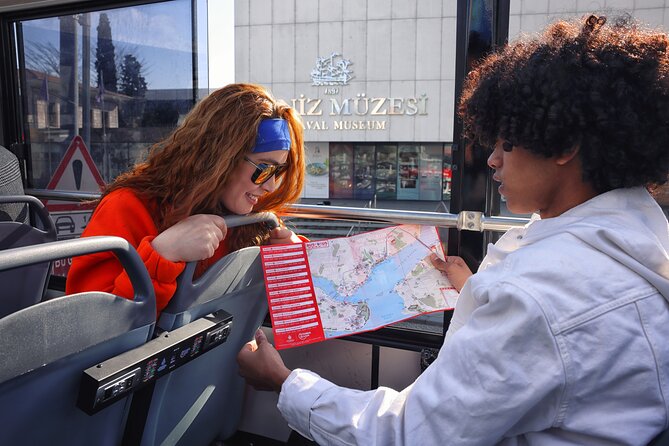
The Istanbul Naval Museum was established in 1897 by Ottoman Navy Minister Bozcaadalı Hasan Hüsnü Pasha. The museum’s collection focuses on Ottoman naval artifacts and military history.
Practical move: This stop is best if you like subject-specific museums. If you don’t, it may feel like one of the more “focused interest” stops compared to the big postcard sights.
Stop 7: Beylerbeyi Palace (Asian-side Bosporus elegance)
Beylerbeyi Palace, in the Beylerbeyi neighborhood on the Asian side, is an Ottoman summer residence built between 1861 and 1865. It sits just north of the First Bosphorus Bridge, so the location is built for sightlines.
Practical move: Hop off here if you want to feel the shift to the Asian coast. The Bosporus views can be a big part of the experience even before you step inside anything.
Watch for: This stop is on the Asian side. Plan your energy, because the ferry-and-bridge geography can make the day feel longer when traffic is slow.
Stop 8: Büyük Beşiktaş Çarşısı (a Sunday market vibe)
Beşiktaş Bazaar is described as a popular Sunday market, with everything from produce like tomatoes to more exclusive items like jewellery. It’s a lively place to browse local commerce and see daily-life rhythm.
Practical move: Treat it as a “walk through” stop. Try a snack if you find something that fits your tastes, then keep your schedule. Markets can turn into long visits fast.
Stop 9: Taksim Square (city energy, night-life base)
Taksim Square is a major hub, with the Republic Monument and a busy mix of shopping, dining, and nightlife. Istiklal Caddesi radiates from here with vintage trams and long rows of buildings, theatres, cafés, and side streets full of bars and antique shops.
Practical move: If you want Istanbul’s modern pulse, this is your stop. Get off and walk a small loop on Istiklal Caddesi, then decide where you want dinner later.
Consideration: Taksim can be busy. If your goal is calm sightseeing, keep your time slice short.
Stop 10: Şişhane Sokak (now easier to reach)
Şişhane was known for lighting shops and tough traffic, but the area is changing. You also get strong accessibility because of the new metro station, and you’ll see some of the fin-de-siècle buildings.
Practical move: Use this stop for an easy transition point. You might not spend hours here, but it can help you connect to walking areas without feeling cut off.
Stop 11: Egyptian Bazaar (Spice Bazaar, round two)
You pass the Egyptian Bazaar again, a covered complex famous after the Grand Bazaar. This is the shopping stop that many people come back to, especially if you skipped it earlier or didn’t buy enough the first time.
Practical move: If you’re shopping, this is the stop to commit. If you’re not, you can treat it as a window-shopping drive-by and focus elsewhere.
Stop 12: Sultanahmet (return to your starting world)
The itinerary ends back at Sultanahmet. That’s useful: you avoid the stress of needing to get across the city at the end of the day when you’re tired and lines feel longer.
Practical move: Plan your final photos and your last walking loop around Sultanahmet. It’s easier to finish strong when you’re back in the historic zone.
The tech onboard: audio guide and Wi-Fi that actually help

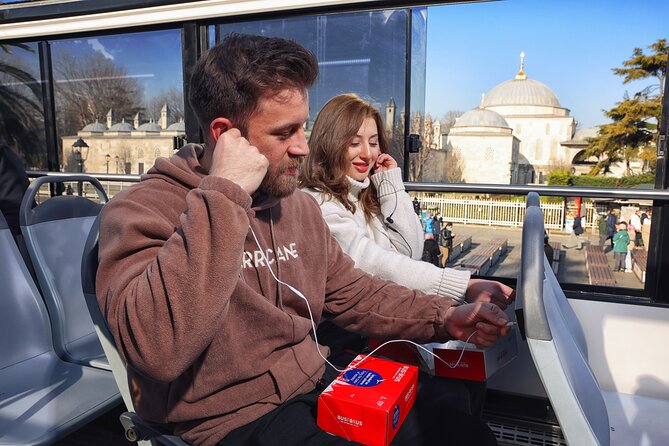
The onboard setup is part of what makes this bus more than a sightseeing “taxi.” You get an audio guide in multiple languages, and you also have Wi-Fi onboard. The audio system can be a big deal if you’re traveling solo or you like structure.
Still, there’s a reality check: if the bus is crowded and people are standing, they can block views and make it harder to hear. One review described the commentary as not great in terms of quality, so keep your expectations flexible. If the audio isn’t your thing, you can still use the trip as a visual overview and read up later near the sights.
My advice: Bring headphones, and if the commentary feels repetitive, switch from listening to watching. Istanbul rewards eyes.
Traffic and timing: the part you can’t wish away
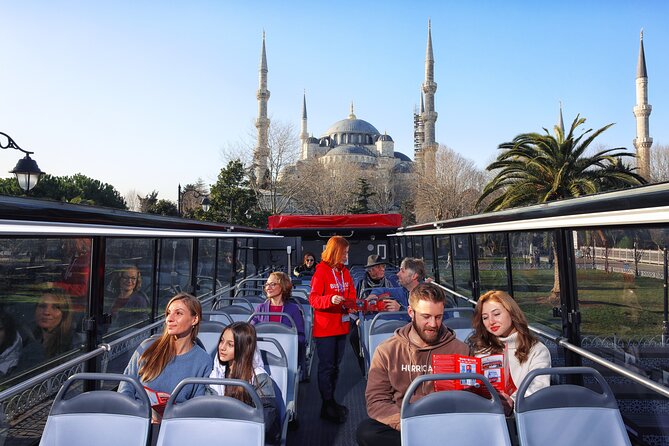
This is the category that makes or breaks the experience. Istanbul traffic can be brutal, and multiple riders reported sitting in congestion for long stretches. When delays stack up, the hop-on hop-off idea becomes less “free” and more “managed by the road.”
Here are the patterns you should plan around:
- Expect unpredictable pacing. Some riders reported the route moving slowly due to heavy traffic.
- Stop times may feel short if the bus is late or crowded.
- Overcrowding can reduce comfort. There are complaints about overloaded buses and hard seating.
If you want the best shot at a good day, I’d start earlier in your daylight hours. You’ll have more flexibility if traffic slows. And when you hop off, don’t plan a marathon. Even 30 to 60 minutes per stop can be smarter than trying to “collect” everything.
Price and value: when $70 feels right
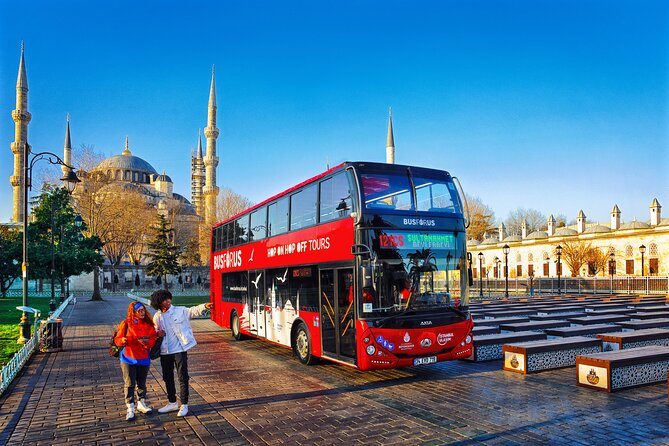
The price is listed at $70 per person for about a one-day experience. Is it worth it? It can be, if you use it the way it’s meant to be used: as a mobility tool that replaces multiple individual rides.
Here’s how to think about value:
- You’re paying for route coverage across key areas instead of mapping buses, ferries, and connections on your own.
- You’re paying for time-saving orientation. A bus ride that helps you decide where to spend your next day has value.
- You’re paying for hop flexibility, which matters in a city where your plans can change fast.
But it can feel overpriced if you end up stuck in traffic most of the day or if the bus is so crowded you’re standing and missing views. One review also mentioned feeling it was not worth the money after being forced to stand for long stretches.
Also note: one rider cited a lower price, around $40 for 24-hour use. That suggests promotions or pricing can vary, so it’s worth checking what you’re actually buying on your date.
My practical call: If you can treat this as a first-day orientation tool and you accept that traffic may slow the ride, $70 can be money well spent. If you hate waiting and want a perfectly timed itinerary, you might prefer spot-by-spot planning.
Where it shines most (and who should book)
This bus works best for:
- First-timers who want an overview fast
- People who prefer audio context over reading city guides all day
- Visitors staying in or near Sultanahmet, since the start and end make sense
It can be less satisfying for:
- Travelers who are very time-tight
- Anyone who gets frustrated by crowded vehicles or hard seats
- People who want a guaranteed hop schedule with minimal road delays
The route is also handy because it covers both continents. If you want to see the Bosporus crossing areas without separately planning transport, this is one of the easiest ways to do it in a single day.
Booking timing: plan it like a local
You’re often likely to book this in advance, with an average of about 27 days. That tells me it’s popular, so if you have fixed plans, I’d lock it in sooner rather than later.
Since you get a mobile ticket and confirmation at booking time, you should be able to sort this out quickly without long paperwork. And because the starting point is centrally located and near public transportation, you won’t be stranded if your local transit day gets complicated.
Should you book the Istanbul Hop-on Hop-off Red Bus?
Book it if you want a stress-reduced way to see the big map of Istanbul in one day. I like it most as an orientation tool: you get Sultanahmet landmarks, waterfront bazaars near Eminönü, the Galata-side Bosporus feel, and Taksim’s modern hub in one ticket.
Skip or rethink it if your biggest priority is a perfectly timed sightseeing route. Istanbul traffic can stretch the day, and crowd levels can make the “hop” part feel less convenient. In that case, you might do better with targeted visits you can control by neighborhood.
If you do book, go in with a simple mindset: use the bus to pick your favorites, then do your detailed visits on foot once you’re in the right area. That’s the smart way to get value out of a city that rarely moves on a schedule.
FAQ
FAQ
How long is the Red Bus experience?
It runs for about 1 day (approximately), with a full route that includes a return to Sultanahmet.
Where does the tour start and end?
It starts in Sultanahmet and ends at Sultanahmet as the final stop.
What stops are included?
The route includes 12 stops: Sultanahmet, Eminönü, Karaköy, Galataport Istanbul, Dolmabahçe, Naval Museum, Beylerbeyi Palace, Büyük Beşiktaş Çarşısı, Taksim Square, Şişhane Sokak, Egyptian Bazaar, and Sultanahmet.
Is there an audio guide and what language is it in?
There is an onboard multi-lingual audio guide. The tour is offered in English.
Do I need paper tickets?
No. You’ll receive a mobile ticket.
Is there onboard Wi-Fi?
Yes, there is Wi-Fi onboard.
How much does it cost?
The listed price is $70.00 per person.
Can I cancel for a refund?
Yes. You can cancel up to 24 hours in advance for a full refund.
Is the tour suitable for most people?
The experience notes that most travelers can participate.