REVIEW · ISTANBUL
Grand Turkey Tour
Book on Viator →Operated by Sunnova Travel Agency · Bookable on Viator
Turkey in 14 days, minus the stress. This Grand Turkey Tour stitches together private pacing and complimentary breakfasts across Istanbul’s big monuments, Cappadocia’s valleys, and the Aegean coast. The one thing to plan for: it’s a full, busy route with lots of touring days and transfers.
I’m especially taken with how the trip is set up to run like a system, not a scavenger hunt. In the tour team’s own track record, guides such as Ibrahim and Muhammet show up again and again for being organized and taking care of details like language help at meals, so you don’t lose time figuring things out.
If you want a slow vacation with long afternoons off the clock, this may feel like too much. If you want to hit major sights without booking headaches, it’s a strong fit.
In This Review
- Key things that make this tour worth your time
- Why this 14-day route feels efficient (and where it can feel intense)
- Istanbul day one: welcome, orientation, and a Taksim first look
- Topkapi, Hagia Sophia, Blue Mosque, and the Grand Bazaar in one dense culture block
- Bosphorus boat + Princes’ Islands: Istanbul views without sitting in traffic
- Cappadocia’s main hits: balloon views, Göreme, Paşabağ, Devrent, and Uçhisar
- Kaymaklı and Derinkuyu underground: history you can walk into
- Konya’s religious and museum stops: Mevlana and the medrese atmosphere
- Antalya area: Aspendos and Perge plus Duden Waterfalls
- Coast days in Kas, Kaputaş, Saklıkent, and Oludeniz
- Pamukkale: travertines, Hierapolis, and the amphitheatre
- Ephesus: Kusadası castle, Meryemana, and the Ephesus complex
- Pergamon and Troy: ancient cities that feel like time travel
- Gallipoli and ANZAC Cove: World War I memory sites
- Bursa’s Ottoman stops: Great Mosque, Green Mosque, Osman and Orhan tombs, and Koza Han
- Farewell Istanbul: transfer time and a last bazaar moment
- Price and value: what $6,250 buys you in the real world
- Practical advice before you go: timing, packing, and how to enjoy the pace
- Should you book the Grand Turkey Tour?
- FAQ
- How long is the Grand Turkey Tour?
- Where does the tour start, and do you get airport pickup?
- Is this tour private?
- Are breakfasts included?
- Are admission tickets included for the main sites?
- Can I add a hot air balloon ride in Cappadocia?
- Does the tour use a mobile ticket?
- When will I get confirmation after booking?
- What happens if weather isn’t good?
Key things that make this tour worth your time
- Private group focus across 14 days: you travel as one group, not mixed into strangers’ plans
- Turkey’s highlights in one line: Istanbul, Cappadocia, Konya, the south coast, Pamukkale, Ephesus, Troy, and Gallipoli
- Breakfasts included: you start some days already taken care of
- Many admissions are built in: big-ticket sites are marked as included across the route
- Cultural guide support: praised for English and practical help when you hit language barriers
- Coast + ruins combo: beach time pairs with ancient cities instead of replacing them
Why this 14-day route feels efficient (and where it can feel intense)
This tour is built for people who want to see a lot of Turkey, but don’t want to manage every ticket and timetable. The “private” setup matters here because it keeps the day-to-day flow tighter—less time hunting for the right entrance, less guessing, and fewer last-minute logistics.
You’ll also notice the rhythm: big anchor sites early, then a mix of scenic pauses, churches/mosques, and museums that explain what you’re looking at. For example, you don’t just park near a landmark; you get time set aside for the main areas and for understanding context.
The drawback is obvious once you look at the calendar: it’s not a light schedule. You’ll pack in long drives between regions, then stand and walk through major sites. If you’re the type who likes recovery time after a museum, plan for it to be limited.
You can also read our reviews of more tours and experiences in Istanbul.


Istanbul day one: welcome, orientation, and a Taksim first look
Your first day is a welcome and settling-in day. You’re met at Istanbul Airport (IST) or Istanbul Sabiha Gökçen (SAW), and if you land early, there’s room for an optional city stroll around Taksim and Ortaköy in the afternoon or evening.
Even though the tour is described as starting tomorrow, you still get time on the ground, with Taksim Square on the schedule. It’s a good “baseline” day because it helps you get bearings in a city where neighborhoods can feel like different countries.
If you’re jet-lagged, treat this as a light day. Two hours around a central area is enough to reset without wearing yourself out before tomorrow’s big museum block.
Topkapi, Hagia Sophia, Blue Mosque, and the Grand Bazaar in one dense culture block
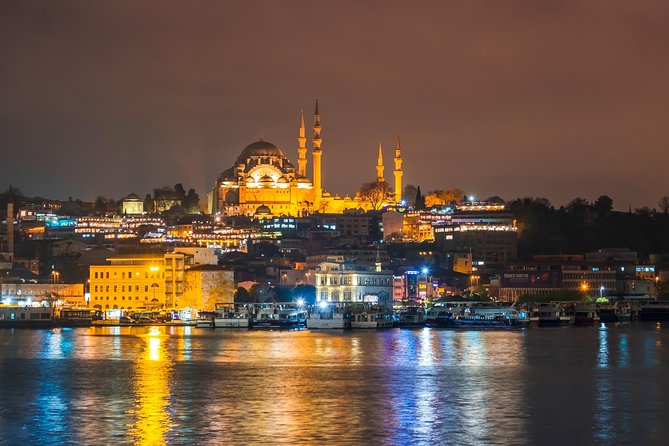
Day two is Istanbul at full volume. You start with Topkapı Palace (2 hours), which is one of the best places to understand how the Ottoman world organized power. You get the time you need to see the key areas without rushing through the whole place.
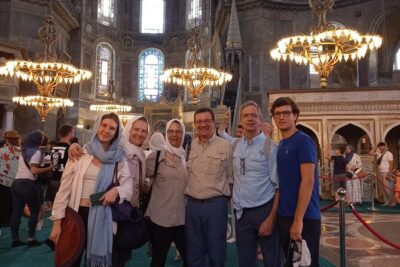
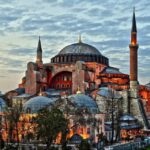
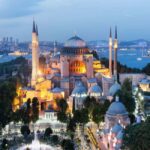
From there, you jump into the city’s religious centerpiece: Hagia Sophia Grand Mosque (1 hour) and then the Blue Mosque (1 hour). Seeing them back-to-back helps because you’ll recognize design choices and artistic themes that shift across centuries instead of getting them in isolation.
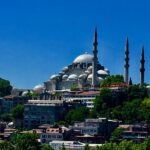
You also get Süleymaniye Mosque (30 minutes) and a quick stop at Eyüp Sultan Mosque (30 minutes). Those shorter segments still matter because they show different devotional atmospheres, not just the headline monuments.
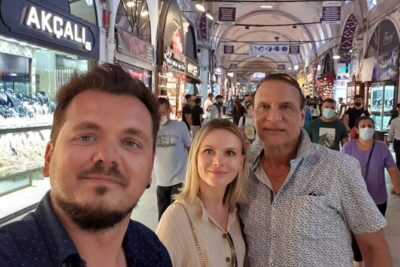
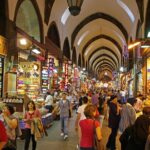
Then comes the cultural pressure test: Grand Bazaar (2 hours). It’s exciting, but it’s also busy. I’d treat this as time for browsing and orientation rather than shopping like you’re hunting a bargain checklist.
If you hate crowds, you’ll still manage, but keep your expectations realistic. This is one of the busiest parts of Istanbul by design, so move with purpose and bring patience.
Bosphorus boat + Princes’ Islands: Istanbul views without sitting in traffic
Day three flips the mood. You get a Bosphorus Strait boat tour (2 hours) and then Princes’ Islands (2 hours). The best part of doing it this way is that the waterline makes Istanbul’s geography make sense fast—Europe and Asia feeling like they belong to one story.
After the boat day, you circle back to central Istanbul with Taksim Square (1 hour) and a walk on İstiklal Caddesi (1 hour). That’s a smart pairing: scenery by water, then street life on land.
Practical thought: on a day like this, your comfort is mostly about footwear and sun protection. You’re outdoors for stretches, and the pace is steady. If you bring the basics, you’ll enjoy it more.
Cappadocia’s main hits: balloon views, Göreme, Paşabağ, Devrent, and Uçhisar
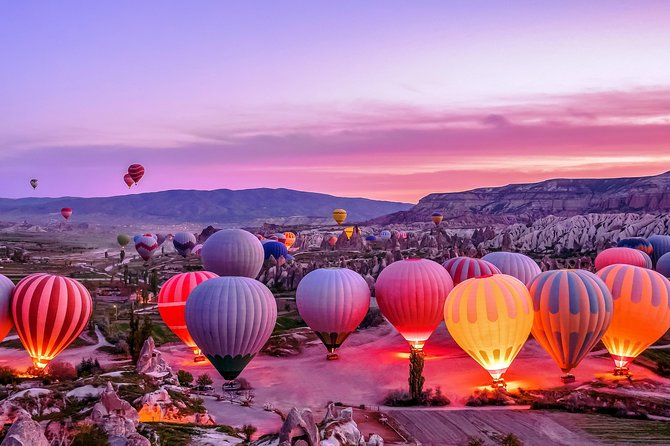
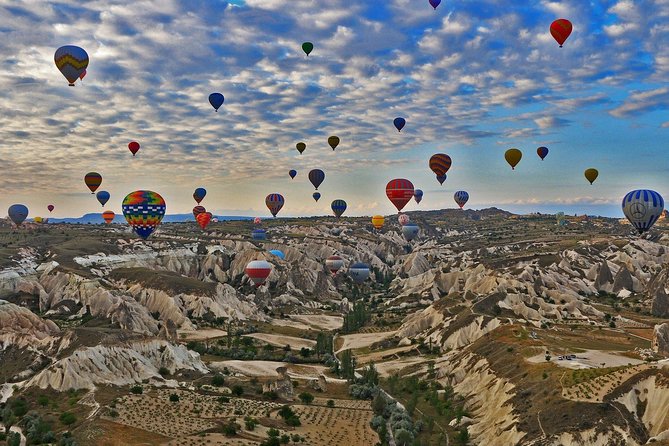
Cappadocia begins in the most Cappadocia way possible: balloon watching. Day four includes balloon views from your hotel terrace or Göreme View terrace (1 hour). If you want an actual balloon flight, you’ll need to arrange it earlier, so don’t wait until you’re already there.
Then you move into Göreme Open-Air Museum (1 hour). This is the one that makes the area famous for a reason—rock-cut churches and painted spaces give you a clear sense of what people built and how they lived in carved landscapes.
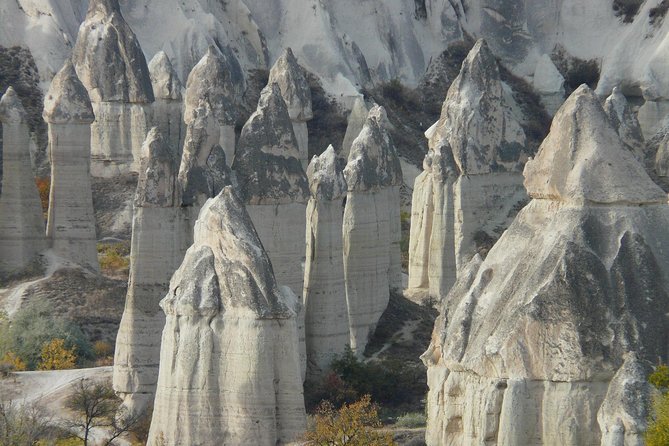
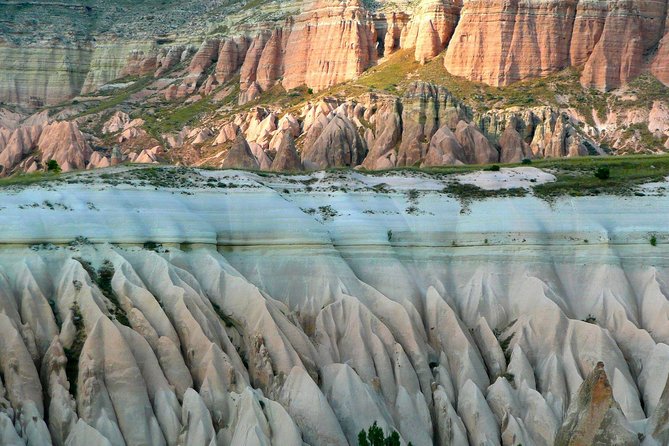
You follow with Paşabağ Valley (30 minutes) and Devrent Valley (30 minutes). These are shorter stops, but they work well because they’re visually different: you’re not repeating the same viewpoint three times.
The day finishes with Uçhisar Castle (30 minutes) and Pigeon Valley (30 minutes). Uçhisar is the kind of stop that rewards you even if you don’t climb much, because the views do a lot of the explaining for you.
If your travel style is “long photographs, short walks,” this portion will suit you. If you want lots of downtime, you’ll have to accept that your valley time is scheduled.

Kaymaklı and Derinkuyu underground: history you can walk into
Day five is all about underground life and survival. You visit Kaymaklı Underground City (1 hour) and Derinkuyu Underground City (1 hour). These places are eerie in a good way—cool, enclosed, and structured like a functioning world.
After the underground cities, you head to Ihlara Valley (1 hour). This combo is smart: you go from hidden spaces to a valley with open air, so the contrast helps you understand why the underground mattered.
You also visit Sultanhani Kervansaray (20 minutes), which gives you a different angle on history—travel routes and waystations rather than survival shelters. It’s a quick stop, but it fills out the “how people moved” story.
Realistic tip: underground sites can feel tight even when you’re not claustrophobic. If you don’t like enclosed spaces, wear comfortable layers and consider how long you’re okay staying in dim interiors.
Konya’s religious and museum stops: Mevlana and the medrese atmosphere
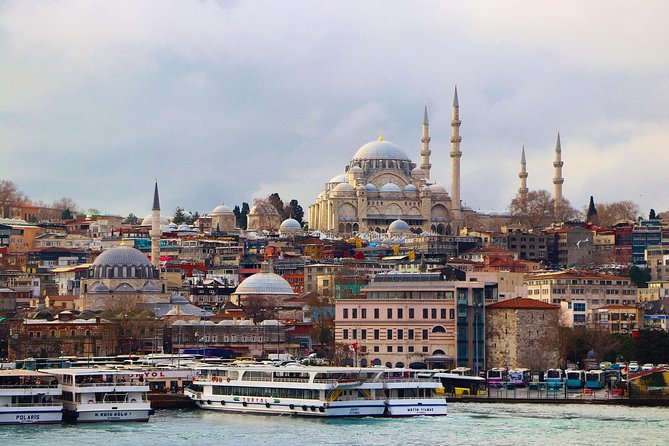
Day six shifts you to Konya with a calm-but-culture-forward day. You start at Mevlana Museum (1 hour). This is where the area’s spiritual tradition becomes more than a concept.
Next are Ince Minare Museum (30 minutes) and Karatay Medresesi Museum (30 minutes). You’re getting more than “pretty buildings” here. Museums and medreses show how education and architecture worked together.
Then there’s Konya Archaeological Museum (45 minutes) and Alaeddin Hill (45 minutes). That hill stop is brief enough to fit the schedule, but it still helps you connect the museum artifacts to a living city.
If you’re tired of temples and palaces, this day is a good break because it focuses on religious and educational spaces. If you love museums, you’ll enjoy how the stops build on each other.
Antalya area: Aspendos and Perge plus Duden Waterfalls
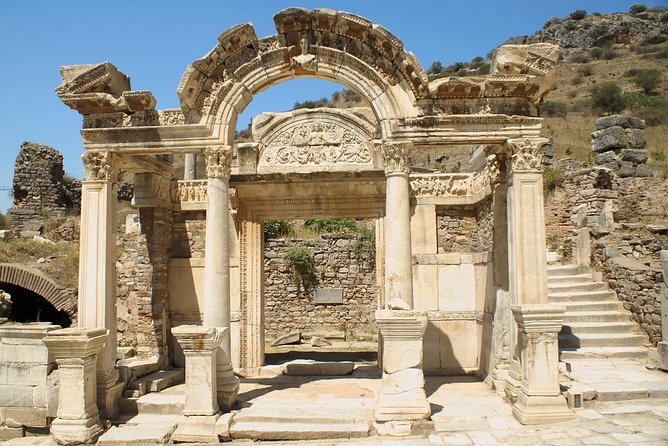
Day seven dives into the south with ancient Roman and Hellenistic highlights. Aspendos Ruins and Theater (1 hour) is one of those sites where the structure still tells you how performances were staged. Even if you don’t sit in the “right” spot, you’ll understand why it’s famous.
You then go to Perge Ancient City (1 hour 30 minutes). This is a longer ancient-city stop, which means you’ll see more than just a quick walk past columns.
After the ruins, you get a nature pause: Lower Duden Waterfalls (30 minutes). It’s short, but it gives you a breath of fresh air between heavy history days.
You also stroll through Kaleici (30 minutes) and stop at Hadrian’s Gate (20 minutes) and Yivliminare Cami (20 minutes). Those last stops act like “signature stamps” on the area—small, memorable points that make the city feel specific.
This day works best if you don’t rush yourself to do everything at maximum speed. Let the ruins sit in your mind for a bit.
Coast days in Kas, Kaputaş, Saklıkent, and Oludeniz
Day eight is a mix of coastline beauty and active sightseeing. You start with Kas Yacht Harbour and the coast of Kas (1 hour). From there, you stop at Kaputaş Beach and Kalkan (30 minutes). Those short coastal segments are designed to give you views without draining the day.
Then comes the adventure-leaning part: Saklıkent National Park (1 hour, admission included). It’s not just a scenic pull-off; it’s the kind of place where you’ll feel like you actually left the city, even if only for a short window.
You finish with Oludeniz blue lagoon (1 hour) and Lycian rock tombs (30 minutes). The way this day is planned, you don’t have to choose between water views and ancient sites—you get both.
Wear shoes you trust. Even if you’re not doing anything extreme, you’ll likely walk on uneven ground and surfaces near outdoor attractions.
Pamukkale: travertines, Hierapolis, and the amphitheatre
Day nine is one of the emotional peak days for many first-time Turkey visitors. You visit Pamukkale Travertine (1 hour, included). The visual effect is immediate, and the time slot is long enough to appreciate the formations without feeling trapped.
You follow with Hierapolis & Pamukkale (2 hours, included). This is where the “there’s more than white terraces” reality comes in. You see the city layer that sits above and around the thermal area.
Then it gets more specific: Cleopatra Pools (20 minutes, included) and Pamukkale Theater (30 minutes, included). The amphitheatre stop is compact, but it’s a strong payoff because it connects the site to ancient performance and civic life.
If you’re sensitive to heat, time matters. You’ll want to plan hydration and take breaks when you can, especially during the travertine portion.
Ephesus: Kusadası castle, Meryemana, and the Ephesus complex
Day ten turns you toward the Aegean’s heavy-hitter sites. You start at Kuşadası Castle and Kuşadası Marina (30 minutes + 20 minutes). These are short, but they help set the scene for the ancient world you’re about to enter.
Then you visit Meryemana (The Virgin Mary’s House) (40 minutes). This stop is spiritual and reflective in tone compared with nearby ruins. It also gives the day a human scale before you hit the massive archaeological context.
The core day is Ancient City of Ephesus (2 hours) plus Temple of Artemis (20 minutes), Ephesus Museum (1 hour), and Cave of the Seven Sleepers (20 minutes). The museum part is key here because it helps you connect what’s on the ground to the artifacts and story behind them.
If you like order, this day delivers it: ruins first, then museum, then the surrounding story anchors. If you prefer to move fast, you’ll still have enough time to see the essentials.
Pergamon and Troy: ancient cities that feel like time travel
Day eleven covers two of the biggest “ancient civilizations” experiences in Turkey. You start with Pergamon (Pergamon Ancient City) (1 hour). Pergamon is built on elevation and scale, so even a shorter stop can feel substantial.
Then you head to Troya Museum (30 minutes) and Troy (Truva) (40 minutes). The museum-before-site order is useful. It helps you connect legends and artifacts to the ground you’ll walk across.
You also stop at the Çanakkale City Center briefly (1 minute). It’s more of a marker than a time commitment, but it anchors the day in the modern place where you’ll travel through logistics.
If you’re a reader of myths and history, this is a fun day because it turns story into geography.
Gallipoli and ANZAC Cove: World War I memory sites
Day twelve shifts to remembrance. You visit Gallipoli National Park (3 hours) and ANZAC Cove (1 hour), both with admission included.
This isn’t sightseeing in the casual sense. It’s a day where the ground and markers matter, and the time allocation reflects that. If you’re prone to rushing through sites, slow down here. Even with a guide, you’ll get more if you give space to the emotional weight of the place.
It’s also a good contrast to all the ancient ruins you’ve been seeing. You get modern history with the same need for attention.
Bursa’s Ottoman stops: Great Mosque, Green Mosque, Osman and Orhan tombs, and Koza Han
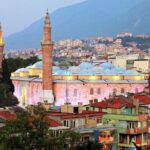
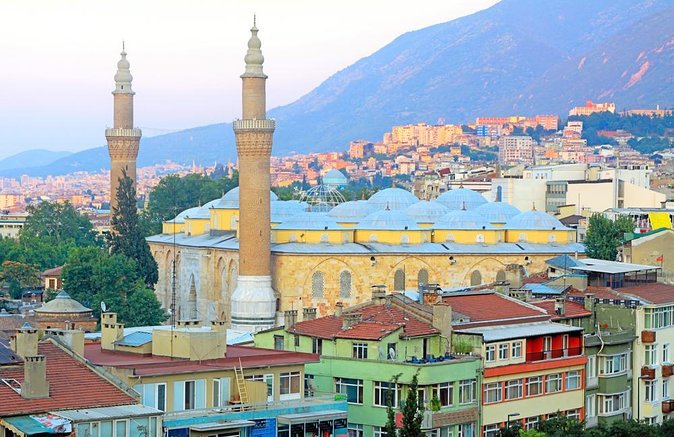
Day thirteen is Ottoman and market-life focused. You visit the Great Mosque (30 minutes) and Green Mosque (30 minutes). Both are short stops, but they’re positioned to give you visual variety in the religious architecture.
Then you see Tombs of Osman and Orhan (30 minutes) and Koza Han (30 minutes). Koza Han is especially valuable because it connects the past to a trade tradition, not just a monument.
This day feels like a “wrap-up” for what came before. After castles, amphitheatres, and cave cities, you end with a more grounded city texture.
Farewell Istanbul: transfer time and a last bazaar moment
Day fourteen is the move-back day. You return to Istanbul, and based on departure time you’re transferred to the airport. There may also be a stop at a local bazaar if you need shopping.
That’s the right way to do it. Don’t count on extra time for major museums on departure day. Use this for small items, snacks, and last souvenirs that won’t turn into your carry-on problem.
Price and value: what $6,250 buys you in the real world
At $6,250 per person for about 14 days, you’re paying for two big things: scale and reducing stress. This route covers Istanbul, Cappadocia, Konya, major Aegean classics, coastal stops, and Gallipoli in one continuous package.
You get all-inclusive transportation (the plan is built around moving you between regions) plus complimentary breakfasts. On top of that, many major admissions are marked as included across the days—things like Topkapı Palace, Hagia Sophia, the Göreme open-air museum, key underground cities, Pamukkale travertines and Hierapolis, Ephesus sites and museum, Pergamon and Troy, and the Gallipoli/ANZAC portions.
Not every stop is ticketed (many mosques and some city segments are free), so you’re not paying twice for the same experience. The mix of included and free sites is typical of how Turkey tours balance cost and logistics.
Where the value can slip is also clear: the schedule is dense. If you dislike long days, you may not use enough of the built-in time to feel you “got your money’s worth.” If you love structure and hate planning, it’s a good deal.
Practical advice before you go: timing, packing, and how to enjoy the pace
Bring shoes for walking. You’ll cover palaces, bazaars, museums, and outdoor sites where surfaces can change fast. If you’re someone who needs a lot of time to linger, build in small personal “pace breaks” even when the group moves on.
For outdoor-heavy parts, plan for weather. The experience is described as requiring good weather, so if conditions are poor, it can be rescheduled or refunded based on the provider’s policy.
If you’re thinking about a Cappadocia balloon flight, you’ll need to arrange it earlier. That’s important because balloon opportunities can’t always be solved last-minute once you’re already in the region.
Finally, remember that the tour is positioned as one that most travelers can participate in, and it’s near public transportation. That helps if you need an easy backup plan during free time, but it doesn’t mean you’ll have zero walking.
Should you book the Grand Turkey Tour?
Book this if you want a guided “greatest hits” Turkey trip with minimal planning headaches and a clear path through big sights: Istanbul monuments, Cappadocia valleys, Pamukkale, Ephesus, Troy, and Gallipoli, plus the coast.
Skip it or reconsider if you’re sensitive to packed days and long transfers. This isn’t built as a slow, restful circuit. It’s a high-coverage tour where you’ll get more from it by keeping your expectations aligned with the pace.
One smart move: decide in advance how you’ll handle the busy days—early starts, walking time, and a couple of outdoor segments. If that sounds fun to you, you’ll likely enjoy this one a lot.
FAQ
How long is the Grand Turkey Tour?
It’s approximately 14 days.
Where does the tour start, and do you get airport pickup?
You’ll be welcomed at Istanbul Airport (IST) or Istanbul Sabiha Gökçen Airport (SAW), and pickup is offered.
Is this tour private?
Yes. It’s a private tour/activity, and only your group participates.
Are breakfasts included?
Yes. Complimentary breakfasts are included during the tour.
Are admission tickets included for the main sites?
Many admissions are included, and some stops are listed as free. Examples marked as included include Topkapı Palace, Hagia Sophia, the Göreme Open-Air Museum, Pamukkale Travertine, Ancient City of Ephesus, and Gallipoli National Park.
Can I add a hot air balloon ride in Cappadocia?
If you want to take a balloon tour, you need to arrange it earlier.
Does the tour use a mobile ticket?
Yes. Mobile ticket is listed as a feature.
When will I get confirmation after booking?
Confirmation is received within 48 hours of booking, subject to availability.
What happens if weather isn’t good?
The experience requires good weather. If it’s canceled due to poor weather, you’ll be offered a different date or a full refund.