REVIEW · GUIDED
Istanbul: Fener Balat Half-day Guided Walking Tour
Book on GetYourGuide →Operated by Fenerwalks · Bookable on GetYourGuide
Istanbul’s color shows up away from the crowds. This half-day walk through Fener and Balat takes you from Greek Orthodox churches to Jewish heritage sites, ending with classic neighborhood streets and views. Two things I like a lot are the mix of faiths and cultures packed into one route, and how the guide time is spent at the places that actually matter, like the Bulgarian Iron Church.
I also love the photo-and-story rhythm. You’ll pause for the colorful stairs, see schools and palaces tied to historical figures, and get context as you walk—plus guides like Yunus, Kubra, and Kübra consistently get praised for making the details click without turning it into a lecture.
The one drawback to plan for is practical: you’ll climb up the hill around Fener, and church rules can be strict—no shorts, no short skirts, no sleeveless tops, and mini dresses are a problem. Bring a scarf or a longer layer so you don’t get stuck outside.
In This Review
- Key Things You’ll Notice on This Fener-Balat Walk
- Where Fener and Balat Really Fit on an Istanbul Trip
- Getting There: Meet at the Fener Seaside Bus Stop
- St. George’s Cathedral and the Patriarchate-Era Stop
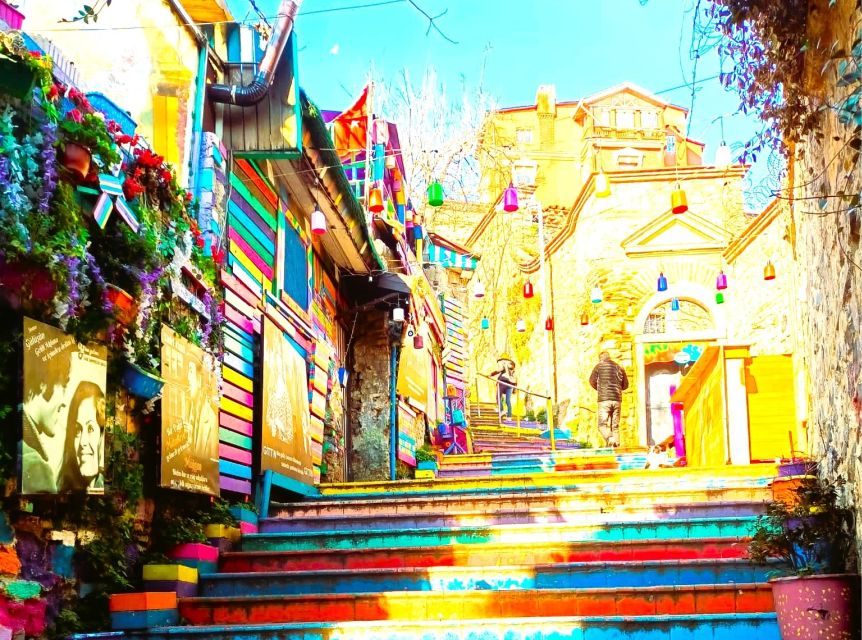
- Renkli Merdivenler: Colorful Stairs and a Built-In Pause
- Special Fener Greek High School: See the Education Footprint
- Virgin Mary Greek Orthodox Church (and the Panagia Paramythia Area)
- Dimitrie Cantemir’s Former Home and the Mongols Church (1266)
- Balat’s Colored Houses: Timber, Texture, and Street Life
- The Bulgarian Iron Church: Cast Iron Details You Can Actually See
- Ahrida Synagogue: Jewish Heritage Dating to the 15th Century
- Sveti Stefan Church and the Walk Back to Fener
- Pace, Photos, and What to Wear When Churches Say No
- Value Check: Is $20 Worth It for 3 Hours?
- Should You Book the Fener Balat Half-Day Guided Walk?
- FAQ
- How long is the Istanbul Fener Balat walking tour?
- How much does it cost?
- What’s included in the tour?
- Where do I meet the guide?
- What language is the tour in?
- Are there any clothing restrictions?
Key Things You’ll Notice on This Fener-Balat Walk

- Bulgarian Iron Church with cast iron details: one of the stops everyone remembers because the materials are part of the story.
- Ahrida Synagogue, 15th-century: a rare chance to see major Jewish heritage in this neighborhood.
- A 3-hour route that still feels unhurried: there are breaks built in for photos and short pauses.
- Guide storytelling that connects names to places: Dimitrie Cantemir, Saint Mary of the Mongols, and Greek Orthodox institutions show up in context.
- Real local streets, not just postcard corners: breakfast-and-coffee neighborhood vibe along the way.
- Hill + clothing rules: plan for both and the experience stays smooth.
Where Fener and Balat Really Fit on an Istanbul Trip

If you only focus on the big-ticket sights, Istanbul can feel like one long highlight reel. Fener and Balat is different. It’s where the city’s layers show up at street level—Greek Orthodox, Bulgarian, Armenian, Jewish, and more—set against steep lanes, courtyards, and tightly packed buildings.
This tour is built for that feeling. You’re not just ticking off landmarks; you’re walking the seams where communities lived side by side. In just three hours, you get the sense of an Istanbul that once had an ancient Greek town footprint here, and later became a patchwork neighborhood of different groups and institutions.
And yes, it’s photogenic. The route includes the famous colorful stairways and the timber-house character of Balat, but it’s not only about pictures. The best part is that every photo stop links back to a historical or cultural point.
You can also read our reviews of more walking tours in Istanbul



Getting There: Meet at the Fener Seaside Bus Stop
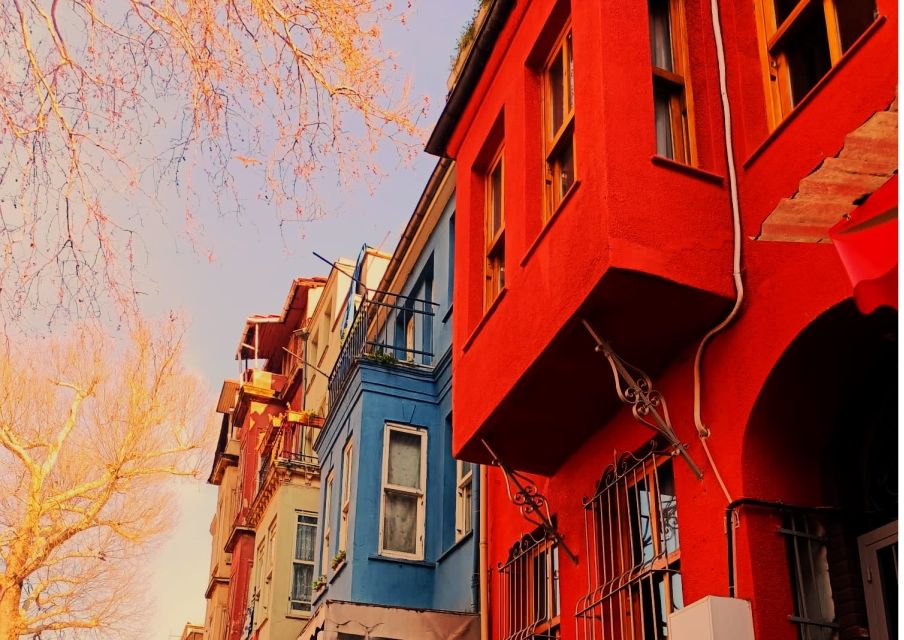
Your meeting point is next to the Fener bus stop by the water, about a 2-minute walk from Nakış Cafe. The directions are simple, but still worth checking the day-of, because Istanbul transit can be a puzzle if you’re tired.
From Eminönü, you can take tram T5 to the Fener tram station, then walk about 3 minutes to the bus stop toward Balat. If you’re coming by bus, you’re looking for bus numbers 99 / 99A / 99Y / 36CE to the FENER stop.
From Taksim, there’s an underground bus option 55T to Fener. If you’re already on the European side near Karaköy, take care with certain buses—some routes restart after dropping people in Eminönü, which can leave you chasing the wrong endpoint. If you’re arriving by ferry, a route called Haliç can bring you to the area behind the bus stop.
Practical tip: arrive 10–15 minutes early. Even if you’re good at transit, the hills and turns around Balat can slow you down.
St. George’s Cathedral and the Patriarchate-Era Stop

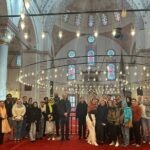
The tour starts with a longer guided visit at St. George’s Cathedral, Istanbul. It’s not a drive-by photo moment; you get about 45 minutes here with guided context, plus time for viewing.
This is also where the Greek Orthodox presence becomes obvious in a way that’s hard to get alone. One reason I like this start is pacing: you set your historical baseline first, then everything you see later in Fener and Balat makes more sense.
If you’re hoping for meaningful interiors, this is one of your best chances on the route. The tour includes entry tied to the Greek Orthodox Patriarchate, and the stop is structured to give you time instead of rushing.
Renkli Merdivenler: Colorful Stairs and a Built-In Pause
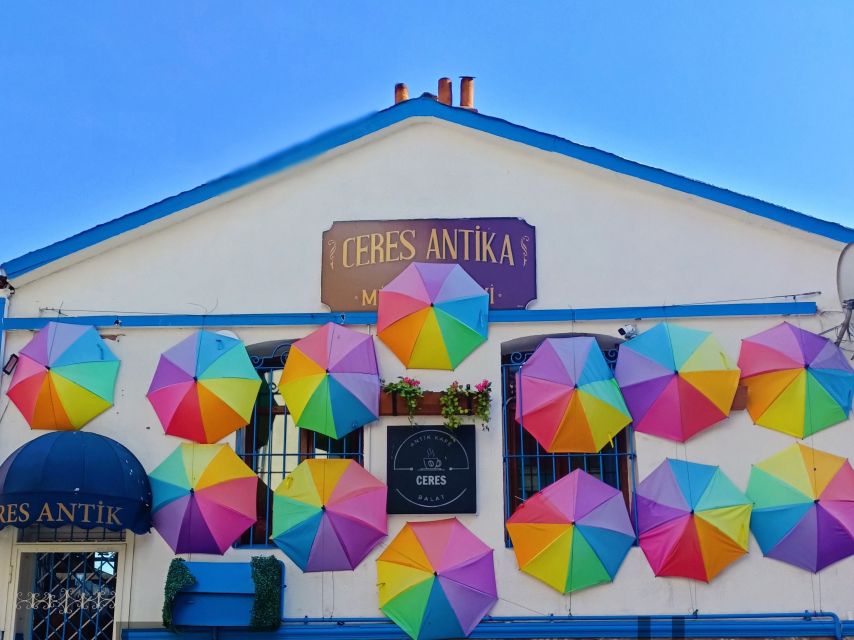
Right after the cathedral, you’ll hit Renkli Merdivenler, the colorful stair zone. Expect a quick break, photo time, and a short guided walk through the area—about 10 minutes total.
This is the kind of stop that works as a reset. Your legs get a breather, you get to shoot the stairway scenes, and you shift from “big building history” back to neighborhood scale. It’s also a good moment to spot where the steep lanes connect, so the next climbs feel less like a surprise.
Special Fener Greek High School: See the Education Footprint
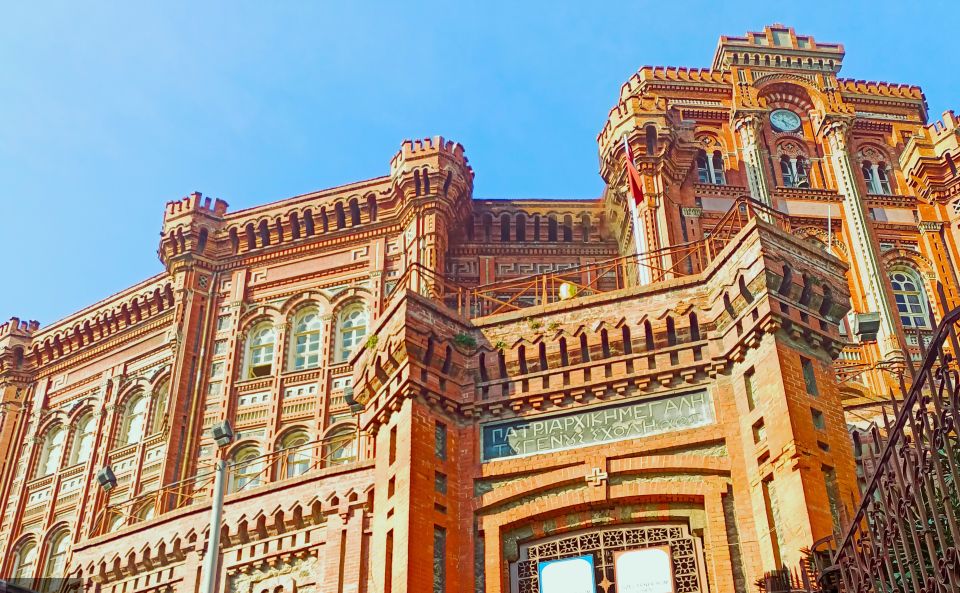
Next comes the Special Fener Greek High School stop. You get a photo pause plus guided explanation and sightseeing time, around 20 minutes.
This matters because schools tell you how a community kept going day after day—not just how it worshipped or governed. When a guide connects the school’s presence to the Greek Orthodox community in the area, the neighborhood becomes more than architecture. It becomes lived history.
You’ll also get scenic views on the walk here, which is useful because the route is partly about working your way across a hillside neighborhood.
You can also read our reviews of more guided tours in Istanbul





Virgin Mary Greek Orthodox Church (and the Panagia Paramythia Area)
Then you’ll reach the Virgin Mary Greek Orthodox Church area. It’s listed as a photo stop and guided visit, with a short sightseeing walk and “pass by” time.
In plain terms, this is where the tour keeps its theme of Greek Orthodox landmarks. The guide uses these church moments to connect the geography—how each site fits into Fener’s old community structure.
Because churches have dress rules, this is also where your planning really counts. If you’re wearing something that might violate entry requirements, this is when you’ll feel it most.
Dimitrie Cantemir’s Former Home and the Mongols Church (1266)
After the early Fener landmarks, the tour shifts into the story of rulers and longer timelines. You’ll pass by the former home of Romanian prince Dimitrie Cantemir, a name that keeps popping up in discussions of the area’s historic mix.
Then comes one of the standout name-and-date stops: the Church of Saint Mary of the Mongols, built in 1266. This isn’t just an old church label. A place with that kind of age helps you understand how long these neighborhoods have been a crossroads.
Why this part of the route is valuable is that it breaks the “one era only” trap. You’re not stuck in Ottoman-era framing or only in modern Istanbul. Instead, you see how names and institutions travel through time.
Balat’s Colored Houses: Timber, Texture, and Street Life
You’ll move into Balat, where the vibe shifts into streetscape mode. The route includes the Coloured Houses of Balat, a short break and photo time, then more guided walking through Balat with additional short segments.
This is the part that many people underestimate. Yes, you’re getting dramatic colors. But you’re also seeing how neighborhoods live: courtyards, building layouts, and the way stairways and lanes shape daily movement.
If you like street-level travel—small scenes, not just big monuments—this section is why a guided walk beats going solo. It’s easy to walk past a place without realizing why it matters. With a guide, you’re less likely to miss the point.
The Bulgarian Iron Church: Cast Iron Details You Can Actually See
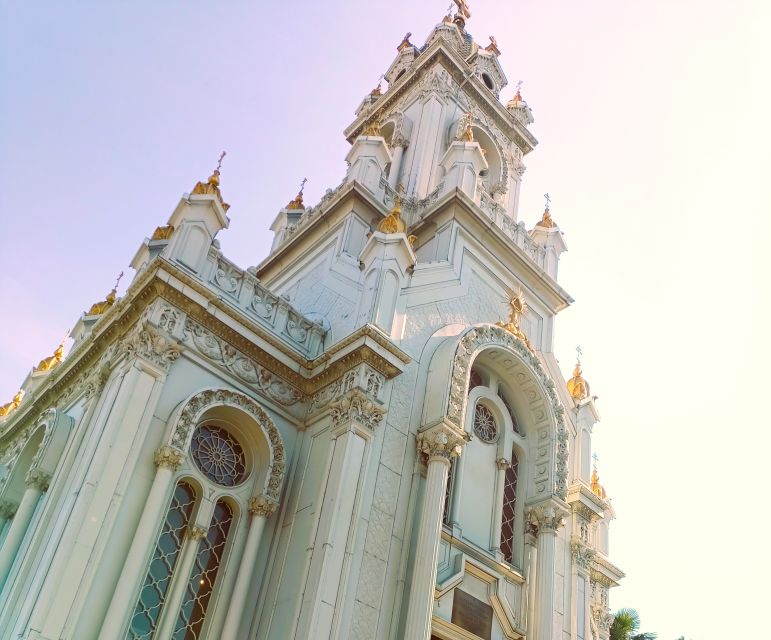
Balat’s main religious highlight is the Bulgarian Church, often called the Iron Church because of the cast iron used in its production. The tour includes entry here, which is a big deal for a half-day route.
This is the stop that turns the volume down on “just looking.” When you’re inside, you can see how design choices become cultural markers. The ironwork theme also gives the neighborhood identity a physical feature, not only a historical label.
One more reason I think this stop earns its place: it’s distinct from the other churches on the walk. Even if you’ve visited Orthodox churches before, the materials and the way they’re presented make it different enough to remember.
Ahrida Synagogue: Jewish Heritage Dating to the 15th Century
Next you’ll finish the religious-and-heritage sequence at Ahrida Synagogue. It’s described as one of the oldest synagogues in Istanbul, dating to the 15th century.
This is an important moment because it changes the lens again. Fener and Balat aren’t only about one community’s story; they’re about overlap and coexistence over time. A synagogue stop makes the tour’s theme feel real, not theoretical.
You’ll have guided time and a walk-through segment here. If you care about architecture and faith history, this is one of the best anchors on the route.
Sveti Stefan Church and the Walk Back to Fener
The last major stop is Sveti Stefan Church, with a longer visit window (about 30 minutes) plus breaks, photo time, and guided context.
Then you circle back toward Fener to end the walk. This final stretch works as a landing. You’ve seen major sites and now you’re back in the neighborhood feel—less “museum pacing,” more “Istanbul in motion.”
You’ll also finish with a chance to wrap up with Turkish coffee in the neighborhood area. Just note that food and drinks aren’t listed as included, so treat it as a good local option rather than a guaranteed freebie.
Pace, Photos, and What to Wear When Churches Say No
This tour takes place rain or shine, and it involves climbing the hill of Fener. That doesn’t mean it’s a full-on trek, but it does mean you should plan for stairs and uphill walking.
The clothing rules are not optional. Shorts, short skirts, sleeveless shirts, and mini dresses are not allowed for church entry. For smoother access, bring a scarf or a longer layer you can adjust quickly before you reach a doorway.
If you’re traveling with kids or you’re managing limited mobility, this tour can still work with careful footwear and breaks—but be honest with yourself about the hill. If you can handle a climb for a few short segments, you’ll be rewarded with views and a calmer pace than the big sightseeing circuits.
Value Check: Is $20 Worth It for 3 Hours?
At $20 per person for a 3-hour guided walk, the value is strong—especially because the tour includes entry to key religious sites, including a Greek Orthodox Patriarchate-linked stop and the Bulgarian church.
This is the kind of pricing where you’re not paying for transportation or a long day. You’re paying for a trained guide to connect the places: the story behind names like Dimitrie Cantemir, the significance of the 1266 church, and the reason the Iron Church is a repeat-worthy landmark.
For me, that’s the real “value” angle. You’re not just buying admission. You’re buying time with someone who can point out what matters so you don’t wander through confusing streets thinking it’s all just old buildings.
Guides seem to make the difference here. Many bookings highlight guides like Kubra and Yunus (and closely similar spellings), with praise for clear English and keeping the group organized—especially with photo timing. You don’t always get that balance on short walking tours.
Should You Book the Fener Balat Half-Day Guided Walk?
Book it if you want Istanbul beyond the standard route and you like neighborhoods where multiple cultures show up in daily street scenes. You’ll get a tight mix of Fener’s Greek Orthodox landmarks and Balat’s Bulgarian and Jewish heritage, with enough guidance to make the area feel coherent instead of chaotic.
I’d skip it if you can’t handle uphill walking or if you’re not willing to follow basic church dress rules. The hill and the entry clothing requirements are the main practical constraints.
If your goal is a short, high-impact “see another Istanbul” experience—with the Bulgarian Iron Church and the Ahrida Synagogue as real anchors—this tour is an easy yes.
FAQ
How long is the Istanbul Fener Balat walking tour?
The tour is listed as 3 hours.
How much does it cost?
The price is $20 per person.
What’s included in the tour?
The tour includes a tour guide and commentary, entry related to the Greek Orthodox Patriarch, and entry to the Bulgarian church.
Where do I meet the guide?
Meet next to the Fener bus stop by the seaside, about 2 minutes from Nakış Cafe (the last photo).
What language is the tour in?
The tour is offered in English.
Are there any clothing restrictions?
Yes. Shorts, short skirts, sleeveless shirts, and mini dresses are not allowed for church entries. A scarf or long dress is recommended.