REVIEW · ISTANBUL
Learn Turkish Cuisine from a Local Mom
Book on GetYourGuide →Operated by Lokal Bond · Bookable on GetYourGuide
Food is a fast passport to real Istanbul. This Turkish home cooking experience in Beşiktaş lets you learn dishes like dolma and börek from a local mom, then sit down to eat with the family. What I love most is the hands-on cooking in someone’s real kitchen, and the way the meal turns into conversation and connection. One thing to consider: you’re visiting a home, so plan for a bit of navigating to Selamlık Street and a small space setup.
The biggest payoff here is simple: you’re not just watching food being made, you’re making it. With a small group (limited to 8) and a menu tailored to dietary preferences, you can focus on learning and eating rather than managing a busy restaurant flow. The drawback is timing and location—this is a local neighborhood setup, so you’ll want to build in time to get there and back.
In This Review
- Key things to know before you go
- A Real Istanbul Apartment Meal, Not a Studio Class
- What You’ll Cook: Dolma, Börek, and a Meze Table With Meaning
- The 3-Hour Rhythm: From Kitchen Welcome to Shared Feast
- From Old Town to Beşiktaş: Getting to Selamlık Street Without Stress
- Breakfast + Lunch With Local Friends: The Best Part Isn’t the Recipes
- Price and Value: What $102 Buys (and Why It’s Not Just a Lesson)
- Small Group Comfort (Max 8) and How to Get the Most From It
- Who Should Book This, and Who Might Skip It
- Should You Book Learn Turkish Cuisine From a Local Mom?
- FAQ
- How long is the cooking and meal experience?
- Where does it take place?
- What’s included in the price?
- Is the group size small?
- Do they accommodate dietary preferences?
- What languages are used?
- What’s the meeting point and how do I find it?
Key things to know before you go
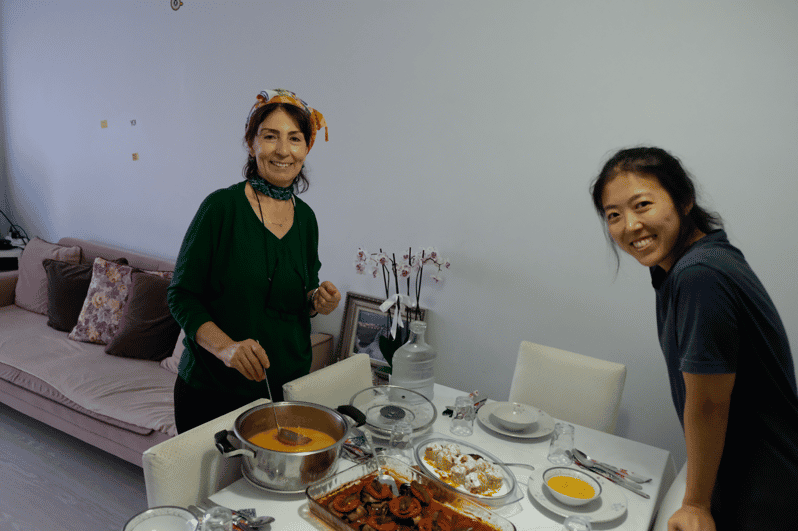
- A local-mom cooking class in her Beşiktaş home: this is about home life, not a demo kitchen.
- You cook and then share the table: the food lesson ends in a real family-style meal.
- Hands-on Turkish staples: expect to work on things like dolma-style rolling and dough for börek, plus a meze spread.
- Small group size (max 8): easier questions, more personal attention.
- Dietary preferences are handled in advance: the menu can be tailored for you.
- You might meet hosts like Nuran or Baver: names that show up often with this experience and strong hospitality.
A Real Istanbul Apartment Meal, Not a Studio Class
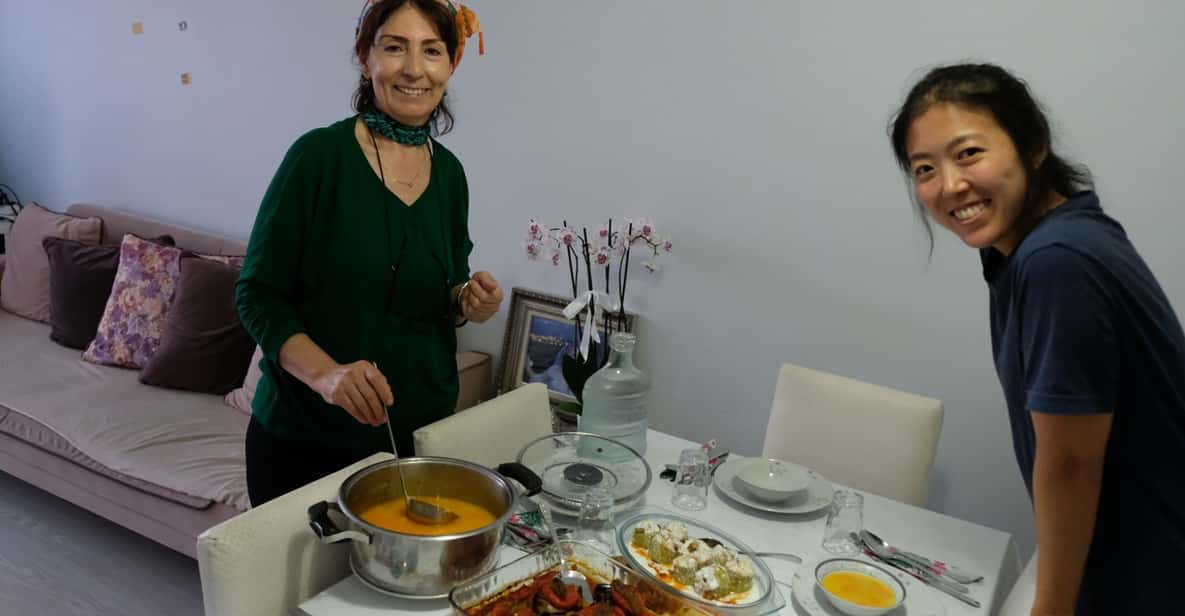
You come expecting a cooking class. You leave with something better: a real sense of how Turkish home life revolves around food. In a Beşiktaş apartment kitchen, you’ll work side-by-side with a local mom and her family, and you’ll see how a meal gets built—ingredient by ingredient, conversation by conversation.
I like that this isn’t framed like a performance. It’s practical and lived-in. You’ll learn why Turkish cuisine is special through what people actually cook at home, and through the small habits that don’t show up in fast tourist meals.
One detail that matters: this is a warm home environment. That can mean tighter space than you’d expect from a restaurant kitchen, and it also means you should bring a flexible, friendly mindset. If you’re the type who likes strict structure and lots of formal instruction, this may feel more relaxed—and that’s usually the point.
You can also read our reviews of more tours and experiences in Istanbul.



What You’ll Cook: Dolma, Börek, and a Meze Table With Meaning
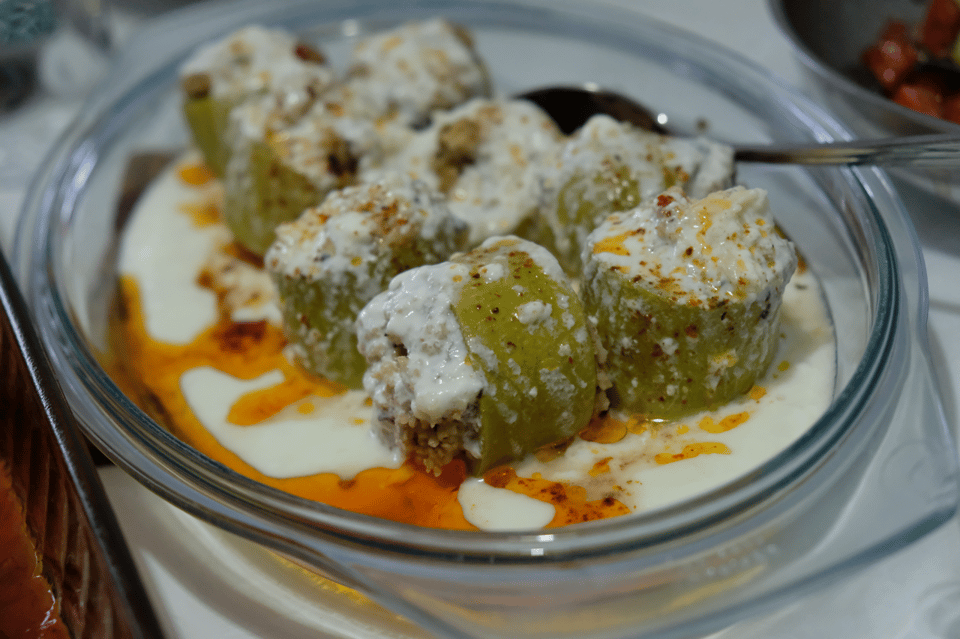
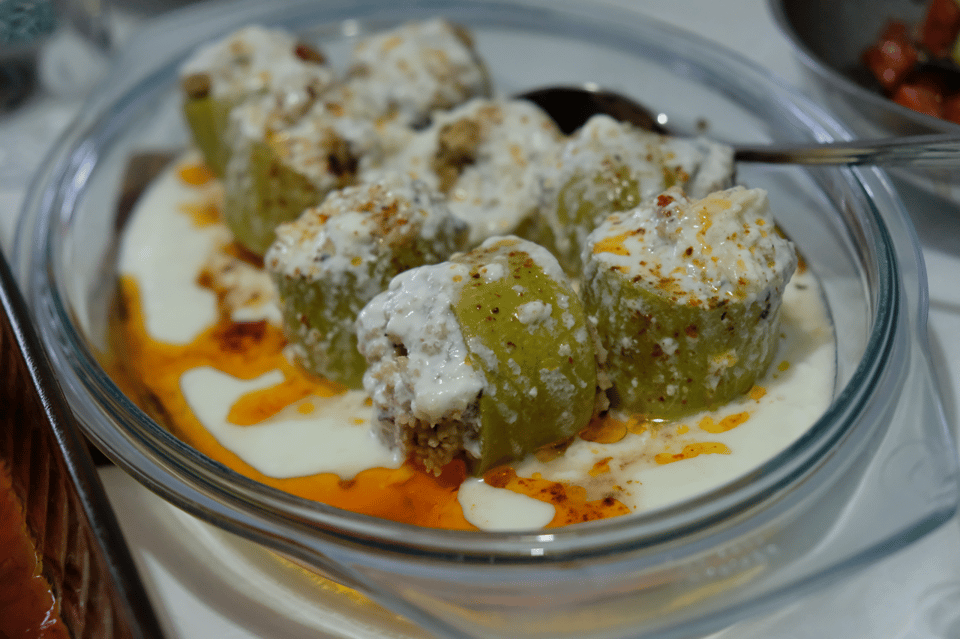
The core of the experience is learning Turkish home cooking with classic dishes and techniques. The description highlights a few targets—rolling dolma, kneading dough for börek, and preparing a table of mezes—and that matches the “real home” focus.
Here’s why that’s valuable for you, not just for the food. Turkish dishes are often about technique and timing more than flashy presentation. When you roll dolma-style, you learn patience and portioning. When you handle börek dough, you understand texture—how the dough behaves, how filling is portioned, and how the final shape matters.
You’ll also hear explanations about traditional dishes and why people make them the way they do. That might include differences across Turkish regions—useful if you’re also exploring Istanbul’s food scene while you travel. Istanbul has influences from across the country, so these lessons help you read menus more intelligently later.
You should expect a menu tailored to your dietary preferences, too. You’ll talk about what you can and can’t eat before you arrive, and the cooking plan can adjust. That makes the experience more comfortable than many “cooking classes” where you’re still stuck eating around your restrictions.
The 3-Hour Rhythm: From Kitchen Welcome to Shared Feast
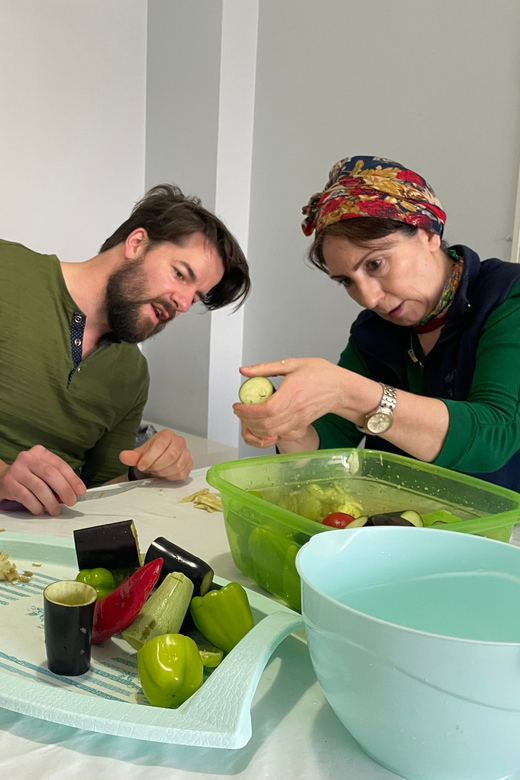
This experience is scheduled for about 3 hours, which keeps it focused. You’re not spending half a day in transit and waiting around. Instead, it’s a compact arc: meet the family, cook together, then eat what you made.
A realistic flow looks like this:
- You arrive at Selamlık Street in Beşiktaş, and the family welcomes you into their home.
- You get oriented to what you’ll cook and what ingredients are involved.
- You work on the dishes—hands-on steps like rolling, dough handling, and assembling a meze-style table.
- You sit down together and eat the homemade meal as a group.
Some sessions may begin with a simple pre-meal moment like tea and something sweet, based on the hospitality pattern that shows up in past experiences. Either way, expect warm conversation right away. Part of the point is that cooking is social here, not just instructional.
Also, plan for both breakfast and lunch as part of what’s included. The timing can feel like a late breakfast leading into lunch, but either way, you’re getting a proper meal setup in a family home. For value, that’s huge—many paid “classes” include a snack, not a full food experience.
From Old Town to Beşiktaş: Getting to Selamlık Street Without Stress
The meeting spot is in Beşiktaş, and the guidance is pretty specific. If you’re coming from areas like Sultanahmet, Hagia Sophia, the Grand Bazaar, or Eminönü, the suggestion is to use the tram to Kabataş. From Kabataş, you can take a taxi or bus, or you can do it on foot (about 25 minutes), which can be a nice neighborhood walk if the weather’s decent.
Once you’re at Selamlık Street, look for number 21. It’s a bit above the car park, and the building gate is across from Abbasaga Mosque. You’ll ring the bell on the left side at number 6, then walk up one floor.
This matters because home-based activities don’t have the same “tour office” clarity as a hotel meetup. If you’re prone to overthinking directions, give yourself extra time. This is one of those “simple once you’re there, tricky if you cut it close” situations.
The tour ends back at the meeting point, so you’re not dealing with a second drop-off across town.
Breakfast + Lunch With Local Friends: The Best Part Isn’t the Recipes
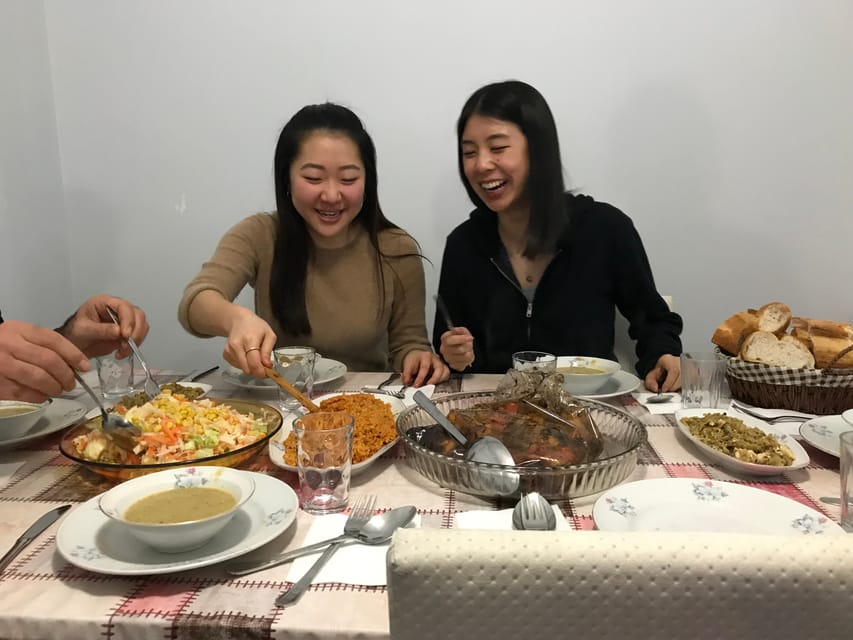
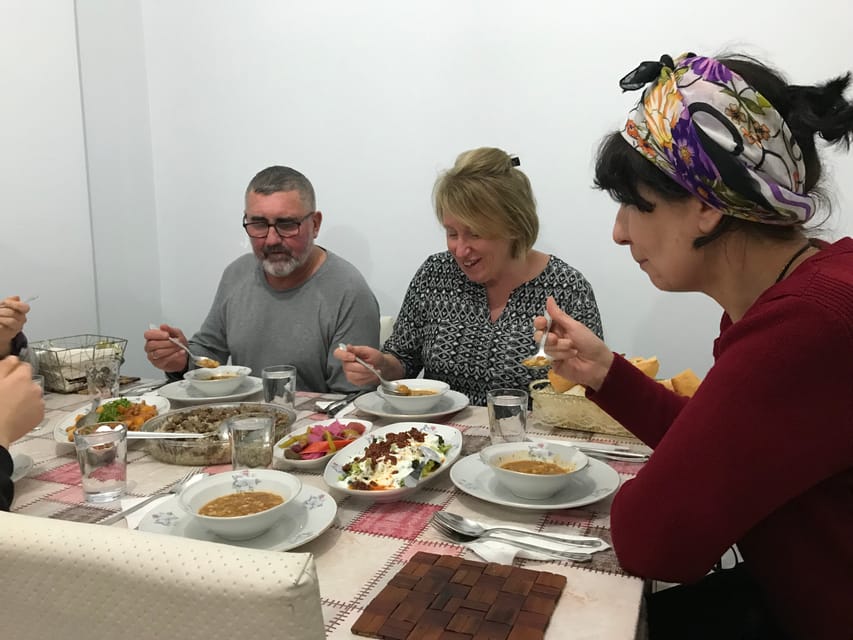
Yes, you’ll learn Turkish cooking. But what you’re really buying is the table moment afterward. The included dining is a big deal: you’ll eat at home with local friends, not in a restaurant dining room.
In past experiences, the warm welcome and conversation have been a major theme—sharing stories, talking about food habits, and discussing culture in a relaxed way. That’s where the learning becomes real. When you eat right after cooking, everything you made has context. You remember what you did and why, and you can ask questions while the food is still fresh and flavorful.
The family meal also tends to change how you taste. You’re not just eating to fill up; you’re tasting as a participant. If you take food seriously—how it’s seasoned, how it’s layered, how it’s served—this style of meal will hit the sweet spot.
One practical note: because you’re eating a full home-style setup, plan to go hungry. If you already have a big lunch planned right before this, you may feel over-full afterward.


Price and Value: What $102 Buys (and Why It’s Not Just a Lesson)
At $102 per person for about 3 hours, this isn’t the cheapest option on the Istanbul food scene. But it also isn’t competing with a mass-market cooking studio.
Here’s what your money is really paying for:
- A small group (max 8), which usually means more attention and less waiting.
- Home cooking in a real apartment kitchen, not a staged classroom.
- A complete meal experience: breakfast + lunch in the home.
- A real cultural exchange—cooking plus conversation at the table.
- A menu shaped around your dietary preferences.
If you compare that to paying separately for a meal plus a typical class, value can make sense. Even if you only care about learning recipes, the included food is part of the “curriculum” here—you learn how dishes come together by tasting them in the same session.
In other words: you’re not paying just to watch. You’re paying to participate, then eat what you helped make.
Small Group Comfort (Max 8) and How to Get the Most From It
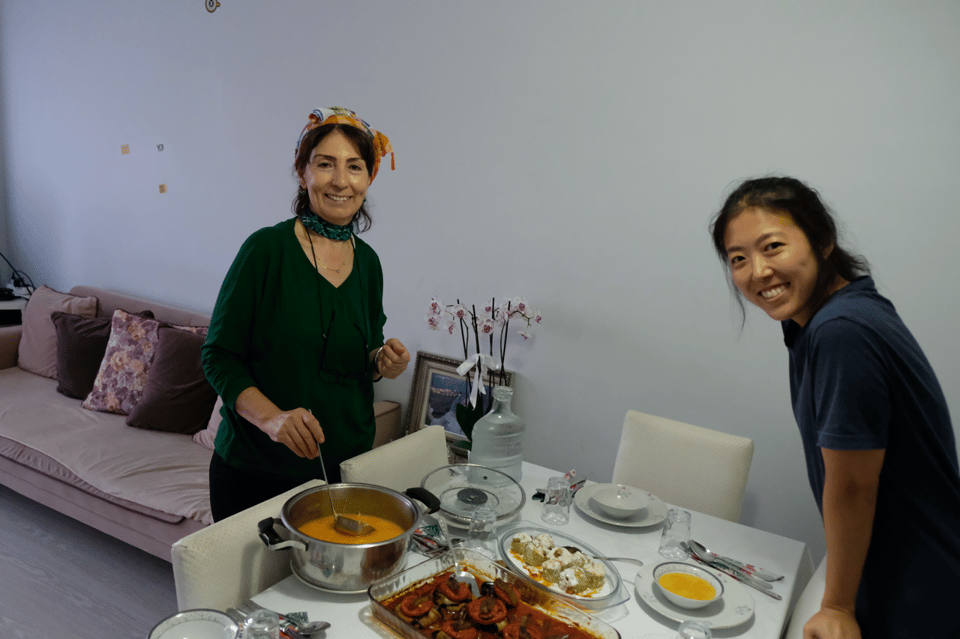
With a maximum group size of 8, you get a better chance to ask questions and get feedback while you’re working. That’s especially helpful for technique-based steps like dough handling and rolling. Bigger classes can feel like a conveyor belt, but in a home kitchen, people tend to slow down.
Since the instructor can work in English and Turkish, you can expect clear explanations and time to ask what you’re curious about. If you enjoy learning through doing, this format suits you.
To get the most out of the experience:
- Come with questions you actually care about: what makes Turkish seasoning different, why certain dishes are popular, or how regional styles vary.
- Be ready to adapt. Home cooking doesn’t always follow a “perfect recipe card.” Small variations are normal.
- Take notes only if you’ll realistically use them. The best memories here are often the tastes and the technique feel.
You’re likely to hear names of hosts repeatedly in this experience’s history—some people have met hosts like Nuran or Baver and shared strong impressions of hospitality. Even if the specific household changes by date, the standard you’re aiming for is consistent: friendly, practical teaching and a warm family meal.
Who Should Book This, and Who Might Skip It
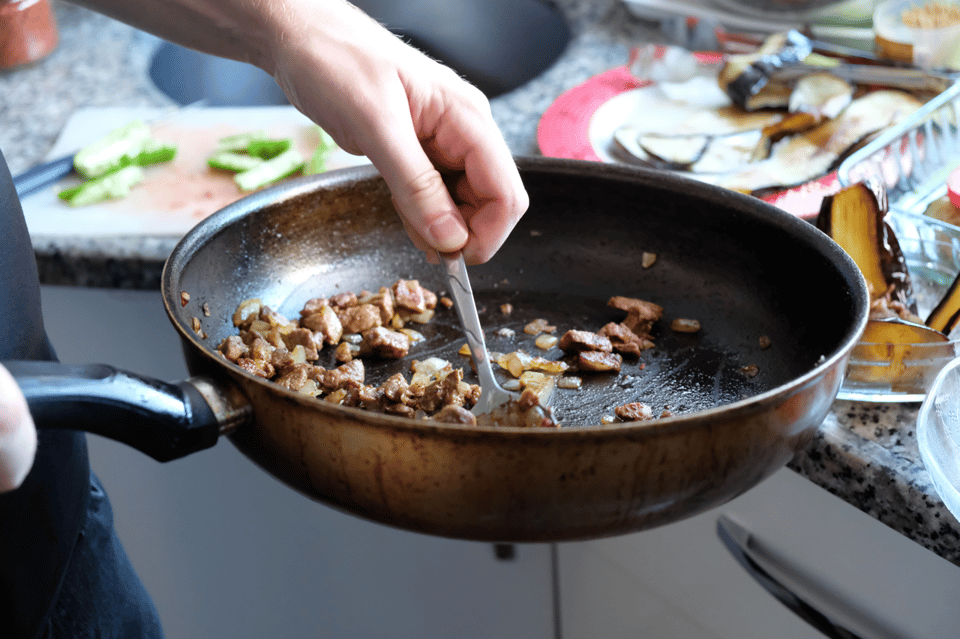
I’d point you toward this if you want:
- Authentic Turkish home cooking, not just restaurant food
- Hands-on practice with classic dishes like dolma and börek
- A break from major tourist areas into a neighborhood feeling
- A meal experience where you can talk, not just eat
You might skip it if:
- You need a highly formal, studio-style class structure
- You dislike navigating to a home address and prefer hotel-lobby meetups
- You want only a light tasting, not a full breakfast-and-lunch setup
For most food-minded travelers, though, this is the kind of experience that teaches you how to think like a local eater—what matters, what flavors signal “home,” and how a meal fits into daily life.
Should You Book Learn Turkish Cuisine From a Local Mom?
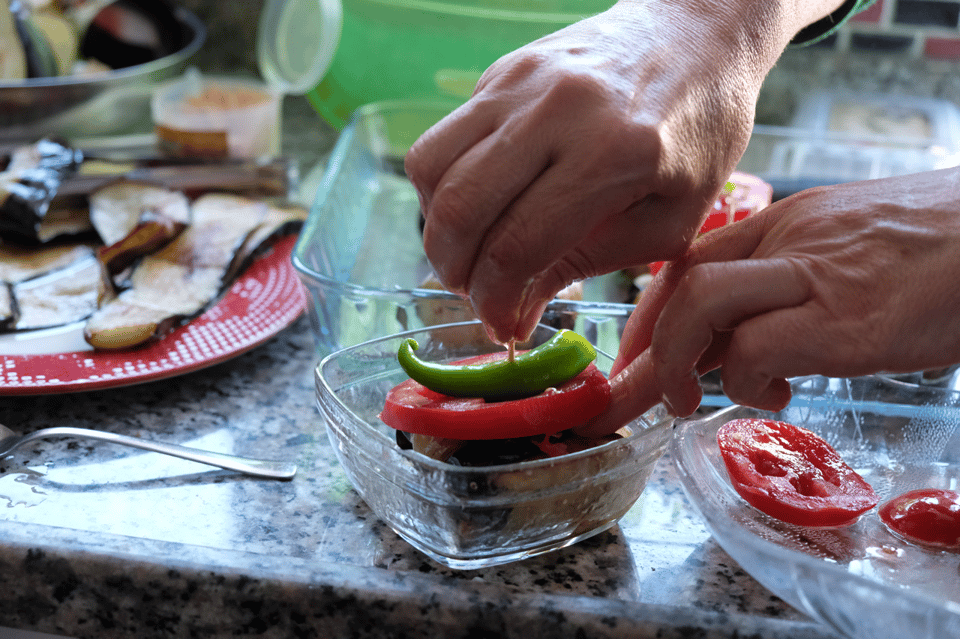
If you like your Istanbul experiences personal and practical, I think you should book this. The real draw is the combination: hands-on cooking plus a family table meal, all inside a genuine Beşiktaş home. At $102, you’re paying for more than instruction—you’re paying for participation, conversation, and full meals.
Book it especially if you’re in Istanbul for a short time and want one food experience that feels like it connects you to the city, not just to a menu.
If you’re still on the fence, trust your preference: choose this when you want to learn by doing and eating with people. Choose a restaurant cooking class when you mainly want efficiency and predictable formatting.
FAQ
How long is the cooking and meal experience?
It runs for about 3 hours.
Where does it take place?
The experience happens in a warm local home in Beşiktaş, Istanbul.
What’s included in the price?
You get breakfast and lunch at the home, plus learning Turkish cuisine with the family and local friends.
Is the group size small?
Yes. It’s limited to 8 participants.
Do they accommodate dietary preferences?
Yes. You’ll chat about dietary preferences before your visit so they can tailor the menu.
What languages are used?
The instructor can work in English and Turkish.
What’s the meeting point and how do I find it?
You’ll meet on Selamlık Street in Beşiktaş. If you’re coming from Sultanahmet/Hagia Sophia/Grand Bazaar/Eminönü, take the tram to Kabataş, then taxi or bus, or walk about 25 minutes. On Selamlık Street, look for number 21 across from Abbasaga Mosque, ring the bell on the left at number 6, then walk up one floor. The activity ends back at the meeting point.