REVIEW · BLUE MOSQUE TOURS
Private Hagia Sophia Sultanahmet Blue Mosque Cistern Grand Bazaar
Book on Viator →Operated by DESTINOLOGY TOUR · Bookable on Viator
Old Istanbul in one private sweep. I like how this day uses a private licensed guide to make major sights feel clear and human, not like a rush-through checklist. You’ll also get a smooth route from the Hippodrome to the Grand Bazaar, with story plus practical help at key moments. The one thing to plan for: Hagia Sophia and Basilica Cistern entry fees are not included, so your final spend will be higher than the base tour price.
I especially like that the guide helps you move through the museum side of the day with less stress. You’ll get coffee and/or tea, a flexible walking format, and quick help purchasing tickets so you spend your time looking, not waiting.
One more practical heads-up: this is a walking-heavy route on uneven surfaces in places, so wear shoes you’d trust for a long Old City day. If you’re juggling limited mobility, you’ll want to talk to the provider before booking.
In This Review
- Key highlights you’ll feel right away
- A private guide that turns big monuments into a sensible day
- Hippodrome first: the chariot-race backstory you won’t get on a quick photo stop
- Blue Mosque: what to watch for and how Gate C helps you start smoothly
- Basilica Cistern: the Sunken Palace you walk through, not just look at
- Hagia Sophia: avoiding queues while seeing what matters in the complex
- Grand Bazaar: how to shop smarter with 90 minutes in a maze
- Deraliye lunch near Hagia Sophia and Blue Mosque
- Price and what you’ll actually spend on the ground
- How long it really takes and what pacing feels like
- Who this tour fits best
- Before you go: small choices that make the day smoother
- Should you book this private Old City tour?
- FAQ
- How much does the private tour cost?
- How long is the tour?
- Is pickup included?
- What’s included in the tour price?
- Which entrance fees are not included?
- What if I cancel?
Key highlights you’ll feel right away
- Licensed guide, private group (up to 15): you move at your pace, not a mass-tour timetable.
- Gate C for the Blue Mosque area: you’re pointed to the right start point to get going quickly.
- Basilica Cistern with “Sunken Palace” atmosphere: rows of marble columns rising from the water.
- Hagia Sophia access support: help with ticketing and reducing queue time.
- Grand Bazaar shopping time that makes sense: set aside time to browse carpets, jewelry, Iznik tiles, and leather goods.
- Deraliye lunch option nearby: Ottoman-style dishes for a break without backtracking.
A private guide that turns big monuments into a sensible day
Istanbul’s “top hits” can be overwhelming. This tour avoids that common problem by building the day around one licensed professional who can connect the dots between places: Byzantium, Constantinople, and Ottoman Istanbul all show up in the same neighborhood. The result is that you don’t just stand in front of famous structures—you understand why each one matters.
It’s also a value play. The price is set for a group (up to 15), so if you’re traveling with friends or family, you spread the cost of a guide across more people. Plus, you’re not sharing your guide with dozens of strangers.
From past experiences shared by people who booked similar private days here, one consistent theme is that guides keep explanations clear and the pace calm. Names like Liz, Serkan, Yusuf, and Sara come up often, and the common thread is practical storytelling plus patience—one group specifically noted how the guide handled a child smoothly. That matters when you’re doing multiple big sites in one go.
You can also read our reviews of more private tours in Istanbul

Hippodrome first: the chariot-race backstory you won’t get on a quick photo stop
Your day begins at the Hippodrome, the public entertainment center tied to the glory days of Constantinople. Here’s the twist I love: it wasn’t invented by “late Byzantine emperors” like you might assume from how it’s sometimes described. It was built earlier when the city was still known as Byzantium—more provincial than imperial.
You get the timeline that makes it click:
- Around AD 203, Emperor Septimius Severus rebuilt and expanded the city walls and constructed a hippodrome for chariot races and public entertainment.
- In AD 324, Constantine the Great pushed the idea of a renewed Rome (Nova Roma). The city soon became Constantinople, and Constantine also renovated the hippodrome.
- The scale matters. Estimates put Constantine’s Hippodrome at roughly 450 meters long and 130 meters wide.
Even if you’re not a “history nerd,” this stop helps you interpret the neighborhood. It explains why the area around Sultanahmet feels like an old civic stage—because it was. Admission here is free with a ticket, so it’s a low-cost way to get your bearings before you hit the major religious landmarks.
Blue Mosque: what to watch for and how Gate C helps you start smoothly
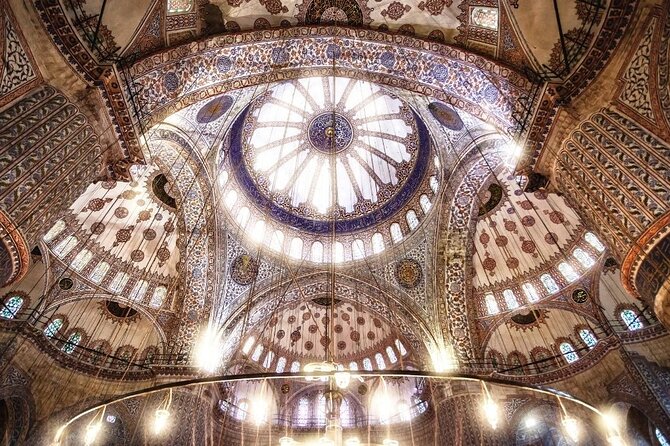
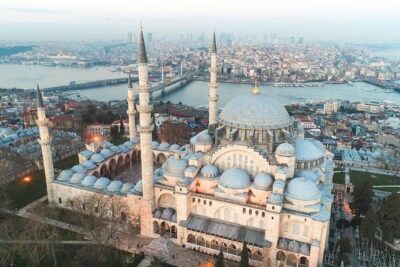
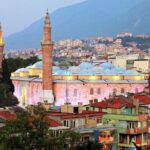
Next up is the Blue Mosque (Sultanahmet Camii). This is one of the places where a guide really earns their fee. The mosque is free to enter, but that doesn’t mean it’s easy to manage. You’ll want to know where to go first, what to look at while you’re there, and how to keep your visit respectful and efficient.
You’ll meet your guide at Gate C in the Blue Mosque area and then get oriented from there. That small detail can save time and wandering, especially if you arrive when foot traffic is already thick.
What I’d focus on here:
- Take a moment to absorb the scale from the outside before you rush inside.
- Inside, the visual rhythm is the point—so keep your eyes moving rather than fixating on one spot.
- Plan on a steady sit-and-look moment. Even on a fast tour, it’s worth slowing down for five minutes so the details land.
The tour keeps this stop around 55 minutes, which is enough time to see the key areas without feeling like you’re stuck in a line all day.
Basilica Cistern: the Sunken Palace you walk through, not just look at
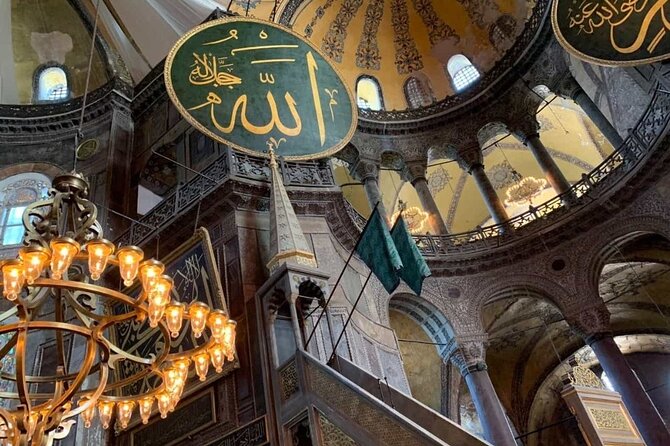
Then you go underground to the Basilica Cistern, also known as Yerebatan Sarayı (Sunken Palace). This is where the day gets atmospheric fast. It’s a massive covered cistern built under Eastern Roman Emperor Justinian I in the 527–565 period. People love it because it feels half-museum, half-stage set.
Here are the details that make your visit more meaningful:
- It holds an estimated 80,000 tons of water storage capacity.
- It covers about 10,000 square meters.
- The chamber layout is roughly 140 meters long and 70 meters wide.
- The nicknames come from what you see: rows of marble columns rising from the water.
This stop is ticketed and not included. The provided pricing info shows figures listed in different currencies (you may see around 35 EUR for the cistern and also a mention of USD pricing), so I recommend you confirm the exact amount when you book. Either way, it’s the kind of fee that tends to be worth paying because the space is unique and hard to replicate elsewhere.
Time-wise, you’ll have about 1 hour here. That usually works well: you can walk in, take in the full room, and still pause for photos without feeling rushed.
Hagia Sophia: avoiding queues while seeing what matters in the complex
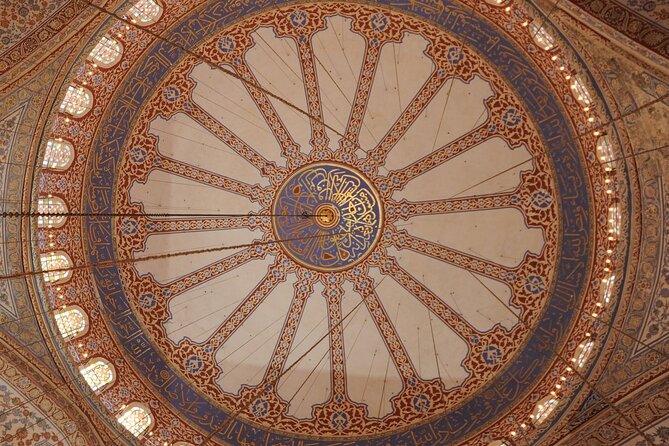
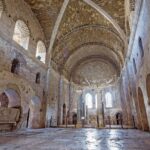
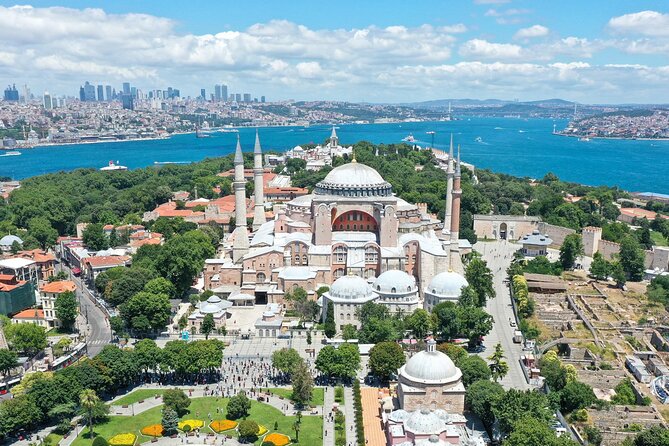
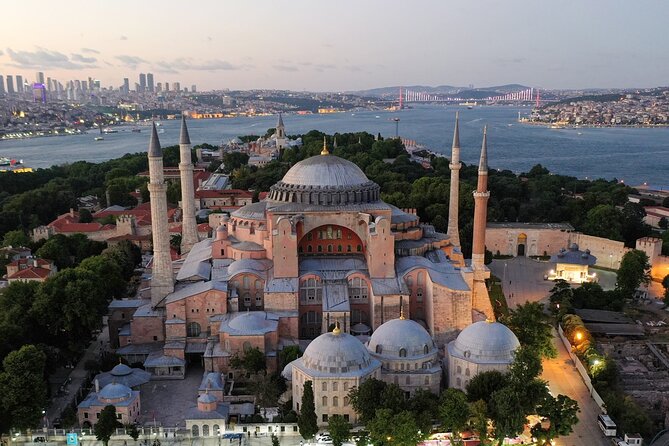
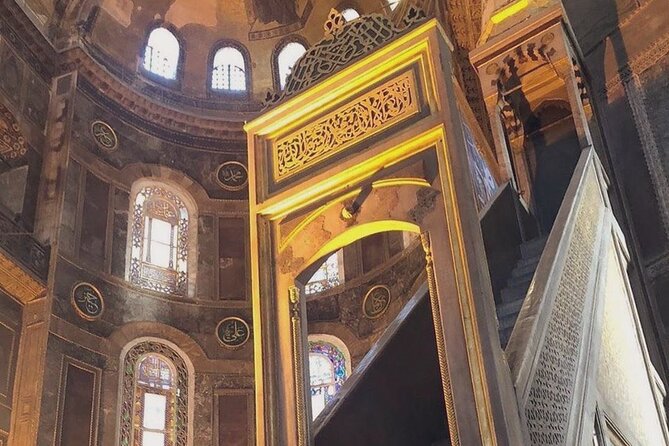
After the cistern’s quiet, you’ll swing back to one of the world’s most dramatic buildings: Hagia Sophia. The tour frames this as a museum-complex visit with support from a licensed guide, with the explicit goal of helping you avoid long queues.
You’ll also need a separate ticket here. The info you get in advance points to Hagia Sophia entry fees around 25 EUR (and also mentions USD pricing elsewhere), so again, check the current amount during booking.
What I’d do during your 1 hour inside:
- Don’t try to see every corner in one pass. Pick a few areas that interest you and go slower.
- If you’re not a museum person, listen to the guide for the big picture—then use your eyes for the structure and iconography.
- Think of the building as layers. Even if you don’t memorize dates, you’ll feel the different eras in the way the space was used.
This is also one of those stops where timing matters. When you’re moving through the complex with a guide who knows the flow, you lose less time to stop-start congestion.
You can also read our reviews of more shopping tours in Istanbul





Grand Bazaar: how to shop smarter with 90 minutes in a maze
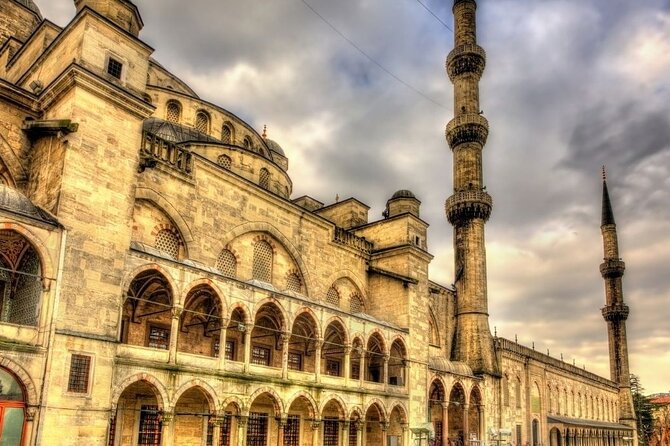
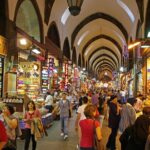
By the time you reach the Grand Bazaar, you’ll likely be ready for something different: noise, color, bargaining energy, and lots of leather and tile talk. This part is included with about 1 hour 30 minutes on-site, and admission is free.
The bazaar sits on the Historical Peninsula, a UNESCO World Heritage Site since 1985. It’s not a single street. It’s more like a covered city of corridors and stalls. That’s why having set time helps—you can enjoy browsing without feeling guilty that you’re “behind schedule.”
What to look for while you’re there:
- Carpets (ask about quality and weave if you’re considering a purchase)
- Jewelry
- Iznik tiles
- Leather jackets
- Furs
If shopping isn’t your priority, you can still have fun here by treating it like a living market museum—watch how shops organize goods and how vendors explain materials.
One practical detail that can affect your plan: Sunday bazaar closures. If you’re traveling on Sunday, the bazaar is said to close, and shopping is replaced with around bazaar craft centers. So build your expectations around that day-of schedule.
Deraliye lunch near Hagia Sophia and Blue Mosque
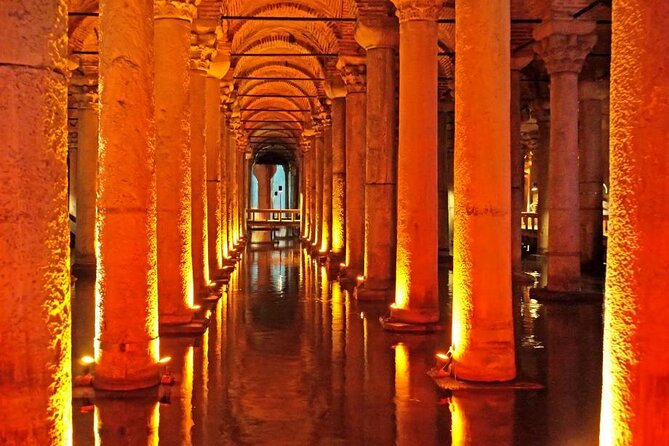
A smart part of this tour is the built-in food break at Deraliye Restaurant, located in Old Istanbul near Hagia Sophia and a short walk from the Blue Mosque. It’s an optional lunch stop, around 1 hour.
The idea is Ottoman-court style dining—dishes that used to be served at the Ottoman Empire’s court. If you want a sit-down meal without detouring across the city, this is a convenient choice.
A previous booking specifically called Deraliye phenomenal, so if you like the idea of eating in a setting tied to imperial-era cuisine, you’ll probably enjoy it. Just remember: lunch itself is an extra cost.
Price and what you’ll actually spend on the ground
The base price is $150.00 per group (up to 15 people) for about 6 to 7 hours. That makes this tour strongest when you’re splitting the cost with at least a few people.
What’s included:
- Private professional licensed tour guide
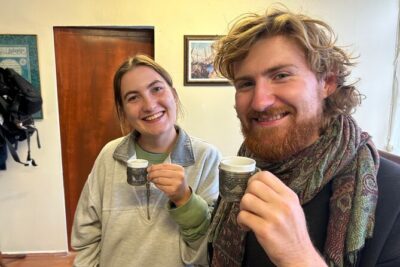
- Coffee and/or tea
- Flexible program and a walking tour
- Help purchasing museum tickets quickly
- Mobile tickets
- English guide service
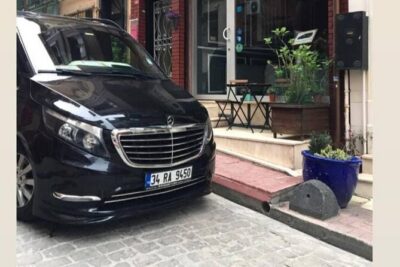
- Pickup offered (if you need transport, transportation fees may still apply)
What’s not included:
- Lunch
- Museum entry tickets (listed for Hagia Sophia and Basilica Cistern)
- Transportation fee if needed
Because museum tickets aren’t included, you should budget more than the headline price. The data you get shows entry fees with amounts in both EUR and USD, with examples around 25 EUR for Ayasofya and 35 EUR for the cistern. In practice, you’ll want to confirm the exact rates during booking so there are no surprises.
Value check: when a private guide helps you reduce queue time at Hagia Sophia and keeps the walking route efficient, the added museum fees often feel less painful. You’re paying for time you don’t waste.
How long it really takes and what pacing feels like
The tour runs about 6 to 7 hours, with walking between key Old City sites. Most people won’t need to sprint. The day is built to keep moving while still letting you pause for meaningful looks.
Still, plan for the real-world factor: Istanbul crowds and ticket lines. The whole point of the guided portion at Hagia Sophia and the museum complex is to keep those interruptions smaller. One group noted they had little or no waiting, which is exactly what you want from a private approach.
Also note: some private tours can run closer to a full workday if your group asks questions or lingers inside. One booking mentioned an 8-hour day with a guide named Serkan. So treat 6–7 hours as the typical plan, not a strict timer.
Who this tour fits best
This is a great fit if:
- You want major highlights in one day without bouncing between locations on your own.
- You prefer context while you walk, not just quick stops for photos.
- You’re okay paying separate entry tickets for the biggest indoor sites.
It’s especially good for small groups who want personal attention. The guide’s job here is not just facts—it’s making the route flow so your day doesn’t feel chaotic.
Families can also do well. One group specifically mentioned the guide’s patience with a child, which hints at a calm, flexible style.
If you’re traveling solo and want a private guide, this can still work, but the value is best when you’re splitting the group price.
Before you go: small choices that make the day smoother
A few practical things you can do to make your day easier:
- Wear comfortable, grippy shoes. You’ll be walking through the Historic Peninsula area.
- Use the mobile ticket and keep your phone charged for ticket moments.
- Expect different environments: bright mosque exteriors, indoor museum spaces, and the cooler underground of the cistern.
- Bring something light for water and cooling down. Coffee/tea is included, but summer Istanbul can run hot.
Should you book this private Old City tour?
I’d book it if you want a guided, efficient way to hit the big Ottoman-Byzantine icons—Hippodrome through Blue Mosque, Basilica Cistern, and Hagia Sophia—then end with shopping time at the Grand Bazaar and an optional lunch at Deraliye.
Skip or reconsider if:
- You hate paying separate museum fees on top of the tour price.
- You need a fully low-walking day.
- You’re the type who prefers to wander without any structure at all.
For most people, the mix of private guiding, smart ticket help, and a day built around walking between clustered sights is exactly what makes Istanbul feel manageable.
FAQ
How much does the private tour cost?
The price is $150.00 per group for up to 15 people.
How long is the tour?
The duration is about 6 to 7 hours.
Is pickup included?
Pickup is offered. If transportation is needed, transportation fees are not included.
What’s included in the tour price?
Included items are a private professional licensed tour guide, coffee and/or tea, a flexible walking tour, mobile tickets, and help purchasing museum tickets quickly.
Which entrance fees are not included?
Museum entrance tickets are not included. The tour information lists Hagia Sophia (Ayasofya) and Basilica Cistern entry fees, with amounts shown in both EUR and USD, so confirm the exact totals when booking. Lunch at Deraliye is also not included.
What if I cancel?
You can cancel for a full refund if you cancel at least 24 hours before the experience starts.