REVIEW · SHOPPING TOURS
Shopping in Grand Bazaar
Book on Viator →Operated by Istanbul Walks · Bookable on Viator
The Grand Bazaar can swallow a plan fast. This small-group shopping walk is interesting because you get haggling help and a guide who helps you navigate the market’s rules of the game. You’ll also learn how this covered bazaar grew after the Ottomans took over Constantinople.
I love that you’re not just wandering. You get a licensed English-speaking guide and a route that helps you see where the quality shops tend to cluster, from jewelry displays to handmade ceramics. I also like that the tour timing starts in the morning, when the bazaar is easier to handle and shopkeepers are setting up.
One consideration: some bazaar shopping tours can include extra stops like rug or carpet showrooms, which may not match your priorities. If you want strict Grand Bazaar-only shopping, tell your guide early and keep an eye on where you’re taken.
In This Review
- Key things that make this tour work
- Why the Grand Bazaar rewards a guided shopping plan
- Small-group shopping (max 5) changes how you experience the bazaar
- Getting to the entrance: meeting points and timing that matter
- Step-by-step through the bazaar: what you’ll actually do
- Entering the Grand Bazaar and understanding the layout
- Seeing the kinds of crafts you’ll want to hunt for
- A scheduled pause for tea or coffee
- Haggle like you mean it: how the bargaining coaching helps
- What to buy with confidence: jewelry, ceramics, rugs, and alabaster
- Turkish jewelry
- Ceramics and other artisan goods
- Alabaster keepsakes
- Rugs (the category to manage carefully)
- The realistic trade-off: history time vs shopping time
- Where the tour can feel short or misaligned
- Value check: is $264.34 per person worth it?
- After the tour: how to keep shopping without getting lost
- Should you book the Grand Bazaar shopping tour?
- FAQ
- How long is the Grand Bazaar shopping tour?
- What is included in the price?
- Is the admission ticket free?
- Where do we meet?
- What time does the tour start?
- Do you offer hotel pickup?
- Is food included?
- How big is the group?
- What language is the tour offered in?
- FAQ
- Can I cancel for a full refund?
Key things that make this tour work
- Small group (max 5): you can ask questions without shouting over crowds.
- Haggle coaching: you’ll practice how to negotiate without guessing every step.
- Morning entry: you’re in the market earlier, when it’s less chaotic.
- What to look for: you get guidance on Turkish keepsakes like jewelry, ceramics, and alabaster.
- Break time built in: you can pause for Turkish tea or coffee at your own expense.
- Convenient pickup on the European side: an A/C vehicle helps you start the day without hassle.
Why the Grand Bazaar rewards a guided shopping plan
The Grand Bazaar isn’t just a place to buy stuff. It’s a 15th-century Ottoman-era trade machine, covered roof and all, built after the Ottomans defeated and took over Constantinople. That history matters here because the market works on relationships, repetition, and bargaining customs that you won’t fully “get” just by browsing.
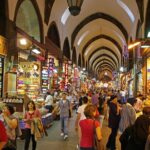
What you’re walking into is huge: thousands of stalls and shops packed into a maze that stretches nearly 60 blocks. The bazaar is said to hold upwards of 4,000 stalls, so even if you have a shopping list, it’s easy to lose time. A guide’s job isn’t magic. It’s translation—turning the market into something you can navigate, and shop with confidence.
If you like the idea of window-shopping that actually turns into a few good purchases, this kind of tour makes sense. It also helps you avoid the beginner trap: wandering for an hour, then realizing you’ve walked past the places you would have found faster with local guidance.
You can also read our reviews of more shopping tours in Istanbul



Small-group shopping (max 5) changes how you experience the bazaar

In a bazaar, you don’t just need directions. You need time to ask “Is this normal?” and “What’s a fair range?” and “What should I avoid?” With a maximum group size of 5, you get that back.
This is especially helpful with bargaining. When you’re standing in a shop surrounded by hooks, stacks, and fast-moving conversations, it’s hard to think clearly. With a smaller group, you’re more likely to get practical coaching instead of being rushed through.
You also tend to get a more personal style of touring. Some guides in this experience have been described as patient, unhurried, and proud of their bazaar knowledge—exactly what you want when you’re comparing items and learning how different stalls operate.
Getting to the entrance: meeting points and timing that matter
You’ll meet your guide near Çemberlitaş tram station, then head toward the bazaar entrance. The tour information also lists the meeting point as Grand Bazaar, Beyazıt (34126 Fatih/İstanbul), so expect the day to center on the bazaar area from the start.
Start time is 9:00 am, and that’s a big deal. Morning helps for two reasons:
- the bazaar is typically easier to move through before it fully thickens with shoppers
- shopkeepers are often more ready to talk when they’re opening and setting up
Your tour includes pickup from centrally located European-side Istanbul hotels, and the transportation is an A/C deluxe chauffeur-driven vehicle. If you’re staying on that side of town, it’s a straightforward way to reduce stress before you even reach the maze.
If your hotel is outside the pickup zone, you may need to plan how you’ll get to the meeting area on your own, since pickup is specifically noted for centrally located European-side hotels.
Step-by-step through the bazaar: what you’ll actually do
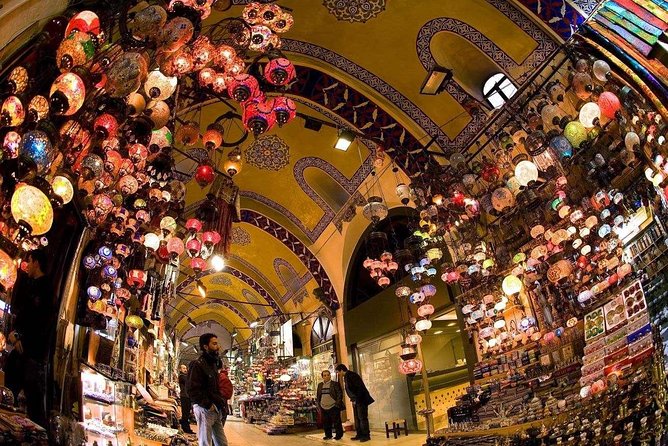
Entering the Grand Bazaar and understanding the layout
Right after you arrive, your guide frames what you’re seeing. You’ll hear how the bazaar grew into what it is today—an Ottoman project with the kind of architecture that still shapes shopping routes. This isn’t trivia for trivia’s sake. It gives you context for why certain goods appear clustered and why navigating by instinct can lead you in circles.
Then comes the practical part: you start walking with the guide close by. The bazaar is famous for slender alleys and winding corridors, and getting lost here is easy even if you think you’re paying attention.
You can also read our reviews of more tours and experiences in Istanbul





Seeing the kinds of crafts you’ll want to hunt for
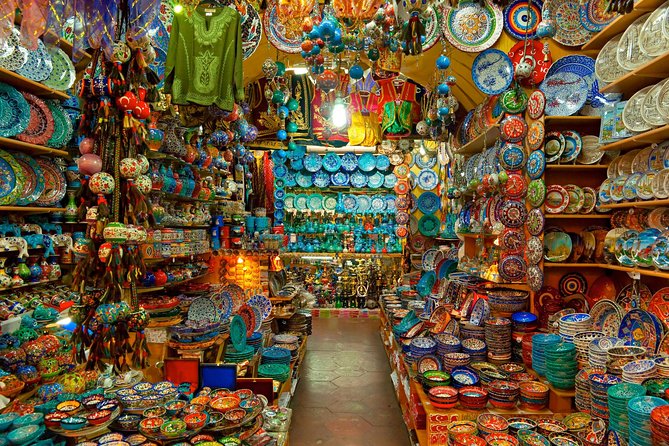
As you move through, you’ll pass stalls featuring different categories of Turkish keepsakes. Expect to see eye-catching examples like:
- jewelry and metalwork displays
- artisan-crafted ceramics
- traditional woven rugs
- other eclectic crafts that range from souvenirs to more serious artisan items
A good guide doesn’t just point. They help you sort. For example, you might learn what tends to be locally made versus what can be mass-produced, and which stall types are worth slowing down for. That matters because your time is limited—this tour is about 3 to 4 hours (about 3.5 hours).
A scheduled pause for tea or coffee
At some point you’ll stop and take a breather. You can get traditional Turkish tea or coffee, or grab a snack at an eatery you can find in between shops. Drinks and food are not included, so plan for your own break budget.
This pause is useful even if you’re shopping hard. Your bargaining brain works better after a short reset.
Haggle like you mean it: how the bargaining coaching helps
Bargaining in the Grand Bazaar isn’t one universal method. It’s more like a conversation with a tone, pacing, and a range of expectations. This tour’s big promise is that you’ll get bargaining tips from your guide, and that’s exactly where you’ll feel the value.
Here’s what the bargaining coaching should do for you:
- Help you avoid starting with a price that’s too high (and wasting the chance to negotiate)
- Teach you how to compare similar items without getting pulled into shiny distractions
- Give you a feel for when to keep negotiating and when to walk away
Guides often build their bargaining advice from real bazaar life. One guide described in past experiences, Tayfun, grew up playing hide and seek in the Grand Bazaar, and he’s the kind of person who can explain how the market evolved and how that shapes today’s shopping habits. Another guide, Serhat, is described as showing shoppers the right kinds of stops and explaining bargaining in a way that feels practical, not rehearsed.
Still, you should come prepared with a simple mindset: decide your target and your maximum price before you shop. Then use the guide to help you reach it. You’ll get less stressed, and you’ll buy more confidently.
What to buy with confidence: jewelry, ceramics, rugs, and alabaster
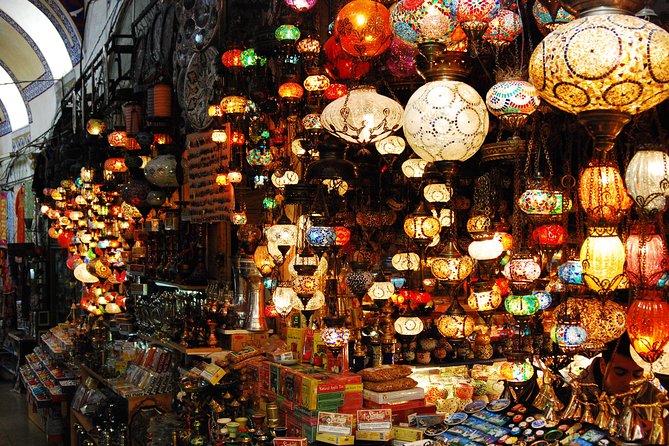
This tour is built around the idea that you want authentic Turkish keepsakes—not random tourist stuff. The shopping focus is described as things like locally crafted jewelry and items such as alabaster pots, plus artisan ceramics and woven rugs.
Here’s how I’d think about each category while shopping:
Turkish jewelry
Jewelry is a common bazaar target because there’s so much variety and you can compare designs quickly. The guide’s role is helpful if they point you to places where workmanship is consistent and where you can ask the right questions. Bargaining matters here because pricing can swing based on the shop’s positioning and how they present the piece.
Ceramics and other artisan goods
Ceramics can be a great buy because they’re visual and you can evaluate quality as you look. The bazaar’s crowded environment can make it hard to slow down—so being part of a guided walk helps you spend time on the pieces that actually catch your eye, not the ones that happen to be closest.
Alabaster keepsakes
Alabaster items tend to be distinctive. If you’re specifically hunting for them, this kind of tour is useful because you’re more likely to reach sellers that align with your goal instead of getting sidetracked by whatever is loudest.
Rugs (the category to manage carefully)
Rugs are a frequent part of bazaar shopping, but they’re also where some tours can drift. In some cases, guides may take you to rug or carpet-focused stops that feel less connected to your original shopping priorities—especially if you don’t want rugs at all.
If you love rugs, great. If you don’t, say so plainly. Even better: mention what you are interested in and what you want to skip. A guide can’t read your mind, and in a market this large, you don’t want your time spent on something you already know you’ll pass on.
The realistic trade-off: history time vs shopping time

This tour includes history about how the bazaar developed and how it works as a covered market. That’s part of what makes it interesting, because the Grand Bazaar isn’t a theme park. It’s a real marketplace with old bones and modern business.
Still, not everyone wants history at the expense of shopping. Some people prefer a lighter historical talk and more free time comparing items. You’ll want to decide your own balance.
A practical way to handle this: treat the history as your map. Learn enough to understand what you’re seeing, then shift your energy to items and questions. A good guide will adapt to your style, and some experiences have described guides tailoring the walk based on what shoppers want to see and what they’d rather skip.
Where the tour can feel short or misaligned
Most of the experience details point to a smooth 3.5-hour walking route in the Grand Bazaar, with tea/coffee/snack options during the walk. But the bazaar is dynamic, and so are shopping tours.
A couple of recurring issues that you should watch for:
- timing delays if the bazaar opens later than expected on a given day
- extra stops that can steer you toward rug or carpet showrooms
You can reduce these risks by doing two things:
1) set expectations right when you start: what you want to buy and what you don’t
2) ask for quick direction if you feel the walk is drifting away from your interests
If the guide understands you’re a serious buyer—or that you’re only browsing certain categories—they can usually steer the day better.
Value check: is $264.34 per person worth it?
Let’s do the math in plain terms.
You’re paying $264.34 per person for about 3.5 hours with:
- a licensed English-speaking guide
- A/C deluxe chauffeur-driven pickup (European-side, from centrally located hotels)
- a guided walk into a market that can easily eat hours if you’re wandering alone
- admission ticket noted as free for the tour
So what are you really buying?
- time saved (less lost wandering)
- bargaining coaching (helping you avoid overpriced purchases)
- access to good shop options (even if you still browse on your own afterward)
If you’re a confident shopper who already knows what to buy and doesn’t need help negotiating, you might find the cost harder to justify. But if you want help navigating a huge maze and you care about negotiating smartly, the price can feel fair because the guide and pickup are doing actual work.
After the tour: how to keep shopping without getting lost
When the tour ends, you’ll be back at the meeting point and you’re free to continue shopping and exploring on your own. That’s a nice setup because it turns the tour into a launchpad.
Use the tour time to learn three things quickly:
- how to move through the bazaar without spiraling
- what price negotiation feels like in real shops
- which product types you should prioritize next
Then take over. The Grand Bazaar is too big to be fully handled in one guided walk, so your best strategy is guided orientation first, then your own targeted shopping afterward.
Should you book the Grand Bazaar shopping tour?
Book it if you want:
- bargaining help and a practical shopping route through a very large market
- a small group experience so you can ask questions and compare items
- an English-speaking guide to help you spot promising shops for jewelry, ceramics, and alabaster keepsakes
- a morning start that keeps the bazaar more manageable
Skip it (or manage it tightly) if:
- you mostly want Grand Bazaar browsing with minimal talk and no showroom add-ons
- you have zero interest in rugs/carpets and don’t want your time used there
- you prefer self-guided shopping with no negotiation coaching
If you communicate your priorities at the start, this kind of tour can be one of the better ways to shop in Istanbul without wasting your trip getting turned around.
FAQ
How long is the Grand Bazaar shopping tour?
It runs about 3 to 4 hours, approximately 3.5 hours.
What is included in the price?
You get an English-speaking licensed professional guide, an A/C deluxe chauffeur-driven vehicle, and pickup from centrally located European-side Istanbul hotels.
Is the admission ticket free?
Yes, the admission ticket is listed as free.
Where do we meet?
The tour’s start point is the Grand Bazaar area in Beyazıt (34126 Fatih/İstanbul). You also meet your guide near Çemberlitaş tram station and then head to the bazaar entrance.
What time does the tour start?
The listed start time is 9:00 am.
Do you offer hotel pickup?
Yes, pickup is included only from centrally located European-side hotels.
Is food included?
No. Tea/coffee/snacks are available during the tour, but food and drinks are not included.
How big is the group?
The tour is limited to a maximum of 5 travelers.
What language is the tour offered in?
It’s offered in English, with an English-speaking licensed guide.
FAQ
Can I cancel for a full refund?
Yes. You can cancel up to 24 hours in advance of the experience for a full refund. If you cancel less than 24 hours before the start, the amount paid is not refunded.