REVIEW · WHIRLING DERVISHES SHOWS
Istanbul: Hodjapasha Whirling Dervishes Show & Exhibition
Book on GetYourGuide →Operated by HodjaPasha Culture Center · Bookable on GetYourGuide
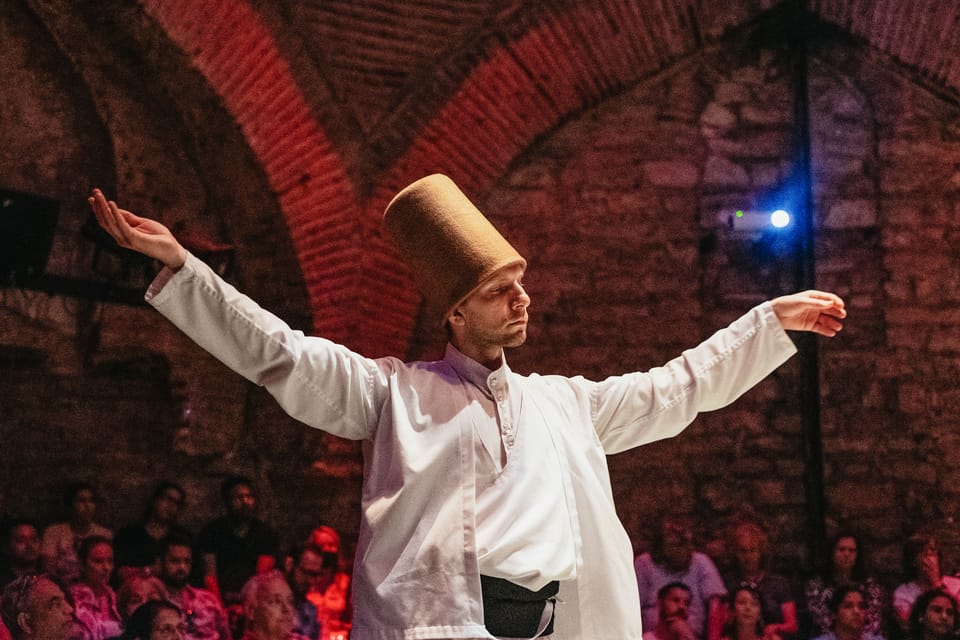
A seriously beautiful hour is waiting in Sultanahmet. This Mevlevi Sema experience pairs live classical music with the whirling dervishes in a historic Ottoman bath setting. It’s spiritual ceremony first, tourist show second, and that tone changes how you watch it.
I love the HodjaPasha Culture Center itself: you’re stepping inside an old hammam space where the acoustics and atmosphere help the music and ceremony land. I also like that the program gives you a booklet so you know what you’re seeing as the seven-part Sema unfolds.
One heads-up: there’s no photography and you must stay quiet (no talking or applause), plus some seating can feel tight and uncomfortable for longer. If you want something flashy and interactive, this won’t be that.
Key things to know before you go
- A 550-year-old Ottoman Turkish bath setting makes the ceremony feel intimate and reverent
- Live classical Turkish music starts first, including chant and instrumental sections
- The Sema is structured in seven parts, representing a spiritual ascent (explained with your booklet)
- No photos and no applause keeps the ritual serious from start to finish
- Complimentary drinks plus bottled water are included for the hour-long program
- Seating is first come, first served by booking, so arrive early if you care about your view
In This Review
- Why the Hodjapasha Culture Center setting matters for the Sema
- What actually happens in the 1-hour Mevlevi Sema ceremony
- The seven-part Sema: how to follow it without getting lost
- The rules that keep the ritual respectful (and how they affect you)
- Comfort, chairs, and why arriving early helps
- Value in Istanbul: is $32 for a 1-hour ceremony worth it
- Who should book, and who might rethink it
- Practical game plan near Sirkeci Tram Stop
- Should you book Hodjapasha Whirling Dervishes?
- FAQ
- How long is the Hodjapasha Whirling Dervishes ceremony?
- Is photography allowed inside the venue?
- Are children allowed?
- How are seats assigned?
- Where is the meeting point?
- Is it suitable for wheelchair users?
Why the Hodjapasha Culture Center setting matters for the Sema
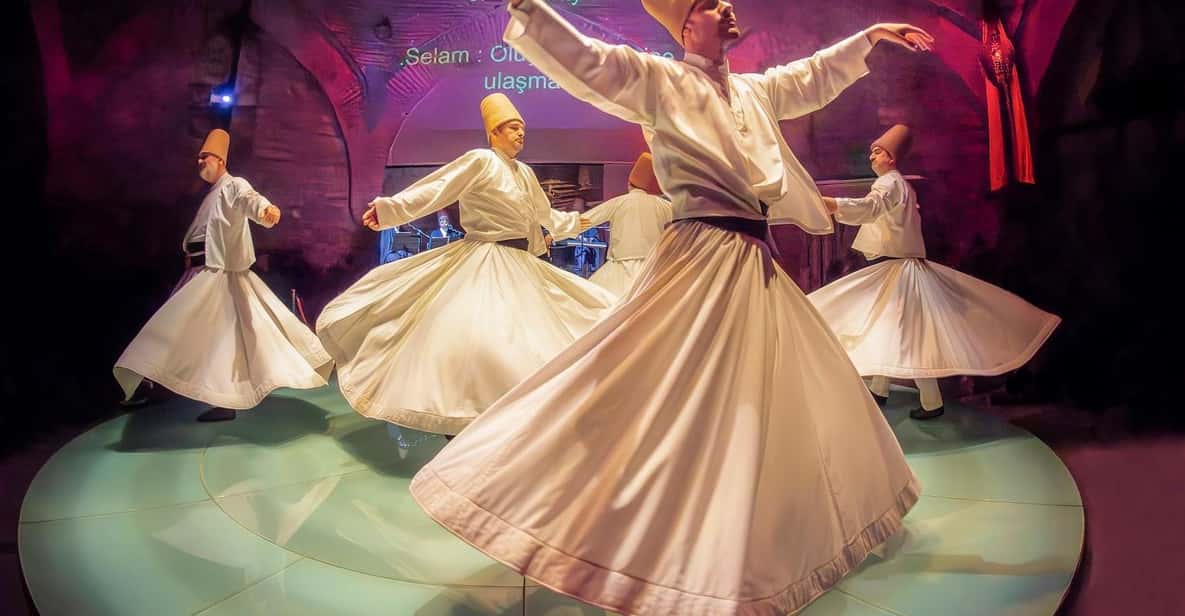
The biggest reason this experience works is the building. HodjaPasha Culture Center is a restored Ottoman Turkish bath, and you’ll feel it as soon as you enter the space. The dome and stone surroundings help the sound travel, so the music doesn’t just play in the room; it fills it.
That matters because the Mevlevi Sema isn’t designed as a loud, flashy stage event. It’s a moving ritual with strict rules about silence and behavior. When the ceremony happens in a historic bathhouse rather than a modern theater, the whole experience reads more like something you’ve been invited to witness, not something you’re buying tickets for.
What actually happens in the 1-hour Mevlevi Sema ceremony
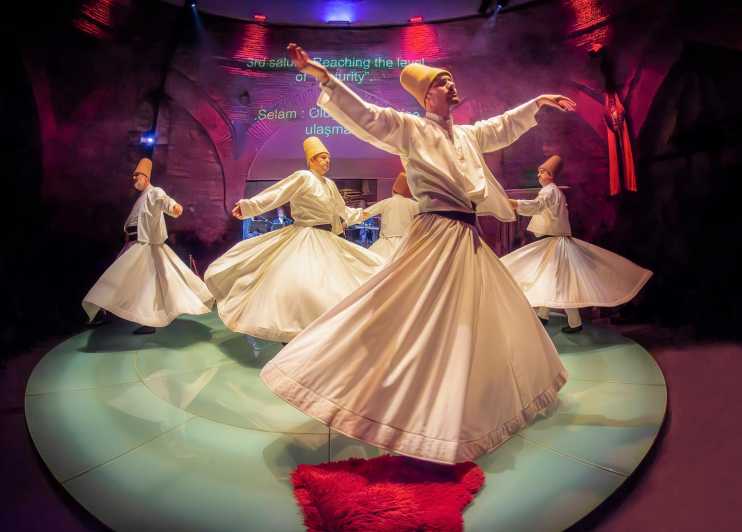
The program runs about one hour, and it flows in clear stages. You start inside the HodjaPasha Culture Center, take your seat, and let the ceremony set the pace.
Here’s the typical sequence:
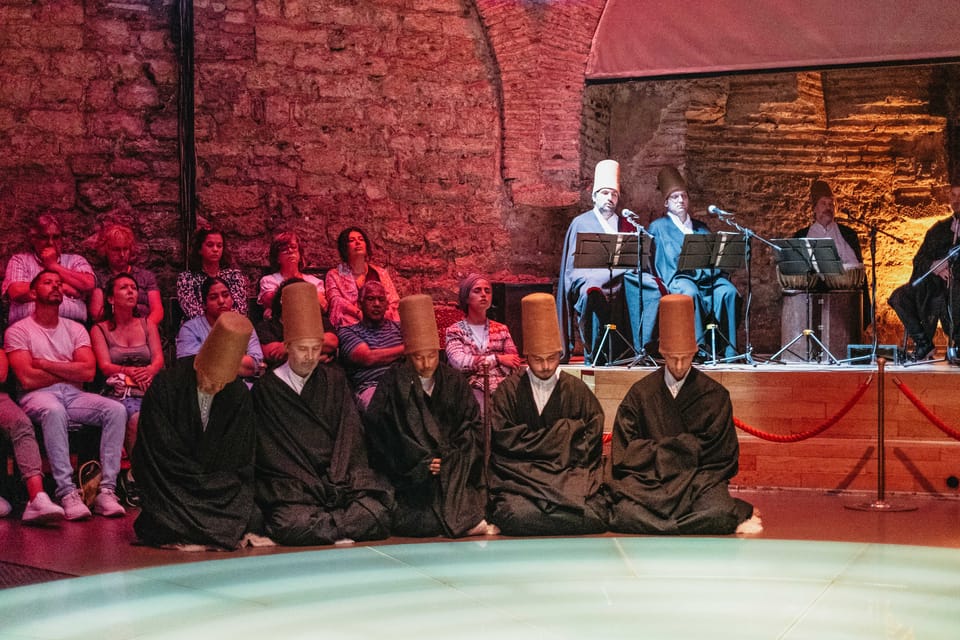
- A classical Turkish music concert opens the program. You’ll hear live performers and musical sections before the whirling begins.
- Then the dervishes and the sheikh take their place and praise the Prophet Mohammed.
- After the chant, you’ll hear the drum voice as the ceremony turns fully into the Sema.
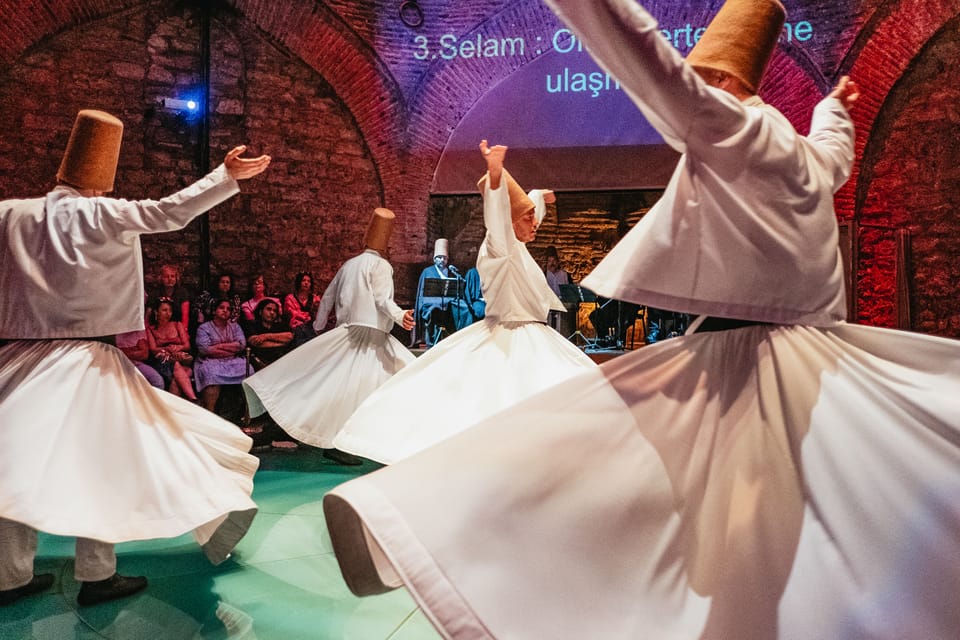
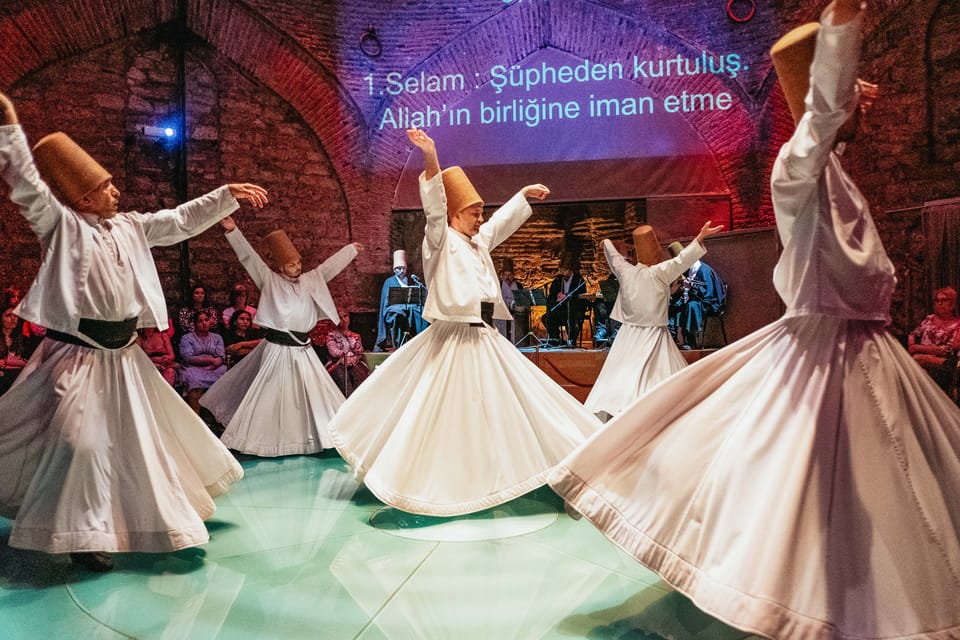
- The seven-part Sema ceremony follows, representing man’s spiritual ascent through thoughts and love.
- The experience ends with a Fâtiha for the souls of prophets, martyrs, and believers, and a prayer for the salvation of the country.
This structure is part of the value. If you arrive knowing that it’s not random dancing, the hour feels more meaningful instead of repetitive.
You can also read our reviews of more museum experiences in Istanbul


The seven-part Sema: how to follow it without getting lost
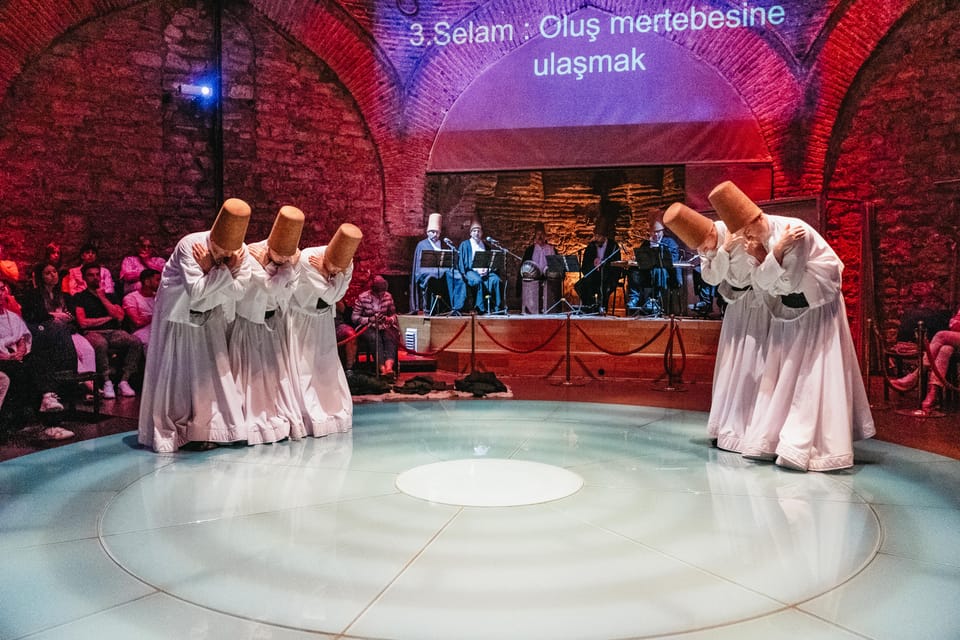
Unless you’ve studied Sufism before, the ceremony can feel like it moves in “waves.” The good news is that the experience gives you a simple way in: a program booklet that helps you understand what you’re watching.
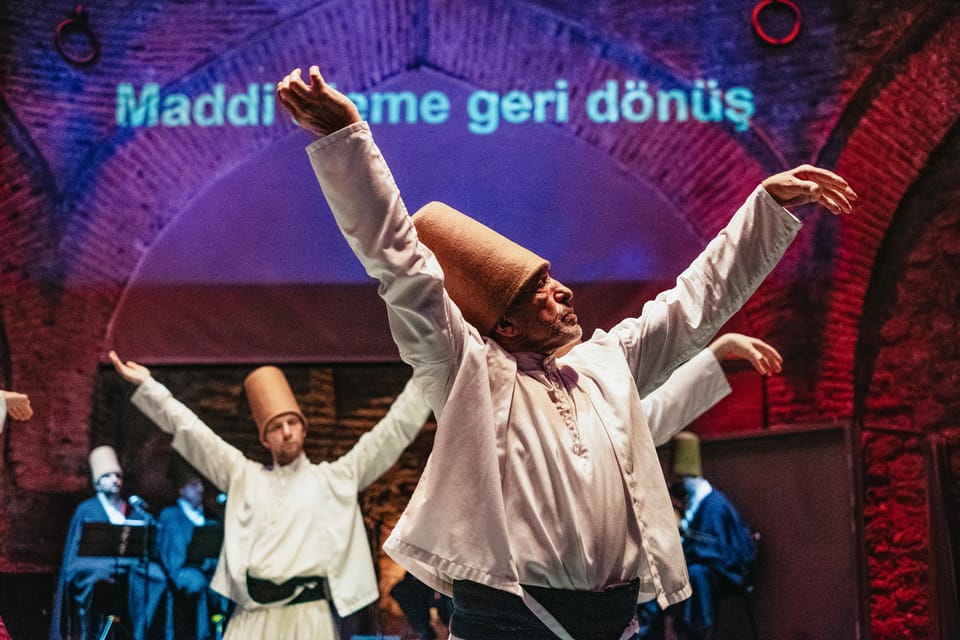
The key idea is that the whirling isn’t just a visual effect. It’s part of a spiritual progression. The ceremony’s seven parts are meant to represent an inner journey—your attention shifts from what you see (the skirts, the stillness between movements) to what the ritual points to.
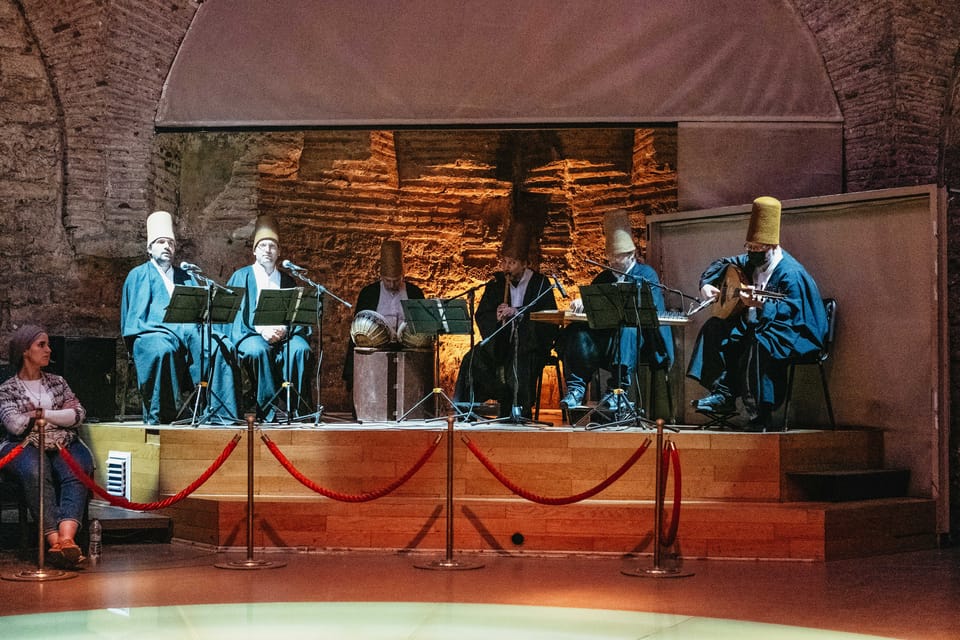
Music helps with that “staying on track” feeling. In the accounts I read from people who attended, the live performances often included instruments such as ney, oud, kanun, and traditional percussion. Even if the names mean nothing to you, you’ll notice that the music changes with each phase, so you’re not stuck watching one mood the whole time.
The rules that keep the ritual respectful (and how they affect you)
This is one of those activities where the fine print is not legal jargon—it’s the vibe.
Inside:
- No photography is allowed.
- You can’t disrupt the performance. That means no talking, and no applause during the ceremony.
- Your seat is allocated based on first booked, first served.
These rules are a big part of why people come away saying the hour felt solemn, moving, and unusually authentic. If you’re the type who instinctively takes a quick photo, plan ahead and accept that you’re going to experience this one with your eyes only.
A small practical note: you’ll have an easier time if you mentally switch from spectator mode to listener mode. When you treat it like a ceremony—not a concert—you’ll catch more.
Comfort, chairs, and why arriving early helps
The HodjaPasha event is short, but the building experience isn’t always friction-free.
A couple of practical points from real-world visit notes:
- There can be stairs involved to reach the venue.
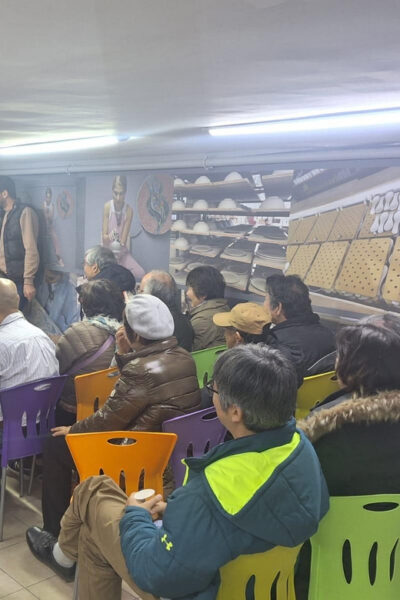
- Seating can be close and not very comfy for some people, with chairs that feel tight together.
You can’t control the chair design, but you can control one thing: when you arrive. If you care about your view, or if you want time to settle without rushing, go early enough to take your time in the foyer/exhibition space and get oriented before the ceremony starts.
Also, because photography is prohibited, arriving early helps you avoid the awkward “I need to find my seat fast” moment right before the music begins.
Value in Istanbul: is $32 for a 1-hour ceremony worth it
At $32 per person for about an hour, this isn’t a bargain in the way street markets are bargains. But the price makes sense when you look at what you’re actually buying.
You’re paying for:
- A ticketed Mevlevi Sema ceremony in an authentic historic setting
- Live music as part of the ritual, not just accompaniment
- A program booklet to understand the structure
- Bottled drinking water (and you can expect complimentary drinks during the show)
Where value becomes personal is how you relate to the format. Some people describe it as deeply moving and calming, even life-changing. Others find that after a while, the whirling itself can feel repetitive if you’re not connected to the cultural or spiritual background.
So the smart way to judge value is simple: if you’re excited to witness a respectful religious ceremony and you’re willing to follow the silence rules, this is good value for Istanbul. If you want a louder, more casual performance, you might feel the cost more sharply.
You can also read our reviews of more tours and experiences in Istanbul




Who should book, and who might rethink it
This is best for you if:
- You want an experience with serious tone and clear cultural context
- You enjoy live music and want to watch the ceremony as it’s meant to be watched
- You’re curious about Sufi spirituality, and you like having a booklet to help you follow
It may not be for you if:
- You need lots of participation, comedy, or crowd interaction
- You get uncomfortable with strict etiquette like no talking and no applause
- You’re using a wheelchair, since it’s described as not suitable for wheelchair users
For families: children under 7 are not permitted. Plan accordingly.
Practical game plan near Sirkeci Tram Stop
Location is a gift here. The meeting point is the Hocapaşa Culture Center, about 100 meters from the Sirkeci Tram Stop. That’s walkable, and it puts you in the easier part of central Istanbul for connecting with other nearby sights.
My practical checklist:
- Wear shoes you don’t mind on stairs, just in case the climb feels steep.
- Arrive with enough buffer to settle quietly and read your booklet before the ceremony begins.
- Plan to keep your phone away. Since no photography is enforced, you’ll enjoy the hour more if you stop thinking about shots.
- If you’re sensitive to sitting for a bit, be ready for the fact that some chairs feel close together.
The best mindset is simple: come to listen, watch, and let the hour do its work.
Should you book Hodjapasha Whirling Dervishes?
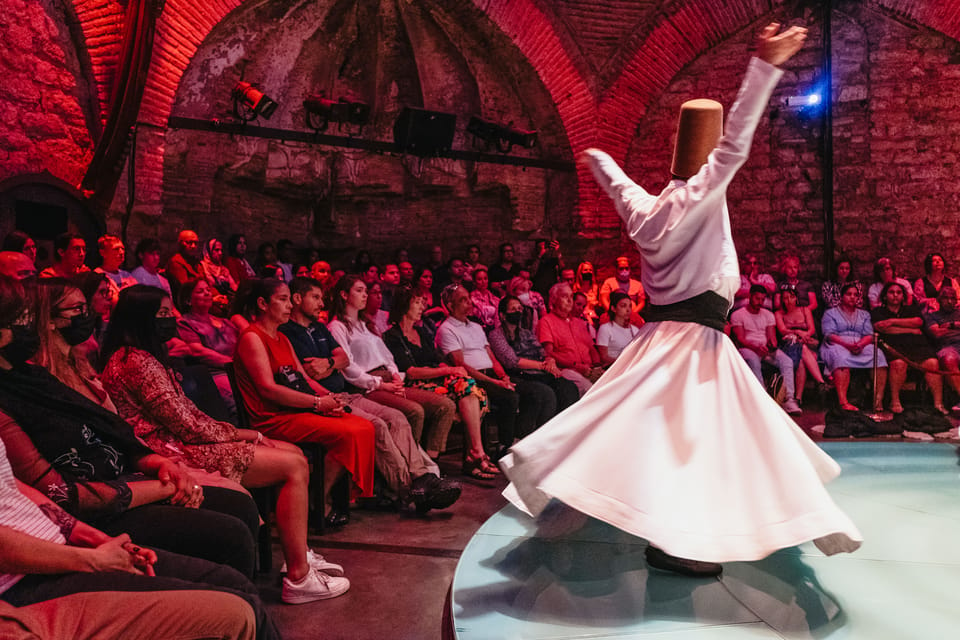
I’d book it if your Istanbul trip includes at least one experience that slows you down and teaches you something while you watch. The combination of a historic restored hammam, live classical music, and a structured seven-part Sema makes it more than a quick sightseeing detour.
Skip it (or at least reconsider) if you’re mainly hunting for a casual “show” atmosphere. This is a ritual with rules, and the experience gets better the more you lean into that seriousness.
If you want a short, meaningful cultural night in central Istanbul that’s easy to reach, this one is a strong choice.
FAQ
How long is the Hodjapasha Whirling Dervishes ceremony?
The experience lasts about 1 hour.
Is photography allowed inside the venue?
No. Photography is not allowed inside during the performance.
Are children allowed?
Children under 7 years old are not permitted.
How are seats assigned?
Seats are allocated based on first booked first served.
Where is the meeting point?
Start your activity at Hocapaşa Culture Center, about 100 meters from the Sirkeci Tram Stop.
Is it suitable for wheelchair users?
No. This experience is not suitable for wheelchair users.