REVIEW · ISTANBUL
Istanbul Walking Tour: Mosques, Palace, Cistern with Lunch
Book on GetYourGuide →Operated by TripGuru Turkey · Bookable on GetYourGuide
This day is built for people who love big sights. You’ll stitch together Hagia Sophia, the Blue Mosque, and two major Roman-era spaces, all with one guide and no wasted hopping around.
I like that the tour uses clear pacing and real narration. You get time at the Hippodrome and the Obelisk of Theodosius to understand what you’re looking at before you move into the Ottoman landmarks.
One consideration: lines and ticket choices matter. If you don’t choose the skip option for Hagia Sophia, you could face a long queue, and the dress code rules are enforced at multiple stops.
Key highlights worth your time
- Skip-the-line options for Hagia Sophia can save hours when queues get heavy
- A tight, efficient route ties together Roman, Byzantine, and Ottoman eras
- Lunch included at a local spot near the mosque area, with no alcohol served
- Basilica Cistern is a guided “wow” moment with towering columns and carvings
- Strong guide energy, including Arif, Ferhat, and Filiz, who really stay on top of questions
In This Review
- German Fountain Start: Easy Meeting Point for a Long Walk
- Hippodrome and the Obelisk of Theodosius: Istanbul’s Roman Breadcrumbs
- Hagia Sophia: The Building That Changes Jobs (and Your Ticket Plan)
- Blue Mosque: Blue Tiles, Big Domes, and Etiquette That Actually Works
- Lunch Near the Mosque: Included, Convenient, and Alcohol-Free
- Basilica Cistern: Roman Water Space with Columns You’ll Keep Thinking About
- Topkapi Palace: Ottoman Administration in a Very Large World
- Guides Matter: Arif, Ferhat, and Filiz Make the Day Click
- Price and Value: What $180 Covers vs. Entrance Fees
- Practical Stuff Before You Go: Shoes, Scarf, and Rules That Are Real
- Who This Tour Fits Best (and Who Should Rethink It)
- Should You Book This Istanbul Walking Tour?
- FAQ
- How long is the Istanbul Walking Tour?
- Where does the tour start and where does it end?
- What’s included in the price?
- What entrance fees are not included?
- Does the tour offer skip-the-line for Hagia Sophia?
- What language is the guide?
- What should I bring for the tour?
- Are there any dress code rules?
- Is the tour suitable for everyone with mobility or health issues?
German Fountain Start: Easy Meeting Point for a Long Walk
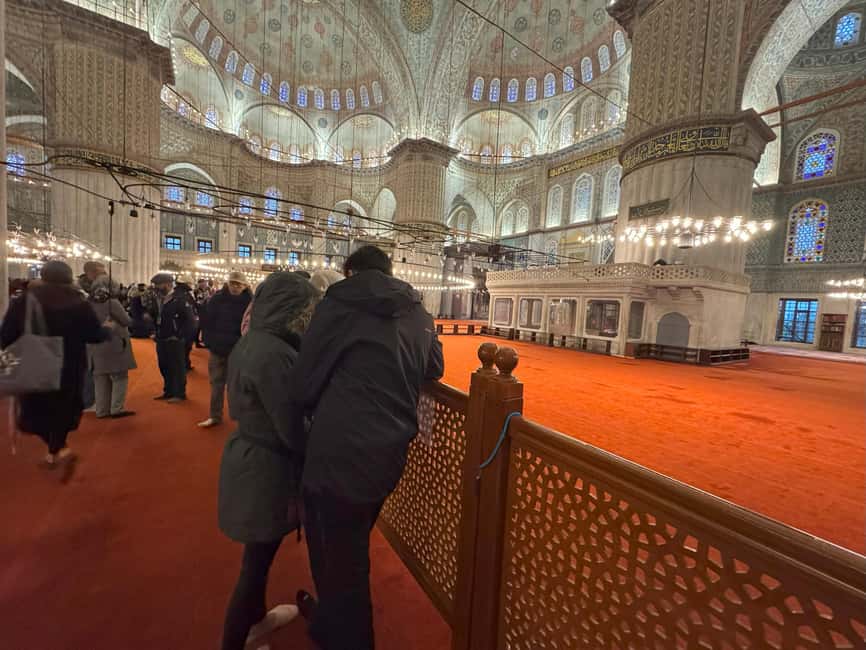
The tour begins at the German Fountain, and it’s a practical choice because it helps you get oriented fast. You meet the guide wearing a TripGuru gear or holding a TripGuru sign, then you’re off on foot through Sultanahmet-area landmarks.
Because there’s no hotel pickup or drop-off, you’ll want to be comfortable with walking and arriving on time. This is a full-day rhythm in one go: you’ll walk between sites, check in for timed entry where needed, and keep moving so you don’t lose the day to crowd bottlenecks.
And yes, you’ll want comfortable shoes. This route is worth it, but it’s not a stroll through parks. It’s city-walking through history.
Hippodrome and the Obelisk of Theodosius: Istanbul’s Roman Breadcrumbs
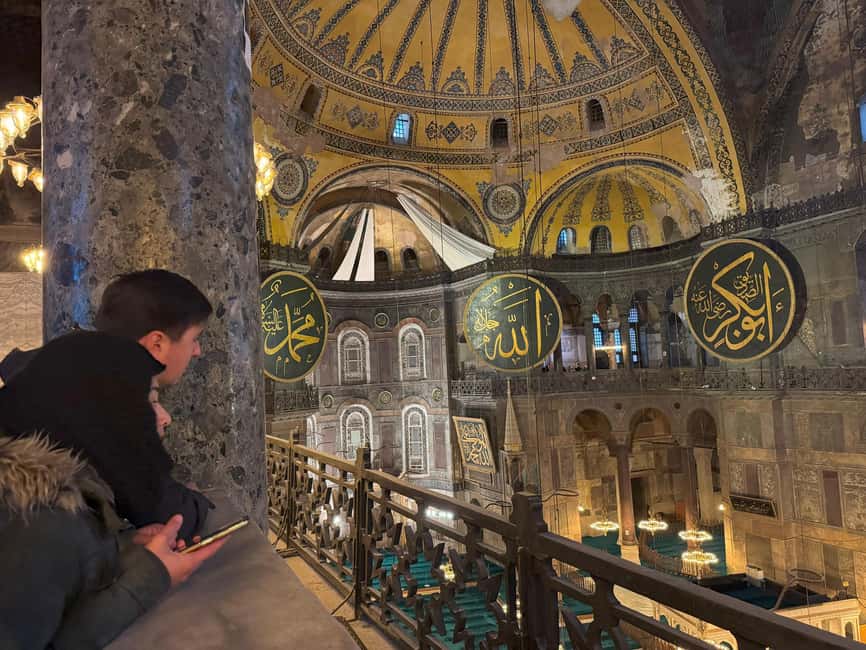
Your first landmark stop is the Hippodrome area, anchored by the Obelisk of Theodosius. Even if you’re not a Roman-history person, the guide’s job here is to connect the dots: this wasn’t a random pile of stones. It was a public stage for power, spectacle, and civic life.
The obelisk is old, but what makes it special is how it works as a “reading aid.” When you stand in this space with a guide, you start seeing why later empires cared about the same geography. The day becomes less about memorizing dates and more about understanding how rulers keep reusing the same urban center.
You’ll walk and get guided time here—about an hour—so it’s not just a quick glance. It’s enough time to take pictures without feeling rushed and still understand what you’re seeing.
You can also read our reviews of more walking tours in Istanbul



Hagia Sophia: The Building That Changes Jobs (and Your Ticket Plan)
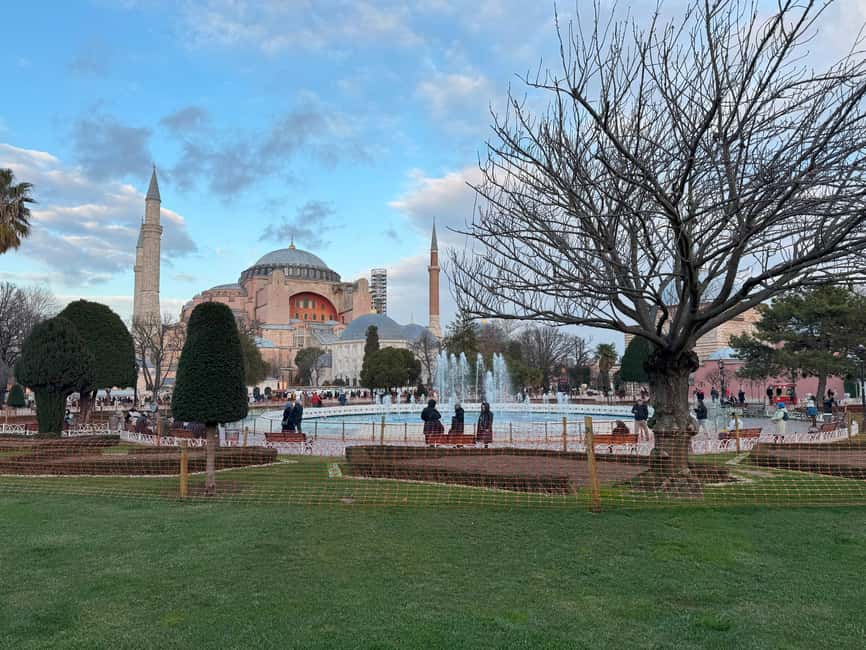
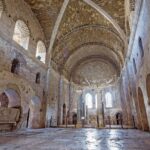
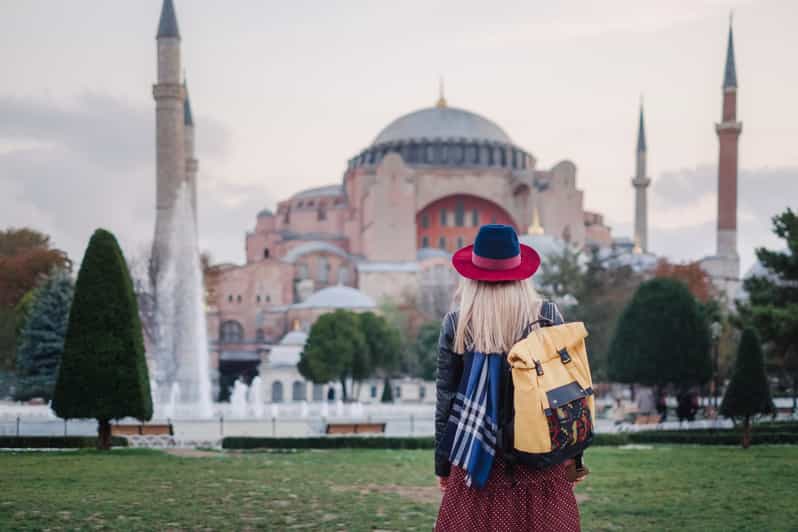
Next comes Hagia Sophia, one of those places where the building does the storytelling. The tour frames it clearly: this is a structure that has served as a church, then a mosque, and now operates as a museum. That timeline matters because it explains why you’ll notice different design features side by side.
Here’s the key practical point: choose your Hagia Sophia entry carefully. The tour offers a skip-the-line option for Hagia Sophia when you select the inclusive ticket. If you don’t, the queue can stretch to 1–2 hours during busy periods, and that can ripple into your whole day.
Also plan for the on-site rules. You’ll need to cover up with a scarf or something similar, and the tour warns against clothes that show shoulders, underarms, back, or knees. The upper gallery uses stairs, and it’s not recommended if you have mobility issues.
If you’re the type who likes to walk into a place already knowing what to look for, this guided stop is exactly that. You’re not only admiring the scale—you’re learning how to interpret the parts.
Blue Mosque: Blue Tiles, Big Domes, and Etiquette That Actually Works
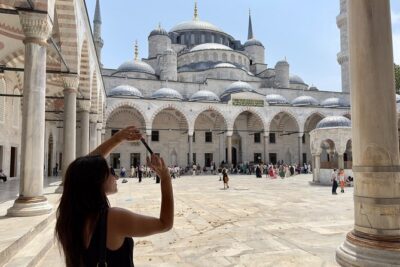
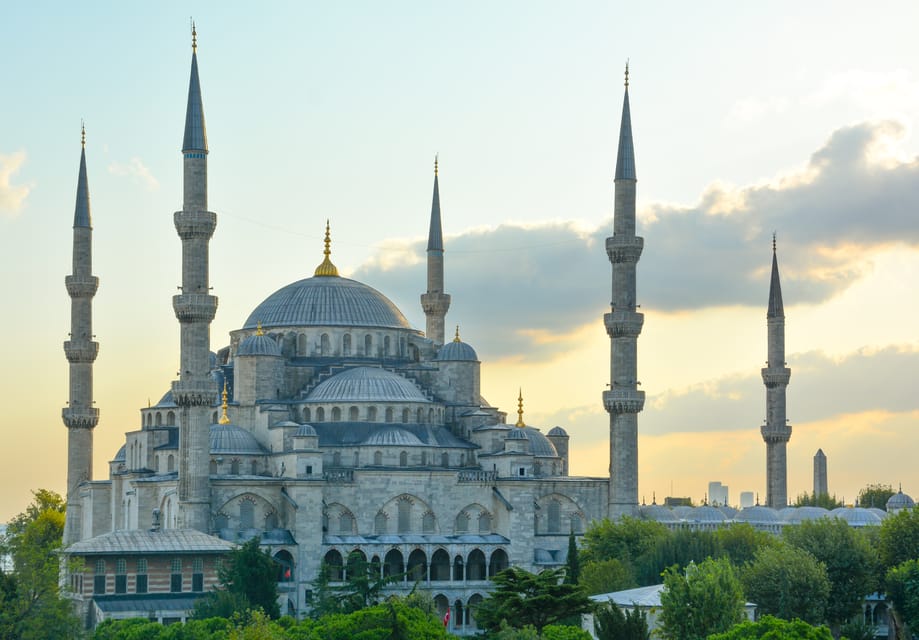
After Hagia Sophia, you’ll head to the Blue Mosque, another must-see on most Istanbul lists—and for good reason. The tour focuses on the details people remember: the intricate surfaces, the domes, and the look of the interior influenced by Islamic art and design.
This is also where the tour makes a real point about lines. You can expect queues, and busy seasons can extend the overall timing. Still, it’s a stop you shouldn’t skip, especially if you’re visiting for first-time landmarks.
Dress code matters here too. Bring a scarf or cover-up ready to go, and make sure you’re not wearing anything that violates the rules (revealing clothing can get you turned away). The guide’s job is helpful: you’ll get a sense of what’s respectful behavior inside a working religious site, not just a sightseeing checklist.
Lunch Near the Mosque: Included, Convenient, and Alcohol-Free
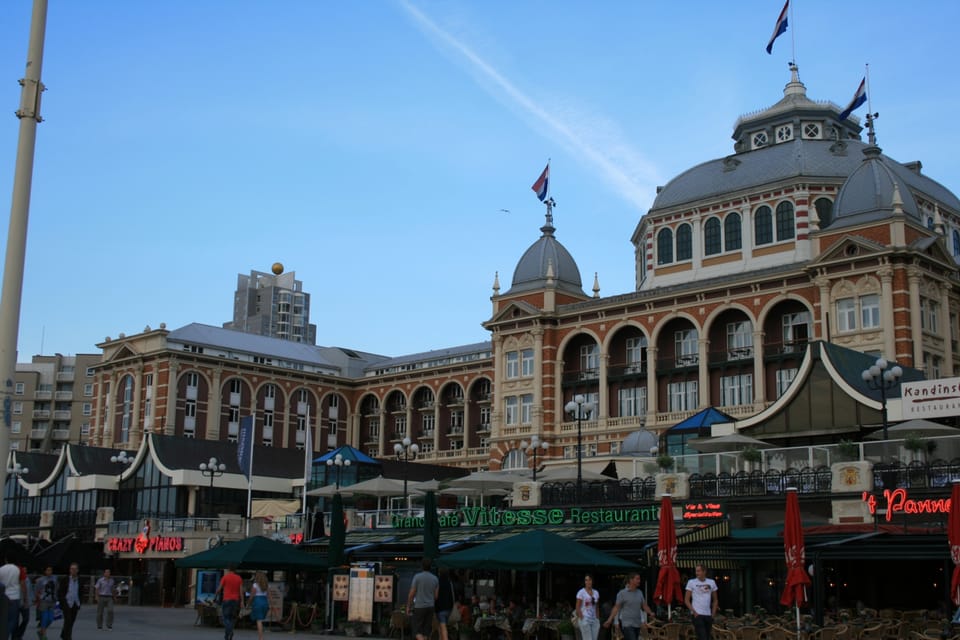
Lunch is included and served at a local eatery close to the mosque area. That convenience is underrated: after long walking stretches and sightseeing lines, having lunch positioned near your route keeps the day from turning into a scramble.
One specific detail you should know: because of local custom, the restaurant does not serve alcoholic beverages. If you’re expecting wine with your meal like you might at home, adjust your mindset early and you’ll enjoy lunch more.
Food details aren’t promised in the information you have, but the value here is clear: you get a meal break without having to figure out where to eat while you’re already in a high-traffic zone. And you’ll keep energy for the next stops.
Basilica Cistern: Roman Water Space with Columns You’ll Keep Thinking About
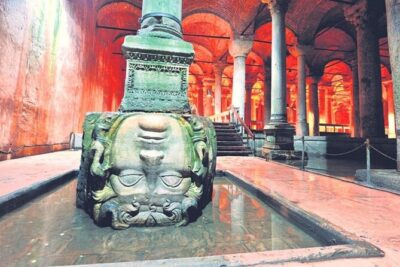
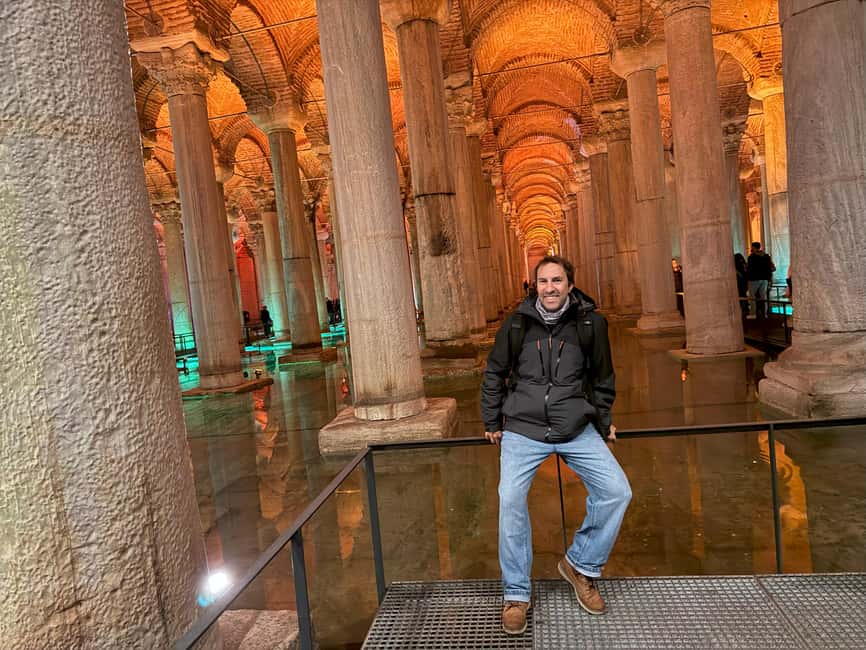
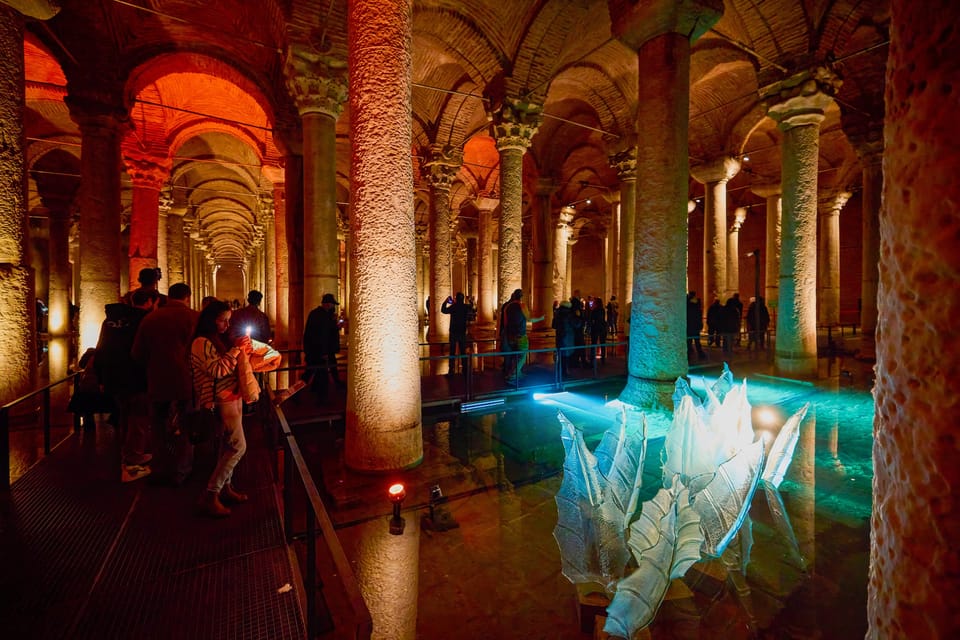
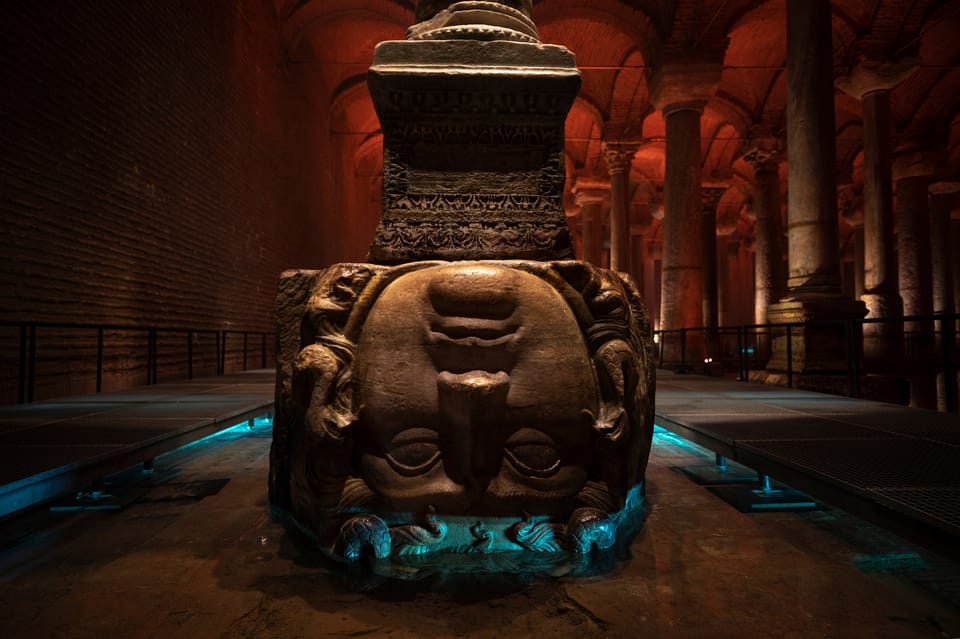
Then you move to the Basilica Cistern, where the scale hits differently. This is part of the ancient Roman reservoir network, built to store water, and the guided visit is designed to help you see it as engineering—not just spooky lighting and photos.
What you’ll notice quickly: the towering columns and the carved details. The guide helps you connect the visual “wow” with the purpose of the space, so it becomes more than a quick attraction stop.
The cistern stop runs about an hour with guidance. That’s a good length because you can look around, take pictures, and still listen. If you only had 20 minutes, you’d spend most of that time trying to frame the best photo. Here, you can actually understand what makes the structure work.
You can also read our reviews of more tours and experiences in Istanbul



Topkapi Palace: Ottoman Administration in a Very Large World
Your final major stop is Topkapi Palace, an opulent complex that once served as the administrative headquarters of Ottoman sultans during the 15th and 16th centuries. Even when you’re not a palace-architecture superfan, this is the kind of place where the sheer number of spaces and pathways makes the power feel real.
Plan for entry costs. The tour includes the guided visit time, but the Topkapi Palace entrance fee is not included. Museum pass acceptance is mentioned, and you’ll want to check whether your pass covers it. The fee listed is 2000 Turkish Lira, so it’s worth budgeting for.
You’ll have guided time here (about an hour). That’s not enough to see every single corner like a full museum day, but it’s enough for the highlight moments and the biggest photo opportunities—especially around the areas people line up to see.
Guides Matter: Arif, Ferhat, and Filiz Make the Day Click
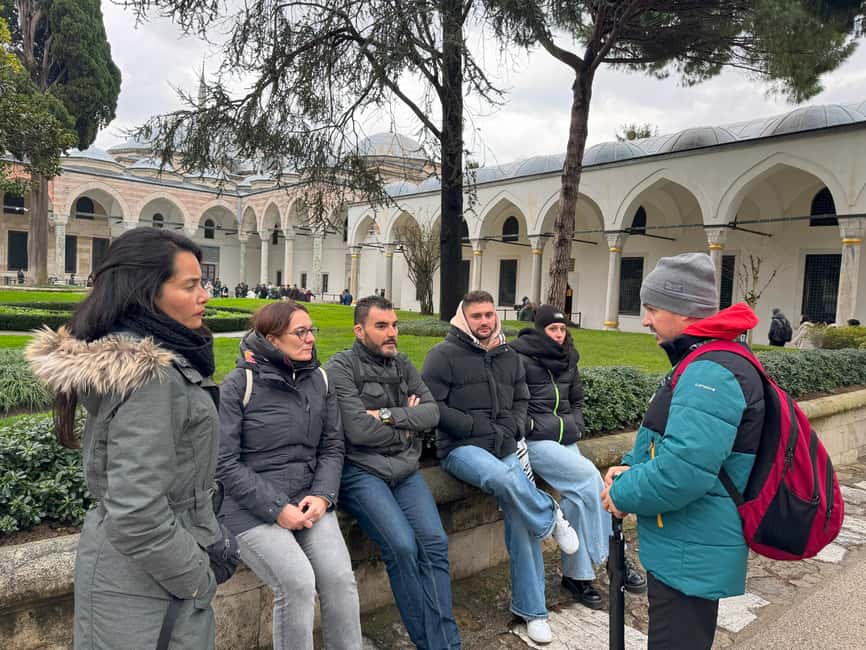
The strongest praise in the info you have isn’t about landmarks—it’s about people. Guides like Arif and Ferhat are specifically called out for keeping the day interesting and answering questions without making you feel silly.
Filiz gets a special nod too. The feedback emphasizes patience, day-before confirmation of meeting point details, and a deep interest in both Turkey’s history and current life. That kind of guide style changes how you experience a walking tour: you stop treating stops like boxes to tick and start treating them like connected stories.
If you care about asking questions—where something was, why it looks like it does, or how daily life fits into the bigger picture—this tour format gives you that chance. A great guide keeps you moving, but they also slow down when you need context.
Price and Value: What $180 Covers vs. Entrance Fees
At $180 per person, this tour is priced for people who want a guided full day without doing the planning themselves. The value is in the bundle: an English-speaking guide, lunch, drinking water, and guided time across four headline destinations plus the walking segments.
But you do need to budget for entrances that are not included. According to the details provided:
- Topkapi Palace entrance fee: 2000 Turkish Lira (museum pass accepted)
- Basilica Cistern entrance fee: 1300 Turkish Lira
- Hagia Sophia mosque entrance fee: listed as 25 EUR per person if you don’t select the inclusive skip-the-line option
That optional choice can also affect your day. If you’re visiting in peak season, skipping the queue at Hagia Sophia can be the difference between enjoying your schedule and feeling stressed by delays.
So is it worth it? For most first-timers, yes, because you get the structure. You’re paying for someone to manage the order, explain what you’re seeing, and help you avoid the worst waiting games—especially when the skip option is selected.
Practical Stuff Before You Go: Shoes, Scarf, and Rules That Are Real
This tour is a classic Istanbul “bring the basics” day, but a few items are non-negotiable because of site dress codes.
Bring:
- Comfortable shoes
- Sunglasses and sunscreen
- Hat or umbrella (weather can shift fast)
- Camera
- Insect repellent (helpful in warmer months)
- Cash
- A scarf or cover-up for required areas
Dress rules and restrictions are strict in multiple places. Avoid ripped clothing and see-through outfits. The tour also flags that clothes revealing shoulders, underarms, back, or knees are not allowed in some sites, and that enforcement can be firm.
If you’re traveling with a light daypack, keep your scarf where you can grab it quickly. You don’t want to spend valuable time hunting for it at the gate.
Also keep the walking in mind. The schedule is tight enough that you’ll feel it if you pack blister-causing shoes or forget to hydrate.
Who This Tour Fits Best (and Who Should Rethink It)
This works best if you:
- Want top Istanbul landmarks in one day
- Prefer guidance so you don’t spend time figuring out what matters at each site
- Like a small group format (small group is offered)
It’s not suitable if you have specific health or mobility needs. The tour information lists it as not suitable for:
- Pregnant women
- People with mobility impairments
- Wheelchair users
- People with heart problems
- People with respiratory issues
Hagia Sophia’s upper gallery involves stairs and is not recommended for tourists with mobility issues. So if stairs and long standing times are difficult for you, this itinerary may feel like a grind rather than a sightseeing day.
Should You Book This Istanbul Walking Tour?
Book it if you want one guided day that connects Roman, Byzantine, and Ottoman landmarks without you building a route from scratch. The itinerary flow makes sense: you start with the Hippodrome setting, learn your way into the big religious icons, then cool off in the cistern world, and finish with the power-story of Topkapi.
Skip it or rethink it if you know you’ll struggle with queues, dress code constraints, or sustained walking. If you’re especially concerned about time, select the Hagia Sophia skip-the-line option. That single choice can protect your day.
If you love history but don’t want to turn your trip into homework, this is a smart, efficient way to see the heavy hitters—while still getting the explanations that make the sights feel less random and more connected.
FAQ
How long is the Istanbul Walking Tour?
It runs for 8.5 hours.
Where does the tour start and where does it end?
You meet at the German Fountain, and the tour ends back at the same meeting point.
What’s included in the price?
The tour includes an English-speaking tour guide, lunch, drinking water, and Hagia Sophia skip-the-line entrance fees if you select the inclusive option.
What entrance fees are not included?
Topkapi Palace entrance fees and Basilica Cistern entrance fees are not included. Hagia Sophia mosque entrance fee may also apply if you don’t choose the inclusive option.
Does the tour offer skip-the-line for Hagia Sophia?
Yes. You can select an inclusive option that includes Hagia Sophia skip-the-line entrance fees. If you don’t select it, you may face a long queue.
What language is the guide?
The guide is listed as available in Spanish, Portuguese, French, Italian, English, and German.
What should I bring for the tour?
Bring comfortable shoes, sunglasses, hat, umbrella, camera, sunscreen, insect repellent, cash, and a scarf.
Are there any dress code rules?
Yes. Revealing clothing (shoulders, underarms, back, or knees) may be restricted at some sites. Ripped clothing and see-through clothing are not allowed. A scarf or cover-up is recommended.
Is the tour suitable for everyone with mobility or health issues?
No. It’s listed as not suitable for wheelchair users and people with mobility impairments, as well as people with heart problems or respiratory issues. It’s also not suitable for pregnant women.