REVIEW · CITY TOURS
Istanbul Small-Group City and Secret Streets Tour with Guide
Book on Viator →Operated by Tematique Tours · Bookable on Viator
Istanbul in three hours is a sprint, in a good way. This is a tight Old City walk with big names (Hagia Sophia, Blue Mosque, Topkapi area) plus short detours into lesser-known lanes, so it feels like you’re learning the city instead of just ticking boxes. I especially liked the small-group size and the way guides like Errol, Tolga, and Gamze explain what you’re seeing as you go.
My other favorite part is the mix of famous monuments and quieter stops, like Sogukcesme Sokak and the arts hub at Caferaga Medresesi. One thing to plan for: there’s a moderate amount of walking, and if you’re sensitive to loud crowds or hard-to-hear explanations, you’ll want good listening spots and maybe a coffee break mid-tour.
In This Review
- Key Highlights That Make This Tour Worth Your Time
- Price and What Three Hours Buys You
- How the Route Moves From Cistern Cool to Bazaar Chaos
- Basilica Cistern: Roman Engineering With a Cool-Down Effect
- Sogukcesme Sokak and Caferaga Medresesi: Where the City Gets Personal
- Hagia Sophia Grand Mosque: Seeing Justinian’s Scale Up Close
- Topkapi Palace and Sultanahmet: The Power Center in Plain Sight
- Hippodrome Fragments: Obelisks, the Serpent Column, and Sports-Politics
- Blue Mosque and Sultanahmet Square: Your Best Photo Backdrop Run
- German Fountain, Walled Obelisk, and the Small Monuments People Skip
- Tahtakale and the Spice Bazaar: Browsing With a Plan
- The Guide: Small-Group Energy, Big-Explanation Power
- Should You Book This Istanbul Small-Group Tour?
- FAQ
- How long is the Istanbul Small-Group City and Secret Streets Tour?
- What’s the maximum group size?
- Is the tour offered in English?
- Where do I meet, and where does the tour end?
- What’s included in the price?
- Is hotel pickup and drop-off included?
- How much walking should I expect?
- Does the tour include any admission tickets?
- What if the tour is canceled due to weather or low demand?
- How far in advance is this tour usually booked?
Key Highlights That Make This Tour Worth Your Time
- A short, well-paced 3 hours focused on the core Sultanahmet sights and nearby lanes
- Secret streets plus classic landmarks, including Hagia Sophia and the Blue Mosque area
- Hands-on context for Ottoman and Roman layers, not just dates and photos
- A real market finish at the Spice Bazaar, with practical tips for browsing
- Small group size (max 15), which helps you stay together in a packed neighborhood
Price and What Three Hours Buys You
At $72.59 for about 3 hours, you’re paying for structure, speed, and interpretation. You’re not getting a “hang around and look at stuff” walk—you’re getting someone to connect Roman, Byzantine, and Ottoman Istanbul into one route you can actually remember.
The value is strongest if it’s your first (or second) day and you want bearings fast. The best part is that the itinerary lines up sight after sight so the guide can explain how this area became the political and religious center of empires.
You can also read our reviews of more guided tours in Istanbul

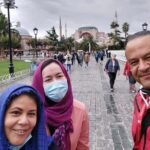

How the Route Moves From Cistern Cool to Bazaar Chaos
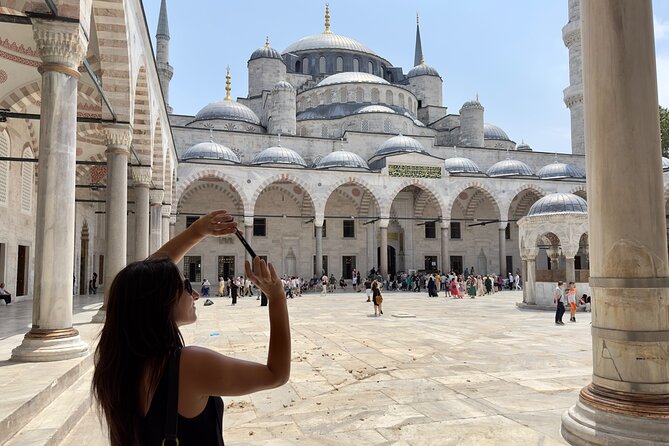
The tour starts at Foodie-ist Cafe and Brasserie Alemdar in Fatih and ends near Egyptian Bazaar (Spice Bazaar area) in Eminönü. That matters because the route naturally transitions from landmark-heavy Sultanahmet toward market streets, so the energy changes without feeling random.
Expect a steady walking flow and frequent “look, then understand” stops. You’ll likely get better value if you keep your phone charged and your questions ready—this is the kind of tour where the guide’s answers help you spot details you’d miss alone.
Basilica Cistern: Roman Engineering With a Cool-Down Effect
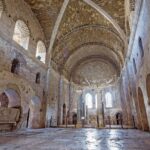
Basilica Cistern is one of Istanbul’s best “step inside and exhale” stops. This huge Roman-built cistern, commissioned by Emperor Justinian and built in 532, is an engineering flex you can feel in the room’s scale and the way the space holds back the heat outside.
Even if you don’t linger for long, you’ll come away with a strong mental image of how Istanbul used infrastructure to support a massive city. It’s also a smart choice early in the day because it’s visually dramatic and temperature-friendly.
Sogukcesme Sokak and Caferaga Medresesi: Where the City Gets Personal
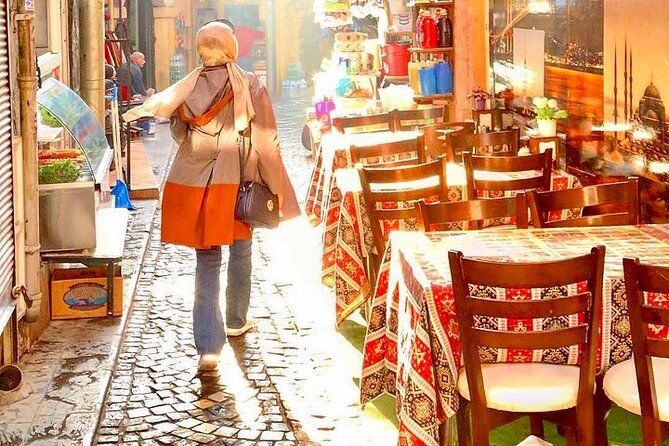
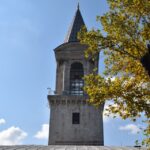
Sogukcesme Sokak is the kind of street you could walk past without noticing. Here, you’re looking at historic houses that lean against the wall of Topkapi Palace—a small detail that shows how Ottoman-era life shaped the built environment right up against power.
Then comes Caferaga Medresesi, a former medrese now tied to Turkish classical arts. This is where the tour can shift from architecture to craft: traditional work such as calligraphy, ceramics, jewelry, and similar handicrafts is taught, made, and sold. If you like seeing the human side of heritage (not just monuments), this stop hits.
Hagia Sophia Grand Mosque: Seeing Justinian’s Scale Up Close
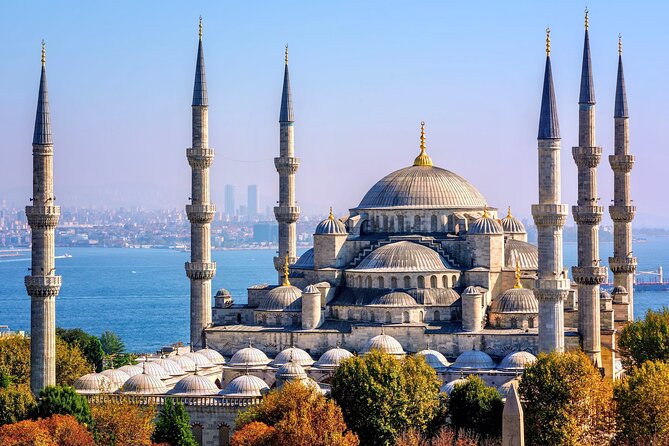
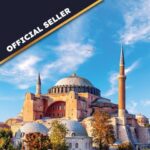
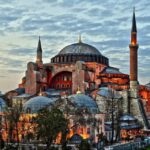
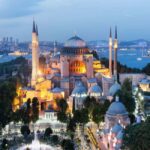
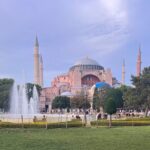
Hagia Sophia is a stop you can’t fake with photos. The building began as a church in 532 AD, became a mosque after the 1453 conquest, and has also served as a museum in modern times. Today it’s a grand mosque again, and you’ll get the sense that the architecture survived because it was built for impact.
What makes this stop work on a short tour is the explanation around the big elements: lofty interior space, surviving mosaics, and the enormous dome. A good guide will help you read the building like a story rather than a blur of marble.
You can also read our reviews of more city tours in Istanbul



Topkapi Palace and Sultanahmet: The Power Center in Plain Sight
Topkapi Palace is where Istanbul’s Ottoman rulers lived, worked, and managed empire life for centuries. The place comes with a lot of human drama in the way it’s described—sultans, courtiers, concubines, eunuchs—so the tour can turn history into something you can picture.
Right next door, Sultanahmet District is the “center of the Old City” idea made real. You’ll feel it as you walk: this is where Byzantine and Ottoman authority overlapped, so it makes sense that monuments cluster here.
Hippodrome Fragments: Obelisks, the Serpent Column, and Sports-Politics
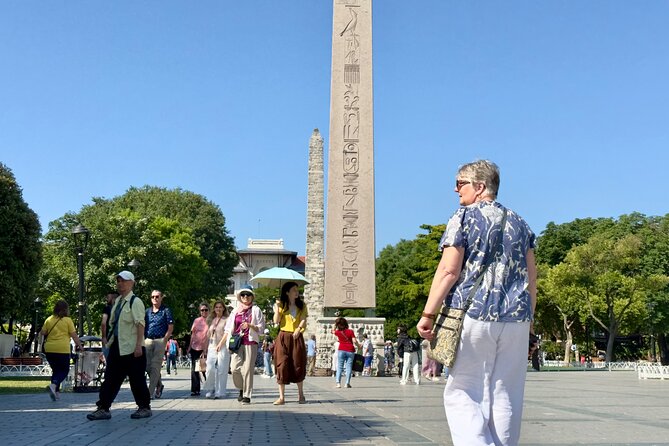
The Hippodrome of Constantinople was the social and sporting hub, and today it’s more like a stage with leftover props. The square may look smaller than you expect, but the monuments give you the bigger picture: a place where crowds gathered and politics always simmered nearby.
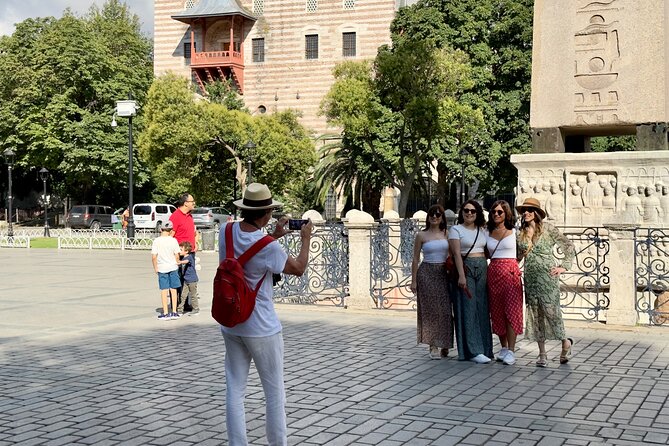
You’ll see key pieces tied to the original track decoration, including the Egyptian Obelisk and other fragments. The route also includes the Serpent Column (the Serpentine Column), linked to a bronze column originally connected to Greek traditions and later relocated to Constantinople. It’s one of those objects that makes you think, Wow—cities actually moved artifacts when they wanted to borrow prestige.
Blue Mosque and Sultanahmet Square: Your Best Photo Backdrop Run
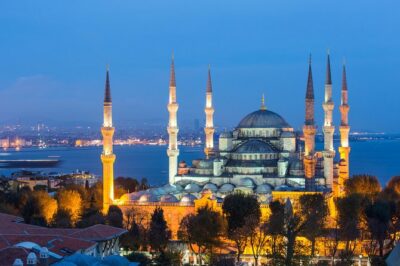
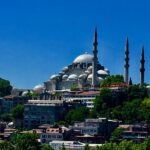
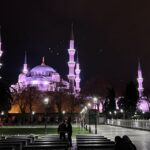
The Blue Mosque (Sultan Ahmed Mosque) is the visual payoff. It’s called Blue Mosque because of the bluish interior decoration with blue tiles around the walls, and the domed interior effect is the kind of thing you don’t fully get from the outside.
This tour also sets you up for a practical photo moment at Sultanahmet Square, where Hagia Sophia and the Blue Mosque are both in view. If you care about angles and timing, this is the time to slow down, frame carefully, and ask your guide where to stand for the best shot.
German Fountain, Walled Obelisk, and the Small Monuments People Skip
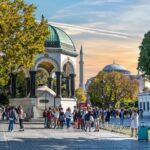
Not every stop is a “main event,” and that’s a good thing. The German Fountain (a gift from German Emperor Wilhelm II in 1898) is a reminder that Istanbul’s layers don’t end in the ancient world. The Walled Obelisk (Örme Dikilitaş) adds another Roman-era marker at the southern end of the old chariot-racing track barrier area.
On a short walk, these smaller monuments are useful because they keep you from zoning out. Your guide can explain how each one fits into the story of the site—especially around the Hippodrome area.
Tahtakale and the Spice Bazaar: Browsing With a Plan
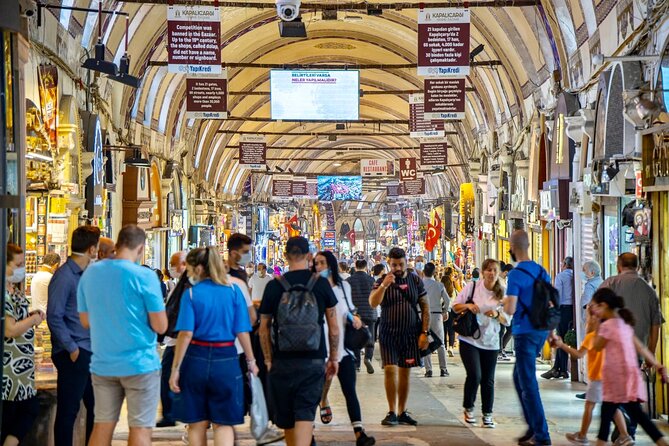
The tour doesn’t just end with a monument—it ends in a place you can actually keep exploring. Tahtakale is positioned as a “shop till you drop” kind of district where you can find lots of items at reasonable prices. It’s a good warm-up before the bigger sensory hit.
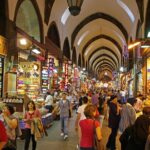
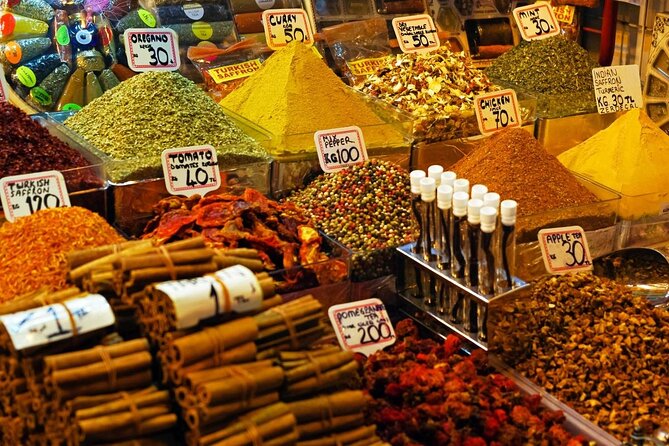
Then you land at Misir Çarşısı (Spice Market), also known as the Egyptian Bazaar. It’s an atmospheric Ottoman-era marketplace with vivid spices, plus classic sweets like lokum (Turkish delight). You’ll also see stalls for caviar, dried herbs, honey, nuts, and dried fruits.
If you want to shop without wasting time, this is where you can use the guide’s practical advice—especially tips for negotiating and what’s worth buying. Even if you only taste and browse, this finish gives the tour a satisfying Istanbul ending instead of a quick exit.
The Guide: Small-Group Energy, Big-Explanation Power
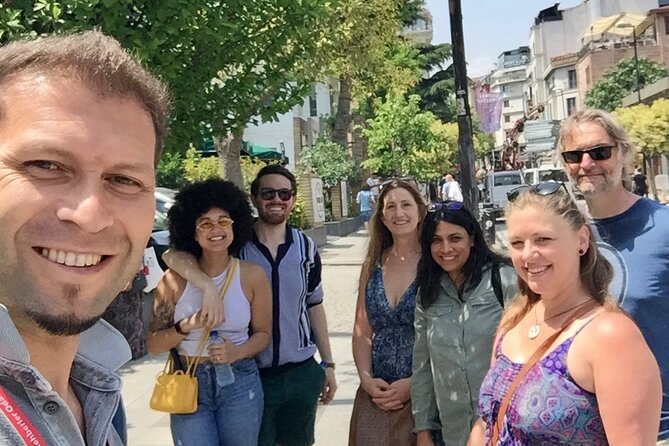
This is one of those tours where the guide can make or break it. The best experiences in the feedback circle back to guides who are friendly, easy to follow, and genuinely good at turning architecture and empire life into understandable details.
I’m a fan of the way some guides bring tools into the mix—one guide used an iPad to help bring Istanbul’s history to life. If yours does something similar, you’ll get more from the mosaics, domes, and layout because you can connect the visuals to the explanation.
I also like that guides can tailor the pace. When a group is small (and it can be as small as just a couple of people), the tour can shift toward what you care about—photo spots, market browsing, or clarifying how transport works once you’re on your own.
Should You Book This Istanbul Small-Group Tour?
Book it if you want a smart Old City orientation that hits major landmarks and adds a few “how did they build that here?” moments on the way. It’s especially good for first-timers who don’t have all day and want a route that makes sense geographically.
Skip it (or at least adjust expectations) if you hate walking or need lots of quiet time between stops. Also, if you’re counting on specific interior access beyond the mosque visit, confirm details ahead of time so you don’t feel surprised at the door.
FAQ
How long is the Istanbul Small-Group City and Secret Streets Tour?
It runs for about 3 hours.
What’s the maximum group size?
The tour has a maximum of 15 travelers.
Is the tour offered in English?
Yes, it’s offered in English.
Where do I meet, and where does the tour end?
Meet at Foodie-ist Cafe and BrasserieAlemdar, Muhterem Efendi Sk. No:13, Fatih. The tour ends after the Spice Market at Egyptian Bazaar (Rüstem Paşa, 34116 Fatih).
What’s included in the price?
An English-speaking professional guide is included, along with a small-group or private tour option depending on what you choose. You also receive a mobile ticket.
Is hotel pickup and drop-off included?
No. Hotel pickup and drop-off are not included.
How much walking should I expect?
There is a moderate amount of walking involved.
Does the tour include any admission tickets?
The tour listing indicates admission tickets are free at the stops, but it’s a good idea to confirm at booking for any interior access you care about.
What if the tour is canceled due to weather or low demand?
If canceled due to poor weather, you’ll be offered a different date or a full refund. If it’s canceled because the minimum number of travelers isn’t met, you’ll be offered a different experience or a full refund.
How far in advance is this tour usually booked?
On average, it’s booked about 36 days in advance.