REVIEW · GALLIPOLI DAY TRIPS
From Istanbul: Gallipoli and Anzac Full-Day Tour
Book on GetYourGuide →Operated by All Tours Istanbul · Bookable on GetYourGuide
Few places hit like Gallipoli. This full-day trip from Istanbul strings together the key World War I sites around the Dardanelles, including Anzac landing areas, cemeteries, and memorials. I love the small group size and the way a guide like Burak or Charlie turns the geography into a clear story you can actually follow. I also like that you get a full program of stops—from Kilitbahir Castle to Anzac Cove—so you’re not hunting around on your own. One thing to plan for: it’s a long, early day with lots of driving and walking on uneven terrain, so you’ll want good shoes.
You’ll start with hotel pickup on the European side of Istanbul, then head into the Dardanelles region with a breakfast stop en route and lunch in Eceabat. The centerpiece is a guided circuit of the sacred sites—Ariburnu, Anzac Cove, cemeteries, and the major commemorative spots—plus time at the ANZAC Museum to make sense of what you’re seeing. The possible drawback is simple: it’s not wheelchair-suitable, and there’s no option here for a slow, pick-your-pace visit.
In This Review
- Key highlights that make this tour worth the long day
- The Gallipoli day trip mindset: you’re visiting people, not just sites
- Hotel pickup in Istanbul: convenient, but only on the European side
- The road to the Dardanelles: breakfast stop at 09:30–10:00
- Eceabat lunch: a practical reset before the memorial circuit
- Narrowest point of the straits and Kilitbahir Castle (1463)
- The landing beaches: Ariburnu, Anzac Cove, and the feel of the coast
- Cemeteries and commemorative sites that land in your chest
- ANZAC Museum: the context you can’t fake with photos
- Turkish Canon Batteries and seeing the conflict from both sides
- John Simpson Kirkpatrick: one grave that makes the war feel human
- What to wear and bring for a 15-hour memorial day
- Price and value: why $159 can feel fair for what you get
- Who this tour fits best (and who should skip it)
- Should you book the Istanbul to Gallipoli full-day tour?
- FAQ
- Where does pickup and drop-off happen in Istanbul?
- What’s included in the tour price?
- Is breakfast included?
- What time does the tour return to Istanbul?
- How many people are in the group?
- Is this tour wheelchair accessible?
- Are drinks included with lunch?
- What are the rules on luggage and pets?
- What’s the cancellation policy?
Key highlights that make this tour worth the long day
- Small-group focus (up to 15 people): fewer people, easier movement between stops, more room for questions.
- A guide who makes the terrain make sense: names you might hear in the mix include Burak, Ibo/Ibi, Hassan, Charlie, and Hussein.
- Anzac landing sites plus major memorials: from Anzac Cove to Lone Pine and Chunuk Bair, you’ll connect the dots.
- ANZAC Museum learning time: you’re not just looking at plaques—you’re getting context.
- Kilitbahir Castle (1463): a powerful reminder the Dardanelles mattered long before 1915.
- Hotel pickup and drop-off: a real convenience for a 15-hour day.
The Gallipoli day trip mindset: you’re visiting people, not just sites
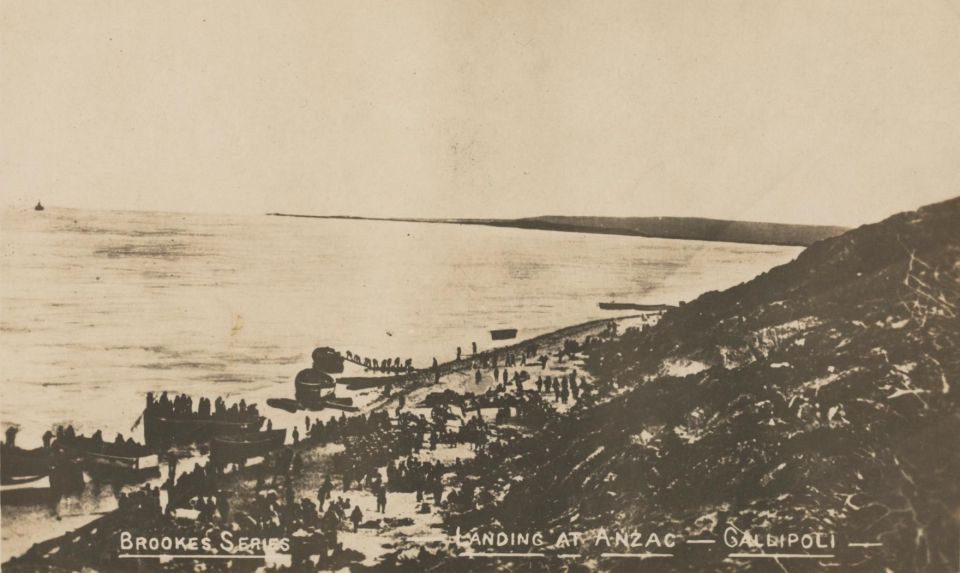
This is one of those trips where the driving time and the walking are part of the experience. You start in Istanbul early, then spend the day moving from battlefield to memorial to cemetery, letting each stop add a new layer. The tone is respectful, and your guide keeps the focus on what happened—and why these locations still matter.
What makes this tour work is the structure. You’re not hopping between random overlooks. Instead, you see the key places tied to the Gallipoli Campaign’s landings and the later commemorations, so your visit feels coherent from start to finish.
You’ll also learn that Gallipoli wasn’t one single moment. It was months of fighting, shifting positions, and fragile survival. Standing at sites like Anzac Cove, you’ll understand why “the landing” is only the beginning of the story.
You can also read our reviews of more tours and experiences in Istanbul


Hotel pickup in Istanbul: convenient, but only on the European side
Pickup is included from central hotels in the European side of Istanbul, specifically around Sultanahmet, Laleli, Topkapı, Aksaray, Taksim, Sirkeci, and Şişli. Asian-side hotels aren’t covered, so if you’re staying across the water, you’ll need to make your own way to a meetup point.
You’ll get an early start. The Taksim pickup window is roughly 6:00–6:20 AM, and the Sultanahmet pickup window is roughly 6:30–7:00 AM. Because meeting point details can vary by hotel, it’s smart to confirm the exact pickup time and location before your day starts.
Inside the tour’s air-conditioned coach, you can relax between stops. This matters because Gallipoli is far enough that you feel the day’s length. The comfort is a big deal when the total time is about 15 hours.
The road to the Dardanelles: breakfast stop at 09:30–10:00

Once you leave the city, your guide starts setting the stage. Even before you reach the battlefield sites, you’ll get a sense of what the Dardanelles was to both sides—an area where geography shaped everything.
Around 09:30–10:00 AM, you stop for breakfast en route. Breakfast itself isn’t included as an open buffet. You’ll be able to buy something during the stop, and you’ll want to do it—because you won’t eat lunch until you reach Eceabat later.
This morning leg is also where the best guides do their job. Great guides don’t just list dates. They explain the logic of movement, what soldiers were trying to achieve, and why the landings played out the way they did. If your guide is someone like Burak (a name that came up often), you can expect both serious detail and a bit of humor to keep you listening.
Eceabat lunch: a practical reset before the memorial circuit
When you arrive in the Gallipoli/Eceabat area, lunch is included at a restaurant in Eceabat Village. It also comes with panoramic views of the Dardanelles area, which is one of the reasons this stop feels more than just a meal break.
After lunch, you’ll switch into “site mode.” The timing matters because once you start the memorial and cemetery stops, you’ll likely want your energy steady. Plan to take your time at lunch—this is your main break before the long afternoon walking and standing.
Drinks aren’t included, so if you want something beyond water, plan for that cost. Also, if you’re the type who needs caffeine to stay focused, grab it during breakfast or lunch rather than trying to find it later.
Narrowest point of the straits and Kilitbahir Castle (1463)
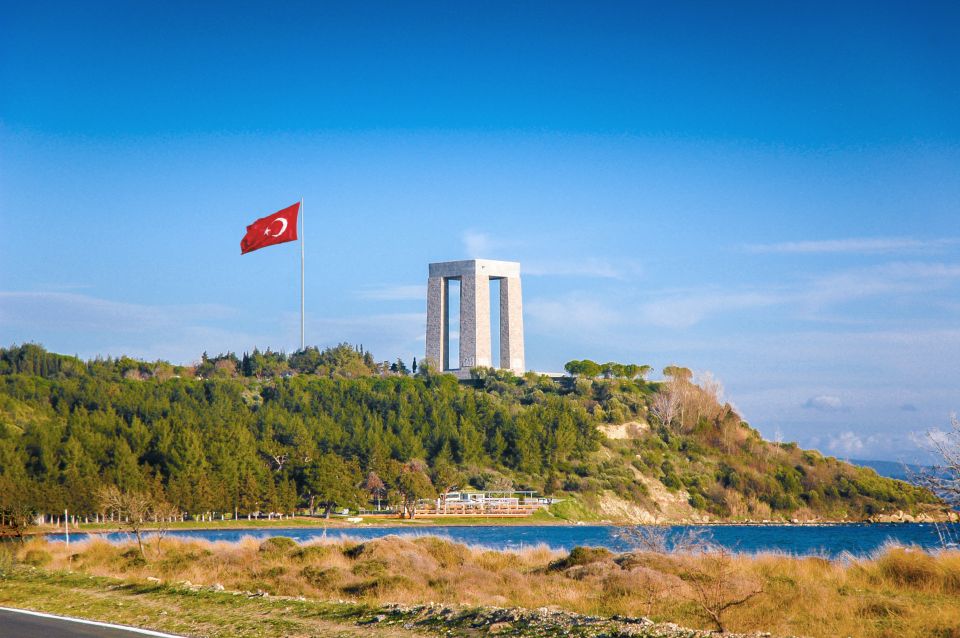
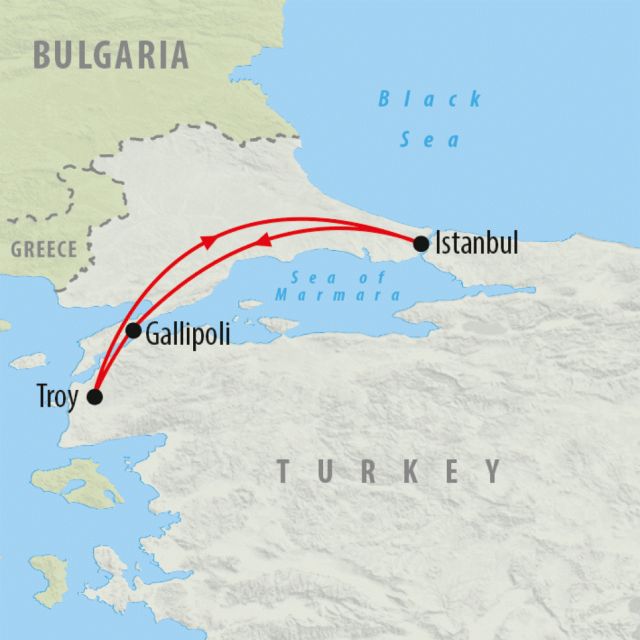
One of the smart choices on this tour is the order: you start with an overview near the narrowest point of the Dardanelles. This helps you get your bearings fast. Without that, it’s easy to see battle sites as unrelated patches of coast. With it, they start to feel connected.
Next comes Kilitbahir Castle, built by Fatih Sultan Mehmet in 1463 to protect the straits. This stop gives you a reality check: the Dardanelles has been strategic for centuries. When you see the fortress and understand its purpose, Gallipoli’s 1915 stakes feel less like a random historical event and more like the predictable result of geography.
If you like military architecture or just want a calm pause before the emotional stops, this is your “breathe and think” moment. Views from the castle area also help you understand why ships and troops struggled in the channel.



The landing beaches: Ariburnu, Anzac Cove, and the feel of the coast
After Kilitbahir, you head toward the landing beaches connected to the Gallipoli Campaign. Your guide explains how Allied Forces landed—British Empire troops with French support—and how the Anzacs (Australian and New Zealand Army Corps) became involved at Ariburnu.
Two place names anchor most people’s expectations:
- Ariburnu: linked to the Anzac landing areas.
- Anzac Cove: the main base area for Australian and New Zealand troops.
You’ll also see parts of the shoreline where soldiers set up base. Even though you’re modern-day standing on the same general coast, the guides make a key point: the ground you’re looking at is what men had to navigate under immense pressure.
This is where a strong guide changes everything. Some guides keep it factual and cold. The better ones use maps, photos, and clear explanations to connect the coastline to decisions soldiers had to make. Several guests specifically praised guides for being funny but respectful, and for answering tough questions about both sides of the conflict.
Cemeteries and commemorative sites that land in your chest
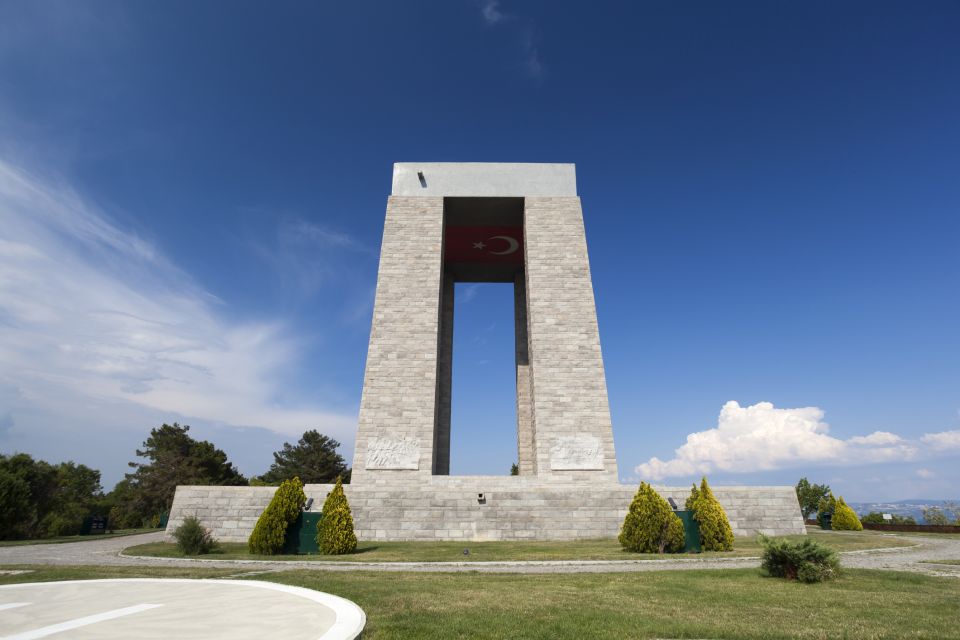
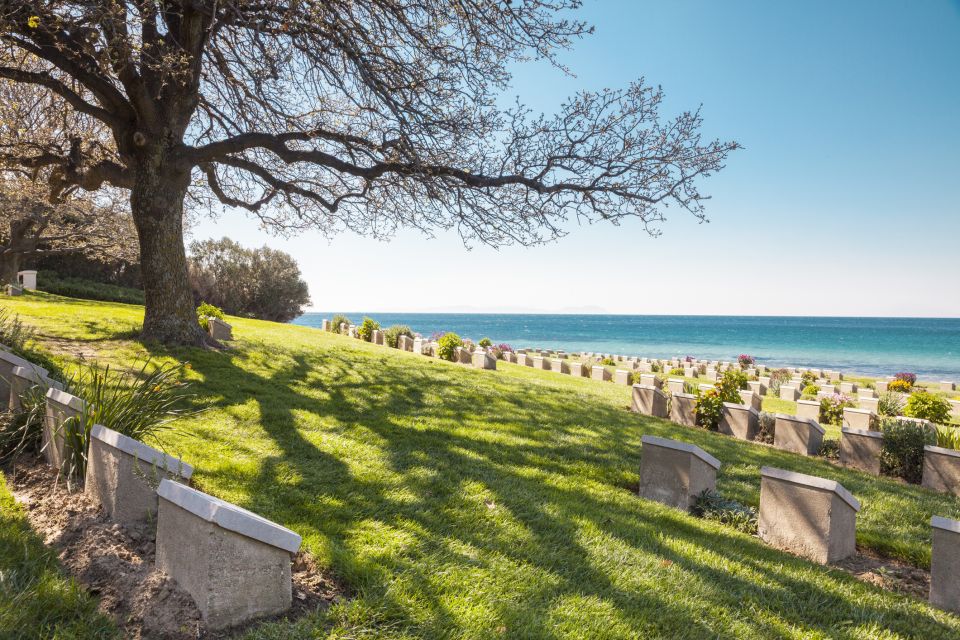
This tour isn’t only about beaches. It’s also about remembering. You’ll visit cemeteries and memorials that hold names and stories you won’t forget once you’ve read them.
Two stops often serve as emotional anchors:
- Ariburnu Cemetery
- ANZAC Commemorative Site
Then come the big memorial names many Australians and New Zealanders recognize:
- Lone Pine Australian Memorial
- Chunuk Bair New Zealand Memorial
The reason these stops hit so hard isn’t just the plaques. It’s the scale of loss and the way memorials are designed to hold absence. Your guide helps you understand who is commemorated where, and why certain ground became symbolic long after the fighting ended.
One especially moving detail from real experiences on this route: some guides have gone out of their way for personal connections. If you tell your guide you’re trying to find a relative’s grave, you might find the day turns more personal in a way you didn’t expect.
ANZAC Museum: the context you can’t fake with photos
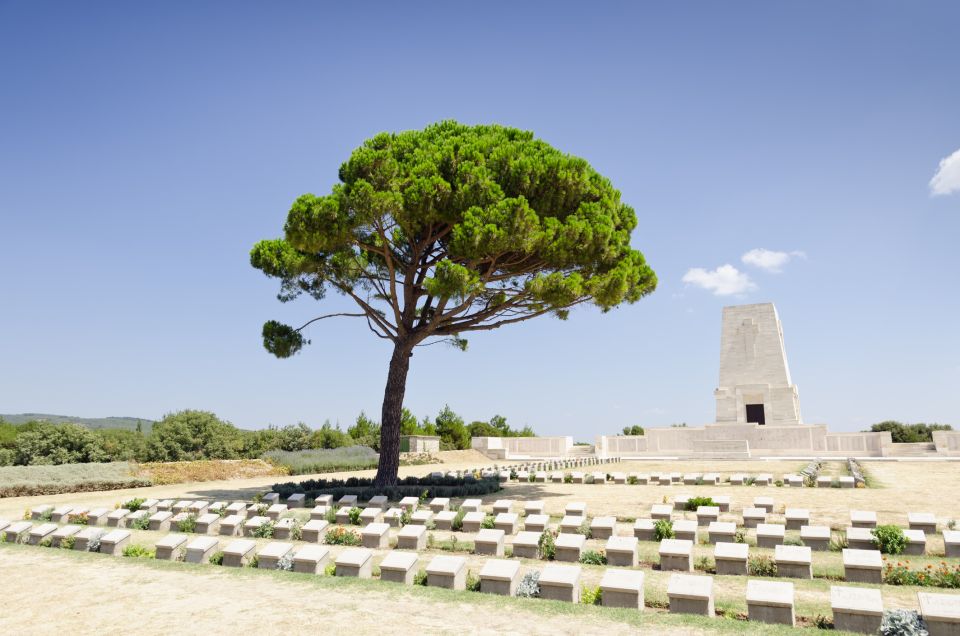
You’ll also learn about the tragic events of World War I at the ANZAC Museum. A museum stop is valuable because it gives you structure: timelines, names, and context that turn what you saw earlier into a clearer picture.
This matters because Gallipoli is hard to understand if you only rely on the emotional impact of the sites. The museum helps you place what you’re seeing into the broader campaign—why the landings happened, what conditions were like, and how the fighting unfolded.
Even if you’ve read about Gallipoli before, the museum can sharpen the details. And if you’re a first-timer, it’s the piece that turns your visit from a list of stops into an understandable story.
Turkish Canon Batteries and seeing the conflict from both sides
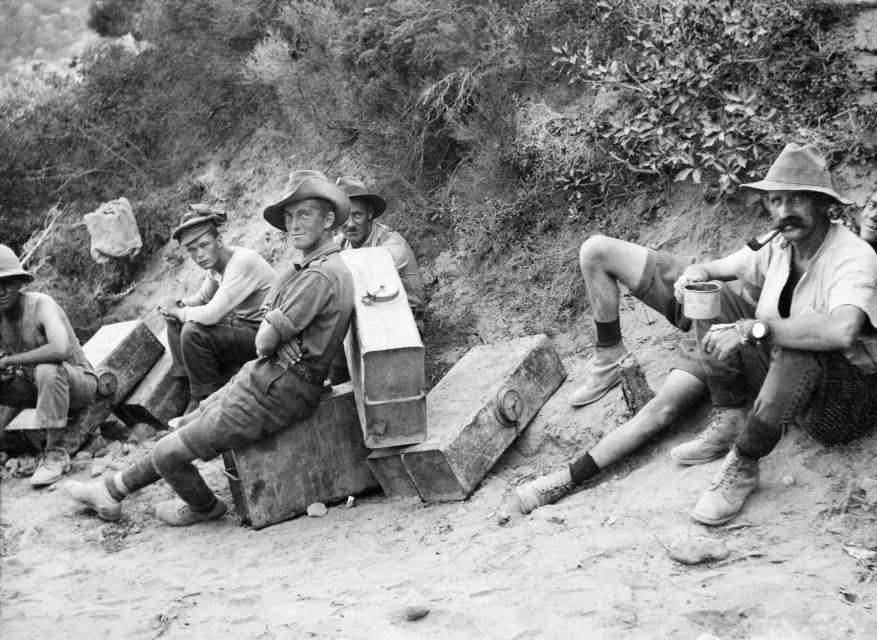
A good Gallipoli tour isn’t only told through one lens. You’ll visit Turkish Canon Batteries, which helps you understand the defensive side of the story.
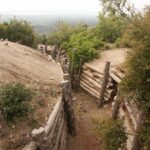
This is more than a “both sides” tagline. It’s practical. When you can picture where defenses were set and how the Dardanelles terrain shaped movement, the campaign stops feeling like a simple Allied plan that went wrong. Instead, it becomes a clash of difficult choices, strong positions, and relentless conditions.
Guides on this kind of route often explain why Turkish forces fought so tenaciously and how both armies were dealing with the same deadly mix of time pressure, supply problems, and harsh ground.
John Simpson Kirkpatrick: one grave that makes the war feel human
You’ll also learn about John Simpson Kirkpatrick, a well-known figure connected to the Anzacs, and you’ll see where he is buried. For many people, this is a turning point because it takes the story out of strategy and places it into human action.
You’ll be reminded that “front line” doesn’t just mean battle noise. It includes the injuries, the makeshift care, and the dangerous choices people made to save others.
This stop tends to feel quieter than the beach photos. Give yourself a moment here to slow down and read carefully rather than rushing for the next viewpoint.
What to wear and bring for a 15-hour memorial day
This is a long day, and the terrain is part of it. Wear comfortable shoes with grip. Bring sunglasses and a camera if you like photos, but keep expectations realistic: you’re there to pay respects first.
Your ID is required (passport or an ID card). You’ll also want to travel light because luggage or large bags aren’t allowed. If you’re used to hauling a daypack everywhere, keep it compact.
Also, pets aren’t allowed on the tour. If you’re traveling with animals, you’ll need to arrange separate care.
Price and value: why $159 can feel fair for what you get
At $159 per person for about 15 hours, this tour competes well with other guided day trips from Istanbul—especially because so much is bundled.
Here’s what’s included:
- hotel pickup and drop-off from central European-side areas
- air-conditioned coach transportation
- an English-speaking guide
- lunch at Eceabat Village
- entrance fees
- audio guide in English
What’s not included: drinks, and breakfast is not included as a buffet (you’ll stop around 09:30–10:00 AM).
For me, the best value is the combination of transport + guided context + admission fees. Gallipoli sites are spread out enough that doing it by yourself could easily turn into long, frustrating logistics. With this tour, you’re paying for someone to handle the driving and connect the sites with clear explanations—so you spend your energy where it matters: at the memorials.
Who this tour fits best (and who should skip it)
This tour is a strong match if you:
- care about World War I and the Anzac story
- want guided context rather than a solo self-drive puzzle
- like the idea of a small group and a clear route across key sites
It may not fit if you:
- need wheelchair accessibility (the tour isn’t suitable for wheelchair users)
- prefer very flexible pacing (this is a full-day circuit with set stops)
- want a light walking day (you should expect standing, moving, and uneven outdoor terrain)
Should you book the Istanbul to Gallipoli full-day tour?
If you want a respectful, efficient way to see the major Gallipoli sites in one day, this is a solid booking. The small-group setup, included lunch, entrance fees, and English guidance turn it into a manageable way to cover a lot of meaningful ground without the stress of organizing transportation yourself.
I’d book it if you’re willing to handle a long day and you want the sites connected into one story. I’d think twice only if mobility is an issue or if you’re hoping for a low-effort, minimal-walking visit.
FAQ
Where does pickup and drop-off happen in Istanbul?
Pickup and drop-off are available only from hotels in central areas on the European side of Istanbul, including Sultanahmet, Laleli, Topkapı, Aksaray, Taksim, Sirkeci and Şişli. No pickup/drop-off is available from the Asian side, so you’ll need another plan if you’re staying there.
What’s included in the tour price?
The tour includes hotel pickup and drop-off, air-conditioned transportation, an English-speaking guide, an audio guide (English), lunch at Eceabat Village, and all entrance fees.
Is breakfast included?
Breakfast is not included as an open buffet. There is an en route stop around 09:30–10:00 AM where you can get breakfast, but you should expect to pay for it.
What time does the tour return to Istanbul?
You depart Gallipoli area for Istanbul at 6:00 PM and arrive back at around 11:00 PM, with a rest stop on the way.
How many people are in the group?
The group is small, limited to 15 participants.
Is this tour wheelchair accessible?
No. The tour is not suitable for wheelchair users.
Are drinks included with lunch?
No. Drinks are not included.
What are the rules on luggage and pets?
Pets aren’t allowed. Luggage or large bags aren’t allowed either.
What’s the cancellation policy?
You can cancel up to 24 hours in advance for a full refund.