REVIEW · BLUE MOSQUE TOURS
Istanbul, Hagia Sophia, Blue Mosque, Grand Bazaar Walk Tour
Book on Viator →Operated by Vidi Guides · Bookable on Viator
Istanbul can overwhelm fast, so this tour helps you pace it. You get a local historian-style audio guide plus a GPS map that keeps you oriented as you hop between major sights. I like that it’s built for wandering at your own tempo, not herded on a tight schedule. One thing to consider: it’s self-guided, so your phone and access setup matter.
My favorite parts are the way it strings together the big-name icons with useful context, and the freedom to linger when a scene grabs you. You’ll move from Hagia Sophia and the Blue Mosque to the Hippodrome and the Basilica Cistern, then finish in the Grand Bazaar maze. The tour also adds smart extras like a stop at a carpet and kilim museum and photo-bait spots aimed at quick, good Instagram frames.
The only real catch is practical. There are a couple of paid stops (and the tour doesn’t include headphones), so you’ll want a charged phone and a plan for entrances you choose to pay. If the audio or access link doesn’t work on your device, you may need time to troubleshoot.
In This Review
- Key highlights that make this walk tour worth your time
- Price and time: how this $9.63 tour fits a real Istanbul day
- The self-guided format: audio, GPS, and why it works in Istanbul
- Hagia Sophia Grand Mosque: one stop that explains how Istanbul changed
- Carpet and Kilim Museum: the craft stop people often skip
- Blue Mosque: the landmark, plus what to notice as you walk around
- Great Palace Mosaics Museum: art history without the textbook feel
- Hippodrome: an ancient square you can still feel
- Turkish and Islamic Arts Museum: when you want a quieter, indoor kind of culture
- German Fountain: a surprising connection in a city of empires
- Basilica Cistern: the ticketed stop that’s worth planning for
- Cağaloğlu Hamam: a traditional break, with a real cost
- Nuruosmaniye Camii: a late Ottoman mosque stop that rounds out the route
- Grand Bazaar finish: where the tour ends and your wandering begins
- What the low price really gets you (and what it doesn’t)
- Who this tour suits best
- Should you book it?
- FAQ
- How long is the Istanbul Hagia Sophia, Blue Mosque, and Grand Bazaar walk tour?
- Is this tour private?
- What’s included in the tour price?
- Do I need headphones or a mobile phone?
- Which entrances cost extra?
- Where do I start and end the tour?
Key highlights that make this walk tour worth your time
- Offline audio mode so you can listen without WiFi while you walk
- GPS, location-aware navigation to help you find each stop fast
- Iconic route linking Hagia Sophia, the Blue Mosque, and the Basilica Cistern
- Optional paid culture stops like the Turkish & Islamic Arts Museum and hamam
- Carpet and kilim museum + palace mosaics for craft and art beyond the headline mosques
- Grand Bazaar finish so you end right where you can keep exploring on your own
Price and time: how this $9.63 tour fits a real Istanbul day
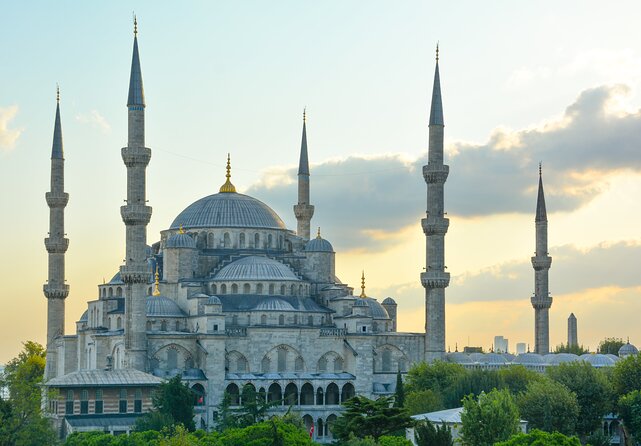
At about $9.63 per person for a 1 to 3 hour walking experience, this is one of those deals that makes sense for travelers who want structure without buying a full-day guided program. The price is low enough that you’re not paying a premium just for basic visibility of the monuments—you’re paying for the narration, the route, and the helpful tools like GPS and offline audio.
The scheduling is also flexible. You’re not stuck in a slow-motion parade. You get short stop blocks (roughly 10 minutes per listed site), but the format is self-paced. That matters in Istanbul, where lineups, crowd flow, and detours can turn a simple plan into a long one.
A practical note: headphones and your mobile device aren’t included. So factor in time to download the audio in advance and test your volume before you start walking. If you rely on WiFi for the audio, you’ll be fighting the city.
You can also read our reviews of more walking tours in Istanbul



The self-guided format: audio, GPS, and why it works in Istanbul

This is handled by Vidi Guides, with narration delivered through your device using a local historian-style audio track. The tour’s biggest value is how it reduces friction: you don’t need to constantly open maps, search for each location, or guess what you’re looking at.
Here’s what the tools mean for you on the ground:
- Offline mode: download tours ahead of time. When you’re in and around big sights, signal can be spotty, and you don’t want your narration cutting out mid-sentence.
- GPS map: helps you follow a route between stops without turning your day into a scavenger hunt.
- Location-aware navigation: you’re guided by your position, which is useful when Istanbul’s streets start blending together.
- Instagram hotspot suggestions: these aren’t “must pose” moments, but they can help you find an angle quickly when you want a clean shot without spending 20 minutes adjusting.
- Private activity for your group: you won’t be squeezed into a big crowd dynamic if you’re traveling with friends or family.
If you want a guided feeling but hate group pacing, this fits. If you hate phone-based navigation, you may want to think twice.
Hagia Sophia Grand Mosque: one stop that explains how Istanbul changed
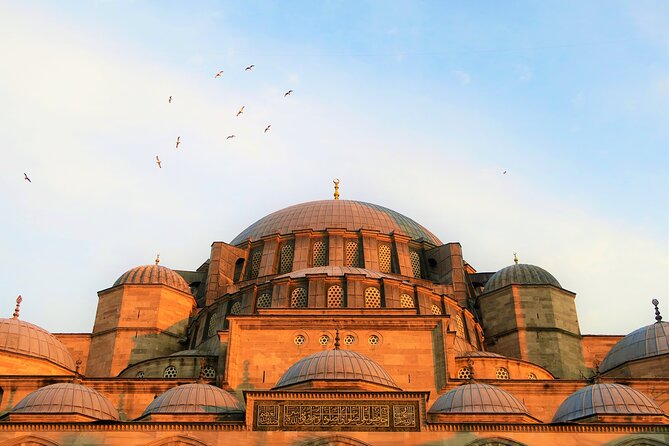
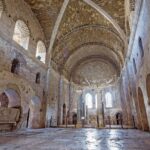
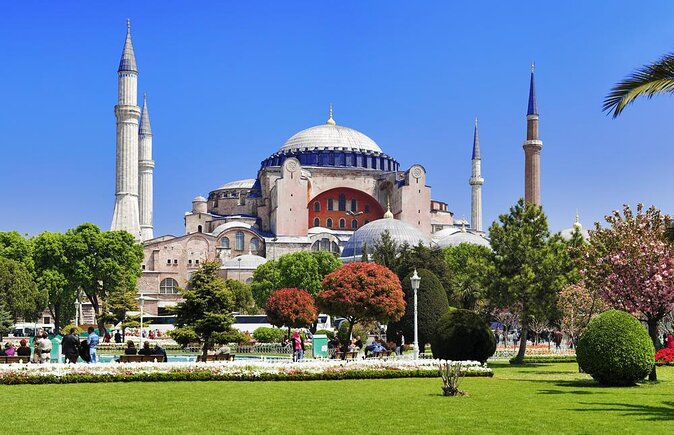
Your walk begins around Hagia Sophia Grand Mosque, a site that has worn multiple identities over time—church, museum, and now mosque. The tour’s value at this stop is less about facts you can read on a plaque and more about giving you a way to understand what you’re seeing as you move around.
What I like about starting here is simple: it sets the storyline. Hagia Sophia is not just a building you look at. It’s a lens for understanding why Istanbul looks the way it does—layers of empire, faith, and art stacked on the same square.
Practical tips for this first stop:
- Plan for some time inside. The stop is listed as short, but you’ll likely want more.
- If you’re trying to conserve energy for later sights, use this as your “big wow first” moment, then keep moving.
Carpet and Kilim Museum: the craft stop people often skip
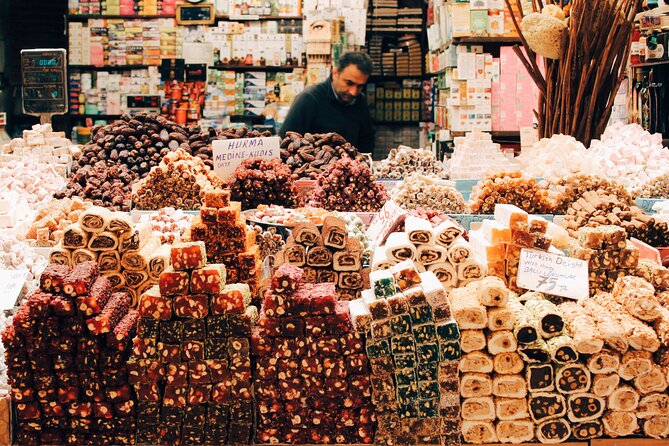
Between the headline mosques, you get a breather at the Carpet and Kilim Museum. This is where the tour earns points for variety. Instead of only architecture and relics, you also spend time learning about traditional Turkish weaving.
Even with just a short visit, this can change how you notice patterns later—especially if you start seeing textiles in shops or think about the design language used across Turkish art forms. It’s a good stop for travelers who enjoy cultural details and not just landmark photos.
Just remember: admission to this museum is not included, so you’ll need to decide if you want to pay to go in. If you’re shopping-focused, this can also help you separate what’s decorative from what’s meaningful.
Blue Mosque: the landmark, plus what to notice as you walk around

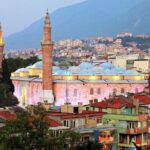
Next is the Blue Mosque, one of Istanbul’s best-known icons. The tour keeps it efficient with a short stop and free admission listed for this stop.
What makes this worthwhile in a self-guided format is that narration can help you notice the specific visual elements you might otherwise miss when crowds are moving around you. You don’t just see it; you understand why it became a symbol.
Considerations:
- If you only have a limited time window in Istanbul, the Blue Mosque is a must stop. It’s also a site where you’ll likely see a lot of visitors, so your best experience comes from staying calm and letting the audio guide you rather than trying to “win” the photo race.
You can also read our reviews of more shopping tours in Istanbul





Great Palace Mosaics Museum: art history without the textbook feel
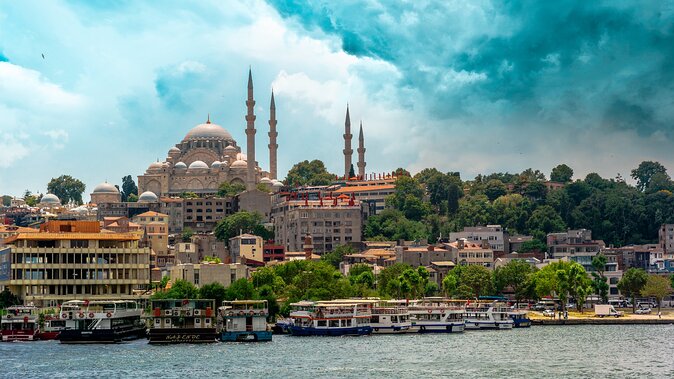
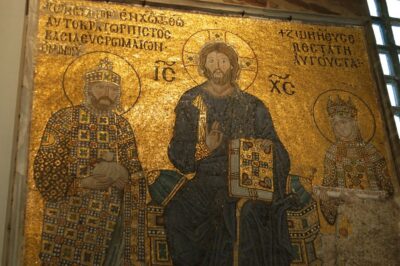
The Great Palace Mosaics Museum is one of those stops that sounds niche until you’re standing in front of the work. Here you’ll see ancient mosaics tied to the world of Constantinople.
Admission is not included, but I think it’s a smart paid add-on if you like visual history. Mosaics can be hard to grasp from a distance, and the room itself makes the experience feel more focused than walking around big open squares.
This stop also breaks up the day nicely: after mosque-heavy architecture, you get something smaller, detailed, and still ancient.
Hippodrome: an ancient square you can still feel

The Hippodrome is an open-air place and you’ll likely get more value if you slow down slightly. The tour frames it as the historic square for chariot racing, now functioning like a kind of open-air museum.
Why this matters in the larger story: if you’ve only experienced Istanbul through religious sites, it can be easy to forget the city was also a place of public spectacle. Chariot racing tells you something about social life—who gathered, what drew crowds, and how power and entertainment mixed in daily life.
Admission is free here, which helps keep costs down while still giving you a meaningful stop.
Turkish and Islamic Arts Museum: when you want a quieter, indoor kind of culture
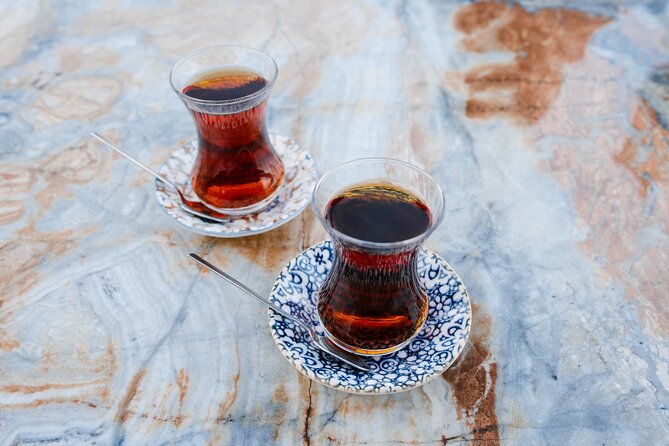
Next comes the Turk ve Islam Eserleri Muzesi (Turkish and Islamic Arts Museum). This is inside a palace setting and focused on centuries of Turkish and Islamic art. It’s listed as a short stop, and admission is not included (60 Turkish Lira per person).
If you’re the type who enjoys objects, craftsmanship, and the way art reflects belief and daily life, this is the kind of museum that pays off. If you’re museum-tired, treat it as optional and don’t feel guilty skipping if your day is already packed.
Also, this is a good place to cool off or reset your feet for the rest of the route.
German Fountain: a surprising connection in a city of empires
The German Fountain is quick, free, and easy to miss if you’re not looking for it. The tour gives you context about Turkey’s relationship with Germany in the early 20th century.
Why I like this kind of stop: it makes Istanbul feel less like a museum and more like a living city with ongoing international connections. If your brain is only wired for centuries-old Byzantium and Ottoman eras, this refreshingly modern historical thread can give you a fuller picture.
Basilica Cistern: the ticketed stop that’s worth planning for
Then you reach one of Istanbul’s most memorable interior spaces: the Basilica Cistern. Admission is not included, so you’ll need to budget if you want to go in.
What makes this special is the mood. Even when you walk past it quickly, you can feel it’s different from the outdoor sights. Inside, the architecture and water-driven atmosphere change the pace of the visit.
If you’re trying to keep your total spending low, you might be tempted to skip it. But if you’re here for the big “Istanbul feels like a movie” moment, this is the one I’d protect in your schedule.
Cağaloğlu Hamam: a traditional break, with a real cost
The tour includes a stop at Cağaloğlu Hamami (Cağaloğlu Hamam), a traditional hamam. Admission is not included and listed at 30 Euro per person.
This is where the “value” question becomes personal. The hamam can be a memorable cultural experience, but it’s also a paid add-on. If you do it, treat it like an appointment: wear comfortable clothing you can handle afterward, and don’t schedule it if your day already feels tight.
If you’d rather keep the day walking-focused, you can still use this stop as a photo or a quick interest moment, but the full experience depends on entering and paying.
Nuruosmaniye Camii: a late Ottoman mosque stop that rounds out the route
Next is Nuruosmaniye Camii, an Ottoman mosque built toward the end of their empire. Admission is free for this stop.
I like this stop because it adds time depth after you’ve already absorbed the big earlier landmarks. You get another layer of Ottoman architectural identity, which helps you see the city as evolving rather than frozen in time.
If your legs start to feel heavy, this is still manageable because the stop is short and the surroundings make it easy to take a few steady looks rather than a long slog.
Grand Bazaar finish: where the tour ends and your wandering begins
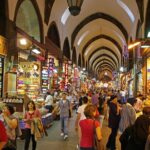
The tour finishes in the Grand Bazaar, ending at Beyazıt, Kalpakçılar Cd. No:22. The listed idea is straightforward: after the structured stops, you’ll “get lost” in the maze of shops and alleyways.
This ending works well because Istanbul’s shopping areas reward lingering. If your feet are still fine, you can keep walking through side passages. If you’re tired, you can pop out toward cafes and rest without needing to return to a tour route.
Two practical cautions:
- The bazaar environment can be mentally loud. Use your audio as an energy tool earlier in the day, not as background noise while you’re trying to negotiate crowds and prices.
- If you’re planning to buy anything, take a breath before you commit. Compare a bit before you pay.
What the low price really gets you (and what it doesn’t)
For $9.63, you’re buying:
- a self-guided audio experience via a device
- offline access after downloading
- a GPS, location-aware route
- a private setup for your group
- suggested photo stops
You’re not buying:
- headphones or a mobile device
- entrance fees for certain museums and the hamam
- a full-day itinerary or dedicated transport
- guaranteed entry timing for any sites, since access can depend on how busy each location is when you arrive
So, this tour is best as a tool for planning your own rhythm. If you want someone to physically escort you step-by-step and handle entrances, you’ll likely want a different format.
Who this tour suits best
This walking tour is a good match if you:
- want a budget-friendly structure without a long group schedule
- like learning through short stops and narration
- don’t mind using your phone for audio and navigation
- want the biggest Istanbul icons in a manageable 1 to 3 hour window
It may be less ideal if you:
- don’t like troubleshooting tech
- hate walking in crowded pedestrian zones
- want an included museum experience every time (some key interiors cost extra)
Should you book it?
Yes, with a simple strategy. Book it if you want a low-cost way to see major landmarks like Hagia Sophia, the Blue Mosque, and the Basilica Cistern, while keeping control of your pace. The offline audio and GPS support are the real reason this can work even when streets get confusing.
I’d hesitate only if you know your phone battery is unreliable or you’re unlikely to download audio beforehand. And because one past experience included trouble accessing the tour and required intervention for a refund, I’d keep a backup plan: charge your device fully and make sure you can open the audio on-site before you get deep into the route.
FAQ
How long is the Istanbul Hagia Sophia, Blue Mosque, and Grand Bazaar walk tour?
The tour duration is listed as about 1 to 3 hours.
Is this tour private?
Yes. It’s listed as a private activity where only your group participates.
What’s included in the tour price?
You get access to a self-guided audio tour, offline mode, a GPS map (location aware), and Instagram hotspot suggestions. Headphones are not included.
Do I need headphones or a mobile phone?
The tour information says headphones are not included and mobile device is not included, so you’ll need your own setup to listen and follow the GPS.
Which entrances cost extra?
Not-included entrances include the Turk ve Islam Eserleri Muzesi (60 Turkish Lira per person), and Cağaloğlu Hamami (30 Euro per person). Other listed sites show free admission where noted.
Where do I start and end the tour?
You start at Cankurtaran, At Meydanı Cd No:1, 34122 Fatih/İstanbul and end at Beyazıt, Kalpakçılar Cd. No:22, 34126 Fatih/İstanbul near the Grand Bazaar.