REVIEW · AUDIO TOURS
Kucuksu Pavilion Skip-the-Line Ticket with Audio Guide
Book on GetYourGuide →Operated by Istanbul Tourist Pass® · Bookable on GetYourGuide
Two streams, one pavilion, no line. Küçüksu Pavilion is a calm detour from Istanbul’s rush, and the skip-the-line ticket helps you start exploring quickly. What I like most is you can set your own pace with a professional English audio guide, instead of being stuck in a group rhythm.
I also love the setting: the pavilion sits between two streams and gives you Bosphorus views, plus that mix of Ottoman and Western design. One drawback to consider is that this is self-guided—there’s no guided tour included, so if you want a live expert talking in real time, you may want to pair it with something else.
In This Review
- Key highlights at a glance
- Küçüksu Pavilion: Bosphorus Views and a Between-the-Streams Setting
- Skip-the-Line Entry: How It Helps You See More Without Rushing
- The English Audio Guide: Your Personal Pace, Not a Script
- Entering the Pavilion Grounds: What to Notice First
- Inside the Two-Storey Building: Reading Ottoman-Style Form
- The Garden and Bosphorus Views: Don’t Rush the Outside
- Ottoman Meets Western Design: How to Spot the Blend
- Museum Time: How to Turn Entry Into Understanding
- Price and Value: Is $14 Worth It?
- Who Should Book This Ticket (and Who Might Want More)
- Should You Book Küçüksu Pavilion with Audio and Skip-the-Line?
- FAQ
- Where is Küçüksu Pavilion?
- How much does the skip-the-line ticket cost?
- How long is the visit?
- What is included with this ticket?
- Is a guided tour included?
- What language is the audio guide?
- Can I cancel for a full refund?
- Is there a reserve and pay later option?
- Does the ticket help you avoid lines?
Key highlights at a glance

- Skip-the-line entry gets you inside Küçüksu Pavilion without the hassle of waiting
- English professional audio guide lets you learn as you walk, pause, and repeat
- Built in 1751 under Sultan Mahmud I with later updates in 1856–1857
- Two-storey brick-and-stone pavilion surrounded by a garden setting
- Ottoman meets Western design, with Bosphorus views you can actually enjoy
Küçüksu Pavilion: Bosphorus Views and a Between-the-Streams Setting
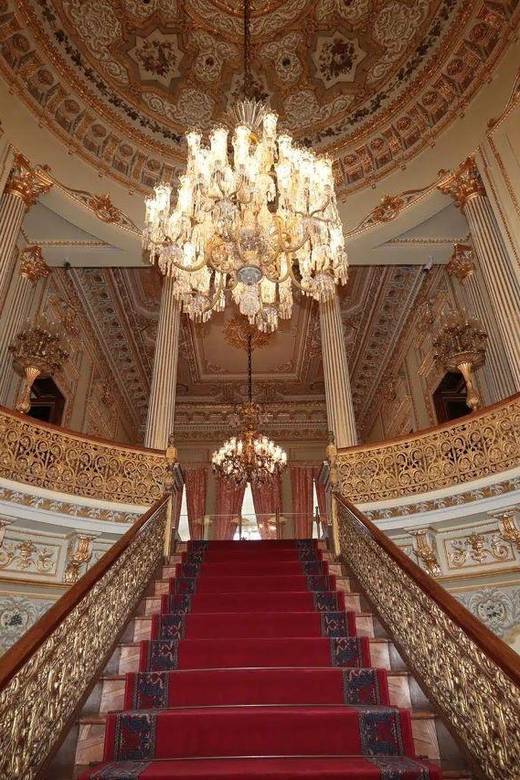
Küçüksu Pavilion is the kind of place that feels like it was made for slowing down. It’s positioned between two streams, and that small detail changes the whole mood of the visit—you’re not just looking at a building, you’re experiencing the landscape around it.
The story behind it is also unusual and very Istanbul. The pavilion was constructed during Sultan Mahmud I’s reign and opened in 1751, built on the recommendation of a Grand Vizier. Later, it took on its current form in 1856–1857, so what you see isn’t frozen in time; it’s layered.
As a bonus for planning, the pavilion is a museum now (since 1983). That matters because it tells you to expect interpretive material and a visitor-focused setup, not just empty rooms and guesswork.
You can also read our reviews of more tours and experiences in Istanbul


Skip-the-Line Entry: How It Helps You See More Without Rushing

You’re paying for time savings here. At $14 per person for a day ticket, the value is really about convenience: you avoid line pressure and get more of your visit to yourself. With a self-guided experience, that’s a big deal, because you can spend longer where you’re curious and move on when you’re not.
A skip-the-line ticket also pairs well with the pavilion’s style. Küçüksu isn’t the kind of stop where you sprint through highlights. It’s better enjoyed in small sections—exterior views, then the building, then garden moments—so the faster start helps your brain settle into the right pace.
One practical tip: since this experience is valid for 1 day, you can plan it as a flexible half-day or full-day wander. If your schedule is tight, this ticket still works because you’re not locked into a fixed group route or a live guide tempo.
The English Audio Guide: Your Personal Pace, Not a Script
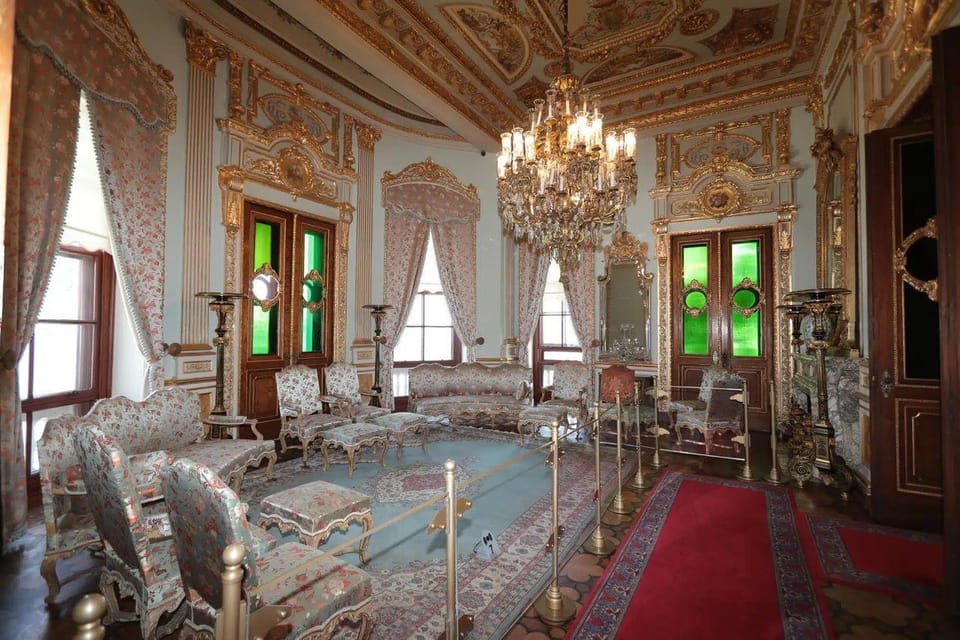
This ticket includes a professional audio guide in English, and that’s the core of the experience. Instead of relying on signs alone, you’ll have a running explanation as you explore Küçüksu Pavilion at your own pace—ideal if you like to stop, look closely, and then readjust.
Here’s how to get more out of audio guides at historic sites like this:
- Keep your phone/counter volume low enough to stay comfortable, but high enough that you don’t miss key context.
- Don’t worry about finishing every track. Spend your time where you actually want to understand the building.
- If you’re standing somewhere with Bosphorus views, pause the guide and look first—then resume to connect the view to what you’re learning.
Because the pavilion changed over time (1751, then 1856–1857), audio guidance helps you interpret what looks “older” versus what looks like later styling. Even if you’re not an architecture nerd, the guide can give you a way to read the place like a story.
Entering the Pavilion Grounds: What to Notice First
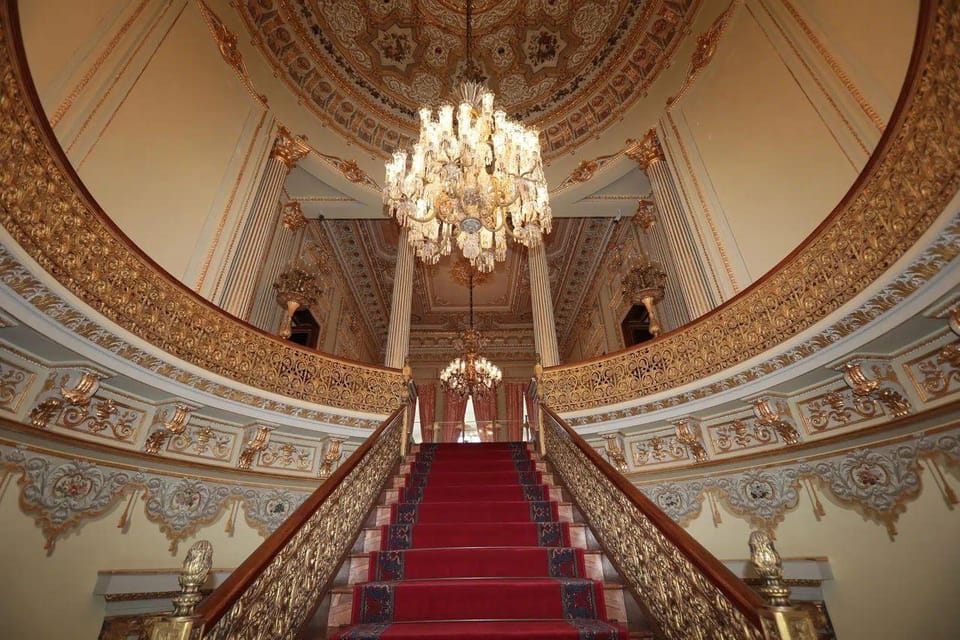
Start with the big picture: Küçüksu Pavilion is two-storey and built from brick and stone, set in a garden with a historical ambiance. When you arrive, take a moment to orient yourself to the layout and sightlines before you press play on the audio.
The “between two streams” location is not just pretty trivia. It gives you a natural rhythm for the visit—moments of sound and movement outside, then back to the building’s more structured atmosphere. If you like places that feel lived-in and calm, this is a strong match.
You’ll also want to notice how the pavilion relates to the Bosphorus. The information you’re given points you toward that fascination with the Bosphorus shores, which helped shape why this kind of pavilion was built in the first place. When you connect view to purpose, the architecture makes more sense.
Inside the Two-Storey Building: Reading Ottoman-Style Form

Once you’re inside, the pavilion’s two-storey design is the first thing to pay attention to. Even without a guided lecture, you can use the guide to understand how the building’s structure supports different spaces and perspectives.
Küçüksu was originally constructed under Sultan Mahmud I, then reshaped in 1856–1857 into what you see today. That timeline matters because it helps you expect differences—details that may feel more Ottoman in character alongside elements that reflect a Western design influence. In other words, you’re not just walking through one “style era.” You’re walking through a change in taste.
If you’re used to museums where everything is behind rope barriers, approach this with a little patience. A pavilion is a different kind of museum space than a fortress or temple. You may get the best experience when you move slowly and treat rooms and corridors as part of a visual route rather than a checklist.
You can also read our reviews of more guided tours in Istanbul




The Garden and Bosphorus Views: Don’t Rush the Outside
A lot of the value here is that you don’t just “see” the pavilion. You experience it from outside too. The site is known for both the garden setting and Bosphorus views, and the pacing of a self-guided visit is perfect for catching those moments.
If you only spend your time indoors, you miss half the point. The pavilion’s very reason for existing was tied to the Bosphorus shoreline fascination. So when you step outside—look for the sightlines the building frames. Then go back in with the view in your memory.
This is also a smart place to do micro-breaks. Pause. Walk a bit. Check the angle again. Küçüksu’s location between two streams makes the outdoor experience feel quieter and more grounded than you might expect for Istanbul.
Ottoman Meets Western Design: How to Spot the Blend
One of the standout themes is the blend of Ottoman and Western design. That doesn’t mean you’ll see one switch flipped. More often, it shows up in details and proportions—things like how the building reads as formal and courtly, while certain elements reflect Western influence after later changes.
Here’s what you can do to make this connection yourself:
- Use the audio guide to learn what parts belong to which historical phase (1751 vs. 1856–1857).
- When you see a decorative or structural feature, ask: does it feel more “traditional” Ottoman, or more Western in approach?
- Compare what you notice in the building with what you feel in the setting—formal structure inside, scenic openness outside.
This kind of interpretation makes the visit more satisfying. Instead of thinking, I’m just touring a pavilion, you’ll think, I’m seeing a timeline. And that’s exactly what changes a basic photo stop into a real memory.
Museum Time: How to Turn Entry Into Understanding
Because Küçüksu Pavilion became a museum in 1983, you’ll likely find the space set up for visitors to make sense of the building and its story. That’s useful if you’re not carrying around a lot of background reading.
Even with museum interpretation, self-guided visits can drift into “look and go” mode. The audio guide included here helps fix that. Treat it like a walk-through, not like background noise. If a track mentions a date like 1751 or 1856–1857, pause and look for clues in the building’s features.
And if you’re the type who likes to learn without overstudying, this is ideal. The audio format means you can choose how deep to go. You’re not stuck listening to something at full volume for the entire visit.
Price and Value: Is $14 Worth It?
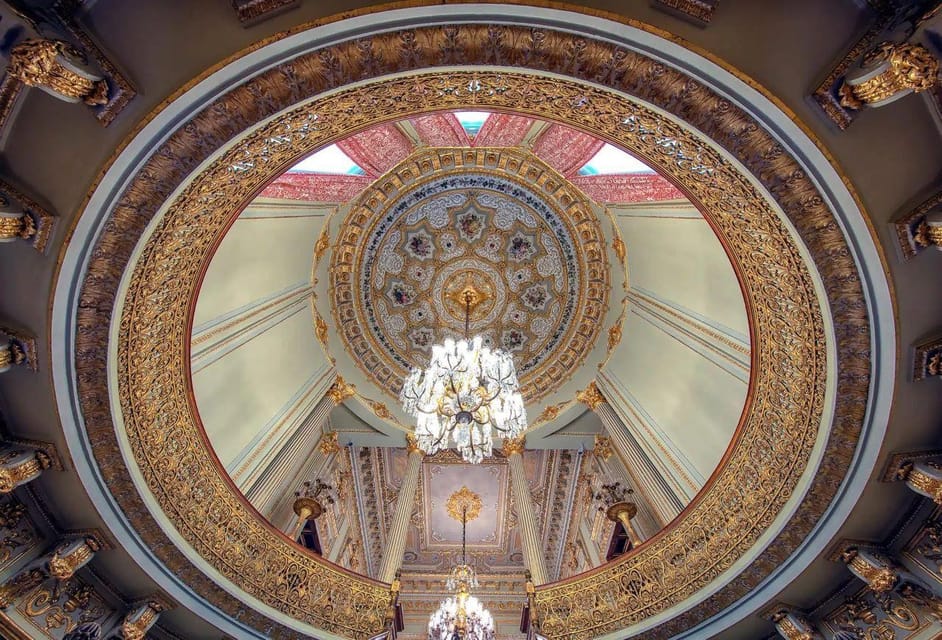
Let’s talk value in plain terms. At $14 per person for skip-the-line entry plus a professional English audio guide, you’re paying for two things: convenience and interpretation.
If you already know how to explore on your own, the audio guide is the value driver. It’s what turns a building visit into a guided learning experience without the cost (and scheduling pressure) of a live tour.
If you hate waiting in lines, the skip-the-line ticket also matters. Even if the waiting itself is short, the stress isn’t. You start your visit calmer, and with a self-paced experience, calmer usually means you spend more time actually looking.
So who does this suit best?
- People who like to move at their own pace
- Visitors who enjoy architectural and historical context
- Anyone who wants a focused visit that still includes views and outdoor time
If you’re expecting a fully hosted, narrative-heavy guided tour, this isn’t that. It’s a self-guided ticket with an audio brain.
Who Should Book This Ticket (and Who Might Want More)
This experience makes sense if you want:
- Skip-the-line access
- An English audio guide to explain the pavilion and its features
- A calm visit centered on architecture, garden ambiance, and Bosphorus views
It might be less ideal if:
- You strongly prefer live guidance (since guided tours are not included)
- You want a tightly structured itinerary with a person herding you along
That said, even if you enjoy human guides, this can still be a smart standalone day plan. You get the building’s story in audio form, then you can decide later whether you want to add other Istanbul stops with a live guide.
Should You Book Küçüksu Pavilion with Audio and Skip-the-Line?
I’d book it if you want an efficient, self-paced way to experience a historic pavilion with real context. The audio guide in English and skip-the-line entry make it easier to spend time looking instead of waiting or guessing.
I wouldn’t book it as your only Istanbul history experience if you’re the type who needs a live expert. Since there’s no guided tour included, the visit depends on how much you enjoy learning on your own with audio.
If your goal is to connect the building (brick and stone, two storeys) with the place (garden, two streams, Bosphorus views) and the timeline (1751, updated 1856–1857, museum since 1983), this ticket is a practical, good-value way to do it.
FAQ
Where is Küçüksu Pavilion?
Küçüksu Pavilion is in the Marmara Region of Turkey.
How much does the skip-the-line ticket cost?
The price listed is $14 per person.
How long is the visit?
The ticket is valid for 1 day.
What is included with this ticket?
You get skip-the-line entry to Küçüksu Pavilion and a professional audio guide in English.
Is a guided tour included?
No. Guided tours are listed as not included.
What language is the audio guide?
The audio guide is available in English.
Can I cancel for a full refund?
Yes. You can cancel up to 24 hours in advance for a full refund.
Is there a reserve and pay later option?
Yes. The booking offers reserve now & pay later.
Does the ticket help you avoid lines?
Yes. It is a skip-the-line entry ticket.