REVIEW · ISTANBUL CITY HIGHLIGHTS & PRIVATE TOURS
Byzantian and Ottoman City Tour Museum fees Lunch Inc
Book on Viator →Operated by Kuantum Travel - Turkey Tours 2026 · Bookable on Viator
Eight hours, two empires, zero guesswork. This Istanbul tour packs Byzantine and Ottoman landmarks into one smooth day, with museum tickets and lunch built in so your time goes to monuments, not line-waiting.
I like the pace-supporting comfort: you ride in an A/C vehicle and you’re kept moving with a licensed guide and timed stops. I also like that the big-ticket entrances are handled for you, especially for Hagia Sophia, Topkapi Palace, and Hagia Irene.
The tradeoff is the schedule feels tight. Several viewpoints are just about 15 minutes each, so if you want long, slow wandering and extra photo time, you’ll want to plan follow-up visits on your own.
In This Review
- Key highlights worth your attention
- Price and logistics: what you’re really paying for
- Getting picked up in Harbiye and staying on schedule
- Hippodrome monuments: short stops that explain old power
- Blue Mosque: the 30-minute look that sets your baseline
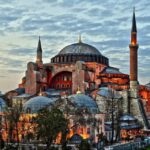
- Hagia Sophia Grand Mosque: Byzantine origins meeting Ottoman additions
- Grand Bazaar: seeing 4,000 shops without losing your mind
- Topkapi Palace: Ottoman power, rooms, relics, and all
- Hagia Irene Museum: the quieter cousin inside Topkapi grounds
- Lunch included: a reset that keeps the day enjoyable
- Who this tour fits best, and who might want a different pace
- Should you book this Byzantine and Ottoman City Tour?
- FAQ
- How long is the tour?
- Is pickup and drop-off included?
- Are entrance fees included?
- Is lunch included?
- What sites are visited during the day?
- What language is the tour guide?
- What if I need to cancel?
- Is the group size limited?
Key highlights worth your attention
- Museum tickets included for Hagia Sophia, Topkapi Palace, and Hagia Irene to save time and hassle
- Air-conditioned roundtrip transfers so you’re not sweating your way between sites
- Hippodrome spina monuments in short stops that still explain the Constantinople story
- Hagia Sophia and Blue Mosque back-to-back to compare styles, faiths, and architectural ideas
- Grand Bazaar access with enough time to see how the market is organized by trade
Price and logistics: what you’re really paying for
This tour is $300 per person for an 8 to 9 hour day, with roundtrip pickup and drop-off included. That cost matters less as a number and more as what’s inside the day: entrances, a guide, lunch, and transport are all bundled.
The value angle here is simple. In Istanbul, the main drains on your day are (1) ticket lines, (2) figuring out how to move between major sites, and (3) heat and fatigue. This plan reduces all three by handling the entrance fees where it counts most and moving you in an A/C vehicle between clusters of sights.
Also, you’re not dealing with huge crowds. The tour caps at 30 travelers, which usually makes it easier to hear the guide and keep your group together at busy landmarks like Sultanahmet and the Grand Bazaar.
One practical note: drinks are not included. Lunch is provided, but you’ll still want water, especially if you’re traveling in warm months.
You can also read our reviews of more city tours in Istanbul

Getting picked up in Harbiye and staying on schedule
Pickup starts at Cumhuriyet Caddesi Harbiye (Cumhuriyet Cd., İstanbul, Türkiye). They ask you to be ready in your hotel lobby, and the day ends back at the meeting point, so there’s no mystery about where you’ll land.
You’ll also get a mobile ticket, and the tour runs in English. That matters because these sites can get complicated fast, especially around Hagia Sophia’s shifting religious roles and Topkapi’s Ottoman court life. A good guide can translate the why behind what you see, not just the what.
Timing is built into the structure. Your schedule includes a long anchor block at the largest sights (Hagia Sophia, Topkapi Palace), plus shorter “checkpoint” moments at the Hippodrome area and nearby monuments. It’s a smart way to cover more ground without pretending you’ll have time to linger everywhere.
If you’re the type who likes breathing room between sites, plan for it here to be limited. Wear comfy shoes and bring layers that work indoors and outdoors. Places like Hagia Sophia and Topkapi often feel cooler once you’re inside, so you’ll be glad you didn’t wear just one thin layer.
Hippodrome monuments: short stops that explain old power
The day opens at the Hippodrome, Istanbul’s ancient sports-and-spectacle center. Even though the area is now open and spread out, the tour uses a set of monuments to show you what once sat along the Hippodrome spina—basically the ceremonial spine of the arena.
You’ll spend about 15 minutes at each of these early stops. That’s not a lot of time, but it’s enough if the guide is steering you toward the right details. The point is orientation: you want your brain to connect the stones to the bigger Constantinople picture.
Here’s what you’ll see as you move through the Hippodrome cluster:
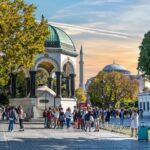
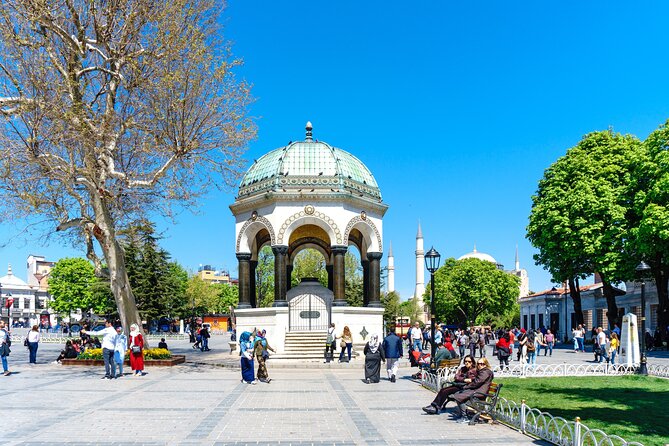
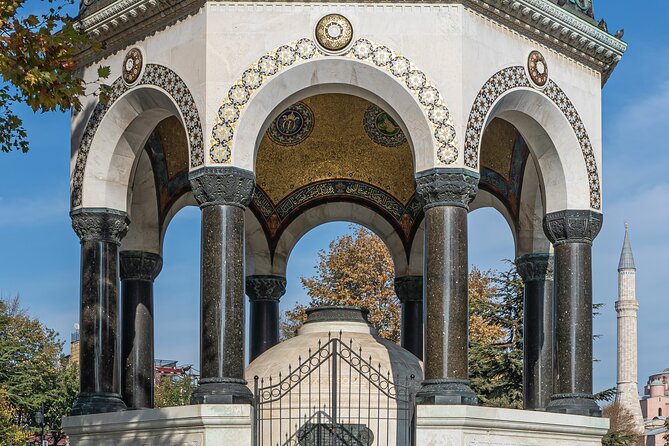
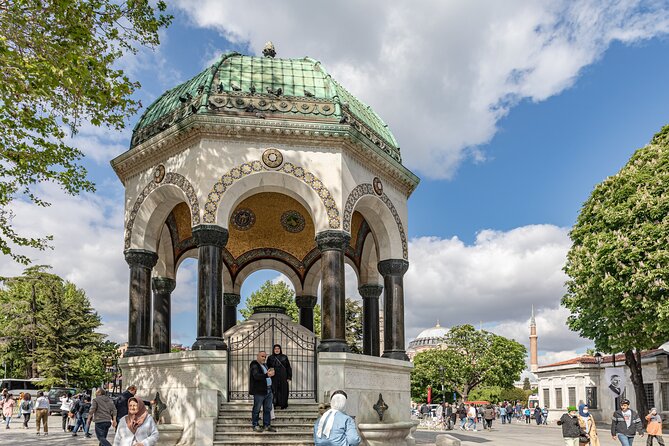
- German Fountain: You’ll hear how this fountain sits in Sultanahmet Square across from the tomb of Sultan Ahmet I. It was made in Germany in a neo-Byzantine style, erected in Istanbul in 1901, and decorated inside with gold mosaic. The tour frames it as a present from German Kaiser Wilhelm II to the Sultan and the city. It’s a great reminder that Istanbul’s story isn’t only ancient—it gets revisited by later empires too.
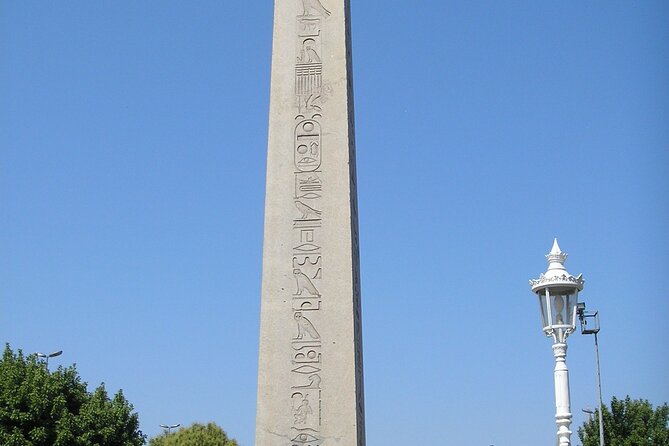
- Obelisk of Theodosius: This obelisk connects deep time. It was originally commissioned by Egyptian Pharaoh Tuthmosis III (15th century BC) and later reused and erected in the Hippodrome during Theodosius I’s reign. The story is loaded, and the monument feels like a timeline you can walk around.
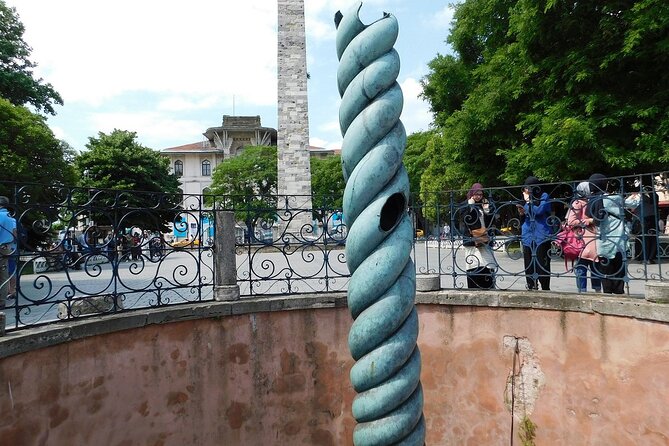
- Serpent Column: One of three remaining monuments from the Hippodrome of Constantinople, now positioned between the Obelisk of Theodosius and the Masonry Obelisk. It helps you picture how the arena once looked when it was packed with sculpture and ornament.
- Walled Obelisk: About 32 meters high, likely a Theodosian construction built to mirror the Obelisk of Theodosius. The tour also ties it to the Circus Maximus in Rome, where two obelisks sat on the spina.
With stops this brief, your best move is mental. Keep your phone away for a moment and listen for the guide’s key framing sentences. If you’re chasing every photo, you’ll miss the connections that make these stones matter.
Blue Mosque: the 30-minute look that sets your baseline
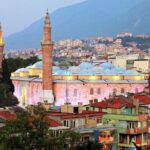
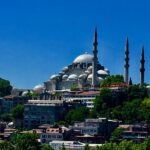
Next up is the Blue Mosque, sometimes called the Sultan Ahmed Mosque. You’ll get about 30 minutes, which is enough time to register the architecture and notice the famous interior tilework.
The tour highlights what gives the mosque its nickname: beautiful blue Iznik tiles. That’s your anchor detail. If you know what to look for—tile patterns, the overall symmetry, and how the interior light changes as you move—you’ll leave with more than a quick exterior glance.
The main practical consideration at this kind of stop is pacing. You won’t have time to treat it like a half-day event. This is a baseline stop meant to set up Hagia Sophia right after, where the stakes are higher and the architecture does more talking.
If you’re sensitive to crowds, try not to fixate on the first perfect spot. Let the flow shift a bit, and you’ll usually find a better angle without feeling like you’re fighting for space.
Hagia Sophia Grand Mosque: Byzantine origins meeting Ottoman additions
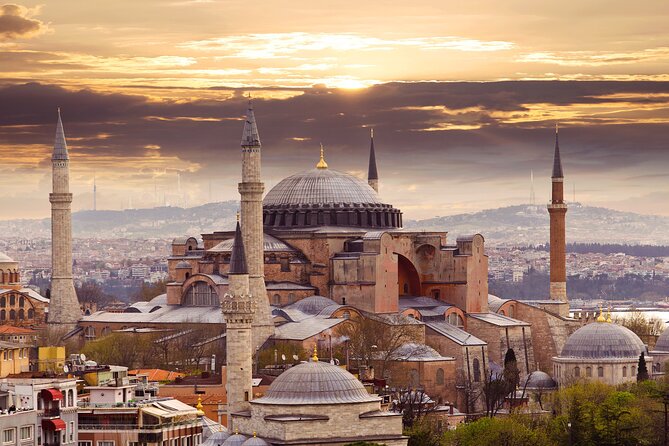
Hagia Sophia is the big anchor of the day, with about 1 hour on-site and admission included. This building has had multiple identities over the centuries: built as a Christian church in the 6th century under Emperor Justinian I, later turned into a mosque, then used as a museum, and then a mosque again.
What I like about this tour’s framing is that it treats Hagia Sophia as a layered structure, not a single-era postcard. You’ll see how Islamic features—like minarets and inscriptions—sit alongside the lavish mosaics from the Christian period. The building becomes a physical timeline of religious change in the region.
That matters for you because it changes how you look. Instead of asking only what is “original,” you start noticing what was added, what was adapted, and how the building kept its sense of scale through each transition.
One realistic heads-up: Hagia Sophia is huge, and an hour can feel short if you wander without direction. Since your guide is there, use the hour strategically—focus on the main interior views first, then circle back to details once you have the overall layout in your head.
You can also read our reviews of more museum experiences in Istanbul



Grand Bazaar: seeing 4,000 shops without losing your mind
After Hagia Sophia, the tour heads to the Grand Bazaar. You’ll have about 1 hour here, and entrance is free as part of the tour plan.
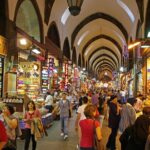
The Grand Bazaar can feel like a living maze. The tour approach helps: it points you to how it’s organized by trade areas, so you’re not just wandering randomly. You’ll learn that there are more than 4,000 shops, with sections for different crafts and goods.
Some of the trades you’ll see highlighted include goldsmiths, carpets, and Turkish arts and crafts such as hand-painted ceramic plates, hand-honed copperware, brazware and trays, water ewers, onyxware, and meerschaum pipes.
How to make this hour work for you:
- Go in with one or two “target categories” so you don’t burn time browsing everything.
- If you want souvenirs, choose practical items you can carry easily.
- If you’re more into the atmosphere, slow down for the narrow passages and shopfront details.
Because the tour schedule is moving, you won’t have time to be deep in one shop for long. That’s okay—the goal here is to understand the bazaar and sample it, not shop for three days.
Topkapi Palace: Ottoman power, rooms, relics, and all
Topkapi Palace gets about 1 hour, with museum admission included. This is where the Ottoman story shifts from architecture into daily governance and court life.
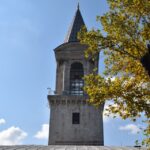
The tour positions Topkapi as the palace of Ottoman sultans from the 15th to the 19th centuries. You’ll see a collection built around that imperial world: precious gems, jewelry thrones, and costumes worn by sultans and their families. You’ll also encounter miniatures and major religious artifacts like the Holy Mantle and the Chamber of Sacred Relics.
What makes this stop valuable for you is that it’s not just decorative. It helps you understand how power was displayed—through objects, textiles, ceremonial items, and the way the palace preserved its role as a center of authority.
The “consideration” with Topkapi is the same as with any major museum: you can’t see everything thoroughly in an hour. Use your guide’s route to hit the key rooms first, then decide whether you want extra time in a specific section after the tour window.
Hagia Irene Museum: the quieter cousin inside Topkapi grounds
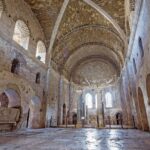
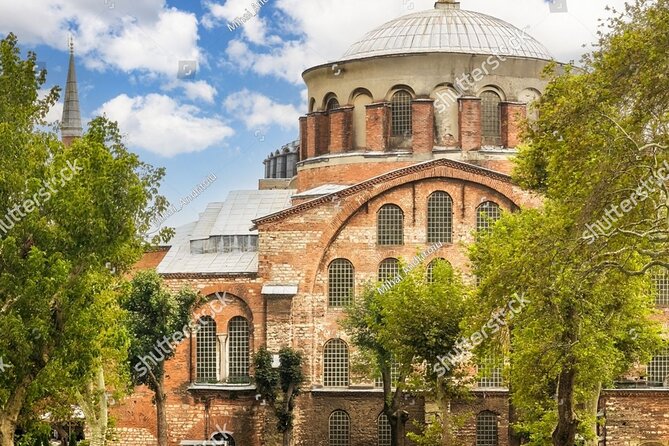
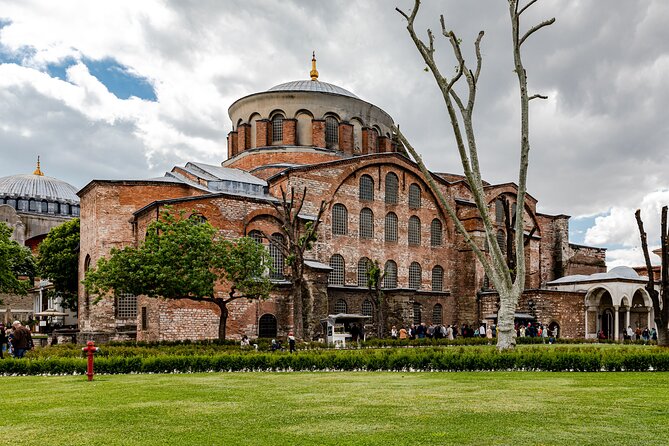
Hagia Irene Museum is a shorter, focused stop at about 45 minutes, and admission is included. It’s built during the same period as its neighbor Hagia Sophia, described as from the 4th century, and the name Hagia Irene Church is given as meaning Godly or Holy Wisdom in Greek.
After the conquest of Istanbul, the tour explains it was incorporated into the Topkapi Palace grounds and converted into a mosque, with no major structural changes made to the building itself. That detail matters. It means you’re seeing continuity in stone, even after the building’s purpose shifted.
For me, this stop is often the best “breather.” Topkapi can feel intense with its scale and objects, and Hagia Irene offers a quieter, architectural focus. It’s a good chance to regroup and let the earlier sights sink in.
Lunch included: a reset that keeps the day enjoyable
Lunch is included, and the tour treats it as a proper break, not just a quick stop. The included meal is described as authentic and delicious, and one useful extra detail from the day’s feedback is that there are options to choose from, which makes it easier if you have preferences.
Since drinks are not included, I’d plan ahead by carrying a water bottle if your schedule allows. Heat and long indoor time can sneak up on you, and dehydration is the easiest way to ruin a museum-heavy day.
A smart strategy is to eat at a steady pace and then come back to the monuments refreshed. With this kind of itinerary, you’ll feel the value of a real pause.
Who this tour fits best, and who might want a different pace
This is a great fit if you want a structured, high-value sampler of Istanbul’s Byzantine and Ottoman landmarks. You’ll especially like it if:
- you’re short on time and want multiple icons covered in one day
- you hate wasting hours on entry fees and logistics
- you want a guide to connect the dots between centuries
It may feel less ideal if you’re the type who needs lots of time inside each site. A few parts of the day are intentionally brisk—several Hippodrome monuments are each about 15 minutes, and you won’t have an all-day drift through Sultanahmet or the bazaar.
Also, keep in mind this is an 8 to 9 hour commitment. If you’re traveling with limited stamina, you might prefer a slower pacing tour or split the visit over two days.
Should you book this Byzantine and Ottoman City Tour?
If you want maximum Istanbul per day with museum admissions and lunch handled, I think this tour is a solid choice. It’s built for people who want the big monuments—Hippodrome landmarks, Blue Mosque, Hagia Sophia, Topkapi, Hagia Irene—without spending your precious time sorting logistics.
Book it if you’re excited by the idea of comparing eras in one route: Byzantine origins at Hagia Sophia, Ottoman court life at Topkapi, and a bazaar stop that shows how commerce still shapes the city.
Skip or adjust plans if you know you get restless with short museum windows. In that case, you’ll enjoy the highlights, but you may still wish you had more unstructured time afterward.
FAQ
How long is the tour?
The total duration is about 8 to 9 hours, including travel time from the start and back to the meeting point.
Is pickup and drop-off included?
Yes. Roundtrip pickup and drop-off transfers are included. You’re asked to be ready in your hotel lobby.
Are entrance fees included?
All entrance fees are included. Admission is included for Hagia Sophia Grand Mosque, Topkapi Palace, and Hagia Irene Museum.
Is lunch included?
Yes. Lunch is included. Drinks are not included.
What sites are visited during the day?
You’ll visit the Hippodrome monuments area (including German Fountain, Obelisk of Theodosius, Serpent Column, and Walled Obelisk), the Blue Mosque, Hagia Sophia Grand Mosque, the Grand Bazaar, Topkapi Palace, and the Hagia Irene Museum.
What language is the tour guide?
The tour is offered in English.
What if I need to cancel?
Free cancellation is available up to 24 hours in advance for a full refund.
Is the group size limited?
Yes. The tour has a maximum of 30 travelers.