REVIEW · COOKING CLASSES
Turkish Coffee and Traditional Turkish Dessert Cooking
Book on GetYourGuide →Operated by Lokal Bond · Bookable on GetYourGuide
A sweet home kitchen can beat any food tour fast. Here you’ll learn künefe from scratch and sip Turkish coffee the traditional way in a friendly Istanbul apartment setting. It’s a small-group class built around cooking, eating, and chatting like you’ve been invited for the afternoon.
What I like most is the hands-on pace. You’re not just watching. You’re layering pastry, cooking the dessert over heat, and getting guided help as you go. I also love the coffee culture angle, where brewing is part of the story, not just a drink at the end.
One consideration: künefe includes dairy (cheese and butter) and gluten (shredded wheat pastry). If you have food allergies, you’ll want to plan ahead before you go.
In This Review
- Key Highlights You’ll Actually Notice
- Entering A Family Kitchen for Künefe in Istanbul’s Kâğıthane
- From Shredded Pastry to Golden Künefe: What You Learn to Do
- Turkish Coffee the Old-Fashioned Way: Foam, Patience, and Meaning
- The Dessert Table Moment: Eating Together in a Real Home
- Price and Time: Is $59 for 2.5 Hours Worth It
- Allergens to Know Before You Start (Especially for Künefe)
- Practical Tips for Your Day in Kâğıthane
- Who Should Book This Turkish Dessert and Coffee Class
- Should You Book It?
- FAQ
- What desserts will I make in this class?
- How long is the experience?
- How big is the group?
- What’s included in the price?
- Are Turkish coffee and tea included?
- What languages does the instructor speak?
- Is there an allergen warning?
- Where do I meet for the class?
Key Highlights You’ll Actually Notice
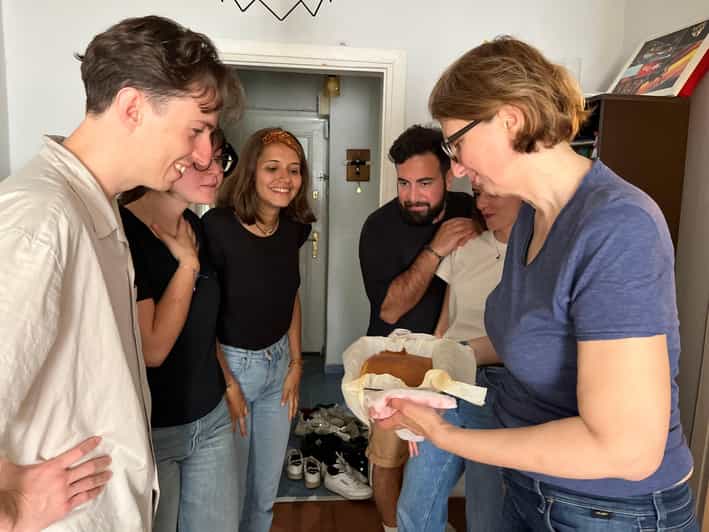
- Small group of up to 6 people means you get time with the instructor and space to work at the stove and counter
- Künefe technique goes beyond instructions: you learn the layering and how it turns golden when cooked and flipped
- Turkish coffee brewed on the stove instead of a machine, with that slow, frothy foam that gives the drink its character
- Family-home atmosphere where conversation feels natural, and sometimes family members drop in briefly for dessert
- Dessert variety in addition to künefe, since some sessions include choices like flour halva or semolina cookies
- Optional coffee-grounds fun in some classes, such as an informal reading of your coffee grounds
Entering A Family Kitchen for Künefe in Istanbul’s Kâğıthane
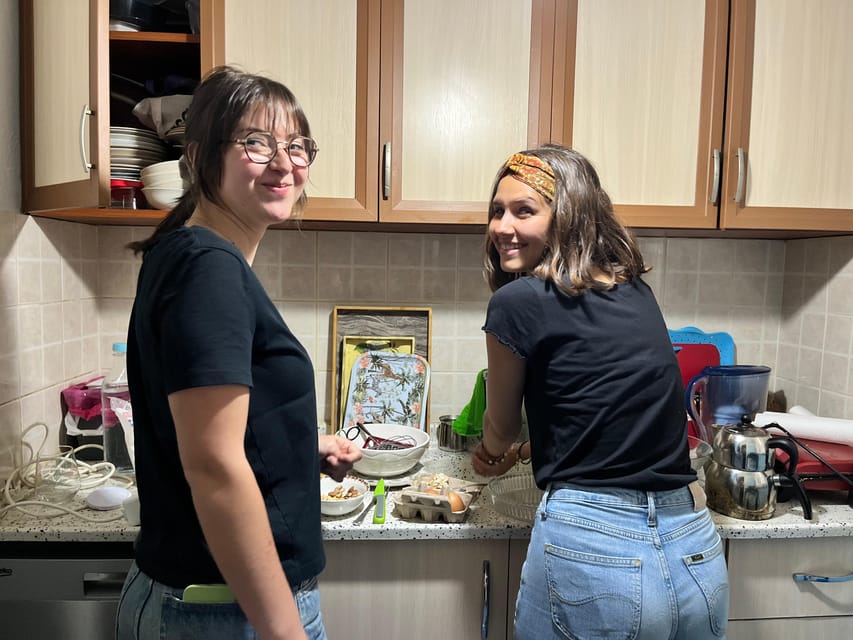
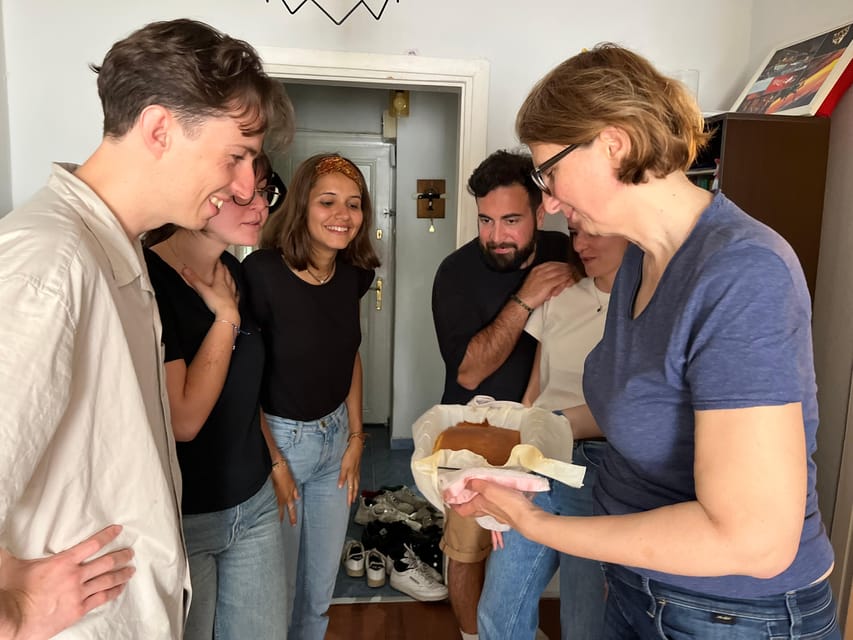
This class is simple in the best way. You arrive at an Istanbul home, and the afternoon begins like a visit: warm welcome, tea or coffee, then straight into food. The address is in Kâğıthane, Talatpaşa, Büyükbey Sk. No:4 D:11 (34400). You go to the door and the host lets you in.
The setting matters. Cooking at home is slower and more personal than cooking demos you’ll see in busier tourist zones. The upside is you get clearer guidance and more chances to ask questions. The downside is there isn’t a big “production” setup, so you should expect a real home rhythm.
The class centers on künefe, a Turkish dessert famous for its crispy base and fragrant syrup. You’ll learn how it comes together using shredded pastry, regional butter, and homemade syrup. That combo is what gives künefe its signature mix of crunch and soak. And because you’re making it yourself, you’ll understand what changes the texture as it cooks.
You can also read our reviews of more cooking classes in Istanbul

From Shredded Pastry to Golden Künefe: What You Learn to Do
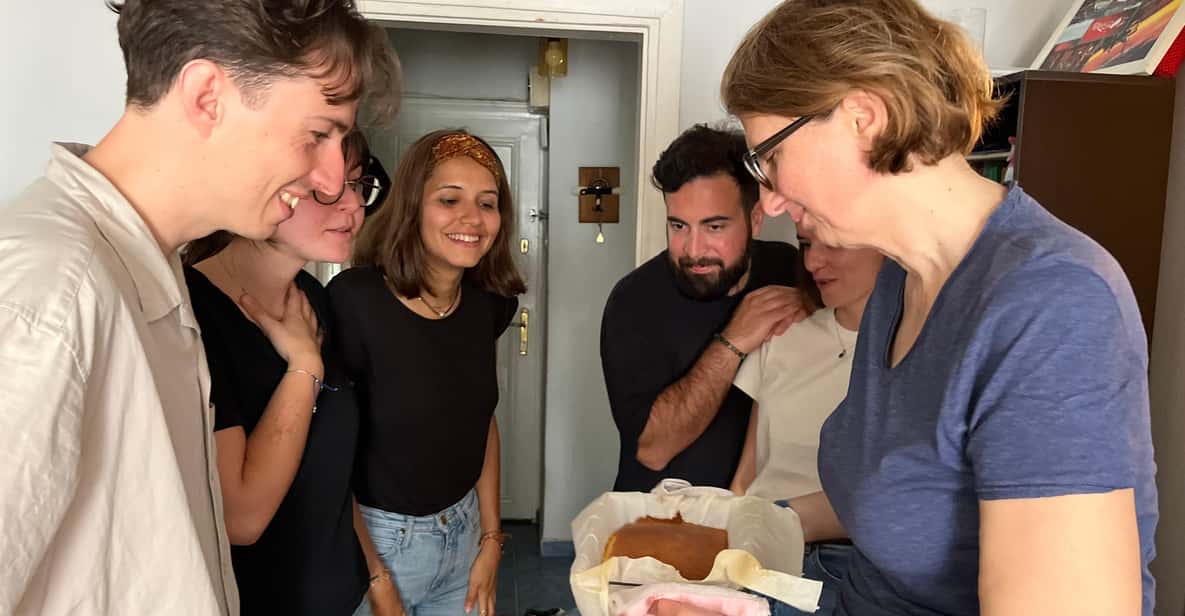
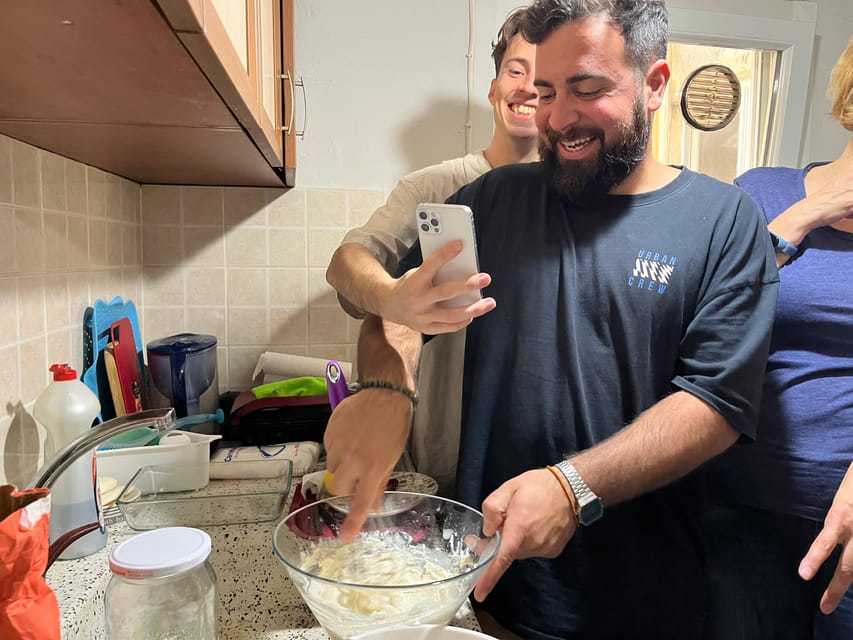
Künefe isn’t a dessert where you can throw ingredients together and hope for the best. It’s a technique dessert. In this class, you’ll work through the main steps so you can picture the process later when you shop ingredients at home.
Here’s what the experience focuses on:
- Layering the pastry and filling so the dessert cooks evenly
- Cooking it over heat until you get that golden color
- Flipping so both sides reach the right crispness
In plain terms, you’re learning what makes künefe taste like künefe. The shredded pastry needs the right contact with butter so it turns crisp instead of soft. The syrup isn’t just sweetness; it’s timing. Add it too early and you lose crunch. Add it too late and it won’t distribute properly.
A nice bonus from the class format: you’re making more than one dessert. The experience includes 2 or 3 Turkish desserts cooking, depending on the flow of the afternoon. In past sessions, people have made flour halva and semolina cookies after a quick discussion. That means you may get a little variety beyond künefe, and you’ll leave with a couple recipes you can realistically repeat at home.
If you’re the type who likes learning “why” more than just “how,” this is a good fit. Künefe forces you to pay attention to texture. That naturally leads to better understanding of Turkish dessert traditions, not just a finished plate.
Turkish Coffee the Old-Fashioned Way: Foam, Patience, and Meaning
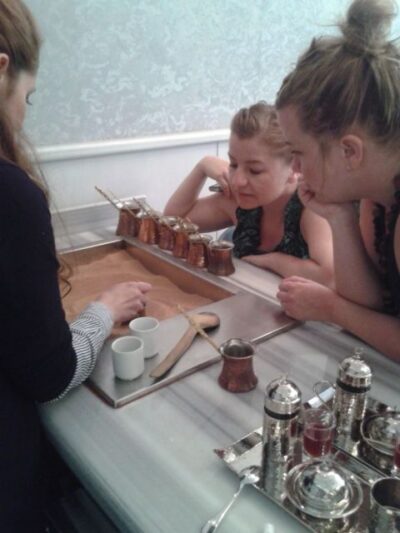
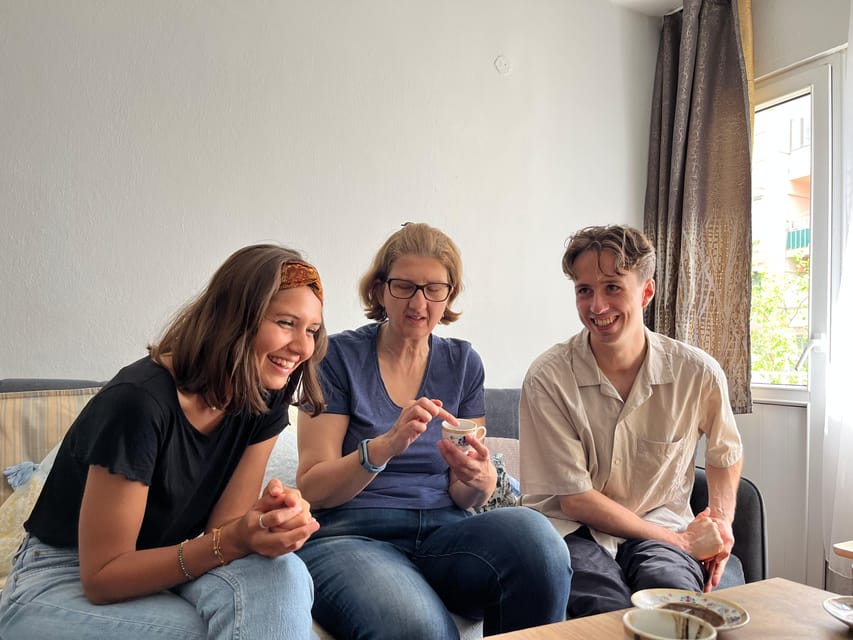
While the künefe cooks, the class shifts to Turkish coffee. This is where the experience becomes more than dessert. You’ll brew Turkish coffee on the stove, with the slow, frothy method that’s associated with traditional Turkish coffee culture.
You can expect:
- Stovetop brewing instead of instant coffee
- A process that builds foam and a layered texture
- Time to understand how coffee fits into daily life and hospitality
You may even get a chance to make your own cup. That hands-on moment is surprisingly valuable, because Turkish coffee is fussy in a specific way. The froth is not incidental; it’s part of the outcome. Getting the timing right is what turns it from flat to properly Turkish.
One review also mentioned an informal coffee-grounds reading. In that case, the class instructor did a playful look at the coffee grounds while the group chatted. You shouldn’t count on it every time, but it speaks to the tone: friendly, conversational, and a little bit fun.
If you’re a coffee person, you’ll probably enjoy how the class treats coffee as a shared ritual. It isn’t just a drink. It’s a cue for people to slow down, talk, and enjoy the moment.
The Dessert Table Moment: Eating Together in a Real Home
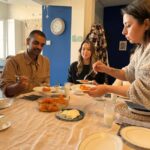
The cooking part is the headline, but the table is where it sticks in your memory. Once the desserts are ready, you sit down to enjoy warm dessert and rich coffee, with tea or coffee flowing along with easy conversation.
What makes this feel special is the home atmosphere. Hosts tend to explain what you’re tasting while you’re eating, not after you’ve already moved on. That helps you connect the technique you practiced to the results you’re tasting.
You’ll also likely meet more than just the main instructor. One review described a cousin and nephew who stopped by briefly at the perfect time to share dessert for a few minutes. That kind of small, spontaneous moment is what makes a family home experience feel authentic. It’s not a staged “look at us” event; it’s daily life.
And because the group is small (limited to 6 participants), conversation doesn’t turn into awkward waiting. You get to talk about food preferences, where you’re from, and what you want to learn next. For me, that’s the biggest difference between this and a larger cooking class where everyone gets rushed.
Price and Time: Is $59 for 2.5 Hours Worth It
Let’s talk value honestly. At $59 per person for about 2.5 hours, you’re paying for two things that cost time and skill:
1) Instruction and hands-on practice for künefe (including flipping and syrup timing)
2) Traditional coffee brewed with attention to process
You’re also not just tasting one dessert. The class includes tea/coffee and helps you cook 2 or 3 traditional sweets. That shifts the value from a single-ticket “show and snack” to something closer to an afternoon skills lesson.
The small-group limit is part of the value too. When you’re working over heat and handling pastry, you benefit from having a teacher close by. You’re less likely to get stuck waiting for help or competing for attention.
The main time constraint is simple: 2.5 hours is enough to learn a lot and eat together, but it’s not enough to turn you into a professional pastry chef. Think of it as a confidence-builder. You’ll leave knowing what to do next time you want to try Turkish desserts at home.
You can also read our reviews of more tours and experiences in Istanbul




Allergens to Know Before You Start (Especially for Künefe)
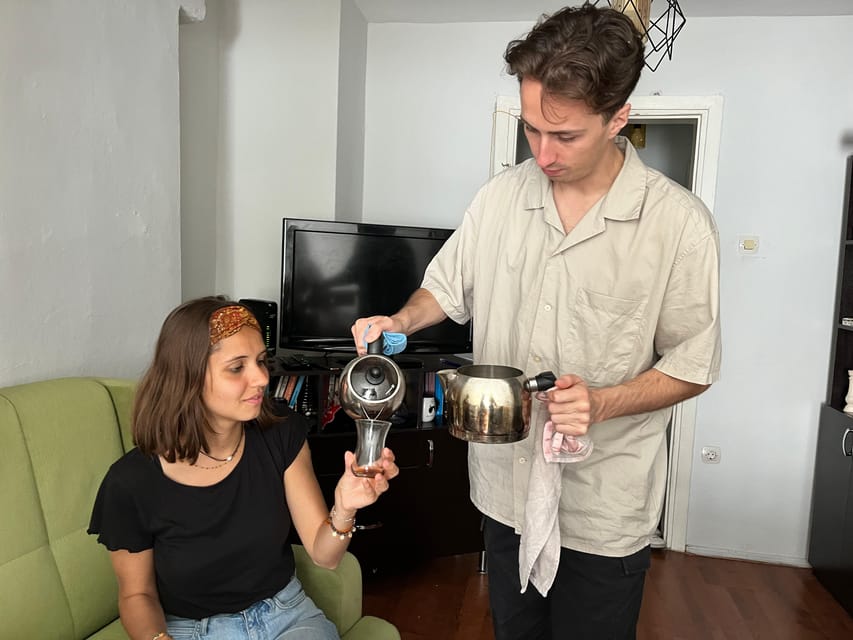
This class is not a safe bet if you have certain allergies, unless you tell the host in advance.
Important allergen note: künefe contains dairy (cheese and butter) and gluten (shredded wheat pastry). If either of those is an issue, notify the instructor ahead of time so they can advise what’s possible for your specific needs.
Also remember that this is a home kitchen. That doesn’t mean anything scary is happening automatically, but it does mean cross-contact can be harder to control than in a dedicated allergy kitchen. If you’re sensitive, it’s worth asking very direct questions before you book.
If you don’t have those allergens, you’ll likely enjoy the full flavor experience. Künefe is built on butter and cheese notes, and the syrup brings it all together.
Practical Tips for Your Day in Kâğıthane
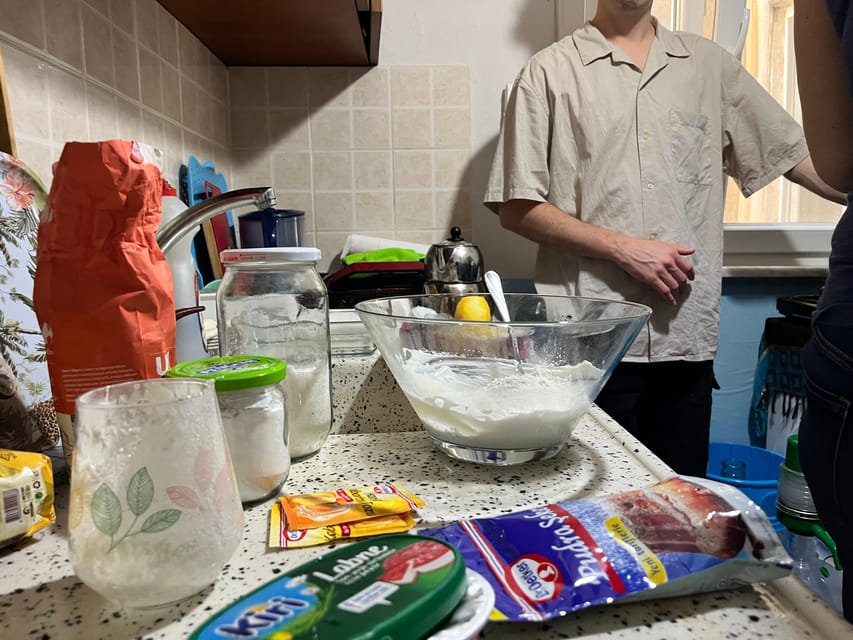
A little planning helps you focus on the cooking instead of logistics.
- Go with comfortable clothes. You’ll be working at a kitchen counter and likely leaning in during cooking and mixing.
- Ask about dessert options. While künefe is the core, some sessions have included flour halva and semolina cookies after discussion. If you have preferences, mention them early.
- Arrive a few minutes early. The host lets you in once you’re at the address, so being on time matters for the flow.
- Be ready for conversation. This is a talk-at-the-table experience. You’ll be eating dessert while chatting, and it helps to share a little about what you like.
Language-wise, the instructor can work in Turkish and English. That makes it easier to follow steps, especially when you’re asked to pay attention to texture and timing.
Who Should Book This Turkish Dessert and Coffee Class
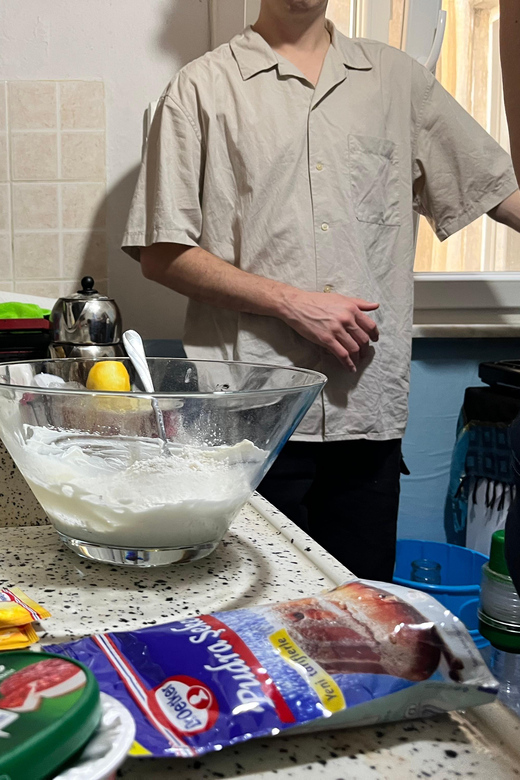
This works especially well if you:
- Want real skills, not just a tasting
- Like Turkish coffee culture and want the stovetop method
- Prefer small groups and a home setting over crowds
- Learn best when you cook alongside the instructor
It may not be the right fit if:
- You need an allergy-safe setup for dairy or gluten
- You prefer only restaurant-style dining with no hands-on cooking
- You want a very long course focused on one dessert detail (this is a focused 2.5-hour session)
Should You Book It?
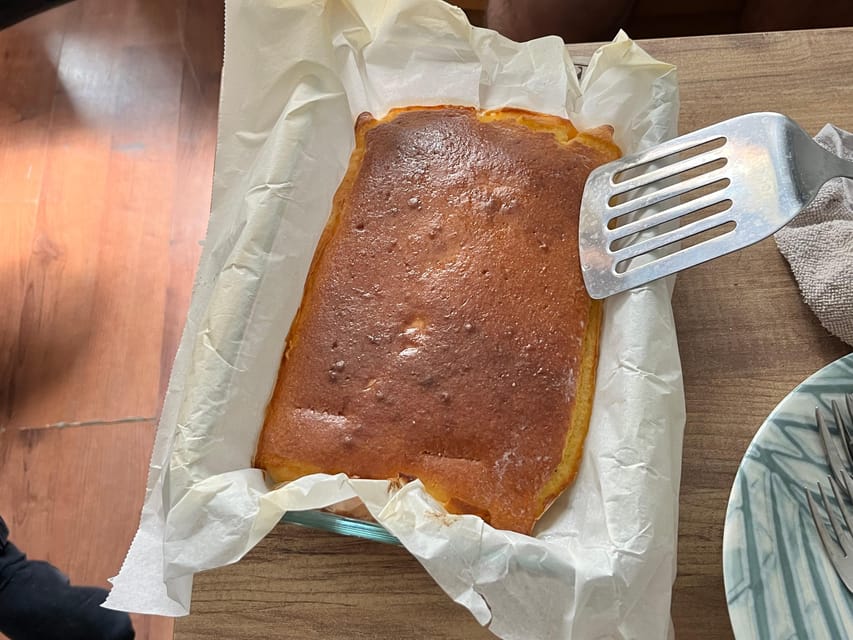
I think you should book if you want an Istanbul afternoon that’s both edible and educational. The mix of künefe-making plus traditional Turkish coffee brewing gives you two skills you can actually repeat later. And the home warmth is not window dressing. It shows up in how the class feels: friendly, small-group, and conversation-forward.
Book it with extra caution only if allergies are part of your reality, since künefe includes dairy and gluten. If that’s fine for you, this is a strong value at $59 for 2.5 hours, especially because you’ll leave with multiple desserts and a better understanding of why they turn out the way they do.
FAQ
What desserts will I make in this class?
You’ll start with preparing künefe, and the class typically includes 2 or 3 Turkish desserts cooking. Other desserts in past sessions have included flour halva and semolina cookies.
How long is the experience?
It lasts 2.5 hours.
How big is the group?
The class is limited to a small group of up to 6 participants.
What’s included in the price?
Tea and/or coffee are included, along with cooking the desserts.
Are Turkish coffee and tea included?
Yes. Tea/Coffee is included, and the class includes brewing Turkish coffee the traditional way.
What languages does the instructor speak?
The instructor can work in Turkish and English.
Is there an allergen warning?
Yes. Künefe contains dairy (cheese and butter) and gluten (shredded wheat pastry). Let the host know in advance if you have allergies.
Where do I meet for the class?
The meeting point is Talatpaşa, Büyükbey Sk. No:4 D:11, 34400 Kâğıthane/İstanbul. The host lets you in once you are at the address.