REVIEW · ISTANBUL
Pearl’s of Turkey – 8 Days
Book on Viator →Operated by Tour Altinkum Travel · Bookable on Viator
Eight days, five eras, zero guesswork. Pearl’s of Turkey is a tight route through Istanbul, Gallipoli, Ephesus, and Pamukkale, with a max of 12 travelers so you’re not stuck in a crowd shuffle. You get a real travel rhythm—pickups, hotels in convenient locations, and a plan that moves you from the Byzantine and Ottoman world to Roman ruins and sea-to-sky views.
I especially like how many stops are built around walkable “wow” moments: Hagia Sophia and the Blue Mosque area in one day, then Ephesus on another day when your legs are fresh. The other big win is the way transport is handled between regions, so you spend less time organizing and more time actually seeing. My one main caution: entry tickets are not included, so you’ll want to budget extra and be ready to pay the guide for pre-arranged admissions.
In This Review
- Key Points I’d Plan Around
- Pearl’s of Turkey: The Big Picture Route
- Istanbul Airport Pickup and Your First Hotel Night
- Day 2 in Istanbul: Hagia Sophia, Topkapı, and the Grand Bazaar Crunch
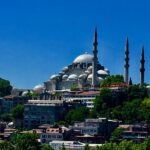
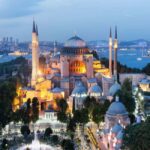
- Hagia Sophia Grand Mosque and the Byzantine-to-Ottoman Story
- Topkapı Palace: Where Power Lived
- Hippodrome, Blue Mosque, and the Quick Hits Between
- Consideration: This Is a Full-Day Old City Workout
- Day 3 to Gallipoli and Troy: Named Memorials, Then Ancient Legends
- Getting to Çanakkale and the Battlefield Focus
- Troy (Truva): The UNESCO Ruins Piece
- Day 4: Pergamon’s Ruins and Asclepion’s Health-Theme
- Pergamon Ancient City: Palaces, Temples, and the Big Zeus Altar
- Asklepion: A Medical Center in Ancient Times
- Kusadasi: A Reset Base on the Aegean
- Day 5: Ephesus Day With Virgin Mary’s House and the Temple of Artemis
- The House of the Virgin Mary
- Ephesus Ancient City: The Walkable Time Machine
- Temple of Artemis: A Wonder-Linked Detour
- Day 6: Pamukkale’s White Terraces and Hierapolis’ Ruins
- Pamukkale Thermal Pools: Pools of Heaven on Earth
- Hierapolis and the Sacred Pool
- Antalya Transfer
- Day 7 in Antalya: Cable Car Views, Upper Duden Falls, and Kaleiçi
- Tunektepe Teleferik: Sea to Sky Views
- Upper Duden Waterfalls: A Walk Through Sound
- Kaleiçi Old Town: Hadrianus Gate and Free Time to Wander
- Day 8: Last Morning in Antalya
- How the Small-Group Setup Affects Your Comfort
- Price and Logistics: What You’re Really Buying for $1,400
- Should You Book Pearl’s of Turkey?
- FAQ
- Is airport pickup included?
- What’s included in the price besides hotels?
- Are entry tickets to historical sites included?
- What destinations are covered on the 8-day tour?
- How large is the group?
- Can I cancel for a full refund?
Key Points I’d Plan Around
- Small-group size (max 12) means smoother timing and more attention when questions come up.
- Skip-the-line approach is built in: your guide carries prepaid tickets, and you settle the entry costs afterward.
- Gallipoli gets specific with named memorials and battlefield sites like ANZAC Cove and Lone Pine.
- Ephesus is scheduled on a classic day with the House of the Virgin Mary and the Temple of Artemis.
- Pamukkale isn’t just a photo stop—you’ll see the thermal pools and then Hierapolis ruins.
- Meals are structured with 7 breakfasts and 6 lunches included, plus local restaurant time in Antalya.
Pearl’s of Turkey: The Big Picture Route
This is an 8-day “highlights-first” Turkey tour that strings together the country’s most famous regions without turning it into a chaotic road trip. You’ll move across the west with hotel stays in Istanbul, Canakkale, Kusadasi, and Antalya—the kind of base hopping that saves you from daily logistics.
What makes it work for real people is that the plan doesn’t just list sights. It groups them by vibe and geography: Istanbul’s old-city icons early on, then a full historical day at Gallipoli and Troy, then Roman-era cities around the Aegean, and finally Pamukkale and the Mediterranean coast.
And because the group is capped at 12, you usually get a clearer sense of timing. Fewer people means fewer “wait for everyone” moments—especially when you’re entering major sites like Hagia Sophia and Topkapı.
You can also read our reviews of more tours and experiences in Istanbul.

Istanbul Airport Pickup and Your First Hotel Night
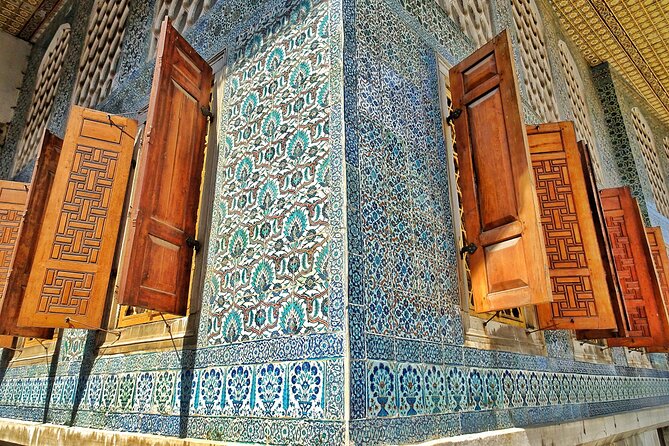
Day 1 starts the moment you land. After arriving at Istanbul SAW Airport, you’ll be greeted and transferred to your hotel, then check in. That’s a big deal if your flight lands late or you’re tired from travel—starting the trip with a transfer rather than a DIY scramble helps you actually enjoy the first day.
In plain terms, you’re buying convenience up front. If you want to be sure it runs smoothly, share your international flight details at booking, because pickup details depend on it.
Day 2 in Istanbul: Hagia Sophia, Topkapı, and the Grand Bazaar Crunch
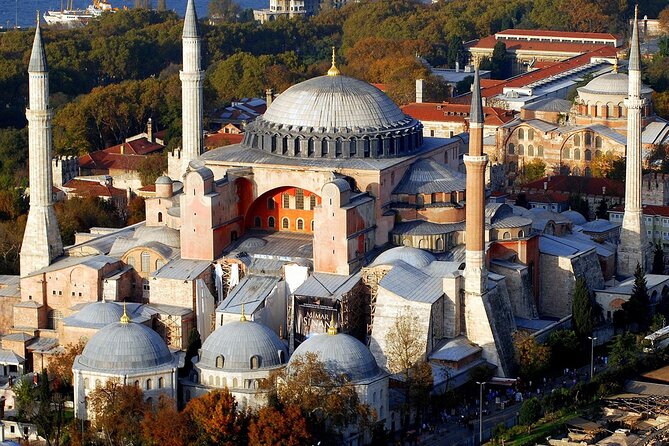
Istanbul day is a heavy hitters lineup, and it makes sense to do it while you still have energy.
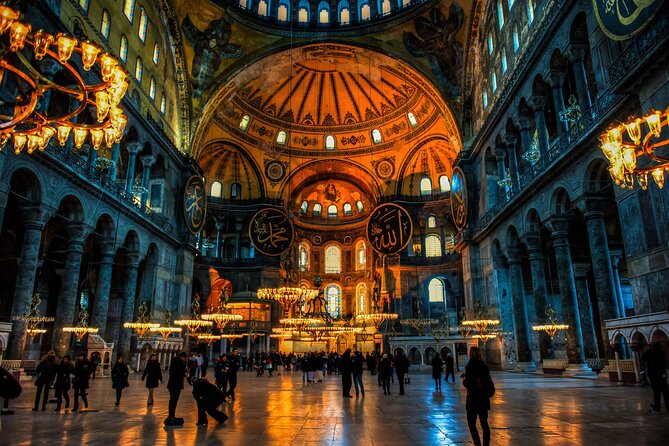
Hagia Sophia Grand Mosque and the Byzantine-to-Ottoman Story
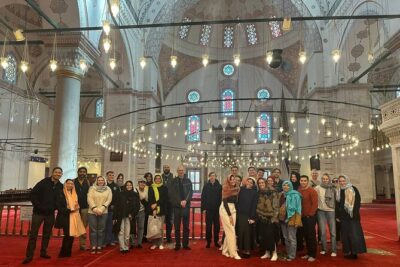
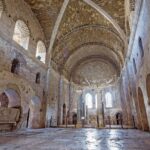
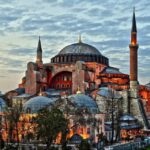
You’ll start at Hagia Sophia, one of the city’s defining buildings. The tour frames it as the Byzantine religious center, then you’ll also experience it as an operating mosque—so it’s not just sightseeing. Admission for this stop is not included, which is something you’ll want to plan for financially.
Practical tip: dress for mosque visits and be ready for security-style slowdowns. Hagia Sophia has always been a “don’t rush” place for me, even when it’s busy.
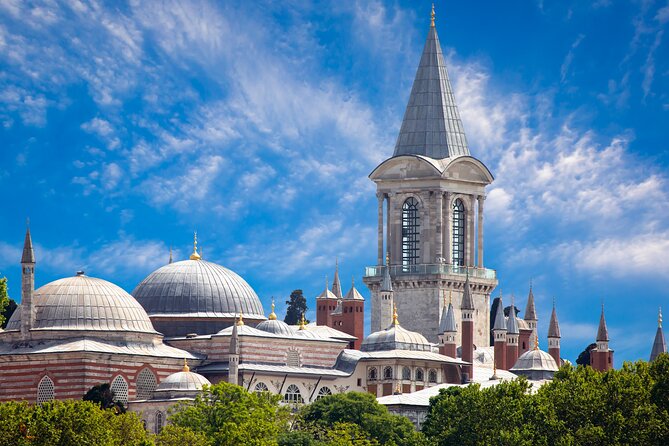
Topkapı Palace: Where Power Lived
Next is Topkapı Palace, the Ottoman imperial residence and also the seat of government. It’s a massive site conceptually—think palace life, administration, and layers of history in one. Admission is not included here too, so again, budget for tickets.
If you like your history anchored in real spaces—courtyards, halls, and corridors—Topkapı usually delivers. If you hate museum-style pacing, you’ll want to pace yourself inside and take breaks.


Hippodrome, Blue Mosque, and the Quick Hits Between
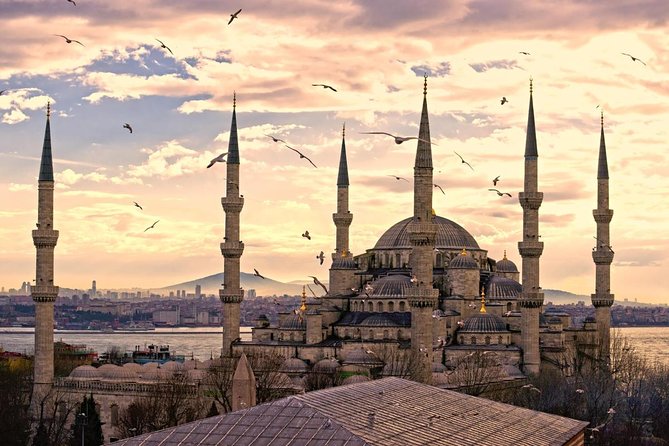
After the palace, you’ll pass through the Hippodrome area (free admission) and then the Blue Mosque (also free on this itinerary). These stops are shorter, but they help you connect the dots across Rome-era and Ottoman-era Istanbul.
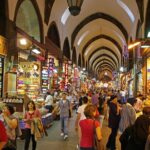
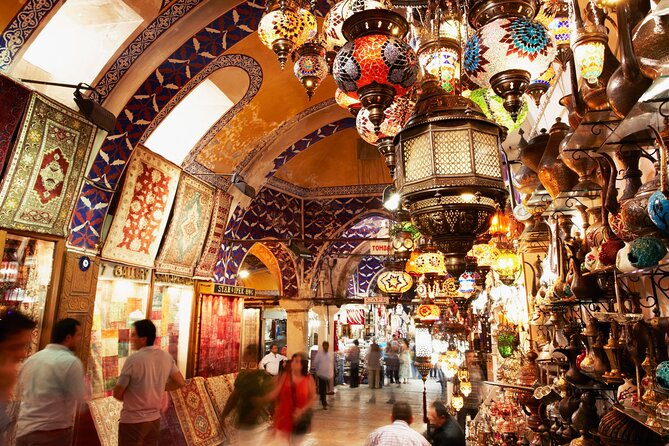
Then you wrap with the Grand Bazaar. The bazaar is listed as free to enter, and the point here is less about buying everything and more about soaking up the atmosphere. With so many entrances and thousands of shops, it’s the kind of place where you can wander safely as long as you stay aware of pickpocket risk like you would anywhere crowded.
Consideration: This Is a Full-Day Old City Workout
This day stacks multiple major sights, so you’ll be walking more than you might expect. If you’re the type who likes long museum breaks and slow photos, build in patience and hydrate.
Day 3 to Gallipoli and Troy: Named Memorials, Then Ancient Legends
This is the day where the trip turns from “famous sights” into “life-and-death history you can feel in your bones.”
Getting to Çanakkale and the Battlefield Focus
You meet your guide based on pickup timing and then drive toward Çanakkale. Once you’re in the Gallipoli region, the tour emphasizes specific battlefield locations, including Brighton Beach, ANZAC Cove, Beach Cemetery, and Lone Pine Australian Memorial. You’ll also visit Turkish and allied tunnels and trenches at Johnston’s Jolly, plus memorials such as the 57th Regiment Turkish Memorial and Chunuk Bair New Zealand Memorial.
What I like about this approach is that the tour isn’t vague. It gives you recognizable place names, which helps history stick in your head later—especially when you’re reading about it back home.
Admission is listed as free for these stops, so costs here are mostly about your time and comfort.
Troy (Truva): The UNESCO Ruins Piece
After Gallipoli, you move to Troy (Truva), described as UNESCO-recognized ruins tied to stories like the Trojan War. It’s a walking-and-strolling kind of stop, with key ruins and landmarks including the Temple of Athena and other sections of the site.
Admission for Troy is not included. Also, expect a mix of “this is where the story comes from” and “this is what the archaeological remains show.” If you’re a mythology fan, it can be a fun day. If you want purely factual interpretation, you may still enjoy it but keep expectations grounded in ruins.
You finish with transfer to your hotel in Çanakkale and check in.
Day 4: Pergamon’s Ruins and Asclepion’s Health-Theme
Day 4 shifts from battlefields to ancient cities that were built, traded, and studied for centuries.
Pergamon Ancient City: Palaces, Temples, and the Big Zeus Altar
You start with breakfast, check out, then drive to Pergamum. The tour highlights Pergamum as a capital city for centuries and points you toward major structures—temples, palaces, agoras, and especially the Asclepion area, plus references like the Zeus Altar and a parchment-related library.
Admission is not included here. Even so, the visit is worth planning for because it’s not just one building. It’s a whole complex, set up for you to understand how power and culture were expressed in stone.
Asklepion: A Medical Center in Ancient Times
The next stop is the Asklepion, known as a health and medicine center associated with Asclepius. The tour frames it as a place where scholars and famous physicians were linked to Pergamum. Admission is also not included.
If you’re the kind of traveler who likes how a city functioned day-to-day—not just what kings wore—Asklepion is a good counterpoint to “big war monuments.”
Kusadasi: A Reset Base on the Aegean
After lunch, you drive to Kuşadası. This is where the tour gives you a breathing point: less “archaeology nonstop” and more repositioning you closer to Ephesus for the next days.
Day 5: Ephesus Day With Virgin Mary’s House and the Temple of Artemis
This day is about ancient Eastern Mediterranean power. It also has a “spiritual sites and city ruins” mix, which works if you like contrast.
The House of the Virgin Mary
You start at the House of the Virgin Mary, described as the final house where Mary spent her last days, based on the church tradition. Admission is not included on this itinerary.
Whether you treat it as sacred space or cultural heritage, it’s typically quieter and more reflective than the big excavation sites. It’s also a good way to shift your mood before you hit the scale of Ephesus.
Ephesus Ancient City: The Walkable Time Machine
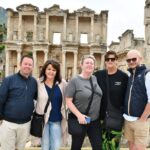
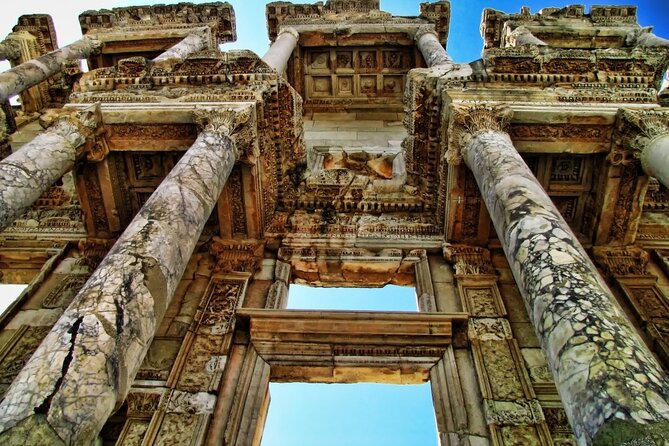
Next is Ephesus, positioned as one of the best-preserved classical cities in the Eastern Mediterranean. You’ll stroll among monuments including a major library and the large Roman theatre. Admission is not included.
If you like ancient cities you can physically “get your bearings” in, Ephesus is built for that. The streets, monuments, and theatre spaces create a mental map quickly. Just remember: it’s still a lot of walking. Wear good shoes and plan for sun depending on the season.
Temple of Artemis: A Wonder-Linked Detour
You finish with the Temple of Artemis. It’s listed as free on this itinerary, and the tour connects it to one of the Seven Wonders of the Ancient World.
This stop works as a lighter bookend to the bigger walking day. Even if you’ve seen photos before, it helps to see the scale in person and understand why this location mattered.
Day 6: Pamukkale’s White Terraces and Hierapolis’ Ruins
Day 6 is one of those “Turkey photos are real” days.
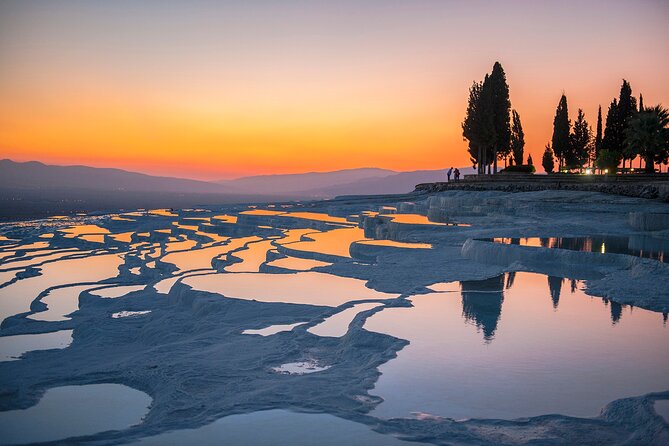
Pamukkale Thermal Pools: Pools of Heaven on Earth
You check out after breakfast and then take a full-day tour starting with Pamukkale. The tour describes the terraces formed by running warm mineral water and points out the UNESCO status. Admission is not included.
Pamukkale can feel surreal because the terraces look almost sculpted. The caution is practical: it’s a physical site. You’ll want comfortable footwear and a plan for how long you’ll spend on uneven or slick surfaces. Bring water, and don’t treat it like a quick drive-by photo stop.
Hierapolis and the Sacred Pool
Afterward, you visit Hierapolis and the Sacred Pool. This stop is timed very briefly (not a long guided wander), and admission is listed as free. You’re essentially getting the “ruins context” that makes Pamukkale feel like part of a bigger ancient city story.
Antalya Transfer
At the end of the day, you drive to Antalya. The transfer is listed as included, and this positions you for the coastline-and-cable-car day ahead.
Day 7 in Antalya: Cable Car Views, Upper Duden Falls, and Kaleiçi
Day 7 is where the tour turns from archaeology to scenery and old-town wandering.
Tunektepe Teleferik: Sea to Sky Views
You ride the cable car from “sea to sky” and view the coastline, mountains, pine forests, and turquoise sea from the top of Tunektepe. Admission is not included.
This is a great reminder that Turkey isn’t only ruins and mosques. It’s also weather, light, and long views you can feel in your body.
Upper Duden Waterfalls: A Walk Through Sound
Next is Upper Duden Waterfalls. The stop is free and includes a walk through the park with the sound of falling water. It’s a nice switch from stone ruins, and the timing gives you a break without making the day feel empty.
Kaleiçi Old Town: Hadrianus Gate and Free Time to Wander
After lunch at a local restaurant (with a panoramic view), you get 1 to 1.5 hours of free time in Kaleiçi. You’ll see sights such as Hadrianus Gate, the Clock Tower, Kesik Minare, and city walls dated back to the 2nd century. Admission is listed as free, and this is also a practical shopping and strolling window.
Kaleiçi is the kind of place where you can get your bearings quickly: narrow stone streets, little shops, and small museums. If you want souvenirs that feel connected to the place rather than generic, this is where you’ll have a shot.
Day 8: Last Morning in Antalya
On your final day, the service ends after breakfast. You’ll have check-out at 12:00 pm from the hotel, and that’s the last structured moment of the tour.
This final day is intentionally light. It keeps the trip from turning into a scramble and gives you space to handle last-minute needs like buying water, confirming your pickup if you booked one, or doing a quick café stop before you head out.
How the Small-Group Setup Affects Your Comfort
There’s a real difference between a big bus tour and a group capped at 12. Here, you’re more likely to:
- Keep an easier meeting rhythm at each stop
- Hear the guide without fighting over volume
- Get quicker help if you need a moment for bathrooms, phones, or simple questions
This matters most in Istanbul and Ephesus days, where crowding can turn a calm visit into a sprint. It also matters on transit days, where shorter group size helps you move as a unit rather than waiting for stragglers.
Price and Logistics: What You’re Really Buying for $1,400
At $1,400 per person for an 8-day tour, you’re paying for two big things: coordination and coverage. The tour includes multiple nights of accommodation (2 in Istanbul, 1 in Çanakkale, 2 in Kuşadası, 2 in Antalya), plus key meals—7 breakfasts and 6 lunches. It also includes airport-to-hotel pickup, and the tour overview says internal flights are used to make transportation easier between destinations.
You’re also paying for a specific style of restaurants: the trip notes that meals are at family-owned local restaurants. That’s usually a good sign for value and food you recognize as regional rather than “tour bus comfort food.”
Now the main extra cost: entry tickets are not included. The itinerary marks many stops as “free,” but several major ones are not—like Hagia Sophia, Topkapı Palace, Troy, Pergamon/Asklepion, House of the Virgin Mary, Ephesus, Pamukkale, and the cable car. The guide is said to have pre-paid skip-the-line tickets, and you pay the entry costs in cash in Turkish Lira, USD, or Euro.
So the real question isn’t just whether $1,400 is fair. It’s whether you’re comfortable with add-on admissions. If you’re excited to see major sites and you already planned to spend on tickets anyway, this tour looks like a solid deal. If you’re trying to keep costs very tight, you’ll need to forecast those ticket expenses early.
Should You Book Pearl’s of Turkey?
Book it if you want a structured highlights route with minimal planning, enjoy guided visits across Istanbul and the Aegean, and you’re okay paying extra for major admissions. The small-group cap makes it feel more manageable, and the inclusion of hotels and meals reduces the “where do we sleep and eat?” stress.
Skip it (or at least think twice) if you hate walking days, want fully included ticket costs with no cash handling, or need a slower pace with fewer stops per day. Also pay attention to seasonal closures: some historical sites can close during religious or national holidays, so if your dates are tight, ask the team what’s likely to be open.
If your ideal Turkey trip is a greatest-hits tour with enough structure to keep you moving—and enough time to actually enjoy each place—this one is a strong match.
FAQ
Is airport pickup included?
Yes. Pickup from İstanbul SAW Airport to your hotel is provided, and you’re asked to share your international flight details at booking.
What’s included in the price besides hotels?
The price includes accommodations (2 nights Istanbul, 1 night Çanakkale, 2 nights Kuşadası, 2 nights Antalya), 7 breakfasts and 6 lunches, and airport/hotel transfers. The tour also notes that internal flights are used to facilitate transportation.
Are entry tickets to historical sites included?
No. Entry fees are not included. Your guide has pre-paid skip-the-line tickets to avoid long queues, and you pay the used entry ticket costs to your guide in cash in Turkish Lira, USD, or Euro.
What destinations are covered on the 8-day tour?
You’ll visit Istanbul, Gallipoli, Troy (Truva), Pergamon and Asklepion, Kuşadası, Ephesus, Pamukkale and Hierapolis, and Antalya, including stops such as Tunektepe cable car, Upper Duden Waterfalls, and Kaleiçi.
How large is the group?
The tour has a maximum of 12 travelers.
Can I cancel for a full refund?
Yes. Free cancellation is offered. You must cancel at least 24 hours in advance for a full refund. If you cancel less than 24 hours before the start time, the amount paid is not refunded.