REVIEW · TURKISH COFFEE & FORTUNE TELLING WORKSHOPS
Istanbul: Turkish Coffee Making and Fortune Telling Workshop
Book on GetYourGuide →Operated by İstanbul Experiences Workshops · Bookable on GetYourGuide
Coffee with a fortune twist. In a 500-year-old city-center room, you’ll learn classic Turkish coffee and make your own cup.
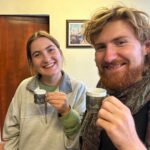
I love two things most: the hands-on brewing practice and the fun, interactive fortune telling using your coffee grounds. You also get a handmade cup to take home, which makes the whole experience feel more personal than a tasting.
One possible consideration: the workshop is not suitable for wheelchair users, since you’ll be going upstairs to Room 109.
In This Review
- Key highlights you’ll care about
- Turkish coffee in a 500-year-old room (and why that matters)
- Brewing practice: seeds, equipment, and getting the foam right
- Two coffee blends: tailoring your cup without overthinking it
- Culture and history you can actually use
- Dessert pairings and home-brewing tips (the practical payoff)
- Fortune telling from coffee grounds: fun, interactive, and surprisingly memorable
- The handmade Turkish coffee cup: a souvenir you’ll use
- Price and value: why $20 can feel fair here
- Meeting point: KÖZDE KAHVE to Room 109
- What the small-group format does for you
- Who should book this workshop (and who might skip it)
- Should you book Istanbul’s Turkish Coffee Making and Fortune Telling Workshop?
- FAQ
- How long is the Turkish coffee making and fortune telling workshop?
- How much does it cost?
- What’s included in the workshop?
- Is the instructor available in English?
- Is this workshop a small group?
- Do you actually make Turkish coffee during the workshop?
- Is there fortune telling in the workshop?
- Where is the meeting point?
- Is it accessible for wheelchair users?
- Can I pay later or cancel for a full refund?
Key highlights you’ll care about
- 500-year-old room in the city center, with a real “this is how it’s done” vibe
- Make your own Turkish coffee, not just watch from the side
- Choose between two coffee blends, tailored to how you like your cup
- Fortune telling from coffee grounds, taught in the traditional way
- Handmade Turkish coffee cup included as a take-home gift
Turkish coffee in a 500-year-old room (and why that matters)
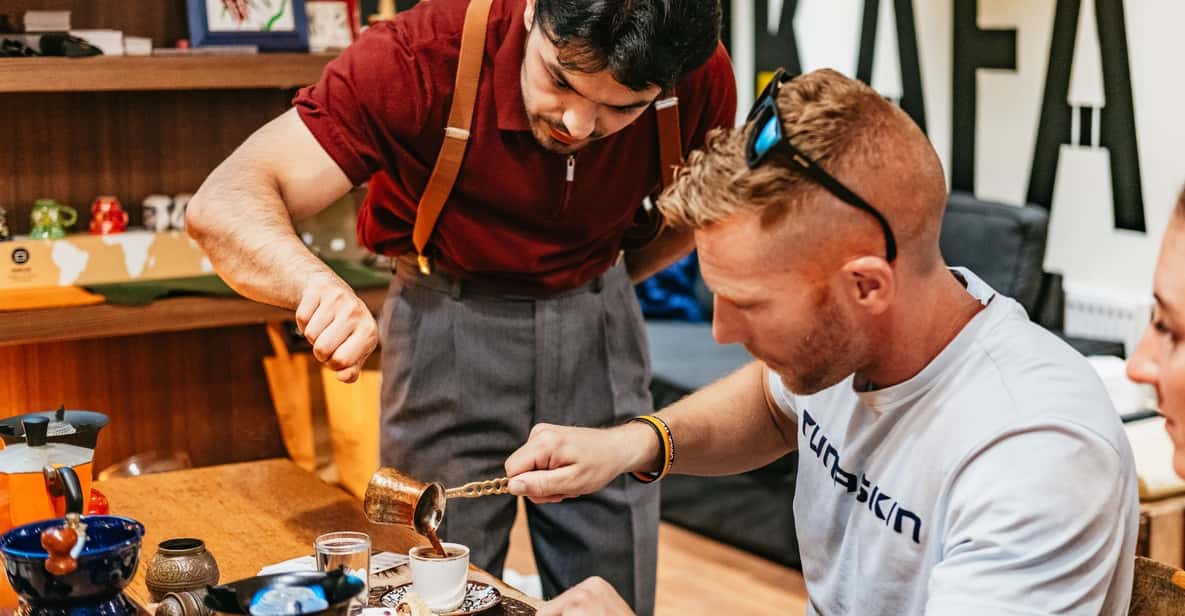
This workshop is set up like a small lesson you’d actually want to repeat at home. You’re not just learning recipes; you’re learning the logic behind Turkish coffee—how it’s brewed, why it’s brewed that way, and what people eat alongside it.
The setting helps. Being in a 500-year-old room puts you in the right mood for the history portion, and it makes the brewing part feel grounded instead of theatrical. When the craft is explained in that kind of space, you naturally pay attention to the details.
You can also read our reviews of more tours and experiences in Istanbul

Brewing practice: seeds, equipment, and getting the foam right
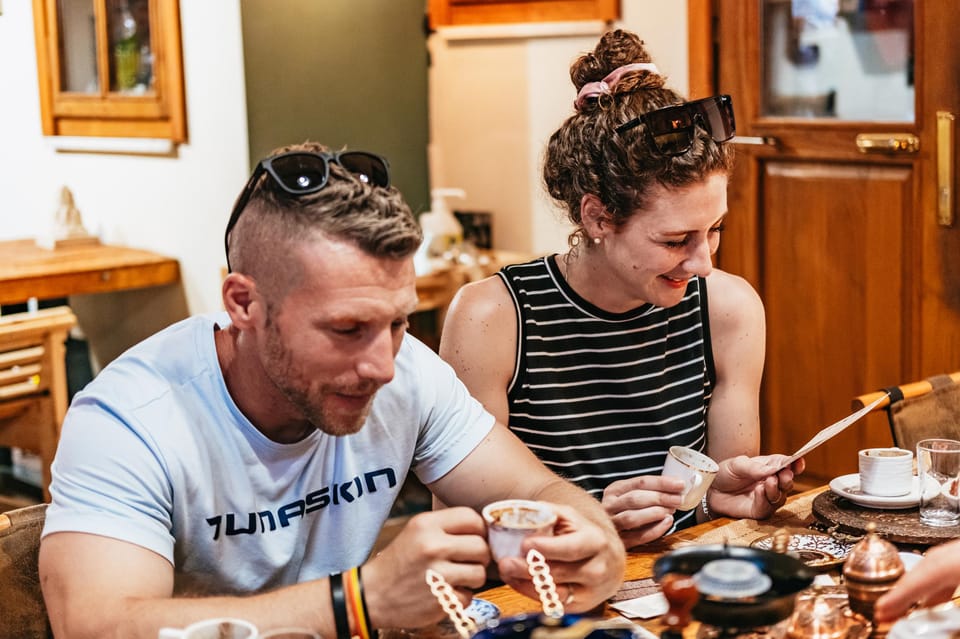
The class is built around doing the steps yourself. You’re provided with the equipment, plus fresh seeds and water, so you can follow the process without worrying about what to bring.
Turkish coffee brewing is all about method, not speed. You’ll learn the traditional approach and practice the motions that control strength and texture—especially the part that makes Turkish coffee unmistakable when it lands in the cup.
Here’s what I think you’ll take away: once you understand the steps, it’s easier to reproduce the taste later. And when the guide explains it clearly in English, you’re not stuck guessing your way through the technique.
Two coffee blends: tailoring your cup without overthinking it
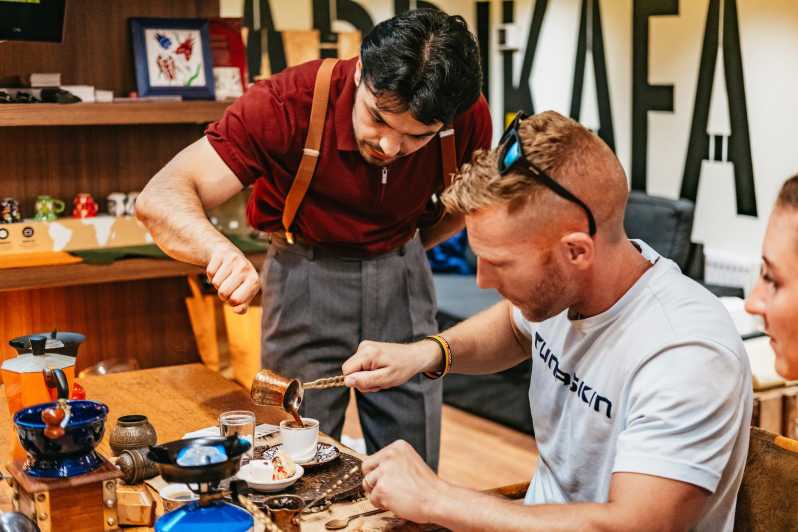
A simple but smart feature is that you get to choose between two special coffee blends. That matters because Turkish coffee preferences vary—some people like a stronger feel, others want something smoother.
In practice, this turns the class into a personalized experience. Instead of you finishing with a cup that tastes like someone else’s idea of perfect, you end with a version that matches what you chose during the session.
It’s also a good way to learn. If you pay attention to the difference between the blends, you’ll understand how roast and grind influence the final result—useful when you’re buying beans back home.
Culture and history you can actually use
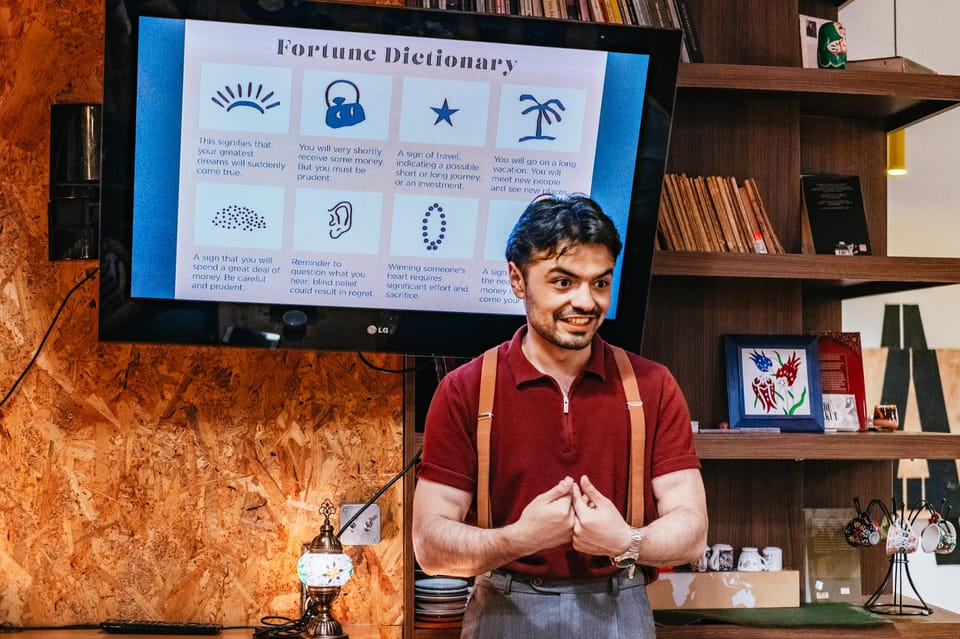
The history part isn’t stuck in a textbook tone. You’ll hear stories behind Turkish coffee—where the tradition comes from and how it became part of everyday life in Turkey.
Why this is valuable: understanding context makes the ritual stick. If you only learn steps, Turkish coffee can feel like a one-time trick. If you also learn the meaning behind it, you’ll remember what to do next time and why it matters.
Guides such as Petek and Fatma are singled out for their lively delivery and patience. That kind of teaching style makes a big difference, especially if you’re new to coffee beyond ordering it in cafés.
Dessert pairings and home-brewing tips (the practical payoff)
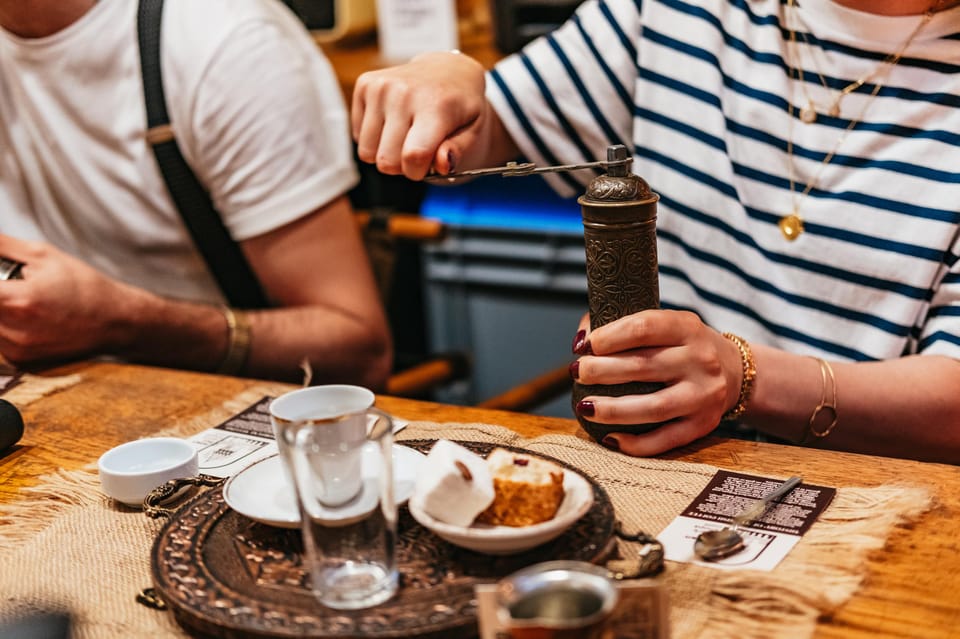
You don’t just drink coffee and leave. You’re guided through the best traditional dessert pairings, so you taste the coffee with the things it was meant to go with.
Then you get home-brewing tips, which is where the workshop becomes more than a fun activity. You’ll walk away knowing what to focus on when you try to brew it yourself—what makes the cup taste right, and what can throw it off.
If you’re the type who likes to bring skills home from trips, this is the part that quietly wins. It turns a couple hours into something you can use again at breakfast or when friends come over.
You can also read our reviews of more tours and experiences in Istanbul


Fortune telling from coffee grounds: fun, interactive, and surprisingly memorable
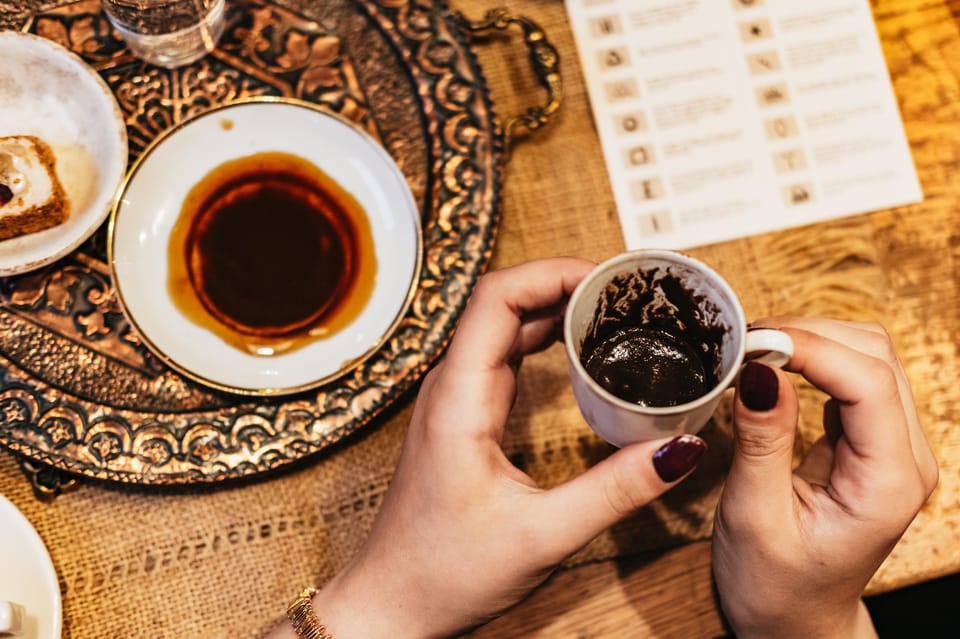
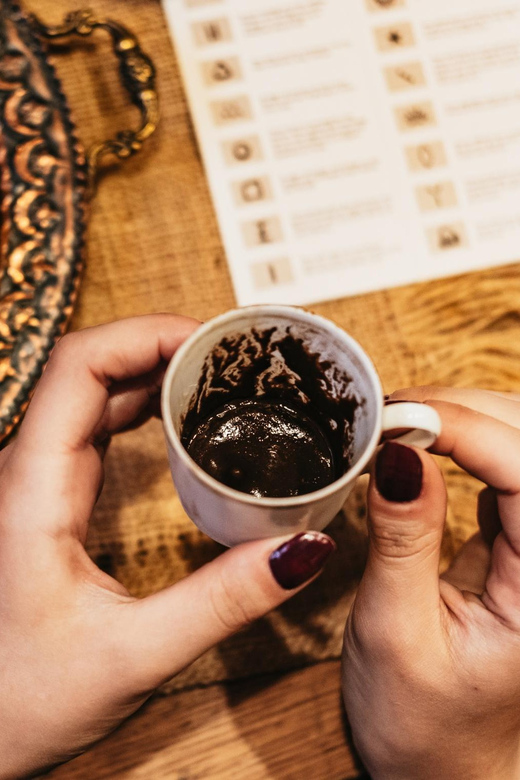
Yes, there’s fortune telling—and it’s taught as an ancient practice connected to the coffee grounds. You’ll learn how to read fortunes from what remains in the cup, and you get a real moment of attention that feels personal.
From the way the experience is described, it’s designed to be both instructional and playful. You’ll have something to do during that segment, not just listen while it happens around you.
Many hosts are praised for making this part feel smooth and entertaining. Petek is repeatedly mentioned for both hosting energy and the fortune-telling portion, while other guides like Aleyna and Elaina are also credited with keeping the group engaged.
Even if you’re skeptical, it’s still a hands-on cultural ritual. Think of it like a storytelling game you play using coffee as the prompt.
The handmade Turkish coffee cup: a souvenir you’ll use
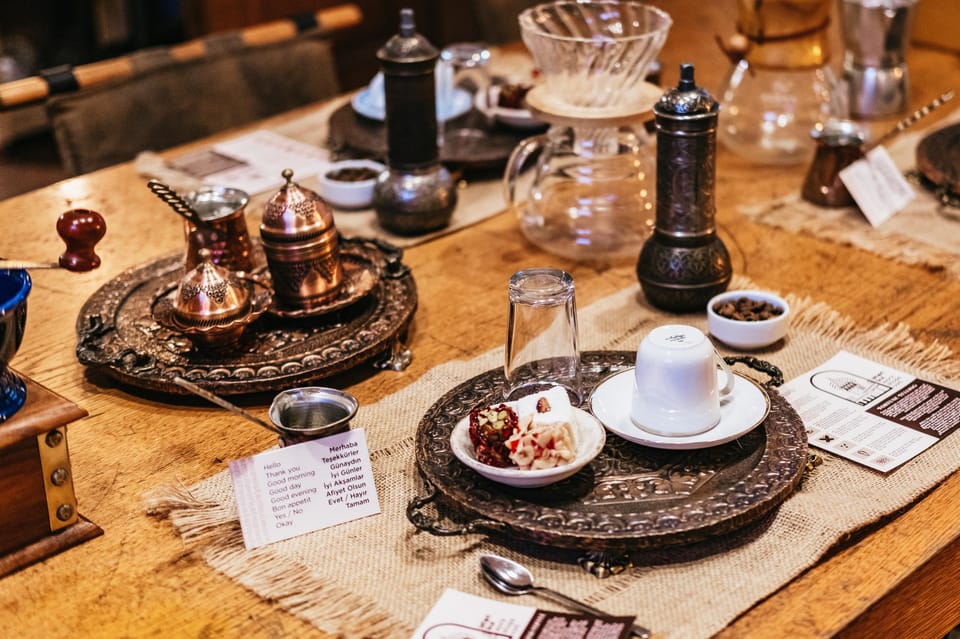
The workshop includes a handmade traditional Turkish coffee cup as a special gift. This is more than a “here’s a keychain, bye” situation.
The cup makes the experience tangible. You can’t really recreate the lesson later without something to pour into, and having your own cup nudges you to brew again at home instead of letting the memory fade.
That also means you’re buying value in two directions: education during the class, plus a physical reminder you’ll actually reach for.
Price and value: why $20 can feel fair here
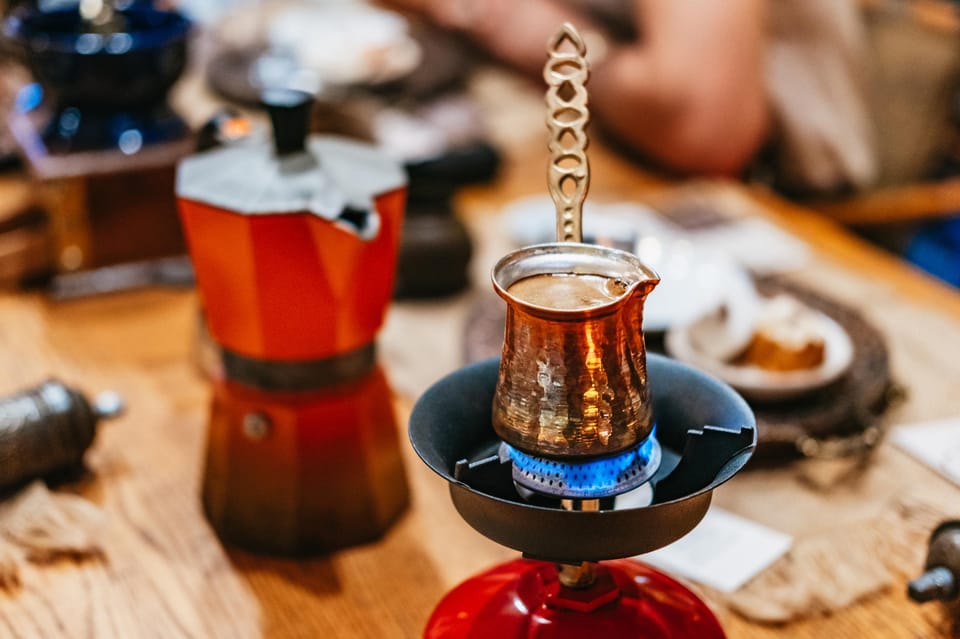
At $20 per person for a 2-hour session, you’re paying for more than tasting. You’re getting instruction, the materials used during brewing (equipment, fresh seeds, and water), dessert pairings, fortune telling, and the take-home handmade cup.
Some coffee classes are basically a demonstration plus a drink. This one is structured around you doing the brewing steps, then wrapping it with a cultural ritual and a physical take-home item.
So the value math is simple: if you want an experience where you leave with skills and a cup, it can feel very reasonable.
Meeting point: KÖZDE KAHVE to Room 109
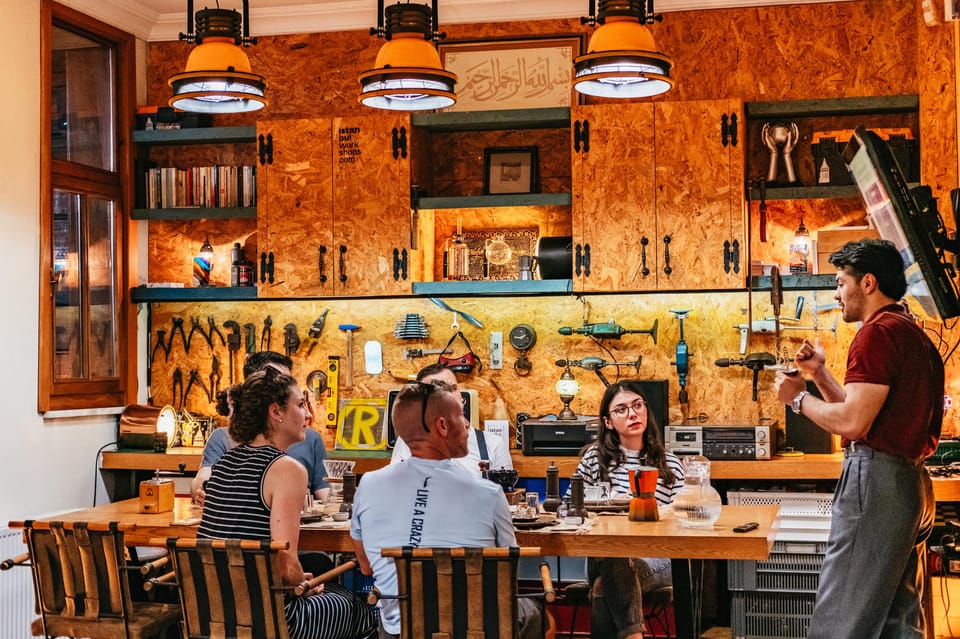
Getting there is straightforward if you follow the signs closely.
Once you arrive, look for KÖZDE KAHVE. Walk into the small street beside it. Continue a bit farther until you find the building entrance, then go upstairs. At the end of the corridor, you’ll see Room 109.
Because this involves stairs and an upstairs room, it’s one more reason it’s not suitable for wheelchair users.
What the small-group format does for you
This is offered as a small group, and that changes the feel fast. In a bigger class, you can get lost in the shuffle. In a small group, you’re more likely to get help as you practice—especially when you’re learning something that depends on technique.
It also makes the fortune-telling segment more fun, because you’re interacting with the group rather than sitting quietly at the end of the room.
If you’re traveling solo, the small-group format can also make it easier to talk without forcing it. If you’re traveling with family or friends, it tends to feel like a shared activity, not just a scheduled stop on your list.
Who should book this workshop (and who might skip it)
This is a great pick if you want:
- A hands-on cultural activity, not just a coffee tasting
- A chance to learn traditional brewing in English
- Something you can repeat later with home-brewing tips
- A fun add-on ritual with the fortune telling segment
You might skip it if you mainly want a quick caffeine hit and nothing else. Two hours is a real chunk of time, and the workshop is built to be educational and interactive.
And if mobility is a concern, remember it’s not suitable for wheelchair users due to the upstairs location.
Should you book Istanbul’s Turkish Coffee Making and Fortune Telling Workshop?
If you like experiences where you learn a skill, eat something traditional, and leave with a meaningful souvenir, I’d book it. The blend choice, the fact that you make your own coffee, and the included handmade cup all support the price.
It also works well as a break from Istanbul’s big sight circuits. Instead of chasing another landmark, you get something tactile and cultural—where the lesson follows you home.
If you’re on the fence, ask yourself one question: do you want to understand how Turkish coffee is made, or do you only want to drink it? If you want the first, this workshop is exactly the kind of stop that pays off.
FAQ
How long is the Turkish coffee making and fortune telling workshop?
It lasts 2 hours.
How much does it cost?
The price is $20 per person.
What’s included in the workshop?
You’ll get the equipment, fresh seeds, water, and a handmade Turkish coffee cup to take home.
Is the instructor available in English?
Yes. The instructor teaches in English.
Is this workshop a small group?
Yes. It’s offered as a small group.
Do you actually make Turkish coffee during the workshop?
Yes. You’ll learn the traditional method and make your own Turkish coffee.
Is there fortune telling in the workshop?
Yes. You’ll learn the ancient art of reading fortunes from your coffee grounds.
Where is the meeting point?
Look for KÖZDE KAHVE, enter the small street next to it, go to the building entrance, then go upstairs to the end of the corridor where you’ll find Room 109.
Is it accessible for wheelchair users?
No. The workshop is not suitable for wheelchair users.
Can I pay later or cancel for a full refund?
You can reserve now and pay later. You can also cancel up to 24 hours in advance for a full refund.