REVIEW · 7-DAY EXPERIENCES
Turkey Higlights in 7 days
Book on Viator →Operated by Turkey Trips · Bookable on Viator
Seven days, four icons, zero guesswork. This Istanbul to Pamukkale tour strings together world-famous sights with smart timing: Hagia Sophia, the Blue Mosque, Cappadocia valleys and underground cities, then Ephesus and the white terraces of Pamukkale. It’s a practical way to see a lot without doing all the ticket-chasing yourself.
I love two things most. First, it bundles real on-the-ground costs—entrance fees and lunches—so you can budget faster and move more smoothly. Second, it’s capped at 15 travelers, which makes the day feel organized instead of chaotic.
One consideration: the pace is full. You’ll pack in major sites each day, and some stops are long museum-and-walk days, so bring comfy shoes and a flexible attitude about timing. Also, the hot air balloon ride is not included.
In This Review
- Key takeaways before you book
- What you’re really getting in a 7-day highlights tour
- Istanbul airport pickups and a convenient old-town base
- Day 2 in Sultanahmet: Blue Mosque, Hagia Sophia, Topkapi, and the Cistern
- Hippodrome and Sultanahmet Square
- Blue Mosque (Sultan Ahmed Mosque)
- Topkapi Palace
- Hagia Sophia
- Basilica Cistern
- Grand Bazaar
- One small drawback to plan for
- Istanbul logistics: transfers, tickets, and how not to feel rushed
- Cappadocia Day 1 (Day 3): castles, valleys, villages, and underground refuge
- Uchisar Castle
- Kızılçukur Valley (Red Valley) at sunset
- Çavuşin village
- Love Valley
- Derinkuyu Underground City
- Pigeon Valley
- Cappadocia Day 2 (Day 4): Göreme views, open-air churches, and fairy chimney icons
- Göreme Panorama
- Göreme Open-Air Museum
- Avanos pottery workshop
- Devrent Valley and Pasabag
- Three Beauties (Üç Güzeller)
- The hot air balloon question: what to plan for
- Ephesus and Selçuk (Day 5): Roman scale plus sacred stops
- Ancient Ephesus
- Temple of Artemis
- Meryemana (House of the Virgin Mary)
- Isa Bey Mosque
- Pamukkale (Day 6): Cotton Castle terraces and Roman spa-city ruins
- Pamukkale travertines (Cotton Castle)
- Hierapolis Ancient City
- Cleopatra Pool
- Price and value: is $2,315.20 a good deal?
- Who this tour suits best (and who should rethink)
- Should you book this 7-day Turkey highlights tour?
- FAQ
- What does the tour price include?
- Are airport transfers included?
- Are meals included?
- Is the hot air balloon ride included?
- How many nights and days is the trip?
- What’s the group size?
- Does the tour require good weather?
- What is the cancellation policy?
Key takeaways before you book
- Airport transfers + flight logistics handled from start to finish, with round-trip and domestic flights included.
- English-speaking guidance gets praise, with strong feedback on clear explanations (including guides like Dilek and the team led by Mr Erkan).
- Big-ticket Istanbul day hits the Blue Mosque, Hagia Sophia, Topkapi Palace, and the Basilica Cistern in one sweep.
- Cappadocia is varied: viewpoints, hiking valleys, pottery in Avanos, and the underground city at Derinkuyu.
- Ephesus and Pamukkale are both winners for scale: one day for the Roman ruins, another for terraces, Hierapolis, and Cleopatra Pool.
- Balloon is optional (paid locally in Cappadocia), so you can decide based on weather and your schedule.
What you’re really getting in a 7-day highlights tour
This is the kind of Turkey trip that works best when you want structure. You get an itinerary that moves city-to-city—Istanbul first, then Cappadocia, then Ephesus, and finally Pamukkale—so you’re not constantly figuring out transportation between regions.
The value comes from the package design. You’re not just paying for a guide. You’re also paying for round-trip flights (plus domestic flights), six nights of hotel, airport transfers, and a lot of the entrance tickets. That matters because in Turkey, the “small” costs add up quickly once you start stacking museums, palaces, and archaeological sites.
The other big win: you’re traveling as a group of up to 15. That keeps logistics easier on multi-stop days (especially in Istanbul’s historic core), and it usually means you can spend less time waiting around and more time actually seeing things.
You can also read our reviews of more tours and experiences in Istanbul
Istanbul airport pickups and a convenient old-town base
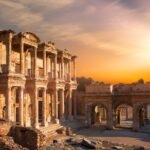
Your trip begins with airport meeting and transfer to a hotel in the Blue Mosque (Old City) area. That choice is practical. Staying near Sultanahmet cuts down on daily commuting and puts you within walking distance (or short rides) of the major sights.
There are two airport arrival options in the plan: Istanbul Airport (IST) or Sabiha Gökçen (SAW). Either way, you’re met at the airport and taken to the same general base area. That’s useful if your flight routing is out of your control.
You’ll also get free time on arrival day, so you’re not forced to jump straight into a full sightseeing schedule. Istanbul can feel intense at first, so this breathing room helps you get your bearings—especially with jet lag in play.
If you want to make the most of the location, I suggest planning an easy evening stroll. Even if you only do a short loop, being near the historic center makes it easier to catch the city at sunset when crowds thin out.
Day 2 in Sultanahmet: Blue Mosque, Hagia Sophia, Topkapi, and the Cistern
This is the “icon day,” and it’s packed in a smart order.
Hippodrome and Sultanahmet Square
You start at the Hippodrome of Constantinople, now Sultanahmet Square. Even though much of the original structure is gone, the square still holds major pieces of the story—like the Obelisk of Theodosius and the Serpent Column. It’s a good warm-up because it gives you context for what you’re about to see.
Blue Mosque (Sultan Ahmed Mosque)
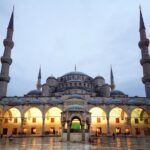
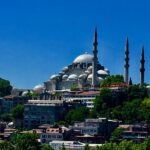
Next is the Blue Mosque, built between 1609 and 1616. The standout detail here is that it’s named for the 20,000+ blue İznik tiles covering the interior. Since it’s still a functioning mosque, timing matters. If you go at the wrong moment, you may have to work around prayer times—so plan for modest dress and a respectful pace inside.

Topkapi Palace
After that comes Topkapi Palace, the longtime Ottoman residence and administrative center. You’ll see the Imperial Treasury, the Harem, and the Chamber of Holy Relics. This is where Ottoman power, art, and daily life connect in one place. Don’t treat it as a checklist—give yourself time to absorb how big the palace complex is and how much it covers beyond the postcard images.
Hagia Sophia
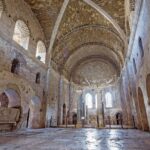
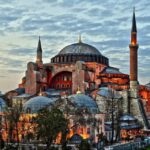
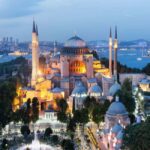
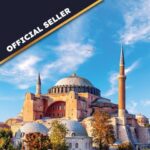
Then it’s Hagia Sophia (Ayasofya), one of those rare buildings that feels important no matter what era you know it from. You’ll see the massive dome and the way the building reflects both Byzantine and Ottoman influences. Since it’s open to visitors while also serving religious life, you’ll want to be prepared for changing interior conditions depending on the day.
Basilica Cistern
If you’re thinking, okay, how many historic interiors can one person handle? The answer is: you’ll be glad you stop at the Basilica Cistern. It’s underground, cool, and atmospheric—plus it’s full of columns and the famous Medusa Heads used as bases (with their origin still being debated). It’s a different kind of history lesson.
Grand Bazaar
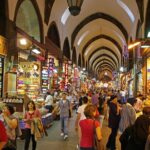
Finally, you end at the Grand Bazaar. The plan calls it the classic covered market maze: 60 streets, thousands of shops, and a trade history reaching back to the 1400s. It’s not just shopping—this place is also a sensory snapshot of how Istanbul’s economy worked for centuries.
One small drawback to plan for
This day is long and mostly indoor, but it’s not physically “easy.” You’ll be walking between major stops, and you’ll be moving through crowds. If you’re the type who hates rushing, use the Grand Bazaar moment as your decompression—take your time there and don’t force yourself to buy anything.
Istanbul logistics: transfers, tickets, and how not to feel rushed
This tour uses a mobile ticket, and it includes a lot of the entry costs. That’s a relief. When you don’t have to figure out ticket lines for each site, the whole day feels more predictable.
The group size cap also helps here. In big-city sightseeing, the difference between 10 people and 30 people is huge. With up to 15 travelers, you’re less likely to get separated or stuck waiting for the group to regroup.
Practical tip: bring layers. Mosques and palaces can feel cooler inside than outside, and the line flow can change depending on the day.
Cappadocia Day 1 (Day 3): castles, valleys, villages, and underground refuge
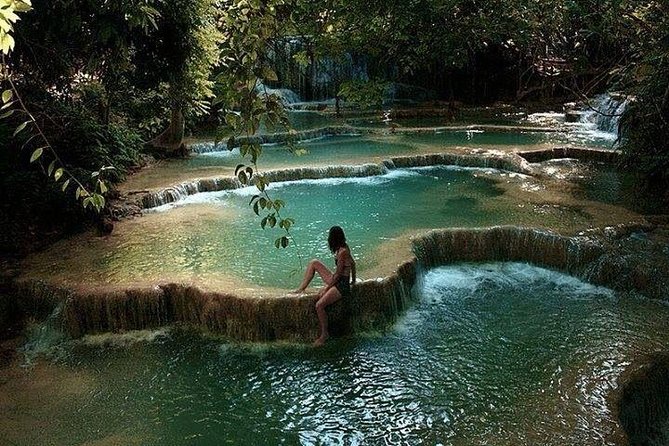
Cappadocia is where this tour switches gears—from urban monuments to volcanic rock drama.
Uchisar Castle
You start at Uçhisar Castle, carved into the highest natural rock point. The big payoff is the view: fairy chimneys and valleys stretching outward. It’s also a strong reminder that these landscapes weren’t only for tourists; people used these high points strategically.
Kızılçukur Valley (Red Valley) at sunset
Next is Kızılçukur Valley, timed for sunset. The red and pink rock tones shift as the light changes, and the valley includes fairy chimneys plus rock-carved churches and quiet trails. If you like photos, this is one of your best “wow” windows.
Çavuşin village
Then you head to Çavuşin, a village known for rock-cut homes and churches, including the Church of St. John the Baptist with frescoes dating back centuries. This stop adds human scale—Cappadocia isn’t only rock formations; it’s also settlement history.
Love Valley
You also visit Love Valley near Göreme, famous for the taller fairy-chimney shapes and the romantic, surreal look of the rock formations. It’s shorter here, but it gives you that iconic Cappadocia look.
Derinkuyu Underground City
After all the daylight scenes, you go underground to Derinkuyu Underground City, one of the largest underground settlements in the region. You’ll see multiple levels with living quarters, kitchens, chapels, storage areas, and ventilation. It’s the kind of site that makes you realize how serious people were about survival during conflict.
Pigeon Valley
Finally, you end at Pigeon Valley, where pigeon houses are carved into the volcanic rock. The name is practical—local farming once depended on pigeon droppings as fertilizer. It’s a peaceful finish and a scenic connector between Göreme and Uçhisar.
Cappadocia Day 2 (Day 4): Göreme views, open-air churches, and fairy chimney icons
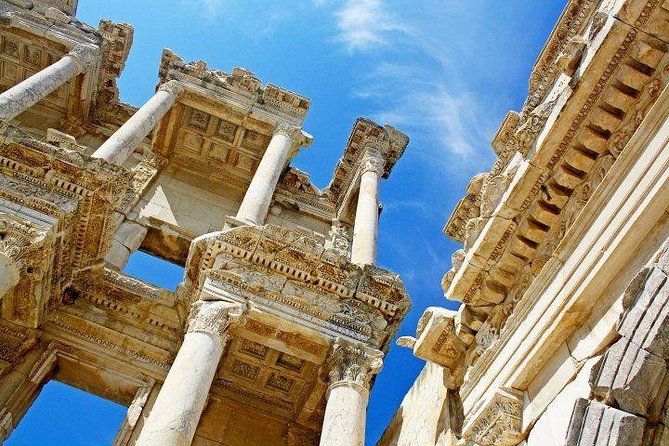
This day leans into the region’s cultural side and the iconic shapes you came for.
Göreme Panorama
Start at Göreme Panorama for sweeping views across fairy chimneys and valleys. It’s especially loved for early light, since balloons can dot the sky in the morning hours. Even if you don’t take a balloon ride, this viewpoint gives you the overall picture.
Göreme Open-Air Museum
Then it’s Göreme Open-Air Museum, a UNESCO site with rock-cut churches and frescoes from the 10th to 12th centuries. The plan specifically highlights the Dark Church, Apple Church, and Snake Church. These are worth slowing down for because each one offers a different mix of ceiling artwork and interior layout.
Avanos pottery workshop
Next you stop in Avanos, known for pottery using the red clay sourced from the Kızılırmak River. It’s a nice change of pace from rock churches and valleys. If you’re even mildly into crafts, this is the kind of hands-on or workshop-style experience you’ll appreciate more than you expect.
Devrent Valley and Pasabag
You then go to Devrent Valley (Imagination Valley)—more natural sculpture than church-and-cave site—where erosion has shaped rocks into animal and face-like forms.
After that comes Paşabağları (Monk’s Valley), famous for fairy chimneys with mushroom-like shapes and rock-cut areas tied to monks.
Three Beauties (Üç Güzeller)
You finish with Üç Güzeller, the Three Beauties. It’s one of those places where you can see why Cappadocia became a poster country. It’s short, scenic, and easy to enjoy without needing a long hike.
The hot air balloon question: what to plan for
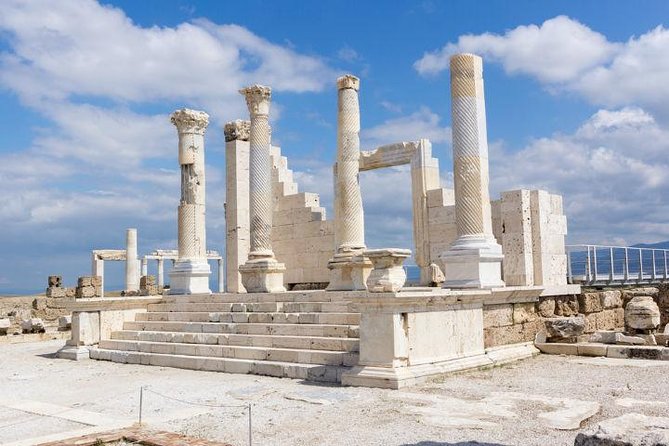
Hot air ballooning is one of Cappadocia’s signature experiences, and the plan offers it as an add-on. The ride is not included—you’d pay for it in Cappadocia if you want it.
That approach can be smart. Balloon rides depend on weather and timing, and this tour doesn’t force the cost into the base price. If you’re set on doing it, book soon after you arrive so you have options if conditions shift.
Ephesus and Selçuk (Day 5): Roman scale plus sacred stops
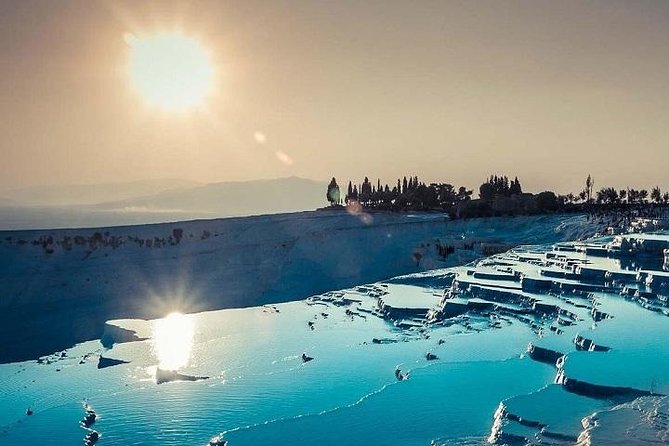
Day 5 is your switch from Cappadocia’s rock world into a major archaeological setting.
Ancient Ephesus
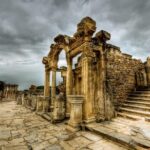
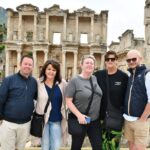
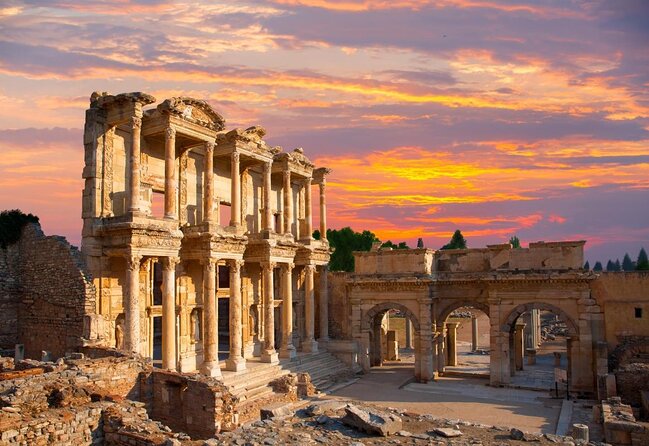
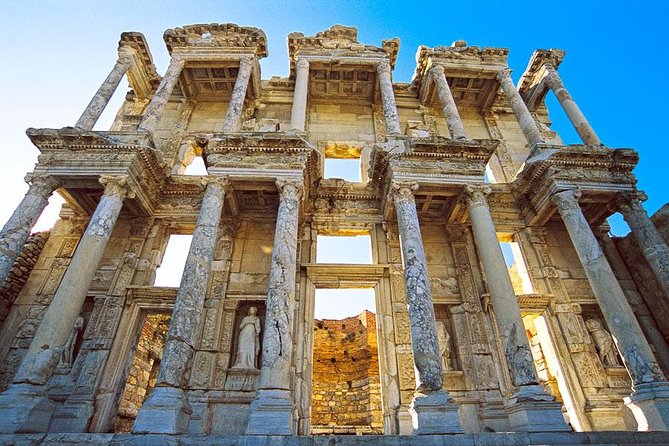
You’ll spend time at Ephesus Ancient City, one of the most significant and well-preserved archaeological sites in the Mediterranean area. Ephesus grew from early foundations into a huge trade and religious hub. You’ll see highlights like the Celsius Library and the Great Theatre, which could seat about 25,000 people.
If you’re standing in front of these structures, here’s what I’d focus on: scale and planning. The city layout and the size of the public buildings are the whole point. This wasn’t a small town—it was a major center.
Temple of Artemis
You’ll also visit the Temple of Artemis. Even though only remnants remain, it’s still a huge story. It was one of the Seven Wonders, originally built around 550 BCE, and its sheer size tells you why people called it world-class.
Meryemana (House of the Virgin Mary)
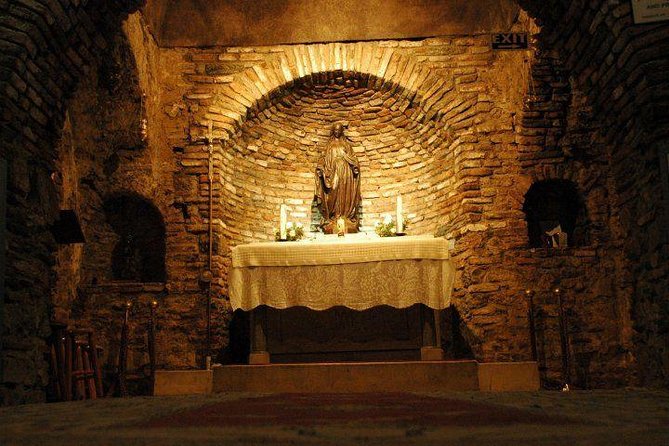
After Ephesus, you head to Meryemana (The House of Virgin Mary). It’s a hillside stone structure tied to Christian tradition, rediscovered in the 19th century by a French nun and later studied by a Vatican commission. This is also sacred in Islam, so the site feels like a cross-cultural pilgrimage space.
The wishing wall is also part of the experience—people tie cloth to their wishes. It’s a small ritual, but it’s the kind of detail that makes a site feel lived-in rather than purely archaeological.
Isa Bey Mosque
You end the day with Isa Bey Mosque in Selçuk. This one is an early Turkish-Islamic architecture highlight with stone-and-brick construction and a courtyard with carvings. Even if you mostly want ruins, this adds a very different texture to the region.
Pamukkale (Day 6): Cotton Castle terraces and Roman spa-city ruins
Pamukkale is the tour’s sensory finale: white terraces, warm water, and Roman ruins side-by-side.
Pamukkale travertines (Cotton Castle)
You’ll walk the Pamukkale Thermal Pools area, known as the Cotton Castle. These terraces form from calcite-laden thermal water flowing over the cliffs. The plan highlights that you can walk barefoot and explore the cascading pools.
Go slow here. You’re on mineral formations that can feel slippery, and the ground can be uneven. But the payoff is visual and unforgettable—white layers stretching across a hillside like a natural art installation.
Hierapolis Ancient City
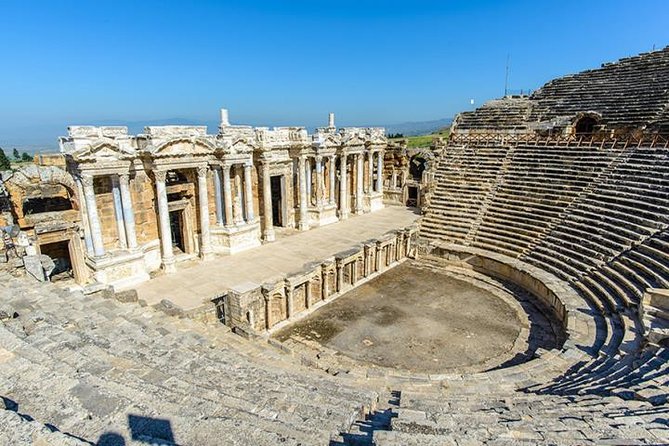
Next you explore Hierapolis Ancient City, a Roman spa town with extensive ruins. The plan notes the Roman Theater, Temple of Apollo, Nymphaeum, Agora, city walls, and the Ancient Necropolis with thousands of tombs and sarcophagi. If Ephesus is about Roman public life, Hierapolis shows Roman leisure and health culture—especially with thermal waters still in use.
Cleopatra Pool
Finally, you relax at Cleopatra Pool. It’s an ancient thermal pool in a garden setting with submerged columns and marble stones. The legend says Cleopatra received it from Mark Antony, but the practical truth is this: it’s warm, mineral-rich water paired with ancient ruins nearby. It’s a great way to end a day that’s otherwise heavy on walking and standing.
Price and value: is $2,315.20 a good deal?
At $2,315.20 per person, you’re paying for convenience plus a lot of logistics. Let’s be honest about the math.
What you get:
- Round-trip flights plus 3 domestic flight tickets with taxes and baggage (15kg checked + 8kg handbag)
- 6 night hotel
- Airport transfers
- Guide and transport
- Lunch and breakfast during the included days (breakfast 5, lunch 5)
- Entrance fees for the included sightseeing stops
What’s not included:
- Dinners and drinks
- Hot air balloon ride (optional, paid in Cappadocia)
So the question isn’t just whether it’s expensive or cheap. It’s whether you’d rather pay for the bundled convenience or deal with the effort of booking flights, domestic segments, hotel nights, transfers, and ticket entrances yourself. If you want an organized one-week highlight route across multiple regions, this price is easier to swallow—because you’re buying time, structure, and fewer decisions.
Who this tour suits best (and who should rethink)
This tour is a strong fit if:
- You want the “Turkey greatest hits” in one trip: Istanbul, Cappadocia, Ephesus, Pamukkale
- You like guided pacing and group structure
- You want entrance fees, lunches, and major transport handled for you
- You appreciate clear English explanations from the guide team (with Dilek and Mr Erkan’s service praised in feedback)
You might rethink it if:
- You hate busy schedules and constant transitions
- You need a lot of free time built into each day
- You plan to spend most evenings out for dinner and want that fully accounted for in your budget (since dinners/drinks are not included)
Good shoes matter. Mosques and museums are usually fine, but Cappadocia days include walking on uneven ground and viewpoints.
Should you book this 7-day Turkey highlights tour?
I’d book it if you want a guided, high-success-rate week across Turkey’s most iconic stops—without having to manage flights, transfers, and a stack of entry tickets. The best sign is the guide quality and the way the plan sets you up with time for the big moments: the Blue Mosque and Hagia Sophia in Istanbul, Cappadocia’s valleys and underground city, Ephesus’s Roman scale, and Pamukkale’s terraces plus Cleopatra Pool.
I’d also book it if you’re the type who values not thinking too much. You’ll still choose what to do with free time, but most of the heavy lifting is handled.
Skip this tour only if you strongly prefer slow travel and lots of downtime. This one is built for momentum.
FAQ
What does the tour price include?
The package includes guided tours (5 days), lunch, transport, and all entrance fees, plus airport transfers, round-trip flights with taxes, domestic flights (3 tickets) with baggage allowances, and 6 nights of hotel. Breakfast is also included (5 breakfasts).
Are airport transfers included?
Yes. You’ll be met at Istanbul Airport (IST) or Sabiha Gökçen International Airport (SAW) and transferred to your hotel, and on the last day you’ll get transfer time to reach the airport about 4 hours before your flight.
Are meals included?
Breakfast is included for 5 days, and lunch is included for 5 days. Dinners and drinks are not included.
Is the hot air balloon ride included?
No. The hot air balloon ride is not included in the tour price, and payment would be handled in Cappadocia if you choose to do it.
How many nights and days is the trip?
It’s listed as 7 days (about a week) with 6 nights of hotel. The included tour portion is described as 5 days of guided touring.
What’s the group size?
The maximum group size is 15 travelers.
Does the tour require good weather?
Yes. The experience requires good weather, and if it’s canceled due to poor weather you’ll be offered a different date or a full refund.
What is the cancellation policy?
You can cancel for a full refund if you cancel up to 24 hours in advance of the experience start time. If you cancel less than 24 hours before, the amount paid is not refunded.