REVIEW · CAPPADOCIA TOURS FROM ISTANBUL
Fire of Anatolia – Istanbul, Cappadocia, Pamukkale, Ephesus, Troy
Book on Viator →Operated by Fez Travel · Bookable on Viator
Turkey has a way of stealing your attention. This 11-day route strings together the country’s biggest hits with guiding that keeps everything understandable, plus a small-group feel (max 20) that helps you move efficiently.
I particularly loved two things: the chance to see major Istanbul sights with a guide from the first day, and the way the trip balances famous ruins (Ephesus, Troy) with less-expected stops that still feel worth your time. You’ll also get real structure: transfers, an English-speaking guide for the full tour window, and included entrance fees.
One thing to consider: this is a packed highlights circuit. Even with a “moderate physical fitness” note and air-conditioned driving, you’ll still do a lot of walking, some uneven ground, and long travel days—so it’s not the best fit for people who want lots of quiet downtime.
In This Review
- Key takeaways before you book
- The rhythm of an 11-day highlight circuit
- Istanbul monuments day 1 and day 2: where the tour saves you time
- A practical tip for your first Istanbul day
- Bosphorus crossings: seeing Istanbul from the water (and optional cruise time)
- What to expect on the ferry
- Cappadocia’s Göreme Valley and underground city: the part you’ll remember
- Optional Turkish folklore evening
- A small reality check
- Konya: Mevlana Museum and the Silk Road context
- Pamukkale and Hierapolis: white travertines plus ancient ruins
- Footwear and water sense
- Laodicea and leather craftsmanship: a quieter ancient city day
- Ephesus with the archaeology museum, carpets, and Selçuk wine
- Carpet weaving learning
- Selçuk wine tasting
- Troy plus Pergamon: UNESCO site and a museum that makes sense of it
- If you love story-based history
- Gallipoli WW1 battlefields: heavy subject, clear stops
- Ending in Istanbul: a smooth airport transfer
- Price and value: what $2,802.68 buys in real terms
- The main trade-off
- Who should book Fire of Anatolia (and who should skip it)
- Should you book this tour?
- FAQ
- How long is the Fire of Anatolia tour?
- Does the tour include airport transfers in Istanbul?
- Are entrance fees included?
- What meals are included?
- What group size is this tour?
- Is the tour dependent on weather?
Key takeaways before you book
- Small-group pace (up to 20 people) with a guide who helps you keep moving through crowded places
- Two-continent Istanbul days with major monuments plus Bosphorus cruising by public ferry and an optional longer cruise
- Cappadocia’s real wow-factor via Göreme Open Air Museum, fairy chimneys, and an underground city experience
- A meaningful culture stop in Konya tied to Mevlana Rumi and the whirling dervishes tradition
- Ephesus + archaeology support plus hands-on time for carpets and a later wine tasting in Selçuk
- Big history days in Troy and Gallipoli with a museum stop that makes the sites easier to place
The rhythm of an 11-day highlight circuit
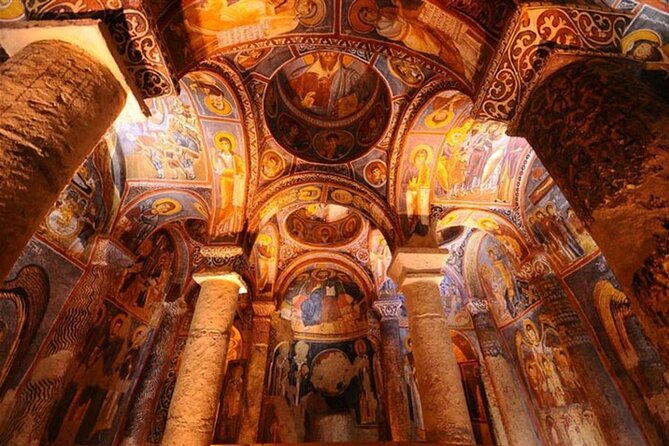
This tour is built like a fast, well-edited documentary. You spend each day focused on a cluster of sites, with transport handled by the tour team (air-conditioned vehicle when you’re on the road, and a flight leg to Cappadocia). That structure matters because Turkey’s highlights aren’t just “pretty ruins.” They’re spread out, and you’ll burn time if you try to DIY that whole route.
The included rhythm is what I like most. You get professional English-speaking guidance, entrance tickets are included, and the tour also includes breakfasts (10) and dinners (7). On paper, that’s practical. In real life, it means mornings start on schedule and you’re not constantly deciding what to pay for or where to eat after a long day.
The pace is still intense. You’re jumping between very different regions—Europe-Asia Istanbul, Cappadocia’s geology, Pamukkale’s terraces, then Aegean archaeology and WW1 battlefields. If you’re the kind of traveler who wants to linger in cafés and wander without an agenda, you may find the days feel full. If you like momentum and clarity, you’ll probably love it.
You can also read our reviews of more tours and experiences in Istanbul.

Istanbul monuments day 1 and day 2: where the tour saves you time
You start in Istanbul with an airport-to-hotel transfer, and then you get your first real freedom time to orient yourself. That first day is important because it lets you get your bearings before you’re packed into big-ticket monuments.
On the next day, the tour focuses on the core monuments that define how Istanbul feels:
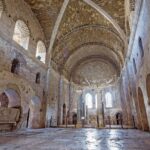
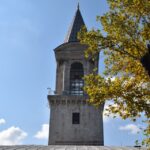
- Topkapi Palace (including Hagia Irene)
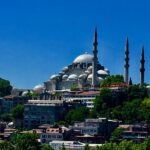
- Blue Mosque
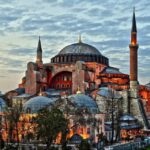
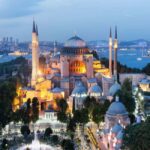
- St Sophia Museum
- The Hippodrome area
Having a guide for these stops is more than convenience. Istanbul’s religious and imperial layers can blur together if you’re just reading signs. A good guide helps you connect why each building exists and what changed over time, so the monuments stop feeling like separate photo stops.
A practical tip for your first Istanbul day
Wear shoes you can keep on. You’ll move between sites with short gaps, and stone floors and uneven sidewalks are part of the deal. Also, plan a modest outfit for mosque visits. The tour includes the key tickets, so your job is mainly to dress appropriately and show up ready to walk.
Bosphorus crossings: seeing Istanbul from the water (and optional cruise time)
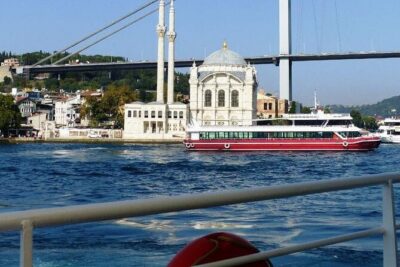
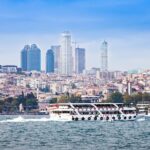
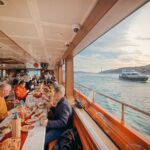
I like the Istanbul approach here because it includes the water view, not just the skyline from land. You get a Bosphorus cruise experience that uses public ferry time with a guide explaining what you’re passing. That’s a smart choice. It gives you the “two continents” effect without turning the whole day into a private-boat splurge.
On one day, there’s also an optional half-day Bosphorus cruise. If you want more time on the water and fewer land stops, that option can be a nice pressure release.
What to expect on the ferry
Public ferries mean you should expect real local life around you—people boarding quickly, a mix of languages, and times when you’ll have to stand to see. The benefit is authenticity. You see Istanbul the way locals experience it.


Cappadocia’s Göreme Valley and underground city: the part you’ll remember
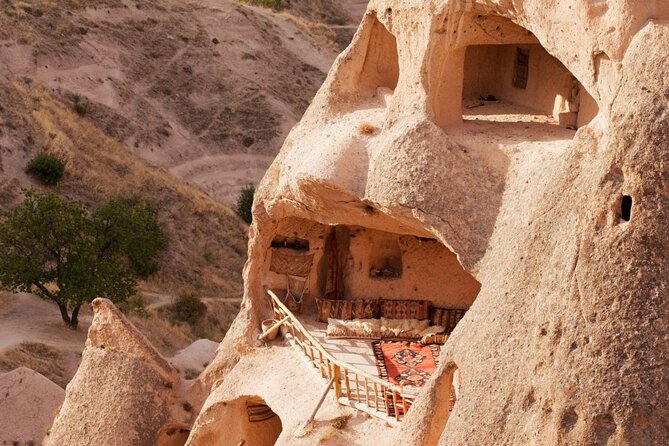
Cappadocia is where this tour turns from “great itinerary” into “I can’t believe I’m here.” You visit the Göreme Valley Open Air Museum, see fairy chimneys, and also explore underground city spaces.
This mix matters. Fairy chimneys are the postcard, but underground cities are the “why people stayed here” story. The tour’s focus on both helps you understand that this wasn’t a simple scenic vacation stop—people built survival systems underground and used the terrain like architecture.
Optional Turkish folklore evening
That optional folklore night with Turkish dancing (including belly dancers) is a cultural add-on you can choose if you want an evening change of pace. Even if you skip it, Cappadocia nights tend to feel relaxed compared to the big-city days.
A small reality check
Cappadocia walks can include uneven ground and stairs. The tour notes moderate physical fitness, and it’s accurate. Bring comfortable shoes and plan to take it one step at a time. The reward is worth it.
Konya: Mevlana Museum and the Silk Road context
Day in Konya is a strong pivot from geology and ruins to belief, art, and tradition. You visit the Mevlana Museum and the mausoleum of Mevlana Celaleddin Rumi, with exhibits that connect to the whirling dervishes tradition.
This is not just a stop to “see a tomb.” It’s a chance to understand how Sufi traditions shaped literature and spirituality in Turkey and beyond. The museum’s displays—like manuscripts and exhibits on spiritual traditions—make it easier to see Rumi as a real historical figure, not just a name you’ve heard.
After that, you travel along a theme that overlaps with the old Silk Road: you visit the Çatalhöyük Museum, tied to one of the world’s oldest Neolithic settlements. That pairing works because it shifts your brain from “empires and battles” to “how societies formed.”
Pamukkale and Hierapolis: white travertines plus ancient ruins
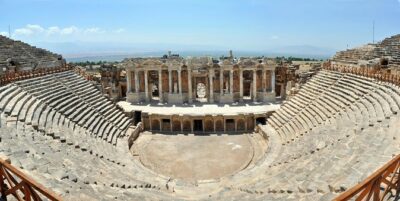
Pamukkale is one of those places where the photos don’t fully prepare you. You’ll visit the calcium travertines—those famous white terraces—and then layer it with historical context at the ruins of Hierapolis.
Your day includes:
- Temple of Apollo
- Necropolis
- A walk across the terraces
The best thing about pairing Pamukkale with Hierapolis is that it prevents the day from becoming only scenic. You get a clear story: natural formation, then human settlement, then a whole archaeological world above and around it.
Footwear and water sense
Bring footwear that handles slippery or uneven surfaces. Travertine areas can be wet. Also, hydrate. This is an all-day experience even if the walking is broken into segments.
Laodicea and leather craftsmanship: a quieter ancient city day
Not every day needs to be “the most famous.” Laodicea gives you a different flavor of antiquity as a city of the Lycus River Valley region.
You explore Laodicea’s ancient setting, then finish with a display focused on locally handcrafted leather goods. That’s a useful balance in a history-heavy trip. Ruins can start to blur. A craft stop gives your brain a new kind of detail to focus on.
One more reason I like this day: it can feel less rushed than the headline sites. You still get guided context, but you’re not always fighting the same crowds.
Ephesus with the archaeology museum, carpets, and Selçuk wine
Ephesus is a must if you love ancient cities that still feel emotionally “present.” Here, you get a guided tour that covers the major highlights such as the Temple of Artemis (as a landmark concept), the facade of the Library of Celsus, and the amphitheater.
What I especially appreciate: the tour doesn’t treat the archaeology like a one-stop photo moment. You also visit the Ephesus Archaeology Museum, where artifacts help you connect what you’re seeing in the field to real objects.
Carpet weaving learning
There’s also time at a carpet village to learn how carpets are made by hand and what influences value. This is one of those activities where it pays to pay attention. If you ask questions, you’ll understand the difference between patterns, materials, and craftsmanship decisions—things you usually can’t tell from a single shop display.
Selçuk wine tasting
After that, you head to Selçuk for a wine tasting experience. It’s a nice way to end a heavy archaeology day with something sensory and lighter.
Troy plus Pergamon: UNESCO site and a museum that makes sense of it
This is a history day built with double support: a major ancient site plus a museum designed to anchor the story.
You stop at Pergamon (including impressive temples and a library complex) as you pass through the region around Bergama. Then you continue to Troy (Truva), a UNESCO World Heritage Site, and you visit the Troy Museum—described as award-winning and newer, which usually means it’s built to help visitors understand chronology and context.
I like this sequencing because it prevents the “I’ve heard of Troy” effect. With a museum stop, you can track what’s being referenced and why archaeologists care about different layers.
If you love story-based history
This day is for you. You’ll walk in places that people have argued about for centuries, then use the museum to connect the dots in a calmer setting.
Gallipoli WW1 battlefields: heavy subject, clear stops
Gallipoli isn’t an ancient-site stroll. It’s emotional history with real names and specific terrain.
The tour visits WW1 battlefields including:
- Lone Pine and Chunuk Bair Memorials
- ANZAC Cove
- The Nek
- Johnston’s Jolly
- Original trenches and tunnels
You also drive back toward Istanbul after the visit. The day is long (a 9-hour block), but the “stop list” approach helps you understand the geography instead of just watching memorials pass by.
Bring a thoughtful mindset. Even if you don’t know every detail before you go, the tour’s structured stops make it easier to follow.
Ending in Istanbul: a smooth airport transfer
After breakfast on the final day, the tour concludes and you’re transferred to the airport for your onward flight. Ending this way keeps you from dealing with last-minute logistics while tired.
If you still have energy on the last day, it’s better to plan any extra shopping the day before. Your final block is meant to be calm and travel-ready.
Price and value: what $2,802.68 buys in real terms
At about $2,802.68 per person, this isn’t a budget tour, but it’s also not just “transport and a driver.” The value comes from what’s already handled:
- Entrance fees included for scheduled sights
- English-speaking guide for the duration of the tour
- Airport/hotel transfers into and out of Istanbul
- Air-conditioned vehicle during road travel
- Meals included for most mornings and several dinners (breakfasts 10, dinners 7)
That matters because the biggest costs in this kind of trip are often tickets, guide time, and the hassle of stitching logistics together across regions. If you tried to plan the route yourself, you’d likely spend comparable money once you account for guides, paid entries, and internal transport.
What’s not included is travel insurance (noted as compulsory) and optional activities. Also, this tour is weather-dependent, and if poor weather cancels it, you’ll be offered a different date or a full refund.
The main trade-off
You pay for structure. The trade-off is flexibility. You won’t have the freedom to linger slowly at each site or make last-minute detours.
Who should book Fire of Anatolia (and who should skip it)
This tour fits best if you:
- Want a strong history and culture focus across multiple regions
- Like having tickets and context handled so you can spend your attention on the sites
- Prefer a small group (up to 20) with an experienced English-speaking guide
- Are okay with moderate walking and long travel days
Skip it if you:
- Want lots of free, unstructured time in each city
- Get worn down by fast-paced itineraries
- Expect “only famous highlights” with minimal touring depth—this tour is about guided visits, not casual meandering
Also, a note about guide quality: in the experience of past groups, guides can make or break this kind of route. I’ve seen praise for guides like Irem, including how she adjusted the tour to fit needs and managed crowd flow. Drivers like Yilmaz were also praised for getting people safely and comfortably between destinations in a newer van, and Göksu (G) earned credit for being helpful and knowledgeable. That kind of team support is what turns the plan into an easy trip.
Should you book this tour?
I’d book it if you want one trip that hits Istanbul, Cappadocia, Pamukkale, Ephesus, Troy, and Gallipoli with guided context and included entry tickets. This itinerary is built for travelers who like being shown how places connect, not just seeing them from a distance.
I’d think twice if you’re planning around tight mobility limits or you hate long days with lots of walking. The route is doable, but it’s not a slow vacation.
If you can match the pace and you’re excited by history from palaces to WW1 memorials, this one has strong value for your money and an experience you’ll talk about long after the photos fade.
FAQ
How long is the Fire of Anatolia tour?
The tour runs for about 11 days.
Does the tour include airport transfers in Istanbul?
Yes. There is an inbound transfer from the airport in Istanbul and an outbound transfer to Istanbul for your onward flight.
Are entrance fees included?
Yes. Entrance fees are listed as included.
What meals are included?
Breakfast is included for 10 mornings and dinner is included for 7 evenings.
What group size is this tour?
The tour has a maximum group size of 20 travelers.
Is the tour dependent on weather?
Yes. It requires good weather, and if it’s canceled due to poor weather, you’ll be offered a different date or a full refund.