REVIEW · BOSPHORUS SUNSET & YACHT CRUISES
Majestic Istanbul: Walking Tour & Sunset Cruise on the Bosphorus
Book on Viator →Operated by Velena Travel · Bookable on Viator
Istanbul looks best when the sun goes down. This 7-hour combo pairs a Sultanahmet walking route with a Bosphorus sunset cruise and keeps you fed with Turkish sweets and drinks along the way. I love how the guide turns famous monuments into a story you can actually follow, step by step, instead of just pointing at stone.
I also like the pace during the cruise portion: the boat feels spacious, the staff are friendly, and the views come in quick, clean “look left, look right” moments—European and Asian waterfronts included. One consideration: the schedule is packed, and you’ll see some major sites from the outside or from a limited area only, so it’s not the best fit if you want long interior time in every stop.
You’ll start in Sultanahmet, work your way through the Hippodrome area, mosques, and palace ground, then link over toward central Istanbul via tram. At the end, it’s back to the water for the sunset sail, which is where the day really clicks.
In This Review
- Key highlights to watch for
- How This Istanbul Plan Actually Flows: Old City First, Bosphorus at Sunset
- Sultanahmet’s Hippodrome Remains: The Columns That Still Explain the City
- Blue Mosque and Hagia Sophia: Major Icons With Clear Boundaries
- Topkapi Palace: First-Courtyard Access Without the Full-Time Commitment
- Tram to Column Constantine and the Grand Bazaar Maze
- Column of Constantine (Burnt Column)
- Grand Bazaar
- Süleymaniye Mosque and the Spice Bazaar: Ottoman Craft Meets Everyday Smell
- Süleymaniye Mosque
- Spice Bazaar
- Bosphorus Sunset Cruise: The Part That Turns the Whole Day On
- Price and Value: Is $119.14 a Smart Deal?
- Who Should Book This, and Who Should Skip It
- Should You Book the Majestic Istanbul Walking Tour and Sunset Cruise?
- FAQ
- How long is the tour, and when does it start?
- Where does the tour start and end?
- Is Hagia Sophia included inside?
- What part of Topkapi Palace do you visit?
- What happens on Fridays at the Blue Mosque?
- Is the Grand Bazaar included, and is it open on Sundays?
- Can I cancel for free, and what about bad weather?
Key highlights to watch for
- A mix of Roman, Byzantine, and Ottoman landmarks in one continuous route
- Photo-stops at the Hippodrome monuments (Serpent Column, Obelisk of Theodosius, and more)
- Blue Mosque and Hagia Sophia stop-by viewpoints, with rules that change on Fridays
- Topkapi Palace time limited to the first courtyard, keeping the day moving
- Tram hop included to connect Sultanahmet to Column Constantine and the Grand Bazaar
- Sunset cruise with snacks and warm planning (blankets + cabin heater noted on colder days)
How This Istanbul Plan Actually Flows: Old City First, Bosphorus at Sunset
This tour is built like a loop with a payoff at the end. First, you’ll walk the old-city core around Sultanahmet—mostly moderate walking—seeing landmarks that shaped Constantinople and then the Ottoman capital. Then you’ll move toward the water for the sunset cruise, with transportation to the pier from the old city included.
The group size is capped at 20. That matters. In Istanbul, where crowds can swallow your day, a smaller group usually means fewer bottlenecks and more time with your guide’s explanations. The tour is in English, and you’ll also get small food breaks that keep you from turning into a grumpy tourist with an empty stomach.
You should expect quick transitions. Some stops are short, and several are exterior-only. If you’re the type who wants 60 minutes inside every cathedral, mosque, or palace room, you may feel rushed. But if you want a smart “greatest hits” day that ends with the Bosphorus glowing, it fits well.
You can also read our reviews of more walking tours in Istanbul



Sultanahmet’s Hippodrome Remains: The Columns That Still Explain the City
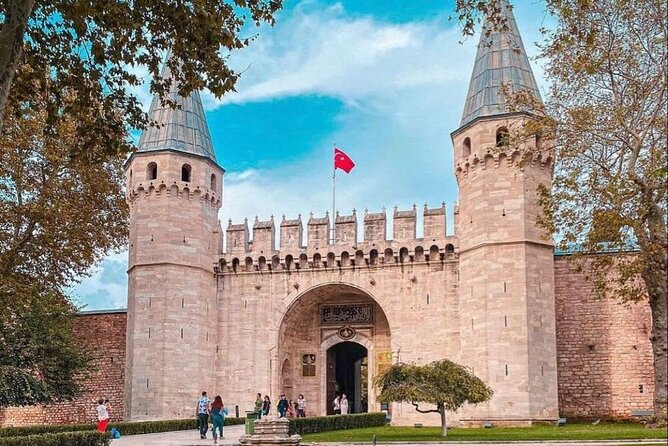
Your first focus is Sultanahmet Meydani, the site of the ancient Hippodrome of Constantinople. This place wasn’t just for sports. It was the Byzantine public square where politics, celebrations, riots, and chariot racing all collided. If you’ve ever wondered why Constantinople felt like a machine for spectacle, this is where you start seeing the gears.
The Hippodrome’s design—its U-shaped track and tiered seating—could hold tens of thousands. Chariot racing was a major deal here for over a thousand years, so the monuments you’ll see are tied to that culture of crowds and power.
You’ll get a quick run at three of the most striking pieces:
- Walled Obelisk: This one is called the Masonry Obelisk because it’s built from roughly cut stones, not a single block. It’s a good example of how different Egyptian-style monuments were adapted when they were moved and repurposed.
- Serpent Column: The story is dramatic and oddly specific. Three serpents’ heads intertwine to form the column’s shaft, and it originally supported a golden tripod. It commemorates the Greek victory over the Persians at the Battle of Plataea in 479 BC, with participating city-states inscribed on it.
- Obelisk of Theodosius: About 20 meters tall in red granite, with hieroglyph inscriptions celebrating Pharaoh Thutmose III’s achievements. Later, Emperor Theodosius I re-erected it in Constantinople, which is exactly the kind of “old-world reuse” that makes Istanbul fascinating.
These are fast stops, but they’re not random. You’re learning how empires borrowed symbols from earlier eras, then used them to send messages to the crowds standing in the stands.
Blue Mosque and Hagia Sophia: Major Icons With Clear Boundaries
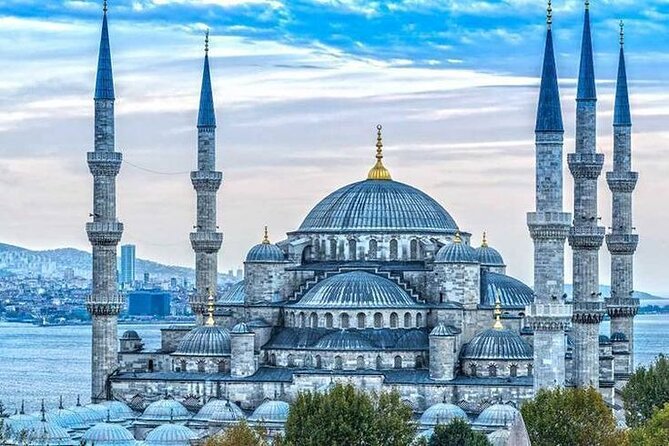
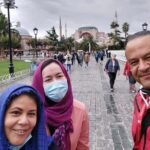
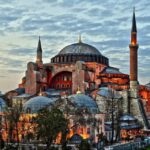
After the Hippodrome area, you’ll head into the zone most people associate with Istanbul postcards: Sultan Ahmed Mosque (the Blue Mosque) and Hagia Sophia.
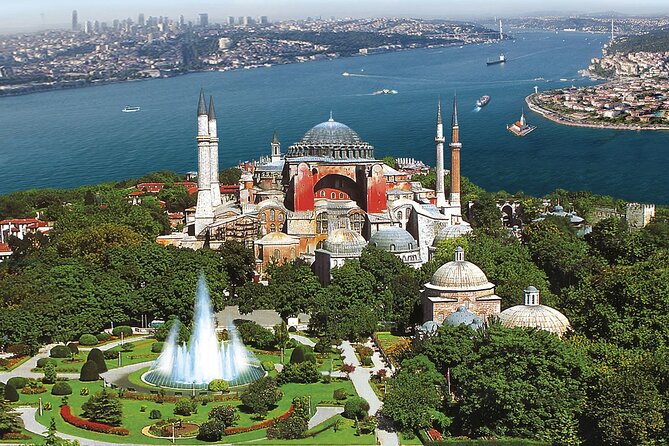
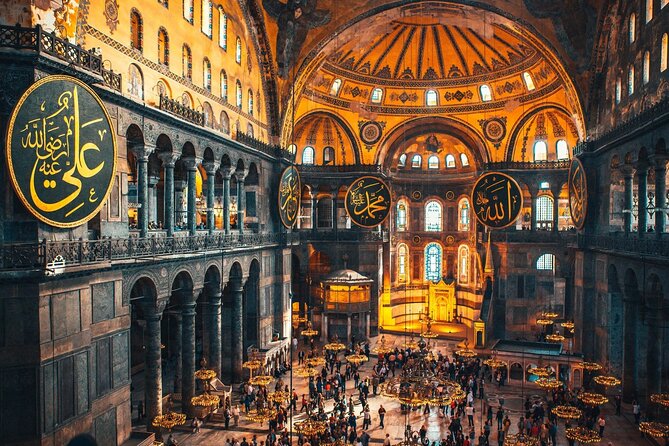
Here’s the key practical detail: Hagia Sophia interior is not included. You’ll be looking at it from outside, so the value is in your guide’s framing—what you’re seeing, and why it mattered across centuries and religious uses. If you’ve seen interior photos online, you’ll get the “big picture” here. For most people, that’s enough on a day that also includes markets and a palace.
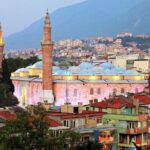
The Blue Mosque is different. It’s famous for its classical Ottoman architecture and blue tiles inside, plus the dramatic profile with the main dome and minarets. It was built between 1609 and 1616 under Sultan Ahmed I, and the six minarets were controversial at the time because they matched the number at Masjid al-Haram in Mecca. The resolution involved adding a seventh minaret there later.
One day-of-week rule matters: on Fridays, only exterior visits are available for the Blue Mosque. Plan accordingly so you’re not surprised. Also, for mosque visits, women are recommended to bring a scarf to use while visiting.
If you’re visiting on a non-Friday, you may be able to go inside. Either way, this stop is a visual anchor for the entire itinerary: after the stone-and-crowd story of the Hippodrome, you shift to Ottoman grandeur.
Topkapi Palace: First-Courtyard Access Without the Full-Time Commitment
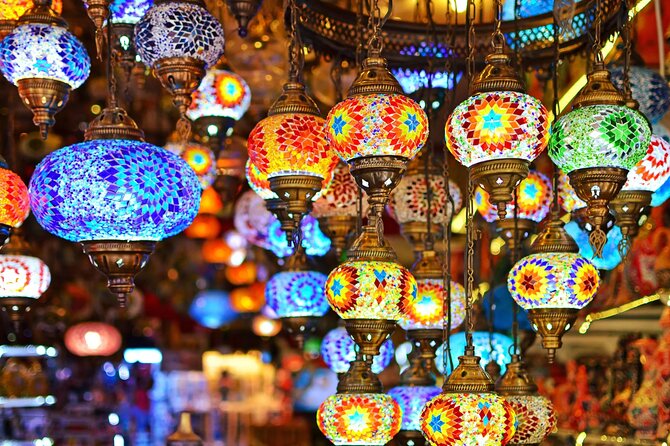
Topkapi Palace is huge—once the main residence and administrative headquarters of Ottoman sultans for nearly 400 years. The palace complex covers hundreds of thousands of square meters at its zenith, and it’s organized around courtyards that get more private as you move inward.
On this tour, you only visit the first courtyard. That’s not the same as the full palace experience, but it is a smart choice if you’re combining multiple major stops in one day. You’ll get the feel for Ottoman power and scale without spending the entire afternoon inside ticket lines and room-to-room navigation.
If you’re the type who loves palace details, you might wish you had more time. But if your goal is a guided hit list that still leaves you energy for the cruise, limiting it to the first courtyard keeps the day from collapsing into one long museum marathon.
Tram to Column Constantine and the Grand Bazaar Maze
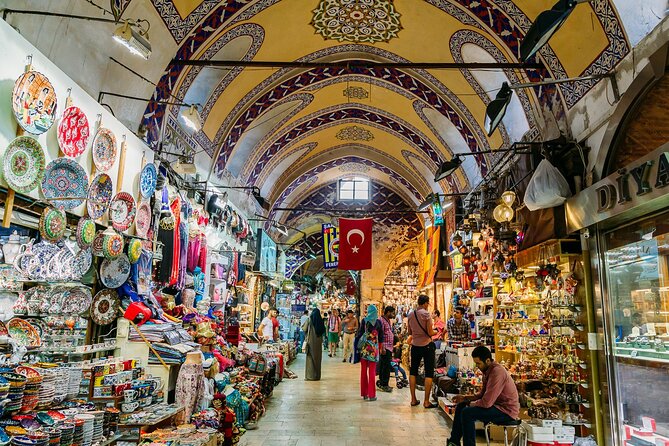
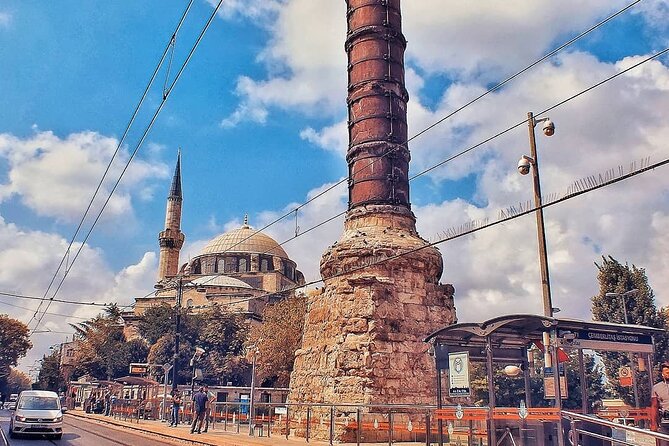
You’ll use the tram from Sultanahmet Square to reach Column Constantine and the Grand Bazaar. That’s a practical win. It saves walking time and helps you avoid getting stuck in street-level confusion during the busiest shopping hours.
You can also read our reviews of more boat tours in Istanbul



Column of Constantine (Burnt Column)
This column is named for Emperor Constantine the Great and sits near where you’ll often see visitors slowing down for pictures. It’s made of porphyry, the purple-hued igneous rock. The original structure was around 50 meters tall when you include its pedestal and statue.
The statue at the top portrayed Constantine dressed like Apollo, linking the emperor with the idea of sun-like salvation and civic destiny. The original statue was lost in the 12th century, and the column has been restored repeatedly after fires and earthquakes—another reminder that Istanbul’s landmarks survive through waves of rebuilding.
Grand Bazaar
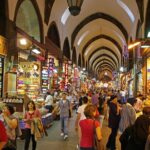
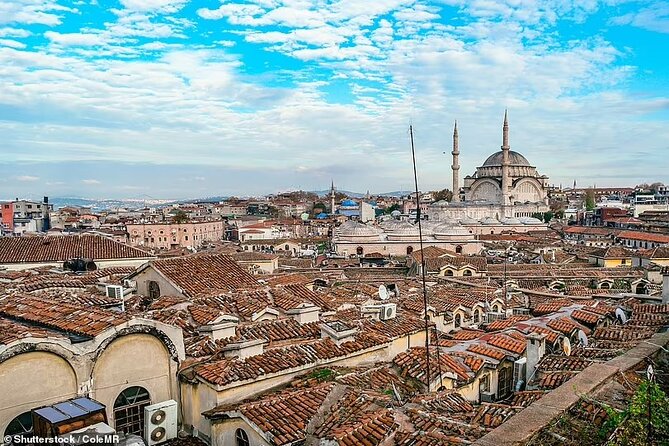
Kapalıçarşı—the Grand Bazaar—is one of the largest and oldest covered markets on earth. Construction began in 1455 after the Ottoman conquest of Constantinople under Sultan Mehmed II. Over time it grew into its maze-like shape, with thousands of shops.
This is where the tour shifts from monument appreciation to sensory city life. You’ll walk in a covered corridor of trades and textures—spices, textiles, leather goods, and more. Expect it to feel busy, and keep an eye on your bearings since it’s a maze by design.
Two practical notes:
- Grand Bazaar is closed on Sundays. If your visit is Sunday, you’ll want to plan for that.
- This is a short stop, so don’t come in expecting hours of deep shopping. Come in expecting a feel for the place, then pick what you really want to pursue later.
Süleymaniye Mosque and the Spice Bazaar: Ottoman Craft Meets Everyday Smell
After the bazaar zone, the itinerary moves toward two more powerful stops: Süleymaniye Mosque and the Spice Bazaar (Mısır Çarşısı).
Süleymaniye Mosque
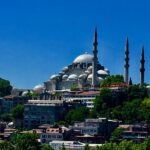
Süleymaniye is one of Istanbul’s biggest Ottoman landmarks, commissioned by Sultan Süleyman the Magnificent and completed in 1557. The architect was Mimar Sinan, and you can feel his approach in the way the dome and supporting half-domes manage space. The dome is about 53 meters high, and it’s supported through careful structure and buttressing.
A nice detail for your brain: Sinan blended Islamic design with Byzantine elements, including inspiration from Hagia Sophia’s dome logic. So you end up with a visual conversation across centuries, all within one skyline view.
Spice Bazaar
The Spice Bazaar is the opposite vibe from the Grand Bazaar. It’s famous for spices, herbs, sweets, dried fruits, and nuts. It was built in the 1660s as part of the Yeni Cami complex, with revenues intended to support the mosque’s maintenance.
You’ll notice its shape: an L-shaped, vaulted corridor lined with shops. The design makes it easy to enter from different points, which helps if you’re trying not to get lost in a giant labyrinth.
If your day’s been mostly stone-and-tiles so far, the Spice Bazaar shifts you into kitchen-sense territory. It’s a great place to pick up small gifts that don’t require a whole suitcase plan.
Bosphorus Sunset Cruise: The Part That Turns the Whole Day On
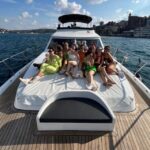
The tour’s finale is the Bosphorus sunset sail. Transportation to the pier from the old city is included, and the cruise comes with light snacks, cookies, and Turkish baklava plus tea and coffee. You’ll also get a fruit platter, and drink options change by season: lemonade in summer months and fresh fruit juice in winter.
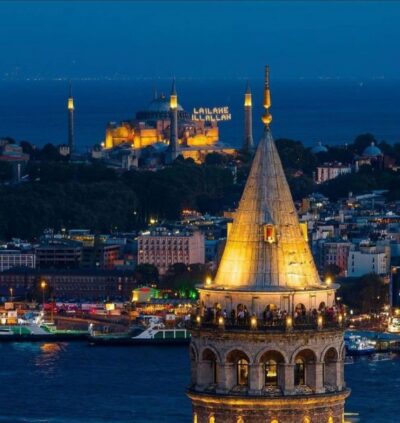
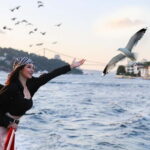
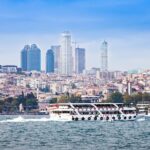
This is the payoff moment. From the water, you see the city’s layout in a way no street view can replicate. You get European and Asian sides in one arc, and it’s easier to spot the rhythm of neighborhoods and shoreline angles.
Comfort matters here. On colder months, it can get chilly once the sun drops, even if you start out warm. Blankets are provided, and there’s a heater in the cabin. The boat also has enough space to feel comfortable rather than packed like a bus.
If you care about photos, this cruise is also where your guide’s help can make a big difference—finding the right angle before the best light disappears. One of the repeat themes from real feedback is that the crew will help you get the shot you’re aiming for.
Price and Value: Is $119.14 a Smart Deal?
At $119.14 per person for about 7 hours, this tour has a specific value proposition: you’re paying for a guide, multiple major landmarks across eras, tram transportation for key connections, and a sunset cruise with food and drinks.
Here’s what you’re getting for the money:
- A guided route through several high-demand Istanbul stops (not just a self-guided checklist)
- Included transit help, including tram tickets to connect areas efficiently
- A cruise with included snacks/drinks, which is usually where add-on costs sneak up on sightseeing days
- A small group size (max 20), which helps you keep moving without constantly fighting the crowd
What you’re not getting is equal time at every site. Hagia Sophia interior is not included, and Topkapi is limited to the first courtyard. The Blue Mosque experience also changes on Fridays. So the value depends on your priorities: if you want breadth and a sunset sail more than long interior time, it’s a strong deal. If you want deep dives inside every monument, you’ll likely feel like you paid for a highlight reel.
Who Should Book This, and Who Should Skip It
This tour is a good fit if you want:
- A guided Istanbul starter pack that covers Roman/Byzantine/Ottoman anchor points without scrambling for transportation
- A day that includes Bosphorus sunset views, not just land-based sightseeing
- A manageable group size and short, efficient stops
It may be less ideal if:
- You’re planning to spend most of your day inside museums and want maximum interior time
- You’re very sensitive to cold evenings, since part of the cruise experience can be open-air depending on conditions (though blankets and a cabin heater are there)
- You’re visiting on a Sunday and were counting on the Grand Bazaar being open
Should You Book the Majestic Istanbul Walking Tour and Sunset Cruise?
I’d book it if your ideal Istanbul day looks like this: start in Sultanahmet, learn what the landmarks mean, eat well along the way, and end with the Bosphorus lighting up behind you. The tour’s biggest strength is how it bundles major sights plus a sunset cruise into one coordinated plan, with transit handled and food included.
I’d skip it—or at least expect a shorter look at each stop—if you only care about interiors and need a slower, room-by-room experience. In that case, you’ll probably prefer a tour that’s centered on fewer sites and longer time inside each.
If you’re after smart value, clear guidance, and that once-a-day moment when Istanbul turns cinematic from the water, this is a very reasonable bet.
FAQ
How long is the tour, and when does it start?
The tour runs for about 7 hours and starts at 1:00 pm.
Where does the tour start and end?
It starts at Turkish & Islamic Arts Museum, Binbirdirek, At Meydanı Cd No:12, 34122 Fatih/Istanbul. It ends at Kabataş Square, Meclis-i Mebusan Cd., 34427 Beyoğlu/Istanbul.
Is Hagia Sophia included inside?
No. There is no interior visit to Hagia Sophia on this tour.
What part of Topkapi Palace do you visit?
You visit only the first courtyard of Topkapi Palace.
What happens on Fridays at the Blue Mosque?
On Fridays, only exterior visits are available to the Blue Mosque.
Is the Grand Bazaar included, and is it open on Sundays?
The Grand Bazaar is part of the route, but it is closed on Sundays.
Can I cancel for free, and what about bad weather?
You can cancel for free up to 24 hours before the experience’s start time. The tour requires good weather; if it’s canceled due to poor weather, you’ll be offered a different date or a full refund.