REVIEW · BLUE MOSQUE TOURS
Little Hagia Sophia, Blue Mosque & Hagia Sophia Walking Tour
Book on GetYourGuide →Operated by Charlotte City Tour · Bookable on GetYourGuide
Four monuments in one walk through Sultanahmet. I love the small-group pace (you’re not sprinting between sites), and I like how the guide ties details to the Ottoman world around every corner. If you’re trying to get your bearings fast in Istanbul, this route gives you the big landmarks plus the context that makes them click.
There’s one real consideration: plan for timing risk. In at least one case, the guide was cancelled without proper notice, and the group lost mosque time—so I’d keep an eye on day-of communication and confirmations.
In This Review
- Key Things to Know Before You Go
- A Smart Sultanahmet Route in About Three Hours
- Meeting Point and the Walk Pace You Should Expect
- German Fountain: A Diplomatic Start, Not a Random Monument
- Theodosius Obelisk and the Serpent Column: Ancient Pieces with Istanbul History
- Sultanahmet Square and the Blue Mosque: Tiles, Minarets, and the Rules of Entry
- Blue Mosque entry is free, but timing is real
- Dress code matters here
- Little Hagia Sophia: The Peaceful Byzantine Prototype
- Hagia Sophia: Where the Art Tells the Story
- Soğuk Çeşme Street Finish: Ottoman Mansions and Calmer Footsteps
- Price and Ticket Reality: What $46 Buys (and What It Doesn’t)
- Who This Tour Is Best For (and Who Should Skip It)
- The One Risk You Should Plan Around: Day-of Guide Reliability
- Should You Book This Little Hagia Sophia, Blue Mosque & Hagia Sophia Walk?
- FAQ
- How long is the tour?
- Where do I meet the guide?
- What language is the tour guide?
- What should I bring?
- What clothing rules apply for the Blue Mosque?
- Is flash photography allowed inside the Blue Mosque?
- Is Blue Mosque entry free, and can prayer times affect access?
- Is priority admission to Hagia Sophia included?
Key Things to Know Before You Go
- German Fountain plus Ottoman-German ties: You start with a diplomatic story, not just a pretty corner photo.
- Theodosius Obelisk facts that change how you look at it: A 3,500-year-old Egypt-to-Constantinople move you’ll hear explained.
- Little Hagia Sophia as the quieter prototype: A smaller Byzantine stop that feels calmer than the headline sites.
- Blue Mosque tiles and the “why it looks like that” discussion: You’ll get the design context, not just the view.
- Hagia Sophia’s Christian-to-Islamic layers: You’ll understand why the building’s art and use changed over time.
- A finish with Soğuk Çeşme Street: Restored Ottoman mansions and cobblestones give your feet a calmer ending.
A Smart Sultanahmet Route in About Three Hours

Sultanahmet is where Istanbul’s “old world” concentrates—mosques, churches, columns, squares. What makes this tour work is that it doesn’t treat each stop like a separate postcard. You walk a tight circuit and the guide builds connections as you go, from the Roman/Byzantine-era pieces to the Ottoman period you see in the architecture and street life.
This is also one of those practical tours for first-timers. The landmarks are famous, but the explanations help you notice what’s actually in front of you: the materials, the layout, the symbolism. You won’t just stare up. You’ll start to understand.
At $46 per person for an English-speaking professional guide and a small-group experience, the value comes from the number of major sites you cover in a short window. You also get photo stops and short breaks built in—important when you’re in active sightseeing mode and the crowds start thickening.
You can also read our reviews of more walking tours in Istanbul



Meeting Point and the Walk Pace You Should Expect
You meet your guide in front of Tarihi Sultanahmet Köftecisi Selim Usta. That’s a very practical start: you’re already in the Sultanahmet zone, close to where most people spend their time.
The tour runs about 3 hours, with 2.5 hours of walking. In plain terms, that’s enough time to cover the core monuments on foot without turning the whole day into a forced march. You’ll also get break time at stops—so you can reposition for photos and keep your legs from turning into sad noodles.
The guide is an Australian Turkish native English speaker with deep knowledge of the Ottoman Empire and Middle Eastern history. That matters here. Sultanahmet can feel like “big buildings, next building.” A good guide makes it legible.
German Fountain: A Diplomatic Start, Not a Random Monument

The first major stop is the German Fountain (German Fountain, Istanbul). You’ll see it at the beginning of the walk, which is a clever move. Instead of jumping straight to the mosques, the tour frames Ottoman-era Istanbul as something that was connected to other powers—politically and socially.
The fountain is described as a royal gift from a Kaiser, and it’s used as a springboard for stories about Ottoman-German ties. That’s the kind of context that makes later Ottoman architecture make more sense. You start noticing that these spaces weren’t just religious or aesthetic. They were part of an international world.
If you care about photos, this is also a good early moment. People tend to be fresher and more alert at the start, and you’ll usually get cleaner angles before the day’s crowd pressure builds.
Theodosius Obelisk and the Serpent Column: Ancient Pieces with Istanbul History
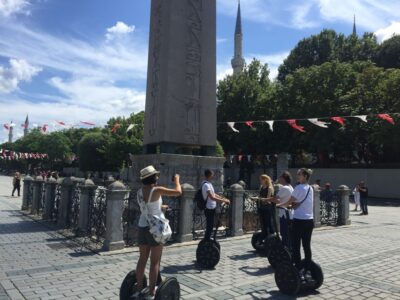
Next comes the Obelisk of Theodosius III. This is not just a tall rock on a pedestal. You’ll hear that it’s an Egyptian monument around 3,500 years old, brought to Constantinople under Emperor Theodosius. When you hear that kind of “moved across empires” story, you stop thinking of it as a monument in place and start thinking of Istanbul as a museum built by collecting power and prestige.
The tour also explains the Serpent Column. It’s tied to the Temple of Apollo in Delphi, where a bronze column once marked a Greek triumph over the Persians. The details matter—especially the odd fact that the snake heads mysteriously vanished. That’s one of those small mysteries that makes the whole stop feel more alive than a simple history lesson.
Practical tip: bring comfortable shoes. These sites are outdoors and you’ll do a fair amount of standing and looking up.
Sultanahmet Square and the Blue Mosque: Tiles, Minarets, and the Rules of Entry
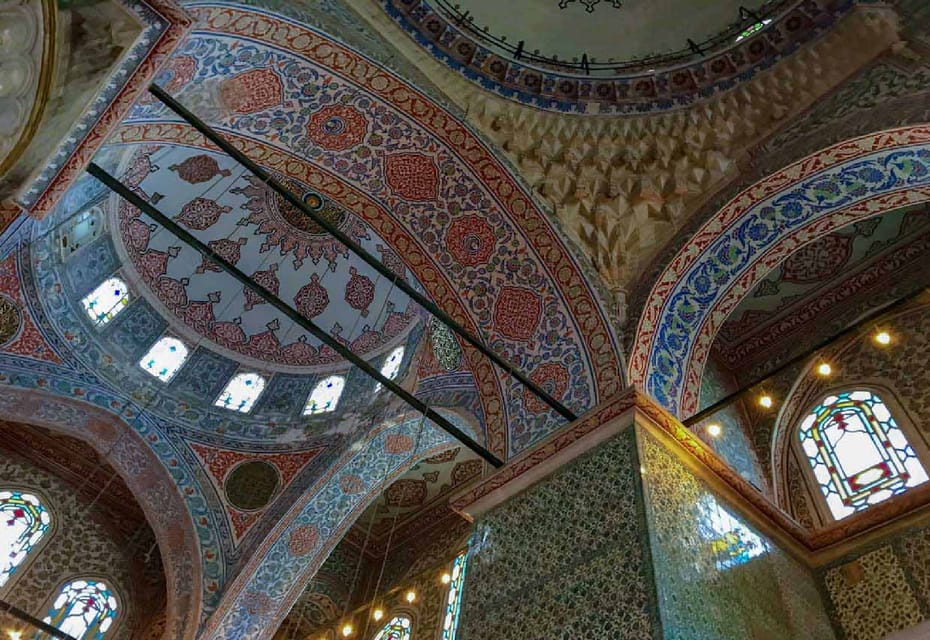
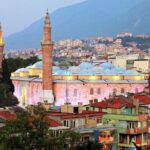
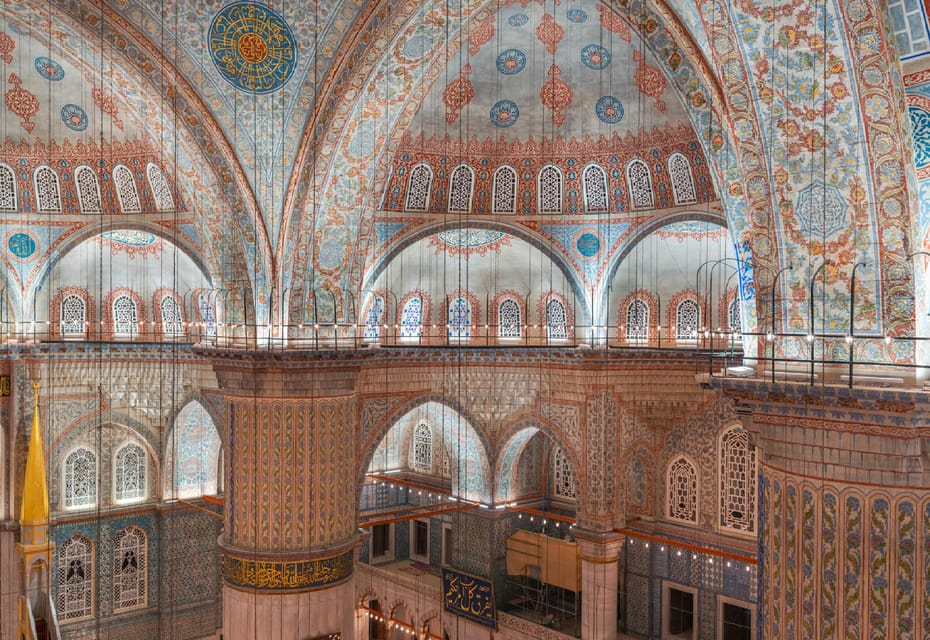
From there, you reach Sultan Ahmed Mosque, better known as the Blue Mosque. This is the moment most people came for, and the tour gives you two things: the visual impact and the reasoning behind the design choices.
You’ll learn about its iconic look—especially the blue tiles (Iznik tiles) and the fact that it has six minarets. Then you’ll get the explanation behind the mosque’s controversial design. That last part is key. Without it, the mosque becomes only a “wow.” With it, you start seeing how architecture can carry cultural and political messages.





Blue Mosque entry is free, but timing is real
The tour notes that entry to the Blue Mosque is free, but you may need to wait outside during prayer times. So don’t treat your visit like a guaranteed instant entry at exactly the moment you arrive. If prayer is happening, plan for delay.
Dress code matters here
You’ll want a headscarf (the tour explicitly says to bring one). For clothing rules, the guidance is strict: shorts, short skirts, and sleeveless shirts are not allowed, and modest clothing is required to enter.
Also note the restrictions inside: flash photography is prohibited, and large bags, backpacks, and big umbrellas aren’t allowed inside the Blue Mosque.
I’ll be blunt: if you show up dressed wrong, you’ll waste time getting sorted—or you might get turned away. Fix it before you leave your hotel.
Little Hagia Sophia: The Peaceful Byzantine Prototype
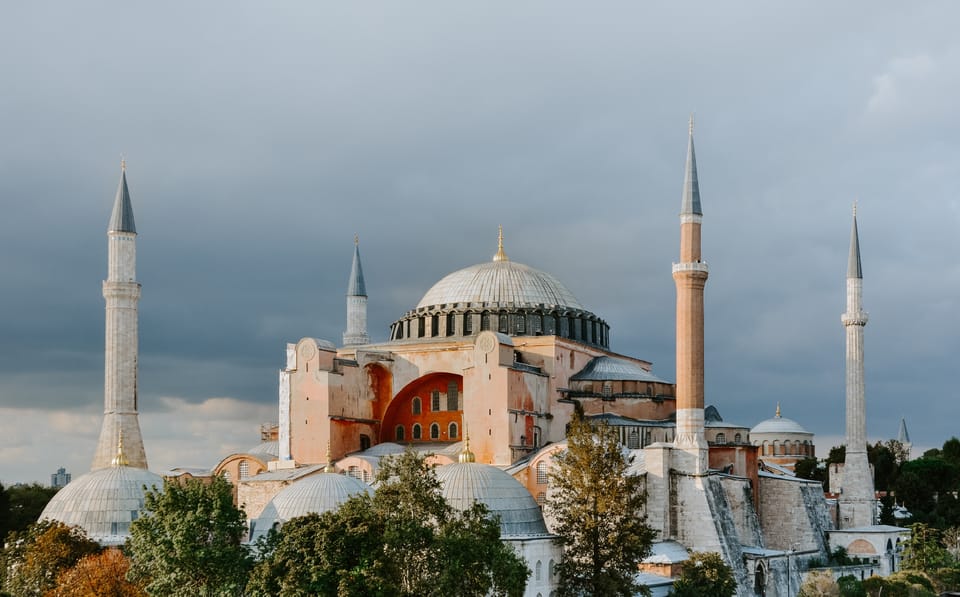
Now for a stop that many people don’t plan for until they’re already in Sultanahmet: Little Hagia Sophia.
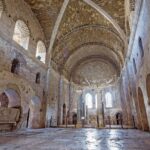
This is described as a peaceful, intimate glimpse of Byzantine architecture. It’s also built to be a calmer counterpoint to the headline buildings. Instead of the big, famous crowd scene, you get a more human-scale experience.
You’ll learn that it was built in the 6th century as the Church of Saints Sergius and Bacchus. That church-to-mosque and architecture evolution is a big theme in this tour, and Little Hagia Sophia matters because it served as a prototype for the later, grander Hagia Sophia.
The tour highlights its features: a smaller, more intimate scale, a unique octagonal design, an elegant dome, and marble columns. What I like about this stop in particular is the way it gives you a chance to compare. If Hagia Sophia is the “final boss,” Little Hagia Sophia shows you the groundwork.
It’s also a smart time to reset mentally. You can slow down, sit with the details, and let everything you’ve heard about Constantinople and Ottoman transformations land.
Hagia Sophia: Where the Art Tells the Story
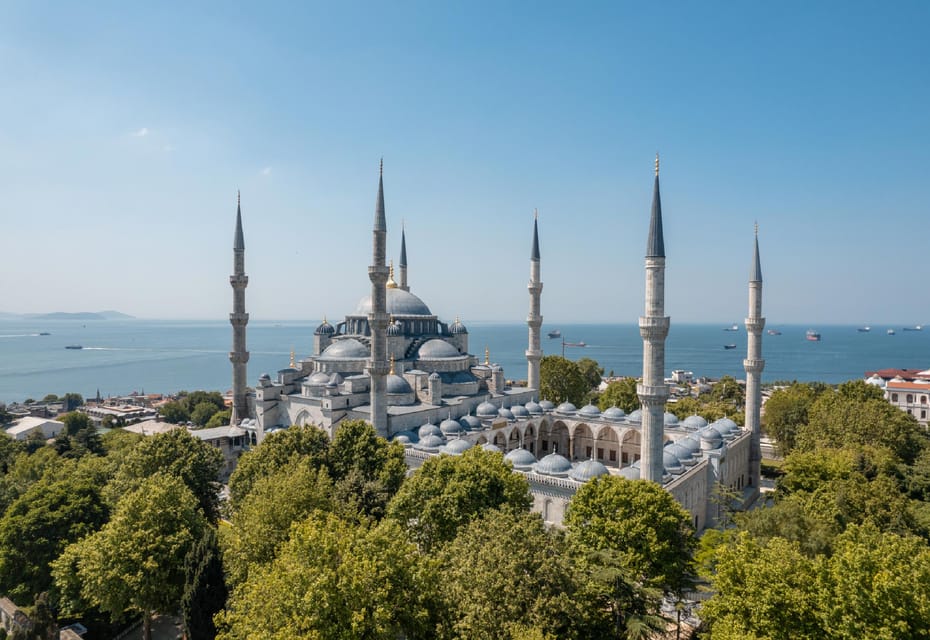
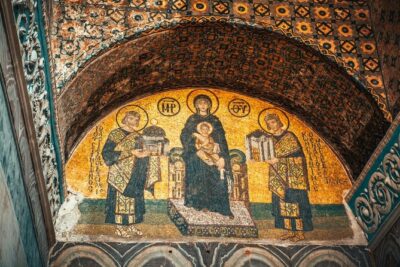
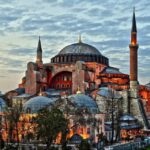
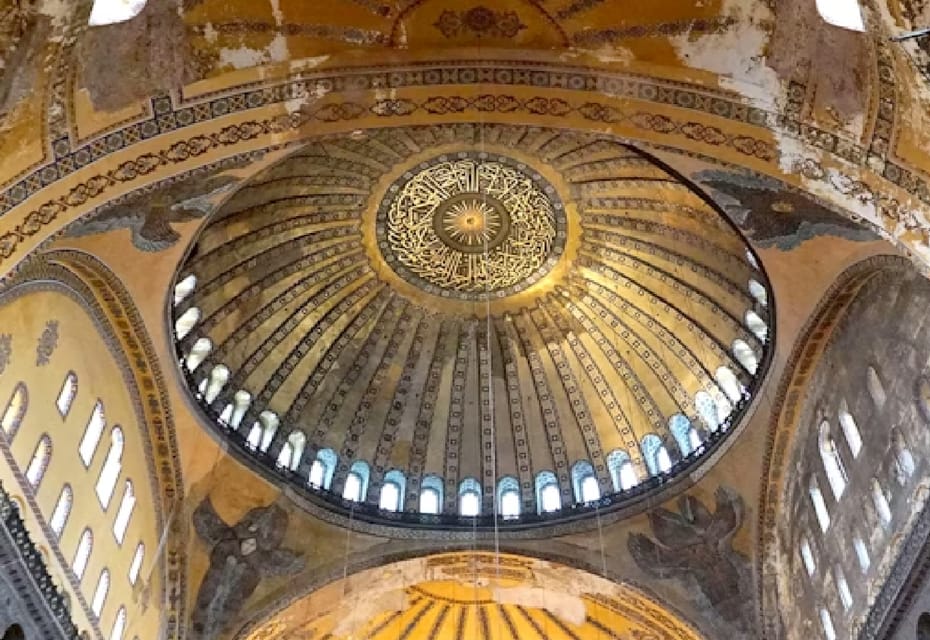
Then you reach Hagia Sophia, the true icon of the peninsula. The tour frames it as a structure that’s about 1,500 years old and has served as both a cathedral and a mosque, which is why the building feels like more than one era got layered on top of another.
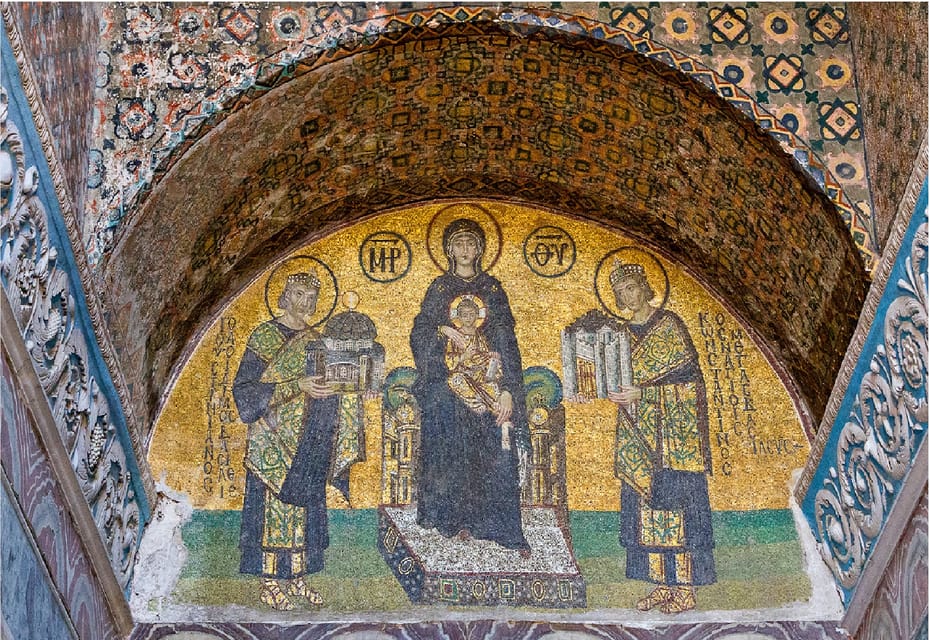
The tour emphasizes the blend of Christian and Islamic art. That’s the practical way to understand what you’re seeing: not as a random mix, but as a visible record of how power and worship changed. Even if you’ve seen photos, the real value here is knowing what to pay attention to—how the art and architecture communicate different traditions across time.
Photo tip: give yourself a minute before you whip out your camera. Hagia Sophia’s scale can make you rush. If you take a breath first, you’ll notice more and your photos will look less like frantic screenshots.
Soğuk Çeşme Street Finish: Ottoman Mansions and Calmer Footsteps
After the big interiors, the tour ends with a calmer stroll along Soğuk Çeşme Street.
This is where Istanbul can feel like a normal city, not a site list. The street is described with restored Ottoman mansions and cobblestones, and the mood is more tranquil—history whispering instead of shouting. It’s a nice change after the intense crowd magnet of Sultanahmet’s major landmarks.
If you want one last set of photos that doesn’t look like everyone else’s, this is the zone to do it. And if you’re tired, it’s also a softer landing for your legs.
Price and Ticket Reality: What $46 Buys (and What It Doesn’t)
At $46 per person for roughly 3 hours, you’re paying mostly for guided context, a small-group experience, and a route that keeps you efficient. You’re not just paying for being in the right place.
What you should know: priority admission tickets to Hagia Sophia are not included. Hagia Sophia itself may require standard admission, and if queues happen, your timing can be affected. Since you’re walking a circuit, any entry delay can ripple through the schedule.
Blue Mosque entry is free, but again, prayer times can mean waiting outside. So the best way to get full value is to treat the tour as a guided path through changing on-site conditions—not a stopwatch-perfect timetable.
Who This Tour Is Best For (and Who Should Skip It)
This tour is a good fit if you:
- want a fast, guided introduction to Sultanahmet’s biggest landmarks
- enjoy historical explanations tied to architecture and art
- like small-group walking where you can hear details clearly
- want strong photo opportunities across multiple sites
It may not be a great fit if:
- you have mobility challenges or trouble with moderate walking
- you’re traveling with very young children (it’s not suitable for children under 6)
One note to take seriously: the activity lists wheelchair accessible, yet it also says it isn’t suitable for wheelchair users and those with mobility challenges. If accessibility is a key requirement, you should confirm directly before you book so you’re not guessing.
The One Risk You Should Plan Around: Day-of Guide Reliability
Here’s the honest part. The experience can be excellent when the guide is in place, and one strong guide can make the history feel like a story you can walk through.
But there has been at least one instance of a guide cancellation with unclear notification, and the result was lost mosque time. I can’t predict whether that will happen to you, yet I can tell you what to do: when your date is close, double-check your confirmation details and keep your phone reachable during the meeting window. If your communication fails, your whole schedule can.
This is also where small-group tours feel higher-stakes. Fewer people means fewer backup options.
Should You Book This Little Hagia Sophia, Blue Mosque & Hagia Sophia Walk?
I’d book this tour if you want a focused Sultanahmet hit that connects architecture to the political and religious shifts that shaped Istanbul. The mix of Little Hagia Sophia (quiet and comparative), plus Hagia Sophia (the grand layer-cake of eras), plus the Blue Mosque (tiles, minarets, design logic) is a strong combination for a short stay.
I’d pause before booking if:
- you’re very sensitive to schedule changes and can’t handle delays at major sites
- you need strict accessibility support and want extra confirmation
- your travel plan is too tight to absorb a missed or postponed interior moment
If you’re flexible and you show up dressed for the mosques, this is a smart use of a half-day in Istanbul—one that helps those famous buildings stop feeling like strangers.
FAQ
How long is the tour?
The tour lasts about 3 hours, with around 2.5 hours of walking.
Where do I meet the guide?
Meet your guide in front of TARIHI SULTAHAHMET KÖFTECISI SELIM USTA.
What language is the tour guide?
The tour is guided in English.
What should I bring?
Bring a headscarf.
What clothing rules apply for the Blue Mosque?
Shorts, short skirts, and sleeveless shirts are not allowed. Modest clothing is required.
Is flash photography allowed inside the Blue Mosque?
No. Flash photography is prohibited.
Is Blue Mosque entry free, and can prayer times affect access?
Blue Mosque entry is free, but you may need to wait outside during prayer times.
Is priority admission to Hagia Sophia included?
No. Priority admission tickets to Hagia Sophia are not included.