REVIEW · TURKISH COFFEE & FORTUNE TELLING WORKSHOPS
Istanbul Home Style Turkish Coffee Making and Fortune Telling
Book on Viator →Operated by Lokal Bond · Bookable on Viator
Coffee and fortunes in a local Istanbul home. This Turkish coffee workshop pairs hands-on learning with fortune telling from the grounds in a small group (max 4), so it feels personal, not staged. I also like that the hosts teach you how to read the coffee residue yourself, turning the experience into something you can carry home in your mind, not just a one-off show.
One consideration: you’re starting in Sarıyer and private transportation isn’t included, so you’ll want to plan how you’ll get to the meeting point without stress. Since the tour ends back at the start, build in extra time for getting there and back on public transit.
In This Review
- Key highlights before the coffee and fortunes
- A home-style Turkish coffee lesson, not a show
- The mini Istanbul route: why these four stops make sense
- Stop 1: Naval Museum
- Stop 2: Beşiktaş Saturday Market
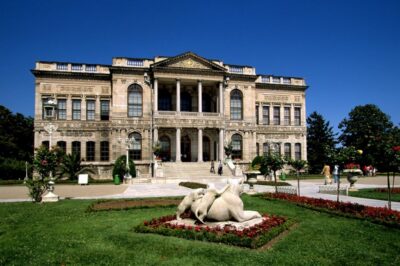
- Stop 3: Yıldız Park
- Stop 4: Ortaköy
- Inside Sezgi and Hüda’s home: what the coffee ritual teaches
- How to get the most out of the coffee part
- Fortune telling from the grounds: take it as insight, not a verdict
- The best way to approach it
- Group size, guides, and the feeling of being treated like a friend
- Price and value: what you get for $30 in Istanbul
- Practical tips for a smoother, more enjoyable session
- Before you go
- During the coffee and fortune part
- If you’re worried about language
- Should you book this Istanbul Turkish coffee and fortune-telling home visit?
- FAQ
- How long is the experience?
- What does it cost?
- What languages are offered?
- What is included in the experience?
- What isn’t included?
- Where is the meeting point?
- What’s the maximum group size?
- Are service animals allowed?
- Is it near public transportation?
- Can I cancel for a full refund?
Key highlights before the coffee and fortunes
- Max 4 people keeps the mood intimate and conversation-heavy
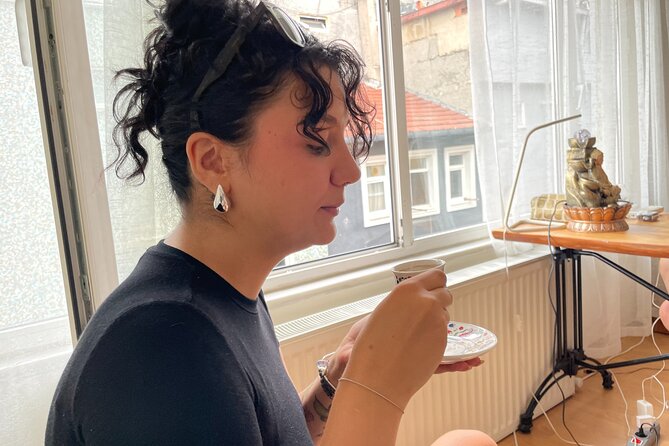
- Hands-on Turkish coffee making at a home with warm, neighbor-like hospitality
- Fortune-telling from the grounds plus guidance on how to read the residue yourself
- English-speaking guide support, with Turkish included too
- A mini Istanbul route with stops at Naval Museum, Beşiktaş Saturday Market, Yıldız Park, and Ortaköy
A home-style Turkish coffee lesson, not a show
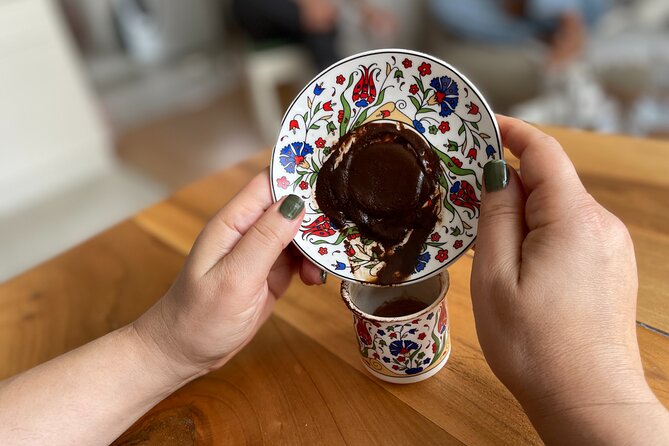
In Istanbul, Turkish coffee isn’t just a drink. It’s a ritual. A way to slow down, talk, and trade opinions without needing big formalities. This experience leans hard into that tradition by taking you into a home environment, where making the coffee and interpreting the grounds feel like part of everyday culture—not a performance for tourists.
The best part for me is the structure. You’re not only drinking; you’re learning. You’re not only hearing a prediction; you’re being taught how to read the residue. That shift matters. It turns fortune telling from entertainment into a shared activity, which is why the tone in reviews comes across as relaxed and friendly.
There’s also a built-in cultural “translator” role played by the guide. You get support in English (and Turkish too), which helps a lot when the conversation ranges from coffee technique to personal questions. In other words, it’s not just a language boost—it’s a comfort boost.
You can also read our reviews of more tours and experiences in Istanbul

The mini Istanbul route: why these four stops make sense
Even though the heart of the day is the coffee and fortune telling at someone’s home, the tour includes a short sequence of outside stops that help you set the scene before you sit down. The route is: Naval Museum → Beşiktaş Saturday Market → Yıldız Park → Ortaköy. The order is a nice mix of “what a place is about,” “how locals spend time,” and then a more scenic Bosphorus-side finale.
Stop 1: Naval Museum
A naval museum gives you context fast. Istanbul is a city defined by water, trade, and maritime life, so the museum stop works like a history primer without requiring you to sit in a classroom. I like this kind of start because it helps the rest of the day feel connected: you’re not just walking from one photo spot to another—you’re building a frame for why people built and lived around the strait.
Possible drawback: if you’re short on time or dislike museums, this could feel like “one more stop” before the main event. The upside is that it’s early in the sequence, so your coffee time still arrives while you’re fresh.
Stop 2: Beşiktaş Saturday Market
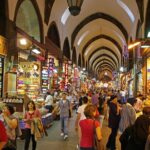
Markets in Istanbul aren’t just shopping. They’re social energy—people talking, deciding, comparing, and moving at local pace. A Saturday market stop is particularly fitting because markets feel like the city’s routine in action, not a curated “tour bubble.”
Value for you: it’s a chance to practice being a calm observer. You get to see everyday details—what locals grab quickly, what stands out visually, and the rhythm of small interactions. Even if you don’t buy much, you’ll come away with a more grounded sense of the neighborhood.
Possible drawback: markets can be crowded and a bit chaotic. If you prefer quiet, treat this stop as a browse-and-breathe moment, not a deep shopping mission.
Stop 3: Yıldız Park
Yıldız Park is a palate cleanser after the market. A green space stop gives your brain a break and helps you slow down before the home session. It’s also a simple way to switch modes—from commercial street energy to a calmer, more reflective pace.
For me, the timing matters. Ending the outdoor walking with a calm break makes it easier to enjoy the coffee ritual later, because fortune telling works best when you’re not running on pure adrenaline.





Stop 4: Ortaköy
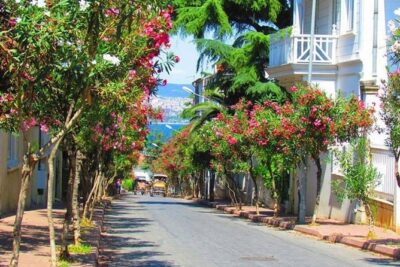
Ortaköy is a strong finishing vibe. You get that classic Istanbul feeling of water, people gathering, and neighborhood charm. It’s the kind of place where you can look around and immediately understand why visitors keep coming back to the Bosphorus area.
The practical side: if the group is moving at a walking pace, this is a good time to wear comfortable shoes. You want your legs to feel fine when it’s time to sit and listen.
Inside Sezgi and Hüda’s home: what the coffee ritual teaches
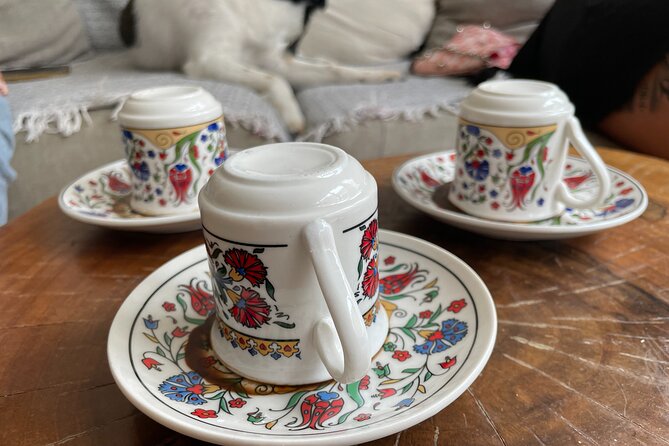
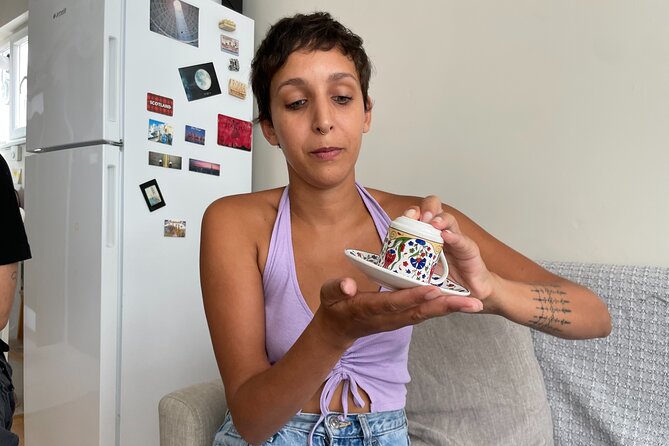
The main event happens in a home where you’ll learn traditional Turkish coffee making and experience coffee fortune telling. The description is clear that the hosts—Sezgi and Hüda—invite you in with the warmth of close neighbors. That matters, because Turkish coffee culture is built on hospitality. If the setting were cold or overly formal, the ritual would lose some of its meaning.
You should expect a guided session where the focus stays practical and interactive. Reviews highlight the cozy, aromatically rich feeling of freshly brewed coffee at the start of the session, and that the hosting personality makes the whole thing feel like a conversation rather than a lecture.
How to get the most out of the coffee part
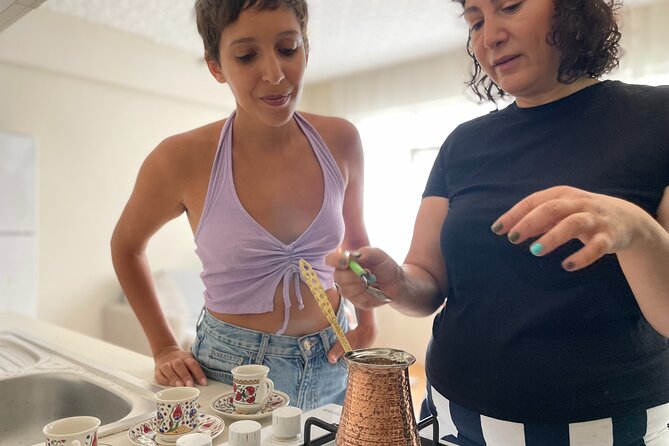
You’ll learn the steps behind Turkish coffee in a way that’s meant to be understandable—not technical for technical’s sake. Traditional Turkish coffee is typically made in a small pot (often called a cezve) with very finely ground coffee, and the “foam moment” is part of the magic. Even if you’re not trying to replicate it perfectly at home, you’ll learn what makes the taste and texture different from drip coffee.
Here are a few ways to enjoy the lesson:
- Watch the process at the pace the guide sets, especially when you’re learning what creates the foam.
- Ask questions. The best coffee sessions turn into back-and-forth stories about daily life and culture.
- Keep an open mind about timing. Turkish coffee isn’t rushed; good fortune telling won’t be either.
Fortune telling from the grounds: take it as insight, not a verdict
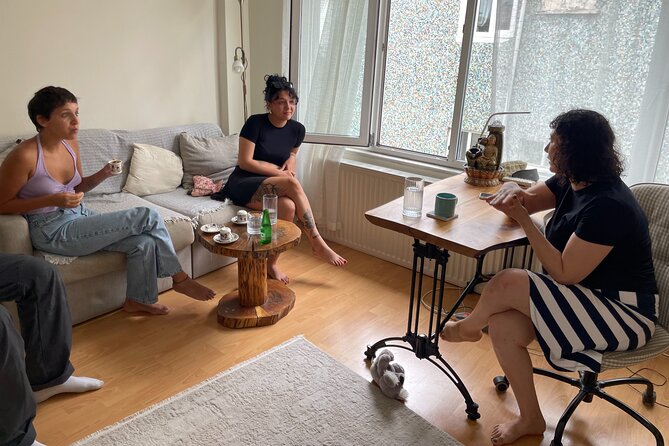
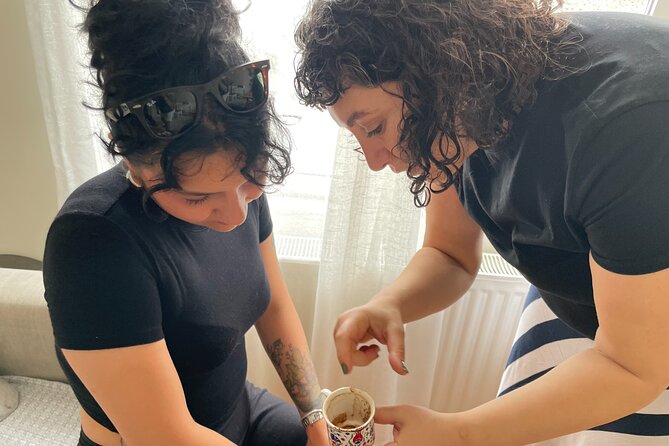
The fortune telling here is specifically tied to Turkish coffee grounds. That’s an old-style ritual where patterns and residue form a kind of visual language. The key point is that you’re not just handed a prediction—you’re guided and encouraged to learn how to read Turkish coffee residue yourself.
From reviews, the tone is often described as accurate, precise, inspiring, and positive. That doesn’t mean every reading will hit the exact same notes for every person. But it does suggest the host approach is careful and emotionally attuned, not random and jokey.
The best way to approach it
I recommend treating coffee fortune telling as a conversation starter. Think of it as a mirror: you’ll get prompts about themes like change, relationships, or timing, and you can choose what resonates. The “fun” part is obvious. The useful part is that you leave with a little direction for how to think, not a strict script to follow.
Also, because you’ll be learning the residue-reading technique, you’ll probably enjoy it more if you watch how the host explains the process. You’re building a skill, even if it’s only meant for one evening.
Group size, guides, and the feeling of being treated like a friend
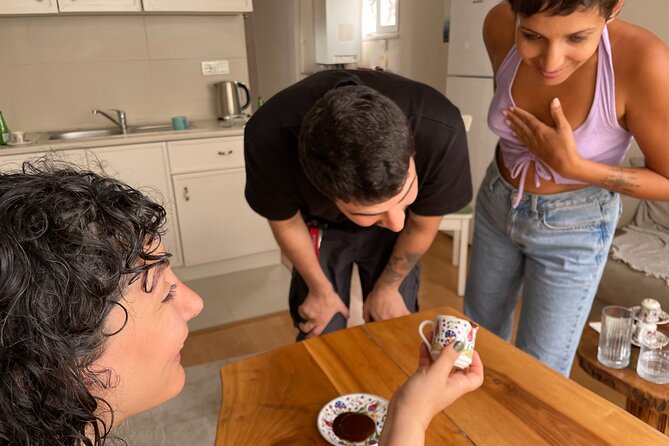
This is a small group experience with a maximum of 4 travelers, and that changes everything. When there are fewer people, the hosts can spend time with you as a person—your questions, your pace, and the way you prefer your conversation. That’s why reviews describe the vibe as feeling like old friends, not like you’re being processed.
The guides bring language support in both English and Turkish. That’s a practical advantage if you want to discuss culture thoughtfully (or if you just want to feel comfortable asking follow-up questions). Reviews also call out the hosts’ warm personalities and sincerity, which is what makes the fortune telling feel safe and fun.
One review specifically mentions Özge by name, describing a friendly conversation and fortune-telling that felt inspiring. Even if your session is led by Sezgi and Hüda, the broader takeaway is consistent: the hosts create an atmosphere where you can relax.
Price and value: what you get for $30 in Istanbul
At $30 per person for about 1 hour 30 minutes, this sits in the category of experiences that feel like good value when you want cultural contact rather than another checklist activity.
Here’s why the price can make sense for you:
- Included coffee and/or tea, so you’re not adding café costs on top
- Fortune telling is included, and it’s not just a one-liner
- Guided instruction is included, including English support
- Small group size (max 4) means you’re paying for access to time and attention, not just a seat
What you should factor in is what’s not included: private transportation. That can add real cost or planning time depending on where you’re staying. The good news is the experience is near public transportation, so you can likely manage it without paying for a car—just don’t leave the meeting point timing to chance.
Practical tips for a smoother, more enjoyable session
A home-style experience rewards preparation. You don’t need to overthink it, but a few small choices will help.
Before you go
- Plan your route to the meeting point at Huzur, Oyak Sitesi No:21, Sarıyer/İstanbul. Ending back there means you’ll want a reliable way back.
- Wear comfortable shoes. Your route includes multiple outdoor stops.
- Come ready to talk. The conversation is part of the value, not an optional extra.
During the coffee and fortune part
- If you’re curious, ask about the residue reading. Since you’ll be guided to read it yourself, your questions are welcome.
- Keep the tone flexible. Fortune telling works best when you treat it like reflection and conversation.
If you’re worried about language
Because the guide supports English and Turkish, you don’t have to carry the full conversation yourself. Your job is simply to show up and participate at your comfort level.
Should you book this Istanbul Turkish coffee and fortune-telling home visit?
Book it if you want a cultural experience that feels human in scale. I’d especially recommend it if you like conversations, small-group settings, and activities where you learn something practical (like the coffee ritual and how to read the grounds).
Skip it (or rethink) if you want only major sightseeing or if you dislike any kind of walking between stops before your main event. Also, be honest about your comfort with “fortune telling.” It can be inspiring and fun, but it’s still a ritual-based practice, so you’ll enjoy it more if you’re open to symbolism.
If your ideal Istanbul day looks like local rhythm plus a personal ritual at the end, this is a strong pick.
FAQ
How long is the experience?
It runs for about 1 hour 30 minutes.
What does it cost?
The price is $30.00 per person.
What languages are offered?
The in-person guide provides English and Turkish.
What is included in the experience?
It includes coffee and/or tea (Turkish coffee) and Turkish coffee fortune telling, with an in-person guide.
What isn’t included?
Private transportation is not included.
Where is the meeting point?
The start is at Huzur, Oyak Sitesi No:21, 34475 Sarıyer/İstanbul, Türkiye, and the experience ends back at the meeting point.
What’s the maximum group size?
The experience has a maximum of 4 travelers.
Are service animals allowed?
Yes, service animals are allowed.
Is it near public transportation?
Yes, it’s near public transportation.
Can I cancel for a full refund?
Yes. You can cancel up to 24 hours in advance of the experience for a full refund.