REVIEW · ISTANBUL
14 Days Private Turkey Tour From Istanbul
Book on Viator →Operated by Pupa Travel · Bookable on Viator
Turkey’s big hitters in one quiet, private flow.
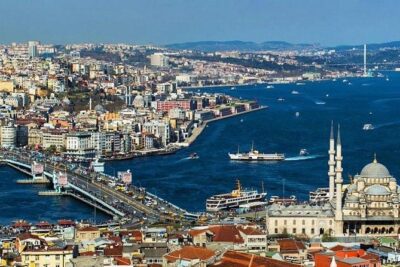
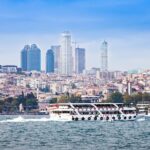
This is a 14-day private Turkey tour from Istanbul that trades long bus crowds for your own pace and a guide who can steer the day. You’ll hop between eras and regions fast, from Ottoman Istanbul to Roman ruins, then into Cappadocia’s volcanic landscapes.
I especially like the way the itinerary pairs world-famous stops with practical in-between moments, so you’re not just “checking boxes.” I also love that you get private English speaking guiding plus A/C Mercedes Sprinter transport and return airport transfers, which makes the travel days much less stressful. The main drawback to think about is timing: you’ll be on the move often, and you’ll handle domestic flights yourself while the tour coordinates airport meet-ups.
In This Review
- Key highlights at a glance
- Istanbul: Sultanahmet’s top monuments, handled in the right order
- Basilica Cistern, archaeology treasures, and a bazaar-and-spice reality check
- Ephesus to the Temple of Artemis: the Aegean’s most cinematic timeline
- Priene, Miletus, Didyma, then Hierapolis and Pamukkale’s Cotton Castle
- Antalya: museum first, then Perge and Aspendos
- Konya and the Mevlana Museum: Sufism through story and space
- Caravanserai to Cappadocia: the Silk Road mood shift
- Cappadocia viewpoints and fairy chimneys: Devrent to Uchisar
- Underground refuge and Sinassos layers near Cappadocia
- Back to Istanbul with time to breathe
- Price and what’s included in a $4,000 private plan
- Should you book this 14-day private Turkey route?
- FAQ
- Where does the tour start?
- Is this tour private?
- Do you get airport transfers?
- What kind of transportation is used during the trip?
- Is a guide included?
- Are meals included?
- Are site admission tickets included?
- Are flights included?
- Is there a mobile ticket?
- Can I get a refund or change my booking?
Key highlights at a glance
- Private routing across Istanbul, Aegean, Antalya, Konya, and Cappadocia so you avoid the big-group feel
- Ephesus plus Temple of Artemis and St John’s Basilica in one tight stretch
- Pamukkale’s Cotton Castle and Hierapolis’ Necropolis context, not just photos
- Cappadocia viewpoints built around photography like Uchisar and Pigeon Valley
- Kaymakli Underground City focused on how Christians protected themselves over centuries
- A/C Mercedes Sprinter + return transfers that keep long days from turning into chaos
Istanbul: Sultanahmet’s top monuments, handled in the right order
Your trip starts with an arrival transfer from Istanbul Airport to your hotel in the Sultanahmet District area. It’s a simple start, but it matters: you get a human greeting and a direct path to sleep and reset.
On your first full Istanbul day, you’ll begin at the Hippodrome, the Roman-era arena area where you can still spot relics like the Obelisk of Tuthmosis III, the German Fountain, the Serpent Column, and the Obelisk of Constantine. It’s a great warm-up because it gives you a mental map of how the Byzantines and Romans reused older power symbols.
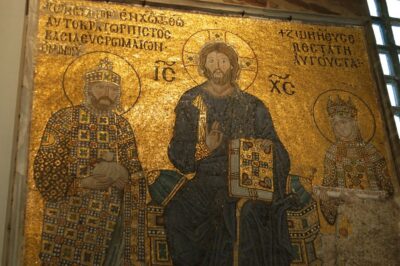
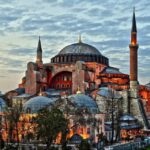
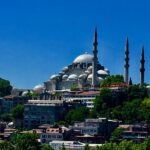
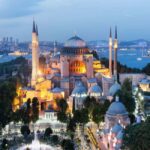
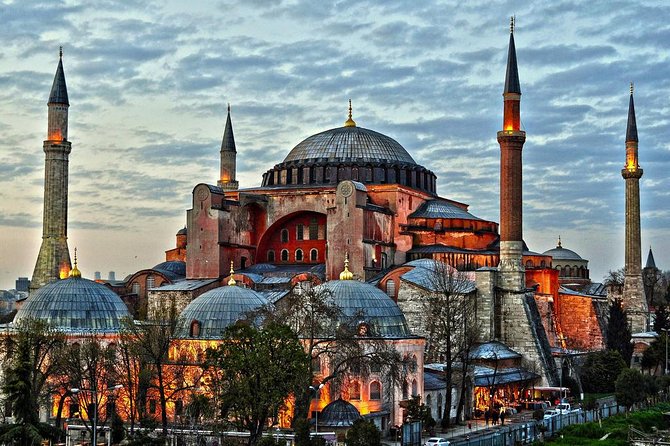
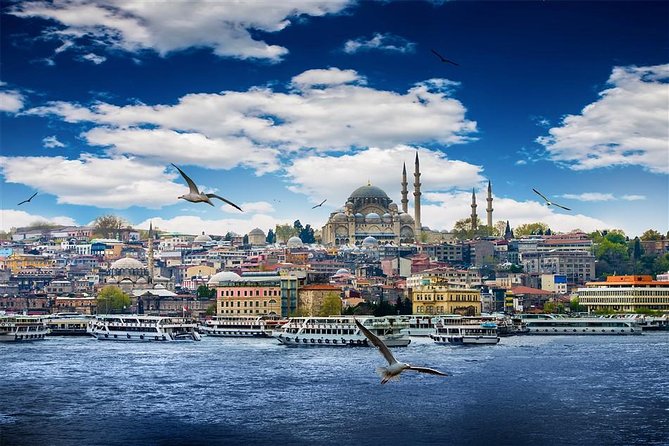
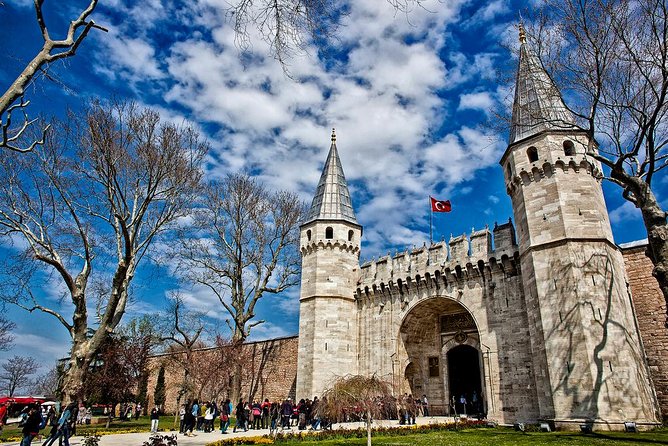
Then it’s straight into Ottoman Istanbul with the Blue Mosque (built in 1616 by Ottoman Sultan Ahmet I). After that comes Ayasofya (Hagia Sophia), the 6th-century masterpiece connected to Justinianus (built in 537). Finally, you move on to Topkapı Palace, the Ottoman palace where sultans lived for centuries.
What I like about this run is the flow. You go from public power (Hippodrome), to sacred beauty (Blue Mosque and Hagia Sophia), to the political machine (Topkapı). It’s also helpful that the package includes admission tickets for these stops, so you’re not juggling entry math mid-trip.
One consideration: this day is heavy on “iconic” sites, so if you’re the type who needs quiet breaks, build in your own downtime after the return to your hotel.
You can also read our reviews of more private tours in Istanbul
Basilica Cistern, archaeology treasures, and a bazaar-and-spice reality check
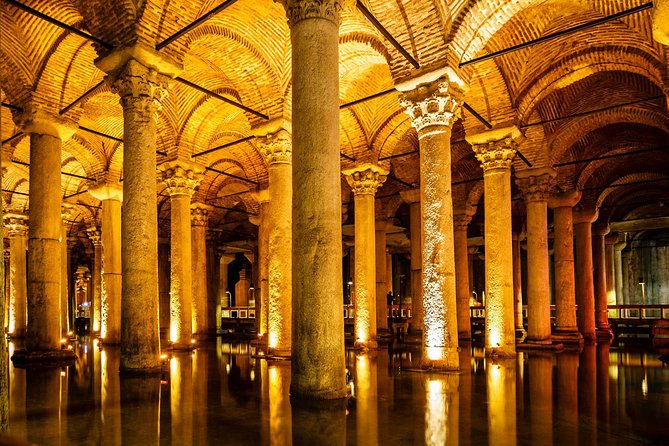
The next Istanbul day is all about atmosphere plus context. You’ll start at the Basilica Cistern, built around the same era as Hagia Sophia. The heads of Medusa are a standout detail here—those carvings were brought from older Constantinople temple sources and reused in this water-storage space.
After that, you’ll walk to the Istanbul Archaeological Museums to see objects tied to the Hellenistic Period and Roman-era treasures discovered in the Ottoman territories during the 19th century. Even if you’re not a museum person, this stop helps you understand what you’re looking at across the city—stuff didn’t just “happen,” it got collected, reused, and rediscovered.
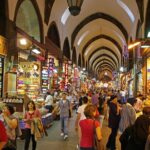
Then the day shifts to street-level Istanbul with a stop at the Grand Bazaar and the Spice Market (Misir Carsisi). These are iconic for a reason, but the value here is timing and guidance: you get a structured walk so you’re not wandering while hungry. You’ll also see how wide the spice world is compared to what you’ll find back home.
Practical note: the plan includes time for lunch and keeps the day moving, but you’ll still want comfortable shoes. Istanbul can feel like stone steps and sudden climbs—even on “flat” days.
Ephesus to the Temple of Artemis: the Aegean’s most cinematic timeline
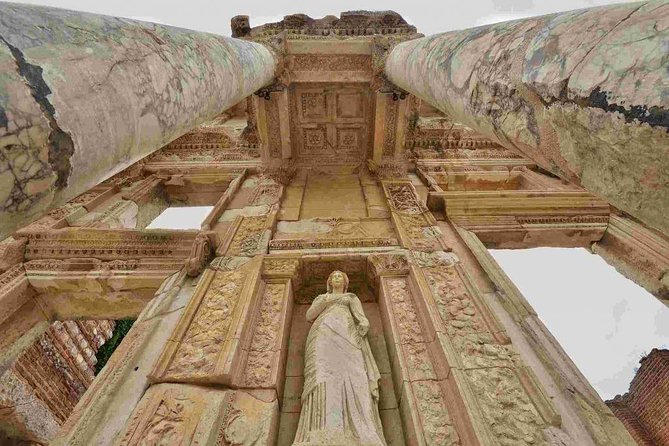
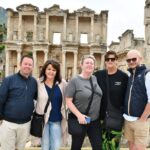
After Istanbul, you fly to İzmir and drive about an hour to Selçuk. Before hotel check-in, you visit Ephesus, one of the most striking ancient sites in the world. This is where the tour earns its “private” badge: Ephesus is huge, and having guidance helps you focus on what matters rather than trying to memorize paths on your own.
You’ll spend time at key Ephesus areas, then go on to the Temple of Artemis, famous for being one of the Seven Wonders of the Ancient World. Even though much of what remains looks different from what your imagination holds, the setting and story are the point.
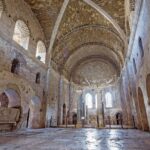
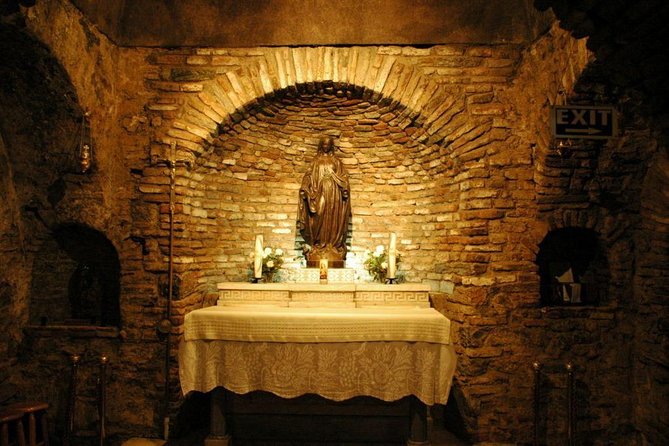
Later you’ll visit St John’s Basilica and then Meryemana (The Virgin Mary’s House). The Virgin Mary’s House stop is listed as a very short visit, so don’t plan it like a long museum hour. Treat it like a moment to absorb the significance and then move on.
You’ll also include the Ephesus Museum in Selçuk to connect the artifacts to what you saw outside. That museum pairing is one of those smart choices that makes you leave with a stronger understanding of Ephesus as a living place, not just an open-air pile.
Priene, Miletus, Didyma, then Hierapolis and Pamukkale’s Cotton Castle
This is your “ancient cities with different personalities” day. First you’ll go to Priene, an Ionian city originally established in the 7th century B.C. as a port. The guide-led framing around how the Meander River silted the area gives you a clearer reason for why cities rise, shift, and fade.
Next comes Miletus, linked to philosophers like Thales, Anaximenes, and Hekaistos. If you like ancient ideas, this stop makes the sites feel less random and more connected.
Then you head to Didyma, centered on the Temple of Apollon, where prophecies were given. The tour notes that this was the major oracle serving at the temple—so you’re not just looking at columns; you’re stepping into a belief system that shaped decisions.
After lunch, the itinerary flows into Hierapolis and Pamukkale. Hierapolis is described as one of the great healing centers of the ancient world, where people often carried tombs to die there, which helps explain the Necropolis idea. Then comes the star: Pamukkale’s travertine “Cotton Castle”, formed by calcium and deposits. Even if your photos already look like what you expected, seeing the textures in person is a different thing—more grainy, more real.
One consideration: this stretch is physically active and visually intense. If you need breaks, take them. The itinerary gives time for the main sights, but you’re still outside in the open.
Antalya: museum first, then Perge and Aspendos
You’ll leave the Aegean and head toward Antalya. On the way, you check out and drive to the airport, then meet the tour again at the exit gate and continue by car to the hotel. This is one of the moments where private planning reduces stress: the tour handles the land portion, while the actual domestic flight ticket is on you.
In Antalya, you start at the Antalya Archaeology Museum, described as one of the best museums with statues mostly found at Perge. The sarcophagia section is noted as having the largest amount of examples in Turkey. That museum-to-ruins pairing is a smart move because when you hit Perge next, you’ll recognize the “type” of artistry and scale.
Then you visit Perge Ancient City, excavated by Turkish archaeologists. The plan includes time here, so you can actually see how Perge worked as a built landscape instead of just passing through.
After lunch comes Aspendos Ruins, famous for its Roman theater built in the 2nd century A.D. with capacity for about 15,000 people. If you enjoy architecture that still does its job (even now), this one hits.



Konya and the Mevlana Museum: Sufism through story and space
You travel from Antalya to Konya through the Taurus Mountains on one of the more scenic land legs in the program. You’ll then visit the Mevlana Museum, connected to the whirling dervishes and Sufism. The tour frames it through humanistic theology based on love and respect for the diversity of the universe.
After lunch, you check into your hotel and relax with an overnight stay in Konya. That overnight matters because it breaks the “all-day sightseeing” cycle and gives you a calmer pace for the next transition toward Cappadocia.
Caravanserai to Cappadocia: the Silk Road mood shift
The next morning you check out and drive to Cappadocia via the Silk Road route. You stop at Sultanhan (Sultanhani) Caravanserai, a 12th-century place where travelers stayed overnight. This kind of stop is more than a photo pause—it helps you feel the route as something humans actually lived in.
Then you continue to Cappadocia for an orientation and hotel check-in. This orientation is helpful because Cappadocia can feel like a trick of shapes and angles. With the groundwork laid, you’ll see more on Days 11–12.
If you end up with a guide who’s especially good at explanation, this is where that advantage shows. One review highlighted Mustafa specifically, praising his clear English and the way he explained Cappadocia history.
Cappadocia viewpoints and fairy chimneys: Devrent to Uchisar
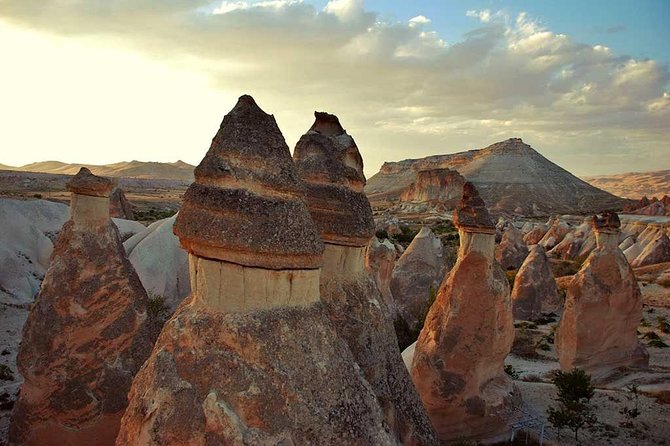
Day 11 is Cappadocia’s signature circuit. You start at Devrent Valley (Imagination Valley), where you’ll see fairy chimney formations and the tour notes they formed almost 30 million years ago. The name is cute, but the formations are real—if you’re the kind of traveler who likes interpreting shapes, this is a strong opening act.
Next is Pasabag, where you’ll see the most interesting fairy chimneys. The tour describes them as resembling fairy-tale chimney shapes, including comparisons like those found in Hobbit and Smurfs. Don’t treat that as “theme park”—treat it as a way to understand how unusual the forms can look.
After that you’ll stop in Avanos (Oren Yeri) for a pottery shop visit, where you’ll learn how people survived and created art dating back to the Hittite period. Even if you don’t buy anything, this stop adds a human layer to the geology.
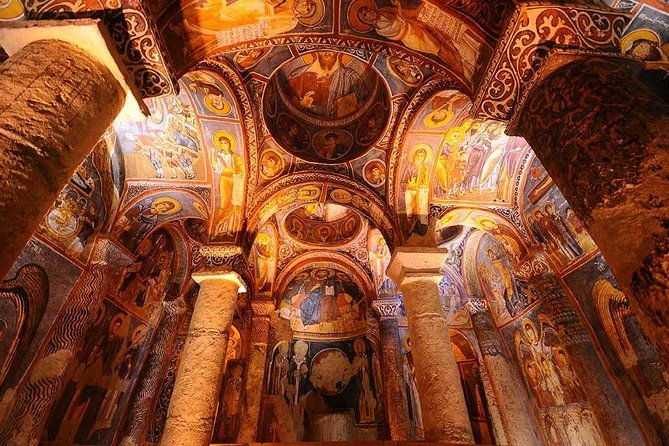
Then you move to Goreme National Park and the Goreme Open Air Museum, including cave churches of the 530 mentioned in the program. You’ll also see Cappadocia Cave Dwellings, plus multiple photo breaks.
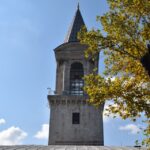
Finally, you end with Uchisar Castle and Pigeon Valley, plus a Goreme Panorama view point. These segments are built for photos because the light and angles matter. You’ll get the best odds for that classic Cappadocia look with planned viewpoint time rather than a rushed sprint.
Underground refuge and Sinassos layers near Cappadocia
Day 12 adds depth beyond the fairy chimneys. You start at Sinasos Kilisesi, tied to the Greek village of Sinassos. The program notes that between 1924 and 1927, Greek and Turkish people exchanged goods to avoid civil war, and the village became partially inhabited by Macedonian Turks. That’s not a random historical note—it helps explain why you’ll see overlapping cultural traces in places like this.
Then you head to Kaymakli Underground City, focused on how Christians protected and defended themselves from persecutions and invasions for centuries. Underground cities can feel like “just caves” if you don’t have context. Here, the emphasis is defense and survival, which gives you a clearer mental picture of why these spaces were built.
After lunch, you visit Ayvali (described as an untainted village) and the Aravan Evi Restaurant. The tour returns you to your hotel afterward, giving time to rest before an early morning flight to Istanbul.
This is also a practical day because it balances geology and culture: you get the underground story plus visible village layers.
Back to Istanbul with time to breathe
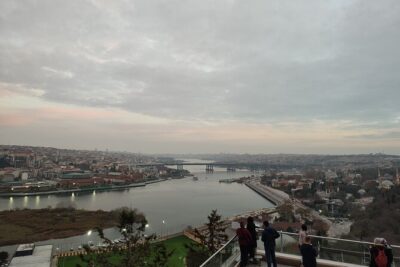
On Day 13, you check out and drive to the airport depending on your flight. After you land in Istanbul, the tour picks you up and takes you to your hotel. The rest of the day is leisure time, so you can do something simple like a slow walk, a final meal, or last-minute shopping.
Day 14 is your departure day with a transfer to Istanbul Airport. The package is built to reduce last-day stress: you don’t have to scramble to coordinate transport at the end.
Price and what’s included in a $4,000 private plan
At $4,000 per person, the value here depends on what you want from the trip.
Here’s what’s clearly included:
- Return private airport transfers
- A/C luxurious Mercedes Sprinter for tours and transfers
- Private English speaking guiding
- Lunch (with meals noted as lunch times in the schedule)
- Local taxes and 18% VAT
And admission is included for most of the main sights throughout the route, with a few moments listed as free time or free admission stops.
What’s not included:
- International flights
- Domestic flight tickets
- Dinners
- Drinks at meals
- Personal expenses
So the practical question is this: are you paying extra mainly to avoid crowds and get better pacing? If yes, this makes sense. You’re also paying for the stress reduction that comes from private car + transfers + guided navigation across multiple regions and airports.
Also, the listing mentions pickup offered, group discounts, and a mobile ticket. Those are “small” details that matter when you’re dealing with multiple days and multiple locations.
Who this suits best: couples, families, or small groups who want a more human pace, and who don’t want to piece together logistics between cities. If you like museums, ruins, and scenic viewpoint time, this itinerary fits neatly.
Should you book this 14-day private Turkey route?
I’d book it if you want Turkey’s major highlights with fewer crowds and better guidance, and you’re comfortable with a fast-moving, day-to-day rhythm. The mix of Ephesus and Artemis, Pamukkale’s travertines, Aspendos, Konya, and Cappadocia is the kind of route that’s hard to stitch together smoothly on your own.
But if you hate domestic flight coordination or you want very slow days with lots of hotel time, you might find the pace intense. This trip is designed for momentum, with private planning doing the heavy lifting.
FAQ
Where does the tour start?
The tour starts in Istanbul. On arrival at Istanbul Airport, a transfer takes you to your hotel in Istanbul.
Is this tour private?
Yes. It’s a private tour/activity, so only your group participates.
Do you get airport transfers?
Yes. The package includes return private airport transfers.
What kind of transportation is used during the trip?
The tour uses an A/C luxurious Mercedes Sprinter for tours and transfers.
Is a guide included?
Yes. You get private English speaking guiding.
Are meals included?
Lunch is included. Dinners and drinks at meals are not included.
Are site admission tickets included?
Admission tickets are included for most of the major stops on the schedule, while some listed moments are free.
Are flights included?
International flights are not included, and domestic flight tickets are not included. The tour still coordinates airport meet-ups and transfers.
Is there a mobile ticket?
Yes, the tour includes mobile ticket.
Can I get a refund or change my booking?
This experience is non-refundable and cannot be changed for any reason. If the minimum number of travelers isn’t met and it’s canceled, you’ll be offered a different date/experience or a full refund.