REVIEW · ISTANBUL CITY HIGHLIGHTS & PRIVATE TOURS
Historical Peninsula
Book on Viator →Operated by Tour-key of istanbul · Bookable on Viator
Istanbul’s legends feel close on this walk. This small-group Old City route stitches together Hagia Sophia, Topkapi Palace, the Hippodrome, and the Basilica Cistern, then adds the quieter Nuruosmaniye Mosque and a Turkish Delight stop at Misir Carsisi.
I love the small-group size—you can ask questions without getting lost in a sea of heads. I also like that Ender’s explanations give you real context, so places like Topkapi Palace make sense beyond the photos.
One possible drawback: you’ll want to plan for admission tickets and access rules, especially at Hagia Sophia. Depending on current regulations and prayer timing, some areas can be limited.
In This Review
- Key things that make this tour worth your time
- Meeting at Cankurtaran and getting your bearings fast
- Hagia Sophia with Ender: the building you think you know
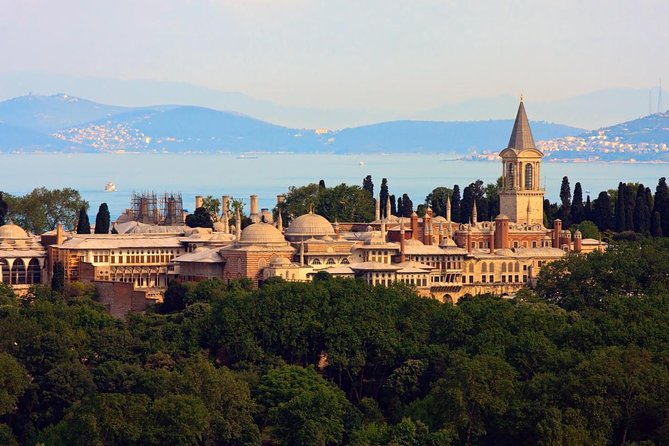
- Topkapi Palace: Ottoman context without the overwhelm
- Hippodrome monuments in 30 minutes: short, sharp, useful
- Basilica Cistern: where the air turns cinematic
- Nuruosmaniye Mosque: the beautiful detour you’ll be glad you took
- Misir Carsisi (Spice Market): Turkish Delight and the real Istanbul energy
- Price and ticket reality: where the value really comes from
- Language options and how to pick the right one
- Who this tour is best for
- Should you book this Istanbul Old City tour?
- FAQ
- What’s the duration of the tour?
- How many people are in the group?
- Are admission tickets included?
- What does the tour include besides the guide?
- Where do we meet and where does it end?
- Is this tour good for people with mobility needs?
- Are tickets provided digitally?
- What are the main cancellation terms?
Key things that make this tour worth your time
- A true small-group pace with room to talk, not just move
- Ender’s story-based guidance that connects Byzantine and Ottoman layers
- Top sights plus overlooked stops, like Nuruosmaniye Mosque
- Basilica Cistern’s atmosphere in a short, well-timed visit
- Misir Carsisi Turkish Delight tasting in a market that’s famous for its crowd-energy
Meeting at Cankurtaran and getting your bearings fast
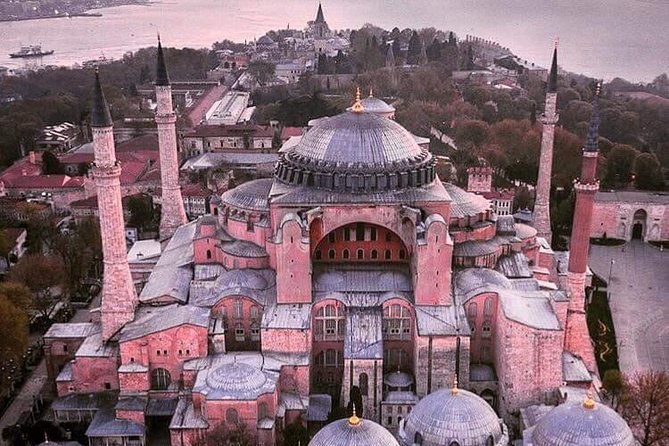
You start at Cankurtaran, Ayasofya Meydanı (near Hagia Sophia) and end right back at that same meeting spot. That matters because the Old City can feel like a maze—once you’re oriented, the sights hit harder.
The tour runs about 5 to 6 hours, which is a sweet spot: long enough to cover the main monuments and still breathe between them, not so long that you turn into a walking timeline. You’ll be on foot for parts of the day, with the kind of walking that suits moderate physical fitness.
Also, this is designed for small groups (the max is listed as up to 20, and the experience is described as very small-group friendly). In practice, that’s what you want for Istanbul: quick questions, clearer directions, and less time asking strangers for help.
You can also read our reviews of more historical tours in Istanbul
Hagia Sophia with Ender: the building you think you know
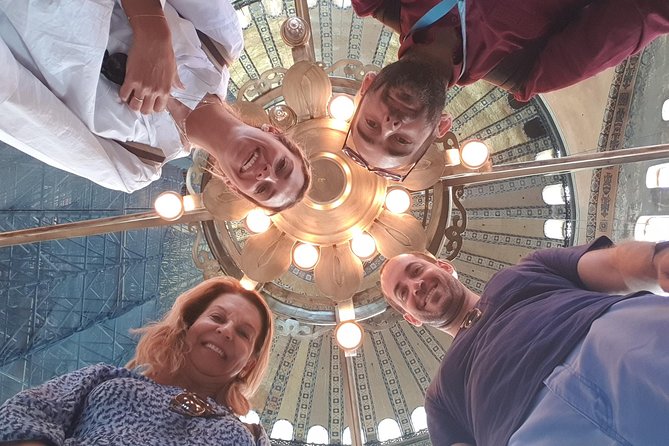
Hagia Sophia is the stop everyone has on their list. That’s the easy part. The more useful part is how you see it.
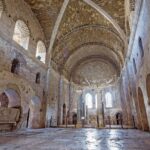
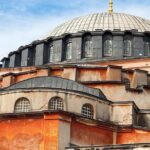
With Ender’s historical presentation, you’re not just staring at domes. You get the sense of how the building has shifted roles over time—church to mosque to museum, then back to a practicing mosque. Even if you’ve seen it in photos, the scale hits differently when you understand what you’re looking at. The interior details are part engineering, part art, and part holy-day mood.
Here’s the practical consideration: access rules can affect what you’re able to see. Based on common on-site realities, some visitors may find that entry areas are restricted depending on visitor status and prayer timing. If that happens to you, don’t assume the tour has shorted you—plan for the fact that your vantage point may be from upper levels rather than the full ground-floor experience.
If you’re sensitive to crowds, aim to stay flexible. Hagia Sophia can be busy, but a guided visit helps you move with purpose instead of getting stuck in the slow shuffle.
Topkapi Palace: Ottoman context without the overwhelm
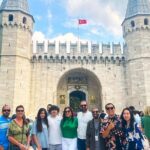
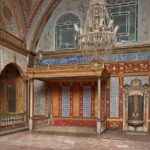
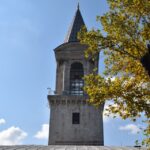
Topkapi Palace can feel like a place you either rush through or get lost in. This stop is structured to help you avoid both.
You spend about two hours with a guided walkthrough, and Ender focuses on the basics of the palace and the Ottoman Empire behind it. That’s the key. Palaces are not just pretty rooms—they’re political power, ceremonial life, and control of space. When someone connects what you’re seeing to why it exists, Topkapi starts clicking in your head.
Admission isn’t included, so you’ll still need to budget for entry. But the tour’s value here is the pacing and explanations. You won’t just collect facts. You’ll get a sense of how the palace worked as a system—from authority to artistry—so your visit feels coherent, not random.
One more reality check: like all major sites, Topkapi involves waiting at entry and moving through crowded corridors. The upside of the small-group format is that you can keep your place and ask what you should focus on, instead of constantly rejoining the pack.
Hippodrome monuments in 30 minutes: short, sharp, useful
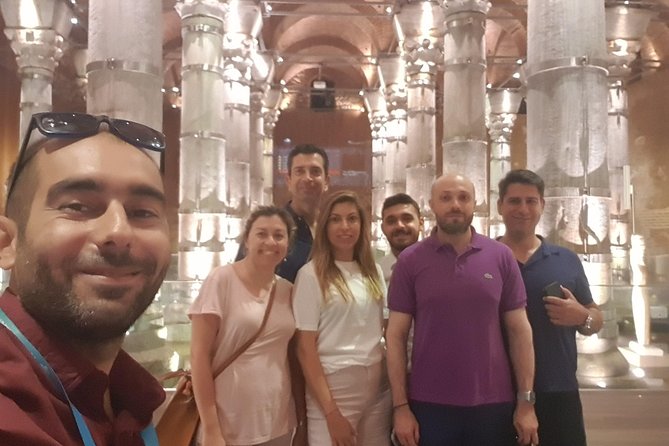
The Hippodrome stop is brief—around 30 minutes—and that’s exactly why it’s a good fit inside a longer day. You’re not asked to “study” it like a museum. You’re guided to the main monuments and given their stories.
This is where you learn to look at scattered remnants and understand they were once part of a bigger civic spectacle. Even with limited time, the Hippodrome adds a “daily life and power” layer to your day, bridging the grand religious imagery of Hagia Sophia with the political pageantry of Ottoman-era Istanbul.
Because it’s admission-free, you don’t get hit with another ticket decision here. It’s the kind of stop that helps you feel like you’re learning more than you’re paying for.
Basilica Cistern: where the air turns cinematic
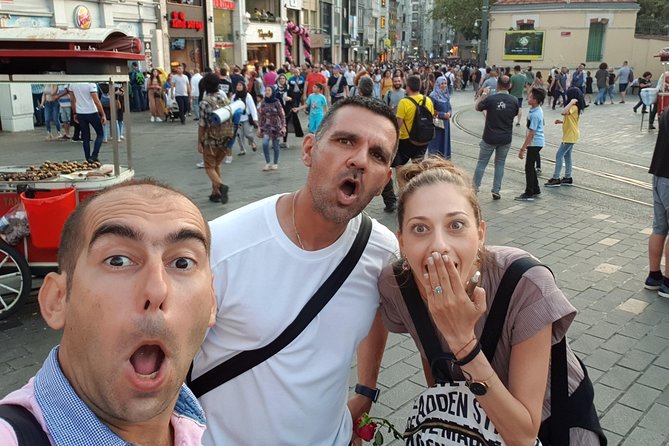
Then you go underground—literally. The Basilica Cistern visit lasts about 30 minutes, and the point isn’t quantity. It’s mood.
You’re guided through the space to help you notice what makes it memorable: the atmosphere, the repeating lines, and the way the light (and water) changes the look of the stone. Many people associate this location with films because the setting already looks like a set piece. Even if you don’t care about movie trivia, the cistern still delivers. It’s cool, shadowy, and surprisingly emotional for such an “engineered” space.
Admission isn’t included for this stop either, so factor that into your overall day budget. But the tour helps you use the limited time well—rather than wandering and hoping you find the most interesting corners, you get your route through the highlights.
If you’re prone to feeling rushed, pace yourself. Cistern spaces have a way of slowing you down—take a moment to just stand still after you finish the main viewing points.




Nuruosmaniye Mosque: the beautiful detour you’ll be glad you took
Nuruosmaniye Mosque is one of those stops that separates a “see the big icons” day from a “I actually learned something” day.
It’s often overlooked compared to the headline sites. Here, you get about 30 minutes and the mosque is described as very beautiful. The best part of this stop is that it widens the story of Istanbul beyond the tourist center of gravity. Instead of only focusing on the most famous structures, you get a working impression of how Ottoman religious architecture lives in the city today.
Admission is free, which makes this a high-value add-on. It’s also a good mental reset after the palace and cistern—less wandering, more stillness, and a different kind of scale.
If you’re visiting during prayer time, expect normal on-site rules to apply. Bring your flexibility. The payoff is that you’ll see something calmer and more “in the neighborhood” than the major-ticket sites.
Misir Carsisi (Spice Market): Turkish Delight and the real Istanbul energy
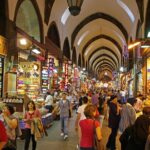
Finally, the tour takes you to Misir Carsisi, the Spice Market. This is where your day stops being all monuments and starts being Istanbul as a living marketplace.
You get about one hour here and you’ll sample Turkish Delight. That tasting is a small thing on paper, but it changes how the market feels. Food and sweets are part of the local rhythm, and once you’re tasting, the spices and shopfronts become more than background color.
This market is described as the oldest covered bazaar in the world, and it’s also famously busy—around 22,000 people inside daily moving around. Even if that number sounds dramatic, it matches the lived experience: it’s active, loud, and full of motion.
For practical sanity: don’t plan on “shopping until you drop.” Use the hour to browse with intention, taste, and pick one or two items you genuinely want. The market is so packed that too much browsing turns into decision fatigue fast.
Price and ticket reality: where the value really comes from
At $57.62 per person, this tour sits in the “worth it if you care about guidance” category. The tour includes the guided tour, but it doesn’t include admissions for all stops—specifically, the main ticketed sites (like Hagia Sophia, Topkapi Palace, and Basilica Cistern) are listed as not included, while the Hippodrome, Nuruosmaniye Mosque, and Spice Market are free.
So the real question is: does the guide save you time and make the experience stick? In my view, yes—because the schedule isn’t just a checklist. It’s a guided flow that connects places you’d otherwise treat as separate monuments. Ender’s presentations at Hagia Sophia and Topkapi are the kind of explanation that helps you remember details when you’re halfway across the city later.
If you’re the type who loves architecture but also likes context, you’ll likely get your money’s worth even with added admission costs. If you’re only chasing photo spots and don’t care about meaning, you might decide to go independently and spend that savings on a different experience.
Either way, budget for entry fees at the major sites and for personal extras like coffee, lunch, and snacks.
Language options and how to pick the right one
The tour offers five different languages, which is a big deal for Istanbul. You want explanations you can actually follow when you’re standing inside a building like Hagia Sophia, where details are easy to miss if you’re only half listening.
Choose the language you’re most comfortable with, even if you feel confident in English. The more nuance the guide can give you, the better the day feels.
If you’re traveling with family, language options also help kids and older adults stay engaged. Short waits and smooth pacing matter more than you think when everyone is tired.
Who this tour is best for
This tour makes sense if you want a structured Old City route but still want time to ask questions. It’s also a good pick if you’re trying to avoid the “I saw it, but I forgot it” problem that can happen when you rush through Istanbul on your own.
You’ll likely enjoy it if you:
- want Hagia Sophia and Topkapi Palace with more context than basic signage
- like a mix of big monuments and a calmer stop like Nuruosmaniye Mosque
- want a hands-on food moment with Turkish Delight at Misir Carsisi
- appreciate small-group interaction, not headset herding
You may want a different plan if you:
- prefer long, unstructured museum time at just one or two sites
- expect full access everywhere and don’t want any chance of restricted areas at major religious sites
- want everything to be ticket-included for a single flat price (this one has separate admission costs)
Should you book this Istanbul Old City tour?
If you want a guided Istanbul day that covers the core sights without feeling like you’re sprinting, I’d book it. The best reason isn’t the list of monuments—it’s the way the guide helps you connect them. Ender’s explanations at Hagia Sophia and Topkapi are the kind of added value that makes your photos later come with meaning.
Book it if you’re prepared for ticket costs and you’re flexible about site access rules at Hagia Sophia. If that part would stress you out, consider doing the major attractions separately so you can control the pace and entry specifics.
In a city where it’s easy to get overwhelmed, this tour gives you a clean route, a small-group feel, and just enough food-and-market energy to keep the day from turning into pure sightseeing math.
FAQ
What’s the duration of the tour?
The tour runs about 5 to 6 hours.
How many people are in the group?
The experience lists a maximum of 20 travelers, and it’s described as a very small-group tour.
Are admission tickets included?
Guided tour is included, but admission is not included for some stops (including Hagia Sophia, Topkapi Palace, and Basilica Cistern). Other stops are free to enter (like the Hippodrome, Nuruosmaniye Mosque, and Misir Carsisi).
What does the tour include besides the guide?
You’ll have guided visits and you’ll sample Turkish Delight at Misir Carsisi. Coffee/tea and lunch are not included.
Where do we meet and where does it end?
The meeting point is at Cankurtaran, Ayasofya Meydanı, 34122 Fatih/İstanbul, Türkiye. The tour ends back at the same meeting point.
Is this tour good for people with mobility needs?
The tour calls for moderate physical fitness. It also allows service animals.
Are tickets provided digitally?
Yes. You receive a mobile ticket.
What are the main cancellation terms?
You can cancel for a full refund up to 24 hours before the experience. Free cancellation is available, and the tour may be rescheduled or refunded if weather is poor or if the minimum number of travelers isn’t met.