REVIEW · ISTANBUL CITY HIGHLIGHTS & PRIVATE TOURS
Istanbul Historical Tour with Guide, Lunch and Transfers
Book on Viator →Operated by Karavan Travel · Bookable on Viator
A single day, five icons of Istanbul. This tour strings together the city’s biggest Ottoman and Byzantine landmarks with hotel pickup and a small group feel that keeps the day moving without chaos.
I like that it doesn’t just dump you at sights. Lunch is built in, and guides such as Ms Fatma and Umutcan are the kind who help you understand what you’re looking at, not just point and go.
One key catch: it’s an all-day, lots-of-walking outing, so bring comfortable shoes and expect stairs and standing time, especially around the big mosque complex sites.
In This Review
- 6 key things you’ll feel on this tour
- Blue Mosque Morning: what the tiles and minarets actually mean
- Hippodrome to Hagia Sophia: two faiths, one timeline you can walk through
- Lunch at a traditional restaurant: the break that makes the rest of the day work
- Topkapi Palace: what’s included and what costs extra
- Grand Bazaar: shopping with a filter, not just wandering
- Price and Logistics: is $248 worth it for this much ground?
- Pace, guide styles, and what to watch for
- Who should book this tour, and who should skip it
- Final call: should you book this tour?
- FAQ
- How long is the Istanbul Historical Tour with Guide, Lunch and Transfers?
- What’s included in the price?
- Is the Harem visit at Topkapi Palace included?
- Do you pick up from every Istanbul hotel?
- Will I skip the line at Hagia Sophia?
- What should I wear for mosque visits?
- What if I’m visiting on a Tuesday or Sunday?
6 key things you’ll feel on this tour
- Up to 15 travelers keeps the group easier to manage through security and crowds
- Prebooked museum/monument entry tickets help with timing at the top stops (but some lines can still be unavoidable)
- Lunch is included so you’re not searching for food between landmarks
- Topkapi Palace core areas are included with the Harem optional at extra cost
- Grand Bazaar time plus shopping guidance so you know what you’re buying, especially carpets
- Hotel pickup only from central hotels means out-of-area stays may cost extra for transfers
Blue Mosque Morning: what the tiles and minarets actually mean
You start with pickup from central hotels and a ride in an air-conditioned vehicle to Sultanahmet, the historic core where most of the day’s heavy hitters are clustered. It’s a smart start because it puts you in place early, when the light is better and the lines feel less punishing.
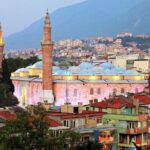
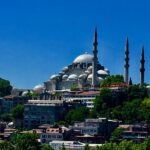
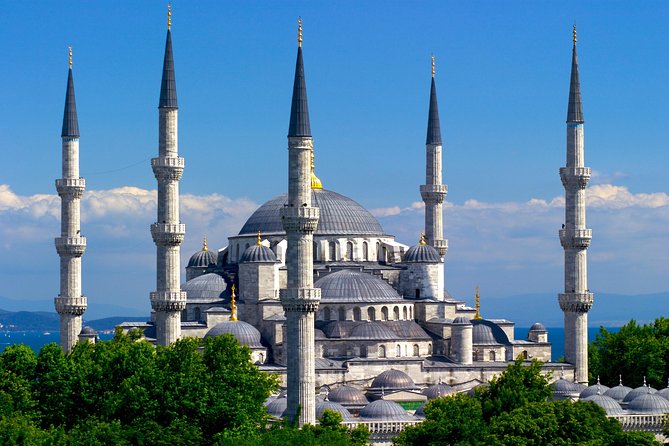
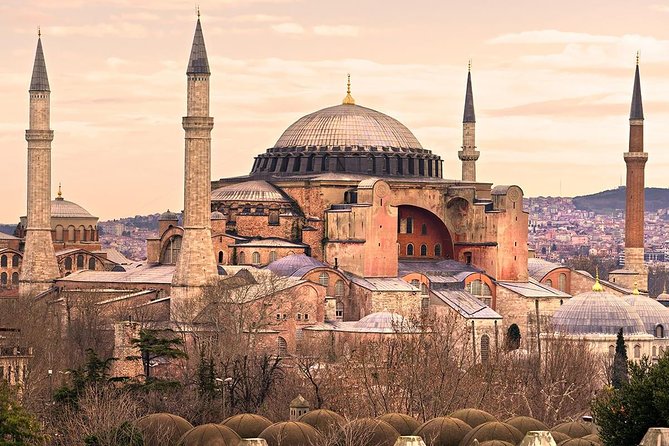
At the Blue Mosque, you’ll notice the famous look right away: six minarets and the oversized dome. The nickname comes from the interior tilework and the bluish tones associated with the color of the ceramics. Your guide explains the Ottoman religious goals behind the design, so it stops being just a pretty landmark and turns into a story of power, devotion, and craftsmanship.
Dress matters here. The tour calls for smart casual, but you’ll be much more comfortable if you also plan like it’s a mosque visit. In practice, women should have a scarf for covering head and shoulders, and men should wear clothing that covers the knee (trousers or knee-covering shorts). This is the kind of detail that can save you from last-minute scarf borrowing and awkward delays.
A practical tip: bring water. Even with shade breaks built into the schedule, you’ll be on your feet and moving between sites.
You can also read our reviews of more guided tours in Istanbul


Hippodrome to Hagia Sophia: two faiths, one timeline you can walk through
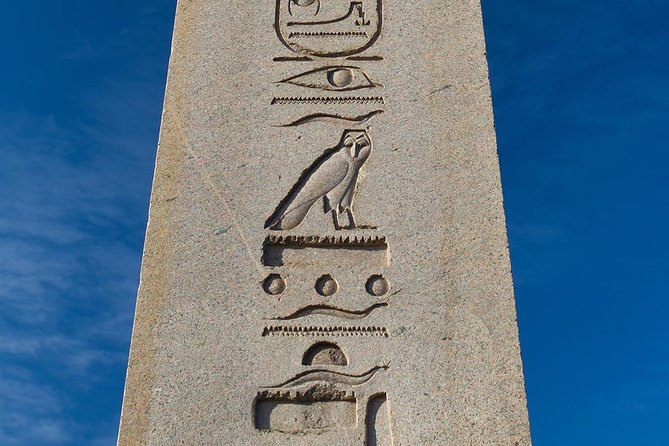
Next comes the Hippodrome, a Roman-era chariot stadium area where the “great games” once played out. Today you mainly see the monumental leftovers, including the Obelisk of Theodosius and the Serpentine Column. This stop works well because your guide can connect the dots between ancient spectacle and the Ottoman city that grew around it.
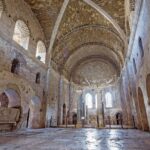
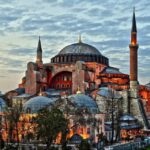
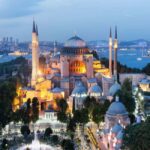
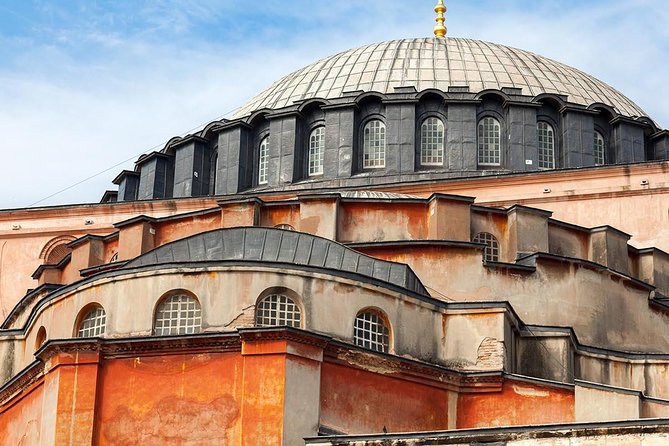
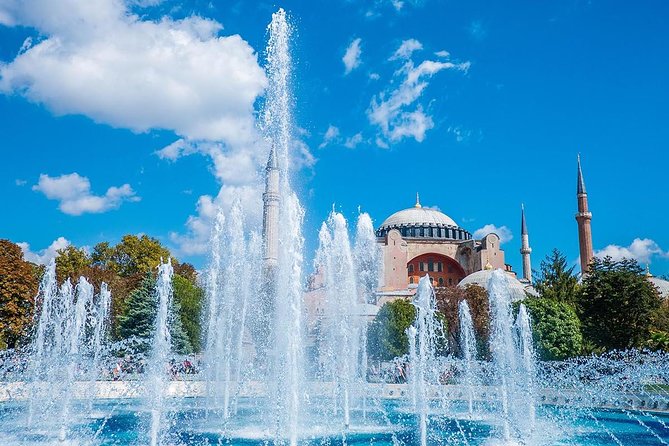
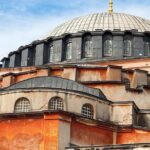
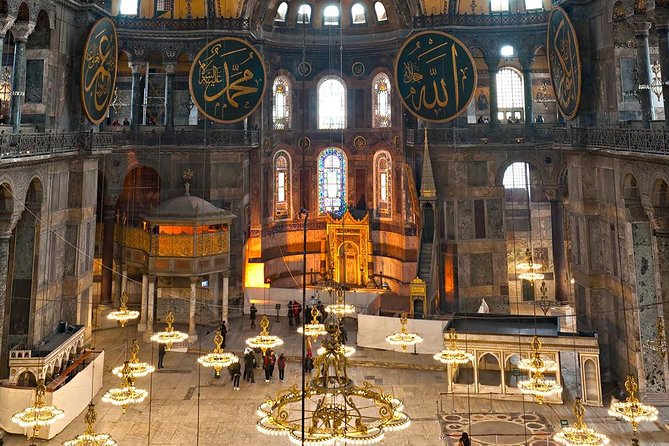
Then the day climbs in scale at Hagia Sophia Grand Mosque. The main wow factor is the sheer size and the mosaic-lined interior. The place is described as a world heritage site that has hosted different faith communities across different periods, and the current operation as a museum-mosque hybrid in practice affects how the visit feels.
Important note on expectations: this is not treated like a museum day with automatic skip-the-line privileges. Because Hagia Sophia operates as a mosque now, your guide doesn’t have skip-the-line priority there. In real life, that means you should plan for security checks and time spent managing lines, even though admission tickets are included.
Also plan for comfort constraints inside. One detailed accessibility-related comment from a visitor described long security queues in the sun, uphill movement, and restrictions on sitting inside (no seats and no floor sitting). Even if you don’t have mobility issues, it’s still a good reminder to pace yourself: drink water beforehand, go in with patience, and don’t assume you’ll sit much.
Lunch at a traditional restaurant: the break that makes the rest of the day work
Lunch is included, and that’s a big deal on an 8-hour route with serious monuments. It’s scheduled after Hagia Sophia, when you’ve usually been walking hard and your brain is full of dates, domes, and columns. A sit-down meal keeps the afternoon from turning into a “keep moving because time is running out” blur.
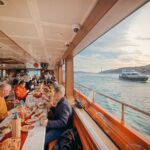
The lunch is traditional Turkish food, and drinks are not included. Many tours with included meals run the risk of being forgettable. Here, the lunch reputation is better than average, including mentions of multi-course meals and venues with scenic views (one example: a restaurant like Anka Palace with water views or rooftop-style dining).
A practical heads-up: lunch can be a fixed menu with no choice. If you have dietary requirements, you’re asked to share them at booking time, which helps the operator plan ahead.
Topkapi Palace: what’s included and what costs extra
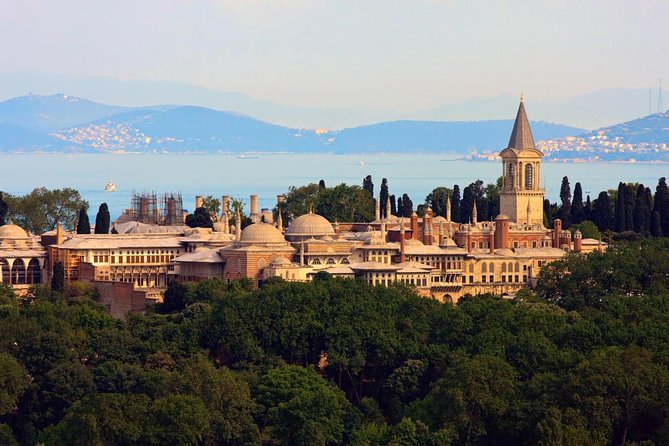
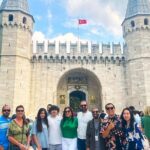
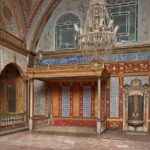
After lunch, you head to Topkapi Palace, the imperial residence of Ottoman sultans. This is one of those places where “seeing it” and “understanding it” are very different experiences, and that’s where the guide role really matters.
Your tour includes guided visits to highlights like:
- the Imperial Treasury
- Chinese porcelain display areas
- calligraphy sections
There’s also an included segment commonly described as the optional jewelry collection stop. You won’t see everything in one day, but you do get the core rooms that explain how the Ottoman court collected wealth, culture, and symbolism.
The big extra you should know up front: the Harem is not included. If you want to add it, you’ll need additional tickets at your own expense. That’s a common place where people feel surprise-cost fatigue later in the day, so decide early whether you care about the Harem section and budget for it.
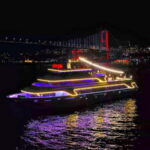
Timing note: Topkapi Palace is closed on Tuesdays. When that happens, the tour swaps in a Bosphorus Cruise Tour instead. If your schedule lands on a Tuesday, don’t assume the itinerary is identical day to day. It’s better to see the swap as a feature: you still keep the “big day out” feeling, just with a different Istanbul angle.
Grand Bazaar: shopping with a filter, not just wandering
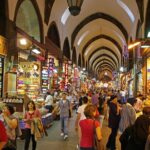
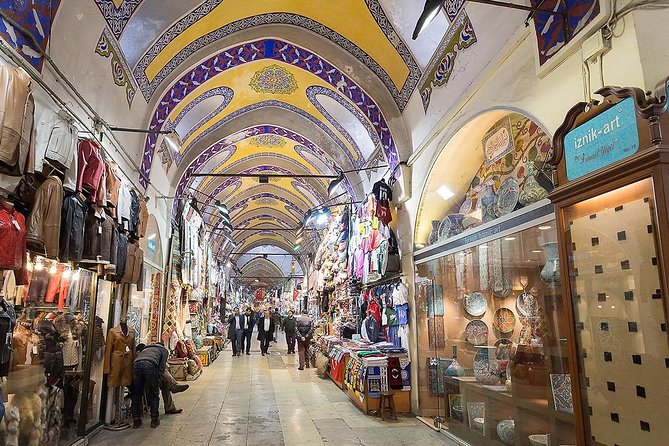
You’ll finish with the Grand Bazaar, the covered maze of shops famous for antiques, jewelry, carpets, and handcrafted goods. The bazaar is described as having nearly 4,000 shops, so it can feel like sensory overload fast. That’s exactly why the guide help matters.
You get about one hour to browse, and the guidance focuses on spotting authentic textiles and handicrafts, especially carpets. This is practical because fakes and look-alikes exist everywhere tourist shopping exists. When someone explains what to look for, you shop with eyes open instead of bargain-blind.
Keep your expectations honest. An hour in the bazaar isn’t enough to thoroughly compare everything. It is enough to get a feel for quality, practice your bargaining rhythm if you choose to shop, and leave with at least one meaningful souvenir idea.
Also note closures: Grand Bazaar is closed on Sundays. On those days, the tour replaces it with an open-air bazaar instead.
One more reality check from on-the-ground comments: Istanbul at peak times is crowded, and the bazaar is no exception. Think of it as a structured “browse and learn” session, not a leisurely shopping vacation.
You can also read our reviews of more historical tours in Istanbul
Price and Logistics: is $248 worth it for this much ground?
At $248 per person for an approximately 8-hour full-day tour, you’re paying for four things at once:
1) a professional guide,
2) hotel pickup and drop-off (within central hotel limits),
3) an air-conditioned vehicle, and
4) a lunch plus admission tickets for most of the key sights.
You also pay for time compression. The tour strings together Blue Mosque, Hippodrome, Hagia Sophia, Topkapi Palace, and Grand Bazaar into one managed day in the Sultanahmet area. If you tried to self-coordinate all of this with museum hours, ticket lines, and transit timing, you’d likely spend a lot more effort than you save money.
This tour also caps group size at 15 travelers, which matters. A smaller group usually means fewer bottlenecks around entry points and a higher chance your guide can answer questions without everyone being shoved along.
The main logistics catch is pickup coverage. Pickup is only offered from central hotels. If your hotel is outside city limits, you may need to pay a supplement for pickup and drop-off. One unhappy note in the feedback described an extra $90 charge in that situation. The best move is to confirm your hotel’s location before you buy, so there are no unpleasant transfer surprises on the morning of your tour.
Another cost-related detail: drinks are not included, and the Harem add-on is extra.
Finally, walking intensity. Even when the vehicle helps with getting you to the first cluster of sites, you should expect lots of walking on foot after that. One visitor comment described roughly 15,000 steps, and another mentioned over 25,000 steps. If you’re the type who needs frequent breaks, this tour may feel like a workout.
Pace, guide styles, and what to watch for
Guides vary in personality and pace, and that affects how the day feels. Some guides are more talkative; some move quickly; some balance history talk with photo time. The name on your day can make a real difference.
Examples of guide names that have been mentioned positively include Ms Fatma, Umutcan, Burak, Aliza, and Ali. The common thread in positive experiences is not just facts, but clear explanations and the sense that the guide kept the schedule under control.
If you want a slower, more photo-first pace, this is where you should manage expectations. Several notes point out that the tour can be walking-heavy, so don’t expect frequent sit-down pauses or long detours.
Also, Hagia Sophia can be a timing wildcard because security and mosque operations affect access. You can still get a strong guided experience there, but you should plan your energy like the line time is possible.
Who should book this tour, and who should skip it
This is a great fit if you want:
- a first-day Istanbul plan that covers the most important Ottoman and Byzantine-era icons in one run
- a guide-led version of Sultanahmet, not a self-guided scavenger hunt
- an included meal that keeps the afternoon from falling apart
It’s less ideal if you:
- have trouble with long walking days, stairs, or standing in sun
- need fully flexible timing and lots of bathroom breaks
- dislike fixed-menu lunches and surprise ticket add-ons (like Topkapi Harem)
If you’re traveling with kids, the tour notes that children must be accompanied by an adult and that most people can participate. Still, the walking distance is the deciding factor, not the friendliness of the group.
If you’re in a wheelchair or need detailed accessibility planning, don’t rely on assumptions. One comment highlighted that Hagia Sophia involves ramps, stairs, and no seating inside, which can become frustrating quickly.
Final call: should you book this tour?
Book it if you want a tightly planned, guided day through Sultanahmet with lunch included and Topkapi Palace + Grand Bazaar on the same ticket day. The structure saves you decision fatigue, and the small group size makes the experience feel more human than the big-bus version.
Pass or consider alternatives if you hate heavy walking, you’re hoping for guaranteed skip-the-line treatment at Hagia Sophia, or your hotel is outside the central pickup zone and you’d rather avoid possible supplements.
If you do book, I’d plan for one simple goal: wear good shoes, bring water, and decide in advance whether the Topkapi Harem is worth the extra ticket cost for you.
FAQ
How long is the Istanbul Historical Tour with Guide, Lunch and Transfers?
It runs for about 8 hours (approx.) with a full-day schedule that includes multiple major historic sites and a lunch stop.
What’s included in the price?
You get a professional guide, hotel pickup and drop-off (only from central located hotels), an air-conditioned vehicle, lunch, and admission tickets for the included sights. Drinks are not included.
Is the Harem visit at Topkapi Palace included?
No. The tour includes Topkapi Palace highlights, but the Harem is optional and requires additional tickets paid by you.
Do you pick up from every Istanbul hotel?
Pickup is only offered from Central located hotels in Istanbul. If your hotel is outside city limits, you may be asked to pay a supplement for both pickup and drop-off, and you will be contacted about the arrangement.
Will I skip the line at Hagia Sophia?
There is no skip-the-line priority mentioned for Hagia Sophia, since it operates as a mosque rather than a museum in the usual sense. You’ll have admission tickets included, but security lines and queues can still happen.
What should I wear for mosque visits?
The dress code is smart casual. For practical comfort at mosques, bringing a scarf for covering head and shoulders is recommended for women, and men should wear trousers or shorts that cover the knee.
What if I’m visiting on a Tuesday or Sunday?
Topkapi Palace is closed on Tuesdays, so the tour swaps to a Bosphorus Cruise Tour instead. Grand Bazaar is closed on Sundays, so the tour swaps to an open-air bazaar.