REVIEW · ISTANBUL CITY HIGHLIGHTS & PRIVATE TOURS
7-Days Historical Tour of Turkey’s West Side with 4 Cities
Book on Viator →Operated by City of Sultans · Bookable on Viator
Seven days, four ancient stops, no car hassles. This is a private west Turkey history sprint built around airport pickup and end-to-end transport, so you’re spending your time looking up instead of Googling schedules. I also like that you get meals and lodging handled, which makes the days feel full without feeling chaotic.
Two things I like a lot: the guides bring the sites to life with confident storytelling, and the connections run on time (flights, transfers, and hotel moves all lined up). One possible consideration: pickup timing may require a bit of coordination because the exact time is set shortly before the day starts, so you’ll want to stay reachable and confirm what you need.
Across the week you’ll go from Byzantine and Ottoman Istanbul to Roman Ephesus, then out to the otherworldly travertines of Pamukkale/Hierapolis, with the Aegean port area of Kusadasi as your coastal base.
In This Review
- Key things to know before you go
- Price and logistics: what $1,389 really buys you
- Istanbul Day 2: Hagia Sophia, Blue Mosque, Hippodrome, Topkapi, and the Grand Bazaar
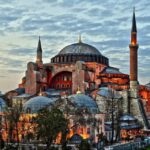
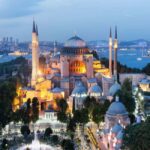
- Hagia Sophia and the Byzantine centerpiece
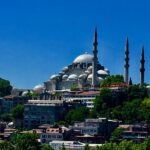
- Blue Mosque and the included ticket win
- Hippodrome: seeing Constantinople’s power center
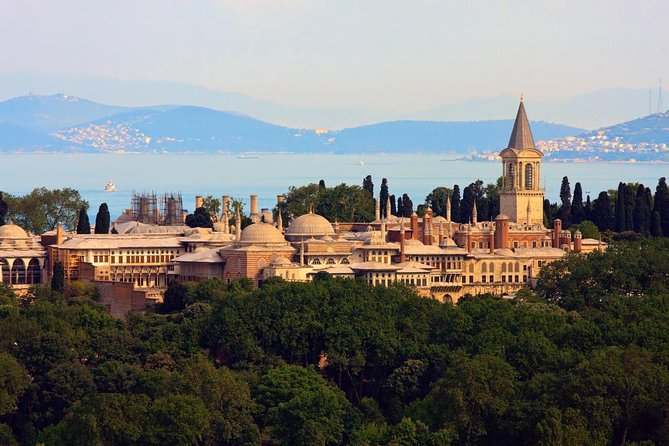
- Topkapi Palace: imperial residence to museum
- Grand Bazaar: the easiest optional shopping you’ll ever do
- Istanbul Day 3: Spice Market and a Bosphorus cruise for photos and perspective
- Spice Market (Mısır Çarşısı): senses first, questions later
- Bosphorus Strait cruise: Europe meets Asia
- Ephesus and Mary’s House: the Roman ruins feel personal here
- Enter through Magnesia Gate and walk the ruins slowly
- Meryemana (Mary’s House): a quiet, reflective detour
- The Temple of Artemis: a famous name with an included ticket
- Pamukkale and Hierapolis: travertines plus Roman remains in one day
- Kusadasi as your Aegean base: where the timing makes sense
- How private touring works here (and how to avoid getting flustered)
- What’s included vs not: meals, entrances, and your ticket budget
- Who should book this 7-day west Turkey route
- Should you book this tour?
- FAQ
- What does the tour price include?
- Are airport transfers included?
- Is the tour fully guided?
- Are entrance fees included for all attractions?
- Is this tour suitable for people who don’t walk much?
- What happens if Topkapi Palace is closed?
- How many people are on the tour?
- Is there time for free evenings and dinners?
- Can I cancel for a refund?
Key things to know before you go
- Six breakfasts and two lunches remove the daily meal puzzle
- Small group size (up to 16) keeps the pace comfortable and questions easy
- Private end-to-end transportation means less time wrangling taxis
- Ephesus is paired with Mary’s House for a deeper, layered visit
- Pamukkale includes both ruins and thermal pools so it’s not just photos
- Some major entrances are not included, so you’ll budget for tickets in advance
Price and logistics: what $1,389 really buys you
At $1,389 per person, this tour isn’t trying to be a shoestring deal. The value shows up in the big-ticket headaches: you’re getting six nights of pre-booked accommodation, airport/hotel pickup, and private transportation across a lot of ground. That kind of planning matters in Turkey, where routing and timing can make or break a week.
You’re also buying back time. Instead of figuring out transit between Istanbul, the Aegean coast, and the Pamukkale area, you’re on a guided schedule with transport arranged for you. Even better, the group size cap of 16 travelers keeps it from turning into a cattle-car situation.
Where the math gets slightly tricky: entrance fees aren’t included for many of the biggest stops. Some entries are covered (like the Blue Mosque, Hippodrome, Grand Bazaar, Spice Market, Bosphorus cruise, and the Temple of Artemis), but others are not. If you’re the type who hates “surprise” ticket costs, budget ahead of time so you’re not doing math at the gate.
You can also read our reviews of more historical tours in Istanbul
Istanbul Day 2: Hagia Sophia, Blue Mosque, Hippodrome, Topkapi, and the Grand Bazaar
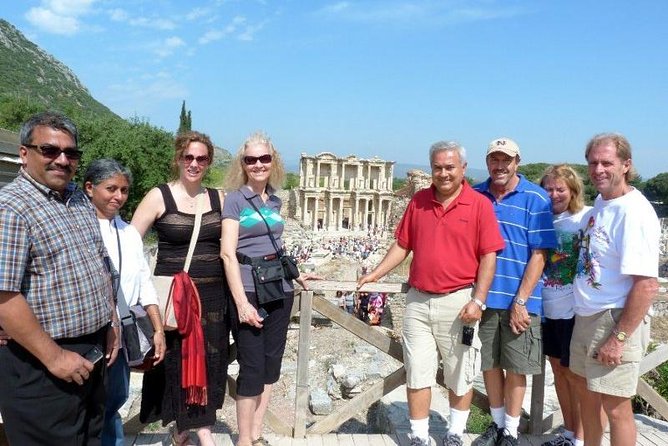
This is the day that sets the tempo. You’ll hit the skyline icons first and then sink into Istanbul’s layered past—Byzantine, Ottoman, and the city’s older Constantinople heartbeat.
Hagia Sophia and the Byzantine centerpiece
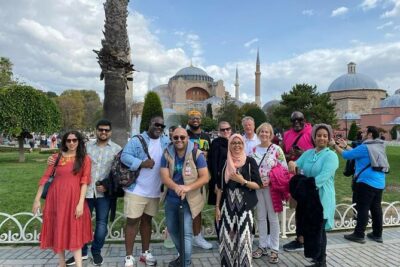
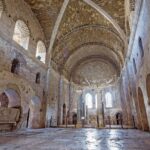
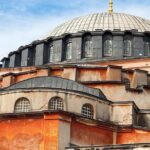
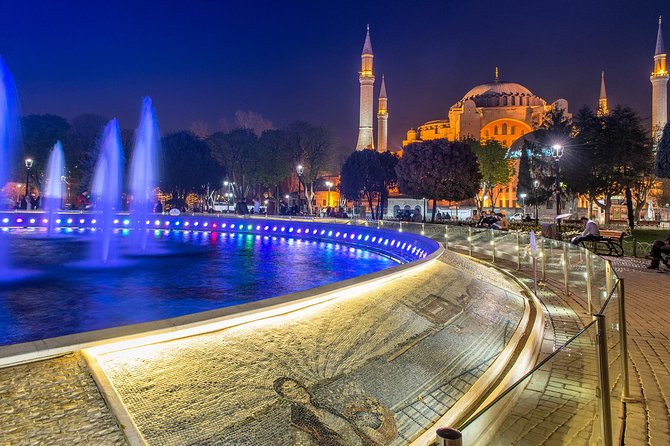
You’ll visit Hagia Sophia (Grand Mosque), described as a masterpiece of Byzantine-era architecture. Expect a stop that’s more about scale and details than rushing. The admission is not included, so if you’re planning your ticket budget, this is one of the first big numbers to account for.
Blue Mosque and the included ticket win
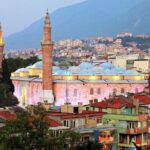
Next comes the Blue Mosque, with entry included. It’s famous for the blue tiles and the minarets. You’ll have time to take photos and get a feel for the interior before moving on—good pacing for a site that can feel overwhelming if you arrive late in the day.
Hippodrome: seeing Constantinople’s power center
Then you’ll step into the Hippodrome, where ancient sport and politics mixed right in the open. You’ll get to see standout pieces: the Obelisk from Egypt, the Serpentine Column from Delphi, and the fountain of Wilhelm II. This part is short but satisfying because it turns “ruins” into recognizable landmarks.



Topkapi Palace: imperial residence to museum
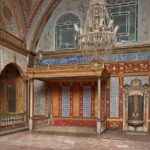
After that you’ll visit Topkapi Palace, the Ottoman imperial base turned museum. Entry is not included, and Topkapi can be one of the longest stops of the day, so it helps that your time here is set at a proper museum length rather than a quick peek.
One practical twist: Topkapi is closed on Tuesdays, and on those days the tour replaces it with the Basilica Cistern. So you still get a major Istanbul interior experience, just from a different angle.
Grand Bazaar: the easiest optional shopping you’ll ever do
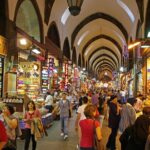
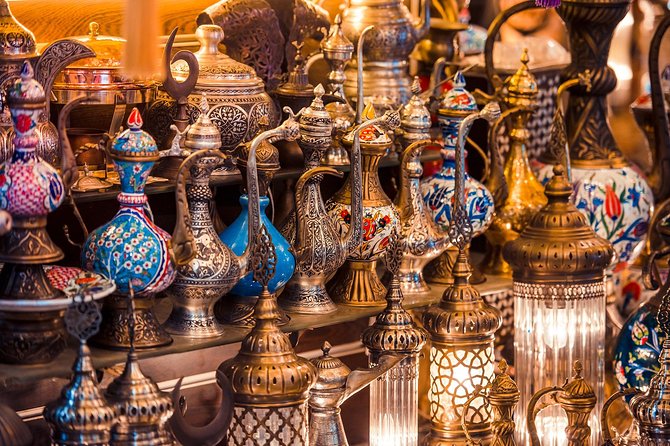
You’ll finish with the Grand Bazaar. Even if you’re not a shopper, it’s worth it as a living historical market—carpets, jewelry, leather, and souvenirs are the usual categories. Entry is listed as free, and the time block is long enough to wander without feeling pushed.
Istanbul Day 3: Spice Market and a Bosphorus cruise for photos and perspective
This day feels lighter than Day 2 but still packs in big “Istanbul” moments.
Spice Market (Mısır Çarşısı): senses first, questions later
You’ll go to Spice Market, often called Mısır Çarşısı, with admission included. It’s a very practical kind of stop: you’ll smell spices, watch stalls sell everything from dried goods to produce, and see how the market keeps its momentum. It’s the kind of place where even a short visit helps you understand the city’s daily life, not just its monuments.
Bosphorus Strait cruise: Europe meets Asia
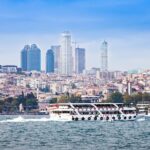
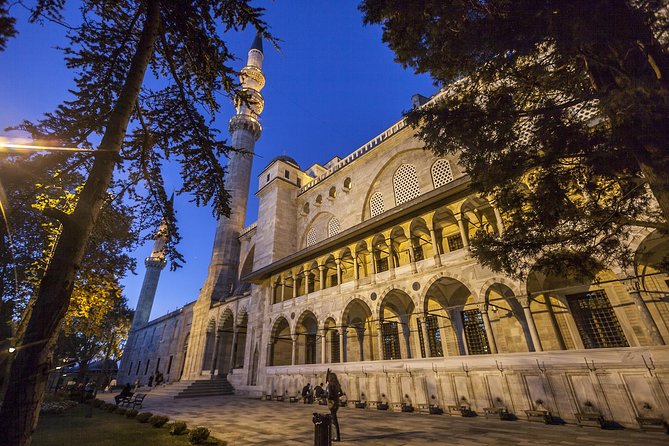
Then comes the Bosphorus Strait cruise, also included. The route separates Europe and Asia, so your photos come with built-in variety—marble palaces, Ottoman wooden villas you might spot along the shore, and modern apartments in the same frame. The cruise time gives you a real change of perspective, and it’s a nice way to keep the week from feeling like only stone.
Ephesus and Mary’s House: the Roman ruins feel personal here
This is one of the main reasons to choose this tour. You don’t just see Ephesus as an archaeological site; you pair it with Christian-era traditions nearby, which adds meaning without needing to be religious to appreciate the layers.
Enter through Magnesia Gate and walk the ruins slowly
You’ll enter Ephesus through the Magnesia Gate and begin a slow downhill walk guided through the main highlights. That “slow” matters. The site is big, and moving at a thoughtful pace keeps it from turning into a checklist.
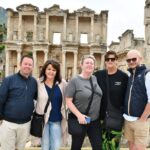
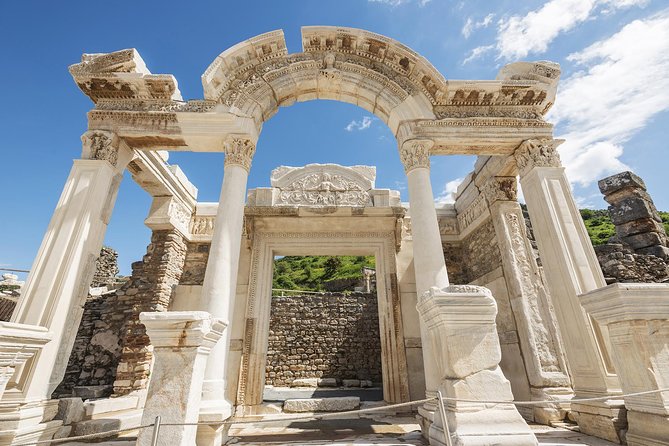
You’ll pass key stops like the Odeum, the Library of Celsus, the Temple of Hadrian, the Fountain of Trajan, and the Great Theater. Even if you know little about Roman architecture, the guide can connect what you’re seeing to how this city worked. Admission for Ephesus is not included, so plan your ticket budget here too.
Meryemana (Mary’s House): a quiet, reflective detour
Next is Meryemana, often referred to as the Virgin Mary’s House. The description ties the stop to where Mary spent her last day, and it also mentions the Basilica of St. John and the belief that St. John spent later years in the region and is buried in the southern slope of Ayasoluk Hill. Admission is not included.
The practical side: this stop is usually less about crowds and more about atmosphere. It also gives your body a break from constant walking among ruins, which helps if you’re aiming for a comfortable week.
The Temple of Artemis: a famous name with an included ticket
Finally, you’ll visit the Temple of Artemis, tied to one of the Seven Wonders of the ancient world. Admission is included, and the time is short enough that it feels focused rather than rushed.
If you’re curious about why Artemis mattered in antiquity, this is a good place to ask your guide questions—because the site’s fame can feel bigger than what you see at first glance.
Pamukkale and Hierapolis: travertines plus Roman remains in one day
Pamukkale is the day where your camera gets a workout, but it’s not just about the white terraces.
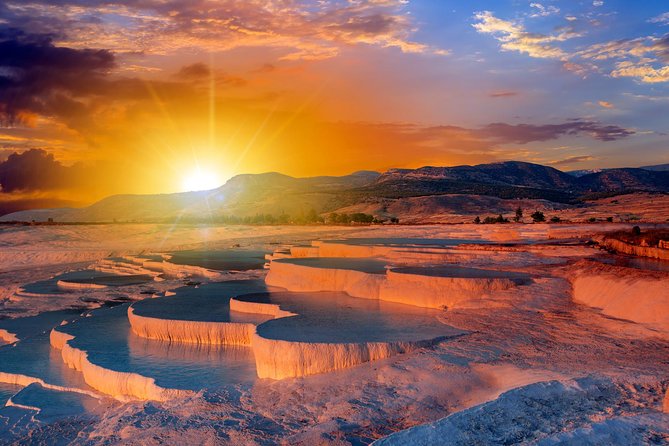
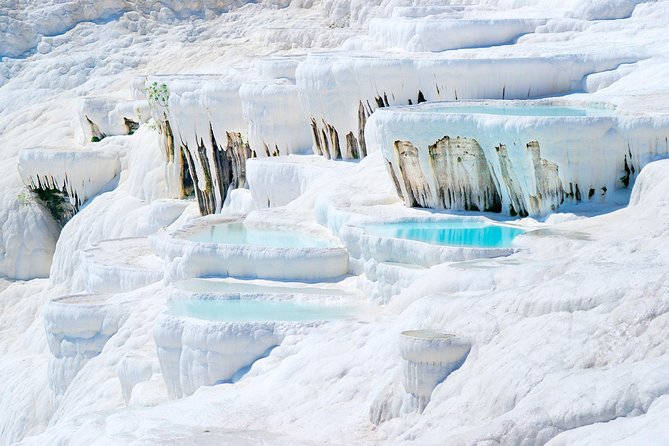
You’ll spend time at Hierapolis & Pamukkale, with admission not included. The stop combines ruins context with the famous travertines. The description calls the travertines the Cotton Castle, and you’ll also walk among things like sarcophaguses and Roman remains.
Then you’ll move to the Pamukkale thermal pools, again with admission not included. This part is about the visual impact and the thermal setting, so plan for time where you might want to linger. The tour’s structure gives you a separate block rather than lumping it all into one rushed segment.
If you have moderate physical fitness, this is manageable, but wear shoes you trust. Travertine areas can be slick, and you’ll likely be walking more than you expect from a “scenic” destination.
Kusadasi as your Aegean base: where the timing makes sense
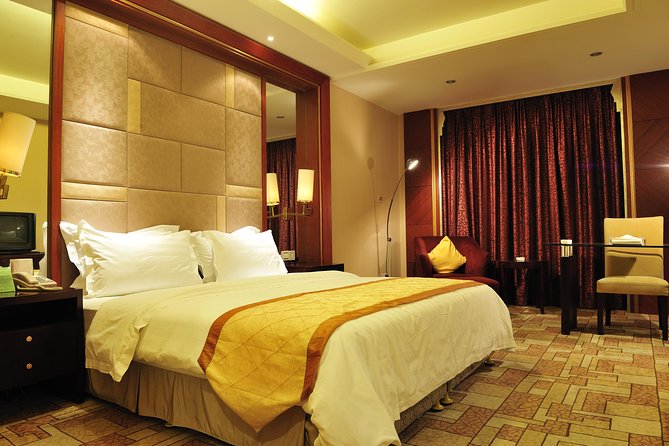
Day 6 focuses on Kusadasi, the Aegean coastline tourist hub and a common cruise port. The location is important: it’s close enough to Ephesus that you don’t lose hours to long drives. The description even notes it’s about 15 km to Ephesus, and you’re also positioned with access to the broader Izmir area.
Even though the itinerary framing here is more location-based than monument-dense, Kusadasi still earns its place in a one-week plan. Coastal towns make dinners and downtime easier, and they often reduce “drag time” between sites.
How private touring works here (and how to avoid getting flustered)
This tour is built around private end-to-end transportation, so you’re not chasing buses or coordinating your own transfers. In practice, that means your day structure is handled. You show up, meet your guide, and move site to site.
Small-group pace helps too. With a max of 16 travelers, it’s easier for guides to adjust explanations if people ask questions or if a stop runs long.
One thing to watch: pickup times. There’s a real-world rhythm here where the exact pickup time is determined the day before. One review frustration was having to ask for pickup time each day. So here’s the fix: stay flexible in the morning, and don’t assume every pick-up is set months in advance. Keep your messaging ready so you can confirm quickly.
Mobile ticketing is included, and pickup is offered from the airport (or your hotel), so you’re not left standing around with a paper ticket and a dead phone.
What’s included vs not: meals, entrances, and your ticket budget
The day-to-day comfort part is strong:
- 6 breakfasts included
- 2 lunches included
- Dinners are on your own, which is a plus if you want local options or a slower pace at night
The big variable is entrances. Many major sights have entrance fees not included, including Hagia Sophia, Topkapi Palace, Ephesus, Mary’s House, and Pamukkale/Hierapolis and the thermal pools. Some are included, so you’ll save money at those stops, but you still need a realistic buffer for the rest.
My advice: before you go, make a quick list of the non-included sites and decide whether you want to pay on-site or pre-plan ticket amounts in your travel budget. It’s one of those trips where ticket costs don’t break the trip, but they can change how you feel if they show up all at once at the end of the day.
Who should book this 7-day west Turkey route
This tour fits best if you want:
- A guided week across major sites without the hassle of moving yourself
- A balance of big monuments and guided interpretation
- Comfort with moderate walking, especially around Ephesus’s downhill route and the Pamukkale terrain
It’s also a good fit for couples or friends who like history but don’t want to spend vacation time managing schedules.
If you prefer totally free-roaming days with no set structure at all, this won’t match that style. Even with time for your own dinners, the day flow is designed and timed.
Should you book this tour?
If you like the idea of Istanbul + Ephesus + Pamukkale in one week and you want pickup, transport, and hotels handled, I think this is a smart way to spend your time. The standout value isn’t just the sites—it’s the way everything is connected with guided stops, meals, and comfortable movement between regions.
Book it if you’re okay planning for museum and site entrance fees and you’ll stay reachable the day before each pickup. Consider another option if pickup timing coordination would stress you out, or if you hate adding even a small layer of admin to your travel day.
FAQ
What does the tour price include?
The price includes six nights of accommodation, six breakfasts, and two lunches, plus private transportation and an included mobile ticket.
Are airport transfers included?
Yes. The tour includes airport pickup and transfers to your hotel (and later, transfer to Izmir Airport for the return flight back to Istanbul).
Is the tour fully guided?
You’ll have guided sightseeing at the listed stops. Some sites are also free or included, but the overall structure is guided with transport arranged by the organizers.
Are entrance fees included for all attractions?
No. Some entrances are included (like the Blue Mosque, Hippodrome, Grand Bazaar, Spice Market, Bosphorus cruise, and the Temple of Artemis), while others are not included (like Hagia Sophia, Topkapi Palace, Ephesus, and Pamukkale-related entrances).
Is this tour suitable for people who don’t walk much?
It notes moderate physical fitness. You should expect walking at major sites like Ephesus (including a slow downhill route) and time at Pamukkale.
What happens if Topkapi Palace is closed?
If Topkapi Palace is closed on Tuesdays, it’s replaced with the Basilica Cistern.
How many people are on the tour?
There’s a maximum of 16 travelers.
Is there time for free evenings and dinners?
Yes. Breakfast and selected lunches are included, and you’re free to explore on your own for dinners.
Can I cancel for a refund?
You can cancel for free up to 24 hours in advance for a full refund.
If you want, tell me your travel month and whether you prefer more shopping time or more museum time, and I’ll suggest how to plan your daily energy around the included and non-included tickets.