REVIEW · 6-DAY EXPERIENCES
6 days Turkey tour: Multi City
Book on Viator →Operated by Turkey Tourism · Bookable on Viator
Six days in Turkey, and it moves fast. You’ll stack together major World War I sites, legendary ancient cities, and the thermal and rock-carved scenery that defines this part of the country—all with transport handled for you and private guiding where it counts most.
I especially like the all-in plan for admissions and guides on the key historical days, so you’re not wasting time buying tickets or guessing where to go. I also like the included overnight hotel in Kusadasi with breakfast by the sea, which gives you a real reset between the ancient-city day and the thermal-pool day.
The main drawback: the schedule is full, and you’ll feel it. Day 1 starts with an early 06:30 pickup, and several stops involve walking on uneven ground, sun, and long driving legs.
In This Review
- Key highlights worth knowing
- Price and logistics: what $1,750 really covers
- Day 1 Gallipoli at 06:30: the memorials that hit hardest
- Day 2 Troy (Truva) plus Pergamon: myth, then medicine
- Day 3 Ephesus focus: Roman scale plus spiritual stops
- Day 3 to Day 4 reset: Kusadasi breakfast by the sea
- Day 4 Pamukkale and Hierapolis: white terraces and warm-water fun
- Days 5 and 6 in Cappadocia: fairy chimneys to Derinkuyu
- Day 5: viewpoints, museums, and pottery
- Day 6: Uchisar, Red Valley sunset time, and underground shelters
- What a private guide really changes (including the named Josh)
- Included meals, what you’ll still plan for, and day-to-day comfort
- Should you book this multi-city Turkey tour?
- FAQ
- How long is the Turkey multi-city tour?
- Where does the tour take place?
- What is the price per person?
- Is hotel accommodation included?
- Are flights included?
- Are entrance tickets included?
- Is pickup offered in Istanbul?
- Are meals included?
- Is the tour private?
- What if the weather is bad?
Key highlights worth knowing
- Gallipoli with named memorial stops: ANZAC Cove, Lone Pine Memorial, Chunuk Bair Memorial, and The Nek, plus the Gallipoli War Museum
- Troy’s layered ruins: nine ancient cities built on top of each other, with guided explanation of the Trojan legend
- Pergamon beyond the big view: Acropolis highlights like the Altar of Zeus area (noted in Berlin) and the Asclepion healing center
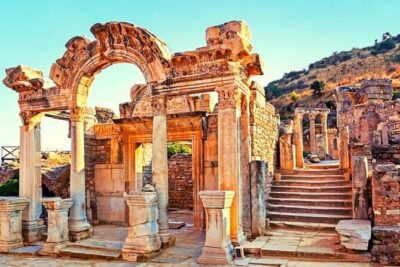
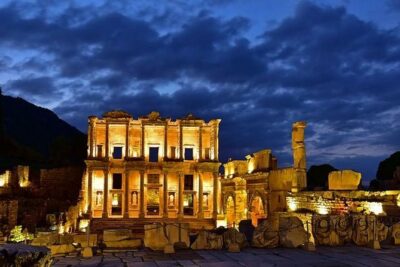
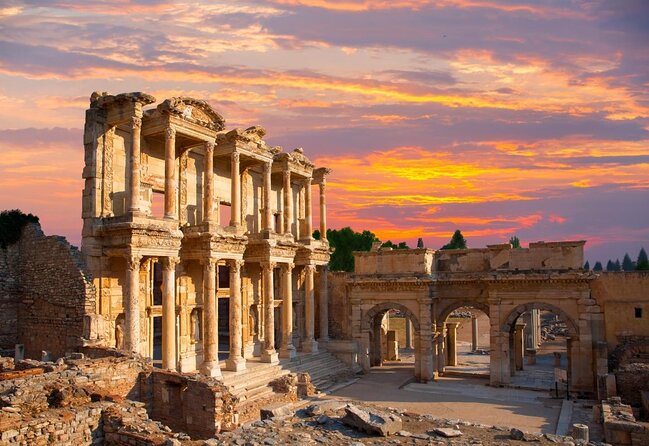
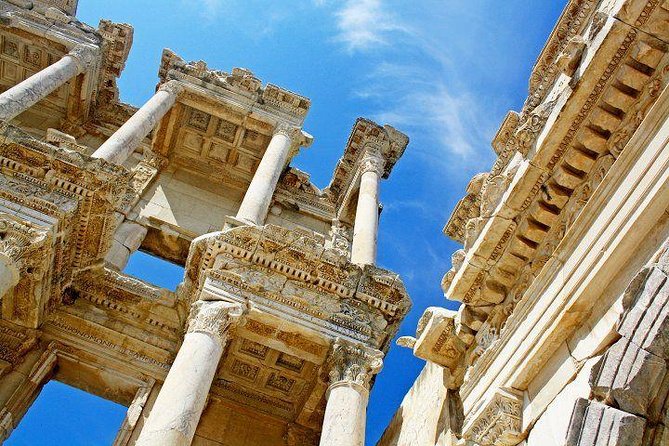
- Ephesus at full scale: Library of Celsus, the Great Theatre, and Terrace Houses, plus the Temple of Artemis area
- Pamukkale thermal contrast: white travertine terraces, Hierapolis ruins, and Cleopatra Pools as a warm-water payoff
- Cappadocia from viewpoints to underground: Göreme Open-Air Museum, fairy-chimney valleys, and Derinkuyu Underground City
Price and logistics: what $1,750 really covers
At $1,750.00 per person for about six days, the value here comes from what’s bundled. You’re not just buying sightseeing—you’re buying fewer “travel headaches”: transportation between stops, airport transfers, and round-trip flights with taxes included, plus a hotel night and meals.
The tour also includes a lot of the budget killers that quietly add up on your own trip: entrance fees and guided time on the major museum and landmark visits. Since the plan includes a mobile ticket and pickup in Istanbul, you spend less time figuring out logistics and more time at sites.
One more practical point: you’re in a private tour setup (only your group participates). That matters because the guide can pace things to your timing and answer questions without the pressure of a big bus crowd.
You can also read our reviews of more city tours in Istanbul
Day 1 Gallipoli at 06:30: the memorials that hit hardest
Your day begins early: pickup from your hotel in Istanbul at 06:30, then a long drive toward the Gallipoli Peninsula (with a stop in Eceabat). This is a full day focused on the Gallipoli Campaign (1915–1916), one of World War I’s most remembered clashes between Allied forces and the Ottoman Army.
The standout stops are the ones with clear names and locations:
- ANZAC Cove, tied directly to the landing
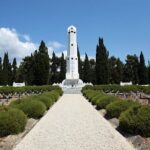
- Lone Pine Memorial, dedicated to Australian soldiers
- Chunuk Bair Memorial, for New Zealand soldiers
- The Nek, a smaller place that still lands emotionally
Then you add the Gallipoli War Museum. It’s brief at 1 hour, but it helps you place what you’re seeing outside. You get artifacts and context like weapons and equipment, plus personal items such as letters, diaries, uniforms, and photographs, along with maps and documents.
What to consider: Gallipoli is not “light sightseeing.” Even with guiding, the subject matter is heavy. Bring water, plan for sun, and accept that you’ll likely walk and stand a lot in open areas.
Day 2 Troy (Truva) plus Pergamon: myth, then medicine
Day 2 mixes legendary storytelling with Roman and Hellenistic-era scale. You start with Troy, a UNESCO World Heritage Site linked to Homer’s Iliad and the Trojan War.
At Troy (about 3 hours), you’re not looking at one ruin—you’re looking at layers. The site contains remains of nine ancient cities built over each other, dating back more than 4,000 years. Your guided walk focuses on real features you can point at: city walls and gates, plus temple and house remnants. There’s also a replica Trojan Horse, which gives the legend a visual anchor while you explore the archaeology.
Then you head to Pergamon (Bergama) for about 3 hours. Pergamon feels different from Troy because it’s more about cultural power and lived-in institutions. The tour hits the Acropolis, including the Altar of Zeus area that’s now noted in Berlin, plus the dramatic steep ancient theatre with panoramic views.
From there, the best switch is the Asclepion—Pergamon’s ancient medical center devoted to Asclepius, the god of healing. This is where the tour can surprise people who thought ancient sites were only about temples and politics. You see the remnants of treatment rooms, healing pools, and sacred springs.
Finally, you visit the Pergamon Library concept. Even though much is gone, the explanation helps you connect the site to its historical role as a major center of learning.
Practical note: the theatre and acropolis areas can mean stairs and slopes. Wear shoes that won’t slip when you’re switching between light and shade.
Day 3 Ephesus focus: Roman scale plus spiritual stops
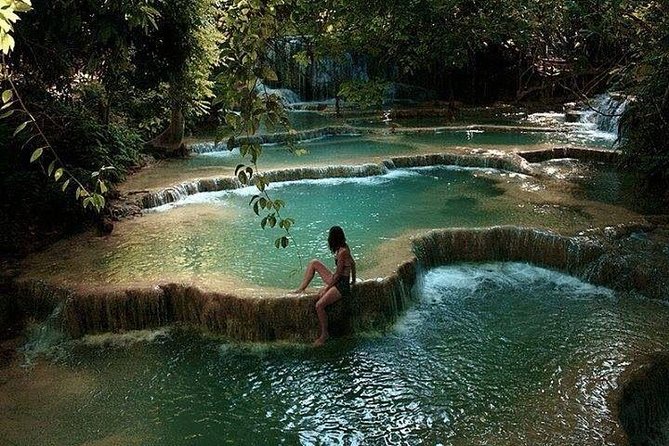
This is your big ancient-city day near Selçuk, and it’s packed. The tour includes Ephesus for about 3 hours, plus quick-but-meaningful extras nearby.
Inside Ephesus, you’ll spend time at:
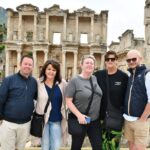
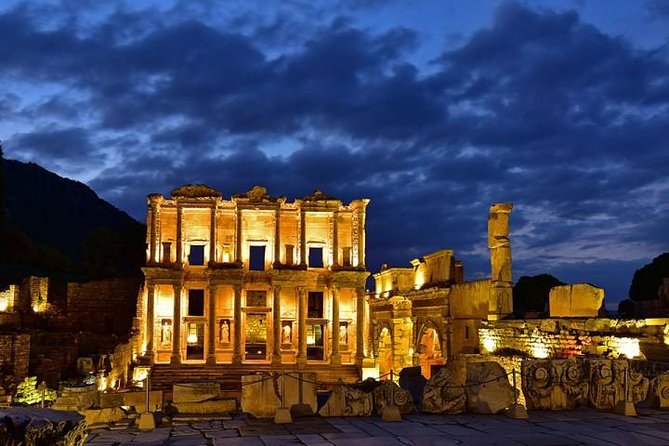
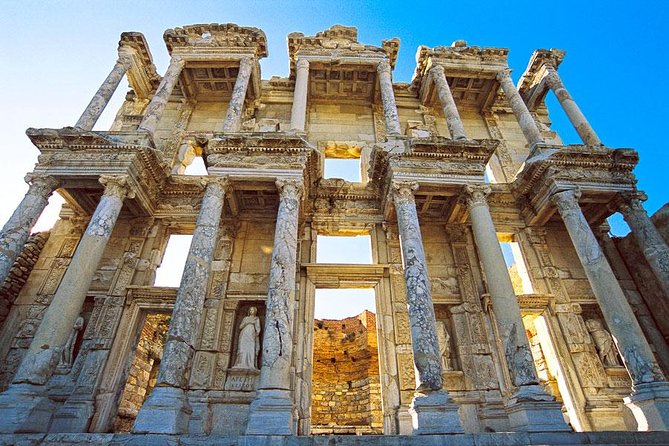
- Library of Celsus, one of the most iconic structures
- The Great Theatre, built for huge crowds (up to about 25,000)
- Terrace Houses, the luxury residences with detailed mosaics
The guide portion is what makes this day work. Without guidance, Ephesus can blur into “more ruins.” With guidance, you get a sense of how this city functioned—trade, religion, and daily life—then you can “read” the structures instead of just photographing them.
After Ephesus, you add the Temple of Artemis area. This stop is only about 30 minutes and listed as free admission ticket, but it’s still worth a quick look because it connects to the idea of the Seven Wonders and the temple’s original scale (127 Ionic columns were planned at about 18 meters each).
Then you shift tone to places with religious and cultural meaning:
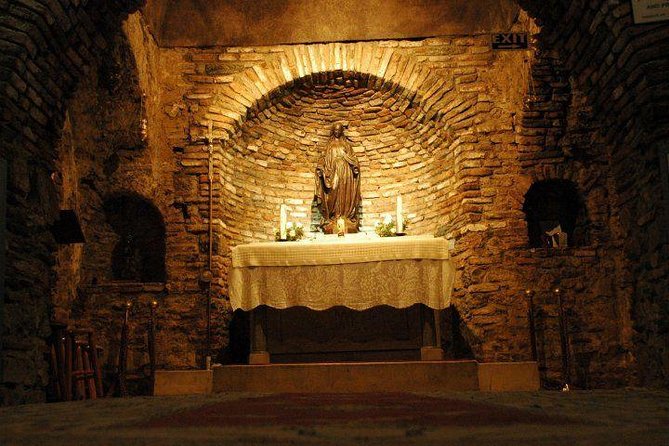
- Meryemana (House of the Virgin Mary): a quiet chapel in a natural setting, described as Mary’s last residence in tradition
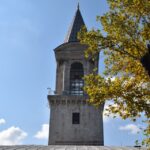
- Isa Bey Mosque: a 14th-century mosque with architectural details like an asymmetrical layout, two domes, and a marble portal with geometric patterns and Arabic calligraphy
Dress expectations matter at the mosque. Even if the stop is not long, you’ll feel better if you pack something comfortable that covers shoulders and knees.
Day 3 to Day 4 reset: Kusadasi breakfast by the sea
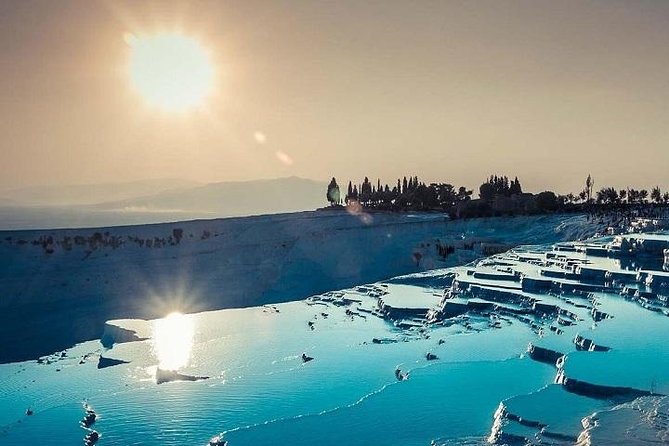
A key part of this overall plan is that you spend one night in Kusadasi, with breakfast included. That break matters, because it changes the feeling of the trip.
Instead of rolling straight from one ruin to another, you get a night that belongs to you. You wake up by the sea, eat a proper breakfast (the plan includes breakfasts across the days), and then head into the thermal area the next day with less fatigue.
If you’re sensitive to tight itineraries, this one-night buffer is a big deal. It gives you the mental space to enjoy Pamukkale without feeling like you’re rushing through it.
You can also read our reviews of more tours and experiences in Istanbul
Day 4 Pamukkale and Hierapolis: white terraces and warm-water fun
Day 4 is built around Pamukkale’s signature look: white travertine terraces formed by mineral-rich thermal water. The name “Pamukkale” means Cotton Castle, which is a good visual shortcut for why the place looks like it does.
The day starts with Pamukkale itself (about 3 hours; listed as free admission). Then you move to the Pamukkale Thermal Pools (about 3 hours; admission included). The description you’ll hear is that the terraces form from calcium carbonate deposited by the hot springs, and that the water temperature can range from about 35°C to 100°C. That range is important: you’ll likely find areas that feel gentler and others that feel intense, so go slowly.
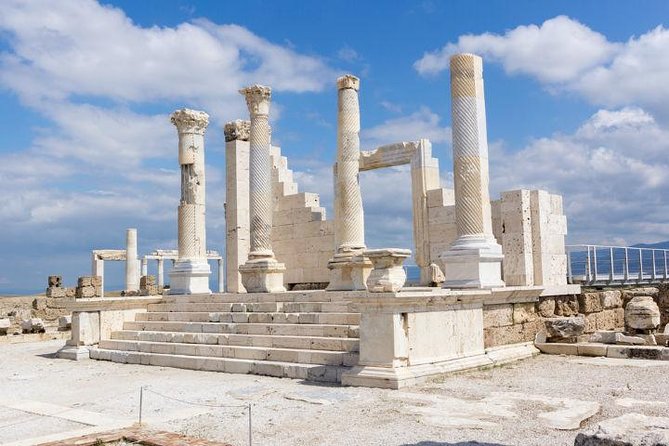
After the terraces and pools, you get the archaeology side with Hierapolis (about 2 hours; admission included). Hierapolis is an ancient city connected to thermal bathing. You’ll see major ruins like:
- an ancient theatre
- Roman baths
- a necropolis with thousands of tombs and sarcophagi
- plus things like the Temple of Apollo and the ancient street lined with columns
Then comes Cleopatra Pools (about 2 hours; admission included). This is a warm, mineral pool setting with Roman columns and marble ruins that have fallen into the water over time. The pool is tied to a legend about Cleopatra’s bathing, even if the link isn’t definitive. Either way, it’s a scenic payoff after the long ruins walk.
Timing tip you should actually use: Pamukkale is best early or late to avoid crowds and midday heat. Even if your schedule is fixed, you can still dress for the sun and pace yourself.
Days 5 and 6 in Cappadocia: fairy chimneys to Derinkuyu
Cappadocia is where the trip turns from “big ancient monuments” to “surreal geology.” You’ll spend two full days moving through viewpoints, rock-carved sites, valleys, and even an underground city.
Day 5: viewpoints, museums, and pottery
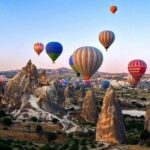
You start with Göreme Panorama for about 1 hour, where you’ll see fairy chimneys and valleys stretching out. It’s a classic photo stop, and the scenery is especially striking near sunrise or sunset (hot air balloons often appear in the sky early).
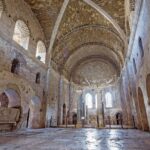
Next is the Göreme Open-Air Museum (about 3 hours; admission included). This is one of the most meaningful stops on the whole trip because it’s a whole complex of rock-cut churches and monasteries carved into volcanic rock. Highlights include the Dark Church, plus the Apple Church and Snake Church, known for frescoes.
Then you visit Avanos Pottery Workshop (about 2 hours). Avanos is known for pottery using red clay from the Kızılırmak River, and many workshops let you watch artisans or try techniques. Admission is listed as free for this stop.
The day continues with the more playful landscapes:
- Devrent Valley (Imagination Valley) for animal-shaped rock formations
- Paşabağları / Monk’s Valley for fairy chimneys with rock-cut chapels
- Üç Güzeller (Three Beauties) for the iconic grouped chimneys
Day 6: Uchisar, Red Valley sunset time, and underground shelters
Day 6 starts at Uçhisar Castle (about 1 hour; admission included). It’s a natural rock formation carved into volcanic rock, used as a strategic defense point in ancient times, and now it’s all about panoramic views.
Then you head to Kızılçukur Valley (Red Valley) (about 2 hours; admission included). The stop is timed for the kind of light you want near sunset, when reds and pinks show up most strongly. It’s described as a walk through trails with fairy chimneys, rock-carved churches, and vineyards.
After that, you visit Çavuşin village (about 1 hour; admission included), including the Church of St. John the Baptist with frescoes. It’s a good moment to slow down a bit and see how villages sit inside the rock landscape.
Next comes Love Valley (about 1 hour; free admission). It’s known for distinctive rock formations and pleasant hiking, plus it’s close to where balloon rides operate—but that part isn’t included in your tour notes, so treat it as a possible background attraction, not a scheduled activity.
Then you go underground with Derinkuyu Underground City (about 2 hours; admission included). This is one of the bigger underground cities in the region, with multiple levels for living quarters, chapels, storage, and ventilation. The scale is the point: it could shelter large numbers of people along with livestock and supplies.
Finally, you finish with Pigeon Valley (about 1 hour; free admission). It’s named for pigeon houses carved into the volcanic rock, tied historically to fertilizer production. The valley also links walking routes between Göreme and Uçhisar.
What a private guide really changes (including the named Josh)
Private guiding is where these stops become more than a list. In practice, it means you’ll get context fast: why a theatre was built where it was, what a structure’s purpose was, and what to notice first so you don’t miss the point.
The tour notes specifically highlight a guide named Josh as being very hands-on and well prepared, with the ability to answer questions and even add an extra site to teach more. Even if your guide isn’t Josh, the theme matters: you should expect a guide who doesn’t just read a script.
What you can do to get more out of the day:
- Ask your guide to point out one detail you might otherwise miss at each major stop
- If you’re short on time at a large site, ask for the quickest route that still hits the key pieces
- For religious sites, ask what local rules matter most for dress and behavior in that area
Included meals, what you’ll still plan for, and day-to-day comfort
This plan includes meals, but not every meal. According to what’s listed:
- You’ll have breakfasts included (4)
- You’ll have lunch included (6)
- Dinner is not included
So you’ll want to budget for dinner on your own. The practical upside is flexibility: if you finish a stop early, you can choose where to eat without needing to be on a fixed schedule for a included dinner.
Footwear is not optional here. Between ancient stones, slopes, and valleys, wear shoes you already trust. For thermal stops like Pamukkale, plan for slippery surfaces and bring a towel and swimwear if you want to use the pools.
One more small thing that helps: the tour includes airport transfers and uses mobile tickets, which cuts down on the stress of juggling documents right when you arrive.
Should you book this multi-city Turkey tour?
I’d book this if you want a guided sampler platter of Turkey’s heavy hitters without doing the planning math yourself. You get a strong arc: Gallipoli for emotional context, Troy and Pergamon for scale and institutions, Ephesus for Roman grandeur, Pamukkale and Hierapolis for thermal landscapes, and then Cappadocia for rock-carved churches and fairy chimneys.
I wouldn’t book it if you hate early starts or you want lots of downtime. This schedule is full, and some days are built on long drives plus major walking. If you like slow travel and flexible evenings, you might find it tiring.
If you do book, I’d treat it like a trip where you’ll learn a lot and see a lot. Wear good shoes, bring sun protection, and don’t try to take every photo at the first moment—stand still for 30 seconds and let the place land.
FAQ
How long is the Turkey multi-city tour?
It’s listed as 6 days (approx.).
Where does the tour take place?
The tour includes locations in Turkey, including Istanbul, Gallipoli, Troy, Pergamon, Ephesus/Selçuk area, Pamukkale/Hierapolis, and Cappadocia.
What is the price per person?
The price is $1,750.00 per person.
Is hotel accommodation included?
Yes. It includes 1 night hotel in Kusadasi with breakfast.
Are flights included?
Yes. Round trip flight tickets with all taxes and all airport transfers are included.
Are entrance tickets included?
Yes. The tour notes include all entrance fees of historical landmarks and museums, and many stops are marked as admission ticket included.
Is pickup offered in Istanbul?
Yes. Pickup from your hotel in Istanbul is included for the start of the tour.
Are meals included?
Lunch is included (6) and breakfast is included (4). Dinner is not included.
Is the tour private?
Yes. It’s described as a private tour/activity, with only your group participating.
What if the weather is bad?
The experience requires good weather. If it’s canceled due to poor weather, you’ll be offered a different date or a full refund.