REVIEW · 4-DAY EXPERIENCES
4 days Turkey highlight: Pamukkale Ephesus and Cappadocia
Book on Viator →Operated by Travel Store Istanbul · Bookable on Viator
Four days, three Turkey highlights in one route.
This small-group trip strings together Pamukkale thermal pools, Ephesus ancient ruins, and Cappadocia’s fairy-chimney scenery, with flights and transfers already built in.
I like two things a lot: it runs with a small group (max 15) and an English guide who explains what you’re seeing, and the package bundles the big spend—round-trip flights with taxes, hotel night, meals, and entrance tickets. One drawback to plan for: it’s a full schedule, and dinner is not included.
In This Review
- Key things I’d circle before you book
- The value of a tight 4-day route from Istanbul
- Getting to the sights: pickup, small groups, and pacing
- Day 1 in Pamukkale: thermal pools, Hierapolis ruins, and steep ancient theater seats
- Stop 1: Pamukkale Thermal Pools (about 2 hours)
- Stop 2: Hierapolis & Pamukkale (about 2 hours)
- Stop 3: Pamukkale Theater (about 30 minutes)
- Stop 4: Byzantine Church / former gymnasium area (about 30 minutes)
- Day 2 in Ephesus and Selçuk: the biggest ruins, Mary’s pilgrimage house, and Artemis foundations
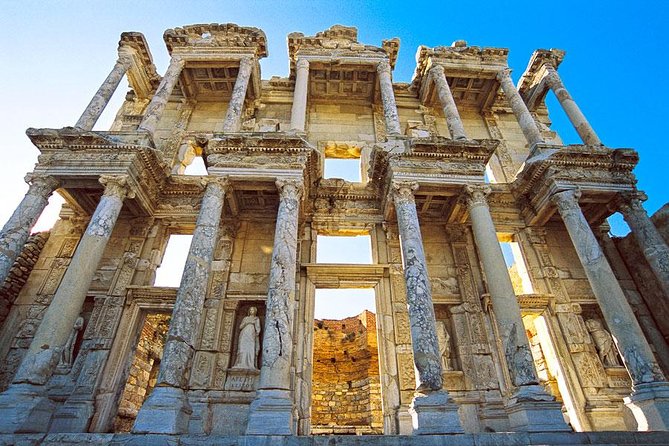
- Stop 1: Ancient City of Ephesus (about 3 hours)
- Stop 2: Meryemana, the Virgin Mary’s House (about 1 hour)
- Stop 3: Temple of Artemis (about 30 minutes)
- Stop 4: Isa Bey Mosque (about 30 minutes)
- Day 3 in Cappadocia: Uçhisar viewpoints, Red Valley walks, and Derinkuyu’s refuge maze
- Stop 1: Uçhisar Castle (about 1 hour)
- Stop 2: Kızılçukur Valley (Red Valley / Gun batımı) (about 2 hours)
- Stop 3: Çavuşin village (about 1 hour)
- Stop 4: Love Valley (about 30 minutes)
- Stop 5: Derinkuyu Underground City (about 1 hour)
- Stop 6: Pigeon Valley (about 30 minutes)
- Day 4 in Cappadocia: Göreme viewpoints, UNESCO museum churches, and the rock-shape finale
- Stop 1: Göreme Panorama viewpoint (about 30 minutes)
- Stop 2: Göreme Open-Air Museum (about 2 hours)
- Stop 3: Avanos pottery (about 1 hour)
- Stop 4: Devrent Valley (Imagination Valley) (about 2 hours)
- Stop 5: Paşabağları (Monk’s Valley) (about 1 hour)
- Stop 6: The Three Beauties near Ürgüp (about 30 minutes)
- Meals, comfort stops, and what you’ll want to handle yourself
- Price and logistics: why the $1,500 cost can feel fair
- Who this tour fits best (and who should consider alternatives)
- Should you book this 4-day Turkey highlights tour?
- FAQ
- How long is the tour, and what time of year does it run?
- What’s included in the price?
- Is pickup available?
- What language is the tour guide?
- How big is the group?
- Does the tour include entrance tickets?
- Is dinner included?
- What if weather affects the experience?
- What’s the cancellation window for a refund?
Key things I’d circle before you book
- Pamukkale swim time at the thermal hot springs, including Cleopatra’s Pool
- Ephesus in a single sweep with time to see the main ruins without rushing every stop
- Derinkuyu Underground City and its multi-level refuge system (up to 20,000 people)
- Göreme Open-Air Museum with the Dark Church, Apple Church, and Snake Church
- Valley time in Cappadocia: viewpoints plus short hikes like Red Valley and Pigeon Valley
- Meals and entrances covered (3 breakfasts, 4 lunches, and most admission fees)
The value of a tight 4-day route from Istanbul
This is the kind of Turkey trip that works when you want big-name sights without spending days piecing everything together. You’re moving between regions—Aegean Turkey (Pamukkale/Ephesus) and central Turkey (Cappadocia)—but the package structure keeps the handoffs simple: flights, airport transfers, and guided sightseeing are part of the deal.
The strongest “value” here is that you’re not just buying a ticket to see things. You’re buying time back. Entrance fees and guided entry are included for the major stops, and the itinerary focuses on clusters of sites that make geographic sense for a short stay.
At $1,500 per person, it’s not a budget bargain. But it’s also not “pay-as-you-go chaos.” When flights, transfers, an included hotel night in Kusadasi, multiple lunches, and most admissions are covered, the money starts to feel more like a managed plan than a random grab-bag.
You can also read our reviews of more tours and experiences in Istanbul

Getting to the sights: pickup, small groups, and pacing
You’ll be picked up from your hotel or aparthotel, so you don’t have to figure out transit on day one. The tour also includes all airport transfers and uses mobile tickets, which is handy when you’re juggling day-to-day documents.
Group size is capped at 15 travelers, which matters more than people think. In a large group, you lose time waiting and you can’t ask follow-up questions. In a small group, you typically keep momentum, and your guide can steer you through what to prioritize.
Pacing is the tradeoff. It’s efficient, but not slow travel. Expect guided blocks, then short free stretches where you’ll want water, sun protection, and a calm mindset for moving between regions.
Day 1 in Pamukkale: thermal pools, Hierapolis ruins, and steep ancient theater seats
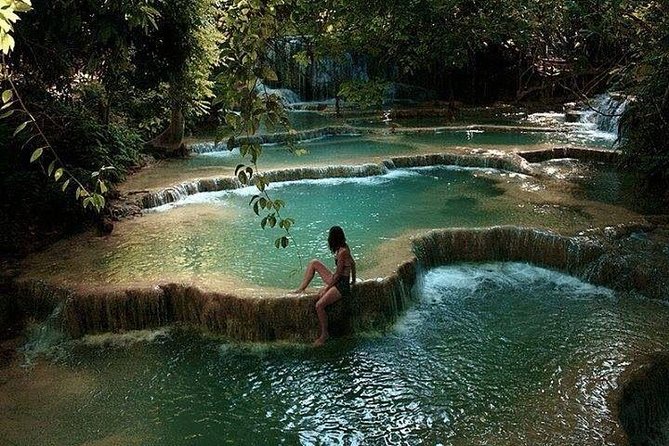
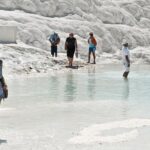
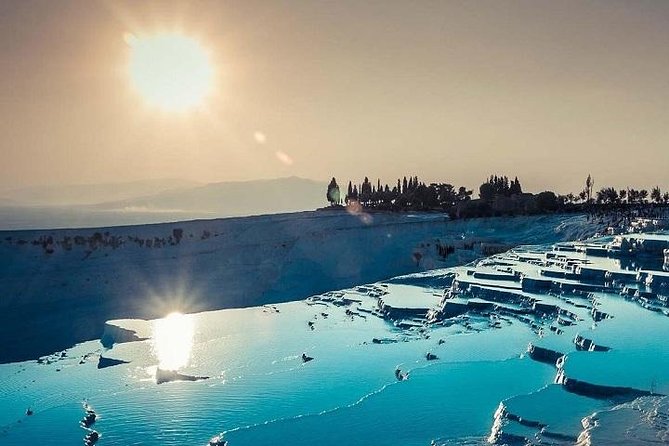
Pamukkale is the star for a reason: the white terraces look unreal until you’re standing there. The area’s mineral-rich hot springs deposit calcium over very long timeframes, forming the cascading cliffs that earned it the cotton-cliff nickname.
Stop 1: Pamukkale Thermal Pools (about 2 hours)
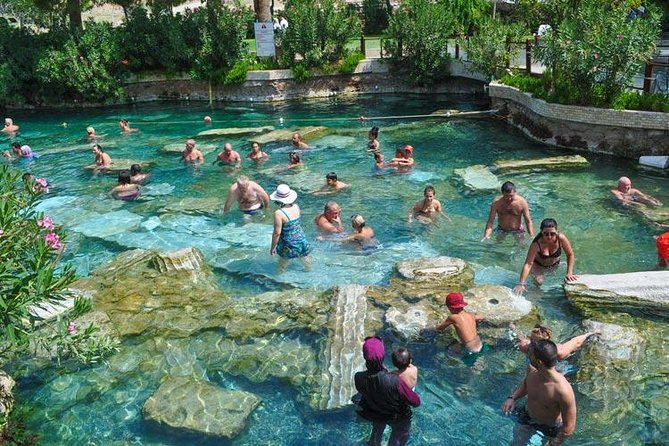
This is your main “wow” moment and your break from city walking. You get time to enjoy the thermal hot springs and also the swim-style experience at Cleopatra’s Pool. The water is the point, so I’d treat this as your “slow down” segment.
Practical tip: plan for a swimsuit and a towel. Even when a tour provides time, you’ll still want to be ready to change fast and stay comfortable afterward.
Stop 2: Hierapolis & Pamukkale (about 2 hours)
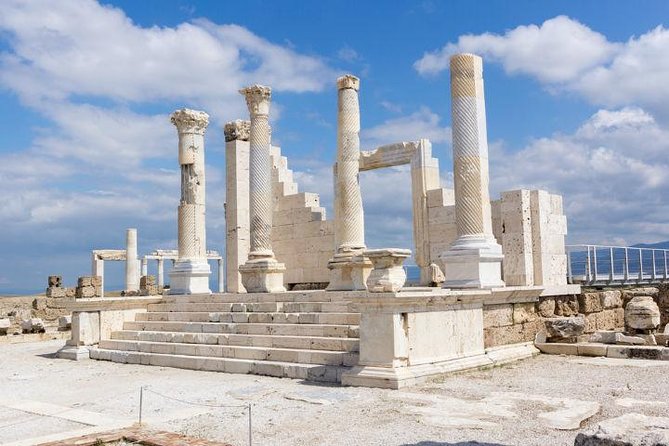
After the surreal terraces, you shift into the ancient-city layer. Hierapolis dates back as far as the 2nd century, and it functioned as a spa destination over centuries. You’ll get a mix of cultural influence in the ruins—pagan, Roman, Jewish, and Christian—so the site feels layered rather than one-note.
This stop is where the scenery turns into context. It helps you connect why people traveled here for “healing” long before modern medicine.


Stop 3: Pamukkale Theater (about 30 minutes)
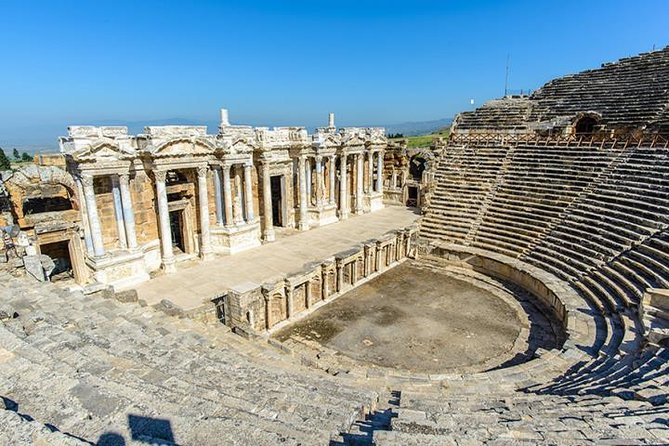
The Grand Theatre of Hierapolis could hold up to 15,000 people. Today you mainly see the steep passageways and aisles that lead down to the stage area.
If you like architecture and layout, this is a satisfying quick visit. You can still imagine crowds moving through the seats and corridors.
Stop 4: Byzantine Church / former gymnasium area (about 30 minutes)
This is a shorter stop, but it adds an important angle. The area connects to a Roman-era gymnasium, used for socializing and athletic events, and later the Byzantine period church story overlays on top of it.
My take: even when time is tight, these “smaller” stops keep the day from feeling like a single-photo factory.
Day 2 in Ephesus and Selçuk: the biggest ruins, Mary’s pilgrimage house, and Artemis foundations
Day two is about ancient power and religious meaning—two themes that sit right next to each other in this region.
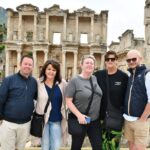
Stop 1: Ancient City of Ephesus (about 3 hours)
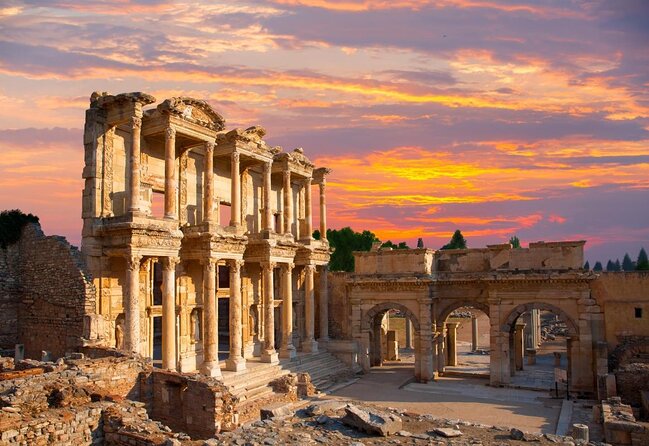
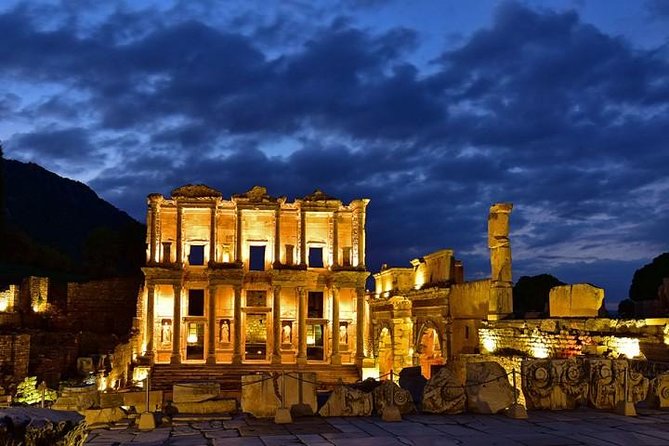
Ephesus is described as the second largest ancient city in the ancient world, once home to over 200,000 people. It’s also one of the best-preserved sets of ruins you can visit in Turkey.
What makes this stop work in a short tour is that you’re not only seeing random stones. You’re visiting the kind of site where a guide’s explanation really changes your experience. When you understand what you’re looking at—public life, major routes, and monumental buildings—you feel like you’re reading a city, not touring ruins.
Stop 2: Meryemana, the Virgin Mary’s House (about 1 hour)
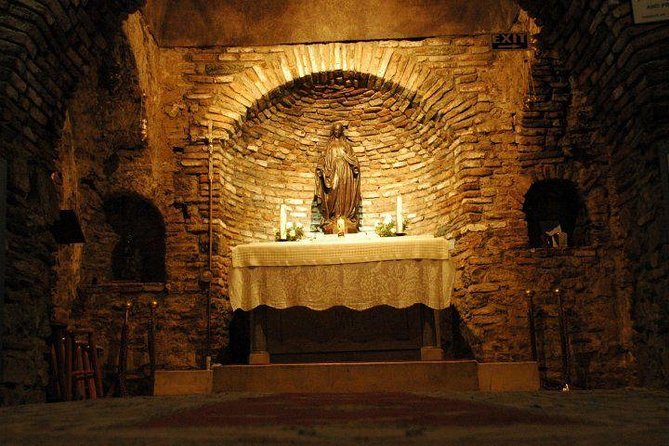
This stop adds a personal, pilgrimage-style dimension. The House of the Virgin Mary is said to be on top of BulBul Mountain, overlooking Selçuk. It’s an important Christian pilgrimage site tied to the belief that Mary spent her last years here.
Even if you’re not religious, the setting changes the mood of the day. It’s quieter than the Ephesus crowds, and the views across the area help you understand why pilgrims come.
Stop 3: Temple of Artemis (about 30 minutes)
The Temple of Artemis is tied to the 6th century B.C. and the Seven Wonders of the Ancient World. Today, what you’ll see left standing is mostly foundations and a few columns—still enough to grasp the scale.
I’d treat this as a “geometry” stop: look for what remains, then let your imagination fill in the missing height. Short, sharp, and memorable.
Stop 4: Isa Bey Mosque (about 30 minutes)
This mosque dates to 1374–1375 and represents Seljukian architecture, including crown-like doorways and mosaics. Even with limited time, it’s a nice shift from archaeology into living architecture.
Bonus for you: it’s one of those stops where photos don’t replace the experience. The decorative details reward close looking.
Day 3 in Cappadocia: Uçhisar viewpoints, Red Valley walks, and Derinkuyu’s refuge maze
Cappadocia is the part of Turkey that feels like a special-effects set—until you realize it’s real, formed by volcanoes and time. This day mixes viewpoint time, easy hiking, village history, and a truly strange underground story.
Stop 1: Uçhisar Castle (about 1 hour)
Uçhisar Castle is a natural rock formation carved into volcanic stone. It sits at the highest point and was used as a defensive position in ancient times. Today, you can explore the tunnels and rooms inside the rock.
If you like panoramas, this is your early payoff. You’ll come out of it with the “now I get it” feeling for Cappadocia’s geography.
Stop 2: Kızılçukur Valley (Red Valley / Gun batımı) (about 2 hours)
This is the hiking-and-photos segment: red and pink rock formations, with some people timing it for sunset. The route takes you through fairy-chimney scenery, rock-carved churches, and vineyards.
The wording suggests an easy-to-moderate walk pace. If you can handle a couple hours on foot, you’ll enjoy how calm the valley feels compared with big museum stops.
Stop 3: Çavuşin village (about 1 hour)
Çavuşin is known for rock-carved houses and churches. The highlight mentioned here is the Church of St. John the Baptist, dating to the 5th century with frescoes.
This is where Cappadocia becomes “lived in” rather than “touristic.” Even a short time helps you imagine people building homes into the rock and walking the same paths long after the original community changed.
Stop 4: Love Valley (about 30 minutes)
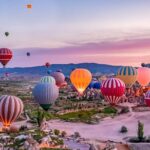
Love Valley near Göreme is famous for its rock formations shaped into fairy chimneys and its surreal mood. The description also notes it as a popular hiking area and a classic region where hot air balloon rides happen.
This stop is short, but it’s perfect for resetting your eyes after longer walking sections.
Stop 5: Derinkuyu Underground City (about 1 hour)
Derinkuyu is the most mind-bending stop on this day. The underground city dates back to the 8th–7th centuries B.C. (as described), and could house up to 20,000 people along with livestock and supplies.
What you’ll want to picture: multiple levels with living quarters, kitchens, chapels, storage areas, plus a ventilation system. It was used as a refuge during war and invasion. That blend—practical engineering plus survival—makes it more than a weird tourist cave.
Stop 6: Pigeon Valley (about 30 minutes)
Pigeon Valley connects Göreme to Uçhisar, and it’s named for pigeon houses carved into the volcanic rock. The droppings were used as fertilizer, which gives you a window into how locals used the land.
It’s short and scenic, great for photos and a final stretch before the day ends.
Day 4 in Cappadocia: Göreme viewpoints, UNESCO museum churches, and the rock-shape finale
If Day 3 is about action and exploration, Day 4 is about iconic Cappadocia scenes—especially the museums and the signature valley stops.
Stop 1: Göreme Panorama viewpoint (about 30 minutes)
You get sweeping views of fairy chimneys and valleys. The description specifically mentions early morning balloon skies and golden-hour lighting around sunrise and sunset.
Even with only half an hour, it’s worth taking slow breaths and letting your eyes adjust. Cappadocia is visual, and you’ll get more from this spot if you pause instead of rushing for a photo.
Stop 2: Göreme Open-Air Museum (about 2 hours)
This is the big cultural anchor: UNESCO World Heritage and the most iconic museum in the region. It’s a complex of rock-cut churches, chapels, monasteries, and living quarters, with frescoes dating to the 10th–12th centuries.
The tour highlights three church-name stops:
- Dark Church
- Apple Church
- Snake Church
This is where you’ll learn the monastic story of why early Christians sought refuge here. It can be mentally heavy if you cram it, but in a paced guided format, it lands well.
Stop 3: Avanos pottery (about 1 hour)
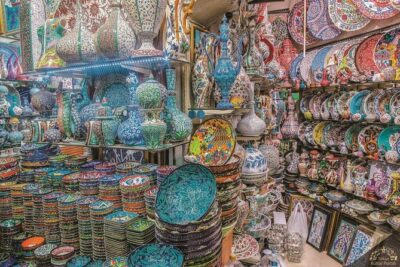
Avanos sits on the Kızılırmak River and is known for ceramics and pottery traditions traced back to the Hittite period. Red clay from the river helps shape the distinctive style.
The description notes workshop viewing and that many studios offer hands-on pottery experiences. You can treat this as a break from stone churches—workshops feel more tactile and less “history in distance.”
Stop 4: Devrent Valley (Imagination Valley) (about 2 hours)
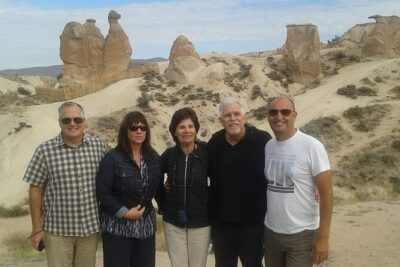
Devrent is known for rock formations that resemble animals and objects. Unlike other valley stops, it doesn’t focus on churches or caves; it’s about natural sculpture created by wind and water erosion.
If you like playful observation, this is a fun stop. You can do it in a creative mode—spotting shapes, then laughing when you see something unexpected.
Stop 5: Paşabağları (Monk’s Valley) (about 1 hour)
Paşabağları is famous for fairy chimneys with mushroom-like shapes. The tour description connects them to monks in the Byzantine period, with rock-cut chapels and dwellings still in some chimneys.
This is one of the most “you can see why people prayed here” places in Cappadocia. Even if you’re not focused on the story, the shape of the formations creates a natural quiet.
Stop 6: The Three Beauties near Ürgüp (about 30 minutes)
The day ends with Three Beauties, a viewpoint over Ürgüp. The description notes wine factories, vineyards, and apricot gardens—great for memorable shots.
Short and sweet, this finale helps you close the loop: Cappadocia isn’t only rocks. There’s agriculture and everyday production living alongside the dramatic stone.
Meals, comfort stops, and what you’ll want to handle yourself
Food is mostly taken care of. The package includes three breakfasts and four lunches, plus guide time and transportation on the sightseeing days. Dinner is not included.
That means you’ll want a plan for evenings: keep your schedule light, and choose simple local meals near your lodging. If you’re the type who wants a full sit-down dinner every night, you’ll need to budget extra.
Also keep in mind the sightseeing style: long days across multiple regions. It’s smart to bring a small day bag (water, sun protection, a layer for changing temperatures), because you’ll be outside for several of the signature spots.
Price and logistics: why the $1,500 cost can feel fair
The headline number is $1,500 per person, but the included list is doing real work for your budget.
What’s covered:
- Round-trip flight tickets with taxes
- Airport transfers
- Small group touring (max 15), English guide, transportation
- Entrance fees for the stops listed as included
- 1 night hotel in Kusadasi with breakfast by the sea
- Breakfast and lunches (3 breakfasts, 4 lunches)
What’s not:
- Dinner
Here’s the practical way to think about it: if you tried to build this trip yourself, you’d likely pay separately for flights, private transfers, hotel, admission fees, and a guide for the complex ruins and museum stops. This package bundles those pieces, so you get a cleaner experience and less paperwork energy.
One caution: the sightseeing includes optional-feeling highlights like swims and valley walks. If you’re sensitive to heat, plan your clothing and hydration habits carefully on the day you do valley walking and the thermal pools.
Who this tour fits best (and who should consider alternatives)
This is a great choice if you:
- Want major Turkey highlights in a short time
- Prefer a small group and guided explanations
- Like a mix of ruins, religious sites, and nature-shaped views
- Want most big costs handled up front (flights, transfers, admissions, meals)
It’s less ideal if you:
- Hate structured days and want total freedom to linger
- Need a slow pace every afternoon
- Expect dinner to be included automatically
Also, since the tour states most travelers can participate, it’s broadly approachable. But the Cappadocia walking segments (like the Red Valley hike) do mean you’ll want comfortable shoes and realistic expectations for time on your feet.
Should you book this 4-day Turkey highlights tour?
If you want Pamukkale + Ephesus + Cappadocia without stitching your own transportation puzzle, I’d say yes. The package is strong on value because the most expensive moving parts—flights, transfers, guiding, and key admissions—are handled for you. You also get a nice rhythm: surreal thermal time, big ancient ruins, then Cappadocia’s views, valleys, and museum churches.
Book it especially if you want a guided structure that helps you make sense of places like Ephesus, Hierapolis, and Göreme Open-Air Museum. And bring a practical mindset: this is a highlight plan, not a long stay where you can stretch every moment.
FAQ
How long is the tour, and what time of year does it run?
The tour is listed as 4 days (approx.). It’s available daily during the stated operating dates.
What’s included in the price?
The price includes round-trip flight tickets with taxes, airport transfers, a small group tour with an English guide and transportation, entrance fees, hotel accommodation for one night in Kusadasi with breakfast, and meals (three breakfasts and four lunches).
Is pickup available?
Yes. The tour offers pickup from hotels and aparthotels.
What language is the tour guide?
The tour is offered in English.
How big is the group?
The maximum group size is 15 travelers.
Does the tour include entrance tickets?
Admission tickets are included for the stops marked as included in the schedule, and some stops are listed as free.
Is dinner included?
No. Dinner is not included.
What if weather affects the experience?
The experience requires good weather. If it’s canceled due to poor weather, you’ll be offered a different date or a full refund.
What’s the cancellation window for a refund?
You can cancel up to 6 days in advance for a full refund, with a 50% refund available if you cancel 2–6 days before the start time.