REVIEW · 3-DAY EXPERIENCES
1, 2 Or 3 Days Private Istanbul Guided Tour
Book on Viator →Operated by Moira Travel Agency · Bookable on Viator
Istanbul history comes in fast bites. This private guided tour strings together the big Byzantine and Ottoman names, plus modern Istanbul stops, all with a private licensed guide and a tight route through the Sultanahmet area. I love how the schedule gives you contrast day to day, not just repeat-mosque sightseeing, and I love that the plan includes both viewpoints and major monuments. One consideration: several top attractions list admission as not included, so you should budget extra for tickets like Topkapi Palace and Hagia Sophia.
You’ll also feel the value in the small-group setup. This is priced per group (up to 15) and ends back at the meeting point, with pickup offered for central hotels or a defined spot if yours is farther out. Past feedback points to a noticeable difference in guide delivery (including a guide named Flower doing well on the first day and a guide named Imran having a rough second day), so I suggest you confirm who your guide is ahead of time.
In This Review
- Key Highlights You’ll Actually Care About
- Price and What You’re Really Buying
- Where It Starts (and How Pickup Works Without Headaches)
- Day 1: Sultanahmet’s Power Run (Topkapi to Basilica Cistern)
- Topkapi Palace: Ottoman Court Meets Daily Power
- Blue Mosque: Active Worship and Famous Tiles
- Hagia Sophia Grand Mosque: Byzantine Giant to Ottoman Mosque
- Basilica Cistern: The Cold, Atmospheric Water Engine
- Grand Bazaar: Shopping as Culture (Not Just Souvenirs)
- Sultanahmet District: The Old City in One Walkable Hub
- Day 2: Bosphorus Views, Dolmabahçe Glamour, and Modern Istanbul Streets
- Dolmabahçe Palace: Ottoman Prestige, Western-Era Styling
- Bosphorus Strait: The City’s Signature Waterway
- Taksim Square: Modern Istanbul’s Meeting Point
- Spice Bazaar (Misir Çarşısı): The Scent-and-Color Market Stop
- Galata Tower: Quick Lift to Panoramic Views
- İstiklal Caddesi: A Long Pedestrian Stretch Between Icons
- Day 3: Süleymaniye, Balat’s Pastel Streets, Pierre Loti Views, and the Golden Horn
- Süleymaniye Mosque: Mimar Sinan’s Masterpiece and a Social Complex
- Balat: Old Istanbul Through Multicultural Streets
- Pierre Loti Tepesi: A Named Hill Viewpoint With a Story
- Halic (Golden Horn): Trade Water With a Golden Name
- Guide Choice Matters: How to Get the Best From a Private Program
- Who This Tour Fits Best (and Who Might Want Something Else)
- Should You Book This Private Istanbul Guided Tour?
- FAQ
- How many days is this private Istanbul tour?
- Is it a private tour or a group tour?
- Is pickup included?
- What language is the guide?
- Are attraction and museum tickets included?
- What’s included in the price?
- Can I cancel for a full refund?
Key Highlights You’ll Actually Care About
- Private, licensed guide for your group so you can move with fewer slowdowns than large shared tours
- Sultanahmet + Golden Horn coverage in one trip, connecting Ottoman/Byzantine landmarks to Balat and the water’s edge
- Real-world market time at the Grand Bazaar and Spice Bazaar, not just photo stops
- Bosphorus and palaces in the same program so you see the Ottoman past and the westernizing era of Dolmabahçe
- Viewpoints built into the route like Pierre Loti Hill and the Galata Tower area
- English-speaking tour with a clear meeting point near major Old City sights
Price and What You’re Really Buying
This tour is $160 per group, for up to 15 people. That matters, because it isn’t priced per head. If you’re traveling as a larger group and fill up the cap, your effective per-person cost drops a lot. If it’s just two or four of you, the same group price means you’ll feel it more.
What you get for that price is the structure: a private tour with a licensed guide, plus a route that covers major Istanbul highlights across three focused days. The trade-off is also clear: the tour price does not include museum and attraction tickets, and it does not include lunch. Transportation is not included unless you book an option for it.
So, the value question becomes: do you want someone to coordinate the “big names” efficiently while you keep your time for walking, photos, and explanations? If yes, this type of private program usually feels like money well spent—especially in a city where getting from place to place can eat up your day.
You can also read our reviews of more guided tours in Istanbul

Where It Starts (and How Pickup Works Without Headaches)
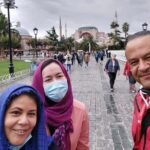
The meeting point is at German Fountain, Binbirdirek, At Meydanı Cd, 34122 Fatih/İstanbul. The tour ends back at the same meeting point.
Pickup details are also spelled out:
- If your hotel is central, the guide meets you at your hotel.
- If it’s not centrally located, the meeting point becomes the front of Hagia Sophia (Ayasofya).
This is the kind of detail that saves time on arrival. If you’re staying near the Old City, you’ll likely find the logistics straightforward. If you’re farther out, plan on meeting at Hagia Sophia instead of expecting pickup to get very close to your door.
Also, you get a mobile ticket and confirmation at booking time.
Day 1: Sultanahmet’s Power Run (Topkapi to Basilica Cistern)
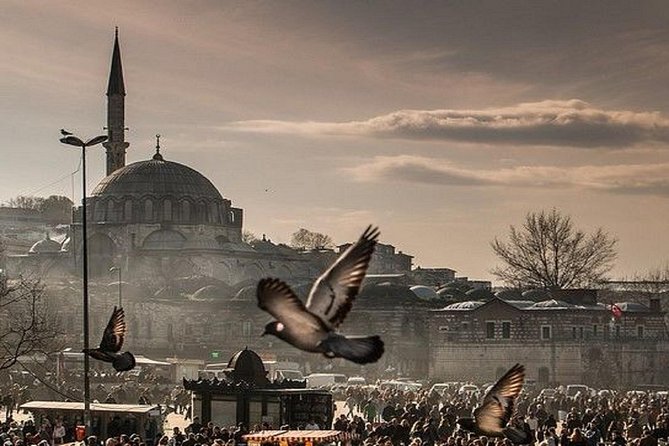
Day 1 is built around the Old City logic: start with the Ottoman headquarters, then stack the iconic mosques and the Byzantine-under-your-feet stop, and finish in the market zone and historic squares.
Topkapi Palace: Ottoman Court Meets Daily Power
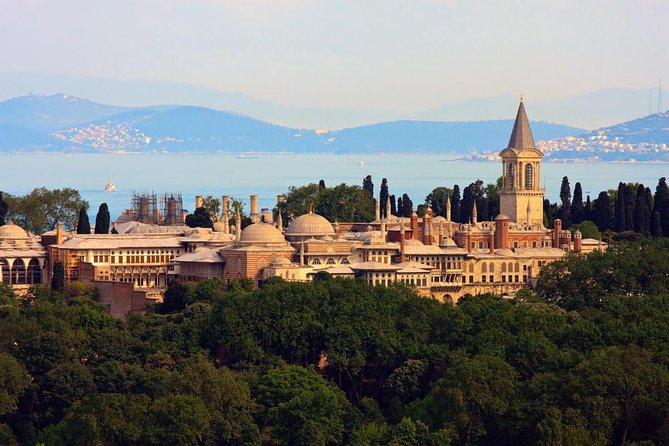
Topkapi Palace is one of Istanbul’s defining landmarks. Built in the 15th century by Sultan Mehmed II, it served as the Ottoman sultans’ primary residence and the empire’s administrative center for nearly 400 years. It’s perched on the historic peninsula with views over the Marmara Sea, the Bosphorus, and the Golden Horn.
Two practical notes:
- The stop lists about 2 hours, which is enough to understand the palace’s role without turning it into an all-day stamina test.
- Admission ticket is not included, so you’ll want to budget for entry if you want the full palace experience, not just the exterior.
If you only do one palace in Istanbul, this is the one that helps you “place” the rest of your trip in context.
Blue Mosque: Active Worship and Famous Tiles
The Blue Mosque (Sultan Ahmed Mosque) is listed at 1 hour, and entry is free. The big draw is the architecture: built between 1609 and 1616 during Sultan Ahmed I’s reign, it’s known for its six minarets, grand domes, and the striking blue İznik tiles inside.
Because it’s still an active place of worship, you’ll experience it as a living religious site, not just a museum object. That adds weight to the visit. It also means it’s a good moment to slow down and look at craftsmanship rather than trying to rush for a selfie timeline.
You can also read our reviews of more private tours in Istanbul




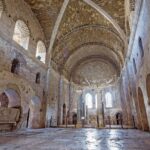
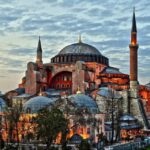
Hagia Sophia Grand Mosque: Byzantine Giant to Ottoman Mosque
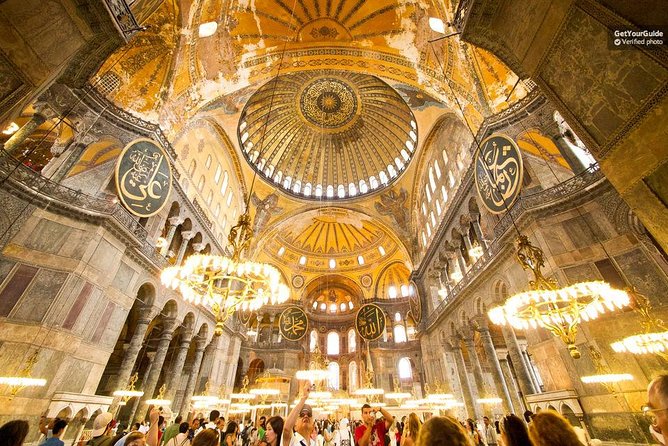
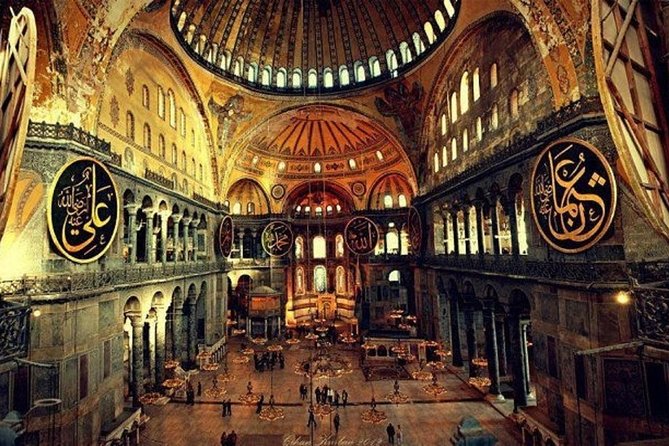
Hagia Sophia is scheduled for about 1 hour, and entry is not included. It began in 537 CE under Byzantine Emperor Justinian I and served as the Christian world’s largest cathedral for almost 1,000 years. After the Ottoman conquest of Constantinople in 1453, it became a mosque under Mehmed the Conqueror. It was a museum starting in 1935, then reconverted into a functioning mosque in 2020.
The “value” here is simple: Hagia Sophia helps you understand how Istanbul layers eras on top of each other. You can’t really grasp the city’s story without standing in a place that has been repeatedly repurposed at the highest level.
Basilica Cistern: The Cold, Atmospheric Water Engine
The Basilica Cistern is about 1 hour and has admission not included. Built in the 6th century during Justinian I’s reign, it was a massive underground water reservoir that supplied water to the Great Palace and nearby buildings.
This stop changes the texture of your day. After big monuments and open courtyards, going underground gives you a different kind of history: engineering history, lighting, and the eerie sound-in-stone feeling that you just don’t get above ground.
Grand Bazaar: Shopping as Culture (Not Just Souvenirs)
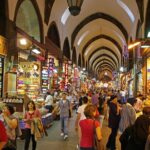
The Grand Bazaar is listed at 1 hour and is free (no admission ticket included in the tour). It’s one of the world’s largest and oldest covered markets, established in the 15th century by Mehmed II.
Even if you don’t plan to buy much, you’ll learn how the bazaar works: how vendors cluster, how streets inside the market shift, and how aromas and materials become part of the experience. I like that this tour treats it as an activity, not a quick stop for a single photo.
Sultanahmet District: The Old City in One Walkable Hub
Finally, you end this day in the Sultanahmet District, the UNESCO-listed heart of Istanbul. The schedule notes the Hippodrome of Constantinople, with monuments like the Serpent Column and the Obelisk of Theodosius.
This is where the day starts to “click” for you. After Topkapi and the mosques, the area makes more sense as a whole historic stage.
Day 2: Bosphorus Views, Dolmabahçe Glamour, and Modern Istanbul Streets
Day 2 shifts from the Old City core to a mix of palace-era Istanbul, water views, and the city’s more modern energy. It’s a helpful change—otherwise three straight days of monuments can blur together.
Dolmabahçe Palace: Ottoman Prestige, Western-Era Styling
Dolmabahçe Palace is scheduled for 1 hour 30 minutes. Admission is not included. Built between 1843 and 1856 under Sultan Abdülmecid I, it served as the Ottoman administrative center and imperial residence until the empire fell.
What makes it special in this itinerary is that it’s described as a blend of multiple styles: Ottoman, Baroque, Rococo, and Neoclassical. In other words, this isn’t the “early Ottoman” look. It’s the later period that shows Istanbul adopting European aesthetics.
If you’re trying to understand how Ottoman power changed over time, Dolmabahçe is a smart second-day anchor.
Bosphorus Strait: The City’s Signature Waterway
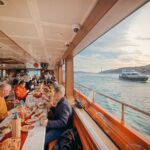
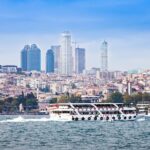
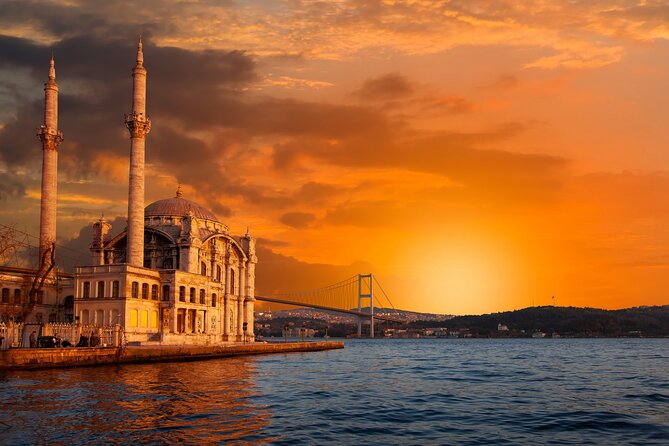
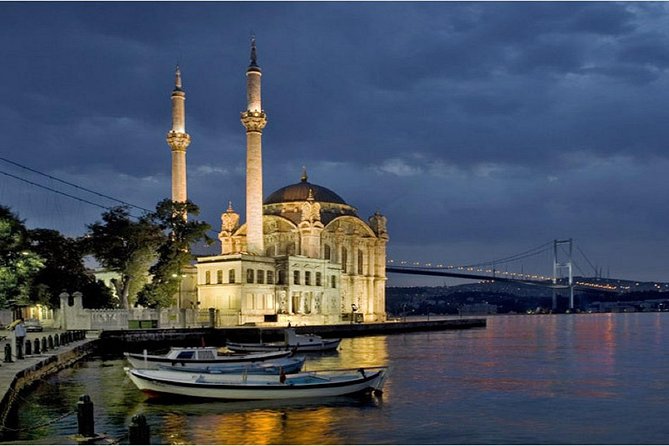
Next comes the Bosphorus Strait (Boğaziçi), which separates Europe and Asia and connects the Black Sea to the Sea of Marmara. The strait is about 31 kilometers (19 miles) long, and the key point here is the geography: palaces, mansions, mosques, and fortresses line up along its shores.
This stop is valuable even if you’re not a boat person, because it gives you a visual “map” of where Istanbul’s wealth and power sat—right by the water route that mattered for centuries.
Taksim Square: Modern Istanbul’s Meeting Point
Taksim Square is 1 hour, with free entry. It’s described as the modern heart of Istanbul, a hub for culture, shopping, dining, and nightlife, and also a symbolic gathering place for national celebrations and public events.
In a three-day program, this is your reset stop. It tells you that Istanbul isn’t stuck in the past—then you immediately get thrown back into more viewpoints and neighborhood streets.
Spice Bazaar (Misir Çarşısı): The Scent-and-Color Market Stop
Misir Çarşısı, the Spice Bazaar, is about 1 hour and free. Built in the 17th century as part of the New Mosque complex, it was historically the center of the spice trade.
I like having this on Day 2 because it balances the Grand Bazaar from Day 1. One market is a maze for shoppers and crafts; the other is about smells and food goods. It’s the same idea—market life—but a different “focus.”
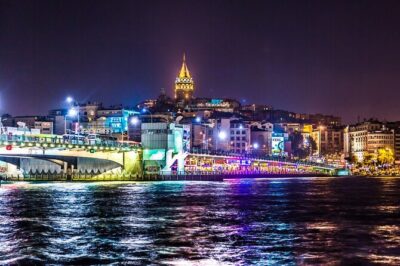
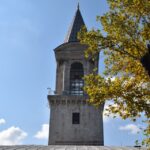
Galata Tower: Quick Lift to Panoramic Views
Galata Tower is listed at 1 hour and marked free for admission in this tour description. It’s associated with Genoese presence in the 14th century and includes an elevator to a viewing platform under the roof.
This is a good mid-trip landmark because the view helps connect everything. Once you’ve seen the Old City and the water, a high point lets you understand spacing and direction, which makes the final day’s neighborhood areas easier to follow.
İstiklal Caddesi: A Long Pedestrian Stretch Between Icons
İstiklal Caddesi runs about 1.4 km (0.9 mile) and is scheduled for 1 hour with free entry. It stretches from Taksim Square to the Galata area.
The tour frames it as the city’s Independence Avenue, lined with shops, cafés, restaurants, galleries, and historic buildings. For practical purposes, this stop helps you slow down and absorb city life rather than only chasing monument entry tickets.
Day 3: Süleymaniye, Balat’s Pastel Streets, Pierre Loti Views, and the Golden Horn
Day 3 is where the tour gets more “Istanbul as a place to live,” not only as a museum.
Süleymaniye Mosque: Mimar Sinan’s Masterpiece and a Social Complex
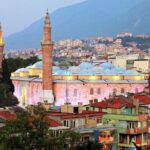
Süleymaniye Mosque is listed at 2 hours and free. It’s credited as the masterpiece of Mimar Sinan, commissioned by Sultan Süleyman the Magnificent and completed in 1557.
The big detail for me is that it isn’t just a mosque. It’s a külliye (complex) that once included a hospital, madrasa (school), public kitchen, caravanserai, and hammam. That makes the architecture feel tied to daily community life, not just imperial symbolism.
Even if you’re short on time, the 2-hour allocation helps you focus on how the whole complex functioned.
Balat: Old Istanbul Through Multicultural Streets
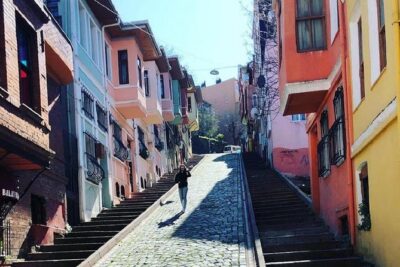
Balat is about 2 hours and free. It sits on the Golden Horn in the Fatih district and is described as historically home to Jewish, Greek, and Armenian communities. Today, it’s known for pastel-colored houses, narrow streets, antique shops, and cozy cafés.
This stop gives you “old Istanbul” texture: the kind of streets where the city feels lived-in rather than staged. If you’re the type who likes wandering with a purpose, Balat fits the bill.
Pierre Loti Tepesi: A Named Hill Viewpoint With a Story
Pierre Loti Hill is listed for 2 hours and free. It’s named after the French novelist Pierre Loti, real name Julien Viaud, who lived in Istanbul in the late 19th century and was a frequent visitor of the hilltop café.
Why this matters: a viewpoint is only a viewpoint if it’s tied to a reason. Here you get the name plus context, which helps you know you’re going to a specific place with a story, not just a random high spot.
Halic (Golden Horn): Trade Water With a Golden Name
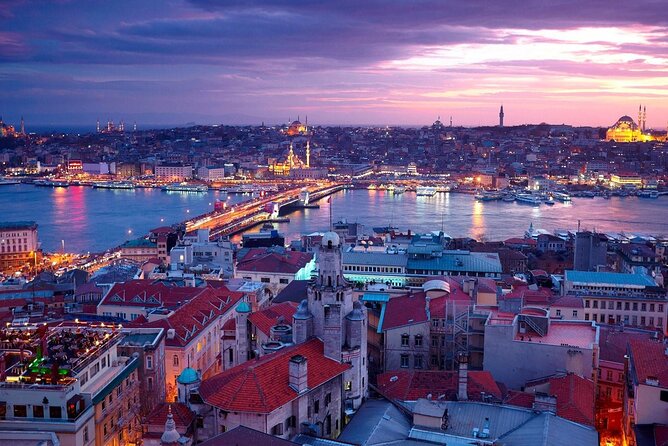
The final scheduled stop is the Golden Horn (Haliç) for about 1 hour, marked free. It’s described as a horn-shaped estuary separating the historic peninsula from Beyoğlu and Eyüp. It’s about 7.5 km long and about 750 meters at the widest point.
The tour also explains the name: the water turns golden during sunrise and sunset. Historically, it served as a natural harbor for thousands of years, making Istanbul (Constantinople) a major trade and naval hub.
This closing stop pulls the earlier days together. You’ve already seen the palace views and the iconic mosques. Ending at the water reinforces the idea that Istanbul’s story is inseparable from its geography.
Guide Choice Matters: How to Get the Best From a Private Program
Because this is a private tour, your guide has outsized influence. The format can be amazing with the right person, and frustrating with the wrong fit.
From past feedback, there’s a real difference in day-to-day delivery, including a guide named Flower being strong for the first day, while another guide named Imran had very limited commentary on the second day. I can’t guarantee who you’ll get, but I’d treat the guide assignment as part of your planning.
Two practical ways to help yourself:
- Confirm that the guide you’ll receive is comfortable speaking English and explaining history at a pace that works for your group.
- If you have preferences (architecture vs. markets vs. viewpoints), ask for those priorities when you meet.
With a tour like this, small differences in explanation can change how much you remember after the trip.
Who This Tour Fits Best (and Who Might Want Something Else)
This program is a strong match if you:
- want a 3-day structure that covers major Istanbul names without leaving big gaps
- like switching settings: palaces, mosques, underground sights, markets, neighborhoods, and viewpoints
- travel with a group where a per-group price makes sense
- prefer private guiding over shared group herding
It may be less ideal if you:
- hate paying extra for admission tickets (Topkapi, Hagia Sophia, Basilica Cistern, Dolmabahçe are not included per the tour info)
- expect the tour price to cover everything, including food and getting around (lunch and transportation aren’t included unless booked)
Should You Book This Private Istanbul Guided Tour?
Yes, if you want an organized, private way to see Istanbul’s core Ottoman and Byzantine icons, plus the markets and neighborhoods that make the city feel real. The biggest reason to book is the combination: you’re not just ticking off famous buildings—you’re also getting the water connections (Bosphorus and Golden Horn), the social-culture angle (Süleymaniye as a complex), and market time in both bazaars.
I’d lean toward booking when you’re comfortable with add-on costs for museum and attraction entries and you’re staying centrally enough to make pickup simple. If you’re the type who wants fewer ticket line items or you’re very strict about total cost, look at your personal must-dos first and plan the ticket budget.
If weather turns, the experience requires good weather, and you should expect options like a different date or a full refund if the tour is canceled for weather reasons.
FAQ
How many days is this private Istanbul tour?
The full itinerary is designed for about 3 days, and the tour title also allows 1, 2, or 3 days.
Is it a private tour or a group tour?
It’s private. Only your group participates, and the group size can be up to 15.
Is pickup included?
Pickup is offered for central Istanbul hotels or port. If your hotel isn’t centrally located, the guide meets you at the front of Hagia Sophia.
What language is the guide?
The tour is offered in English.
Are attraction and museum tickets included?
Not all are included. The tour lists admission ticket not included for places such as Topkapi Palace, Hagia Sophia, Basilica Cistern, and Dolmabahçe Palace. Several other stops are marked as free.
What’s included in the price?
Included are a private licensed guide and a private tour, plus a mobile ticket. Lunch, attraction tickets, and transportation (unless you book an option) are not included.
Can I cancel for a full refund?
Yes. It offers free cancellation. You can cancel up to 24 hours in advance for a full refund, with timing based on the local start time.