REVIEW · ISTANBUL
Fener and Balat – Old Greek & Jewish Quarter
Book on Viator →Operated by My Local Guide lstanbul · Bookable on Viator
Fener and Balat turn Istanbul inside out. This small-group, English-speaking walk takes you past postcard icons and into real residential streets, where Greek Orthodox, Jewish, and Ottoman-era stories overlap. I love how the tour pairs big-picture neighborhood history with hands-on street time, and I also like the public transport know-how you can use right after you leave.
There’s real value in the way you see the Golden Horn from ground level, then end with a moment at Pierre Loti. You’ll get to linger over tea at the café and absorb how Constantinople’s turning points still echo in daily life. One consideration: this is a walking tour with hills and lots of stairs, so plan your pace and bring shoes that handle cobblestones.
In This Review
- Key highlights to look for on this walk
- Fener and Balat: the Istanbul you do not see from postcards
- Getting there for a 2:00 pm start (and what it means)
- Stop 1: Fener Rum Patrikhanesi and why Fener feels different
- Stop 2: Balat’s colorful streets, steep steps, and real street life
- Stop 3: Halic and the Golden Horn lesson you can feel
- Stop 4: Bulgarian Orthodox Church and Eastern-Christian details
- Pierre Loti café: tea with a view and the payoff of the climb
- How the transit tips actually help after the tour
- Walking reality: hills, cobblestones, and what to wear
- Guides make or break it: Salih, Omar, Önder, Burak, and Barak
- Price and value: what you’re really paying for
- Who should book this Fener and Balat walk?
- Should you book Fener and Balat?
- FAQ
- How long is the Fener and Balat tour?
- What is the price per person?
- How many people are in the group?
- What language is the tour offered in?
- What are the main stops on the route?
- Where do you meet, and when does it start?
- Is there a lot of walking?
- What should I expect if the weather is poor?
Key highlights to look for on this walk
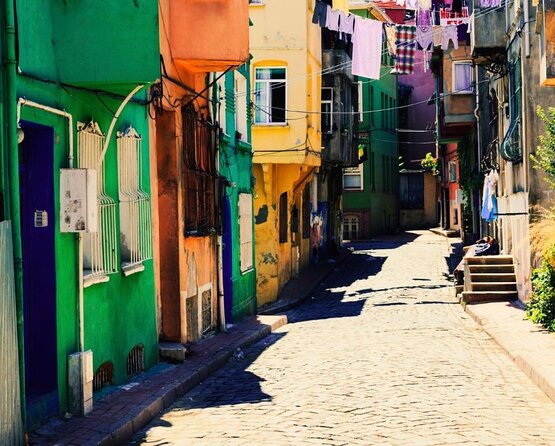
- Fener and Balat neighborhood focus: less tourist-heavy, more lived-in street scenes
- Small groups (max 10) that keep the pace friendly and questions welcome
- Golden Horn + history talk: a fall of Constantinople lesson while you’re walking nearby
- Pierre Loti tea break with sweeping water views
- Transit coaching (tram and other options) so you can move around Istanbul more confidently
Fener and Balat: the Istanbul you do not see from postcards
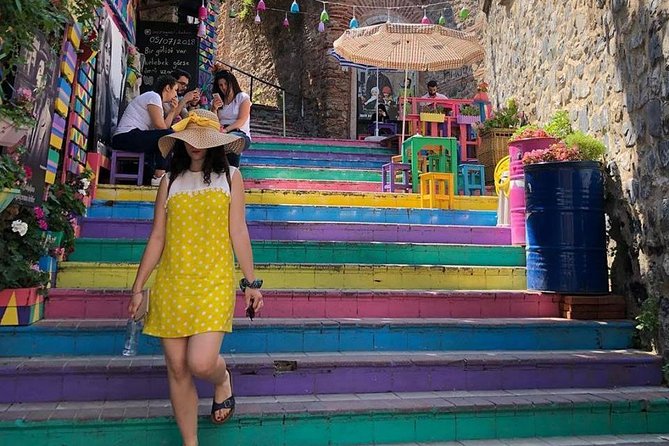
If your Istanbul plan is all about palaces and museums, Fener and Balat are the antidote. This is a part of the city shaped by centuries of communities living side by side, then adapting as empires changed. The result is a neighborhood feel, not just a sightseeing checklist.
I love the way the tour frames these streets as history you can still touch: houses, churches, and everyday blocks that show how identities shifted over time. You’ll hear the kind of context that makes other Istanbul stops click into place—especially once you’re looking toward the Golden Horn.
There’s also a practical side. Guides share how to get around using public transport, which matters because this area sits close to the old core but far from the easiest tourist paths.
You can also read our reviews of more tours and experiences in Istanbul.



Getting there for a 2:00 pm start (and what it means)
The tour runs about 3 hours, starting at 2:00 pm, and it ends back at the same meeting point. You meet at İtimat Fabrika Satış YeriRüstem Paşa, Avrupa Yakası, 34116 Fatih/İstanbul, Türkiye, a location described as near public transportation. That’s good news because you can arrive without building your whole day around a single taxi ride.
What I like about the timing is that you’re exploring in the afternoon window—often a sweet spot for neighborhood walking. You’re also not stuck rushing through everything at the hottest, least forgiving time of day.
Since it’s a small group (up to 10), you should still expect a steady flow rather than a slow-moving coffee stroll. If you want lots of time for photos, it helps to have patience for stairs and quick turns.
Stop 1: Fener Rum Patrikhanesi and why Fener feels different
The first stop is Fener Rum Patrikhanesi. Even before you reach the main sights, the Fener area gives you a sense of how communities shaped the city’s western side—especially through Greek Orthodox presence. This is where the tour’s “neighborhood history” approach starts to make sense.
You’re not just looking at buildings. You’re learning the “why” behind the streets: why certain structures sit where they do, what the area represents, and how that legacy connects to later Ottoman and Byzantine layers. In the same way, the tone of the walk tends to be friendly and story-driven, not lecture-y.
Guides on this route are often praised for their style. People specifically mentioned guides like Salih, Omar, and Önder for making the neighborhood feel understandable, not overwhelming. If you like history explained in plain language while you actually walk, this stop sets the tone.
Stop 2: Balat’s colorful streets, steep steps, and real street life
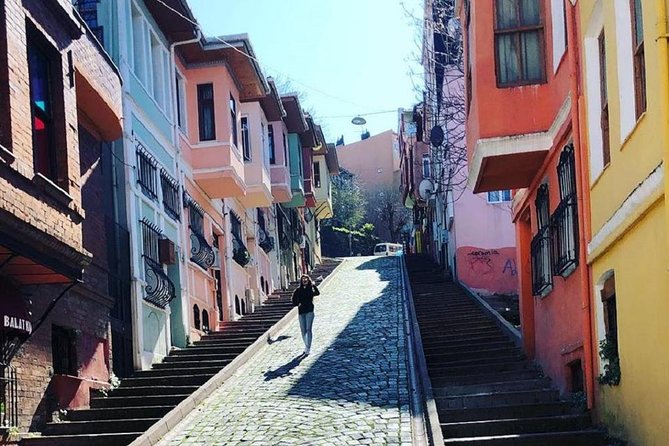
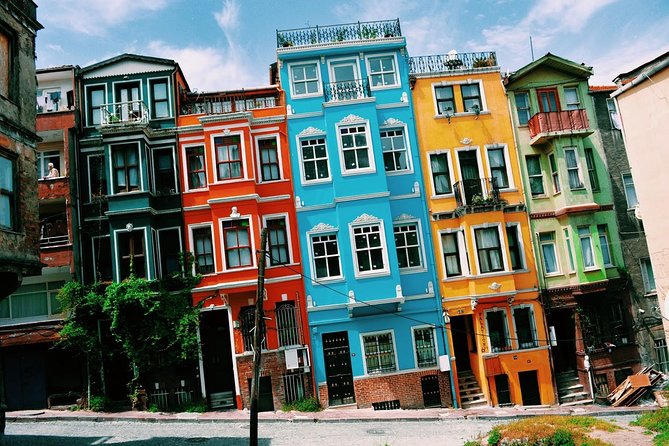
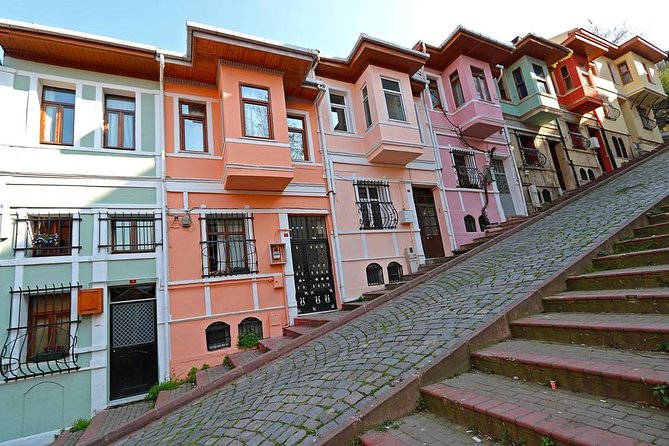
Next up is Balat, famous for its color—yes, those layered facades and stairways are a big part of why people take photos here. But the bigger payoff is how Balat feels like a working neighborhood rather than a theme park.
Expect a lot of walking on streets that can be narrow and steep. One review mentioned about 11,000 steps for the tour alone, with hills. That’s not a dealbreaker for most people, but it’s enough to matter: you’ll want shoes with solid grip and comfortable socks.
This is also where the tour becomes a camera-friendly experience—though not always a slow one. If you plan to hunt for perfect shots for hours, you may feel you’re moving faster than you’d like. Still, the tradeoff is you get variety: residential corners, religious architecture, and street views that most visitors never route into.
There’s often a refreshment moment too. Multiple guides have been associated with tea and treats, including homemade lemonade at a café stop. That’s not just a break; it’s part of learning how locals pace their afternoons.
Stop 3: Halic and the Golden Horn lesson you can feel
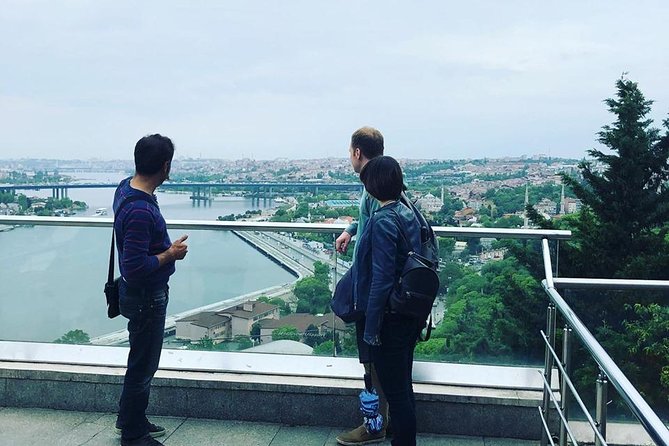
The tour then heads to Halic, which puts you in the orbit of the Golden Horn. This is one of the best parts of the experience because the guide can connect landscape to history while you’re actually looking at the water.
A highlight described in the tour notes is a history lesson about the fall of Constantinople while you walk by the Golden Horn. That kind of talk lands better when you’re outdoors and oriented to the geography. Suddenly, “Constantinople” stops being an abstract word and becomes a place with real lines of sight, routes, and movement.
You also get the sense of why this waterfront mattered. The Golden Horn isn’t just pretty here. It’s a living reminder of trade, defense, and cultural exchange. That’s the theme running through the whole tour: Istanbul as a layered city where the past still shapes street life.
In the reviews, people singled out the view from tea time and also mentioned enjoying warmth-on-the-water style moments like drinks during boat travel. Even when the weather is less cooperative, the payoff seems to remain the same: you end the waterfront segment with a clearer mental map of Istanbul.



Stop 4: Bulgarian Orthodox Church and Eastern-Christian details
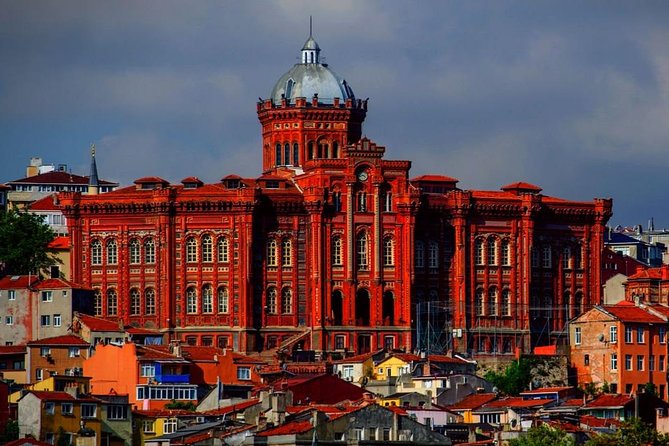
At the Bulgarian Orthodox Church, you’ll get another slice of the area’s religious and cultural history. The point here isn’t to turn this into a checklist of churches. It’s to show how different Orthodox traditions co-exist in the same broader neighborhood story.
This stop tends to be strong for two reasons. First, architecture provides visible clues you can compare with other places in Istanbul. Second, the guide’s explanation gives you the background so the building doesn’t feel like a random stop.
In reviews, the church visit was called out as a highlight, partly because it adds “human scale” to the history. You can see how community spaces anchor daily life, not just ceremonies.
And yes, you’ll likely still be walking. So treat this as both a viewpoint and a pause in the middle of the hills.
Pierre Loti café: tea with a view and the payoff of the climb
The itinerary and the tour experience both point toward Pierre Loti, usually experienced as a café stop with serious views over the water. People mention sipping tea at Pierre Loti with the Golden Horn/Bosphorus framing the scene, which makes this feel like a reward rather than an add-on.
This part matters because it’s where the tour’s “history + city geography” lesson turns into a sensory memory. You’ve walked through steep streets and learned how the neighborhood’s communities shifted through time. Then you look out and realize why the waterfront and hilltop viewpoints mattered for centuries.
The guides have also been praised for their warmth here. One of the most commonly mentioned treats is tea, plus other Turkish snacks and drinks depending on the day. You might also hear about drinks like sahlep on ferry-style segments, which people say they started craving after trying it once.
If you want a mental snapshot of Istanbul that is not only about famous landmarks, this café stop is where that snapshot forms.
How the transit tips actually help after the tour
A big theme in the feedback is that the guide doesn’t just talk history. They help you move. You’re in an area where public transport is part of the rhythm of the city, and knowing how to use it saves you stress later.
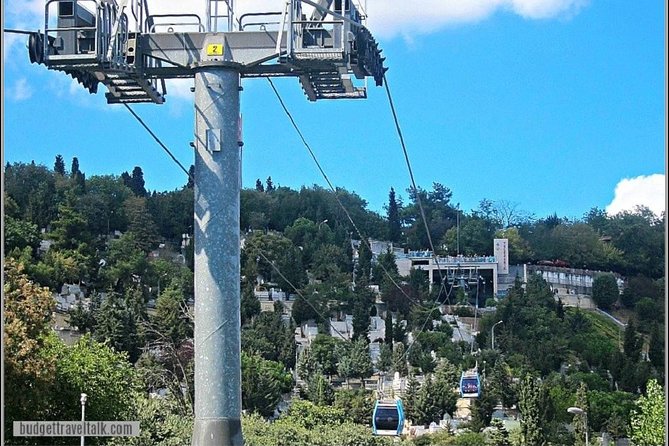
Reviews specifically mention guides providing tram tickets, helping people get back to their ship or hotel, and even guiding metro use when the route needed clarification. Another review highlighted how the tour used multiple forms of transportation such as tram, bus, cable car, and ferry. Even if every day’s exact route varies, the intent is the same: give you tools, not just images.
Here’s the practical takeaway: if you’re staying on the Asian side, on the other side of the water, or in a hotel far from the main old city core, you’ll benefit from someone pointing out the easiest connections. You can copy those routes on your next day and avoid the “I’ll figure it out later” trap.
Walking reality: hills, cobblestones, and what to wear
This is not a sit-and-stare tour. Expect hills, narrow streets, and cobblestones. One review noted roughly 11,000 steps and said the walk was steady and doable for many, but hills could challenge older relatives.
So pack like you’re going somewhere physical:
- Wear comfortable, grippy shoes for stairs and uneven pavement
- Bring water, and don’t rely on finding a café immediately when you feel tired
- If you’re sensitive to stairs, plan for breaks and ask your guide to match your pace
A few people also mentioned the pace isn’t leisurely enough for full photography. That makes sense with a small-group format and a 3-hour window. You’ll get great photos, but you’ll also need to move when the group moves.
Guides make or break it: Salih, Omar, Önder, Burak, and Barak
This tour’s reputation is heavily tied to the guides. You’ll see repeated praise for English clarity, humor, and the way the guide ties architecture to story.
Names that show up in the feedback include Salih, Omar, Önder, Burak, and Barak. People said guides were personable, helpful with logistics, and willing to adjust things. One example: a guide accommodated a request to see a specific church, changing the plan so the walk stayed enjoyable.
Even when the tour is described as fast-paced, the guides seem to keep it friendly and organized. And they often make the group feel cohesive, which matters when you’re navigating steep streets together.
Price and value: what you’re really paying for
At $60.34 per person for around 3 hours, this is positioned as a guided neighborhood walk rather than a museum-heavy day. The price makes sense if you value:
- small-group attention (max 10)
- English commentary tied to what you’re seeing
- included refreshment moments like tea and local treats (when provided on the day)
- practical transport tips
Some reviews call it a little pricey for what you get, but the general tone is that the value comes from how you learn. You’re not just reading signs. You’re walking with context, then taking that knowledge to use later.
The group discount and mobile ticket also help streamline the experience. And because it’s only 3 hours, it’s easier to fit into a first or second day in Istanbul without breaking your whole schedule.
Who should book this Fener and Balat walk?
Book it if you want Istanbul as a living place, not a queue. This works especially well if you like:
- neighborhood history tied to real streets
- street photography with plenty of color and stair angles
- understanding how communities overlap through time
- guides who tell you how to get around using public transport
You’ll likely enjoy it on a first trip to Istanbul because the tour helps you connect geography to story. One review described it as a high bar set early in the trip—because once you grasp the city’s structure here, later landmarks make more sense.
Avoid it if you need a fully low-walking experience. If hills and stairs are a problem for you, you might want another option.
Should you book Fener and Balat?
I’d book it if you’re aiming for an afternoon that feels local and teaches you how Istanbul’s neighborhoods became what you see today. The combination of Fener Rum Patrikhanesi, Balat, Halic/Golden Horn, and the Pierre Loti tea stop gives you both streetscape and viewpoint in one compact window.
If you’re traveling with someone who struggles with stairs, or if you need a slow pace built around long photo stops, consider that upfront. Otherwise, this is a strong choice for anyone who wants the color, the stories, and the transit confidence that makes the rest of your trip easier.
FAQ
How long is the Fener and Balat tour?
It lasts about 3 hours.
What is the price per person?
The price is $60.34 per person.
How many people are in the group?
The maximum group size is 10 travelers.
What language is the tour offered in?
The tour is offered in English.
What are the main stops on the route?
The tour includes Fener Rum Patrikhanesi, Balat, Halic, and the Bulgarian Orthodox Church, with time around the Golden Horn and the Pierre Loti café.
Where do you meet, and when does it start?
The meeting point is İtimat Fabrika Satış Yeri Rüstem Paşa, Avrupa Yakası, 34116 Fatih/İstanbul, Türkiye. It starts at 2:00 pm and ends back at the meeting point.
Is there a lot of walking?
Yes. One participant reported about 11,000 steps for the tour, including hills and steep areas.
What should I expect if the weather is poor?
The experience requires good weather. If it’s canceled due to poor weather, you’ll be offered a different date or a full refund.