REVIEW · 7-DAY EXPERIENCES
Private Best Landmarks Turkey Classic: 7-day from Istanbul
Book on Viator →Operated by Fez Travel · Bookable on Viator
Seven days, Turkey’s big hitters. This private classic strings together Gallipoli, ancient Western Turkey, and big-hitter Anatolian stops in one clean week. You’ll move in a fully air-conditioned private vehicle with pickup offered, guided by an English speaker as you go.
What I like most: you get all the major sites most people chase—without having to plan trains, ferries, or backtracking. And you’re not stuck on your own for logistics, because meals, lodging, and key transport pieces are handled up front.
One consideration: it’s a lot of ground, and some days start early. If you hate long drives between stops, this route may feel like a sprint even though it stays comfortable.
In This Review
- Key highlights at a glance
- A private week that actually feels efficient from Istanbul
- Day 1: Gallipoli’s trenches and memorials
- Day 2: Troy and Pergamon—myth meets real power
- Day 3: Ephesus, Artemis, Sirince, and carpet craft
- Day 4: Pamukkale travertines and Hierapolis hot springs
- Day 5: Konya via the Silk Road—Sultanhani and the Mevlana Museum
- Day 6: Cappadocia’s Göreme Open-Air Museum and an underground peek
- Day 7: Ankara and Anıtkabir—closing the loop back toward Istanbul
- Transportation, pace, and how the included meals change your trip
- Price and value: what you’re paying for at $4,943.98 per person
- Should you book this Private Best Landmarks Turkey Classic?
- FAQ
- How long is the Private Best Landmarks Turkey Classic?
- Where does the tour start and end?
- What’s included in the price?
- Are entrance tickets included for the main sites?
- Do you get pickup from a hotel or meeting point?
- Is this tour private?
- What is not included?
- What happens if weather affects the tour?
Key highlights at a glance
- Gallipoli WWI memorials with stops at Lone Pine, Chunuk Bair, ANZAC Cove, and the original trenches
- Troy plus Pergamon in the same day, mixing myth, ruins, and the feel of a former power center
- Ephesus and Artemis followed by a slower, human-scale break in Sirince for fruit wines and village life
- Pamukkale and Hierapolis with calcium terraces and time to soak in Roman-era hot springs
- Cappadocia by way of Göreme with the Open-Air Museum and a look underground
A private week that actually feels efficient from Istanbul
This is one of those Turkey trips that makes sense: you start in Istanbul, then head out through the Aegean and inland toward Konya, before ending in Cappadocia and Ankara. The route is built around famous sites that are hard to string together on your own—especially when you factor in transportation.
The private format matters. You’re not stuck waiting for other people’s pace. You get an English-speaking guide for the whole tour, plus a non-smoking, fully air-conditioned vehicle. Add in car-ferry fees between Çanakkale and Eceabat, and you can see why this feels easier than a DIY plan.
Also, the included structure is the hidden value. You get 6 nights of accommodation, 6 breakfasts, and 6 dinners, plus all fees and taxes. That means your budget is less of a guessing game once you arrive.
Is the trip fast? Yes. But the day-by-day flow is designed around big sites that reward early starts (especially for ruins and places that can get hot).
You can also read our reviews of more private tours in Istanbul

Day 1: Gallipoli’s trenches and memorials
Gallipoli is emotionally heavy, and the tour handles that well by focusing on key WWI sites instead of treating it like just another sightseeing stop.
You’ll head out early from Istanbul and reach the Gallipoli Peninsula for a guided visit to battlefield landmarks such as Lone Pine and Chunuk Bair. The stops include ANZAC Cove, Johnston’s Jolly, The Nek, and views of original trenches and tunnels.
What I like about this approach is that it doesn’t speed through the meaning. Even when you’re walking among ruins of history, the memorial layout gives your brain a path: where soldiers landed, where the fighting concentrated, and how different memorial points connect.
Practical note: Gallipoli can involve standing and walking around uneven ground. Wear shoes that don’t hate long use.
Admission for this day is listed as free, which is a small but welcome cost saver on a trip where you already have a lot of entrances handled.
Day 2: Troy and Pergamon—myth meets real power
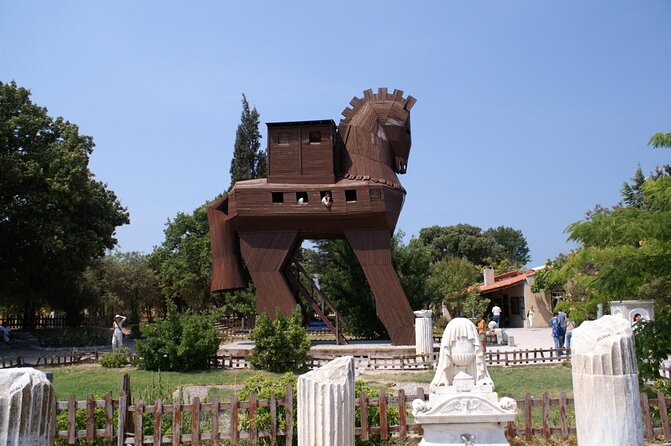
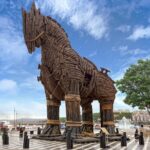
Day 2 is a classic “big story” day. You’ll visit Troy (Truva) first, home of the Trojan Horse legend, then shift to Pergamon for a look at one of the region’s major ancient centers.
The Pergamon visit is the key reason this day feels more than a checklist stop. You’ll see impressive temples and a library area that helped make Pergamon a cultural and political hub in its time. In plain terms: you’re not just seeing old rocks. You’re reading a place that once mattered.
This is also a day where the guide’s explanations can really pay off. Troy and Pergamon both have layers—myth, archaeology, and the bigger picture of how cities grew and why they mattered. When the storytelling is done well, the ruins start to feel like they’re pointing somewhere.
Admission is listed as included for this day, so you won’t be budgeting on the spot for core entrances.
Day 3: Ephesus, Artemis, Sirince, and carpet craft
If there’s one day on this route that’s both famous and still easy to enjoy, it’s Ephesus plus the break that comes right after.
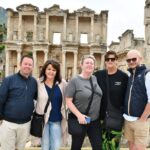
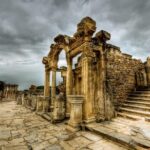
You’ll tour the Ancient City of Ephesus with a stop at the Temple of Artemis site. Then you’ll continue through the ancient city’s atmosphere, including the theatre.
Ephesus is one of those places where a guided route helps you avoid getting lost in the scale. You end up spending less time wandering and more time noticing how the parts connect: civic life, entertainment, worship spaces, and the city’s layout.
Then the tour shifts tone for a reason. You go to Sirince, known for its fruit wines and village feel. It’s a nice counterweight to ancient stones. You can slow down, look around, and treat the afternoon like a cultural snack instead of a history marathon.
Carpets are part of the mix too. You’ll stop at a carpet village where you learn how carpets are made by hand and what affects their value. This is worth paying attention to even if you don’t plan to buy anything. The process makes it easier to spot quality when you’re looking at Turkish crafts later on.
Admission for this day is listed as included.
Day 4: Pamukkale travertines and Hierapolis hot springs
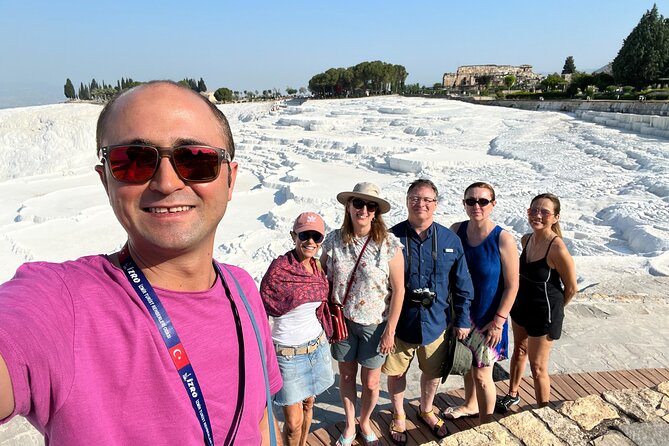
Pamukkale is the kind of stop that makes the trip feel worth it all by itself. You’ll head there in the morning and visit Pamukkale’s white calcium terraces, known as the Travertines, then tour the ancient city of Hierapolis.
After the ruins, the highlight here is the water. The tour includes time to take a dip in the hot springs that were used in Roman times for their therapeutic reputation. Walking among ancient columns and then getting in the water is one of those rare travel combos: history plus body-friendly downtime.
One thing to know: you also have a stop for locally handcrafted leather goods in this day’s flow. Some people love this kind of cultural shopping stop; others treat it as a quick look. Either way, it’s scheduled early enough that it doesn’t swallow the day.
Admission for this day is listed as free, which can help when you’re comparing total value with other “landmarks” tours.
If you’re going to soak, bring a swim layer you’re comfortable using again and again, plus something quick-drying.
You can also read our reviews of more tours and experiences in Istanbul
Day 5: Konya via the Silk Road—Sultanhani and the Mevlana Museum
Day 5 moves you into Konya, but the real magic is the route in between.
You’ll travel the ancient Silk Road corridor and stop at Sultanhani Caravansary, a caravan stop tied to the long-distance trade story that connected cities across regions. Then you’ll visit the Mevlana museum in Konya, a key stop for understanding the area’s cultural and spiritual heritage.
Konya is often where Turkey’s “religion and rhythm” side shows up more clearly. Even if you’re not there for religious study, you’ll get a better feel for how these ideas shaped art, daily life, and architecture.
The day also offers an optional evening: a traditional Turkish folklore night. If you want one night that’s more about performance and atmosphere than museum time, this is the moment to take it. If you’d rather rest, you can skip it—your schedule won’t force the issue.
Admission for this day is listed as free. That’s a good sign for how the tour controls costs on the inland days.
Day 6: Cappadocia’s Göreme Open-Air Museum and an underground peek
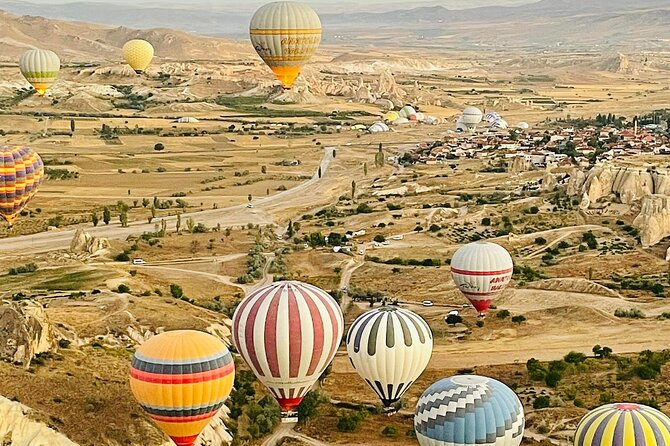
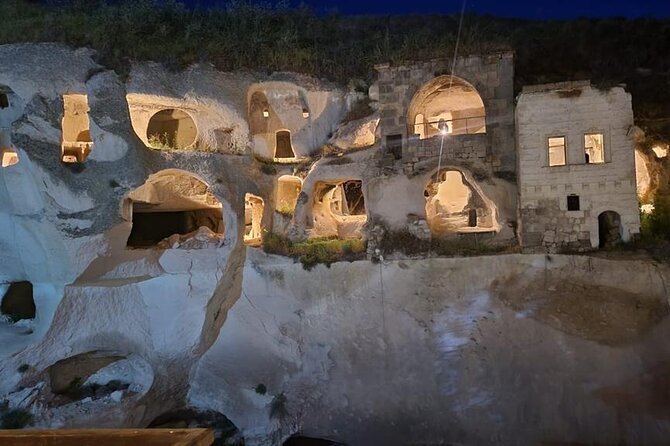
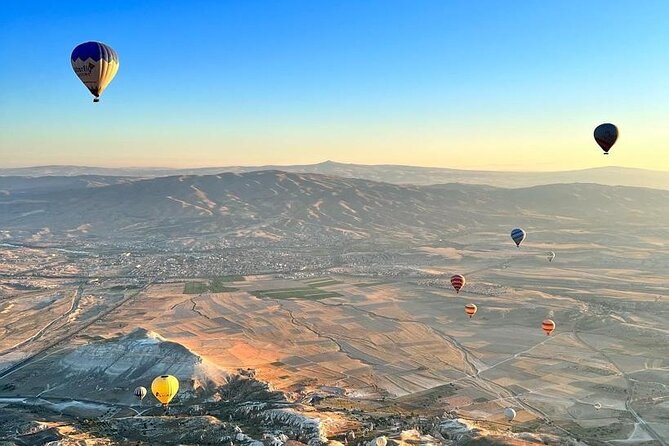
On day 6, the trip shifts into surreal mode. You’ll reach Cappadocia and spend your day in the Göreme Valley Open-Air Museum, seeing the famous fairy chimneys and the rock-cut church complex atmosphere.
You’ll also explore many levels of an underground city. That’s a big deal here because it changes how you picture the region. Cappadocia isn’t only a postcard of cones and caves. It also has practical history—places built for protection and survival.
This is one of the best days for a good guide. When someone explains what you’re seeing, it helps you connect the shapes (chimneys, rock cut spaces, carved corridors) to the people who needed shelter and community.
Admission for this day is listed as included. Since the day contains multiple major sites, that inclusion helps the overall value feel more “all-in” than pay-as-you-go.
A small practical thought: the underground spaces can be cool and dark compared with the surface. Wear shoes that work well indoors.
Day 7: Ankara and Anıtkabir—closing the loop back toward Istanbul
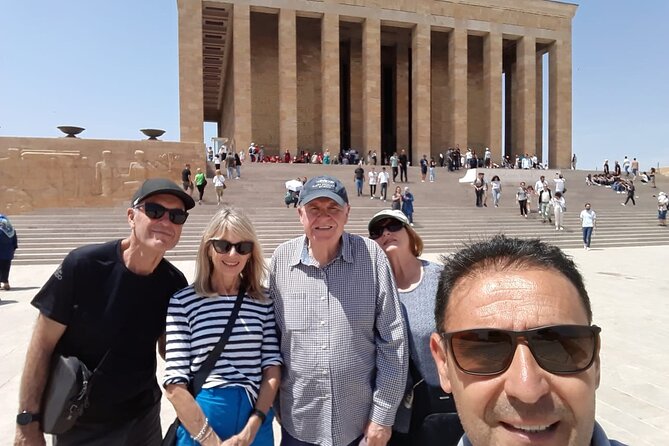
Your last day is early and focused: you head to Ankara, then visit Anıtkabir, the mausoleum of Mustafa Kemal Atatürk. This is a strong finish because it lands you in modern Turkey’s founding story after a week that covered WWI, classical civilizations, trade routes, and Cappadocia’s older layers.
From there, you return to Istanbul, arriving around 7pm.
Admission for this day is listed as free. It also means the final day isn’t padded with extra paid entrances, which keeps it feel straightforward.
If you want to still move after you return to Istanbul, plan it lightly. After seven days of early starts, a relaxed evening beats rushing for one last museum.
Transportation, pace, and how the included meals change your trip
The transportation piece here is not just comfort; it’s time. A private vehicle reduces the time lost to coordinating multiple parts of public transport. Add the ferry segment between Çanakkale and Eceabat, and the route becomes much less stressful than stitching it together yourself.
All vehicle time is described as fully air-conditioned and non-smoking, which matters in Turkey’s heat swings. The schedule also leans into “early morning departure” for the big days—Gallipoli, then several other key stops—because starting earlier generally means less crowd friction and better energy.
Meal inclusion is another value driver. You’re getting 6 breakfasts and 6 dinners. That can save both time and money, but it also means you won’t be choosing food every day from scratch. Lunch is not listed as included, so you’ll still want some cash or a card for mid-day meals.
One more point that shows up in how this tour is run: the staff attention to timing and care. In multiple trip experiences associated with Fez Travel, drivers are praised for safe, confident driving, and guides are praised for clear explanations in English.
Price and value: what you’re paying for at $4,943.98 per person
At $4,943.98 per person, this is not a budget trip. But you’re also not buying a loose bundle of tours. You’re paying for a managed week that includes:
- Professional English-speaking tour guide for the duration
- Fully air-conditioned, non-smoking private vehicle
- All fees and taxes
- 6 nights accommodation
- 6 breakfasts and 6 dinners
- Car-ferry fees between Çanakkale and Eceabat
- Mobile ticket and pickup offered
So your big variables—driving, lodging, and most major entrances—are largely handled. That’s the real value: fewer surprises and less time spent negotiating logistics.
What’s not included is also clear: tips to the driver and guide, and compulsory travel insurance. There’s also a note that optional activities exist. If you dislike paying for add-ons later, just plan ahead and decide which optional evening you want—like the folklore night in Konya.
Who pays this price best? Usually couples or families who want comfort, clear scheduling, and the confidence that day-to-day travel won’t become a second job.
Should you book this Private Best Landmarks Turkey Classic?
Book it if you want a one-week greatest-hits Turkey route with a guide, private transport, and included lodging and meals. If you like structure but still want meaningful stops—from WWI memorials to Ephesus to hot springs to Cappadocia cave sites—this setup matches that style.
Consider skipping or adjusting if you’re the type who wants lots of free time in each place. This trip gives you major time blocks for each stop (about 7 hours per day by the plan), but it’s still a tightly packed route. It’s best for travelers who prefer seeing the big anchors over slow, wandering days.
Also, think about comfort needs. The tour is marked as suitable for most travelers, and the way it’s been handled for seniors and families in real-world use suggests the operator keeps an eye on pacing and support.
If you want my practical go/no-go: if your Turkey list includes Gallipoli, Ephesus, Pamukkale, and Cappadocia in one week, this is a sensible way to make it happen without losing days to transit headaches.
FAQ
How long is the Private Best Landmarks Turkey Classic?
The tour is listed as 7 days (approximately).
Where does the tour start and end?
It starts in Istanbul and ends with return arrival in Istanbul at about 7pm on the last day.
What’s included in the price?
The package includes all fees and taxes, a professional English-speaking guide, transportation in a fully air-conditioned, non-smoking vehicle, car-ferry fees between Çanakkale and Eceabat, 6 nights accommodation, plus 6 breakfasts and 6 dinners.
Are entrance tickets included for the main sites?
Many are included or listed as free on specific days: for example, Troy and Ephesus are included, while Gallipoli, Pamukkale, Konya, and Ankara are listed as free. Cappadocia is listed as included.
Do you get pickup from a hotel or meeting point?
Yes, pickup is offered.
Is this tour private?
Yes. It’s described as a private tour/activity, meaning only your group will participate.
What is not included?
Not included are tips to the driver and guide, compulsory travel insurance, and suggested optional activities.
What happens if weather affects the tour?
The experience requires good weather. If it’s canceled due to poor weather, you’re offered a different date or a full refund. It also requires a minimum number of travelers; if that minimum isn’t met, you’ll be offered a different experience/date or a full refund.