REVIEW · SHOPPING TOURS
Roman Aqueduct, Sehzade Mosques &Women’s Market
Book on GetYourGuide →Operated by My Local Guide Istanbul · Bookable on GetYourGuide
Postcard Istanbul is the easy part. This 3-hour walk in Fatih shows the quieter side with Şehzade and Zeyrek mosques, Roman aqueduct arches, and street food you usually only hear about from locals. You’ll move through real neighborhoods, use public transport, and keep your feet busy on short stretches between stops.
I love the way this route trades the crowds for quiet places of worship. I also love the food flow: a boza stop at a counter that has served the same drink for 150 years, plus lunch built around Buryan kebap.
One consideration: it’s a walking tour with public transport, and lunch is not included (budget about $10–15 per person).
In This Review
- Key points worth knowing
- Starting at German Fountain, then slipping into Fatih
- Şehzade Mosque: the prince, the mystery, and the calm
- Zeyrek Mosque (Pantokrator): when 1118 A.D. becomes Ottoman space
- Walking under the Roman Aqueduct and spotting Valens waterlines
- Vefa and boza: the drink, the street, the pause
- Women’s Market area and the Kurdish market flavors
- Buryan kebap lunch: lamb baked in the well, cooked for hours
- Price and time: what $71 buys you (and what to plan for)
- Best for people who want quiet Istanbul, not just big sights
- Before you go: simple prep that makes the day easier
- Should you book this Roman Aqueduct, Şehzade Mosques & Women’s Market tour?
- FAQ
- Where does the tour start?
- How long is the tour?
- What is the group size?
- Is hotel pickup and drop-off included?
- What’s included in the price?
- Is lunch included?
- What transportation is used?
- What should I bring?
- Is line-skipping included?
- What’s the cancellation policy?
Key points worth knowing
- Şehzade Mosque for a personal, eerie story tied to a prince who died mysteriously
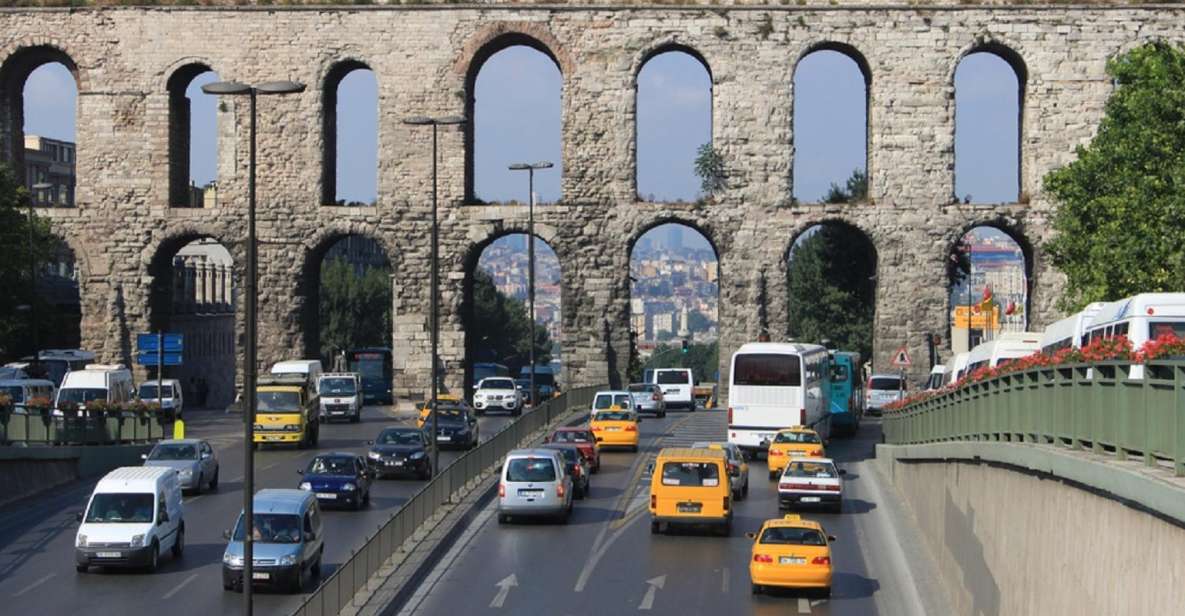
- 6th-century Valens aqueduct arches you can actually walk under
- Boza at a long-running stall in Vefa, with a tradition that dates back 150 years
- Zeyrek Mosque (Pantokrator) from 1118 A.D. showing layers of Istanbul’s past
- Buryan kebap lunch: lamb slow-cooked for about 5 hours (underground, clay-oven style)
Starting at German Fountain, then slipping into Fatih
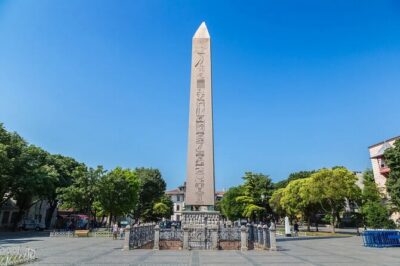
The meeting point is the German Fountain, or Alman Çeşmesi, in Fatih (Binbirdirek, Atmeydanı Cd.). It’s a great anchor because it sits right where older Istanbul transitions into residential streets—so you start in a lived-in part of the city, not a postcard square.
From there, you’ll head toward the tram stop for the ride into Fatih, then keep walking between nearby sights. The walking is broken into short hops—usually about 5 to 15 minutes at a time—so it stays manageable. You’ll also learn the simple rhythm of using public transport in Istanbul, which is a real time-saver when traffic is doing its own thing.
If you’re sensitive to sun or dust, bring a scarf. It’s not just cultural; it also helps when you’re walking between neighborhoods and mosque interiors. Comfortable shoes matter here more than you’d think, because the day is built around getting from one authentic corner to the next.
You can also read our reviews of more shopping tours in Istanbul
Şehzade Mosque: the prince, the mystery, and the calm
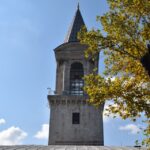
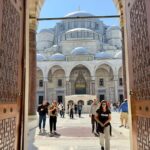
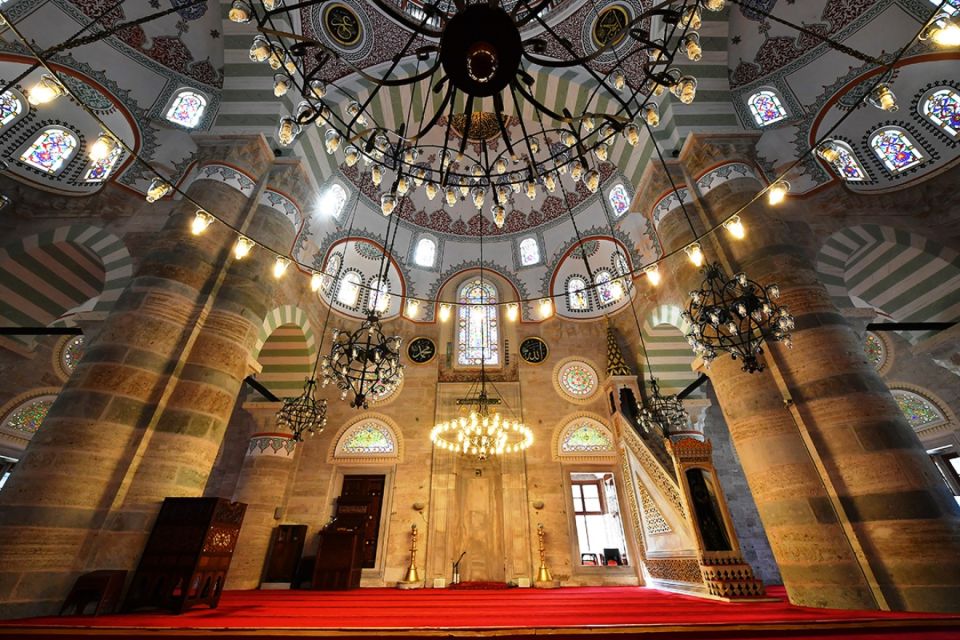
The big architectural moment is the Şehzade Mosque, built for the son of Sultan Süleyman who died mysteriously. The tour frames the mosque as more than a photo stop. You’re meant to feel how Ottoman rulers used monumental buildings to hold on to family stories, loyalty, and grief.
Here’s why I think this stop hits: you’re in the residential orbit of Fatih rather than the usual highlight circuit. That means less constant movement around you and more quiet moments to notice details—proportions, domes, and the way the building sits in the neighborhood.
Also, it’s not just about the building. The guide connects the mosque to the bigger Ottoman pattern of building around major life events—especially when a death is shrouded in mystery. If your brain likes context, this is the kind of stop that gives you a storyline, not just architecture facts.
Zeyrek Mosque (Pantokrator): when 1118 A.D. becomes Ottoman space
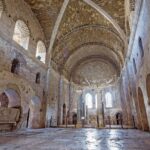
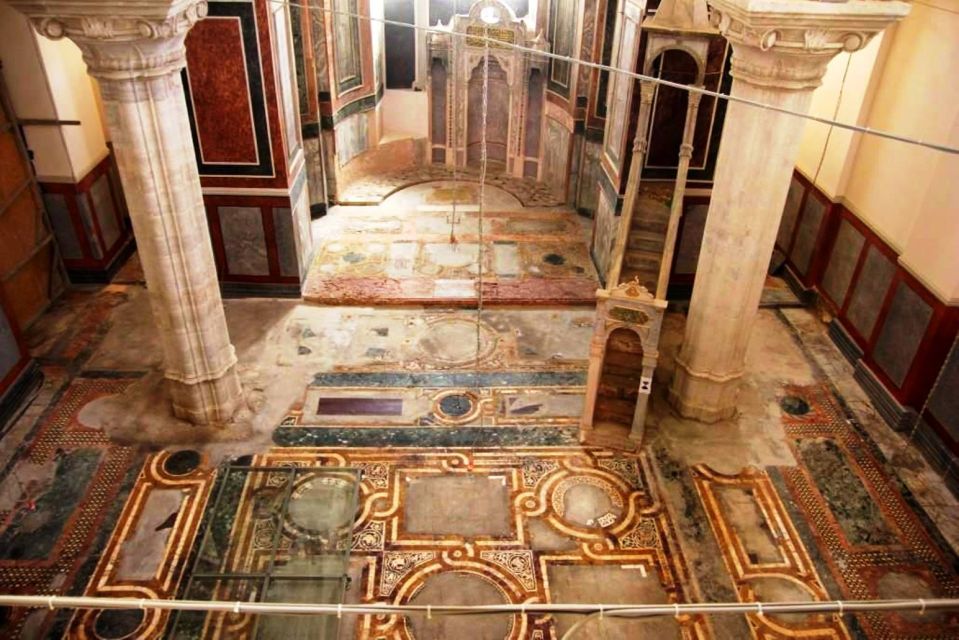
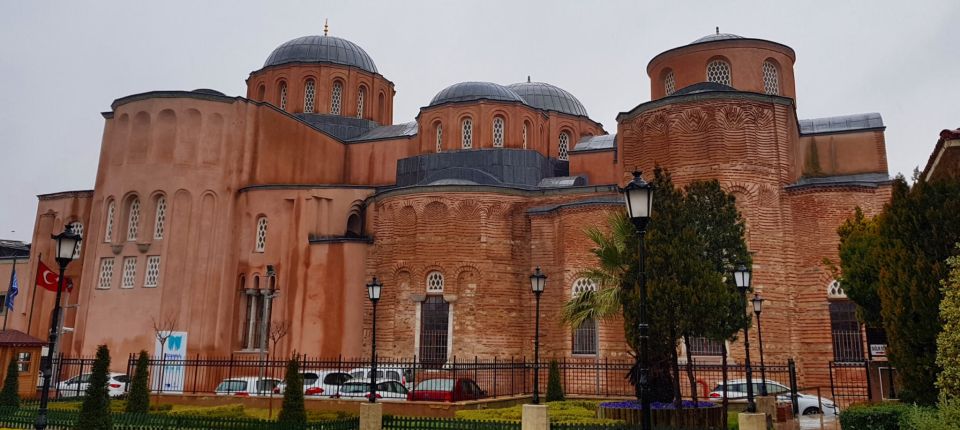
Next you’ll visit the Zeyrek Mosque, which was originally the Pantokrator church complex built in 1118 A.D. That date matters because it puts you in a long timeline: Byzantine foundations transformed into Ottoman religious space.
This is the type of stop that helps you read Istanbul correctly. The city doesn’t replace layers so much as it stacks them. Standing in a structure that began as a church and later became a mosque helps you understand why Istanbul feels familiar even when styles change. It’s not one era; it’s the overlap.
One practical note: places like this can involve more walking on uneven sidewalks or small ramps as you move between vantage points. You’ll want your shoes to be grippy and comfortable, especially if the weather is warm.
Walking under the Roman Aqueduct and spotting Valens waterlines
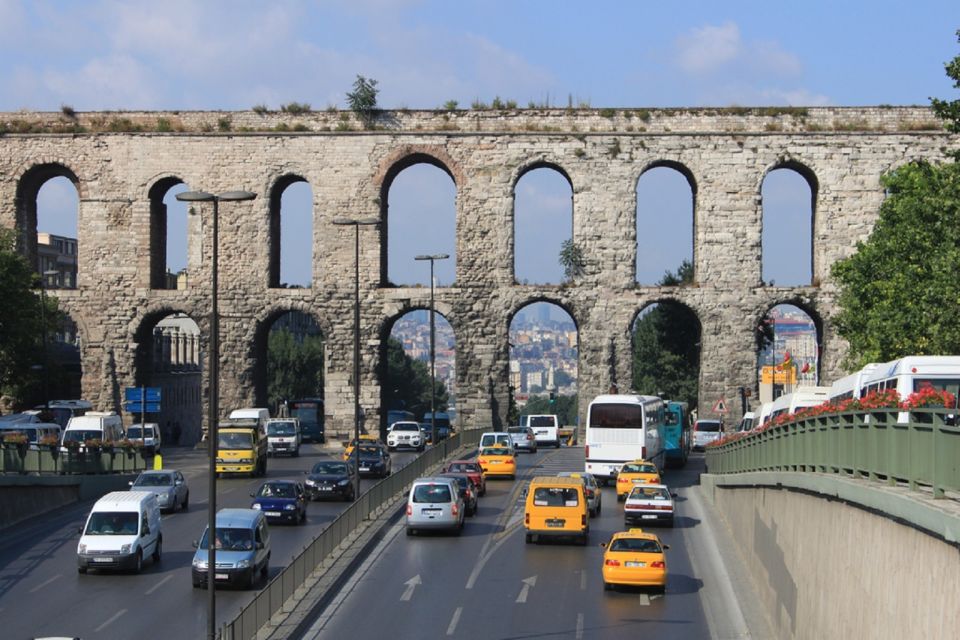
Then comes a different kind of thrill: stone arches from the Roman era, specifically the 6th-century Valens aqueducts. These are often treated as distant monuments. On this tour, you walk by and under the aqueduct sections that used to supply city water.
Why this is valuable: you stop thinking of Roman Istanbul as ruins behind barriers. Instead, you see how the aqueduct system shaped where people lived and moved. The arches don’t belong to a museum floor; they belong to daily streets.
The guide also helps you picture the scale. Even if you’re not a structures person, it clicks quickly: water infrastructure is power. It tells you which neighborhoods mattered for the city’s growth and how engineering carved lines through the landscape.
If you’ve only seen aqueduct photos, this walk gives you the real feeling of being physically close to the stone.
Vefa and boza: the drink, the street, the pause
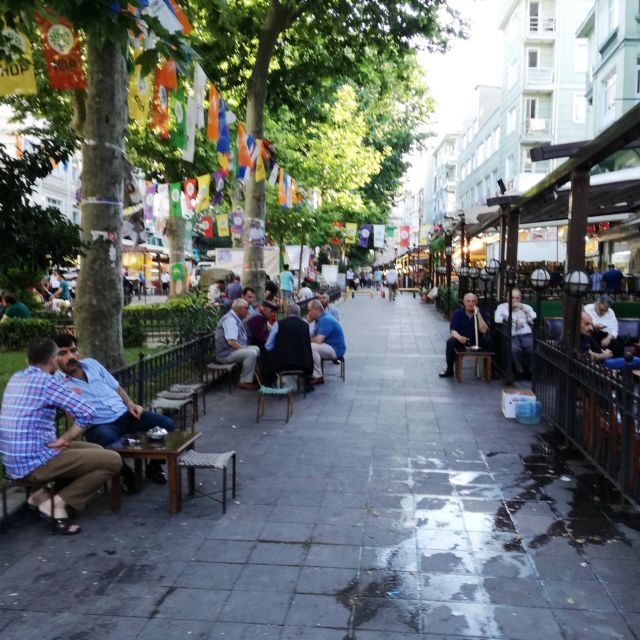
The tour then heads toward Vefa, where you’ll stop to try boza, the slightly tangy, thick, fermented drink that locals treat like a comfort staple. The tour includes boza served at the same place for 150 years, which is one of those details that turns a quick snack into a genuine cultural moment.
I like that the boza stop isn’t rushed. It works as a pause in the middle of the walking—something to sip slowly so your head can catch up after mosque interiors and aqueduct arches. You also get to watch how the neighborhood routine runs: people stepping out for a drink, conversation happening in the background, and no big production for tourists.
A strong point from past tours: the day can include time for chai in a garden with a view toward Süleymaniye. Even if you’re not a tea person, it’s a nice reset. You sit, you look, and you get one more angle on Istanbul’s skyline before the next neighborhood.
You can also read our reviews of more tours and experiences in Istanbul
Women’s Market area and the Kurdish market flavors
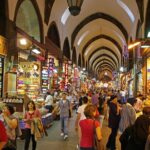
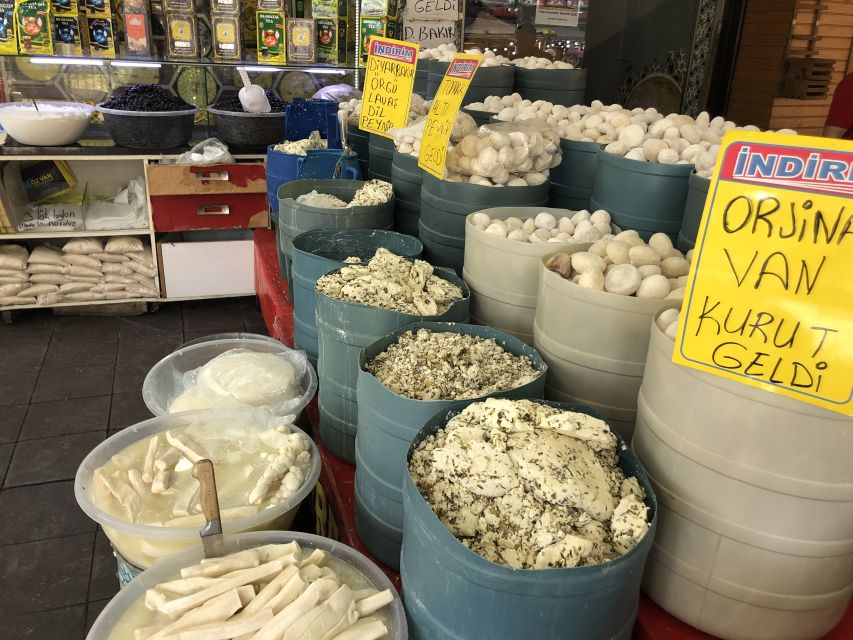
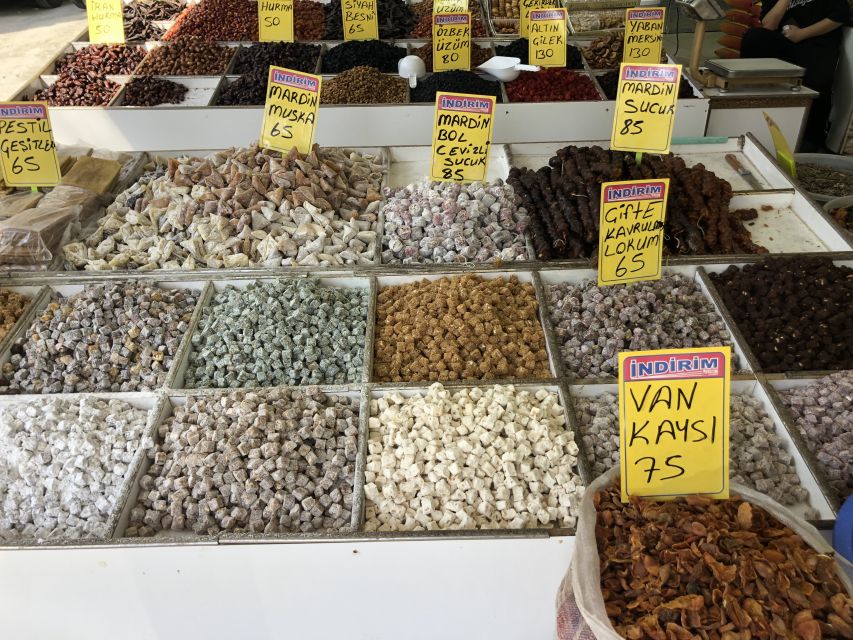
After the quiet worship stops and the historical walk, the tour shifts toward everyday food culture. You’ll wander through a neighborhood market area where food comes from Eastern Turkey—an intentional change of pace.
This is where you start to understand Istanbul as a crossroads of regional tastes. Fatih and nearby districts often serve as funnels for foods, spices, and cooking styles that trace back east. The tour keeps it human-sized: you’re walking, tasting, and listening, not moving through a theme-park version of food.
If you enjoy shopping like a local—sniffing spices, noticing pantry items, asking what gets used most—this portion can feel satisfying. If you mostly want the biggest “must-see” sights, you’ll still benefit, because it adds meaning to the day. It answers the question: what do people eat and drink here when the cameras aren’t rolling?
Buryan kebap lunch: lamb baked in the well, cooked for hours
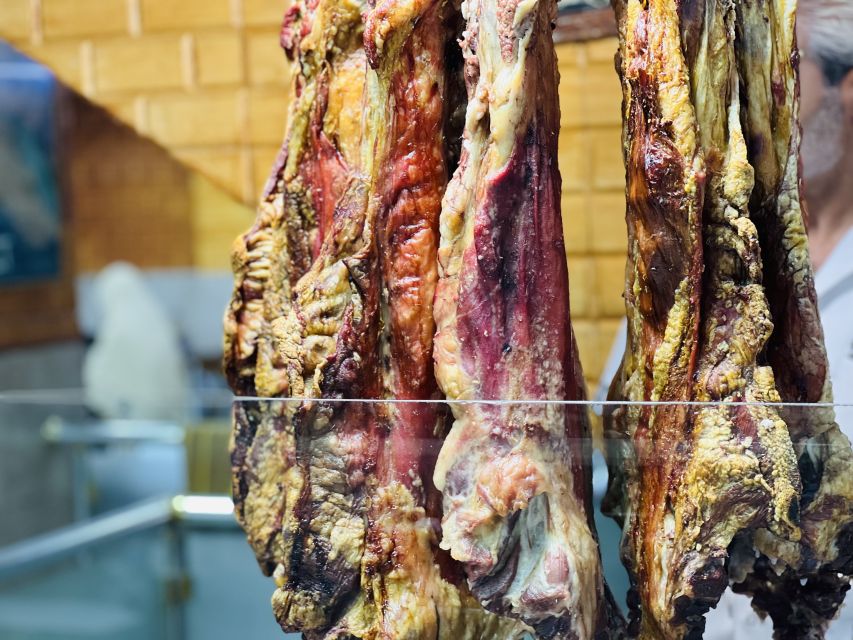
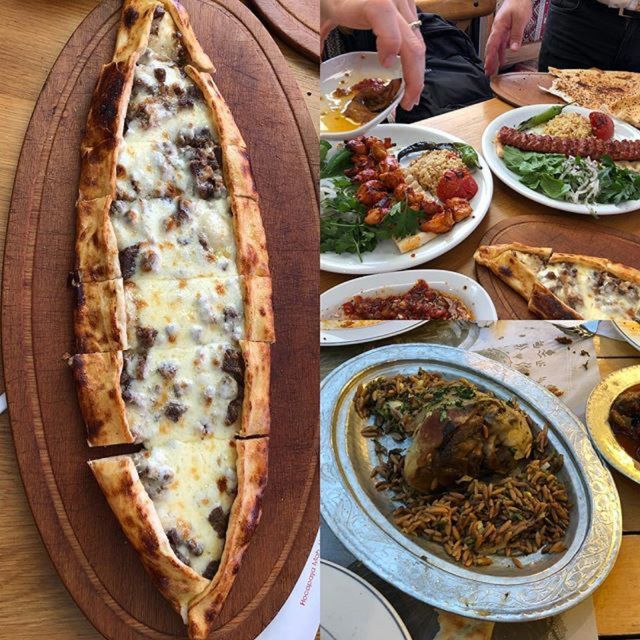
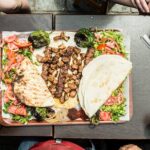
Lunch is the centerpiece for your appetite. You’ll have Buryan kebap: lamb baked in an underground clay-oven style setup, slow-cooked for around 5 hours. The whole point is time. The meat comes out tender in a way that quick-grill kebabs can’t copy.
This meal also connects to the tour’s “hidden Istanbul” theme. The lunch is in a non-touristy spot focused on Kurdish cuisine, which means you eat the food as it’s meant to be eaten—no staged performance, no simplified menu for tourists.
One extra tip from experience: if your lunch includes a pumpkin dessert afterward, take it. People describe it as a standout, and with a meal like this, the sweet finish feels natural rather than tacked on.
Remember lunch isn’t included in the tour price. Budget about $10–15 per person so you’re not hunting for cash mid-day.
Price and time: what $71 buys you (and what to plan for)
At $71 per person for a 3-hour small-group tour, you’re paying for a guided route that does real work for you: licensed English guide, boza included, and tram tickets to get you between Sultanahmet and Fatih. There’s also VAT in the price. For Istanbul, that combination matters because transport and guide time add up fast.
What’s not included is lunch (about $10–15 per person). That’s normal for food-focused tours, but it’s still worth planning. I recommend you treat the tour as the morning/early afternoon framework, then decide how much you want to slow down at lunch.
Group size is limited to 10. That small number shows up in pacing and questions—especially if you’re the kind of traveler who likes to understand why a mosque was built, or how a food tradition became a neighborhood ritual.
Another practical plus: there’s a skip-the-line approach via a separate entrance, which saves you from losing momentum right when the day is getting interesting.
Best for people who want quiet Istanbul, not just big sights
This tour is a good match if you want Istanbul that feels lived-in. You’ll be walking through residential neighborhoods and visiting mosques away from the loudest tourist clusters.
It also works well if you like food that tells a story. Boza isn’t just a drink; it’s a tradition. Buryan kebap isn’t just lunch; it’s a method—slow heat, underground baking, and patience as an ingredient. If that appeals to you, you’ll likely find the day satisfying.
Guides play a big role in the experience. Past groups have had guides like Salih and Onder, and the common thread is clear enthusiasm plus the ability to adjust pacing when someone needs a slower rhythm. If you prefer a tour where the guide talks like a person, not a radio, this style fits.
Before you go: simple prep that makes the day easier
Wear comfortable shoes. The itinerary is built on short walks, but it still adds up once you start moving between Fatih and mosque interiors.
Bring a scarf. It’s mentioned for a reason. Even when it’s not strictly required everywhere, it makes mosque visits smoother.
Plan for public transport. The tour uses the tram system to avoid traffic bottlenecks. It’s one of the smartest ways to travel in Istanbul, and you’ll get a mini lesson in how locals get around.
Also, start with the right expectations: this isn’t an all-day museum marathon. It’s a focused 3-hour route designed to give you “off-the-main-grid” texture—quiet worship spaces, an aqueduct you can stand near, and food that actually tastes like the region it comes from.
Should you book this Roman Aqueduct, Şehzade Mosques & Women’s Market tour?
I’d book it if you want Istanbul beyond the headline stops and you like your history connected to neighborhoods, not sealed behind fences. The combination of Şehzade Mosque, Zeyrek (Pantokrator), a Roman aqueduct walk, and the boza tradition gives the day variety without turning chaotic.
I’d think twice only if you’re expecting a big-name tourist route with minimal walking. This is a walk-and-transport experience, and lunch costs extra. If you enjoy short, guided stretches and you’re happy to eat a proper meal in a non-touristy place, it’s a strong value use of a half day.
If you want a tour that feels respectful, local, and thoughtfully paced, this one is a great fit.
FAQ
Where does the tour start?
The meeting point is the German Fountain (Alman Çeşmesi) at Binbirdirek, Atmeydanı Cd., 34122 Fatih/İstanbul.
How long is the tour?
The duration is 3 hours.
What is the group size?
The group is small, limited to 10 participants.
Is hotel pickup and drop-off included?
No. The tour starts from the meeting point, and there is no hotel pickup or drop-off included.
What’s included in the price?
Included items are a licensed English-speaking guide, boza drink, tram tickets to Fatih and back to Sultanahmet, VAT, and professional licensed guiding.
Is lunch included?
No. Lunch is not included and typically costs about $10–15 per person.
What transportation is used?
You’ll use public transport, including tram travel between Sultanahmet and Fatih.
What should I bring?
Bring comfortable shoes and a scarf.
Is line-skipping included?
Yes, there is a skip-the-line feature through a separate entrance.
What’s the cancellation policy?
Free cancellation is available up to 24 hours in advance for a full refund.