One food tour in Istanbul, and the city starts making sense fast. This 4.5-hour walk strings together old Istanbul markets and Ottoman-era food stops, with an English-speaking guide who keeps the day moving from breakfast to dessert. You’ll get a smart mix of local ingredients (simit, honey, olives, cheese) and landmark-adjacent streets, plus a route that naturally lands you near Hagia Sophia and the Blue Mosque.
I especially like that the pace gives you time to taste and ask questions, not just rush-and-snack. You’ll also appreciate the small-group feel (described as up to 5, with an operator cap of 10), which makes it easier to hear explanations and find your way through crowded markets. One possible drawback: if you’re picky about highly structured, story-heavy food storytelling, you may find some moments more about ordering, waiting, and eating than deep commentary—so go in hungry and flexible.
In This Review
- Key reasons this Istanbul food walk feels worth the money
- Misir Carsisi (Spice Market) breakfast: where the day gets delicious
- Tahtakale and its 1888 oven: the pide you’ll remember
- Eminönü coffee break: a short reset before the bazaars
- Süleymaniye döner: the stall that’s been serving since 1970
- Grand Bazaar: navigating the maze and finding kebabs cooked for your visit
- Gallery Cemberlitas and baklava: finishing sweet near the big sights
- Price and value: what $80 buys on this food-and-history route
- How the guide makes or breaks the experience
- Pacing, walking, and how to not run out of energy
- Who should book this tour (and who should think twice)
- Should you book this Istanbul Local Food, History and Hidden Places Walking Tour?
- FAQ
- What food is included in the tour price?
- How long is the walking tour?
- Where does the tour start and end?
- How big is the group?
- Is the tour offered in English?
- What happens if the weather is bad or I need to cancel?
Key reasons this Istanbul food walk feels worth the money
- Breakfast at Misir Carsisi (Spice Market) right from the start, with classic treats like simit and Turkish delights
- Tahtakale pide from an 1888 oven, which adds real “place-based” atmosphere to your lunch
- A döner stop in Süleymaniye tied to a long-running stall that’s been serving since 1970
- Grand Bazaar time that’s guided and practical, with kebab sampling from little spots around the market
- Baklava at Gallery Cemberlitas before you transition toward the Blue Mosque and Hagia Sophia area
- Guide impact is the story, with names like Sude, Didem, DeeDee, Didi, and Ezgi repeatedly showing up in feedback for helpfulness and history talk
Misir Carsisi (Spice Market) breakfast: where the day gets delicious
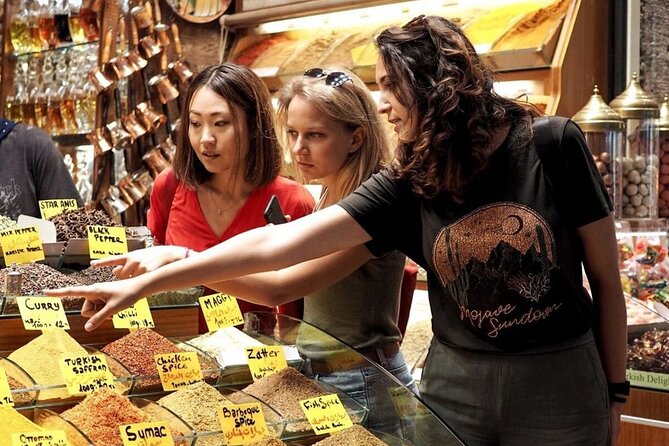
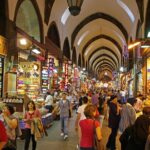
You start in front of Misir Carsisi, Istanbul’s Spice Market. The main idea here isn’t just sightseeing—it’s the sensory warm-up. Expect a colorful crush of stalls, spice aromas, and people doing everyday shopping. You’ll also be able to pick up classic breakfast bites, including simit, plus things like cheese, olives, honey, and clotted cream. There are also Turkish delights from a long-running shop, where the age of the business becomes part of the fun.
This first stop is ideal if you’re new to Istanbul and you want an instant overview of what local markets feel like. It’s also a good use of time: you get breakfast underway before the big tourist lines at later sights become a bigger headache.
Possible consideration: Spice Market can feel overwhelming if you’re sensitive to crowds or strong smells. If that’s you, take short breaths, pace yourself, and keep your focus on the food guide’s lead—then the chaos turns into a menu.
You can also read our reviews of more walking tours in Istanbul


Tahtakale and its 1888 oven: the pide you’ll remember
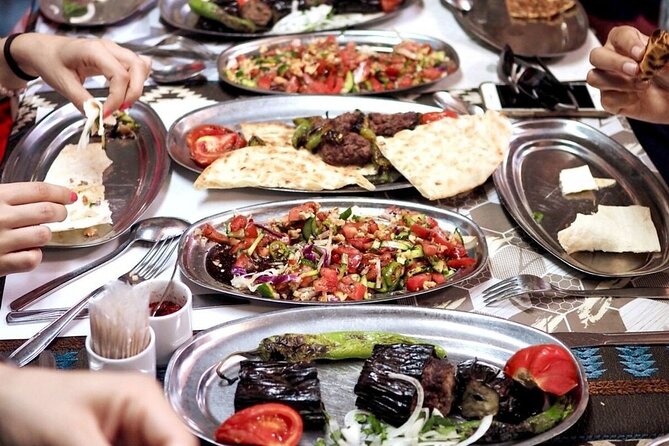
After the market, the tour heads into Tahtakale, an old Istanbul food district vibe. This is where the day shifts from “snack in the market” to “sit down and eat something special.” You’ll follow up with breakfast, then move into a unique Turkish pide experience cooked in an old oven inside a historical building built in 1888.
The practical value here is huge: it’s one of those stops where you can taste the difference that a real local oven and a place with history bring to the food. You’re not just paying for a bite—you’re paying for the setting, the method, and the small-window chance to eat something that feels tied to where you are.
The trade-off is timing. Cooking takes time, and this tour’s flow can involve some waiting (especially when a popular oven is running). If you’re the type who hates pauses, plan to keep a relaxed mindset and treat it as downtime to chat and ask questions.
Eminönü coffee break: a short reset before the bazaars
Next comes Eminönü Square, where the tour leans into one of the best parts of Turkish eating culture: coffee after food. You’ll do a coffee tasting while you watch people moving through the lively streets of the Grand Bazaar area.
This stop works as a reset in the schedule. You’ve already eaten more than you think you will in four and a half hours, and a hot coffee helps you slow down without losing energy. It also gives you a mini lesson in how locals pace meals: eat, then settle.
One thing to keep in mind: coffee breaks can be as much about the street scene and conversation as about the drink itself. If your ideal tour includes lots of constant talking, this might feel lighter on story compared with the food stops.
Süleymaniye döner: the stall that’s been serving since 1970
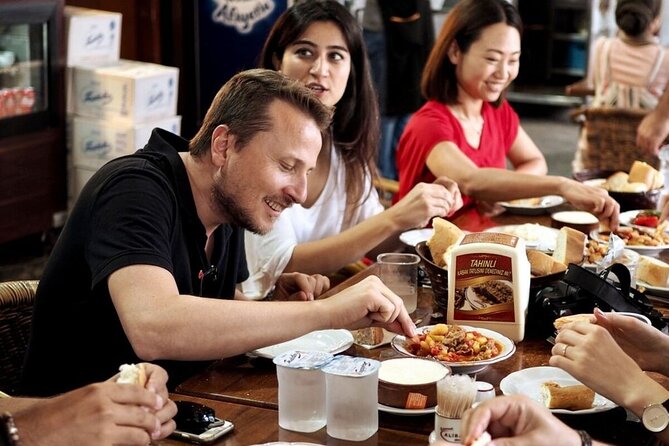
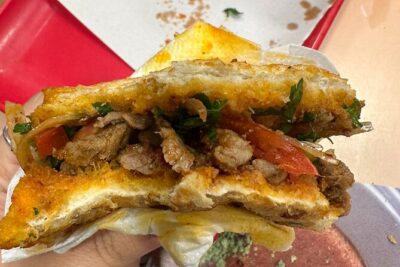
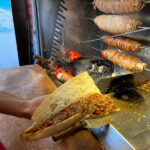
After coffee, you head to Süleymaniye for döner from a little food stall that’s been in business since 1970. This is the kind of stop that’s great for food lovers because it grounds the day in one “simple, perfect” item done the old way—no big theatrics, just a long-running operation and a flavor payoff.
The value of a stall with a real track record is that you’re more likely to get consistency. And consistency matters on a food tour: you’re judging the city by what you taste, so it helps when the stop has staying power.
Pace consideration: since this comes after breakfast and coffee, you’ll want to keep your portions sensible. The tour is designed to feed you through the route, so if you’re thinking of saving room for later bazaar kebabs, treat this stop as a prime tasting moment rather than a second full meal.
Grand Bazaar: navigating the maze and finding kebabs cooked for your visit
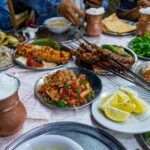
Then you enter the Grand Bazaar, Istanbul’s famous market labyrinth—often described as the first shopping mall. Here, the tour shifts from “food stop” to “market strategy.” You’ll explore the bazaar streets with your guide and discover kebabs cooked at the moment in small hidden restaurants around the market.
This is where the guide really earns their fee. The bazaar is easy to get turned around in, and it’s also easy to wander into shops that are designed for tourist traffic. A good guide helps you:
- move efficiently through the maze
- find the small kitchens serving hot, fresh kebab
- understand what you’re eating and why that stop is worth your time
Possible drawback: bazaar hours and crowds can slow everything down. Even with a guide, you may spend some time threading through narrow lanes. If you hate walking, wear comfortable shoes and accept that markets come with movement.
You can also read our reviews of more food & drink experiences in Istanbul

Gallery Cemberlitas and baklava: finishing sweet near the big sights
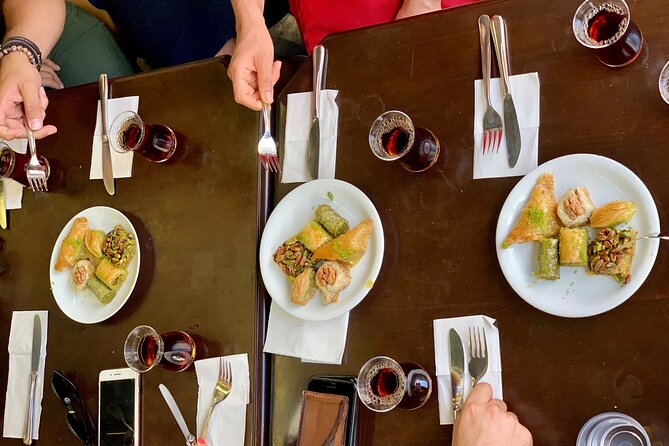
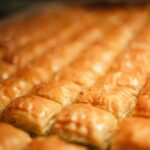
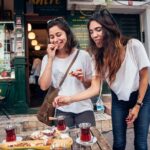
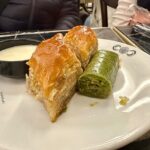
The last food stop is Gallery Cemberlitas, where you indulge in baklava. It’s a fitting end: warm, flaky dessert after salty foods, and a final taste that feels classic without requiring another long sit-down.
The tour then transitions toward the streets along the Blue Mosque and Hagia Sophia area, ending near the landmark square. This makes the schedule practical. You don’t end the day in the middle of nowhere; you end near some of Istanbul’s biggest-photo landmarks, ready for you to keep exploring after your stomach settles.
If you’re someone who likes to plan your photo time, this ending point is a win. It gives you an easy way to carry momentum from eating into sightseeing.
Price and value: what $80 buys on this food-and-history route
At $80 per person for about 4 hours 30 minutes, the value mostly comes from the number of feeding moments. You’re not just getting a few tastes. The tour includes breakfast, lunch, snacks, coffee and/or tea, and bottled water.
Even better, the food stops list admission as free, so you’re paying for the route, the guidance, and the eating—not extra ticket add-ons for each place. In the feedback I saw, a common theme is that the portions are closer to full servings than tiny “demo bites.” That’s important. On food tours, the difference between “tasting” and “actually eating” is what turns it from a nice snack to a day you feel in your bones.
So who gets the best deal? Someone who wants a guided, structured way to eat across multiple neighborhoods without hunting for places alone. If you’re the type who loves researching street-food spots and building your own route, you might do it cheaper. But if you want speed, navigation help, and fewer wrong turns, the $80 can feel fair quickly.
How the guide makes or breaks the experience
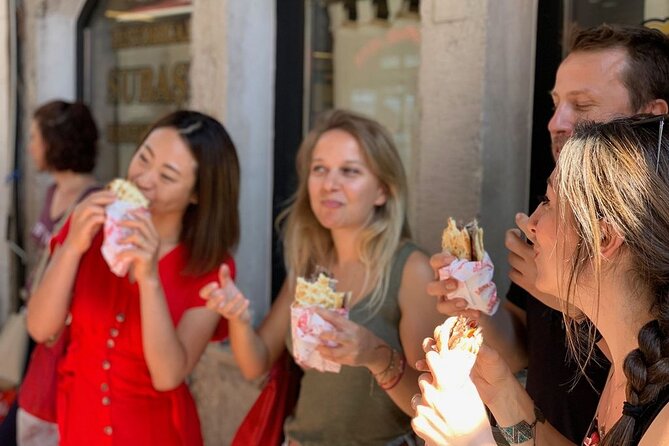
This tour’s success factor is the guide. The best feedback highlights guides like Sude and Didem for being patient, helpful, and able to connect the food to local and Ottoman-era context. Other guide names—DeeDee, Didi, and Ezgi—also show up with praise for communication and history explanations.
That said, not every experience will match your ideal. A couple of lower ratings mention a guide who didn’t show strong food passion, or who spent more time on ordering and waiting than on storytelling. One complaint also pointed to English clarity being uneven, which matters because this is an English-offered tour.
My practical advice: if you’re booking, assume you’ll get helpful context, but also assume the day includes some waiting at popular kitchens. Bring patience like you would at any market. And if English is crucial for you, it’s worth aiming for a departure time where you can hear clearly and keep questions ready.
Pacing, walking, and how to not run out of energy
This is a walking tour across several old-city areas. The schedule includes multiple short stops (roughly 30 minutes each at the market, coffee, döner, and baklava) plus longer segments where you eat and move through districts.
Here’s the practical way to handle it:
- Eat what’s offered, then pace the rest. Don’t try to “power through” everything at full speed.
- Wear shoes you can walk in for hours. Markets and bazaars are uneven and crowded.
- Plan your expectations. This isn’t a quiet museum-style tour. It’s a food day with crowds, ordering, and active navigation.
If you’re the type who gets impatient when a tour pauses for cooking or lines, this may feel slower than you want. On the flip side, if you like eating as a shared rhythm, the pacing can feel natural.
Who should book this tour (and who should think twice)
Book it if:
- You’re a first-timer in Istanbul and want a route that teaches you by food, not by lectures
- You love markets and want to see how everyday food culture works
- You want a small group so the guide can manage questions and keep the day organized
Consider skipping or picking another option if:
- You’re specifically looking for highly structured tasting menus where every minute is storytelling
- You dislike waiting around food kitchens
- You need consistently easy-to-follow English in every stop (since a couple of accounts flagged language clarity)
Should you book this Istanbul Local Food, History and Hidden Places Walking Tour?
If your goal is to get oriented fast and you want to eat your way through classic Istanbul neighborhoods, this tour is a solid bet. The strongest reasons are the market-to-meal structure—Spice Market breakfast, oven-made pide, döner at a long-running stall, Grand Bazaar kebabs, and baklava to close—plus the fact that the day is designed for small groups and ends near the big sights.
Just go in with the right mindset: plan for walking, accept some waiting, and come hungry enough that portions don’t surprise you in the wrong way. If you want a food tour that’s also a history lesson, aim to ask questions; the best experiences show that the guide can connect the dots when you do.
FAQ
What food is included in the tour price?
The tour includes breakfast, lunch, snacks, bottled water, and coffee and/or tea.
How long is the walking tour?
It runs for about 4 hours 30 minutes.
Where does the tour start and end?
It starts at Rüstem Paşa, Tahmis Sk. 1B, 34116 Fatih/İstanbul, Türkiye and ends at Cankurtaran, At Meydanı Cd No:1, 34122 Fatih/İstanbul, Türkiye near the square with Hagia Sophia and the Blue Mosque.
How big is the group?
It’s described as a small group of up to 5 people, and the activity sets a maximum of 10 travelers.
Is the tour offered in English?
Yes. It’s offered in English.
What happens if the weather is bad or I need to cancel?
This experience requires good weather. If it’s canceled due to poor weather, you’ll be offered a different date or a full refund. You can cancel for a full refund up to 24 hours in advance.