REVIEW · ISTANBUL CITY HIGHLIGHTS & PRIVATE TOURS
Istanbul: Private Guided Tour
Book on GetYourGuide →Operated by Ephesus Tour Company · Bookable on GetYourGuide
Four Istanbul icons, one focused day. I love how this tour makes Hagia Sophia and the Blue Mosque the anchor points of a tight, guided route, and I also like having a Ministry-licensed guide who helps you connect the dots across Byzantine and Ottoman Istanbul.
One thing to plan around: Hagia Sophia can still have a line, and the day involves a lot of walking, so it’s not suitable for people with mobility impairments.
In This Review
- Key things to know before you go
- A 6.5-hour Istanbul game plan that hits the classics
- European side pickup: taxi when needed, walking the rest
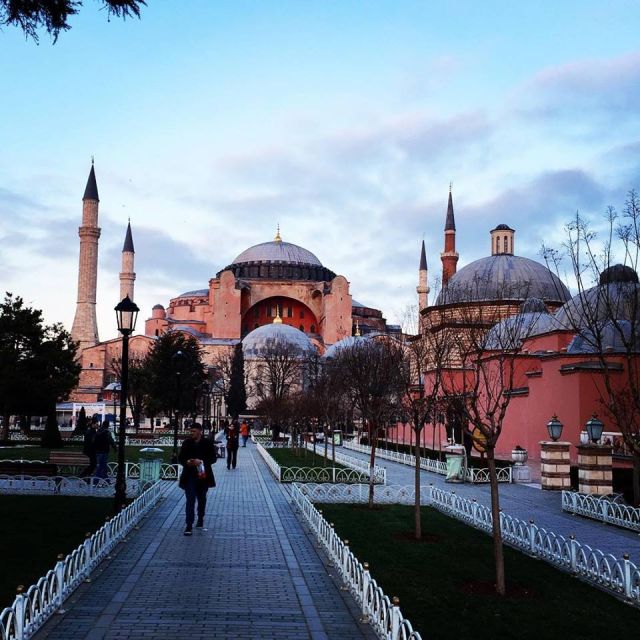
- Hagia Sophia and Sultanahmet Square: where lines and meaning collide
- Blue Mosque: the blue tiles are only the start
- Topkapi Palace: Ottoman sultans in a compressed 2 hours
- Hippodrome monuments: the original stage is still readable
- Grand Bazaar: browsing, bargaining, and not getting swallowed
- When closures change the day: Monday, Tuesday, and Sunday swaps
- Price and value: what $100 buys you (and what it doesn’t)
- Logistics and comfort: the small things that make or break the day
- Who this private guided tour is best for
- Should you book this Istanbul private guided tour?
- FAQ
- How long is the Istanbul private guided tour?
- Where does pickup happen, and where do you return?
- What does the price include?
- Are entrance fees included?
- What languages is the live guide available in?
- Can you skip the ticket line?
- What happens if Hagia Sophia or Topkapi Palace are closed?
- Is the tour suitable for people with mobility impairments?
Key things to know before you go
- Ministry-licensed, live guide in English or Spanish
- Guided time at the big sites (Hagia Sophia 45 min, Topkapi 2 hours)
- Skip-the-ticket-line promise, but note the Hagia Sophia entry line can’t be avoided
- Hippodrome monuments stay interesting, not just a quick photo stop
- Grand Bazaar time is scheduled for browsing and bargaining
- Route swaps happen if Hagia Sophia, Topkapi, or the Grand Bazaar are closed
A 6.5-hour Istanbul game plan that hits the classics
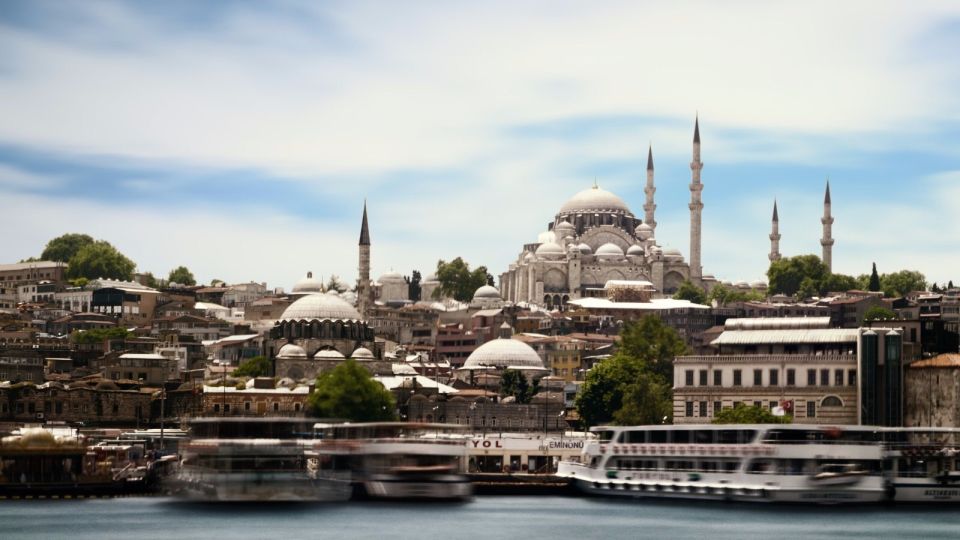
Istanbul can eat your day if you wander without a structure. This private tour is built like a good checklist: it moves you between the most famous landmarks, gives you just enough guided time, and then leaves room to look, pause, and shop.
The big win here is that you are not bouncing between sites alone. A licensed guide keeps the story straight as the city flips from Byzantine to Ottoman rule. That matters because Hagia Sophia and the Blue Mosque can look similar at a glance, but the details are where the real differences live.
You’re also not stuck doing only museums. You get monuments around the Hippodrome area and time in the Grand Bazaar, where Istanbul turns practical: bargaining, craft browsing, and the hum of a working market.
The drawback is time. At this pace, you’ll leave wanting more at almost every stop. That’s not a failure of the tour, it’s the trade for seeing a lot in one day.
You can also read our reviews of more guided tours in Istanbul


European side pickup: taxi when needed, walking the rest
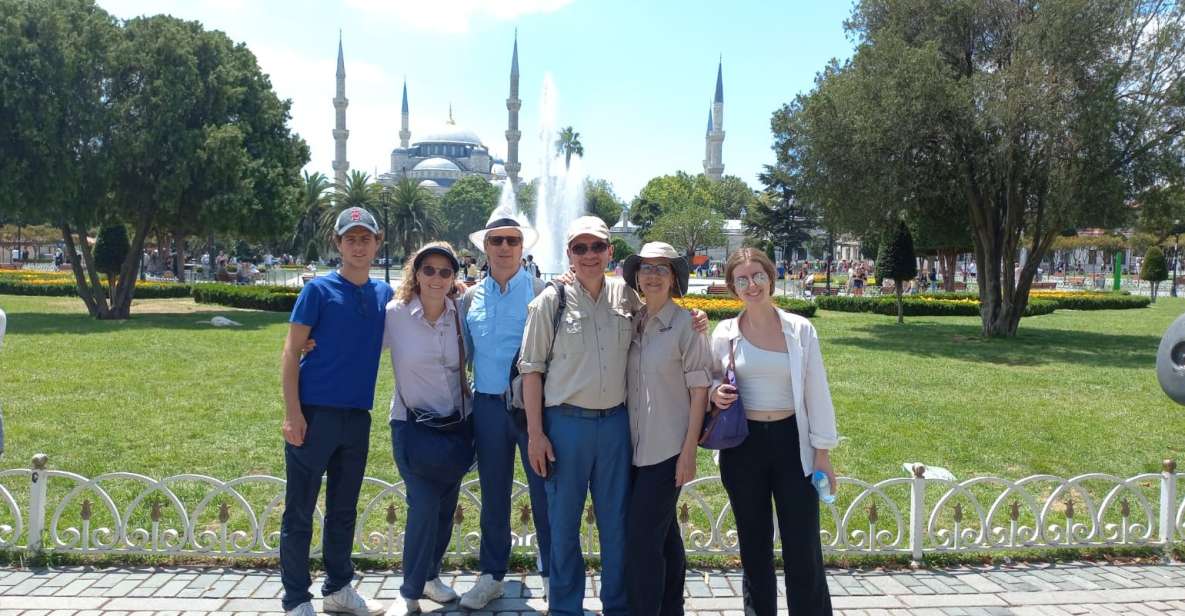
The tour starts on the European side and ends back there. That’s helpful if you’re staying near Sultanahmet, Taksim, or other central areas on the European half.
Transport is by taxi only when necessary. Translation: expect walking for parts of the route, especially around Sultanahmet Square and between nearby sights. One booking note also shows how a street situation (like a demonstration) can reduce taxi or tram options, leading to more on-foot time. In other words, comfortable shoes are not optional.
Also watch your expectations with private logistics. This isn’t a chauffeured car service the whole way. It’s a guided tour with transport support, so you’ll feel like you’re moving through real neighborhoods, not just riding between doors.
Hagia Sophia and Sultanahmet Square: where lines and meaning collide
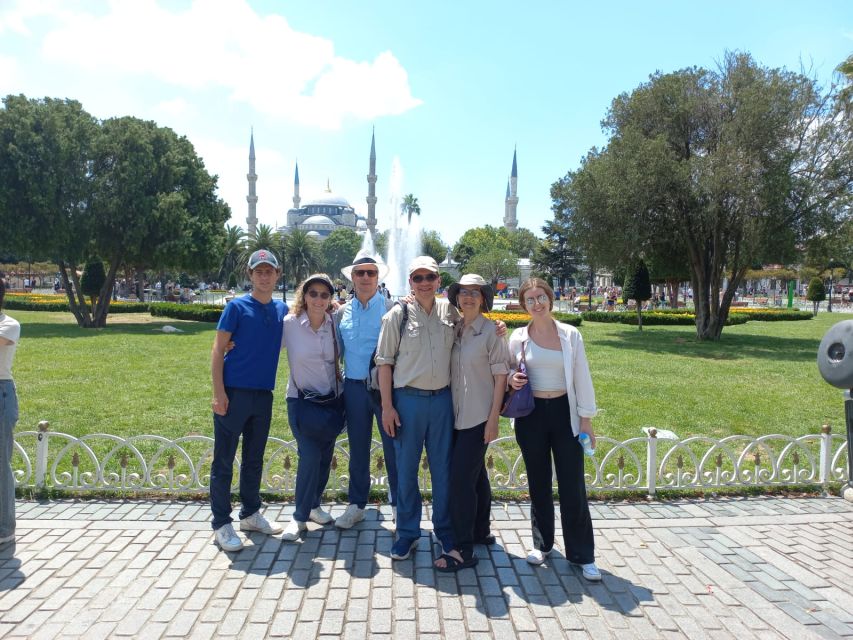
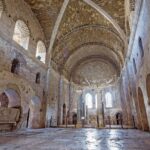
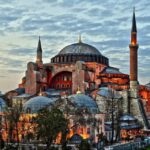
You’ll start with Hagia Sophia, with guided time of about 45 minutes. This is the kind of place where you want someone to point out what changed over centuries. Byzantine architecture and later Ottoman additions share the same skeleton, and a good guide helps you notice how power and faith reshaped the building.
A key practical reality: there may be an entry line, and the guide can’t magically skip it. Even though the tour advertises skipping the ticket line, the Hagia Sophia access line is called out as unavoidable. So if you hate waiting, go in with patience and a plan.
Then you head to Sultanahmet Square for another guided stretch (about 20 minutes). This is the staging area where the Blue Mosque fits naturally into your day. You’ll get oriented in the right spots so you can take photos without guessing where to stand.
One more tip: bring water and take short breaks. Waiting and standing are part of the experience here.
Blue Mosque: the blue tiles are only the start
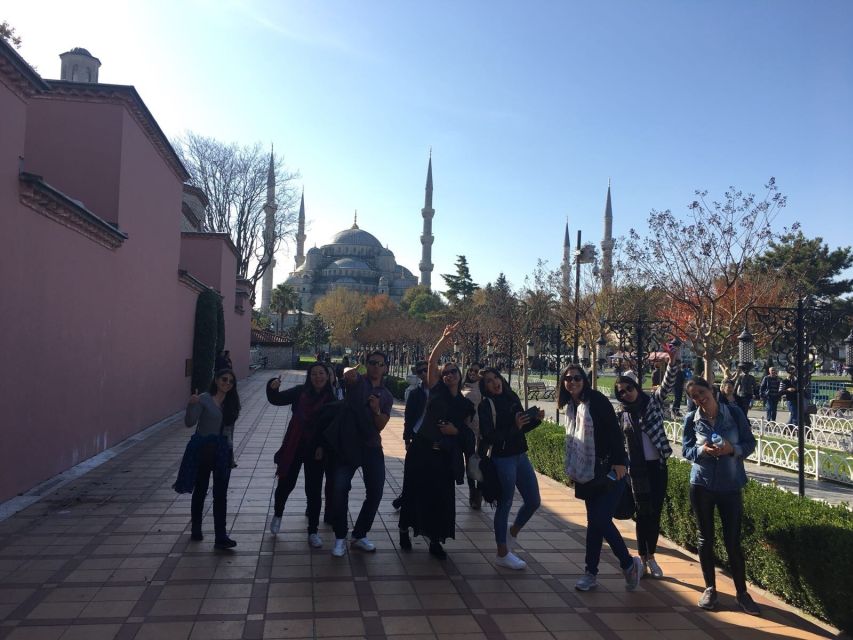
The Blue Mosque, formally the Sultanahmet Mosque, is famous for its striking interior tiles. But what makes it worth your time is how it sits within the larger historic cluster around Sultanahmet. When you see Hagia Sophia first, the Blue Mosque feels like the next page of the story instead of a standalone highlight.
You don’t get a long, slow crawl through every corner here, and that’s okay. The tour’s strength is that you’re not just sightseeing. You’re getting guidance on why these buildings look the way they do and what they meant to the rulers of their era.
If you’re the type who likes to pause and look up, you’ll do fine. If you’re the type who wants hours inside one monument, you might feel rushed. Luckily, the guided time is structured so you still come away with the major points.
Topkapi Palace: Ottoman sultans in a compressed 2 hours
Next up is Topkapi Palace with about 2 hours of guided time. This is enough time to understand the idea of the place, not enough to “finish” it. Think of it as a guided orientation to Ottoman power: where the rulers lived, how the palace complex functioned, and why it became a symbol of imperial reach.
What helps is the way the guide frames sultans and court life so you’re not staring at rooms and courtyards without a clue. The palace can be overwhelming on your own. With a structured approach, you keep moving toward the most meaningful sections.
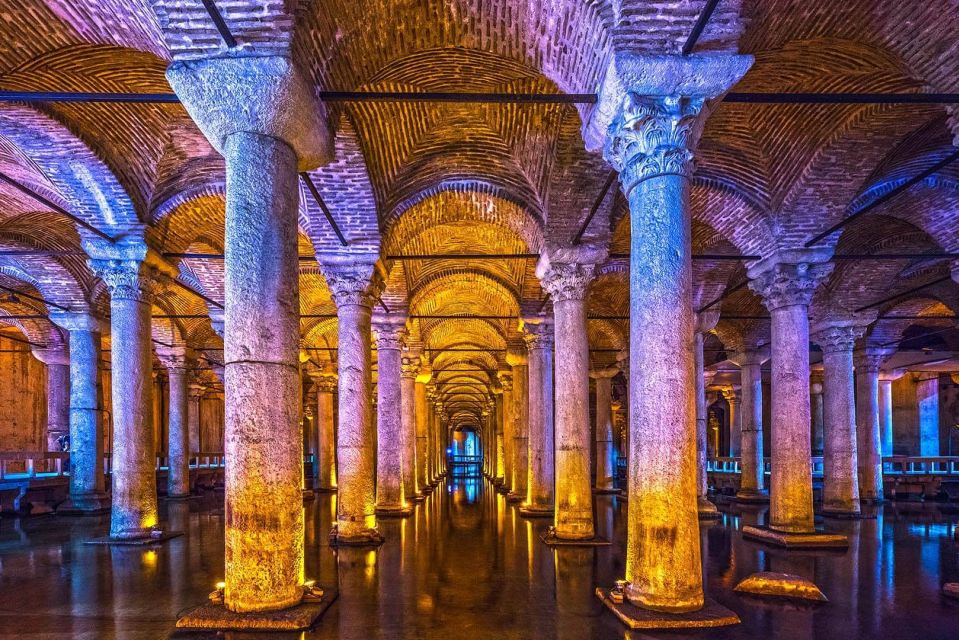
One consideration: entrance fees are not included, so you should budget for paid entry on arrival. Also, Topkapi is sometimes closed on Tuesdays, and when that happens the tour replaces it with Yerebatan underground basilica cistern.
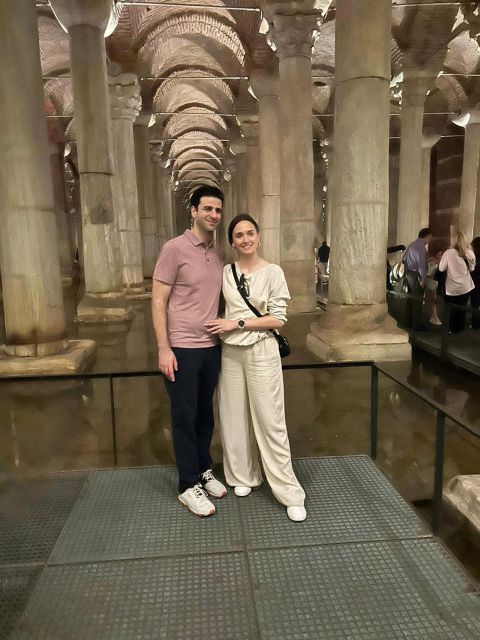
That replacement is worth knowing because cisterns are easy to underestimate. It’s still a major Istanbul landmark, just a different angle on the city’s ingenuity.
You can also read our reviews of more private tours in Istanbul





Hippodrome monuments: the original stage is still readable
After palace time, you head into the Hippodrome area, once a Roman circus built around 203 A.D. The interesting part isn’t just that it used to host big events. It’s that key monuments from different eras still show up in the layout.
You’ll see several standout pieces:
- Egyptian Obelisk
- Serpentine Column
- Constantine Column
- German Fountain of Wilhelm II, made from 8 marble columns
Here’s why this stop is valuable: it gives Istanbul a different flavor than mosques and palaces. It’s politics, spectacle, and empire messaging—chiseled into stone and moved across centuries.
It’s also one of the stops where a guide makes a noticeable difference. These aren’t just objects; they are clues to how rulers borrowed symbols from elsewhere to make their own authority feel bigger.
Time is likely shorter than you want if you’re a serious photo person, but it’s long enough to see the main monuments and connect the dots.
Grand Bazaar: browsing, bargaining, and not getting swallowed
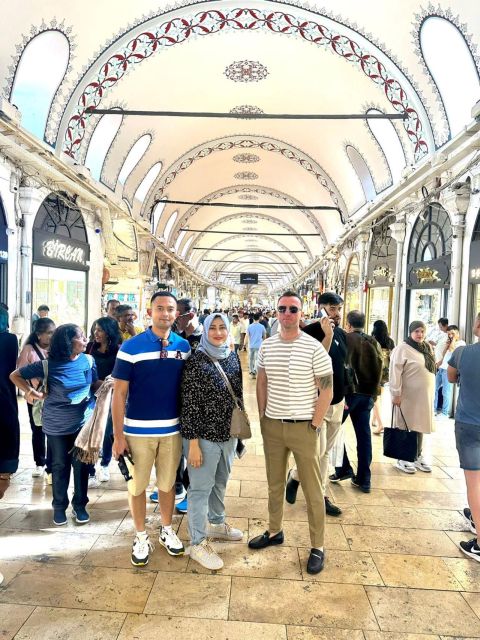
Finally, you get to the Grand Bazaar for about 1.5 hours of guided time without the pressure of rushing through a museum checklist. This is one of the largest and oldest covered markets in the world, with hundreds of small shops selling everything from crafts to items you might actually use at home.
This is also where your shopping style matters. If you like lively markets, you’ll enjoy the energy. If you hate crowds, go in with a calmer mindset and focus on a few categories rather than trying to see everything at once.
One practical note: Grand Bazaar is closed on Sundays. When it is closed, your stop is replaced with the Spice Bazaar instead. That keeps the market experience alive, even if the main venue isn’t available.
Also, entrance fees are not included, but shopping obviously isn’t “included” either. Set a budget and remember that bargaining is part of the culture. If you’re new to it, treat it like a conversation, not a fight.
When closures change the day: Monday, Tuesday, and Sunday swaps
Istanbul doesn’t run on your timetable. This tour accounts for common closure days, so your day doesn’t fall apart.
- If Hagia Sophia is closed (Monday), the stop is replaced with Yerebatan underground basilica cistern.
- If Topkapi Palace is closed (Tuesday), that replacement is also Yerebatan.
- If Grand Bazaar is closed (Sunday), it’s replaced by Spice Bazaar.
This matters because you can plan your photography and priorities around the most likely alternatives. The cistern and the basilica setting can be a surprise in the best way: you get a cool, atmospheric view of the city’s infrastructure and architecture, even if you came for domes and tilework.
Price and value: what $100 buys you (and what it doesn’t)
At $100 per person for about 6.5 hours, this sits in the “worth it if you want guidance” zone. You’re paying for a private, live, licensed guide plus transport support when needed. You’re also saving time with the skip-the-ticket-line feature for many entrances.
But this price doesn’t include entrance fees, lunch, or drinks. Those add-ons can change the final cost more than people expect. If you’re strict about packing a full day of paid entries, consider this tour as the framework that gets you to the right doors fast.
Where the value really shows is the guide factor. In practice, groups can have guides with strong communication skills and a knack for keeping people on track. You may also get a guide who handles extra flexibility well, like adjusting when a street disruption forces more walking.
So yes, it can be good value. Just don’t assume it’s an all-in-one price tag.
Logistics and comfort: the small things that make or break the day
This tour is guided, private, and structured, but the “private” part mainly affects personalization, not comfort upgrades like a wheelchair-ready route. It’s not suitable for people with mobility impairments, and that should be taken seriously.
For everyone else, the comfort checklist is simple:
- Comfortable shoes (non-negotiable)
- Water, since drinks aren’t included
- A light lunch plan, since lunch isn’t included
- Patience for lines at major attractions, especially Hagia Sophia
One more realism check: demonstrations and street events can disrupt typical taxi or tram patterns. Your guide should be able to route around obstacles, but the day may include more walking than you expected.
Who this private guided tour is best for
This tour fits best if you want:
- Istanbul’s top landmarks in one day without planning every transfer
- Guided context that connects Byzantine and Ottoman Istanbul
- Enough time to enjoy the Grand Bazaar for shopping, not just passing by
It’s also a strong pick for couples, small groups, and solo travelers who don’t want to be separated from a guide. If your idea of a great day is seeing major icons with commentary, this works well.
If you’re the type who wants slow museum-style time and minimal walking, you might find the schedule tight. In that case, you’d be happier with a slower, more focused specialty tour.
Should you book this Istanbul private guided tour?
Book it if you want a single, guided day that covers the big hitters: Hagia Sophia, the Blue Mosque, Topkapi Palace, Hippodrome monuments, and the Grand Bazaar (or the Spice Bazaar if Sundays apply). The private guide structure is the main reason it’s worth it, especially if you like having meaning behind the photos.
Skip it only if you know you can’t handle long walks or you need lots of quiet time inside each site. For everyone else, this is a solid way to get your bearings fast and still leave Istanbul with a real sense of how its empires overlapped in the same streets.
FAQ
How long is the Istanbul private guided tour?
The tour lasts about 6.5 hours.
Where does pickup happen, and where do you return?
Pickup and drop-off are provided from the European side of Istanbul, and you return to the European side.
What does the price include?
It includes a fully guided day tour, a professional guide licensed by the Ministry of Tourism, and transport by taxi when necessary.
Are entrance fees included?
No. Entrance fees are not included.
What languages is the live guide available in?
The live guide is available in English and Spanish.
Can you skip the ticket line?
The tour includes skip-the-ticket-line for the attractions, but for Hagia Sophia specifically, the entry line may still be present and it is not possible to skip it.
What happens if Hagia Sophia or Topkapi Palace are closed?
Hagia Sophia is closed on Monday and Topkapi Palace is closed on Tuesday. When closed, the tour replaces those stops with Yerebatan underground basilica cistern.
Is the tour suitable for people with mobility impairments?
No, it is not suitable for people with mobility impairments.