REVIEW · HAGIA SOPHIA TOURS & TICKETS
Imperial Istanbul Half-Day Tour: Hagia Sophia and Grand Bazaar
Book on Viator →Operated by Neon Tours · Bookable on Viator
Four empires in one afternoon. This Imperial Istanbul half-day tour stitches together Hagia Sophia and the Basilica Cistern, then finishes with shopping time in the Grand Bazaar, while your guide explains how Istanbul kept being rebuilt from Roman to Byzantine to Ottoman power. I love that you’re not just looking at famous spots—you’re getting the storyline that makes the architecture click. I also like the practical flow for a short visit, including help with entry so you don’t lose your afternoon to long lines. The one catch to plan for is that the optional carpet weaving or carpet-shop stop can feel like a hard sell if you’re not in the mood.
Meet happens around 1:00 pm in the Sultanahmet area (often near the Four Seasons Hotel Istanbul at Sultanahmet), and you ride by air-conditioned minivan with a small group. That small-group setup (max 14) usually means you get easier pacing and faster answers than doing everything solo. One more timing note: the route and what’s open can shift—Hagia Sophia is closed on Mondays, and the Grand Bazaar is closed on Sundays and some religious holidays.
In This Review
- Key Things I’d Book This For
- The Big Idea: Istanbul’s Four Empires, Not Just Photo Stops
- Price and What You’re Really Paying For
- Getting There: Sultanahmet Pickup, Start Time, and Group Size
- Hagia Sophia: From Justinian’s Church to a Mosque to a Museum
- What you should aim to notice
- Day-of-week rule (important)
- Basilica Cistern: Underground Engineering and Palace Life
- If Hagia Sophia is swapped
- Grand Bazaar Time: 61 Streets, 3,000+ Shops, and Real Bargaining
- How to shop smart (and stay sane)
- Closure rule
- The Carpet Weaving Stop: Where the Tour Can Go Off-Track
- How I’d handle it (so you still enjoy your afternoon)
- Guide Matters: From Clear History to Hard-to-Hear Pacing
- Your best move
- What the Stops Add Up To (and Where Time Can Slip)
- Who This Tour Suits Best
- Should You Book This Imperial Istanbul Half-Day Tour?
- FAQ
- What time does the tour start, and where do I meet?
- Is hotel pickup and drop-off included?
- Is admission included for Hagia Sophia and the Basilica Cistern?
- Is the tour offered in English?
- What happens if I visit on a Monday?
- When is the Grand Bazaar closed during this tour?
Key Things I’d Book This For
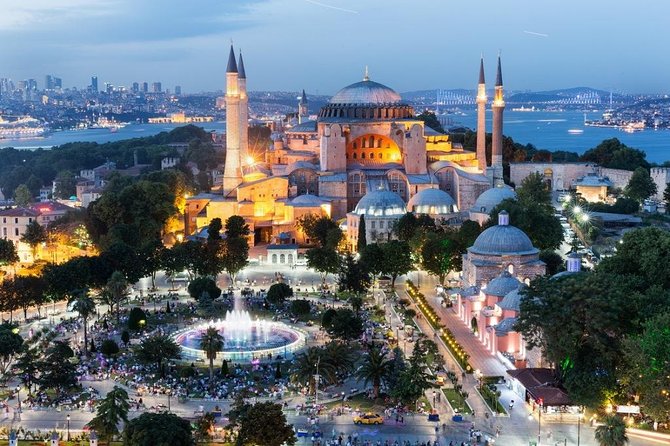
- Hagia Sophia’s layered past: Roman-era church, Byzantine centerpiece, and later an Ottoman imperial mosque turned museum.
- Basilica Cistern’s scale: a 6th-century water filtration system tied to the Great Palace of Constantinople.
- A short, focused afternoon: get major sights in about half a day without committing to a full itinerary.
- Grand Bazaar shopping time: 61 streets and 3,000+ shops, with the chance to bargain if you want.
- Small group logistics: hotel pickup and drop-off plus a max group size of 14.
The Big Idea: Istanbul’s Four Empires, Not Just Photo Stops
What makes this tour work is the framing. Your guide tells the story of Istanbul serving as the capital of four empires over thousands of years: Roman (330–395), Byzantine (395–1204 and 1261–1453), Latin (1204–1261), and Ottoman (1453–1922). That matters because Istanbul can feel like a pile of landmarks unless someone helps you see the pattern.
I like how the tour keeps the focus on the “imperial” side of the city—power, engineering, and changing religious life—rather than only chasing crowds and selfies. You see the buildings first, then the context lands in a way that’s easier to remember.
The key is to stay honest about what you want. If your goal is pure sightseeing with minimal shopping distractions, you’ll have a better day if you’re firm about what you will and won’t do (more on that later).
You can also read our reviews of more shopping tours in Istanbul



Price and What You’re Really Paying For
At $110 per person for about 4 hours, you’re paying for three things: a guide, transport (air-conditioned minivan), and skip-the-line convenience where available, plus included admission for at least the Basilica Cistern.
Two practical details you should know up front:
- Hagia Sophia admission is not included in the tour pricing details you’re given.
- Basilica Cistern admission is included.
So your value equation looks like this: you’re not only paying to “get in.” You’re paying to get orientation fast, understand what you’re seeing, and avoid wasting your limited afternoon to figure everything out.
If you already know you’ll spend time inside Hagia Sophia and under the cistern, the price starts to make sense. If you mainly want a casual bazaar wander with no history, this may feel pricier than you need.
Getting There: Sultanahmet Pickup, Start Time, and Group Size
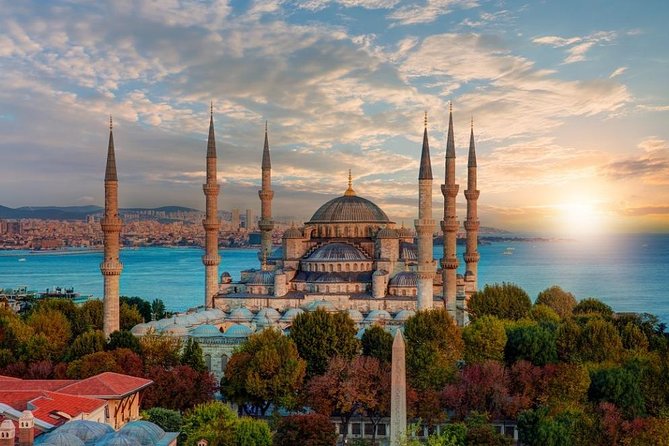
This is an afternoon tour with a start time of 1:00 pm, and it’s built around hotel pickup and drop-off in the Sultanahmet area. Your guide shares contact details before the day so you can meet at a specific location within Sultanahmet.
Because the meeting point is not always exactly at your hotel door for everyone, do yourself a favor: arrive early at the designated pickup spot and keep your phone handy. One of the recurring issues people ran into was simply not being able to connect quickly if timing got messy.
The group size is a maximum of 14, which usually helps. With smaller groups, it’s easier for a guide to keep everyone moving and answer questions before you hit the maze-like parts of the day.
Hagia Sophia: From Justinian’s Church to a Mosque to a Museum
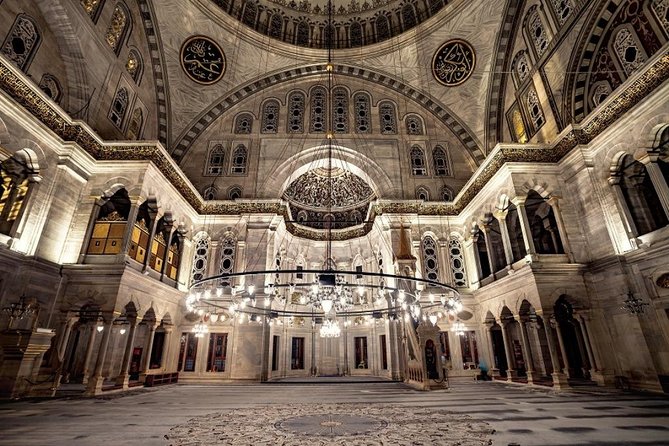
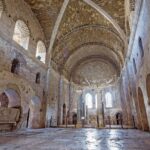
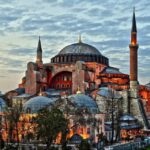
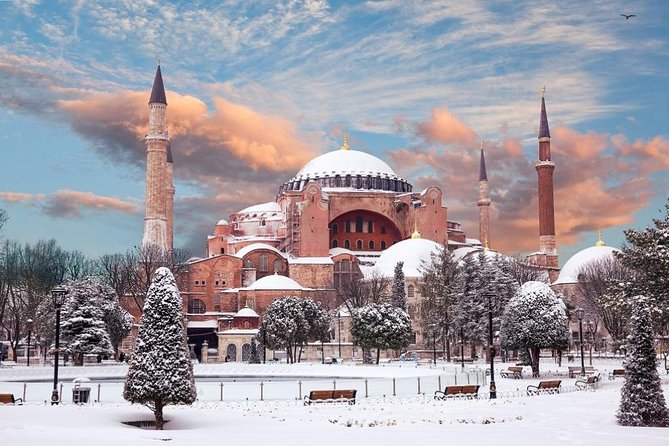
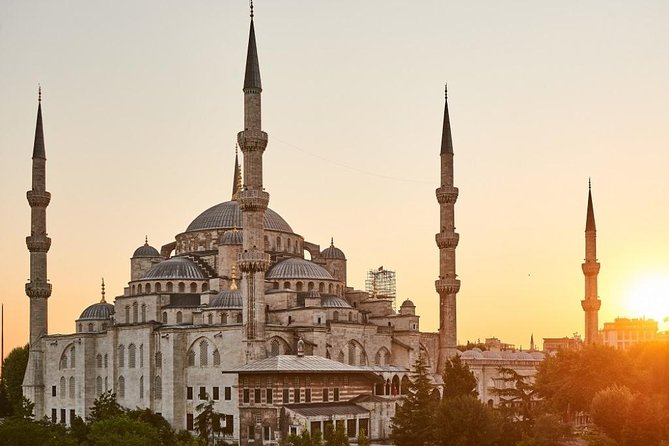
Hagia Sophia is the headliner, and the tour treats it like one. The building was constructed in the 6th century by Roman Emperor Justinian as a Greek Orthodox church when the city was known as Constantinople. It later became a major seat of Christian life and remained one of the largest basilicas in the Christian world for centuries.
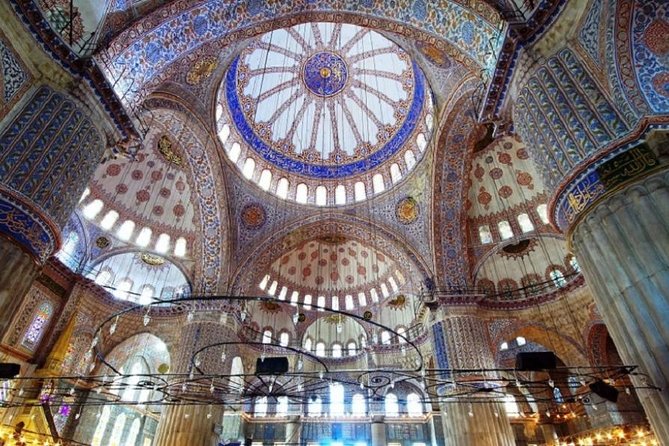
After the Ottoman conquest, Hagia Sophia was converted into an imperial mosque. Today, it operates as a museum (since the early 20th century), and you’ll walk through the dome and see the famous Byzantine mosaics that show how many layers of belief and politics shaped the same space.
What you should aim to notice
- The scale of the dome and how it visually “holds” the interior.
- The mosaics and the way the decoration tells different stories than the architecture alone.
- How the guide connects Roman/Byzantine design choices to what the Ottomans kept and changed.
You can also read our reviews of more tours and experiences in Istanbul



Day-of-week rule (important)
On Mondays, Hagia Sophia is closed. The tour swaps it with Chora Museum. So if Hagia Sophia is your top priority, avoid Mondays if you can.
Basilica Cistern: Underground Engineering and Palace Life

Just a short walk away, you go underground to the Basilica Cistern. This is not a random “cool cave stop.” It was built in the 6th century as a water filtration system for the Great Palace of Constantinople. The point of the cistern wasn’t tourism. It was survival and comfort for an imperial center.
What you’ll like here is the mix of engineering and atmosphere. Your guide explains why something this enormous existed underneath the palace complex, and the sheer size of the space makes the history feel real fast.
The cistern is described as the largest of hundreds of old cisterns under Istanbul. That scale is the whole experience. Even with the same facts, the room itself changes how you understand the city above it.
If Hagia Sophia is swapped
If you’re traveling on a day when Hagia Sophia changes, the plan may also include either the Basilica Cistern or the Nakkas Cistern depending on availability. Either way, the underground theme stays the same: Istanbul’s hidden infrastructure.
Grand Bazaar Time: 61 Streets, 3,000+ Shops, and Real Bargaining
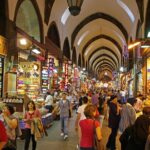
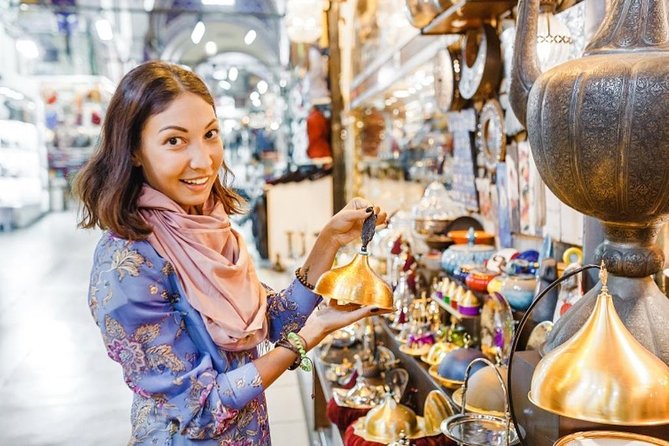
The Grand Bazaar is the chaos you came for, with just enough structure to keep it from being overwhelming. The market dates to the 15th century, when the Ottomans established their reign, and it became a major trade center.
Inside you’ll see shops selling jewelry, pottery, spices, leather goods, and fine carpets. The tour includes time to explore some of the market’s 61 streets and 3,000+ shops.
How to shop smart (and stay sane)
If you want souvenirs, this is the moment. But keep your expectations realistic:
- You can bargain, but don’t bargain if your heart isn’t in it. You’ll just feel tired.
- Set a quick target before you go in—what you want, what you’ll pay attention to, and what you want to skip.
- Watch your belongings. This is a crowded market, and your biggest enemy here is distraction.
Closure rule
On Sundays, the Grand Bazaar is closed (and also closed on religious holidays). When that happens, the tour adds extra time to the other landmarks instead of visiting the bazaar.
In at least one case, a guide replaced it with the spice bazaar/market area. So if you’re seeing the bazaar on a Sunday in the city regardless, don’t assume it’ll be the same stop as usual.
The Carpet Weaving Stop: Where the Tour Can Go Off-Track
This is the part that divides people.
A common pattern on this tour includes a carpet weaving demonstration and/or a carpet shop visit. Some guides keep it short. Others turn it into a long sales pitch. The uncomfortable version of this day usually looks like: you expect history and shopping time, then suddenly you’re stuck for a long stretch while sellers try to pressure you to buy.
The upside is that you might see how carpets are made and learn what the different materials and weaving styles are. The catch is time. When the pitch runs long, it squeezes out the time you want for Hagia Sophia, the cistern, and a relaxed bazaar browse.
How I’d handle it (so you still enjoy your afternoon)
- Treat it as optional: say early that you’re skipping any extended presentation.
- If they offer tea or coffee, take the short pause, not the full sales cycle.
- Have a clear plan for your day: how much shopping time you want at the end, and when you want to leave.
If you know you strongly dislike shopping pitches, this is the one reason you might want to choose a different tour—or go with a format that doesn’t include a shop stop.
Guide Matters: From Clear History to Hard-to-Hear Pacing
This is a guide-led tour, and the guide experience can vary a lot. Some guides bring the sites alive with strong explanations and help you navigate the Bazaar so you’re not just dropped into a maze.
I’ve seen names like Gulay, Katerina, and Uly come up in guide experiences connected to this itinerary. When a guide keeps the group together and talks at a volume you can actually hear, your time inside Hagia Sophia and the cistern feels more rewarding.
There are also practical hiccups to watch for:
- Some people reported that the guide was hard to hear because there were no headphones.
- Some people felt they spent too much time “waiting at exits” rather than guiding.
- Some guides guided well early, then released the group into the Grand Bazaar without much structure.
Your best move
In the Grand Bazaar, pick a meeting point and a time window before you’re set free. If you don’t, you can lose momentum fast in a maze of stalls.
Also: if you’re in the back of the group anywhere, don’t assume you’ll hear everything—stand closer when possible.
What the Stops Add Up To (and Where Time Can Slip)
On paper it’s about 4 hours. In real life, the day can run shorter or longer depending on crowds, how long the shop stop runs, and closures.
Here’s a realistic “what adds up to what” way to think about it:
- Hagia Sophia: usually the emotional and architectural peak of the tour.
- Basilica Cistern: the calm, cool counterpoint underground.
- Grand Bazaar: your flexible time, but it can feel rushed if you’re stuck in another presentation first.
That’s why you should mentally budget your afternoon with one “wild card”: the carpet stop and any extra time needed due to closures.
If you arrive hungry, grab food beforehand. Food and drinks are not included unless specified, and the bazaar can be a late and busy place to try finding a calm snack.
Who This Tour Suits Best
This tour is a good fit if:
- You want Istanbul’s imperial story in a short window.
- You’re excited to compare how the same space and city layers evolved under different empires.
- You’re okay with shopping time at the Grand Bazaar and don’t mind bargaining.
It may not be your best match if:
- You strongly dislike being funneled into a shop presentation.
- You want maximum time inside Hagia Sophia and the cistern with no detours.
- You’re easily stressed by crowds and getting separated inside the bazaar.
It’s also not recommended for children aged 4 and under, and children 18 and under must be accompanied by an adult.
Should You Book This Imperial Istanbul Half-Day Tour?
I’d book this when you’re traveling with limited time and want the city’s imperial layers explained while you’re actually standing in the places. Hagia Sophia and Basilica Cistern are the main wins, and the tour’s short duration makes those highlights feel efficient.
I’d think twice if you hate sales pitches or you’re the type who loses patience when a “quick stop” stretches longer than expected. If you do book it, go in with a plan: be ready to skip the extended carpet presentation, set a meeting point for the Bazaar, and keep your phone ready for pickup timing.
If you get the pacing right, you come away with a real sense of how Roman, Byzantine, Latin, and Ottoman power shaped Istanbul’s architecture—not just a pile of landmarks.
FAQ
What time does the tour start, and where do I meet?
It starts at 1:00 pm. The meeting point is in the Sultanahmet area, often near the Four Seasons Hotel Istanbul at Sultanahmet, and the exact location within Sultanahmet is determined by your guide.
Is hotel pickup and drop-off included?
Yes. The tour includes hotel pickup and drop-off, and you travel by air-conditioned minivan.
Is admission included for Hagia Sophia and the Basilica Cistern?
Basilica Cistern admission is included, while Hagia Sophia admission is not included based on the tour details.
Is the tour offered in English?
Yes, it’s offered in English.
What happens if I visit on a Monday?
On Mondays, Hagia Sophia is closed, and it is swapped with the Chora Museum.
When is the Grand Bazaar closed during this tour?
The Grand Bazaar is closed on Sundays and on religious holidays. If that happens, extra time is allocated to the other landmarks instead.