REVIEW · COOKING CLASSES
Istanbul: Vegan/Vegetarian Cooking Class with Locals at Home
Book on GetYourGuide →Operated by Lokal Bond · Bookable on GetYourGuide
Cooking in a home feels like Istanbul proper.
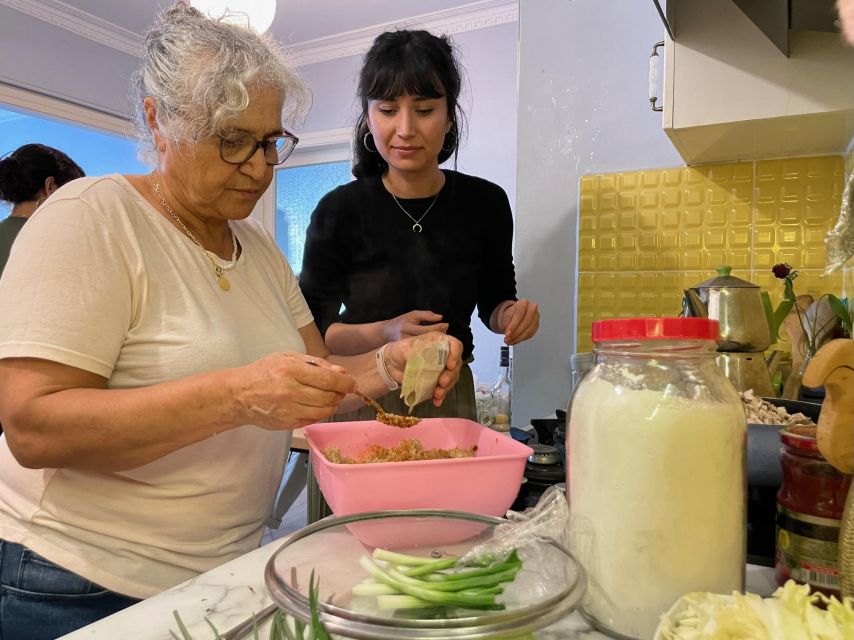
This vegan/vegetarian Istanbul cooking class puts you in a cozy local kitchen near Taksim, then turns the night into food and real talk. I like that it’s small (up to 6), so you’re not stuck watching from the edge of the room, and the menu focuses on classic Turkish favorites made plant-based.
The big payoff is hands-on learning: you’ll work through dishes like vegan manti, dolma, and a vegan twist on street-food flavors, then sit down together for the meal you helped create. One thing to consider: because it’s in a private home, you’ll want to be comfortable with an informal setup and finding the place (the meeting point uses a bell at the number given).
In This Review
- Key reasons this Istanbul vegan cooking class works
- A home kitchen near Taksim, without the tourist script
- The first hour: tea, conversation, and getting your bearings
- Vegan Kokoreç: the street-food idea, reworked for plant-based cooking
- Homemade Mantı dumplings: where the class gets truly hands-on
- Dolma: stuffing technique, sauce balance, and the repeatable method
- How you’ll learn plant-based Turkish cooking beyond a single menu
- What the meal feels like at the table
- Small group and language: you’ll get more than instructions
- Price and value: what you’re really paying for at $106
- Who should book this Istanbul vegan/vegetarian cooking class
- Should you book it?
- FAQ
- What’s the duration of the Istanbul vegan/vegetarian cooking class?
- How many people are in the group?
- Where does the class take place?
- How do I find the meeting point?
- What languages are spoken during the class?
- What kinds of dishes will I learn to cook?
- Is the class vegan and vegetarian only?
- What’s the cancellation policy?
Key reasons this Istanbul vegan cooking class works
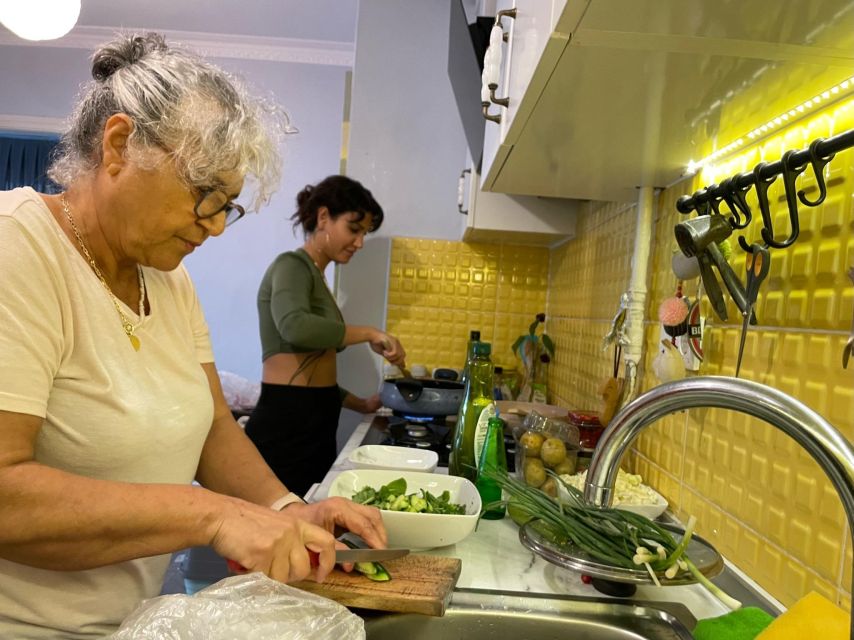
- Home-hosted setting near Taksim for an evening that feels local, not staged
- Small group (max 6) so you actually get to cook, not just taste
- Plant-based adaptations of Turkish classics with practical flavor logic
- Hands-on manti, dolma, and vegan street-food style dishes from scratch
- Tea, warm conversation, and culture sharing that turns cooking into an experience
A home kitchen near Taksim, without the tourist script
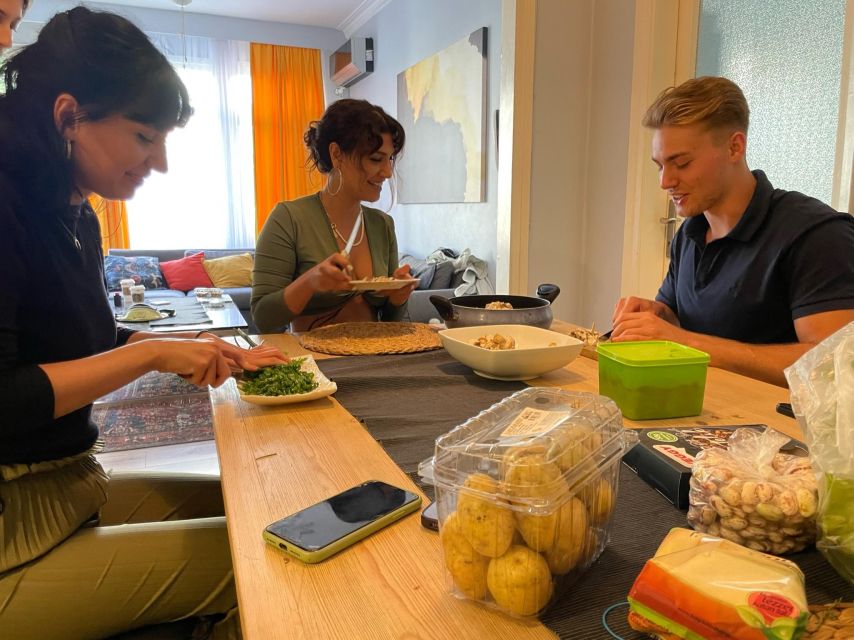
Istanbul has plenty of food tours. This one is different because it happens at a real home, not a demo kitchen or classroom. You start near Taksim, which is one of the most central areas of the city, so it’s easy to fold into an evening without adding lots of extra transit.
The cozy setup matters. When you cook in someone’s home, you’re not just learning recipes; you’re picking up how people think about food at the table. You’ll likely notice that the host/instructor keeps the vibe relaxed, with conversation that flows while your hands stay busy.
You can also read our reviews of more tours and experiences in Istanbul

The first hour: tea, conversation, and getting your bearings
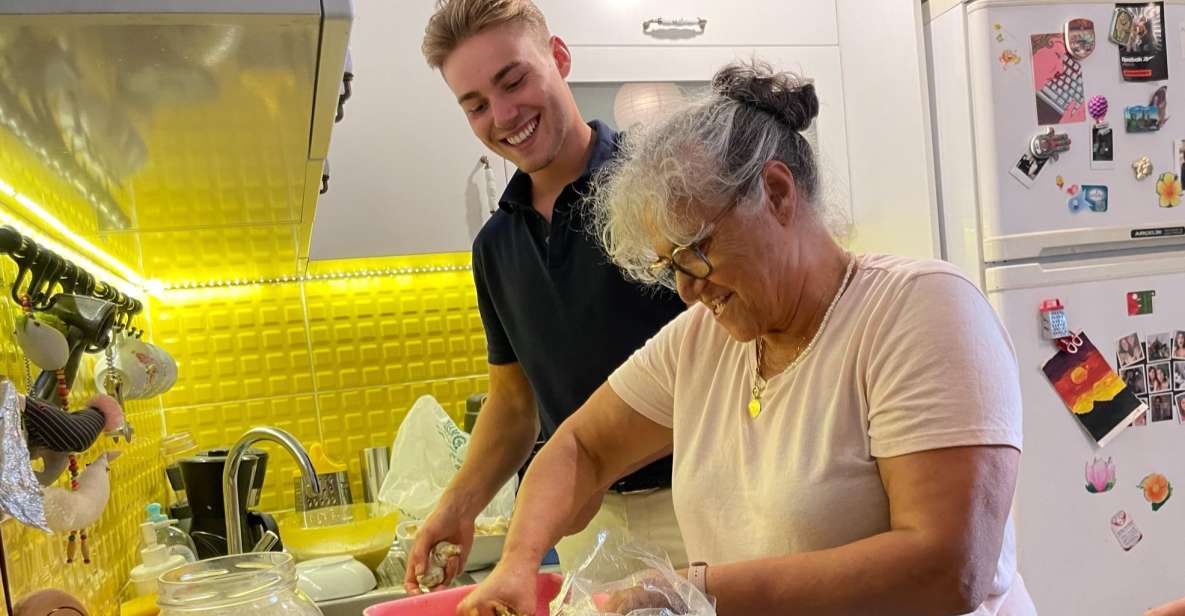
You’ll begin with a warm welcome, usually with tea or coffee, plus a bit of chat before the cooking ramps up. This is the part I’d call the “tone-setter.” You get comfortable fast, and it also helps if you’re trying to figure out Turkish cooking basics and ingredient names in English.
Then you move into prep side-by-side with your instructor. The class format is straightforward: work together, learn by doing, and keep tasting as you go. That approach is especially useful with vegetarian and vegan Turkish cooking, because tiny choices (spice level, acid, herb balance) make a big difference.
Vegan Kokoreç: the street-food idea, reworked for plant-based cooking
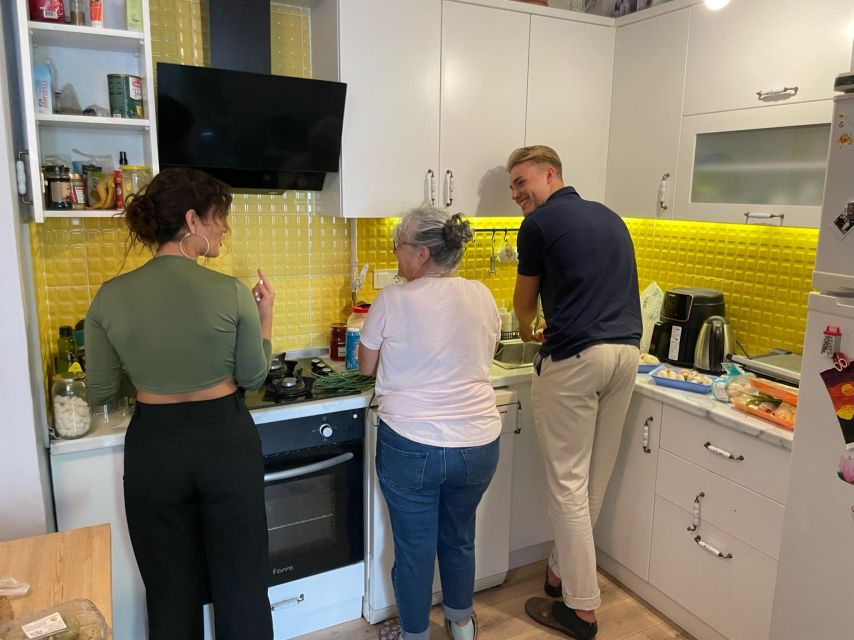
One of the standout menu items is vegan Kokoreç, described as a twist on classic street food. That’s a great clue about what you’re really learning here: not just how to follow steps, but how Turkish street flavors translate when you remove meat.
Expect this dish to focus on texture and seasoning—things like how to build a savory base, how to layer spices, and how to keep it satisfying without the original ingredient. If you’ve ever wondered why some vegetarian versions taste more like dinner than like a salad, this is the lesson that points the way.
It’s also a smart choice for a cooking class. Street food usually has a short attention span in its flavor profile. Here, you learn how to slow it down enough to recreate it thoughtfully in a home setting.
Homemade Mantı dumplings: where the class gets truly hands-on
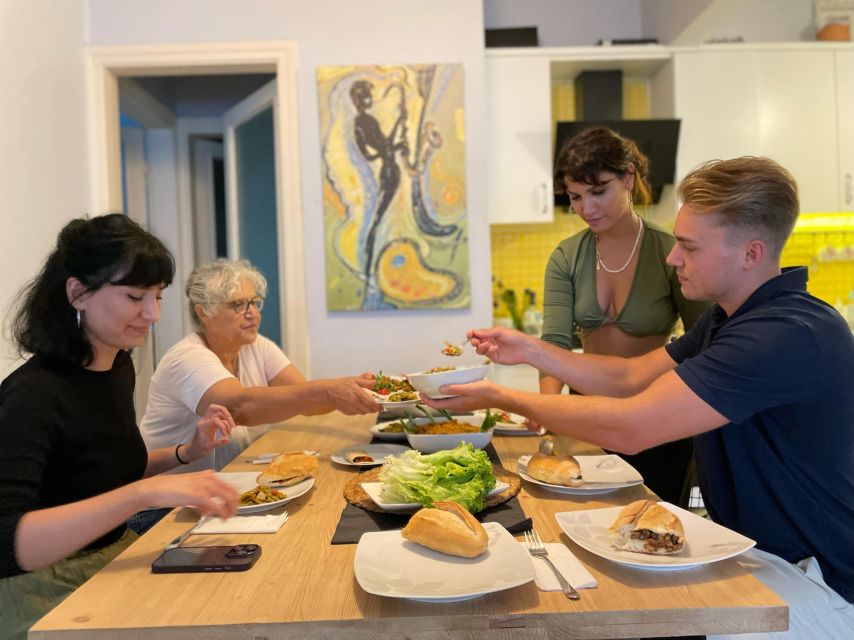
If you want one dish that summarizes why this class earns high marks, it’s homemade Mantı. This is Turkish dumplings, and you’ll be making them from scratch in a plant-based way.
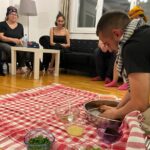
Mantı is not the easiest thing to do at home—and that’s exactly why it’s valuable. You’ll learn the core mechanics: assembling the dough or dumpling base (as taught in the class), creating a filling, and forming dumplings. The shaping part may take patience, but that effort is what turns a recipe into a skill you can repeat later.
This is also the moment where plant-based adaptation becomes clear. You’re not only swapping ingredients; you’re keeping the flavor structure: savory filling, comforting dumpling texture, and the finishing sauce idea that makes Mantı feel complete.
Dolma: stuffing technique, sauce balance, and the repeatable method
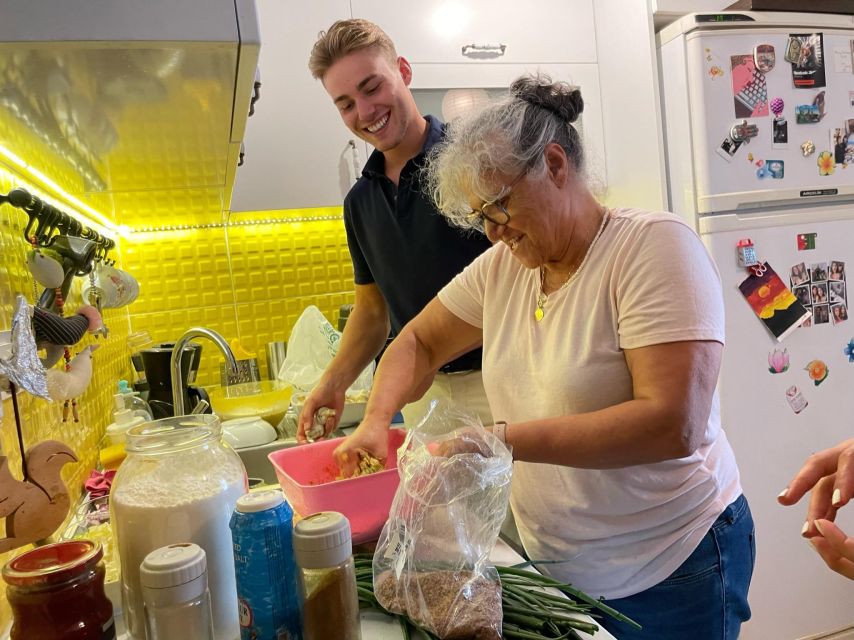
Dolma is another classic you’ll cook, and it’s one of the best teachers of Turkish flavor logic because it’s built around a repeatable method: stuffing + cooking + finishing. In a vegan/vegetarian format, you’ll learn what to focus on so the filling tastes rich enough without meat.
Dolma also trains your instincts about balance. You need enough aromatics for depth, enough salt and spice to carry flavor through cooking, and a sour note (often from ingredients like tomato or other acidic elements) to keep it from turning heavy. In a good class, you’ll be guided through those choices rather than handed a single rigid rule.
The result is practical. Once you understand the stuffing method, you can adapt it to different vegetables and even different “vegetarian-only” preferences on future meals.
You can also read our reviews of more cooking classes in Istanbul
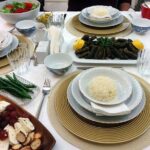
How you’ll learn plant-based Turkish cooking beyond a single menu
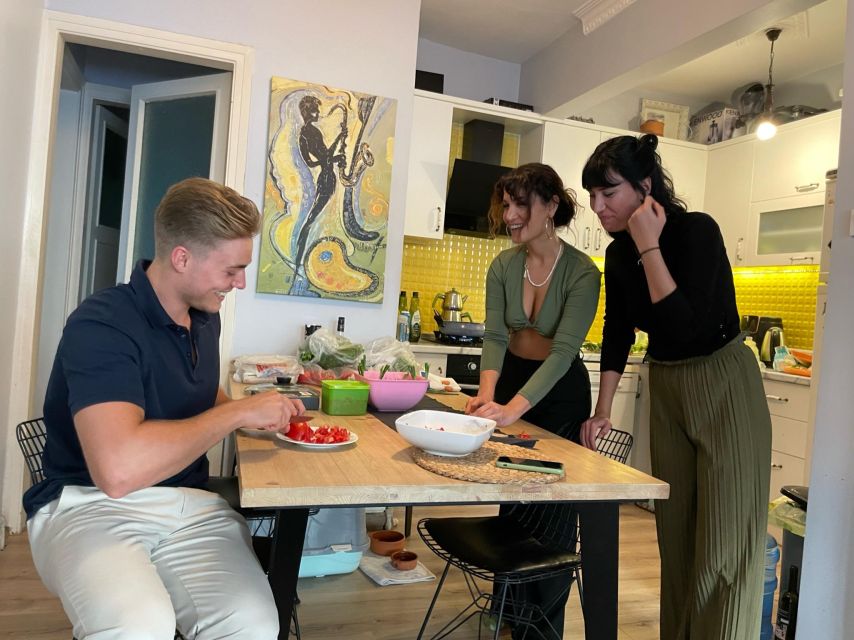
This is a vegan/vegetarian cooking class, but the real value is how it teaches adaptation. Turkish cuisine includes plenty of naturally vegetarian dishes, and others become vegan with ingredient changes that are simple once you understand the why.
In this class, you’ll be working with traditional recipes and then shifting them into plant-based versions. That means you’re practicing the same thinking you’ll use after the class:
- Build savoriness without meat
- Keep sauces flavorful and not bland
- Use herbs and spices as the backbone, not just decoration
- Adjust texture so it feels like the dish you expect
That matters if you’re visiting Istanbul and want to take something home. You’re leaving with a method, not only a list of dishes.
What the meal feels like at the table
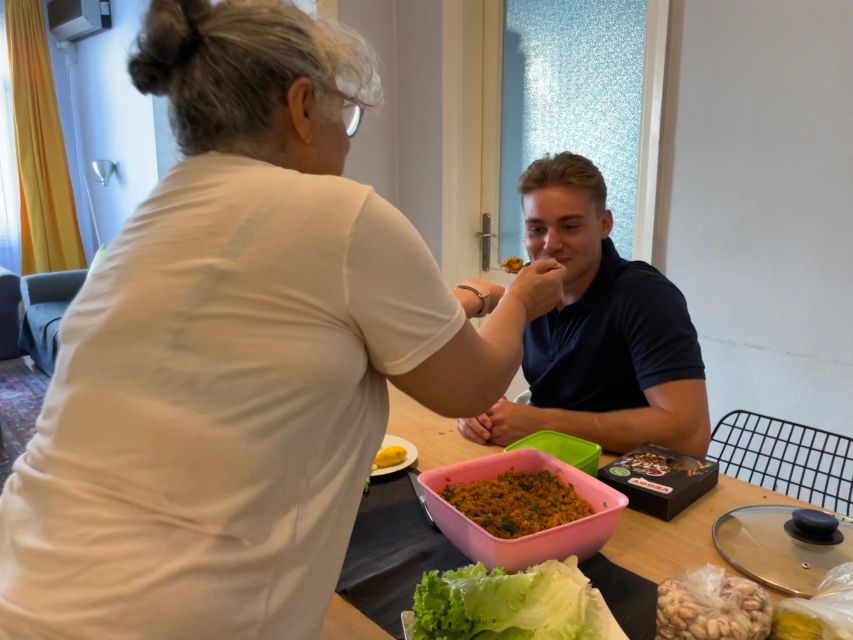
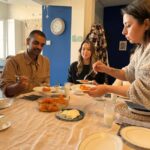
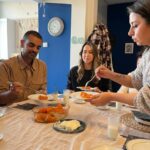
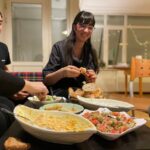
Cooking classes can sometimes end in a “tasting plate” that barely resembles a dinner. Here, the goal is a shared meal. After you cook side-by-side, you sit down and eat what you made, which makes the whole evening feel more like being invited over than attending a performance.
This social piece is a core part of the experience. The instructor/home host style described in the provided info leans warm and conversational, and you’ll get a culture exchange alongside the food.
If you care about learning how locals talk about their city, this is one of the better setups. Food becomes a natural bridge: questions come up without you needing to force them.
Small group and language: you’ll get more than instructions
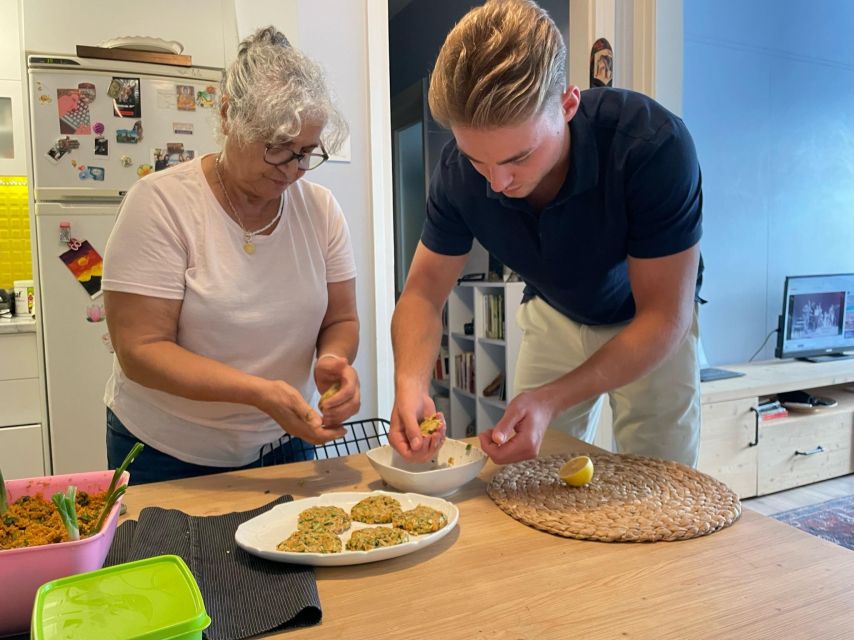
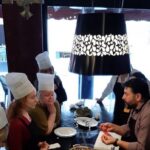
This class is limited to 6 participants, which is a big deal for hands-on cooking. In a larger group, one person handles the dough while everyone else waits. In a small group, you’re more likely to get your hands on key steps, ask questions mid-process, and taste at the right times.
Language support is also clear: the instructor speaks English and Turkish. That helps with ingredient names, technique explanations, and any questions you have about how to shop or cook similarly later.
Timing is also tight and friendly for a vacation schedule. The class runs about 2.5 hours, so you can plan a dinner afterward or fit it around other Istanbul sights without losing your whole evening.
Price and value: what you’re really paying for at $106
At $106 per person, the price isn’t “cheap,” but it can be good value if you look at what’s included. You’re paying for a private home setting, a small-group format, instruction in multiple dishes, and a shared meal built around what you cook.
Most importantly, you’re paying for time with someone who can teach the dishes in a practical way. The cost covers more than recipes on paper. It covers the coaching that helps you shape dumplings, stuff dolma, and build plant-based versions that actually taste right.
If you enjoy cooking, this price tends to make sense. If you only want to taste a couple things with minimal hands-on time, you might find it less aligned. Think of it as a “skills + dinner” ticket, not a snack tour.
Who should book this Istanbul vegan/vegetarian cooking class
This is a strong match if you want:
- A hands-on vegan/vegetarian Turkish cooking experience in a local home
- A chance to learn dishes like manti, dolma, and a vegan take on street-food flavors
- An evening with conversation and culture exchange, not just a cooking demo
- A smaller group setting where you’re not stuck as an observer
It’s also a good fit if you’re central-hotel based and want something near Taksim that’s easy to schedule. And if you’re traveling with dietary preferences, this kind of class is often less stressful than trying to “special order” across multiple restaurants.
Should you book it?
I’d book it if you want a memorable Istanbul night with real food skills, not just a meal. The combination of a cozy home setting, small-group coaching, and multiple classic dishes adapted into plant-based versions gives you both comfort and competence.
I’d hesitate only if you dislike home-based experiences or you’re expecting a big sightseeing day. This isn’t a market tour or a multi-stop excursion. It’s an intimate cooking evening, built around teaching and eating.
If your ideal Istanbul memory involves hands-on cooking and warm conversation, this one is worth your time.
FAQ
What’s the duration of the Istanbul vegan/vegetarian cooking class?
The class lasts about 2.5 hours.
How many people are in the group?
The group is limited to a maximum of 6 participants.
Where does the class take place?
You’ll be visiting the host’s home near Taksim, in a central area of Istanbul.
How do I find the meeting point?
You can call when you arrive or ring the bell number 11.
What languages are spoken during the class?
The instructor speaks English and Turkish.
What kinds of dishes will I learn to cook?
You’ll learn vegetarian/vegan Turkish dishes such as vegan Kokoreç, dolma, and homemade Mantı, plus more dishes.
Is the class vegan and vegetarian only?
Yes, the experience is specifically a vegan and vegetarian cooking class.
What’s the cancellation policy?
Free cancellation is available up to 24 hours in advance for a full refund.