REVIEW · FULL-DAY
Istanbul Full-Day Private Christian (Byzantium) Tour
Book on GetYourGuide →Operated by All Tours Istanbul · Bookable on GetYourGuide
Byzantine Istanbul fits in a single day. This private tour is built for people who want the Christian layers of the city, with stops tied to the Byzantine Empire and Orthodox tradition, not just generic sightseeing. You’ll spend your day looking at art, sacred space, and the way Istanbul’s spiritual power changed over time, in a route that moves efficiently by air-conditioned coach.
I like two things most: the chance to see the Church of St. Saviour in Chora (Kariye) for its famous mosaics and frescoes, and the way the day connects that Byzantine art to modern Orthodox Christianity at Fener Orthodox Patriarchate. One thing to consider first: Chora Church/Mosque is closed until 31 December 2024, so your guide will swap in another site, and that can affect what you were most hoping to photograph.
In This Review
- Key highlights you’ll care about
- The Byzantine-Christian angle that makes this tour different
- Pickup, coach rides, and the value of “private” time
- Chora Church (Kariye): mosaics, frescoes, and why the name matters
- The big catch: renovation closure until end of 2024
- Zeyrek Mosque: a moving piece in the day’s historic rhythm
- Fener Orthodox Patriarchate: where Constantinople’s Christianity still lives
- Hagia Sophia museum time: scale, symbolism, and practical planning
- Tickets are not included
- Basilica Cistern (Yerebatan Sarayı): the cool reset under Justinian I
- Price and logistics: is $413 per person worth it?
- What to do before you go: your quick checklist
- Who should book, and who should think twice
- Should you book this Byzantine Christian day tour?
- FAQ
- How long is the Istanbul Full-Day Private Christian (Byzantium) Tour?
- What’s included in the price?
- Are Hagia Sophia tickets included?
- Where does hotel pick-up work?
- Is the tour guide available in multiple languages?
- Is Church of St. Saviour in Chora (Kariye) always included?
- Is this tour suitable for wheelchair users?
Key highlights you’ll care about
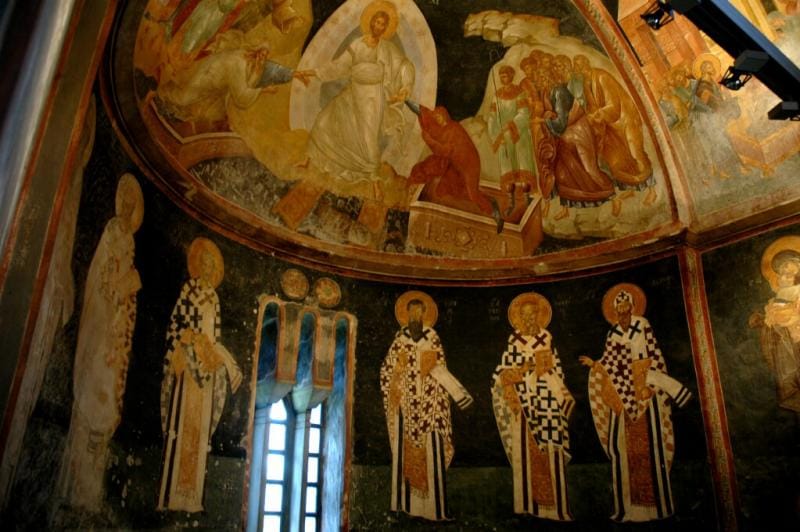
- Church of St. Saviour in Chora (Kariye): famous Byzantine mosaics and frescoes, plus the meaning of Kariye outside the original city walls.
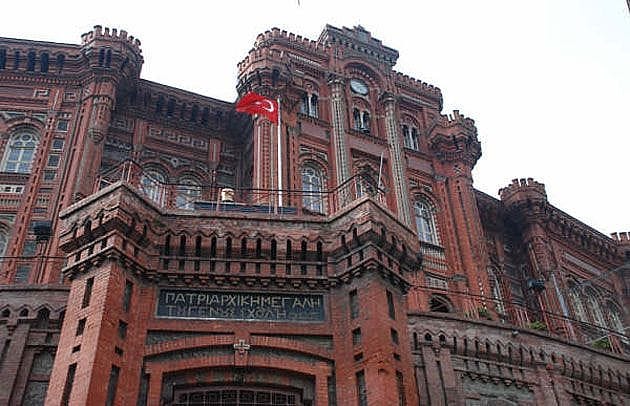
- Fener Orthodox Patriarchate: the Ecumenical Patriarchate of Constantinople, presented as Orthodox Christianity since Constantine the Great.
- Hagia Sophia museum stop: a major “Divine Wisdom” moment, with the dome scale explained and perspective time built in.
- Basilica Cistern (Yerebatan Sarayı): a cool, atmospheric underground stop tied to Justinian I’s era.
- Private day with hotel pickup in the European core: designed to cut hassle versus DIY hauling across the city.
The Byzantine-Christian angle that makes this tour different
Most Istanbul day tours either sprint between icons, or focus on one era. This one tries something more specific: it frames the day as Istanbul through Byzantine Christian eyes, then shows how that legacy connects to Orthodox life and sacred spaces that still matter.
The route also makes practical sense. You’re not just dropping you at landmarks and hoping you figure it out. You’re taken by air-conditioned coach, and you start with hotel pickup and drop-off from the European side (specific central areas). That matters in Istanbul, where “just one more stop” can turn into a traffic fight.
The pacing is built for art and atmosphere: you’ll be looking at churches, sacred administration, and major architectural masterpieces—then cooling off underground at the Basilica Cistern.
You can also read our reviews of more private tours in Istanbul

Pickup, coach rides, and the value of “private” time
This is a private group tour with live guiding. That’s not a small detail. When you’re trying to understand Byzantine Christianity, it helps to have a guide connect the dots—why a building mattered, what changed, and what to actually look for.
Transport is also part of the value. You get pickup and drop-off, and you’re traveling by coach between key points. Your pickup is offered as a free transfer only from certain European city-center hotel zones (Sultanahmet-Laleli-Topkapı-Aksaray-Taksim-Sirkeci and Şişli area). If your hotel is outside that zone, you may not be eligible for pickup, so double-check your address before you commit.
Timing wise, it’s an 8-hour day. That’s long enough to do serious looking, but not so long that you lose the thread.
One small note for decision-making: the tour includes entrance fees mentioned in the itinerary, but Hagia Sophia tickets are not included. So you’ll likely need to plan for that cost separately.
Chora Church (Kariye): mosaics, frescoes, and why the name matters
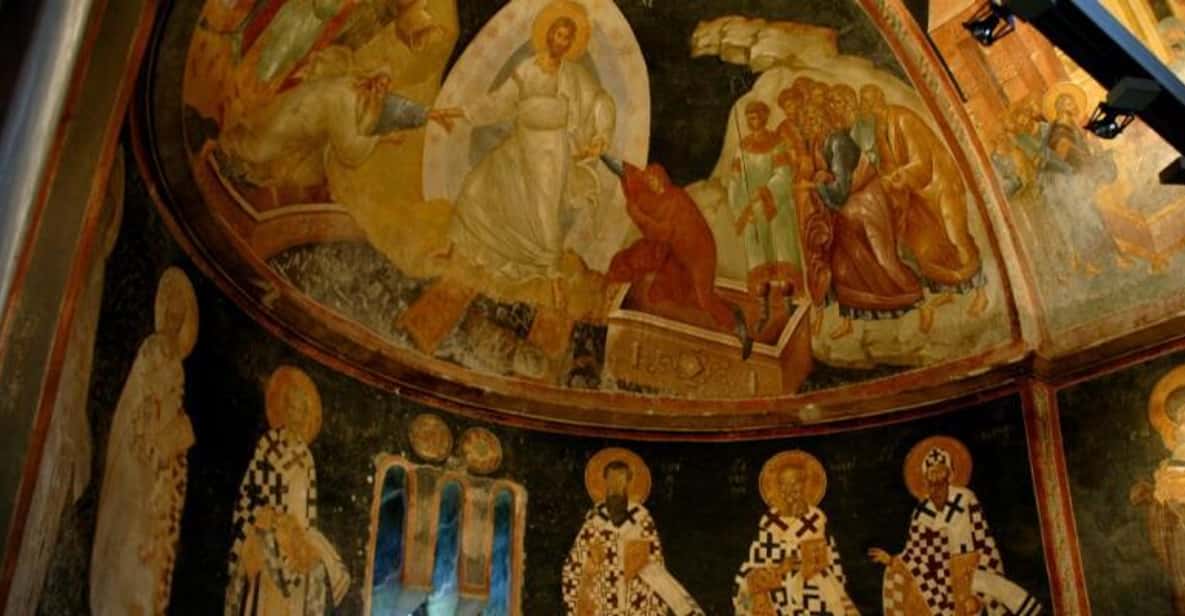
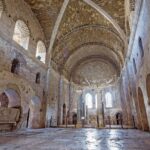
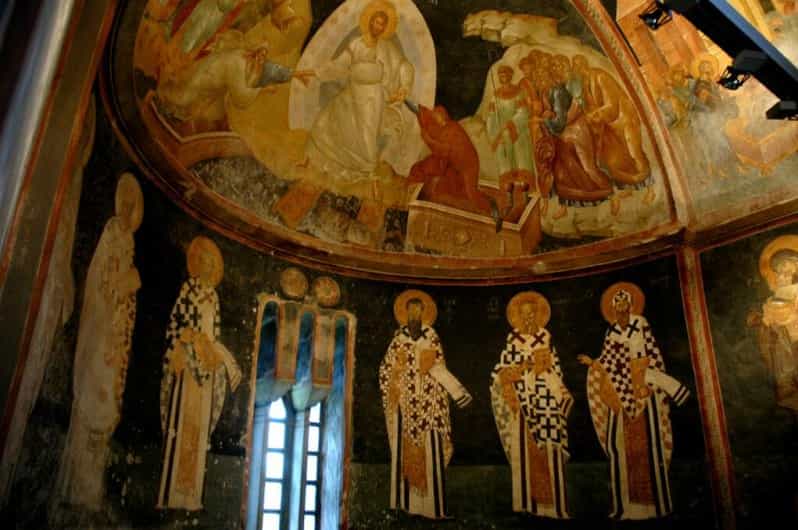
If you care about Byzantine art, this stop is the heart of the day. The Church of St. Saviour in Chora, also known as Kariye, is famous for its mosaics and frescoes. The tour framing is clever here: it doesn’t just say it’s beautiful. It tells you how the site fits the city.
Here’s what you’ll learn that makes your visit click:
- The name Kariye is derived from the ancient Greek word Chora, meaning outside of the city.
- There was said to be a chapel outside the city walls before the 5th century, when those walls were erected.
- It was rebuilt by Justinianus.
- In the Komnenoi era, it served as a court chapel for important religious ceremonies.
That context changes how you look at the place. You start thinking in terms of shifting boundaries—literal city walls, then shifting religious power, then the way art acts like a visual memory.
The big catch: renovation closure until end of 2024
Important for your plans: the Chora Church/Mosque is listed as closed until 31 December 2024 for renovation. Your guide will inform you, and you’ll be offered another place instead.
That replacement could be perfectly satisfying if you’re flexible and want the Byzantine theme overall. But if Chora is your top photo stop, treat it like a must-confirm item. Ask which alternative site is planned for your date, and set your expectations accordingly.
Zeyrek Mosque: a moving piece in the day’s historic rhythm
You’ll also visit Zeyrek Mosque as part of the Byzantine-oriented route. The tour doesn’t provide extra details in the information you have, so I won’t pretend you’ll get a single, guaranteed lesson the way you do at Chora or Fener.
What I can say is this: Zeyrek Mosque functions like a bridge stop—one more historic structure that keeps you in the Istanbul past-country feeling while the day transitions between the bigger-ticket monuments. If you’re the type who likes to see a range of Christian-to-Byzantine-era sites, it fits well. If you want to spend every minute only on the top masterpieces, keep an eye on how much time you’re given here.
You can also read our reviews of more tours and experiences in Istanbul




Fener Orthodox Patriarchate: where Constantinople’s Christianity still lives
Next up is Fener Orthodox Patriarchate, also described as the Ecumenical Patriarchate of Constantinople. The tour frames it as the seat of Orthodox Christianity since Constantine the Great’s declaration of Christianity as the religion of the Roman Empire.
Even if you’ve visited Istanbul before, this is the kind of stop that changes your understanding of “history” on paper. The Byzantine story isn’t just about ruins and art panels. It’s also about institutions and continuity—who leads, who preserves, and why Istanbul remained spiritually central for centuries.
For many visitors, Fener is where the day stops being purely visual and starts being contextual. You’ll likely walk away with a clearer sense of why the city’s Christian identity mattered beyond the medieval era.
Hagia Sophia museum time: scale, symbolism, and practical planning
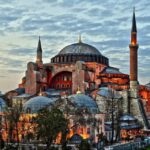
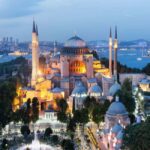
Hagia Sophia is the world-famous icon here, and the tour treats it like more than a photo op. It’s presented as:
- Dedicated to Hagia Sophia, meaning Divine Wisdom
- For centuries, the largest church in the world
- Still holding the 4th largest dome position, listed as behind St. Paul’s in London, St. Peter’s in Rome, and the Duomo in Florence
Whether you know the math of domes or not, the guide explanation helps you look up with intention. You’re not just seeing a huge interior—you’re spotting why Byzantine architects could pull off something that still feels impossible.
Tickets are not included
One practical point: Hagia Sophia ticket costs are not included. So when budgeting, add that on top of the tour price. If you’re traveling at a busy time, it’s smart to avoid arriving completely unprepared, because you don’t want the ticket line to eat your museum time.
Also, since the tour is framed around Christian monuments, you’ll likely get more guidance than a quick wander-through. Still, give yourself patience. Hagia Sophia draws a lot of people for a reason.
Basilica Cistern (Yerebatan Sarayı): the cool reset under Justinian I
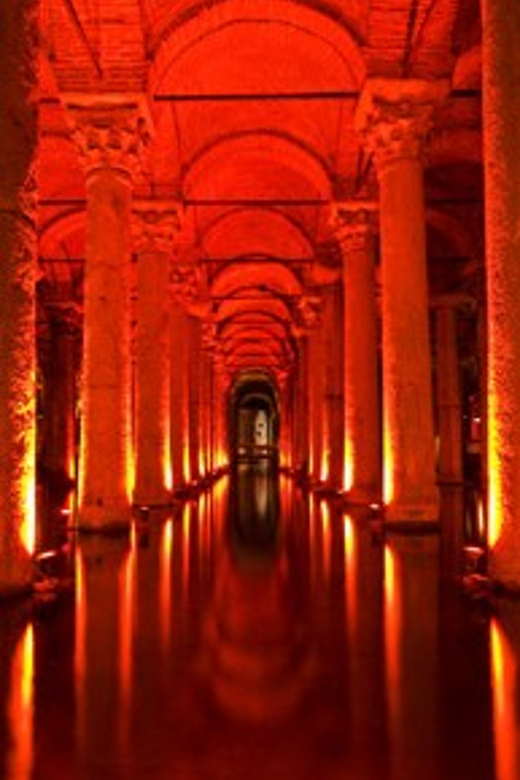
End the day underground at the Basilica Cistern, also called Yerebatan Sarayı, meaning Sunken Palace. The tour description makes the mood clear: it’s the largest of several hundred ancient cisterns beneath Istanbul, and the underground atmosphere dates back to the 6th century reign of Emperor Justinian I.
The location is also pinned down: it’s about 500 feet (150 meters) southwest of Hagia Sophia on the historical peninsula of Sarayburnu. That makes it easier to place in your mental map—you can connect the surface icon (Hagia Sophia area) with the water infrastructure that kept the city running.
This stop is a smart endcap for a Byzantine-Christian day. You’ve spent hours thinking about sacred spaces and power. Then you get a different kind of Byzantine achievement: the engineering that supported daily life while the empire shaped spiritual identity.
Price and logistics: is $413 per person worth it?
The tour price is listed at $413 per person for an 8-hour private experience. That’s not “cheap,” but it’s not automatically overpriced either. The value depends on what you get beyond your ticket costs.
Here’s what you’re paying for that makes sense:
- Hotel pickup and drop-off from eligible European city-center hotels
- Air-conditioned coach transportation
- A live multilingual guide
- Entrance fees mentioned in the itinerary (but Hagia Sophia tickets are not included)
- A private group format, which often means less stress and fewer waiting moments
What’s not included:
- Lunch
- Personal expenses
- Hagia Sophia museum ticket
So, when deciding if it’s worth it, I’d calculate this way: if you would have paid for a guide plus transport plus multiple entries anyway, this can be a smoother deal. If you’re a budget traveler who prefers roaming alone, you could spend less—but you’d also lose the guided “why this mattered” thread that ties Chora, Fener, Hagia Sophia, and the cistern together.
What to do before you go: your quick checklist
You’ll want to show up ready for walking and indoor time. Bring:
- Passport or ID card
- Comfortable shoes
- Sunglasses
- Camera
And plan for rules:
- No pets
- Non-folding wheelchairs not allowed (and this matters because the data also says not suitable for wheelchair users—more on that below)
Who should book, and who should think twice
This tour fits best if you:
- Love Byzantine Christian art, especially mosaics and frescoes at Chora/Kariye
- Want a guided story connecting Orthodox tradition at Fener to the Byzantine-era icon at Hagia Sophia
- Prefer a full day with pickup and coach transport instead of charting everything yourself
- Care about context, not just “see and move on”
Think twice if:
- You specifically want Chora Church on your date. With the renovation closure through 31 December 2024, you may get a different replacement site instead. Confirm the alternative before you go.
- You’re navigating wheelchair needs. The information you have includes both a wheelchair-accessible note and a statement that it’s not suitable for wheelchair users. That contradiction is exactly why you should contact the provider directly before booking.
One more “real world” consideration: a private tour lives or dies on guide execution. The tour format is designed to be orderly. If a key site is closed, the plan can shift. So ask how the day adapts when Chora isn’t available on your date.
Should you book this Byzantine Christian day tour?
I’d book this tour if you want Istanbul through its Christian-Byzantine lens, and you’re okay planning for the Chora closure and possible replacement. The best version of this day is when you get a strong guide who explains what you’re seeing and why it matters, not just where to stand for photos.
Skip it (or at least shop around) if you only care about Hagia Sophia and you’re trying to keep costs ultra-low. Also, if your mobility needs are complicated, verify suitability clearly before paying.
If you’re excited by mosaics, sacred institutions, and the engineering of Byzantine life, this is a practical way to hit the big targets in one 8-hour private day—without wasting time figuring out logistics on the fly.
FAQ
How long is the Istanbul Full-Day Private Christian (Byzantium) Tour?
It lasts 8 hours.
What’s included in the price?
The tour includes hotel pick-up and drop-off from eligible European city center hotels, plus entrance fees mentioned in the itinerary. Lunch and personal expenses are not included.
Are Hagia Sophia tickets included?
No. The Hagia Sophia ticket is not included.
Where does hotel pick-up work?
Pickup is included only for hotels in specific European city-center areas: Sultanahmet-Laleli-Topkapı-Aksaray-Taksim-Sirkeci and Şişli Area. Hotel location must be within those zones.
Is the tour guide available in multiple languages?
Yes. Live guides are offered in Spanish, English, French, German, Italian, and Russian.
Is Church of St. Saviour in Chora (Kariye) always included?
Chora Church/Mosque is closed until 31 December 2024 for renovation, and your guide will offer another place instead.
Is this tour suitable for wheelchair users?
The information you have includes both a wheelchair-accessible note and a statement that it’s not suitable for wheelchair users. You should confirm suitability with the provider before booking.