REVIEW · ISTANBUL CITY HIGHLIGHTS & PRIVATE TOURS
Istanbul Classics and Highlights: Full Day with Lunch
Book on Viator →Operated by Istanbul Walks · Bookable on Viator
This is the kind of day that lets you see Istanbul’s layers fast. You’ll walk between major UNESCO sights and still have a guide to connect the dots between Byzantine domes and Ottoman power. I love how the route keeps you oriented in Sultanahmet, and how the included lunch break gives you a real reset between monuments. The main catch is simple: it’s a long, mostly on-foot day over uneven old streets.
My other favorite part is the mix of big-name stops with a couple of quieter, often-missed moments like Hagia Irene and the side street between Hagia Sophia and Topkapi. You’re also not stuck decoding the city alone—this is set up so you can follow along without getting lost. The trade-off to keep in mind: crowds can swell around the headline sites, and on some days the flow of the day may shift (for example if Topkapi isn’t available).
Key points to know before you go
- Hagia Sophia + Blue Mosque same day: two different eras, right next to each other
- Small group promise: up to 5, but you’ll still be sharing space with city crowds
- Lunch is included: at Deraliye Ottoman Cuisine Restaurant, with drinks not included
- Topkapi time is guided: entry is included and you get about 2 hours inside
- Grand Bazaar is part of the walk: closed on Sundays, so plan around that
- Comfort matters: expect a long walk and cobblestones—good shoes are non-negotiable
In This Review
- Why this Istanbul classics route works (and where it can feel long)
- Entering Hagia Sophia: from church to mosque to museum (back again)
- Blue Mosque after Hagia Sophia: the skyline effect and the ceiling details
- Between the squares: German Fountain and the Hippodrome’s odd survival
- The lunch reset at Deraliye Ottoman Cuisine (and what’s not included)
- Topkapi Palace in 2 hours: how to make the most of limited time
- Hagia Irene and Sogukcesme Sokak: the calmer side of Sultanahmet
- Grand Bazaar time: shopping without losing the day
- Price and logistics: is $445.55 worth it?
- Practical tips so the day feels smooth (not exhausting)
- Who should book this tour (and who might not)
- Should you book this Istanbul classics tour?
- FAQ
- What’s the meeting point and where does the tour end?
- What time does the tour start, and how long is it?
- Is lunch included, and what about drinks?
- Are Topkapi Palace and Hagia Irene entry fees included?
- Does the Grand Bazaar always stop on the itinerary?
- What’s the cancellation window for a full refund?
Why this Istanbul classics route works (and where it can feel long)
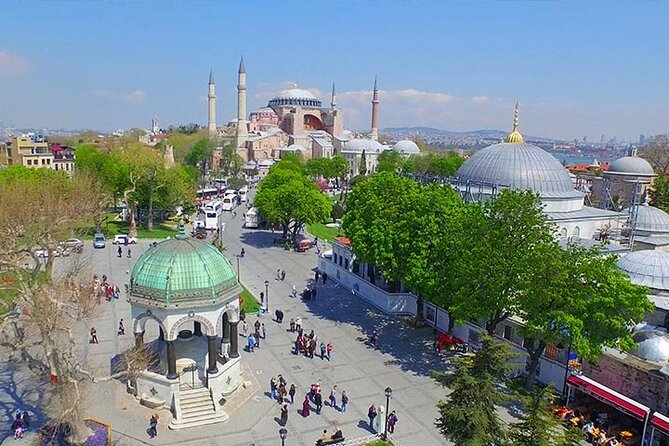
This tour is built like a clean old-city loop. You start at Hagia Sophia (easy to find, central), then spend the morning and early afternoon hopping between the core Sultanahmet monuments. The walking is the real engine of the day—so if you like the feel of moving through neighborhoods instead of sitting on a bus, you’ll get a lot out of it.
The structure is also smart for first-time Istanbul visits. You see the headline sites, but you also get the context to understand why they matter: who built what, what changed, and how the Ottoman world reused or reimagined earlier architecture. Guides on this route often point out little details that you’d miss if you just followed a map.
The one drawback I’d plan for: you’re doing a lot of ground on foot. Even with a guide, you won’t be strolling. Expect roughly a multi-mile day on uneven cobblestones, plus the time it takes to move through security and crowds at the major complexes.
Entering Hagia Sophia: from church to mosque to museum (back again)
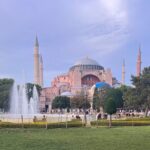
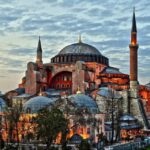
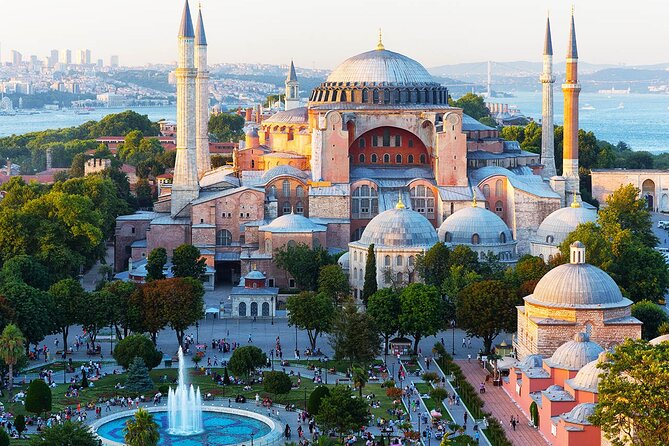
Hagia Sophia is the kind of place where you can feel the weight of centuries before you even read a sign. You’ll begin there and go straight to the heart of what made it famous: the engineering of that massive dome and the way the interior space works.
What I love about visiting with a guide first is that you don’t just look—you understand. You’ll get the story of how it started as a Greek Orthodox patriarchal cathedral, later became an imperial mosque during the Ottoman period, served as a museum starting in 1935, and then reopened as a mosque. That timeline changes how you interpret what you’re seeing, because details that might feel random alone start to make sense in context.
Inside, pay attention to how the building carries Byzantine design while also reflecting Ottoman influence. The guide’s job is to help you see those layers without turning the visit into a lecture. It’s also useful because Hagia Sophia is visually overwhelming at first glance—there’s so much to take in that it helps to have a path through it.
Practical note: because it is now a functioning mosque, expect rules and security checks. Build in patience, and keep your clothing comfortable for standing in a busy site.
You can also read our reviews of more tours and experiences in Istanbul

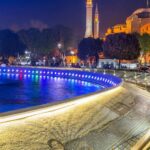

Blue Mosque after Hagia Sophia: the skyline effect and the ceiling details
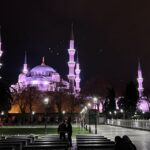
Right across Sultanahmet Square, the Blue Mosque continues the story, but with a different mood. You’ll walk over as the day shifts from Byzantine grandeur into Ottoman design language.
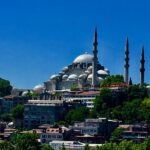
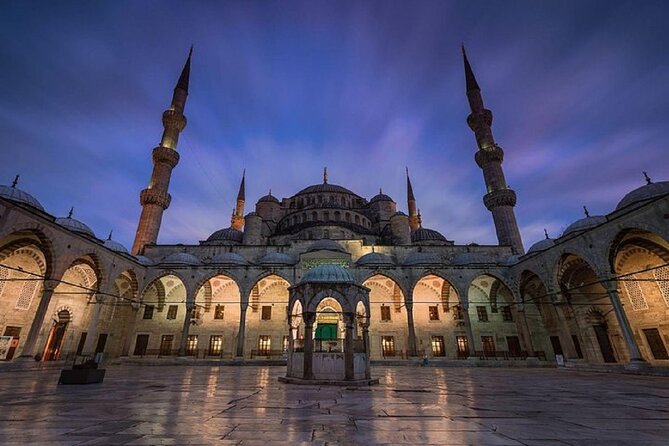
The standout is what you can see fast: the six minarets and the hand-painted blue Iznik tiles inside. Even if you don’t “do art,” the tilework reads like a language. With a guide, you also learn why the mosque was commissioned in the early 1600s and how Sultan Ahmet I—only 19 when he ordered the construction—became the face of this ambitious project.
What you’re listening for here is how the Blue Mosque’s details connect to broader Ottoman identity. The guide helps you look up for the right moments (not just at the big view), so you end up spending time on the ceiling and interior where the tiles do their best work.
A small strategy: if the day is busy, accept that you may be moving with the flow for a while. You’ll still get your moments inside if you stay focused on the guide’s pacing.
Between the squares: German Fountain and the Hippodrome’s odd survival
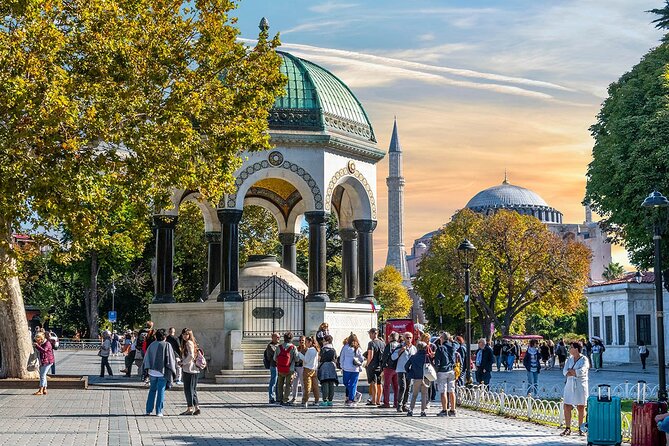
After the big monuments, the tour goes to spots that feel quieter—but aren’t. The German Fountain is a great example: it’s short, easy to miss, and full of political backstory. You’ll hear that it was a tribute from Kaiser Wilhelm II to the Sultan, tied to the relationship between European power and the Ottoman world.
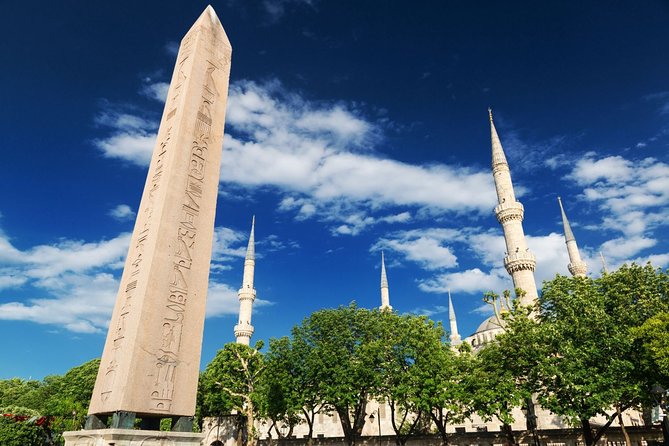
Then comes the Hippodrome—part of the ancient civic center—where you can almost imagine the noise. It was the stage for chariot races and public unrest: political and sporting life mixed together in a way that feels surprisingly modern. The name itself tells you it once revolved around horse racing, and you’ll also hear the Turkish name Atmeydanı, often translated as Horse Square.
This stop works because it gives you a break from pure religious architecture. If you’ve been staring at domes and minarets, the Hippodrome helps the day breathe. It’s also an easy place to ask questions, since the guide can connect the monuments you’ve already seen to the city’s everyday public life.
The lunch reset at Deraliye Ottoman Cuisine (and what’s not included)
After the morning’s walking and standing, lunch comes as a real practical relief. You’ll eat at Deraliye Ottoman Cuisine Restaurant, and the tour includes the Turkish meal.
I like that lunch is placed after the core skyline stops. You’re not stuffed too early, and you don’t go into Topkapi still thinking about what you saw at Hagia Sophia. It’s a good moment to slow down, hydrate, and prepare for the palace section where you’ll spend time inside museums.
One thing to remember: drinks aren’t included. That matters because this area can run hot in the daytime, and the day’s walking adds up. I’d plan on buying water if you need it, or bringing something small if you prefer to control your own hydration.
Topkapi Palace in 2 hours: how to make the most of limited time
Topkapi is where the day shifts from monuments you can photograph to a museum where the guide matters even more. You’ll have around two hours inside, with admission included.
What you’ll want to know before you enter is that Topkapi is not one building—it’s a palace complex with four main courtyards and many smaller sections. You’ll move through the areas where the Ottoman sultans lived and governed, including time spent with historical artifacts and antiquities. The guide will bring you through the major story points: how the complex became the main residence and administrative headquarters, and how it grew over centuries after major events like the earthquake and fire.
In your limited time, don’t try to see everything. Instead, aim to understand the palace logic: courtyards as organizing space, the Imperial Council area as the seat of state decision-making, and the role of the harem space as part of the household world. Even if you just catch the highlights, the palace makes more sense when you know what each section represents.
One real consideration: Topkapi access can vary on certain days. If it’s closed or unavailable, the day’s route may change. So if Topkapi is your must-see, build flexibility into your expectations and consider having a Plan B for what you’ll do if the palace visit can’t happen.
You can also read our reviews of more tours and experiences in Istanbul


Hagia Irene and Sogukcesme Sokak: the calmer side of Sultanahmet
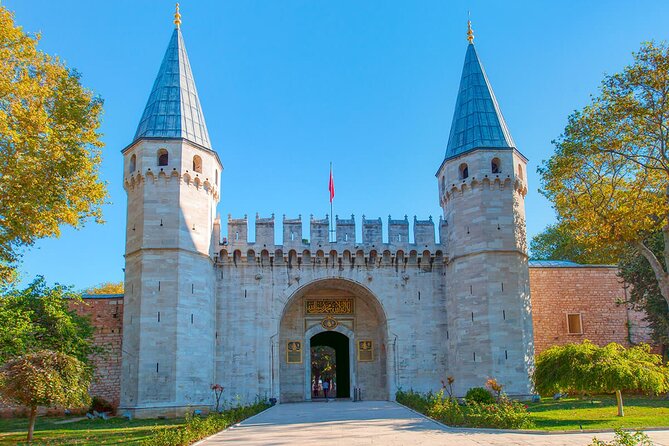
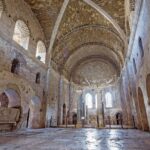
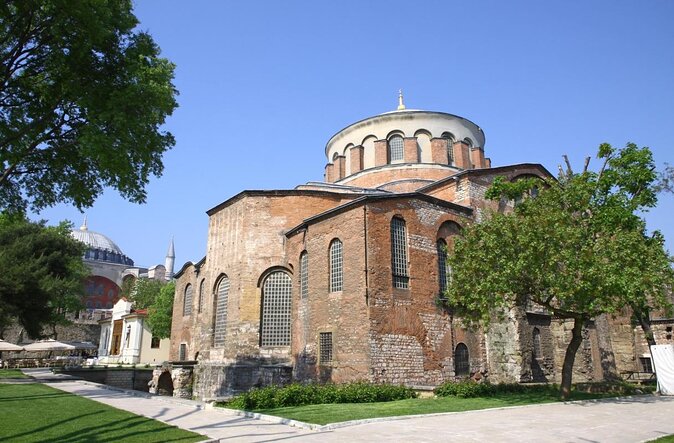
Not every Istanbul tour makes time for Hagia Irene, but this one includes it. It’s located in the outer courtyard area tied to Topkapi and is known as the oldest church of the Eastern Roman Empire. In a day dominated by famous names, Hagia Irene feels like a breather—and it helps you get a more complete view of early Christian Istanbul without repeating the same lesson twice.
You’ll spend about 30 minutes there, and that time is enough to notice the architecture and absorb the historical framing your guide provides.
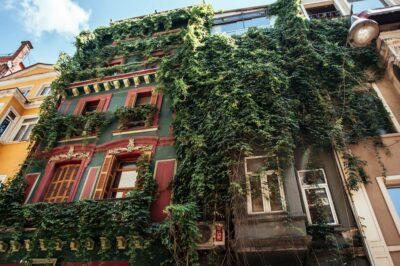
Then you get a quick street walk on Sogukcesme Sokak, the lane between Hagia Sophia and Topkapi with historical houses. This is short, but it’s valuable because it breaks the museum-and-monument rhythm. It also helps you see how the grand complexes sit inside real neighborhoods, not just photo backdrops.
Grand Bazaar time: shopping without losing the day
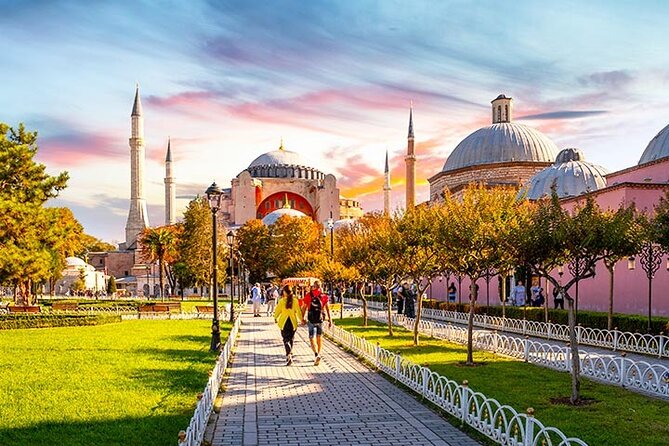
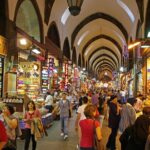
You end up at the Grand Bazaar with a guided approach, which is the key. This market is huge—thousands of stalls across a spread of nearly 60 blocks. Going alone can turn into wandering and decision fatigue fast.
With a guide, you’re not just looking at the first storefront you notice. You get help finding strong sellers and you can focus on what you actually want: handicrafts, local products, and the kind of souvenirs that feel tied to Turkish craft rather than mass production.
Two practical pointers:
- Grand Bazaar is closed on Sunday, so you can’t count on it if your travel dates land there.
- Even with a guide, time inside is limited, so decide what you’re shopping for before you arrive (textiles? ceramics? small gifts?). It keeps the experience fun instead of frustrating.
Price and logistics: is $445.55 worth it?
At $445.55 per person, this isn’t a budget walk. For that price, you’re paying for the “make it easy” layer: a local guide, hotel pickup and drop-off, lunch, Topkapi Palace and Hagia Irene entry fees, and all taxes and fees. Drinks are on you, but the big-ticket items are included.
Is that value? Usually, yes—if you want structure. When you’re paying for guided access to Topkapi plus a prebuilt loop through the main monuments, you’re buying time and confidence. For first-time visitors who don’t want to plan every transit minute and queue step, it’s a straightforward deal.
Where value can feel weaker is if you’re expecting a relaxed pace. This is still a long walking day. And crowds aren’t included in the price—they’re simply part of seeing Sultanahmet in person.
So my take: it’s good value for people who want a guided route with lunch and admissions handled. If you prefer to go at your own tempo, you might spend less by building your own route. But you’ll give up the storytelling and the time-saver of a planned flow.
Practical tips so the day feels smooth (not exhausting)
Here’s how I’d set you up for success:
- Wear good shoes. Expect cobblestones and uneven pavement. This isn’t the kind of walking you do in fancy sandals.
- Bring water. Drinks aren’t included, and you’ll likely drink more in the heat, especially with long outdoor stretches.
- Use the restroom when you can. Breaks aren’t guaranteed between stops, and it can be hard to find quick facilities on old-city routes.
- Plan for crowds. Even with a small-group size promise, the major landmarks attract heavy foot traffic. Your guide can still manage lines and pacing, but you still share the sites with others.
- Be ready for day-of changes. On some dates, access to Topkapi (and the order of stops) can shift. Keep your expectations flexible so you don’t feel blindsided.
Also, if you’re getting hotel pickup, don’t assume you can relax. I’d double-check your pickup details before you head out and be ready at the time window—otherwise you risk starting your day stressed.
Who should book this tour (and who might not)
This tour fits you best if:
- You’re in Istanbul for the first time and want the core Sultanahmet highlights in one day.
- You like walking with a guide who explains what you’re looking at, not just pointing at it.
- You want lunch included, plus Topkapi and Hagia Irene entry taken care of.
It may not be ideal if:
- You hate long walks or uneven pavement.
- You want a slow, low-crowd day with lots of free time in each site.
- You’re very sensitive to schedule changes if one major site becomes unavailable.
Should you book this Istanbul classics tour?
If your priority is an organized, guided loop through Hagia Sophia, the Blue Mosque, Topkapi Palace, Hagia Irene, and the Grand Bazaar, then yes, I think this is worth booking. The pricing is high, but the day is set up so you don’t spend that money on figuring things out—you spend it on seeing and understanding.
Book it if you’ll appreciate a structured day, a real lunch stop, and the convenience of hotel pickup and admissions. If you’d rather wander solo and don’t care about having context for what you see, you can build a cheaper self-guided route. But for many first-time visitors, this is the faster, lower-stress way to get oriented and leave with the city making sense.
FAQ
What’s the meeting point and where does the tour end?
The tour starts at Hagia Sophia Grand Mosque in Sultan Ahmet (Ayasofya Meydanı No:1, 34122). It ends back at the meeting point.
What time does the tour start, and how long is it?
It starts at 9:00 am. The total duration is about 7 hours 30 minutes to 8 hours 20 minutes.
Is lunch included, and what about drinks?
Lunch is included at Deraliye Ottoman Cuisine Restaurant. Drinks are not included.
Are Topkapi Palace and Hagia Irene entry fees included?
Yes. Entrance fees for Topkapi Palace and Hagia Irene are included.
Does the Grand Bazaar always stop on the itinerary?
No. The Grand Bazaar is closed on Sundays, so the visit won’t be possible on those days.
What’s the cancellation window for a full refund?
You can cancel for a full refund up to 24 hours before the experience start time.