REVIEW · ISTANBUL
Best of Turkey-10 Days
Book on Viator →Operated by Tour Altinkum Travel · Bookable on Viator
Turkey can feel huge. This tour gives you a tight route that strings together the big names—Istanbul, Ephesus, Pamukkale, Antalya, and Cappadocia—with guided commentary and real time to look up at the sky and monuments instead of just rushing photos.
I especially like the small-group feel, with a hard cap idea of around a dozen and a max group size listed at 25. And I like that hotels are described as “special class” and centrally located, with air-conditioned vehicle transfers and many meals handled for you.
One consideration: the tour markets an intimate group size, but multiple departures have run larger than the brochure claim, and two planned components can be swapped due to closures (notably the Antalya cable car).
In This Review
- Key takeaways before you go
- Value and what the $1,430 price really buys
- Istanbul airport to hotel: your first hour sets the tone
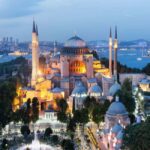
- Hagia Sophia, Basilica Cistern, Blue Mosque, and the old-city core
- Hagia Sophia Grand Mosque
- Basilica Cistern
- Blue Mosque and Hippodrome
- Grand Bazaar
- Spice Bazaar and Bosphorus cruise: Istanbul’s two moods in one day
- Spice Bazaar (Egyptian Bazaar)
- Bosphorus Strait cruise
- Flight to Izmir and hotel transfer
- Ephesus and the House of the Virgin Mary: ancient pilgrimage plus ruins
- House of the Virgin Mary
- Ephesus Ancient City
- Temple of Artemis
- Pamukkale terraces and Hierapolis: a spa myth made visible
- Pamukkale Thermal Pools
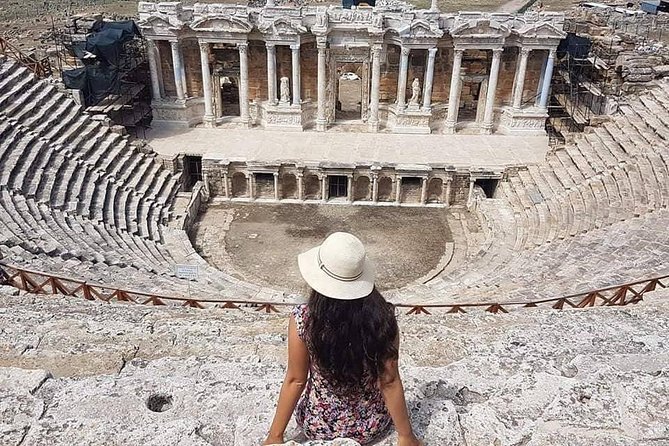
- Hierapolis ruins and Sacred Pool
- Transfer to Antalya
- Antalya waterfall walks and Kaleici old-town time
- Tunektepe cable car: currently not part of this plan
- Upper Duden Waterfalls
- Civelek Sokak and Kaleici free time
- Cappadocia valleys: Rose Valley, Cavusin, Pigeon Valley
- Mevlana Kültür Merkezi and the route to Göreme area
- Rose Valley
- Cavusin
- Pigeon Valley
- Kaymakli Underground City and the Göreme museum days
- Kaymakli Underground City
- Göreme Open Air Museum (two museum days)
- Devrent Valley and Pasabag (Monks Valley)
- Avanos pottery and local lunch
- Panorama time and Uchisar Castle
- Domestic flight back to Istanbul and a final hotel night
- What can throw a wrench into the plan
- Guides and the “feel” of the tour
- Should you book Best of Turkey-10 Days?
- FAQ
- Are entry fees included for Hagia Sophia, museums, and ruins?
- What domestic flights are included in this tour?
- How do airport transfers work?
- What’s included in the price besides hotels?
- How many people are in the group?
- What meals are included during the 10 days?
- Does the tour offer a language other than English?
- What about luggage allowance?
- What’s the cancellation refund timeline?
Key takeaways before you go
- Guided commentary at major sites so you understand what you’re looking at without needing a manual
- Skip-the-line approach via pre-paid tickets your guide arranges for excluded entry fees
- Lots of included movement: flights (when selected), ground transfers, and many meals
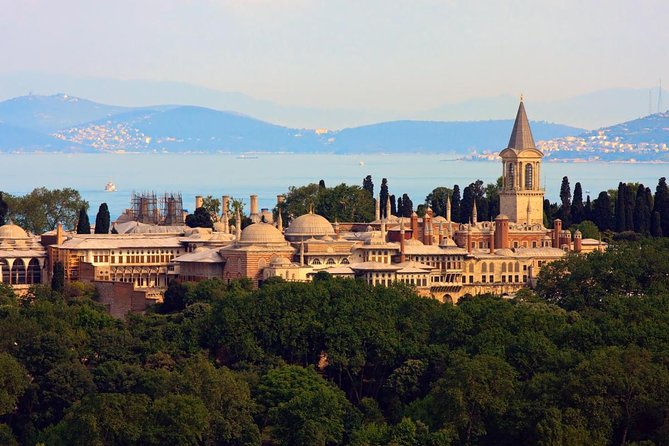
- Iconic Turkey route from Hagia Sophia to Göreme’s valleys and underground cities
- Watch for changes when an attraction is under renovation or a day’s plan adjusts
Value and what the $1,430 price really buys
At about $1,430 per person for roughly 10 days, you’re paying for organization. That matters in Turkey. Distances are long, sight tickets add up, and Istanbul alone can eat hours if you’re piecing everything together.
What you get for the price is the structure:
- 3 nights in Istanbul, plus stops that include Kusadasi-region access for Ephesus
- 2 nights each in Cappadocia and Antalya
- Domestic flights option depending on what you select during booking
- Land transfers in an air-conditioned, non-smoking vehicle
- Breakfasts (9) and lunches (6) as listed
You also get a practical benefit: guided pacing. You’ll have set arrival windows for major monuments, then time to walk and look on your own. That balance is usually what makes group tours feel worth it instead of tiring.
The price can feel like a lot until you price it out like a planner: hotels in prime areas, guides, transfers, and internal flights are the expensive pieces—this route packages them.
You can also read our reviews of more tours and experiences in Istanbul.

Istanbul airport to hotel: your first hour sets the tone
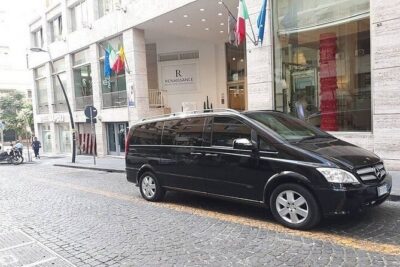
Day 1 is straightforward. You’re met at Istanbul Airport (IST) and driven to your hotel. This is a big deal after travel days. You start fresh instead of figuring out transit while tired.
Start time is listed as 8:30 am, with pickup arranged from IST or SAW to your hotel. That means your day begins early enough to beat peak lines at major sites like Hagia Sophia and the Blue Mosque.
Hagia Sophia, Basilica Cistern, Blue Mosque, and the old-city core
Day 2 is a classic Istanbul hit list. The tour focuses on the area where the sights are close enough to tour without losing your whole morning to transit.
Here’s what to expect and what to watch for:
Hagia Sophia Grand Mosque
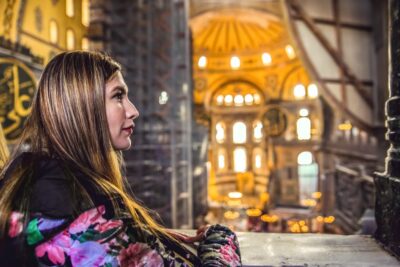
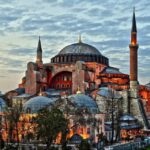
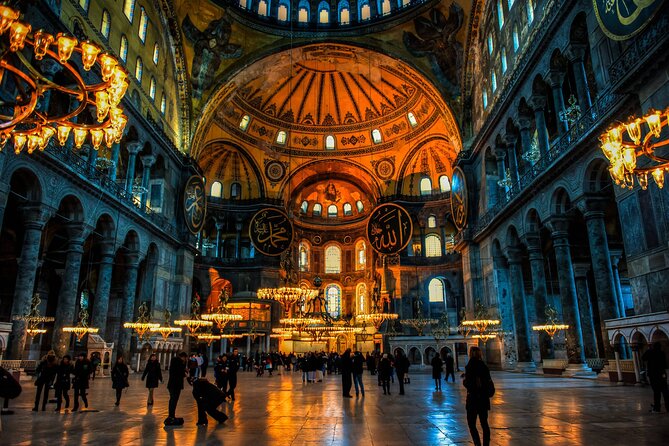
You spend about an hour here. Even without entry fees included, you’ll get the storyline of Byzantine power and Ottoman transformation—how a single building can carry centuries of meaning. Plan your time for photos and quiet moments inside, not just the big view from the entrance.
Basilica Cistern
This is one of my favorite “slow” stops in Istanbul. You get about 45 minutes in the cistern space (with entry not included). It’s humid, echoing, and strangely calming compared to the crowds outside. If you like atmosphere and architecture, this is where the tour lets you breathe.
Blue Mosque and Hippodrome
The Blue Mosque stop is about an hour, and the Hippodrome is also listed at around an hour. Both are included in the “free entry” category for this plan. Expect photo spots, plus guided context so the names make sense—especially if you want to understand why the old-city layout is the way it is.
Grand Bazaar
You get about two hours at the Grand Bazaar. This is not a quick look-and-leave. You’ll have time to walk aisles, compare crafts, and get your bearings for what’s worth buying. It’s also one of those places where your guide’s perspective helps you avoid impulse buying.
A practical note: admission tickets are excluded for several major stops, but your guide is set up with pre-paid skip-the-line tickets. You’ll likely pay for the entry you used in cash (Turkish Lira), or USD/EUR depending on what’s accepted by the guide at the moment.
Spice Bazaar and Bosphorus cruise: Istanbul’s two moods in one day
Day 3 starts with spice markets. Then you switch to water views. It’s a smart pairing.
Spice Bazaar (Egyptian Bazaar)
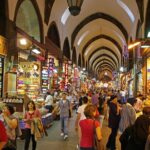
You’ll spend about two hours here, with entry listed as free. Go with a plan: smell everything, but don’t buy until you’ve compared prices and packaging. Spices are easy to carry, but you want quality—especially if you’ll cook with them later.
Bosphorus Strait cruise
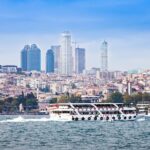
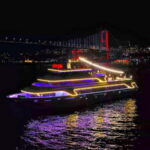
This is the emotional payoff stop: about two hours on a traditional boat ride along the water separating Europe and Asia. You’ll pass famous landmarks including Dolmabahçe Palace, Rustem Paşa Mosque, Rumeli Fortress, and along the parks and imperial pavilions area near Yıldız Palace.
If you get motion sick, take precautions—boats can feel choppy depending on day and weather. Otherwise, this is a relaxing way to connect the Ottoman and modern city shapes.
Flight to Izmir and hotel transfer
After Istanbul, you fly to Izmir and then go to your hotel in the Izmir-area region (the plan matches the Kusadasi access used for Ephesus). Flights can reduce the long overland transfers you’d otherwise face.
Ephesus and the House of the Virgin Mary: ancient pilgrimage plus ruins
Day 4 centers on Christian tradition and one of the Eastern Mediterranean’s standout archaeological sites.
House of the Virgin Mary
About one hour here, with entry not included. Even if you’re not religious, it’s a meaningful stop because you’re seeing how belief shaped travel patterns over time. Dress respectfully, especially if the site has active visitors.
Ephesus Ancient City
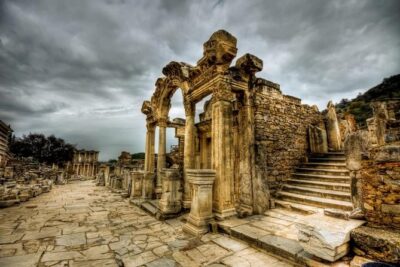
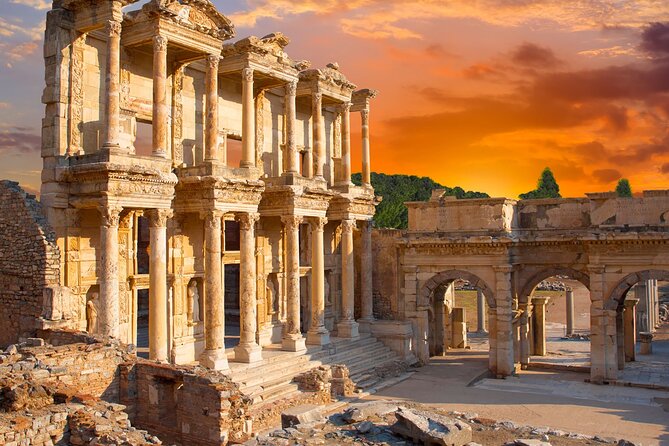
Ephesus gets two hours and is the anchor. You’ll walk through the streets of a city that once rivaled the biggest powers nearby, and you’ll see major monuments like the large library area and the Roman theatre. The best part of a guided visit is that you learn what you’re looking at while it’s still in front of you.
A good mindset for Ephesus: walk slowly enough that you notice construction details—stairways, marble sections, and how ruins connect.
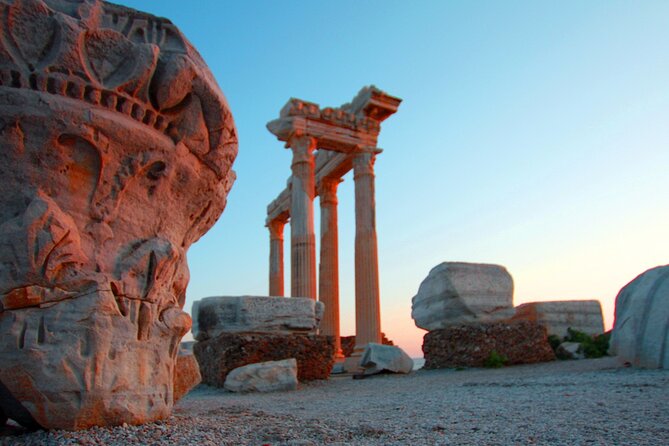
Temple of Artemis
This stop is about one hour and listed as free entry. It’s shorter than Ephesus, so treat it like context: it helps explain why Ephesus mattered to the ancient world beyond politics.
Pamukkale terraces and Hierapolis: a spa myth made visible
Day 5 is about reaching Pamukkale and then stacking history on top of hot-water wonder.
Pamukkale Thermal Pools
About two hours. Entry is not included, and you should remember this: the Cleopatra Pool is currently closed for maintenance, and no reopening date is provided. So if you’re imagining that specific spot, set expectations now.
Still, the terraces—formed by running warm water carrying calcium bicarbonate—are the visual reason people come. It’s bright, off-beat, and unlike most ruins sites in Turkey.
Hierapolis ruins and Sacred Pool
You get one hour here, with Sacred Pool highlighted. This combo is useful: terraces are nature’s show, Hierapolis adds the layered story. If you like your ruins connected to real daily life, the Sacred Pool ruins-underfoot feeling is memorable.
Transfer to Antalya
You check in to Antalya for the overnight. You’ll have a change of rhythm: less archaeological digging, more sea-air.
Antalya waterfall walks and Kaleici old-town time
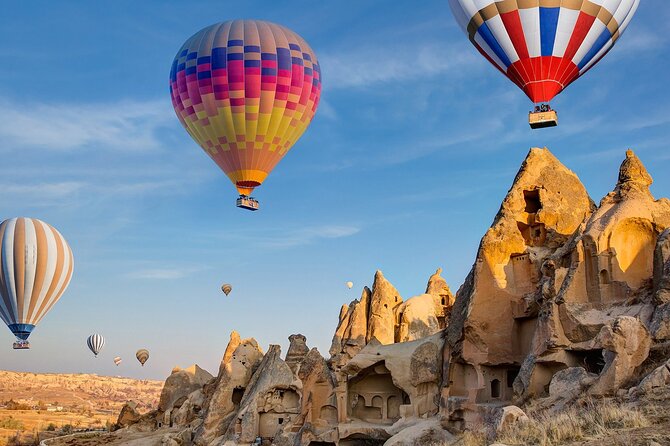
Day 6 is designed for an easy day with views, then free exploring.
Tunektepe cable car: currently not part of this plan
The plan originally mentions Tunektepe Teleferik, but the tour info also states it’s closed due to renovation. The alternative offered is an optional one-hour boat tour along the coast.
So for Antalya, keep flexibility. Ask your guide what’s available that day, and decide quickly so you don’t lose momentum.
Upper Duden Waterfalls
This is a highlighted walk through the park with time to hear water and take in the area. Entry is listed as free.
Civelek Sokak and Kaleici free time
After lunch, you get 1–1.5 hours of free time in Kaleici old town, plus guidance on places like Hadrianus Gate, the Clock Tower, Kesik Minare, and city walls dating back to the 2nd century. This is where you slow down: narrow stone streets, shops, art galleries, and small museums.
If you’re the type who likes souvenirs, this is your moment. Go for locally made small items instead of mass-market stuff.
Cappadocia valleys: Rose Valley, Cavusin, Pigeon Valley
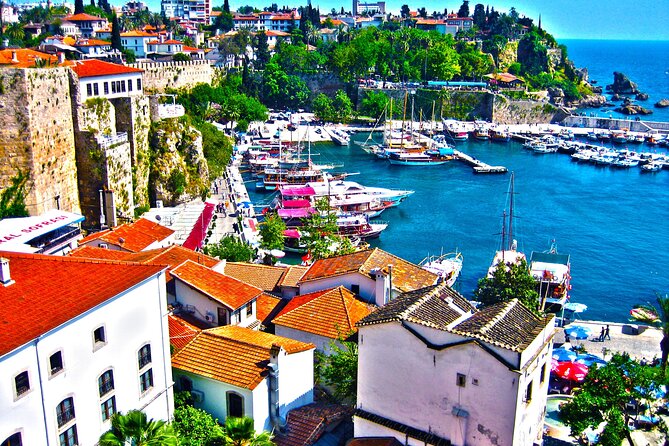
Day 7 and Day 8 are a big shift from sea and marble to volcanic rock and carved churches.
Mevlana Kültür Merkezi and the route to Göreme area
The plan includes the Mevlana cultural center stop (entry listed free). It’s a cultural pause before you reach Cappadocia.
Rose Valley
About one hour, with the key idea being the pink cast in late light. Even if clouds soften the color, the ridges and mineral tones still read beautifully.
Cavusin
About one hour. The focus is village rock-cut houses and the rock-churchs. This is a “people built here” stop, not just a “look at the rock” stop.
Pigeon Valley
About one hour. You’ll walk among dovecotes carved into soft volcanic tuff. It’s a practical lesson in how humans used the landscape as storage and shelter.
Kaymakli Underground City and the Göreme museum days
Cappadocia hits hardest when you mix surface walking with underground life.
Kaymakli Underground City
The plan lists about one hour, with entry not included. The highlights include refuge and worship spaces, bedrooms, meeting halls, and food storage rooms. You’re also told it reaches eight stories and connects via corridors.
If you’re claustrophobic, go carefully and see how you feel once inside. Tight spaces aren’t everyone’s thing.
Göreme Open Air Museum (two museum days)
You’ll visit Göreme with two hours on one day and again later (another day has about 2 hours, with entry not included on the listed museum stop). These rock-cut churches, with colorful frescoes from the 9th century, are why Göreme is the centerpiece. The value of a guided stop here is timing: you learn where to look first so you don’t miss the best scenes.
Devrent Valley and Pasabag (Monks Valley)
Later you’ll add quirky animal-shaped rocks at Devrent Valley, and then Monks Valley at Pasabag. Pasabag entry is listed not included for one stop, with the hermitage of Simeon monks as context. Even if you don’t know the names, your guide helps you read the terrain.
Avanos pottery and local lunch
Avanos is included as a Turkish lunch + pottery experience with local experts. This is one of the best “do something” parts of the trip because you’re not only watching history—you’re making something.
Panorama time and Uchisar Castle
You get short stops like Göreme Panorama and Uchisar Castle for the best views. These shorter blocks matter because they’re flexible for your energy level. You can linger if you want, then regroup with the group.
Domestic flight back to Istanbul and a final hotel night
On the last full day, you’ll drive to Kayseri Airport for a domestic flight to Istanbul, then transfer to your Istanbul hotel for an overnight. On Day 10, you’ll return to the airport for your departure.
That travel pattern is efficient. You’re not backtracking across the country, and you end with Istanbul where you can adapt to your flight time.
What can throw a wrench into the plan
A good tour is one that keeps moving even when conditions change. Here are the known variables in your tour info:
- Group size mismatch: the brochure language talks about a small cap near a dozen, but the tour info also lists a max of 25. Reviews include cases where the actual group ran above the promised number. If you care deeply about quiet, ask what group size you’ll be in before you pay final balance.
- Renovations and swaps: the Antalya cable car is closed due to renovation, with a boat option suggested. Also, the Cleopatra Pool at Pamukkale is closed for maintenance with no reopening date listed.
- Entry fees are not included: your guide handles skip-the-line tickets, but entry costs are paid by you in cash for what you used.
Also, one simple comfort request showed up in feedback: if you’re sensitive to smoke, request that your van remain non-smoking in practice, not just on paper.
Guides and the “feel” of the tour
This kind of route lives and dies by the guide. In the feedback you provided, I saw multiple standout guide names—Barboros, Ali, Metin Pehlivan, and Kerem—plus a note about driver Kudrett helping navigate crowds and keeping things moving. The common thread is clear communication: explaining expectations and costs, and keeping a steady pace so you’re not always waiting.
It’s also a sign of a functional system when responsibility is clearly assigned at each city. You’re not wandering solo between moments; you’re being guided to the next best thing.
Should you book Best of Turkey-10 Days?
I think this tour is a strong match if you want a first-timer route through Turkey’s biggest highlights with minimal planning. The value is in packaging: transfers, central hotel placement, guided context, and a lot of meals and flights handled for you.
Book it if:
- you want guided stops at major monuments
- you prefer organized logistics over self-planning long distances
- you like the idea of a route that balances museums with time to wander, like Grand Bazaar and Kaleici
I’d hesitate if:
- you need a strict group cap near 12 no matter what
- you’re counting on the Antalya cable car or the Cleopatra Pool specifically, since both have closure notes
If you do book, send a quick question to confirm your exact group size on departure and what replacement plan is being used in Antalya. That one check can save you from disappointment and keep the trip feeling like the relaxing, well-paced Turkey sampler it’s meant to be.
FAQ
Are entry fees included for Hagia Sophia, museums, and ruins?
Entry fees are not included. Your guide arranges pre-paid skip-the-line tickets, but you’ll pay the entry costs to your guide in cash (Turkish Lira, USD, or Euro) for sites where entry is required.
What domestic flights are included in this tour?
Domestic flights are included only if you select the included-flights option during booking. If you select excluded flights, the tour will tell you which flights you need to purchase.
How do airport transfers work?
Pickup and transfers are arranged from Istanbul airports (IST or SAW) to your hotel, starting around an 8:30 am schedule. You’re also driven to airports at the end of travel days.
What’s included in the price besides hotels?
The tour includes accommodation, ground transportation by air-conditioned vehicle, and many meals (breakfasts and lunches as listed). Transfers from/to airports are included as well.
How many people are in the group?
The tour highlights small-group service and states a maximum of 25 travelers. The brochure language also mentions an around-12 participant cap, but actual departures can vary.
What meals are included during the 10 days?
Breakfast is included 9 times and lunch is included 6 times, as stated in the meal plan.
Does the tour offer a language other than English?
This tour is offered in English.
What about luggage allowance?
If you select the included flight option, baggage allowance is listed as 15 kg checked plus 8 kg hand luggage.
What’s the cancellation refund timeline?
You can cancel up to 6 days in advance for a full refund (6 full days before the start time). A 50% refund applies if you cancel 2–6 days before, and there’s no refund if you cancel less than 2 days before.