REVIEW · GUIDED
Istanbul: Byzantine and Ottoman Relics Tour with Local Guide
Book on GetYourGuide →Operated by TURISTA TRAVEL AGENCY · Bookable on GetYourGuide
A short walk can feel like centuries. This small-group Old City tour strings together the big Byzantine and Ottoman sights in a logical route, with a local guide to make the stones make sense. You get entrance fees, lunch, and hotel pickup in key areas, so you spend less time organizing and more time looking closely.
What I like most is the combo: Hagia Sophia (with its layered Christian-to-Ottoman story) plus Topkapi Palace and the Harem inside the same day. I also like that you’re not just outside-taking-photos: you get guided time in the places that are usually hardest to understand on your own.
The one possible drawback: it’s a lot of walking in a compact area. If you don’t love crowds, line-ups, and stepping in and out of historic buildings, you may feel it by mid-afternoon.
In This Review
- Key things to know before you go
- The Old City game plan: why this route works
- Entering Hagia Sophia Mosque: where Byzantine geometry meets Ottoman space
- Blue Mosque and the Istanbul Hippodrome: Ottoman faith and Roman spectacle
- Grand Bazaar and lunch: shopping without losing the plot
- Topkapi Palace with Harem: the Ottoman world inside the walls
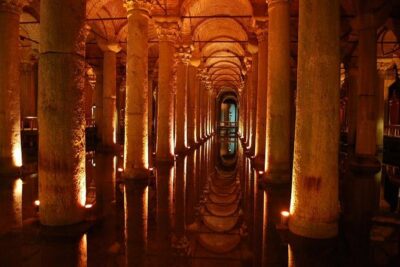
- Basilica Cistern swap: your back-up when the big sites are closed
- Time, walking, and what to bring (so your feet don’t hate you)
- Price and value at $152: what you’re really paying for
- Who this tour suits best (and who should skip it)
- Should you book this Istanbul Byzantine and Ottoman relic tour?
- FAQ
- How long is the tour?
- Is this tour a small group?
- What’s included in the price?
- Does the tour include hotel pickup?
- Is express security included?
- What days can Topkapi Palace or Hagia Sophia be closed?
- What happens if the Grand Bazaar is closed?
- What is the lunch like?
- Do I need to bring anything?
- Is tipping included?
Key things to know before you go
- Small group (max 10) keeps the tour from feeling like a human conveyor belt.
- Express security check helps you get into the big sites faster.
- Topkapi Palace + Harem gets you into the heart of Ottoman royal life.
- Grand Bazaar is covered-market chaos, but you’re guided through it with a plan.
- Hotel pickup covers Sultanahmet, Sirkeci, Beyazıt, Aksaray, and Taksim—convenient for a full-day outing.
- Day-of swaps: Hagia Sophia and Topkapi can switch with the Basilica Cistern, and Sunday routes can adjust for the Bazaar.
The Old City game plan: why this route works
Istanbul’s Old City can feel like a maze because the major sights sit close enough to walk, but far enough that you still need to manage time. This tour’s value is that it bundles the big names—Hagia Sophia, Blue Mosque, Hippodrome, Grand Bazaar, and Topkapi Palace—into one guided loop. You’re not spending half the day figuring out logistics; you’re spending it on the architecture and the context.
The pacing matters. You’re in the streets of Sultanahmet and the surrounding historic core for hours, with stops that range from huge indoor landmarks to outdoor ruins and covered shopping streets. For you, that means: plan to wear shoes that you actually trust. This is not the day for fancy sandals or shoes you haven’t broken in.
Group size also changes the experience. With a small group limited to 10, you’re more likely to get direct explanations at each stop and less likely to get left behind while everyone tries to read the signs at once.
And yes, you’ll be in the most “Istanbul” zones—meaning you should expect crowds. The tour doesn’t pretend that won’t happen. What it does is help you make sense of where you are and what you’re looking at while the background noise continues.
You can also read our reviews of more guided tours in Istanbul


Entering Hagia Sophia Mosque: where Byzantine geometry meets Ottoman space
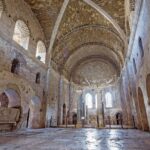
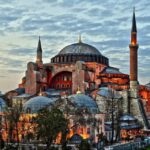
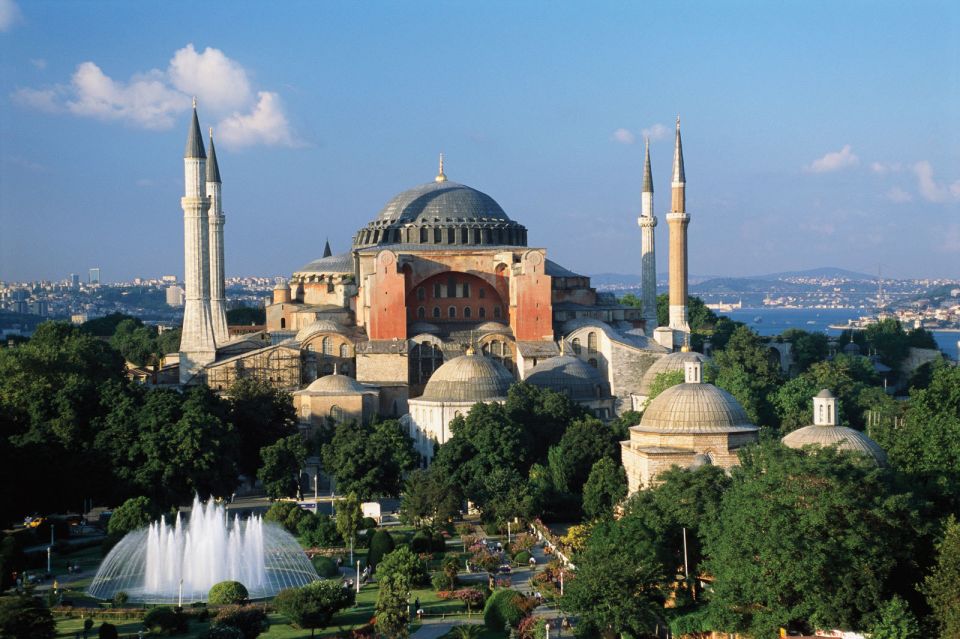
Hagia Sophia (Aya Sofya) is the kind of building that makes you pause even when you think you’ve seen it all. The tour focuses on what makes it special: it was originally a Christian cathedral and later became an Ottoman mosque, and it carries layers of both eras in its design.
You’ll spend guided time at Hagia Sophia with an emphasis on the architecture and the story behind the building. The tour notes a specific entry detail: no entrance from outside. That’s a big practical point. It generally means less time fussing around exterior access and more time getting straight into the core experience of the site.
What you should look for here is the transformation in how the space functions. The guide’s job is to connect those visual clues—form, scale, and details—to the historical shifts that turned a Byzantine cathedral into an Ottoman mosque. If you’ve ever walked into a famous site and felt like you were looking at it without understanding it, this is exactly where a local guide earns their keep.
One practical note for your planning: the tour’s “know before you go” section says Hagia Sophia can be closed on Mondays and suggests a switch to the Basilica Cistern instead. At the same time, it also lists Hagia Sophia as open every day. Because those two notes conflict, confirm your exact date when you book.
Blue Mosque and the Istanbul Hippodrome: Ottoman faith and Roman spectacle
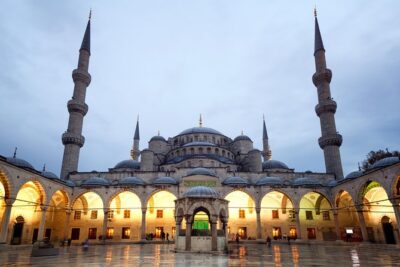
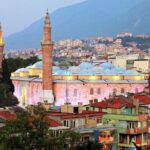
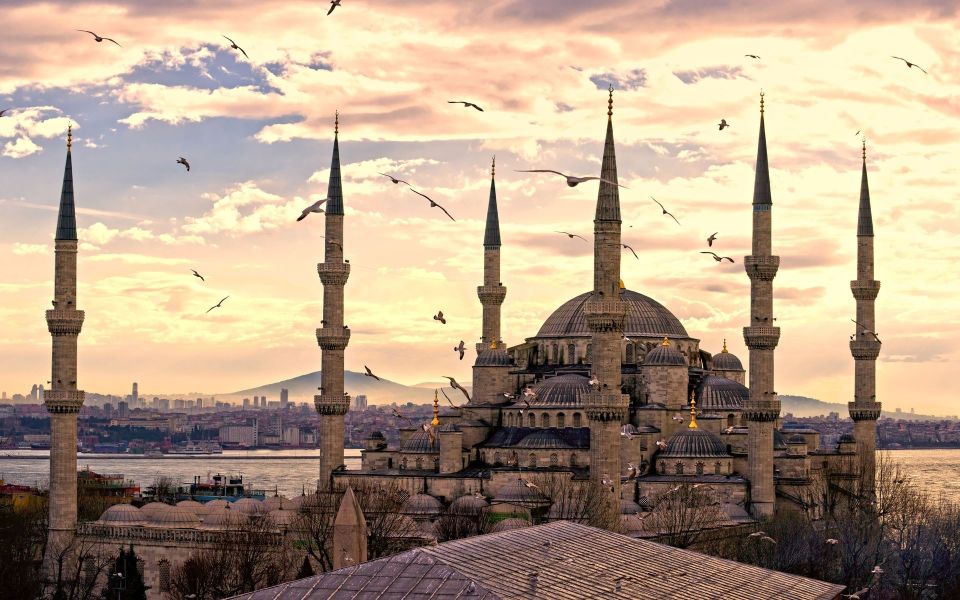
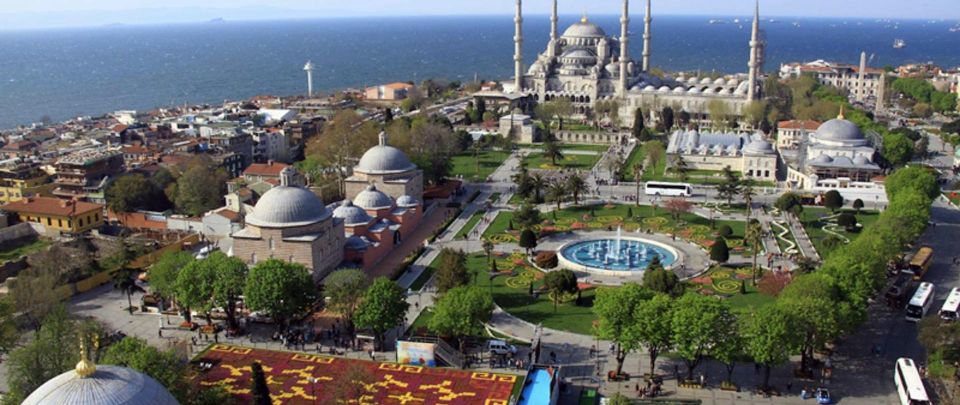
Right after Hagia Sophia, you move into the Blue Mosque, built at the request of Sultan Ahmet I. The tour’s highlight focus is the mosque’s six minarets and its place among the best-preserved examples of Ottoman architecture. Even if you only know the basics—Ottoman era, famous silhouette—there’s enough detail inside and around the complex that you’ll appreciate having someone point out what to notice.
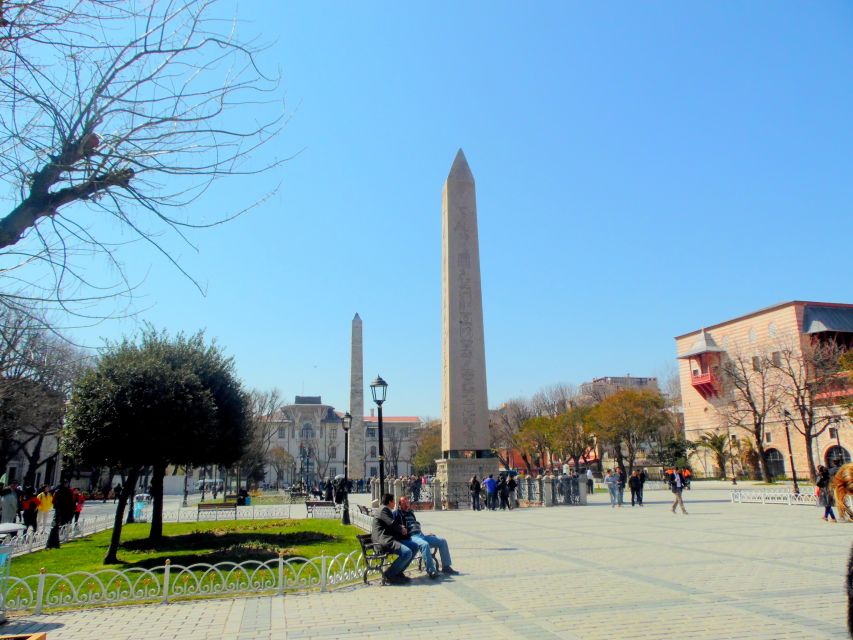
Then you shift to a different kind of history at the Istanbul Hippodrome. This is Roman-era, originally a center for chariot races, and the tour frames it as a political and social stage: it was important for about 1,000 years in Byzantium and another 400 years in Ottoman life.
Why this stop is worth your time: it’s not a “pretty building” stop. It’s a place that helps you understand how public life worked. You’re seeing how entertainment, politics, and power could share the same physical ground. Once you’ve got that idea, the rest of the Old City makes more sense—because you start seeing the city as a machine that kept reusing its stages.
Also, this part of the day gives you a rhythm change: walking outside, seeing the scale of the historic core, then stepping back toward the indoor grandeur of palaces and religious buildings.
Grand Bazaar and lunch: shopping without losing the plot
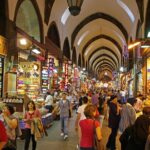
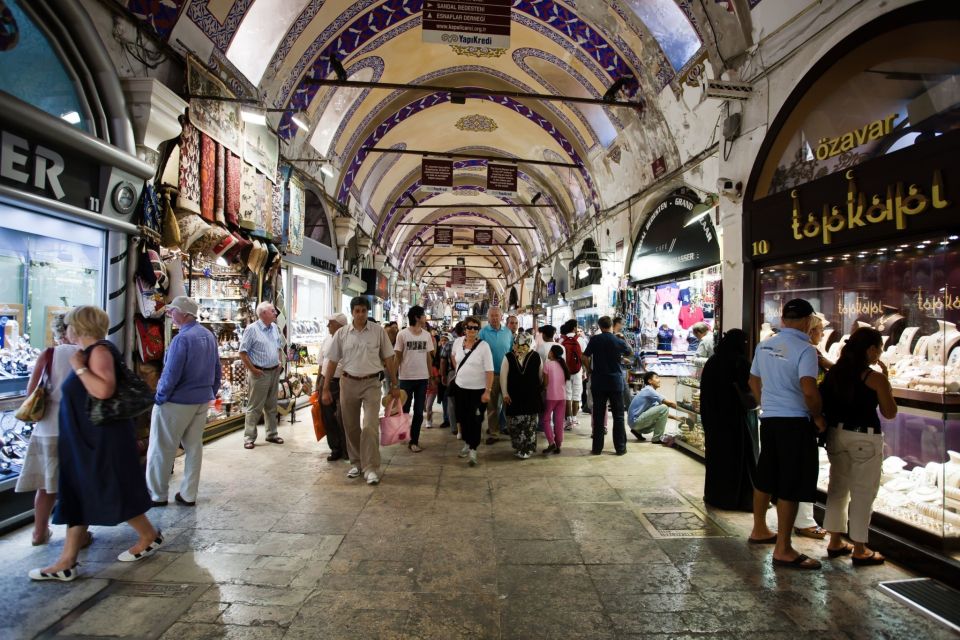
The Grand Bazaar is one of the oldest and largest covered markets in the world, and the tour treats it like what it is: a living maze where you can easily get swept around without learning anything. Your guide helps you navigate the noise so you can focus on what you came for.
The key here is the “why.” Yes, you can shop for jewelry, silk clothing, copper ware, and imported goods—but the Bazaar is also about how Ottoman-era commerce worked in a dense, roofed environment. The tour frames it as a place full of “hidden gems,” and while you won’t control every twist of the lanes, you can control your approach. Walk with intention. Ask questions. Pay attention to how sections connect to the bigger layout.
Then there’s lunch in a local restaurant. This isn’t just a break; it’s part of the tour’s value. When the day is built around major landmarks, a planned meal keeps you from spending your limited time hunting for something that fits your schedule. You get typical Turkish dishes, and the pause also helps you reset before Topkapi, which is the longest and most complex stop of the day.
One more planning item: the tour notes that the Grand Bazaar is closed on Sundays. If you’re traveling on a Sunday, your time shifts to Arasta Bazaar instead. If shopping is a big motivation for you, check your day of travel so you know what market setup you’ll face.
Topkapi Palace with Harem: the Ottoman world inside the walls
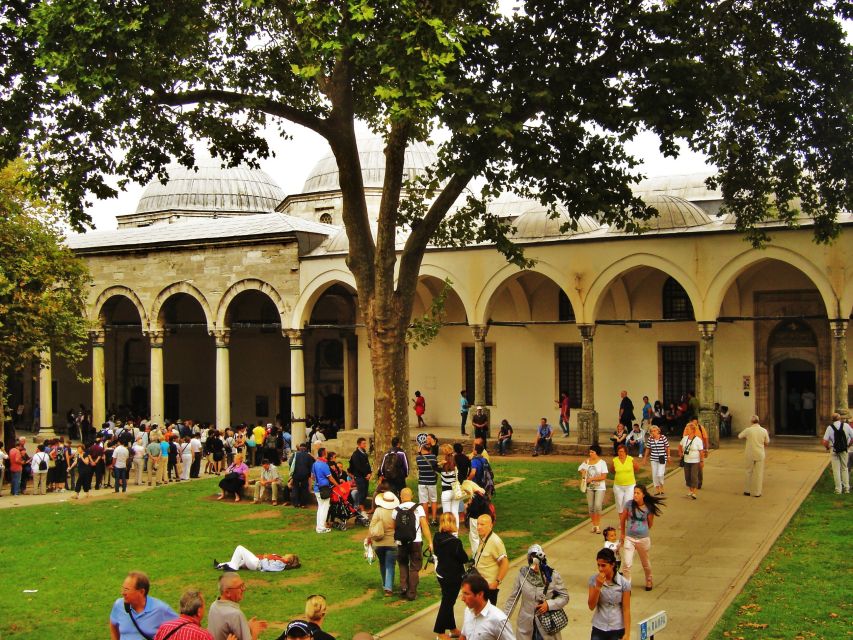
If Hagia Sophia is about sacred space across empires, Topkapi Palace with Harem is about power, routine, and daily life. The tour highlights it as the largest and oldest palace in the world still standing today, and it explains that it was the main residence of Ottoman sultans for roughly 400 years.
You’ll wander the palace grounds, courtyards, and chambers. The practical value for you is that this palace is too big to casually “see.” Without context, it can feel like a collection of rooms. With a guide, it becomes a story you can follow: who lived here, what the space was for, and how the palace fit into Ottoman governance.
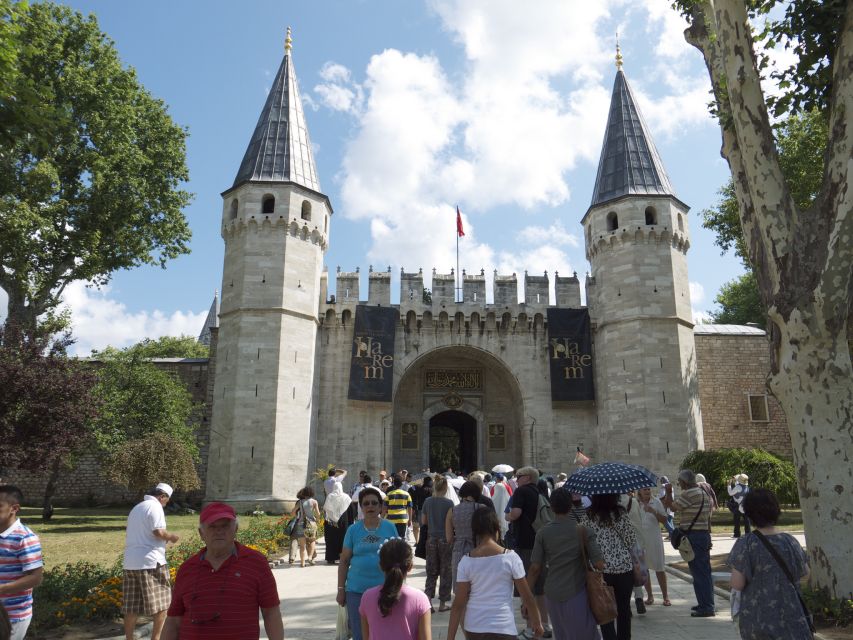
The Harem portion is specifically mentioned, so you’re not skipping the part that people always photograph but often misunderstand. The tour’s framing is about learning how the palace functioned as an Ottoman center of residence and authority—so you’re not just reading signs; you’re connecting spaces to purpose.
This is also where the tour includes Hagia Irene Church, built during the same general period as Hagia Sophia (the tour says the 4th century). After the Ottoman conquest, it was incorporated into the Topkapi Palace grounds and converted into a mosque without major structural changes. That detail matters. It’s a reminder that Ottoman and Byzantine histories in Istanbul aren’t separate folders—they’re layers on the same objects.



Basilica Cistern swap: your back-up when the big sites are closed
The tour includes contingency plans that affect your day in real ways. Here’s the practical version.
- If Topkapi Palace is closed on Tuesdays, the tour visits the Basilica Cistern instead.
- If Hagia Sophia is closed on Mondays, the tour also swaps in the Basilica Cistern.
You should treat the Basilica Cistern as part of the “Byzantine relics” theme, not as a consolation prize. Even if it’s not the headline for you, it still gives you a major indoor historic space linked to the city’s past infrastructure and architecture.
Because the tour notes both specific swap days and also includes that confusing Hagia Sophia “open every day” line, the safest habit is simple: double-check your exact travel day with the provider before you go. That’s how you protect your expectations.
Time, walking, and what to bring (so your feet don’t hate you)
This experience is scheduled for 7 hours and also described as a longer walking Old City route. Either way, it’s a full-day plan with multiple major stops. The tour is designed for people who want to cover the core sites without getting stuck waiting around.
Bring comfortable shoes. That’s not advice for show. Cobblestones plus long indoor/outdoor transitions can turn a great day into a painful one if your footwear isn’t solid. Also, you’re not allowed luggage or large bags, so travel light.
Hotel pickup and drop-off are included, which helps a lot. Your pickup is available from hotels in Sultanahmet, Sirkeci, Beyazıt, Aksaray, and Taksim. That means you’re not spending your morning on transit decisions or dealing with taxis while you’re already excited.
Price and value at $152: what you’re really paying for
At $152 per person, the big question is whether this is a deal or just a convenient label. In this case, it leans toward value because several costly items are included:
- Local guide for interpretation at multiple sites
- Entrance fees for the attractions on the route
- Lunch in a local restaurant
- Hotel pickup and drop-off in the listed neighborhoods
- Express security check to reduce time lost before major entrances
The reason this matters is that Istanbul’s top sites can eat your day. When you add up guide time, entry fees, and the time you save with organized access, you’re paying to buy back your attention. You’re also paying to avoid guessing: where to go first, how long things take, and what to look for.
Could you do it cheaper on your own? Sure, but your “cheap” day can turn into a day of tickets, separate lines, and missed context. If you want the best use of limited time—and you’re okay with the walking—this price starts to make sense.
Who this tour suits best (and who should skip it)
This is a good match for you if you want an organized Old City day that covers the key Byzantine and Ottoman landmarks: Hagia Sophia, Blue Mosque, Hippodrome, Grand Bazaar, and Topkapi Palace with Harem. You’ll appreciate having a live English guide and small-group size so you can ask questions and actually understand what you’re seeing.
It’s also for you if you like structure. The tour’s stops are sequenced to move from sacred monuments to civic history to commerce to palace life.
It may not be the right choice if you:
- Need wheelchair access (the tour states it is not suitable for wheelchair users)
- Want a slow, low-walking day
- Plan to travel with large bags or luggage (not allowed)
Should you book this Istanbul Byzantine and Ottoman relic tour?
Book it if you want a focused Old City day where the guide helps you read the architecture and history, not just point at it. The combination of big-ticket sights, included entrance fees, lunch, hotel pickup, and express security is the kind of “time-saver value” that makes Istanbul feel manageable.
Skip or reconsider if walking long distances doesn’t work for your body, or if you prefer a very flexible, do-what-you-want schedule. You’ll lose some freedom because the day is planned around major sites and timed access.
If you do book, do one thing that pays off fast: pack light, wear solid shoes, and come ready to look closely. This tour works best when you treat each stop as a chapter, not a checkbox.
FAQ
How long is the tour?
The duration is listed as 7 hours.
Is this tour a small group?
Yes. It is limited to 10 participants.
What’s included in the price?
Included are a local guide, entrance fees, lunch, and hotel pick-up and drop-off.
Does the tour include hotel pickup?
Yes. Pickup is included from hotels in Sultanahmet, Sirkeci, Beyazıt, Aksaray, and Taksim.
Is express security included?
Yes. The tour includes skip the line through express security check.
What days can Topkapi Palace or Hagia Sophia be closed?
Topkapi Palace is closed on Tuesdays, and Hagia Sophia is listed as closed on Mondays with a Basilica Cistern alternative.
What happens if the Grand Bazaar is closed?
The Grand Bazaar is closed on Sundays, and on those days the tour spends additional time at Arasta Bazaar.
What is the lunch like?
Lunch is served at a local restaurant with typical Turkish dishes.
Do I need to bring anything?
Bring comfortable shoes.
Is tipping included?
Gratuities for your guide are not included in the cost.