REVIEW · ISTANBUL CITY HIGHLIGHTS & PRIVATE TOURS
Private Tour: Best of Turkey in 15 Days From Istanbul
Book on Viator →Operated by Ada Vegas Travel · Bookable on Viator
Turkey packs a lot into one trip. This one tries to do it fast, but with comfort. You’ll move between iconic sites in an air-conditioned minivan, sleep in well-located five-star hotels, and follow a schedule tailored to your pace.
Two things I like: the door-to-door transfers each day (less hassle, more time looking at history) and the sheer range—capital cities, cave country, Mediterranean ruins, and modern memorials in one sweep. A possible drawback is the intensity. This is a multi-stop best-of route, so you’ll spend plenty of time in transit, and the cost is high even with lots included.
Key Points Before You Go
- Private, multi-day experience: only your group moves through Turkey, not a big cattle-call tour
- Air-conditioned minivan transfers: you’re not constantly negotiating taxis between distant regions
- Entrance fees and selected meals included: fewer surprises, especially at major sights
- Five languages available: guided tours can be matched to your comfort level
- Major hits in one loop: Cappadocia, Ephesus, Troy, Antalya, and Gallipoli without piecing together segments yourself
In This Review
- A Private 15-Day Best-of Turkey Route, Built for Comfort
- Arriving in Istanbul and Building the Big-Picture Context
- Ankara Castle and Anıtkabir: Why Atatürk Still Matters
- Cappadocia’s Open-Air Museum and Fairy-Chimney Valleys
- Konya for the Whirling Dervishes and Mevlana Mausoleum
- Antalya, the Bazaar, and the Kekova–Kas Coastline
- Selçuk and Ephesus: The Ancient City You Can Actually Picture
- Troy and Gallipoli: From Wooden Horse to ANZAC Memory
- Price and Logistics: What You Pay For (and What You Don’t)
- Guide Quality and Communication: Mine, Murat, and Your Best Match
- Who Should Book This Tour
- Should You Book? My Take
- FAQ
- How long is the Private Tour Best of Turkey in 15 Days from Istanbul?
- Is this tour private or shared with other groups?
- What’s included in the price?
- Are drinks and dinners included?
- Which parts of the trip include guided tours, and in how many languages?
- Where does the tour start and end?
- Is vegetarian food available?
- Can children join this tour?
- What is the cancellation policy?
A Private 15-Day Best-of Turkey Route, Built for Comfort
This is the kind of trip you book when you want Turkey’s greatest hits without planning every detail. It’s private, so the rhythm is set by your group and guide, not by the slowest person on a bus. That matters when you’re covering serious distance between regions—Istanbul to Ankara, then Cappadocia, Konya, Antalya, the Aegean coast, and finally Gallipoli and back to Istanbul.
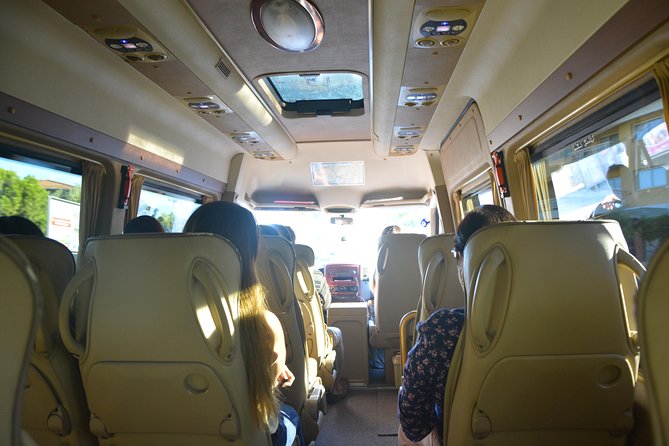
The big practical win is transport. You’ll ride in an air-conditioned minivan with pickups and drop-offs connected to your hotel. That sounds basic, but it’s huge in Turkey, where getting from one landmark to the next can eat half a day if you’re winging it.
You also get a guide for the sightseeing. The tour notes guided tours are available in five languages, so you’re not stuck with a one-language script. It’s not only about reading signs—having someone explain what you’re seeing makes ancient sites and memorials feel less like photos and more like place.
The trade-off? Speed. This route aims to cover a lot, so you should mentally prepare for a busy itinerary and occasional long drives between regions.
Arriving in Istanbul and Building the Big-Picture Context
Day 1 keeps things simple: you arrive at any time at Istanbul Airport and get transferred to your hotel. That’s a relief after a flight, because you’re not trying to figure out public transit with jet lag.
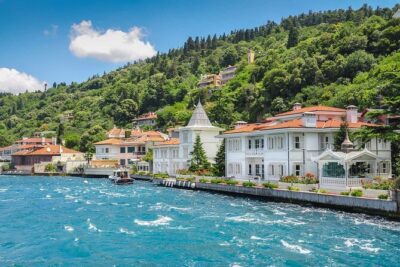
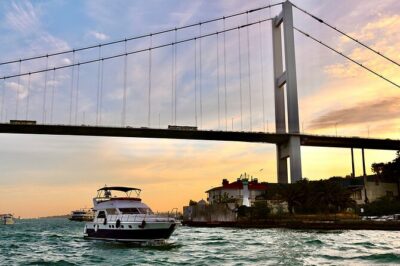
Starting in Istanbul works well because it gives you a real sense of where Turkey’s story lives. Istanbul is the bridge between worlds—Europe and Asia, empire and modern city life. Even if you don’t do a full Istanbul tour in this package, the location sets the tone for what you’ll see later: layers of power, culture, and belief.
You’ll also be able to orient your trip around the daily flow. On the last day, you’re collected from your hotel and transferred back to the airport for your flight home. That keeps the bookends clean.
If you’re the kind of traveler who likes “one main thing each day,” this setup fits. You won’t be wandering with no plan. You’ll also avoid the stress of juggling tickets and standalone bookings for each region.
You can also read our reviews of more private tours in Istanbul


Ankara Castle and Anıtkabir: Why Atatürk Still Matters
After Istanbul, you head to Ankara. The tour builds in time for Ankara Castle and then, the next day, Anıtkabir, the Atatürk Mausoleum. That pairing isn’t random. Ankara is where modern Turkey put its center of gravity, and Anıtkabir is the clearest expression of that.
At Ankara Castle, you’ll visit the city and the castle area with guidance. You’ll get more than a quick photo stop if your guide explains what Ankara represents historically and politically. This is where your trip stops feeling like sightseeing postcards and starts feeling like understanding why people in Turkey care about certain places.
Then comes Anıtkabir. The day starts with a visit to Atatürk Mausoleum before traveling on to Göreme for the night. Anıtkabir isn’t just architecture—it’s symbolism. It helps you understand the modern narrative you’ll run into again and again, from education to public memorials to how national identity is discussed.
Possible consideration: these stops can be emotionally heavy for some travelers. If memorials and national history feel like a lot, balance them mentally with the more “storybook” days ahead in Cappadocia.
Cappadocia’s Open-Air Museum and Fairy-Chimney Valleys
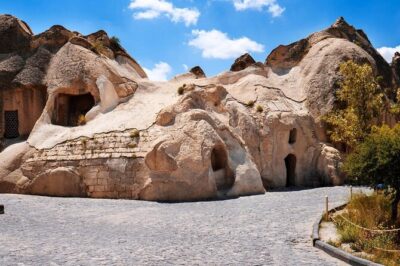
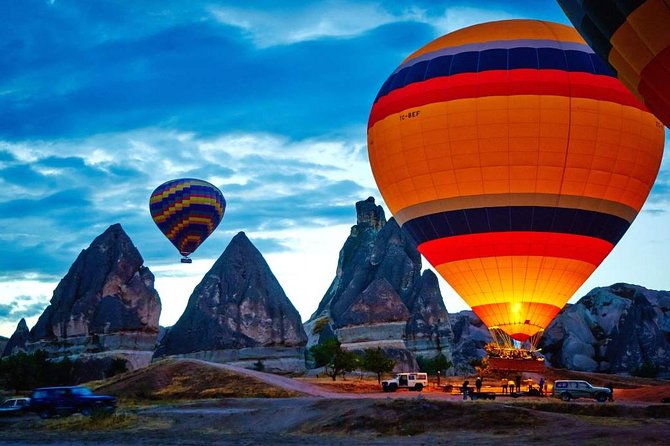
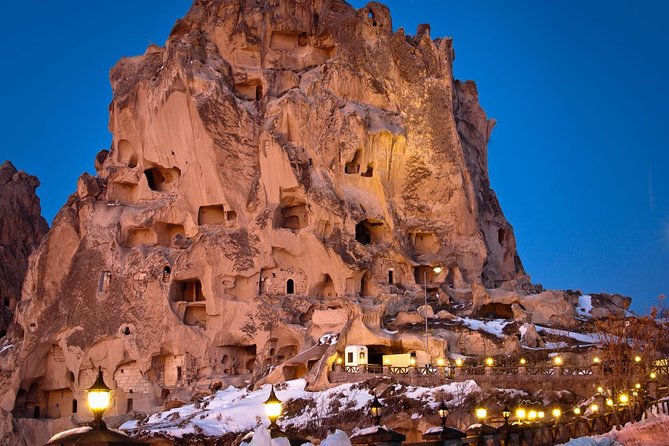
Cappadocia is the reason a lot of people book Turkey at all. Here, you get two full days that focus on the icons: the Göreme Open-Air Museum and multiple valley stops, including Devrent Valley.
On the Göreme day, you start with the open-air museum, where rock-cut churches and painted spaces help explain how people lived and worshiped in a landscape shaped by volcanic history. Even when you’re not a museum person, open-air sites like this tend to catch you because you’re walking through real stone cavities and chapels, not just looking at relics behind glass.
Then you move through the fairy-chimney scenery. The tour doesn’t promise you’ll only see views from afar. It’s set up as guided sightseeing in Cappadocia, so you get context for what you’re looking at—how the rock formations formed, and why these valleys became hubs for communities over centuries.
The next day includes Devrent Valley and other main Cappadocia sights. Devrent is known for its whimsical rock shapes, but the value is in having someone help you read the area without turning it into a scavenger hunt.
Consideration: Cappadocia is popular, and the pace can feel tight if you’re hoping for long, slow wandering. This package is focused on covering major stops efficiently, so plan to treat each valley like a highlight, not a “hang out for hours” moment.
Konya for the Whirling Dervishes and Mevlana Mausoleum
From Cappadocia, you head to Konya. This is where the tour shifts from rock formations to living spiritual tradition.
You’ll visit the Mevlana Mausoleum and learn the history of the Whirling Dervishes before driving to Antalya for the night. The Whirling Dervishes are more than a performance for tourists; they connect to a broader spiritual world tied to Mevlana and the tradition of Mevlevi practice. Even if you’ve seen clips online, a guided explanation tends to make it click—why music, movement, and devotion matter.
The day’s structure is useful. By starting with the mausoleum and context, you make the next region feel like part of a continuous story rather than a random jump.
Possible drawback: if you’re short on patience for religious history, this part may feel more structured and reflective than you expect. But if you want meaning behind what you’re seeing, Konya delivers.
Antalya, the Bazaar, and the Kekova–Kas Coastline
Antalya is where Turkey starts to feel like a vacation again. After arriving and settling in, you’ll explore Old Bazaar for about two hours. This isn’t a drive-by. It’s enough time to get a feel for how locals shop and how the city presents its culture to visitors.
Then the route turns toward the coast. You’ll visit Kekova Island, and later you’ll explore Kas. Kekova is especially memorable for its coastal ruins and the sense of old-world remains along the water. Kas tends to bring a more laid-back, scenic vibe compared to big-city tourism—so it’s a good contrast after inland history days.
Practical note: these coastal stops can involve walking in warm conditions depending on the time of year. The upside is that you’re not stuck indoors. The guide and included planning reduce the hassle of coordinating boat or transport options on your own.
What’s not included here is your dinner. The tour includes breakfasts and lunches, but you’ll need to budget for dinner and drinks.



Selçuk and Ephesus: The Ancient City You Can Actually Picture
Now you reach one of Turkey’s biggest draws: Ephesus, accessed via Selçuk. You’ll drive to Selçuk town, then spend time at the ancient city with a guided visit.
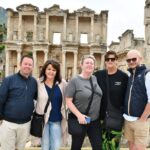
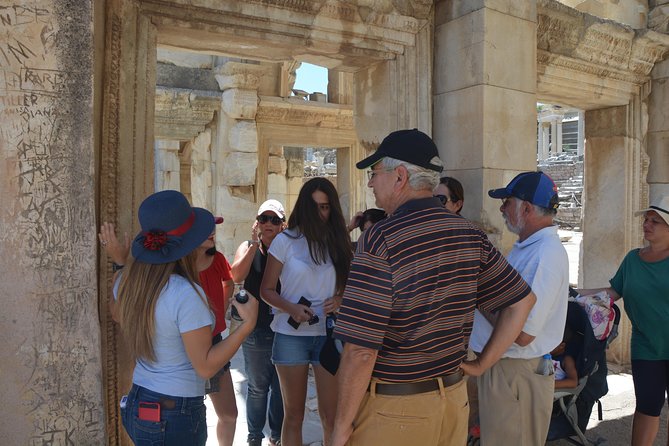
Ephesus is huge. The tour highlights key areas like the Great Theatre, the Celsus Library, and the Magnesia Gate. Those stops matter because they represent different “faces” of the city: public life, monumental architecture, and the feel of a place built for movement and authority.
This is where a knowledgeable guide pays off the most. Standing in Ephesus without context, you can still enjoy it. But with guidance, you start noticing how spaces connect and how the city functioned—where crowds gathered, where people traveled through gates, and why certain buildings were designed the way they were.
After the Ephesus tour, you’ll drive toward Ayvalık. That’s a smart move for geography. It keeps you moving through Turkey’s western belt rather than snapping back and forth.
Possible drawback: Ephesus plus travel time can add up. If you tend to get tired of walking long ruins, bring comfortable shoes and expect a steady pace.
Troy and Gallipoli: From Wooden Horse to ANZAC Memory
Day 13 brings Troy (Truva). The tour includes time to see the famous story reference—the wooden horse—along with the main site elements. Even if you already know the legends, Troy has a way of feeling physical. Stone and scale make myths more believable.
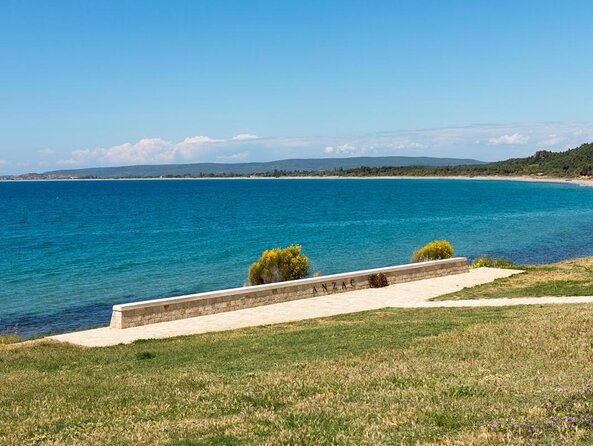
Then you go to Gallipoli Battlefield and visit the ANZAC memorial. This portion of the trip is emotionally different. Instead of classical legends, you’re confronted with human cost and remembrance. It’s the kind of visit that makes the earlier history feel more grounded—people didn’t just create empires; they fought, suffered, and built memorials that shape national memory.
You then head back to Istanbul afterward. That back-to-city travel is a long exhale after two heavy, high-impact days.
If you’re the type who likes to reflect after memorial sites, plan for quiet time in the evening rather than packing in extra sightseeing on your own.
Price and Logistics: What You Pay For (and What You Don’t)
At $6,000 per person for roughly 15 days, you’re paying for a private, guided, multi-region route with a lot already handled. A simple math check: it’s about $400 per day, before you compare it to the cost of hotels, private guides, entrance tickets, and private transport you’d have to stitch together separately.
What’s included helps explain the value:
- Accommodation in five-star hotels in good locations
- Breakfast (14) and lunch (6)
- Entrance fees
- Private tour and air-conditioned minivan transport
- Pickup and drop-off from hotels
What’s not included:
- Drinks
- Dinner
- Personal expenses
That matters because Turkey meals can be part of your travel budget. With lunches included, you’re already covered for a big chunk of the day, but dinner will be on you. If you drink alcohol or choose pricier dinners, budget accordingly.
Also: minimum 2 people per booking. Private tours get much better value when you’re sharing the cost within your group rather than paying solo rates (solo travel isn’t described here as an option).
Finally, the tour notes the itinerary may change due to opening hours. That’s normal. Major sites can shift schedules, and a guide helps you adapt.
Guide Quality and Communication: Mine, Murat, and Your Best Match
This kind of route depends on the guide. You’re moving from place to place, and the best experiences happen when the guide turns “seeing” into understanding.
In guest feedback, a couple of names show up clearly: Mine and Murat. People praised Mine for bringing Turkey to life with life experience and education, and praised Murat for excellent organization and strong history and geography knowledge. One review also highlighted a guide who spoke Spanish fluently.
Here’s the practical takeaway for you: when you book, set expectations on language and interests. If you know you want extra explanation at ruins, ask for that fit. If you care more about photography angles or simpler pacing, say so.
Because the tour supports guided tours in five languages, you should be able to match your comfort level. Good communication keeps you from losing time on clarifications and helps you actually enjoy the day you’re paying for.
Who Should Book This Tour
This works best if you want Turkey’s major sights without the planning headache. It’s a good pick for:
- Couples and groups who want private time but still want guidance at major sites
- Travelers who value convenience: hotel pickup/drop-off and scheduled entrances
- History-minded people who want context at Ephesus, Troy, Anıtkabir, and Gallipoli
- Food planners who don’t mind that lunch and breakfast are included while dinners are flexible
It may be less ideal if you prefer lots of free time every day. This route is designed to hit highlights and keep the momentum going. It also assumes most travelers can participate, but children must be accompanied by an adult.
If you’re traveling with kids, expect the schedule to be structured. The upside is private guiding and fewer coordination hassles.
Should You Book? My Take
Book this tour if you want a high-value Turkey overview with comfort, logistics handled, and major sites done properly. You’re paying for fewer decision points and more time where it counts—at the big locations, with a guide and entrance fees covered.
Skip it (or at least consider a lighter version) if you hate long driving days, dislike memorials and national history, or want lots of unplanned evenings. Also, if you’re cost-sensitive on dining and drinks, remember dinner isn’t included.
My final advice: pick this route when your goal is clarity. You want to know you’ll see the places that define Turkey, without stitching together a dozen separate bookings.
FAQ
How long is the Private Tour Best of Turkey in 15 Days from Istanbul?
It runs for about 15 days.
Is this tour private or shared with other groups?
It’s a private tour. Only your group participates.
What’s included in the price?
The tour includes accommodation as per the itinerary, hotel pickup and drop-off, a private tour, transport by air-conditioned minivan, entrance fees, 14 breakfasts, 6 lunches, and guided tours.
Are drinks and dinners included?
No. Drinks and dinner are not included.
Which parts of the trip include guided tours, and in how many languages?
Guided tours are available in five languages.
Where does the tour start and end?
It starts with pickup/transfer from Istanbul Airport, and it ends with a transfer from your Istanbul hotel to Istanbul Airport.
Is vegetarian food available?
Yes. A vegetarian option is available if you advise at the time of booking.
Can children join this tour?
Children must be accompanied by an adult.
What is the cancellation policy?
You can cancel up to 6 days in advance for a full refund. Canceling 2–6 days before gives a 50% refund, and less than 2 days before isn’t refunded.