REVIEW · FULL-DAY
Istanbul Ancient Monasteries Full-Day Tour with Lunch
Book on Viator →Operated by Istanbul Walks · Bookable on Viator
You can trace empires just by walking. This full-day tour strings together the religious leftovers of Constantinople, from carved church remains in Sarachane to the art-famous Chora Church, with stops that explain how Byzantine and Ottoman layers overlap in everyday Istanbul. I love the way the route focuses on places most visitors skip, and you get real context for what you’re looking at instead of a checklist.
I also like that it’s built for small groups (max 4), which helps your guide pace the day and actually answer questions. One thing to keep in mind: there’s a lot of walking, so comfortable, well-broken-in shoes matter more than you’d expect for a 6+ hour outing.
In This Review
- Key things that make this tour worth your time
- How Constantinople’s religious buildings still shape Istanbul
- Start point and timing that keep the day realistic
- The walking load: where your comfort plan matters
- Stop-by-stop: Sarachane, Fener, walls, and monasteries
- Chora area: mosaics and frescoes as the main event
- Tekfur Sarayi (Tekfur Palace): the palace side of the city story
- Vlaherna Meryem Ana Church: an Eastern Orthodox thread
- Church of St. Mary of the Mongols: Byzantine continuity that stayed intact
- Private Fener Greek High School: education as living heritage
- Fethiye Muzesi (Pammakaristos Church): mosaics you can’t miss
- Walls of Istanbul: a built-in time machine
- Molla Zeyrek Mosque: Pantocrator’s church body under a mosque identity
- Fener Rum Patrikhanesi: the Ecumenical Patriarchate viewpoint
- Church of St Polyeuktos (in Sarachane): the “carved remains” connection
- How lunch fits into the Constantinople story
- Guides make or break a day like this
- Price and value: what $781.90 buys you
- Should you book this Byzantine monasteries tour?
- FAQ
- FAQ
- How long is the Istanbul Ancient Monasteries full-day tour?
- Is hotel pickup and drop-off included?
- What time does the tour start?
- What’s included in the price?
- Is lunch included, and what is it like?
- How many people are on the tour?
Key things that make this tour worth your time
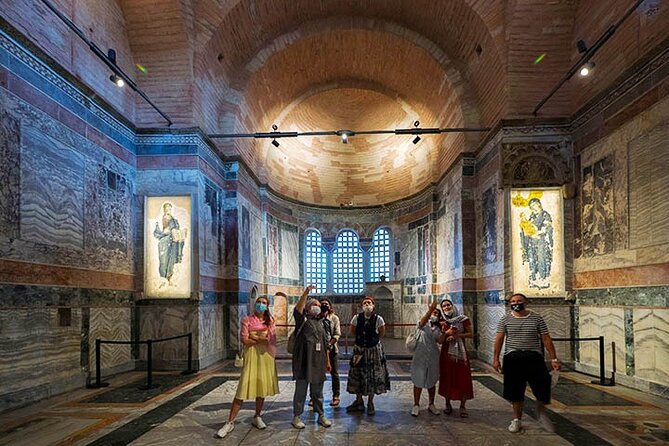
- Byzantine art at Chora: expect the mosaics and frescoes that make this stop the day’s highlight.
- Church-to-mosque conversions: you’ll see how political change reshaped Christian sanctuaries into Islamic sites.
- Real old-city fabric: exterior viewing at many stops still teaches you how the city is layered.
- Guides who bring the sites to life: names that show up for this tour include Diana, Ilker, Serhat, and Lutfallah.
- Lunch that matches the theme: a typical 2-course meal often includes soup or salad plus a meat-and-eggplant entrée.
How Constantinople’s religious buildings still shape Istanbul
This tour is for people who enjoy religious architecture, but also for anyone who wants the “how did this place become this place?” answer. Istanbul loves reuse. Stone, columns, and floor plans were often kept, while symbols and functions shifted over time. When you walk between these sites with a licensed guide, the changes stop feeling random and start feeling inevitable.
You’ll be moving through neighborhoods tied to Greek Orthodox life and older imperial power centers, then circling back toward some of the most famous Byzantine art. The schedule is timed to keep things coherent: you’re not just hopping between landmarks; you’re building a mental map of Constantinople’s sacred geography.
You can also read our reviews of more tours and experiences in Istanbul

Start point and timing that keep the day realistic
The tour meets at 9:00 am with hotel pickup and drop-off from centrally located hotels on Istanbul’s European side. It runs about 6 hours 40 minutes to 7 hours 30 minutes, depending on pace and timing on the ground.
That time window matters, because this isn’t a “sit between photos” day. Even when many sites are viewed from the outside, you’re still walking old streets, crossing between districts, and meeting guides at quick, focused moments. If you’re the type who plans to see only one or two things per morning, you’ll want to adjust your expectations here.
The walking load: where your comfort plan matters
The biggest practical issue is simple: expect extended walking. The route is active enough that you’ll do better with shoes you trust, plus a bit of stamina. On one end, there are comments that the day can feel manageable with a good guide and helpful pacing. On the other, there’s a clear recommendation to bring walking shoes.
My advice: wear shoes you can walk in for hours. Pack a light layer for indoor/outdoor temperature shifts. And plan to slow down mentally at each stop—this tour rewards attention, not speed.
Stop-by-stop: Sarachane, Fener, walls, and monasteries
Here’s what you’ll see, and why each stop is worth your time—even if much of it is viewed from outside.
Chora area: mosaics and frescoes as the main event
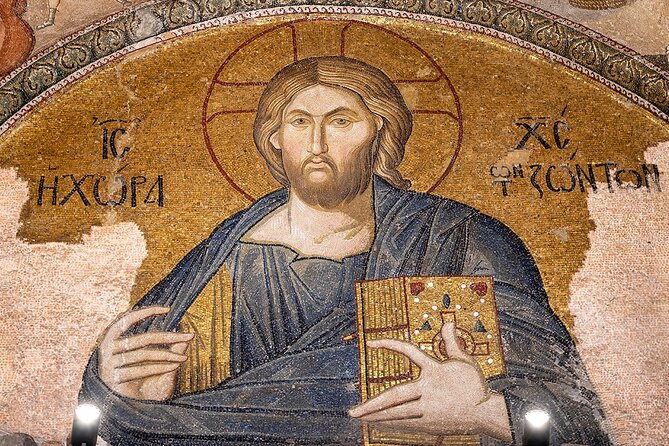
Chora is the star because it’s one of the best places in Istanbul to see Byzantine art in a concentrated way. The highlight here is the Byzantine mosaics and frescoes connected with the Church of the Holy Saviour in Chora. You’ll go in with your guide and spend time looking closely, not just taking quick glances.
If you’ve already done big headline stops like Hagia Sophia or the Blue Mosque, this is how you keep the art-nerd streak going. Chora’s story is about how decoration carried religious meaning, even after later rule changes.
You can also read our reviews of more tours and experiences in Istanbul


Tekfur Sarayi (Tekfur Palace): the palace side of the city story
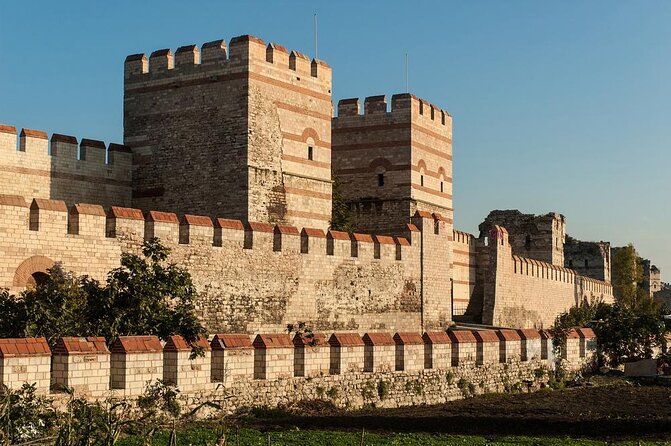
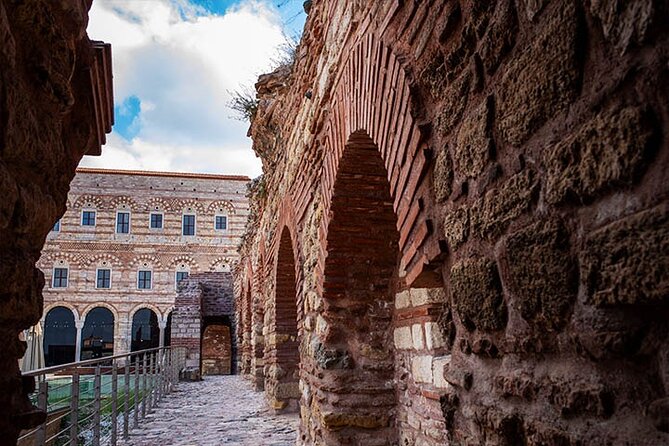
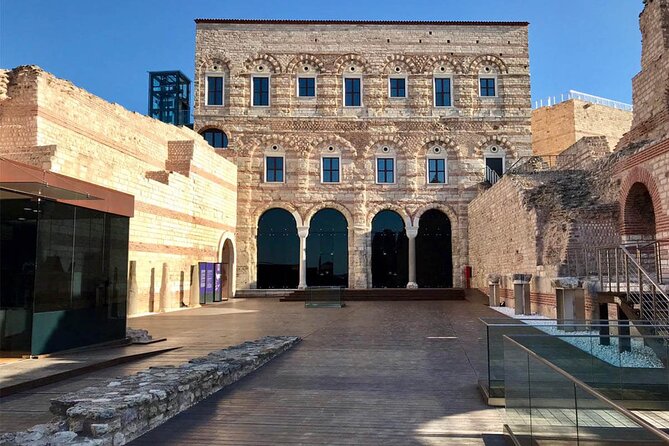
Next comes Tekfur Sarayi, the 13th-century Byzantine palace known historically as the Palace of the Porphyrogenitus. You’ll view it from the outside, but that’s still useful. Even without a long interior visit, you can read the building’s shape as a clue to what the court life looked like in late Byzantium.
This is also a good moment to let your guide connect dots: palace luxury, church power, and later Ottoman reuse all show up in the same old-city geography.
Vlaherna Meryem Ana Church: an Eastern Orthodox thread
You’ll stop at Vlaherna Meryem Ana Church, an Eastern Orthodox church. With a guide, the value here is learning how older Christian sanctuaries still exist inside modern city life. Even if what you see is brief, it helps you understand that Constantinople’s religious map didn’t disappear—it changed.
Church of St. Mary of the Mongols: Byzantine continuity that stayed intact
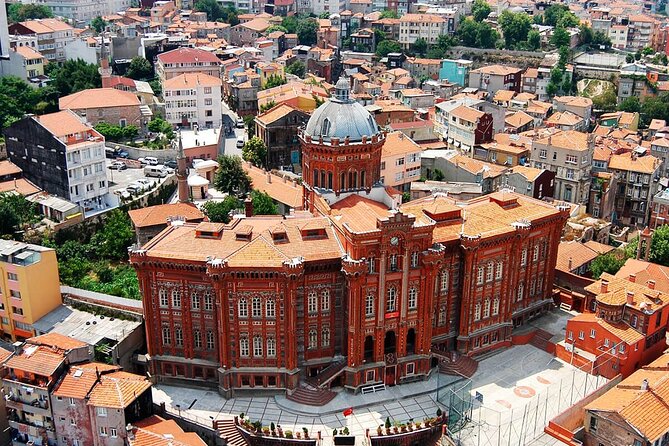
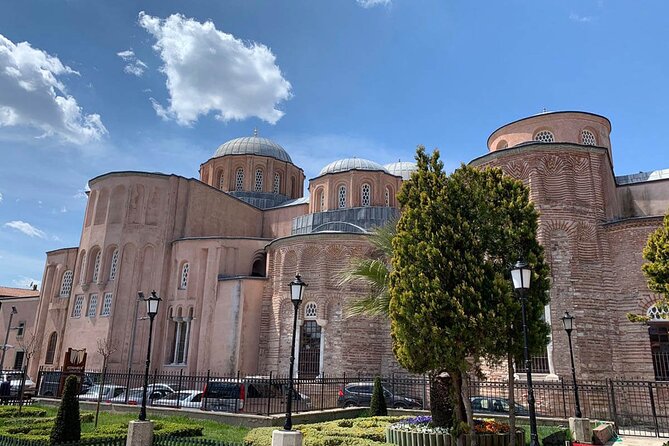
This is one of the most distinctive stops because it’s described as the only remaining Byzantine church in Constantinople that has never been converted to a mosque. It also has a clear ongoing connection: it’s always remained open to the Greek Orthodox Church.
That matters because it creates a contrast with other sites on this tour. Here, the religious function stayed Christian. Everywhere else you go, conversion and repurposing are part of the story—so this stop gives you a clean baseline.
Private Fener Greek High School: education as living heritage
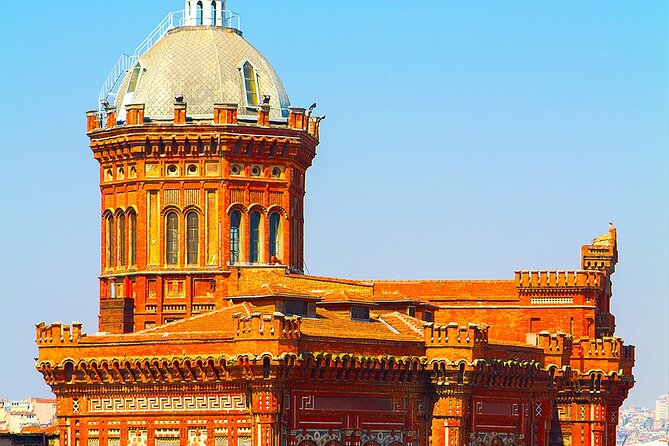
You’ll also pass by the Private Fener Greek High School. It’s noted as the oldest surviving and most prestigious Greek Orthodox school in Istanbul.
This may sound like an odd stop until you realize what the tour is really doing. You’re not only tracking buildings—you’re tracking institutions. A school is a sign that a community kept showing up over time, even when power and borders shifted.
Fethiye Muzesi (Pammakaristos Church): mosaics you can’t miss
Fethiye Muzesi is the former Pammakaristos Church, built in the early 12th century. Here you’ll see the church’s legacy and get one more strong look at Byzantine decoration, especially at the funerary chapel level with mosaics.
This is also a conversion story. Fethiye today is known as a mosque complex, so your guide can explain how burial spaces and sacred art evolved under new rules.
Walls of Istanbul: a built-in time machine
You’ll spend time at the Walls of Istanbul, including gates and fortifications tied to Constantinople. You might think city walls are just for history books, but in Istanbul they’re a way to understand why neighborhoods grew where they did.
If you’re the kind of traveler who likes how the city’s layout makes sense, this stop earns its place on the schedule.
Molla Zeyrek Mosque: Pantocrator’s church body under a mosque identity
Molla Zeyrek Mosque is described as being made of two former Eastern Orthodox churches and a chapel. Your guide can connect this to the broader Constantinople pattern: Christian sanctuaries repurposed rather than erased.
This is the kind of stop where the outside-only approach still works. Even from outside, you can see the logic of combining older structures. If you’re curious about why certain buildings look the way they do, Zeyrek-style sites are where your questions will start getting answered fast.
Fener Rum Patrikhanesi: the Ecumenical Patriarchate viewpoint
You’ll see the Ecumenical Patriarchate of Constantinople at Fener Rum Patrikhanesi. This stop is about continuity and identity. It’s not just architecture; it’s a living religious office with historic weight in Greek Orthodox Christianity.
Even a short exterior look can make your earlier church stops feel more grounded. You can start to see the institutions that kept the story going.
Church of St Polyeuktos (in Sarachane): the “carved remains” connection
Finally, you’ll reach Church of St Polyeuktos, connected to the noblewoman Anicia Juliana and dedicated to Saint Polyeuctus. In Sarachane, the experience is often described as walking through carved remains and learning how the site was built in the 6th century and considered one of the most important Christian sanctuaries.
This stop is perfect if you enjoy detective work. Even when structures aren’t intact, a good guide can help you read what’s left like evidence, not like ruins.
How lunch fits into the Constantinople story
Lunch is included, and it’s usually a 2-course meal. The typical pattern is soup or salad first, followed by a meat and eggplant entrée.
In practice, you’ll likely sit down in the Fatih district area for a proper break. One person even described it as home-cooked Anatolian food and said it was more than they expected from an included meal. That said, you should also know lunch quality can vary by day: at least one comment suggested the restaurant could be better for the money.
My take: included lunch is a practical value here because it keeps the day flowing. You won’t spend your time hunting for food between sites, and the meal format matches the pacing of a guided history day.
Guides make or break a day like this
The tour’s common thread in the feedback is guidance style. When guides like Diana, Ilker, Serhat, and Lutfallah lead, the day tends to feel both organized and conversational: clear explanations, context for Muslim and Christian traditions, and steady navigation through older neighborhoods.
That matters because many of these sites aren’t “wow” in the classic postcard way. They work when your guide gives you the story behind the stones. And since the group is capped at four, you’re less likely to get rushed past the details.
If you end up as a solo booking on a quieter date, you might get an even more tailored experience. It’s not guaranteed, but it’s possible because the group size is flexible.
Price and value: what $781.90 buys you
The price is $781.90 per group for up to 4 people. If you fill the group, that’s roughly $195 per person—and it’s a lot easier to justify because you’re paying for a licensed guide, transportation, and lunch across a full day of walking and multiple stops.
If you’re booking with fewer people, the per-person cost jumps. In that case, the value depends on what you want most: if you care about deeper context and want someone to stitch together Constantinople’s religious transformations into one clear storyline, the guide cost is the main attraction.
A final way to think about value: this isn’t trying to pack the “top ten Istanbul hits.” It’s designed to help you see the living edges of history—places that feel like part of the city’s daily routine, not just a single attraction you check off.
Should you book this Byzantine monasteries tour?
If you want Istanbul beyond the headline landmarks, I think this is a smart booking. It’s especially good for travelers who enjoy religion-as-architecture and like understanding how Christian and Islamic traditions can share physical space across centuries.
Book it if:
- you’re comfortable walking for hours
- you want Byzantine art focus at Chora
- you like guided context at sites where many visitors only pass by
- you’re traveling with up to three other people to make the group price work better
Skip it (or consider a shorter option) if:
- you hate walking
- you expect every stop to be fully inside-and-ticketed
- you only want the most famous museums and monuments with minimal neighborhood wandering
FAQ
FAQ
How long is the Istanbul Ancient Monasteries full-day tour?
The tour runs about 6 hours 40 minutes to 7 hours 30 minutes.
Is hotel pickup and drop-off included?
Yes. The tour includes complimentary pickup and drop-off from centrally located European Side hotels.
What time does the tour start?
It starts at 9:00 am.
What’s included in the price?
Hotel pickup and drop-off, an English-speaking licensed guide, transportation, and lunch.
Is lunch included, and what is it like?
Yes. Lunch is included and is usually a 2-course meal, typically starting with soup or salad and followed by a meat and eggplant entrée.
How many people are on the tour?
The tour has a maximum of 4 travelers, so it’s designed as a small-group experience.