REVIEW · FULL-DAY
Istanbul Ancient Monasteries Full-Day Tour with Lunch
Book on GetYourGuide →Operated by ISTANBUL WALKS · Bookable on GetYourGuide
Byzantine ruins meet serious art. You’ll love the Chora Monastery mosaics and frescoes, and you’ll also get a rare hands-on feel for Aspar Cistern engineering. This tour strings together church sites, chapel spaces, and imperial architecture so you can see how faith, power, and craft shaped Istanbul.
The trade-off is physical: it’s an eight-hour day with real walking, including some uphill stretches. Also, no luggage or large bags are allowed, so travel light or plan to stash things before you go.
In This Review
- Key highlights you’ll actually notice
- A tight route through Eastern Roman power centers
- Getting started in Fatih: pickup and how the pacing works
- St. Polyeuktos and Pantokrator: start with what survived
- Aspar Cistern: the cool pause you’ll need
- Pammakristos: when a church becomes a mosque
- Chapel of St. John the Forerunner: spirituality in a smaller space
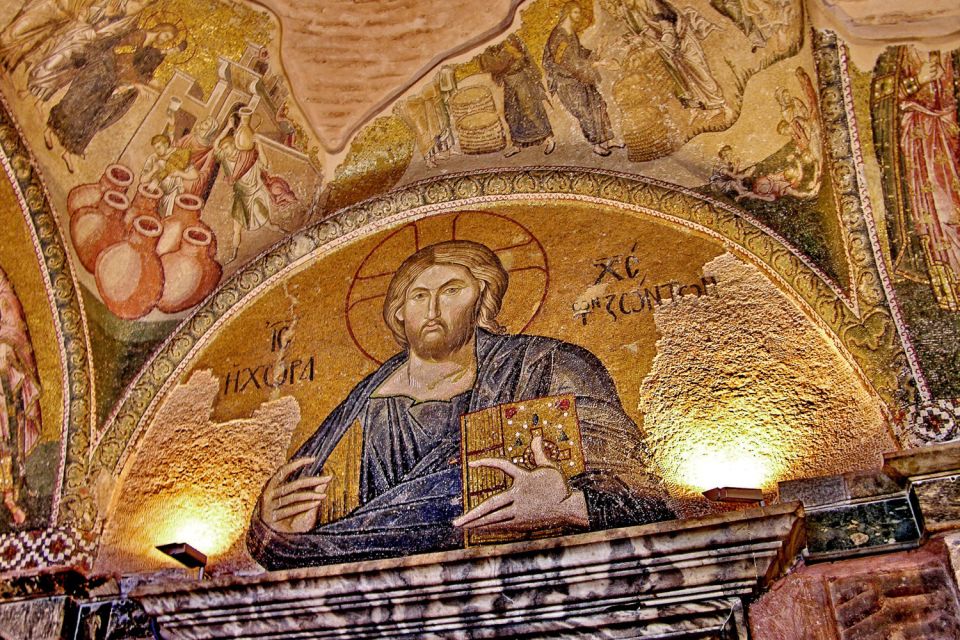
- Chora Monastery (St. Saviour): mosaics that do the storytelling
- Tekfur Palace: the last imperial residence in view
- Lunch, transit, and smart packing for an all-day walk
- Price at $561: what you’re really paying for
- Who should book this tour, and who should skip it
- Should you book? A quick decision guide
- FAQ
- How long is the Istanbul Ancient Monasteries full-day tour?
- Where is pickup available?
- What’s included in the price?
- Is lunch included, and are drinks included too?
- Does the tour include entrance fees and skip-the-ticket-line access?
- Are large bags or luggage allowed?
- What happens if a museum is closed?
Key highlights you’ll actually notice
- Chora Monastery (St. Saviour) with standout frescoes and mosaics
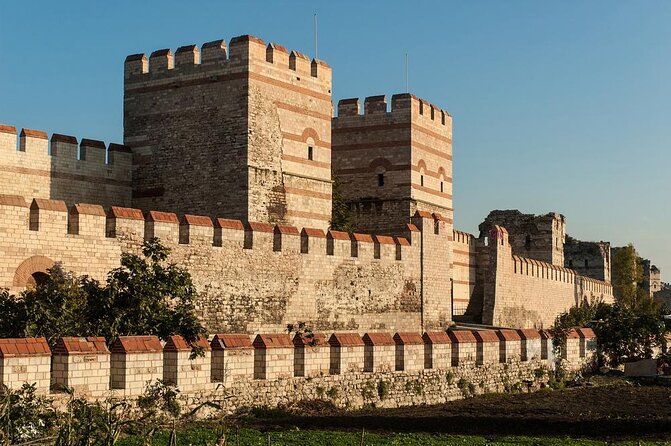
- Tekfur Palace views over the old city walls
- Aspar Cistern, a working example of Byzantine water engineering
- Pammakristos, a historic church now operating as a mosque
- Lunch included, plus entrance fees and donations to church sites
A tight route through Eastern Roman power centers
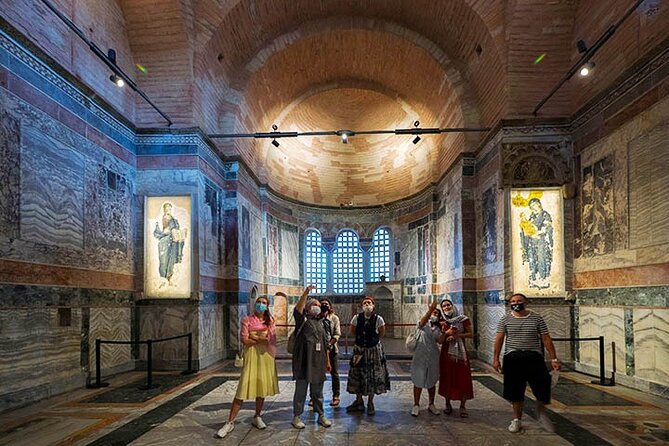
This is not a sightseeing bus loop. It’s a walk through the Byzantine layer of Istanbul, where the city’s religious buildings quietly explain a lot about who ruled, what people believed, and how art was used to teach and persuade.
You’ll see the spectrum: some spots are dramatic ruins, others are religious spaces still in use, and a couple are architecture that has been repurposed over time. That mix is what makes the day feel like more than a photo tour. You start noticing patterns, like how buildings were designed for community worship, how cisterns solved daily needs, and how emperors left a paper trail in stone.
You can also read our reviews of more tours and experiences in Istanbul

Getting started in Fatih: pickup and how the pacing works
Pickup is available from centrally located Istanbul hotels, including Fatih (and also Taksim Square, Şişli, Beşiktaş, and Sultanahmet areas). You’ll get English guiding, plus public transportation tickets, entrance fees, church donations, and transport to and from your hotel all rolled into the price.
Your guided time includes a walking block of about 4 hours, with the rest of the day used for transfers and time at each stop. That matters because Istanbul history sites are rarely flat, and the day adds up faster than you think once you’re moving between neighborhoods.
Practical tip: plan comfy shoes first, style second. One guide experience I saw mentioned a lot of uphill walking, so you’ll want a sole that grips and a shoe you can wear for hours without switching to walking-by-pain mode.
St. Polyeuktos and Pantokrator: start with what survived
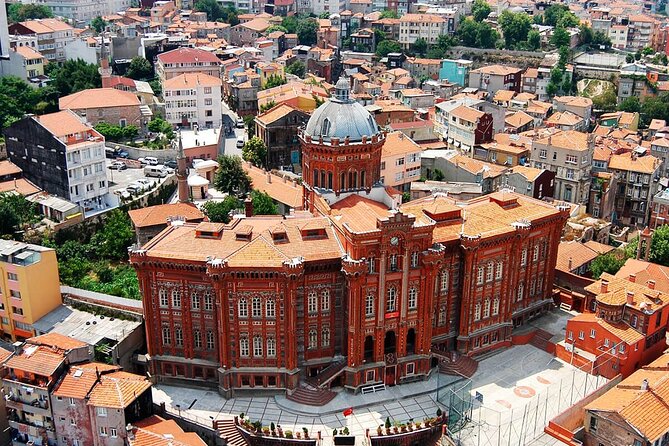
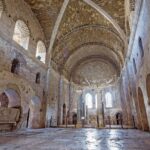
You begin with St. Polyeuktos Church ruins. What you’re seeing is a fragment of an earlier Byzantine grandeur, and that’s the point. Ruins force you to look at structure, proportions, and craftsmanship rather than relying on a fully restored interior.
Next comes Pantokrator Church, a complex with church-and-monastery associations. This is the kind of site where the guide’s focus matters. Expect discussion of what the complex was meant to accomplish spiritually and socially, and how decoration like mosaics fits into Byzantine worship.
The draw here is balance. One stop gives you scale through remnants. The next gives you meaning through the way the space was organized for devotion. If you like architecture that still has “instructions” in it, you’ll enjoy this pairing.
Aspar Cistern: the cool pause you’ll need
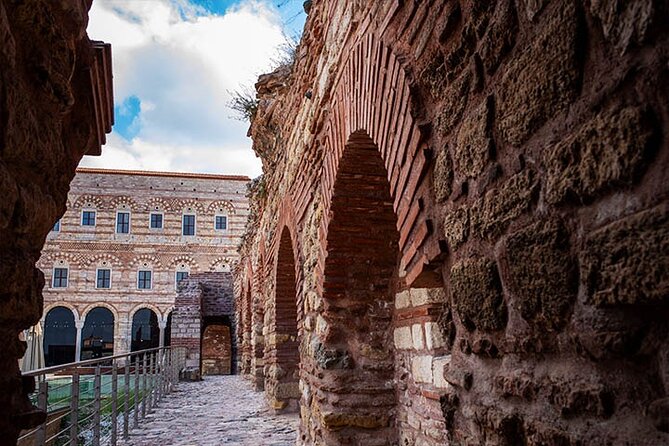
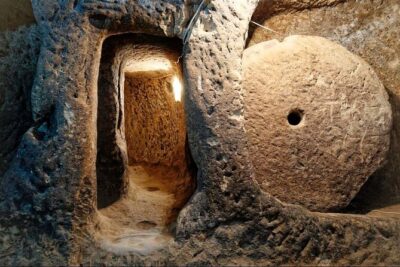
Then you reach Aspar Cistern, one of those places that turns Byzantine ingenuity into something you can feel. A cistern isn’t just a historic artifact. It’s a reminder that cities run on water, and the Romans and Byzantines treated that as serious engineering.
In practical terms, it’s also a welcome break. You get a different atmosphere from the open-air church stops, and the lighting changes how you experience the space. It’s a good moment to slow down, absorb, and reset before the next set of churches and chapels.
If you’re the kind of traveler who likes to connect the dots between art and daily life, the cistern helps. It’s not decorative. It’s functional. That realism is a nice counterweight to all the religious symbolism you’ll see later.
Pammakristos: when a church becomes a mosque
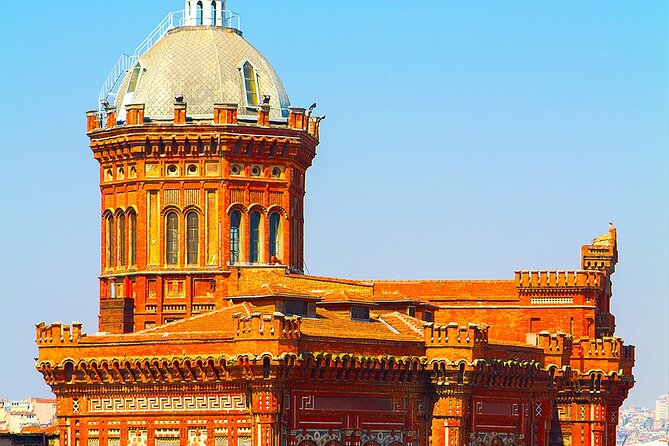
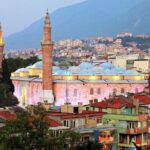
Pammakristos Church is where the story shifts from abandonment to adaptation. The site’s historic church identity remains visible in its architecture, even though it now functions as a mosque.
This is a great stop if you want to understand Istanbul as a living city rather than a museum. Buildings don’t just freeze in time. They get reused, reinterpreted, and reoccupied. You’ll be seeing continuity of sacred space, even if the rituals and community rhythms are different now.
Tip for comfort and respect: plan to dress appropriately for mosque interiors and follow any on-site instructions. Even if you’ve visited before, it’s smart to treat each entry point like it has its own rules.
You can also read our reviews of more tours and experiences in Istanbul
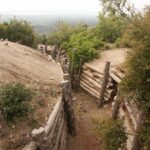


Chapel of St. John the Forerunner: spirituality in a smaller space
The Chapel of St. John the Forerunner works well as a breath between major monuments. Chapel spaces tend to feel more personal than large churches, and you’ll likely get a clearer sense of how devotion was structured on a human scale.
What I like about this stop is the role it plays in the day’s logic. It’s not just another building name. It helps explain how Byzantine religious life used both grand and small spaces to shape worship.
If you pay attention to the guide’s pointers, you’ll start to see how these chapels and churches connect thematically, not just geographically.
Chora Monastery (St. Saviour): mosaics that do the storytelling
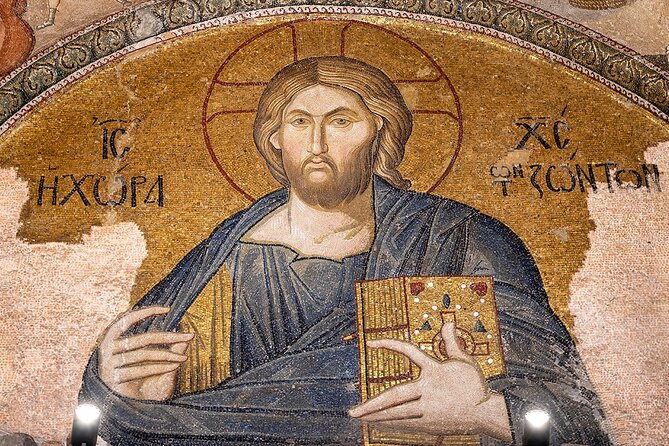
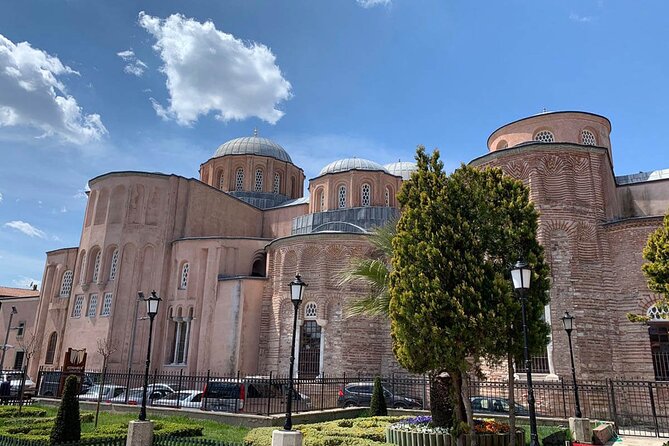
This is the star for many people, and it’s easy to see why. St. Saviour in Chora Monastery is famous for its frescoes and mosaics, and it’s the kind of place where you understand why Byzantine artists cared so much about visible narrative.
A recurring theme in guide experiences is how strongly the art conveys sacred stories. In one example, a guide highlighted the newly refurbished Chora experience (often identified as Kariye Camii) and the impact of the restored visuals. That kind of care changes how the site hits. When the details are clear, the scenes become legible fast, and you spend less time guessing.
Drawback to expect: Chora is popular, so you’ll want to keep your expectations steady. You’ll get your time with the artwork, but you should also be ready for crowds and the limits of lingering in one spot. If you want your own moment with a particular mosaic, just remember to stand where you can see cleanly and let others pass.
Tekfur Palace: the last imperial residence in view
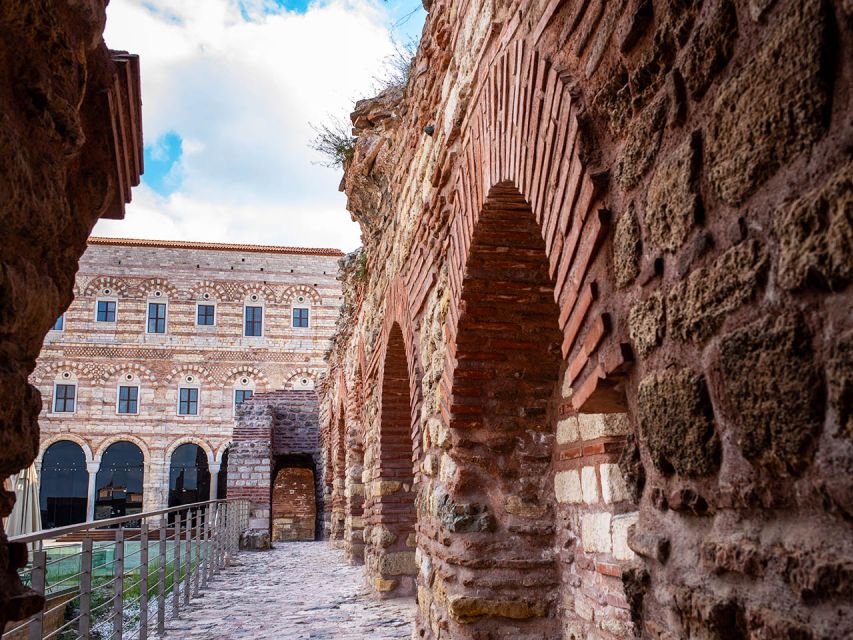
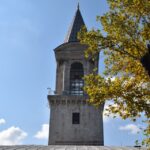
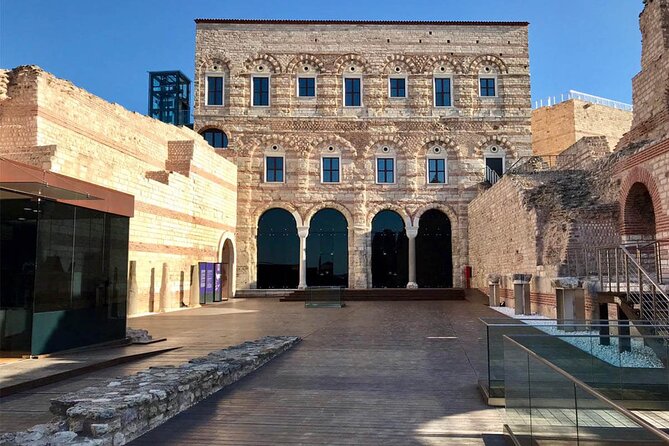
You finish with Tekfur Palace, often described as the only surviving Byzantine imperial palace in Istanbul. That makes it more than a pretty stop. It’s a rare physical link to how imperial authority lived in this city.
Now it functions as an interactive museum, and the views are part of the payoff. In one guide account, the palace location came with a strong line of sight toward the city walls, which helps you picture the defense and the power around this area.
If you like architecture that has both history and vantage points, Tekfur delivers. It’s also a strong closer because it shifts your mind from interior art to city-scale perspective.
Lunch, transit, and smart packing for an all-day walk
Lunch is included, but beverages during lunch are not. That’s a small line item that can surprise people. If you’re sensitive to heat or you tend to get thirsty while walking, plan to cover drinks yourself.
In at least one guide-led experience, lunch was served at a roof-terrace style restaurant. Even if yours looks different, treat lunch as the midday reset rather than a casual stop-and-scroll meal.
Also note what you bring: no luggage or large bags is allowed. This isn’t the day for a rolling suitcase. A small day bag is the safer bet.
One more pacing note: your route includes multiple major sites, plus transfers using public transportation. You’ll save energy by wearing shoes you can keep on, keeping your bag light, and carrying just what you need for photos and water.
Price at $561: what you’re really paying for
At $561 per person, this tour isn’t the budget end of Istanbul. The value comes from what’s bundled:
- English guided services
- Public transportation tickets
- Entrance fees
- Lunch
- Donations to churches
- Transportation to and from your hotel
When entrance fees, guided interpretation, and hotel pickup/return are included, the price starts to look less scary. You’re paying for convenience plus a guide who can connect art and architecture across several sites in one day.
You are also paying for a specific kind of experience: Byzantine religious and imperial layers, concentrated into an eight-hour walking format. If you have limited time and you want structure, it can be worth it. If you’re the type who prefers self-paced wandering without a fixed schedule, you may find the cost harder to justify.
The guides named in past experiences—like Dogus Cosar, Ludwig, and Diana—are described as strong at connecting the visual details to the broader story. That interpretive work is often what turns “I saw buildings” into “I understand what I saw.”
Who should book this tour, and who should skip it
This tour is a good match if you want:
- Byzantine churches and monasteries without doing it one-by-one on your own
- a guide to explain how mosaics, frescoes, and architecture fit together
- a day that mixes big monuments with smaller chapel spaces and practical engineering like cisterns
It’s less ideal if:
- you don’t do well with a full day of walking and uphill stretches
- you rely on wheelchair access, since it’s not suitable for wheelchair users
- you travel with large luggage (you’ll need to travel light)
Should you book? A quick decision guide
Book this tour if you want the Byzantine storyline in one day, with entrance fees, lunch, transport, and church donations handled for you. It’s especially worth it if you care about the art at Chora and the way Istanbul’s religious spaces have changed over time.
Skip it if your priority is pure downtime, or if you’re uncomfortable with long walks. For the right person, this is one of those rare Istanbul days where you go home understanding more than you photographed.
FAQ
How long is the Istanbul Ancient Monasteries full-day tour?
It lasts 8 hours total.
Where is pickup available?
Pickup is available from centrally located Istanbul hotels within Taksim Square, Şişli, Beşiktaş, Sultanahmet, and Fatih neighborhoods.
What’s included in the price?
The tour includes English guiding services, public transportation tickets, entrance fees, lunch, a donation to churches, and transportation to and from the hotel.
Is lunch included, and are drinks included too?
Lunch is included, but beverages during lunch are not included.
Does the tour include entrance fees and skip-the-ticket-line access?
Yes. Entrance fees are included, and the tour notes skip-the-ticket line access.
Are large bags or luggage allowed?
No. Luggage or large bags are not allowed.
What happens if a museum is closed?
If any museum closures happen, the tour will visit an alternative similar museum.