REVIEW · FULL-DAY
Historical Ambiance of Istanbul: Private Full-Day Tour
Book on GetYourGuide →Operated by Travel Store Turkey · Bookable on GetYourGuide
Istanbul rewards smart pacing. You get a private guide to steer you through Istanbul’s big-ticket sites without wasting hours. I especially love the skip-the-line access concept, because queues in Sultanahmet can steal your energy fast.
You’ll cover the city’s layered story in one sweep, from Byzantine-era landmarks like the Hippodrome to Ottoman icons like the Blue Mosque. The day also builds in time for the Grand Bazaar, where you can actually browse instead of just passing through.
One thing to consider: depending on your day, some stops are replaced (Blue Mosque Fridays, Topkapi Tuesdays, Grand Bazaar Sundays), so your final mix of sights may shift.
In This Review
- Key things that make this tour worth your time
- From 09:30 hotel pickup to an 8-hour old-city sprint
- Hippodrome and the obelisks: Byzantine landmarks you can spot fast
- Blue Mosque (or the Friday switch): Iznik tiles and Ottoman symmetry
- Hagia Sophia and Little Hagia Sophia: two churches, one city’s conversion story
- Basilica Cistern: the cool pause that makes the day feel cinematic
- Grand Bazaar browsing time: over 4,000 shops under one roof
- Lunch planning: what to do since it’s not included
- Topkapi Palace and the royal treasury: relics and an 86-carat diamond
- Little Hagia Sophia and the Ottoman layers you carry home
- Price and value: what $340 per person buys you
- Who this tour is best for
- Should you book this private Old City day?
- FAQ
- What’s included in the tour?
- What’s the tour length?
- Is lunch included?
- Do you skip the lines?
- What happens if I’m traveling on a Friday?
- What happens if I’m traveling on a Tuesday?
- Is the Harem part of Topkapi included?
Key things that make this tour worth your time
- Skip-the-line entry via separate entrance for key highlights, so you start seeing faster
- Private guide who can explain what you’re looking at and help you move efficiently
- A focused Old City route hitting major Byzantine and Ottoman landmarks in one day
- Grand Bazaar browsing time inside a covered maze of shops
- Topkapi Palace treasury priorities with the imperial relics and famed diamond
- Clear backup plan on closures with mosque and museum substitutions when needed
From 09:30 hotel pickup to an 8-hour old-city sprint
This tour is built around one simple idea: if you want the best Istanbul hits in a single day, you need a plan. You’re picked up from your hotel around 09:30, then you head straight into the historic core.
The total time is 8 hours from first activation, which is long enough to see several major monuments without feeling like you’re speed-walking the whole day. Because it’s a private group, you’re not stuck timing your pace to strangers who take 20 minutes to decide whether to stand still.
Your guide choice matters here. In one case, a guide named Mustapha was singled out for tackling queues and sharing useful explanations plus advice for what to do after the tour. That’s the kind of value you want from a private day: not just facts, but practical guidance.
One more planning note: lunch is not included, and if your hotel is outside the city you may need to arrange a private car. Build in time to eat and you’ll enjoy the rhythm of the day more.
You can also read our reviews of more private tours in Istanbul

Hippodrome and the obelisks: Byzantine landmarks you can spot fast
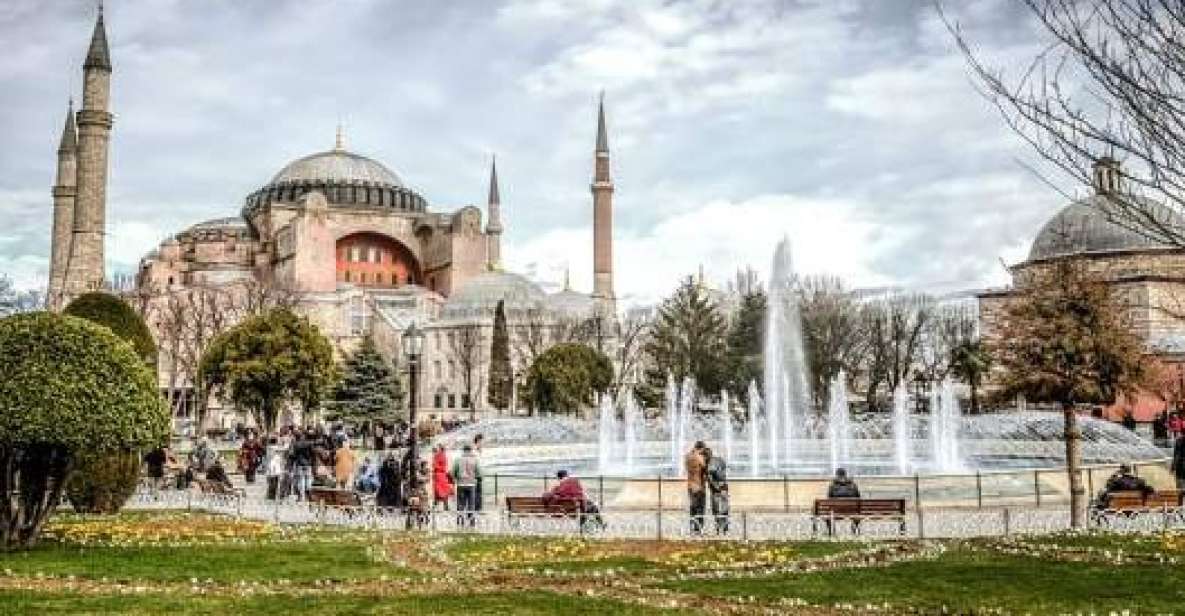
The day often starts at the Hippodrome, a Byzantine-era sports and public space with roots in much earlier time. Even if you don’t know the story yet, you can feel how central this location was to city life.
Your guide points out the Serpentine Column, plus the Obelisk of Theodosius and the Obelisk of Constantine. You’ll also see the German Fountain, which adds a modern European touch to a site that’s otherwise deep into the ancient layers of Istanbul.
Why I like this first stop: it helps you “read” the rest of the day. The monuments here are more than scenery. They set the stage for what comes next: the Byzantine imagination that shaped Istanbul’s public spaces, followed by the Ottoman interpretation of those same locations.
If you prefer your sightseeing with context, this start is a good fit. You’ll get the kind of orientation that makes later sites make more sense.
Blue Mosque (or the Friday switch): Iznik tiles and Ottoman symmetry
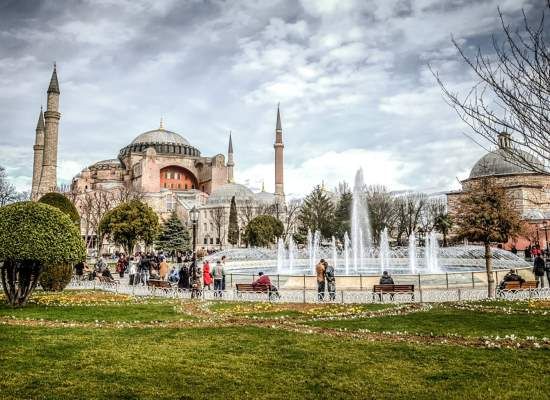
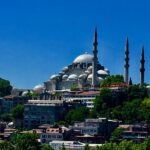
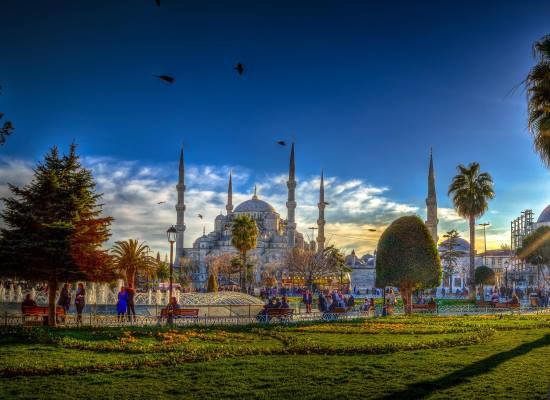
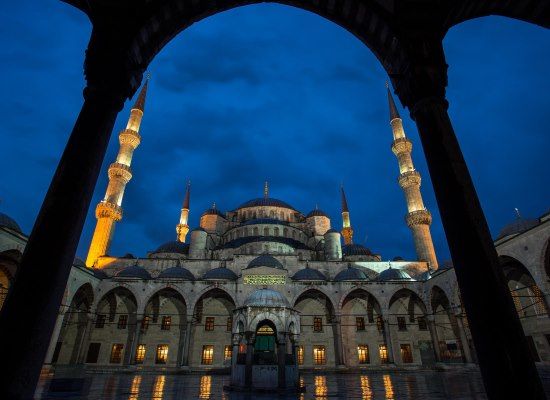
The Blue Mosque (dated 1609–1616) is one of Istanbul’s most famous Ottoman landmarks. It’s the second-largest mosque in Turkey, and the interior’s reputation is deserved—especially the Iznik tiles and the mosque’s overall symmetry.
If your tour day falls on a Friday, the Blue Mosque is closed, so your visit is replaced with the Nuruosmaniye Mosque. That substitution still keeps you in the Ottoman sweet spot: ornate decoration, big religious architecture, and a strong sense of how Istanbul’s ruling styles evolved over time.
This is also where skip-the-line value tends to show up. When you’re not stalled in a line, you can spend more time looking carefully. You’ll have the chance to notice the tilework patterns and the way the building’s design guides your sightlines.
Practical tip: dress and behavior rules matter at mosques. Even when you’re there for photos, plan for a respectful visit and give yourself a few extra minutes to settle in.
Hagia Sophia and Little Hagia Sophia: two churches, one city’s conversion story
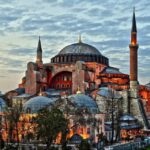
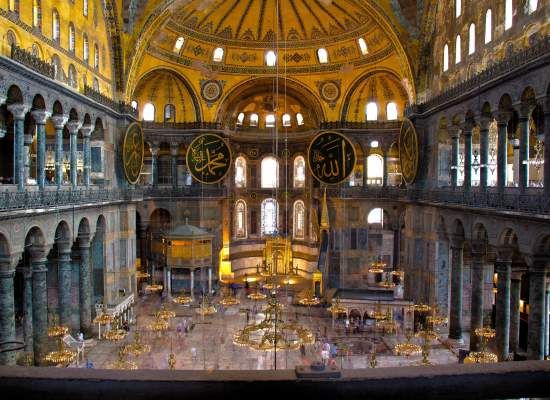
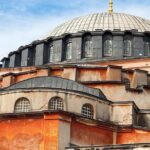
You’ll see Hagia Sophia, one of the city’s defining monuments. The core building dates 532–537, originally serving as an early Greek Orthodox church. During the Ottoman period it became a mosque, and today it’s a museum.
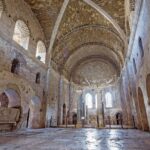
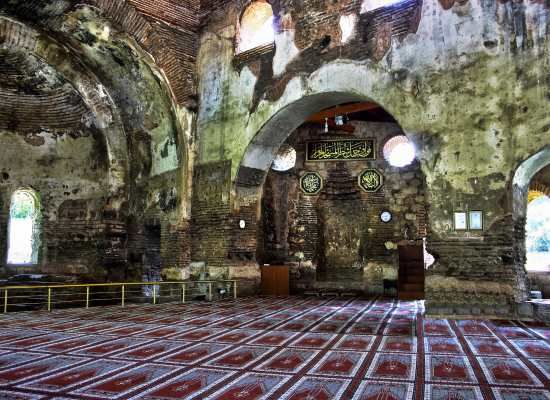
Then you go to the Little Hagia Sophia Mosque, dating 527–536. It’s an early domed basilica that began as a temple linked to Emperor Justinian’s era. Later it was converted into a mosque in 1497 during Ottoman rule.
I like this pairing because it makes conversion history feel less abstract. You’re not just learning that empires changed buildings. You’re comparing how an earlier sacred space continues to influence a later one—through architecture, scale, and interior feel.
At a big site like Hagia Sophia, the line-free advantage helps, but so does having a guide who can point out what you should actually notice. Otherwise, it’s easy to get overwhelmed and simply take a lot of photos without really seeing.
Basilica Cistern: the cool pause that makes the day feel cinematic
If you want one stop that changes the pace, it’s the Basilica Cistern. You’re stepping into an underground world, where everything becomes slower: sound softens, light gets dim, and the stone feels heavier.
This is also the kind of attraction that benefits from a guide, because it’s not just “pretty columns.” It’s part of the city’s water system story and part of the imagination Istanbul built around hidden spaces.
There’s a closure rule tied to the Grand Bazaar: on Sundays, the bazaar is closed, and the visit will be replaced with the Basilica Cistern. If your day includes both the cistern and the bazaar, the extra time can make the cistern feel less rushed.
When I’m choosing between monuments, I always ask: does the place offer something you can’t get by walking around outside? Basilica Cistern answers that. It’s a fully different Istanbul experience.
You can also read our reviews of more historical tours in Istanbul


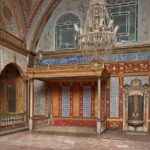
Grand Bazaar browsing time: over 4,000 shops under one roof
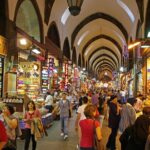
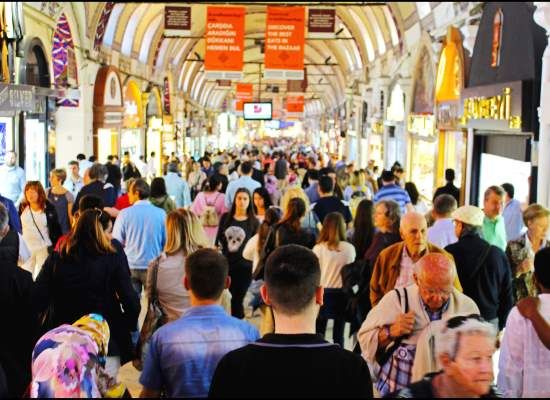
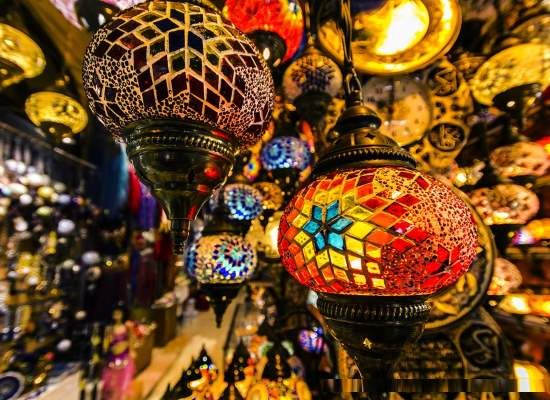
The Grand Bazaar (from 1461) is a world-class shopping maze. You’re visiting a covered marketplace with over 4,000 shops, so this is not about buying one souvenir. It’s about walking through a living trade system.
Your guide helps you focus, so you don’t waste time spinning in circles. You’ll have real browsing time to look at textiles, ceramics, leather goods, lamps, spices, and jewelry—plus the chance to see how shop layouts and product types cluster.
When the bazaar is open, it’s worth it because it’s not just a store. It’s an architectural experience: arcades, light, and shifting crowds under a roof designed for daily commerce.
Closure note: if your tour day is a Sunday, the Grand Bazaar is closed, and your route is adjusted. In that case, the time can shift to the Basilica Cistern, keeping your day filled even when one major stop is unavailable.
Lunch planning: what to do since it’s not included
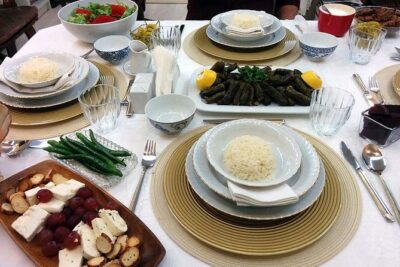
Lunch isn’t included on this tour, so you’ll want a simple game plan. You’ll stop for a lunch of fresh, traditional Turkish dishes at a cozy restaurant, but you’ll pay for it yourself.
That matters because it affects value. A tour can look expensive until you realize you’re paying extra for meals that you’d otherwise spend time finding. Here, you don’t have to hunt for a place on your own mid-day, which is a real convenience.
My suggestion: bring a little patience about timing. If you want a specific dietary plan, ask early and stay flexible with choices. The goal is to keep the day moving smoothly so you can still enjoy the afternoon monuments without feeling depleted.
Topkapi Palace and the royal treasury: relics and an 86-carat diamond
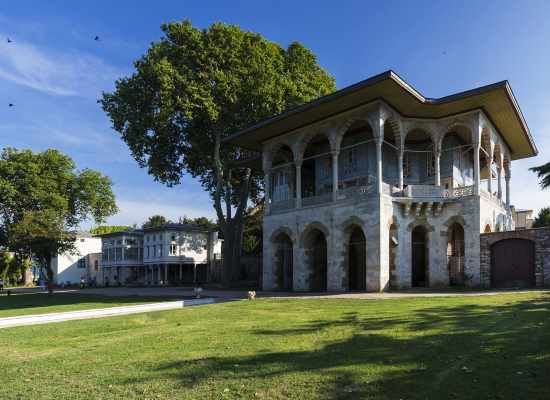
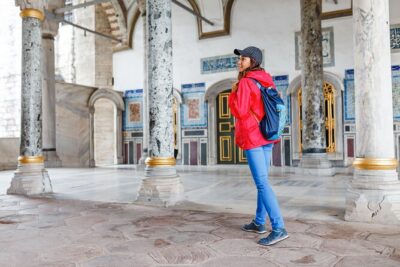
Topkapi Palace (dating 1478) is where Ottoman power turns into objects you can see. For more than 400 years, the palace hosted Ottoman sultans and their court. On this tour, the focus is on the palace areas that visitors tend to care about most: the imperial treasury and the famous collections.
You’ll visit the imperial treasury, and you can see sacred relics associated with the prophet Mohammed, John the Baptist, and the prophet Musa. You’ll also see one of the most valuable diamonds in the world—a famed stone that weighs 86 carats.
This stop works well inside a private day because Topkapi is easy to treat like a checklist. With a guide, you can spend more time understanding why these collections mattered politically and religiously, not just aesthetically.
Two important limitations/closure points:
- The Harem section is not included, and admission to it has an additional fee.
- On Tuesdays, Topkapi is closed, so your visit is replaced with the Chora Museum.
That Tuesday replacement is a big deal. Chora Museum can shift the mood of the day from imperial palace power to another style of religious-art focus, so it helps to mentally stay flexible.
Little Hagia Sophia and the Ottoman layers you carry home
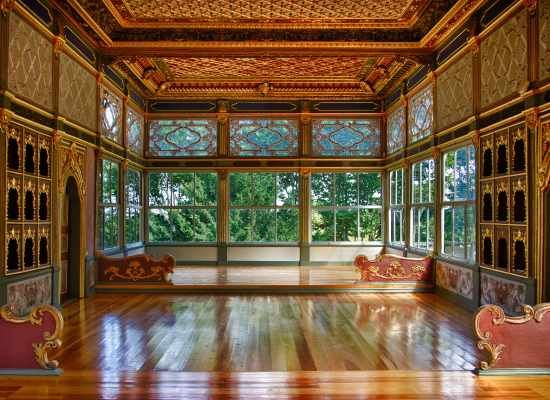
By the time you reach the later part of the day, the tour becomes more than a list of landmarks. You start noticing patterns: the way different eras reuse, reframe, and reinterpret sacred and civic spaces.
Little Hagia Sophia is a good example. It starts as a basilica in Justinian’s era, then becomes a mosque in 1497. That makes Istanbul’s architecture feel less like random stops and more like an ongoing conversation across centuries.
If you love photography, you’ll likely want a bit of extra time for details like columns, domes, and tile surfaces. If you love storytelling, you’ll get more from taking a moment to ask yourself what changed with each conversion: the building purpose, decoration choices, and the audience it served.
This is one reason the private format shines. A group schedule can push you forward. A private guide can help you slow down at the points that actually click for you.
Price and value: what $340 per person buys you
At $340 per person for an 8-hour private tour, you’re paying for four things: a dedicated guide, a structured route through major sights, and time-saving entry methods.
Here’s how I look at value:
- You cover multiple top attractions in one day, including Blue Mosque, Hagia Sophia, Topkapi, Grand Bazaar, and Basilica Cistern.
- You get skip-the-line help through a separate entrance for the major highlights.
- You’re not sharing your schedule with strangers, which can cut down the “waiting penalty.”
- When closure rules kick in, your route is adjusted rather than ending early.
If you’re traveling with someone who also wants to see a lot without chaos, the private part becomes easier to justify. If you’re traveling solo, it still may feel pricey, but the time saved can matter more than you expect—especially at crowded monuments.
My practical take: this is a good value when you care about the biggest Istanbul sites and you want a plan that doesn’t collapse under crowd pressure.
Who this tour is best for
This private full-day format is a strong fit if:
- you want to see the most famous Old City landmarks without planning every step yourself
- you prefer guided context over just wandering
- you value efficiency, especially at busy entry points
- you’re okay with a day that includes both major monuments and a shopping stop
It may be less ideal if you want a super laid-back pace or you only want one or two sites. With a packed itinerary, this is for travelers who like structure.
Should you book this private Old City day?
I’d book it if you want one day that hits Istanbul’s signature Ottoman and Byzantine monuments with a guide who helps you stay oriented and not trapped in queues. The route is solid, and the skip-the-line approach plus the treasury and basilica stops give you variety, not just famous facades.
Skip it or at least double-check your expectations if you’re very sensitive to closure changes. Fridays, Tuesdays, and Sundays reshuffle key sites—Blue Mosque, Topkapi, and Grand Bazaar—so your ideal version of the day depends on which day you’re going.
If you want maximum value, pick a day when you’ll likely see the Blue Mosque and Topkapi as planned, and come with flexible energy for the shopping and museum-style stops.
FAQ
What’s included in the tour?
The tour includes a private guide. Hotel pickup in Istanbul is also included.
What’s the tour length?
It’s an 8-hour tour, counted from first activation.
Is lunch included?
No. Lunch is not included, though you’ll have a chance to enjoy a lunch of fresh, traditional Turkish dishes during the day.
Do you skip the lines?
Yes. You get skip-the-line access through a separate entrance.
What happens if I’m traveling on a Friday?
The Blue Mosque is closed on Fridays, and the visit is replaced with the Nuruosmaniye Mosque.
What happens if I’m traveling on a Tuesday?
Topkapi Palace is closed on Tuesdays, and the visit is replaced with the Chora Museum.
Is the Harem part of Topkapi included?
No. The Harem section is not included, and an additional admission fee applies if you want to visit it.