REVIEW · ISTANBUL CITY HIGHLIGHTS & PRIVATE TOURS
Half Day Old City Tour by Art Historian
Book on GetYourGuide →Operated by Fenerwalks · Bookable on GetYourGuide
One arena, two empires, and a lot of smart stories. This Old City walk is designed like a timeline you can actually follow, led by an art historian–style professional guide who points out what to notice and why it matters. I especially liked the calm small-group pace and the way the guide turned major landmarks into easy-to-remember moments with practical photo spots.
You’ll also appreciate the focus on what you can handle in 4 hours: the big squares, key mosques, and the Bazaar area without getting dragged into a long, exhausting day. One consideration: it’s not a great fit if you have mobility limitations, and some stops are quick passes rather than full interior visits.
In This Review
- Key highlights to watch for
- A 4-hour Old City timeline you can follow without getting lost
- Where you meet and how you’ll know your guide
- Hippodrome Arena: start where Istanbul’s power-symbols began
- The Million Stone and why your brain will remember it
- Sultan Ahmed Mosque (Blue Mosque): what to notice without rushing
- Dress code matters more than you think
- Sultanahmet Square and the obelisk/column cluster: perfect for photos
- Theodosius III Obelisk, German Fountain, Serpent Column, Constantine Column
- Hagia Sophia: what you’ll see in 4 hours (and what you won’t)
- Hagia Sophia fees if you want more
- Topkapi Palace: first court access, palace-victory storytelling
- Suleymaniye Mosque: a calmer Ottoman high point with Bosphorus views
- What makes this stop work
- The quick-hit stops that keep you from feeling like you missed something
- Grand Bazaar: tea, a no-pressure approach, and scam-smart tips
- The guide factor: why Yunus’s pace makes a difference
- Price and value: what $59 buys for a half-day route
- Who this tour is best for
- Should you book this Old City tour?
- FAQ
- FAQ
- How long is the Old City tour?
- What is the meeting point?
- What language is the tour guide?
- Is Hagia Sophia included inside the building?
- Is Topkapi Palace fully included?
- What should I wear for the mosque visits?
- What’s the cancellation policy?
Key highlights to watch for
- Art historian guiding the whole walk, so explanations connect across sites
- Photo-forward route, with specific spots the guide points out
- Sultanahmet to Grand Bazaar flow, so you get both monuments and everyday Istanbul
- Mosques with practical guidance on dress and what you’re looking at
- Relaxed pacing and break-friendly timing, especially in busy crowds
A 4-hour Old City timeline you can follow without getting lost
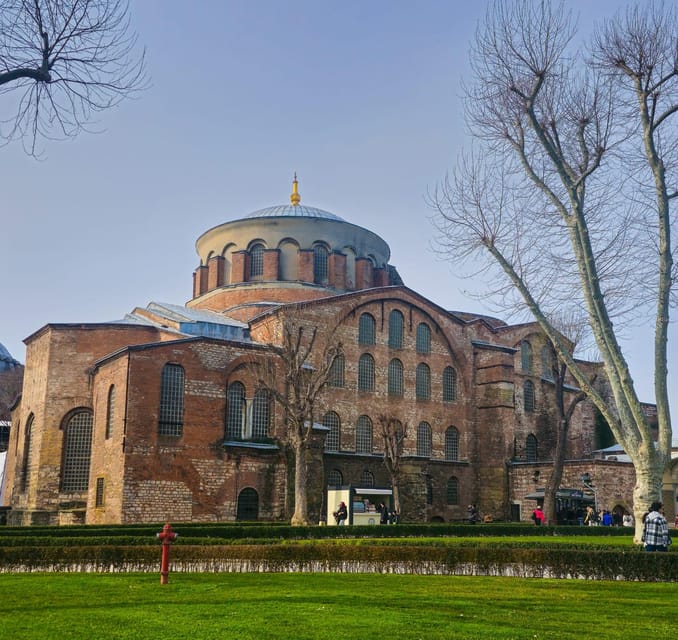
If Istanbul feels like it has too many layers, this tour is built for that problem. You start in the Hippodrome area and move through the Ottoman-era heart of Sultanahmet, then end in the Grand Bazaar zone. The route is short enough that you won’t feel wiped out, but it’s packed with meaning: you’re not just seeing famous places, you’re learning how the city used different powers, symbols, and architecture over centuries.
I like that the guide doesn’t treat landmarks like isolated checkboxes. You’ll hear stories that link monuments to each other. That makes it easier for you to keep the big picture in your head: Rome left its marks, Byzantium kept building, and the Ottomans made the city their own.
And yes, you’ll take photos. The guide points out where the light, angles, and sightlines work best—especially around Sultanahmet Square and the column/obelisk zone.
You can also read our reviews of more city tours in Istanbul



Where you meet and how you’ll know your guide
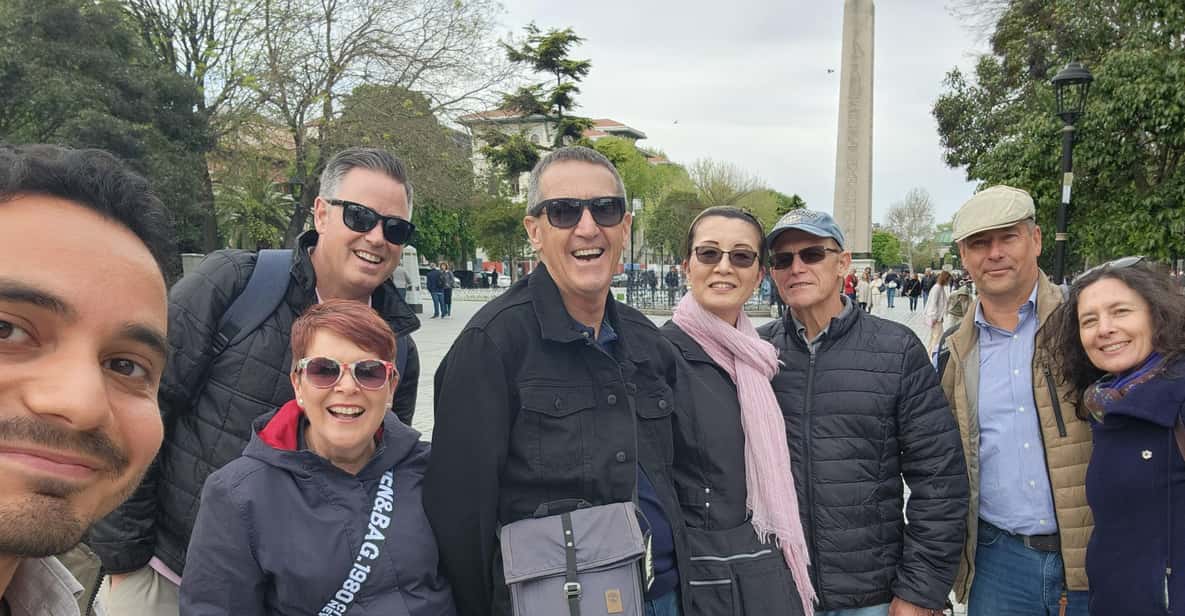
The meeting point is in the Sultanahmet area, at the Hippodrome Arena, specifically in front of the Turkish and Islamic Arts Museum. The tour guide will be easy to spot: a red-striped license with a black umbrella.
One small detail that helps: the tour information lists the starting location as Ibrahim Pasha Palace as well. In practice, that just means you’re firmly in the same neighborhood—plan to arrive a few minutes early so you can match what you see on the street to what you expect.
This is a walking tour with no hotel pick-up or drop-off, so you’ll want to be comfortable getting yourself to Sultanahmet on your own.
Hippodrome Arena: start where Istanbul’s power-symbols began
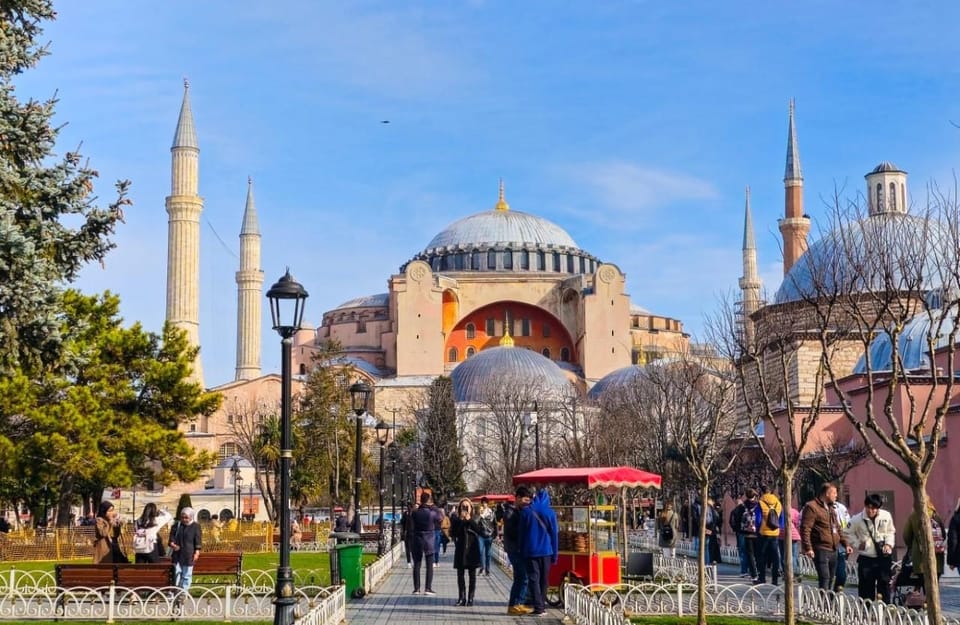
Your tour begins in the Hippodrome zone, which is basically Istanbul’s “ancient crowd stage.” It used to be an arena where huge public events happened, and now it’s where you can read the city’s political symbols in stone.
Here are the key ideas you’ll pick up fast:
- You’ll see how monuments were reused, reinterpreted, or remembered across different empires.
- You’ll understand why this area matters even if you mostly came for the Blue Mosque and Hagia Sophia.
The guide brings the space to life by pointing out major items in the Hippodrome area, including the Tombstone of Ancient Pharaoh reference (seen in the zone’s collection of historic monuments) and the Serpent Column, plus other iconic pieces that still feel startlingly “present” even after all this time.
The Million Stone and why your brain will remember it
You’ll also spend time at the Stone of Million (Million Stone). This is a concept landmark: it connects to the idea of measuring distance from a center—an ancient way of thinking about empire, movement, and control. It’s the kind of “small” detail that makes your tour feel richer, because it’s not just pretty; it’s functional history.
Sultan Ahmed Mosque (Blue Mosque): what to notice without rushing
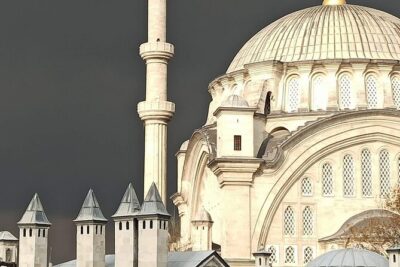
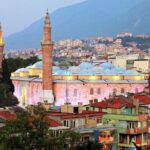
Next comes the Sultan Ahmed Mosque, often called the Blue Mosque. The guide uses the official name a lot, which is smart—because it ties the building to Sultan Ahmed and to Sultanahmet Square as the old-city core.
What you’ll learn here is practical and specific. For example, you’ll hear about the blue tiles inside the mosque (often explained as Turkuaz, described as a turquoise-like color the Turkish people created). Even if you’ve seen photos before, this is one of those spots where the guide helps you look in the right places.





Dress code matters more than you think
Mosques require modest clothing and, for most visitors, a scarf. The tour instructions are clear: bring a scarf and wear appropriate clothes (shorts, mini skirts, and sleeveless tops aren’t allowed). For emergencies, scarves and clothing may be provided at mosque entrances.
Plan for this. It can slow down your pace if you’re unprepared—so you’ll enjoy the tour more if you show up sorted.
Sultanahmet Square and the obelisk/column cluster: perfect for photos
After the mosque, you’ll move through Sultanahmet Square with a short photo-focused stop and then on to major monuments in the area.
This is where the tour becomes very “I can see why they picked this route.” The square and its nearby monuments create strong visual lines, and the guide will steer you toward angles that show the landmark scale without fighting other tourists.
Theodosius III Obelisk, German Fountain, Serpent Column, Constantine Column
You’ll make several quick-but-informative photo stops, including:
- Obelisk of Theodosius III (photo stop plus a guided moment)
- German Fountain (another photo stop with a short guide explanation)
- Serpent Column (photo stop and guided point)
- Column of Constantine (photo stop and guided point)
These aren’t random stops. The guide’s role is to help you connect them: what they symbolize, where they sit in the larger story of the city, and how to interpret what you see. Even if you only spend minutes at each, you come away with more meaning than you’d get from a quick wander.
Hagia Sophia: what you’ll see in 4 hours (and what you won’t)
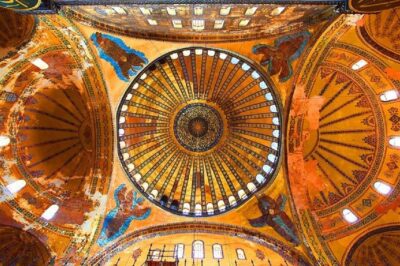
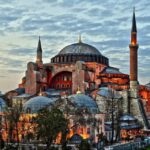
You’ll reach Hagia Sophia (Santa Sophia) for a photo stop and guided orientation. Important: the tour is described as not being an interior visit.
So think of this as a “big front view, key context” moment. You’ll also learn how the building is understood historically by different faiths, because the guide explains its role for both Christians and Muslims. It’s one of the best sites in the world for comparison-shopping ideas of architecture and belief—and even from outside, it lands hard.
Hagia Sophia fees if you want more
The tour info notes that as of January 15, 2024, there is an entrance fee for Hagia Sophia, and the visitor entrance to the second floor is listed as 25 Euro (no entry). Since your tour doesn’t include interior time as part of the core plan, you can use that info to decide whether you’ll add it on your own.
Topkapi Palace: first court access, palace-victory storytelling
Then comes Topkapi Palace, one of the Ottoman empire’s most famous power-symbols. Here, the tour includes only the First Court entry—not the deeper palace courts.
You’ll likely get the palace vibe without the full maze experience, and that’s a good match for a half-day schedule. If you’re trying to balance monuments with a real taste of daily Istanbul, the First Court access gives you enough to understand why this place mattered.
Topkapi is also described as the art of the conqueror—linked to Sultan Mehmet and the idea of the palace as a celebration of conquest. That’s the type of story that makes your photos feel like more than just “pretty stone.”
Suleymaniye Mosque: a calmer Ottoman high point with Bosphorus views
If you’re worried that the tour is going to be all crowded squares and fast-moving groups, Suleymaniye Mosque is where the pace feels more graceful.
You’ll walk into the neighborhood around Suleymaniye and reach a panoramic viewpoint over the Bosphorus. The guide describes Suleymaniye as “proper to Sultan Suleyman the Magnificent,” built by architect Sinan, and tied to the broader Ottoman idea of learning and greatness. Even if you don’t remember every name, you’ll remember the viewpoint—because Istanbul from that angle feels different than it does from Sultanahmet streets.
What makes this stop work
This is also where you get a “farewell from the guide” feeling: the tour ends with the sense that you’re seeing the city from a higher vantage before shifting into the more everyday chaos of the Grand Bazaar area.
And if you want to extend the day, the tour notes that Bosphorus cruise tours can be added, around 2 hours, based on your wish.
The quick-hit stops that keep you from feeling like you missed something
A few places on this tour aren’t long visits, but they add texture so you don’t feel like you only saw the headlines.
You’ll pass by or get brief guided moments at:
- Hurrem Sultan Hammam (guided tour, pass by): the hammam connection helps you understand daily Ottoman life beyond palaces and mosques.
- The Stone of Million (guided tour, pass by): reinforces earlier distance-measuring ideas.
- Basilica Cistern (guided tour, pass by): even as a short stop, it’s a powerful contrast—ancient engineering under the city.
These “pass by” moments are exactly the kind of thing that makes a half-day tour feel smarter. You notice that the city wasn’t built only for ceremonies; it was built for living.
Grand Bazaar: tea, a no-pressure approach, and scam-smart tips
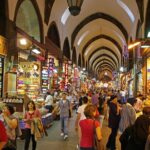
The final stretch moves from monuments to a place where Istanbul feels like it’s happening right now. The tour ends at the Grand Bazaar after visiting key areas inside.
This portion includes:
- A guided walk and a photo stop
- Tea
- Time labeled for shopping and food tasting (short)
- A finish in the Bazaar zone
One of the best values in this tour is the attitude toward shopping. The tour description clearly says it’s not a shopping tour, and you won’t be pressured to buy. If you want help, you can ask the guide, and they can also make recommendations inside the Bazaar.
And here’s the practical piece I appreciate: the guide can offer a short trip at the end to help you get away from scammers. That’s not glamorous, but it’s useful. Grand Bazaar is famous for its maze energy, and help finding your exit or avoiding the worst harassment is worth something.
The guide factor: why Yunus’s pace makes a difference
Your guide is Yunus (and he’s the name that keeps coming up). What stands out is not just facts. It’s the way he controls the pace.
In real Istanbul crowds, a “fast” guide can feel like you’re chasing the group. Yunus’s approach is described as relaxed. He’s also patient—he’ll pause for breaks without making it feel like a disruption. That matters on this route because it mixes busy outdoor spaces with mosque etiquette.
As an art historian–type guide, Yunus also connects academic training to story-telling. That means you’re not memorizing dates for no reason. You’re learning a way to read the city: symbols, architecture choices, and how monuments were used to communicate power.
If you’re the kind of traveler who likes to ask questions, you’ll probably feel comfortable doing it here because the guide answers deeply while still keeping the walk moving.
Price and value: what $59 buys for a half-day route
At $59 per person for about 4 hours, you’re paying for two things: guided interpretation and time-saving route design.
If you tried to do this alone, you’d spend serious effort figuring out:
- which monuments are meaningful (not just famous)
- what to look for inside mosques
- how to connect the sites into one coherent story
- where to stand for photos that actually work
So the money here is less about “someone walking with you” and more about “someone teaching you how to see.” That’s the kind of value that makes sense for a first-time Istanbul visit or for a day when you don’t want to lose hours planning.
Also, this isn’t positioned as an all-day marathon. The half-day format fits well if you want the big Old City highlights and still keep energy for dinner plans, a café break, or an optional Bosphorus cruise.
Who this tour is best for
This works especially well if you:
- want a first intro to Istanbul’s Old City without over-planning
- enjoy art/history explanations with clear, story-based connections
- care about photo stops and getting the best angles
- prefer a small-group vibe with a relaxed pace
It’s not the best choice if you need mobility support, because the tour is explicitly noted as not suitable for people with mobility impairments.
Should you book this Old City tour?
I’d book it if your goal is to get your bearings fast and still come away with meaning. The combination of major sights (Blue Mosque area, Hagia Sophia outside views, Topkapi First Court) plus the Suleymaniye viewpoint and a Grand Bazaar ending is a strong half-day mix.
Book it especially if you want a guide-led route that keeps things calm in a city that can feel chaotic. If you’re hoping for deep interior time inside every major site, adjust expectations: Hagia Sophia and parts of Topkapi interiors aren’t included. But if you want the big picture and smart highlights, this is a solid deal.
FAQ
FAQ
How long is the Old City tour?
The tour lasts about 4 hours.
What is the meeting point?
You meet in the Hippodrome Arena area, in front of the Turkish and Islamic Arts Museum. The guide will be easy to recognize with a red-striped license and a black umbrella.
What language is the tour guide?
The live tour guide provides the tour in English.
Is Hagia Sophia included inside the building?
No. The tour includes an outside view and guided guidance, with no interior visit as part of the tour.
Is Topkapi Palace fully included?
No. The tour includes entry to the First Court only, not the later palace courts.
What should I wear for the mosque visits?
Wear modest clothing (no shorts, mini skirts, or sleeveless tops), and bring a scarf. Scarf and clothing may be provided at mosque entrances if needed.
What’s the cancellation policy?
Free cancellation is available up to 24 hours in advance for a full refund.